The 10-minute self-check that could save your life

Self-exams can alert you to changes in your skin and aid in the early detection of skin cancer Photo credit: PreventCancer.org

Self-exams can alert you to changes in your skin
and aid in the early detection of skin cancer
Photo credit: PreventCancer.org

Skin cancer is the most common of all cancers, afflicting more than two million Americans each year, a number that is rising rapidly.

But the good news is that it’s also the easiest to cure – if diagnosed and treated early.

This is why the Skin Cancer Foundation recommends monthly head-to-toe skin self exams, so you can find any new or changing lesions that might be cancerous or precancerous.

“Checking your skin for skin cancer only requires your eyes and a mirror,” said Thomas E. Rohrer, MD, FAAD, a board-certified dermatologist in Chestnut Hill, Mass. “Examining your skin only takes a few minutes, but it could save your life.”

If You Can Spot It, You Can Stop It

Here’s a step-by-step guide for checking your skin, which should take no more than 10 minutes:

  1. Stand in front of a mirror and start by looking at the front and back of your body.
  2. Raise your arms and examine the right and left sides of the body.
  3. Bend your elbows, looking carefully at your forearms, upper underarms and palms.
  4. Next, examine your entire leg (don’t forget backs, soles and between toes!).
  5. Then, examine hard-to see areas like your back, buttocks and top of head.
  6. Use a mirror to inspect the back of your neck and scalp, parting hair for a better view.

ABCDE’s of Melanoma

The American Academy of Dermatology’s recommends seeking treatment if any of your moles exhibit the following signs:

a-asymmetryA – Asymmetry: Normal moles or freckles are completely symmetrical. Be suspicious is one half of the spot is unlike the other half.

b-borderB – Border: The spot has an irregular, scalloped or poorly-defined border, which could include blurry or jagged-looking edges.
c-colorC – Color: The spot has varying colors from one area to the next, such as shades of tan, brown, or black, or with areas of white, red or blue.

d-diameterD – Diameter: Melanomas are usually greater than 6mm, or about the size of a pencil eraser when they are diagnosed, but they can be smaller.

e-evolvingE – Evolving: A mole or spot on your skin that looks different from the rest or is changing in size, shape, or color.

“Current estimates show one in five Americans will be diagnosed with skin cancer in their lifetime, so it’s important to be familiar with your skin, especially your moles,” said Dr. Rohrer. “Catching skin cancer early is key for successful treatment, so check your skin regularly and see a board-certified dermatologist if you spot anything suspicious.”

Body after baby: Tips for shedding pregnancy pounds

Photo credit: MountainBuggy.com

Photo credit: MountainBuggy.com

Between all-hours feedings, a steady stream of diaper changes and endless loads of laundry, finding the time (and motivation) to make it to the gym when you have a new baby can be difficult, to say the least.

Because during those first few whirlwind weeks, you’re too overwhelmed – and exhausted, frankly – to care.

But allow yourself some time to get in a groove, and eventually you’ll want to get your groove back.

Only now you may find yourself stuck in that stubborn limbo between maternity wear and your old wardrobe….so, what’s a new mom to do?

Here are a few tips to help jump-start your ‘body after baby.’

1. Go easy. 

Congratulations, you just made a human! Now, give your body a break. Stop comparing yourself to that celebrity who has access to (and an unlimited budget for) a team of people to whip her into shape. Allow at least six to eight weeks for recovery, depending on your delivery, and clear it with your doctor before starting any exercise regimen.

2. Make goals. 

Think of your your weight loss as a journey, not a destination. So rather than immediately snapping back to pre-baby shape, expect to make a few pit stops along the way. Just make sure those increments are reasonable, attainable and measurable – say, losing one pound per week – which will help keep you motivated to keep going.

3. Get moving. 

Find an activity you love – whether it’s walking, swimming, jogging or yoga – and hold yourself accountable by signing up for a class at least once per week. Not only will it get you out of the house, but it’ll also establish a good habit. As a mom, you’re also a master multitasker, so squeeze more activity into your daily routine by walking to errands, taking the stairs or parking farther away.

4. Team up. 

Whether it’s your partner or a pregnant friend, the power of a pal should not be underestimated. Get out and meet new people in a “mommy and me” type class or gather a group of local ladies to lean on each other for support. Either way, strength in numbers will help keep you motivated and focused on your goal of losing the baby weight.

5. Eat well. 

When you’re tired, it’s tempting to grab whatever’s handy and stuff it in your mouth. But with a little planning, you can stay a step ahead: Keep your pantry and refrigerator stocked with nutritious foods (fruits, veggies, whole grains), limit the amount of junk food brought into the house, practice portion control and eat only when you’re hungry.

6. Get sleep. 

The sleep equation is a simple one: Get enough, and you’re less compelled to binge on high-calorie, high-sugar foods for energy. Easier said than done when a baby breaks your sleep cycles and upsets your metabolism. But get on the same nap schedule, and you can help prevent a long-term sleep deficit, which will keep energy levels up and cravings in check.

7. Lift weights. 

Contrary to popular belief, lifting weights will lean you out not bulk you up. Incorporating strength training into your fitness routine not only speeds up your metabolism, but it’ll also help get your guns prepped for hauling around that growing baby! And if you’re not ready to hit the gym or invest in a set of dumbbells, try improvising with household items, such as a milk jug or canned goods.

8. Follow through. 

A final word when it comes to keeping those postpartum pounds in check: Consistency is key. Stick with your new schedule until it becomes routine, celebrate your wins, and learn from your losses along the way. Focus on what you’ve accomplished so far (um, like having that adorable bundle!), and always remember: You can look fabulous at any weight with the right attitude.

Stay tuned for part two of this post where real-life moms offer their favorite secrets for slimming down after baby…

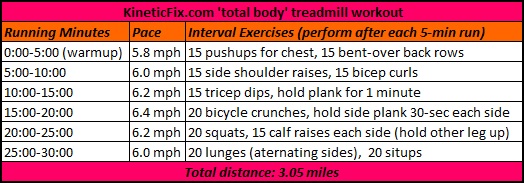
30-minute(ish) total body treadmill workout

While I can’t promise the entertainment level (or cool factor) of this ‘dancing treadmill guy,’ I do have a workout that’ll help make your next trip to the gym a lot more efficient.

It’s a cardio-strength hybrid where you’ll be hopping off the treadmill every five minutes to complete a few moves, so find a spot where you can easily maneuver back and forth without losing your machine between sets.

Before you know it, you’ll have three miles and a total body strength training session under your belt.

Now, that’s something Treadmill Guy can get behind.

KineticFixTotalBodyTreadmillWorkout

Three stability ball moves for a stronger core

Ballast_ACEfitnessdotorg

Photo credit: ACEfitness.org

“Hard core” is more than just a workout mantra; it’s a way of life for those who not only want a better beach body, but who also want to prevent injury, enhance balance and increase stability during all sorts of activities.

Whether you’re swinging a golf club or sweeping the floor, the necessary motions either originate in your core, or move through it; so it’s important to spend some time on this oft-overlooked area.

But if you’re dreading the thought of thousands of crunches, there’s another option for strengthening abs and back: Enter the stability ball, which first burst on the fitness scene in the 1960’s with regular use by the physical therapy industry.

A versatile and budget-friendly tool, the inflatable orb then went mainstream in the late 1980’s and has been used regularly since to improve balance and posture while targeting key muscle groups.

Use it at the gym or buy one for your home, and try these three beginner-friendly moves from American Council on Exercise (ACE):

Supine trunk curl

  1. Start with the top of the ball beneath the center of the back.
  2. Press the lower back into the ball and tighten the abdominals as you curl the rib cage toward the pelvis.
  3. Slowly return to the starting position and then repeat.

Supine oblique curl

  1. Start with the top of the ball beneath the center of the back, then stagger feet and rotate hips to one side.
  2. Anchor the lower hip to the ball and move the rib cage at a diagonal direction toward the legs (for example, right elbow to left inner thigh).
  3. Making sure neck and pelvis are stable, contract and repeat.

Forward transverse roll

  1. Kneel on the floor and place your forearms on the ball, making sure your hips and arms form a 90-degree angle.
  2. From this starting position, roll the ball forward as you extend your arms and legs simultaneously.
  3. Contract your abdominals to help support your lower back, which should not be strained.
  4. Roll as far forward as possible without compressing the spine, drooping shoulders, or rounding the torso.
  5. Return to starting position and then repeat.

If you’ve got a few sizes from which to choose, ACE suggests the following guidelines for finding the ideal diameter to suit your frame:

  • Under 4’6”: 30 cm ball (12 inches)
  • 4’6”–5’0”: 45 cm ball (18 inches)
  • 5’1”–5’7”: 55 cm ball (22 inches)
  • 5’8”–6’2”: 65 cm ball (26 inches)
  • Over 6’2”: 75 cm ball (30 inches)

Ready to add more moves to your stability ball repertoire? Check out these 20 super-effective stability exercises from Greatist.

Recipe redux: Edamame-Kale Succotash Salad

SoyKaleSuccotash

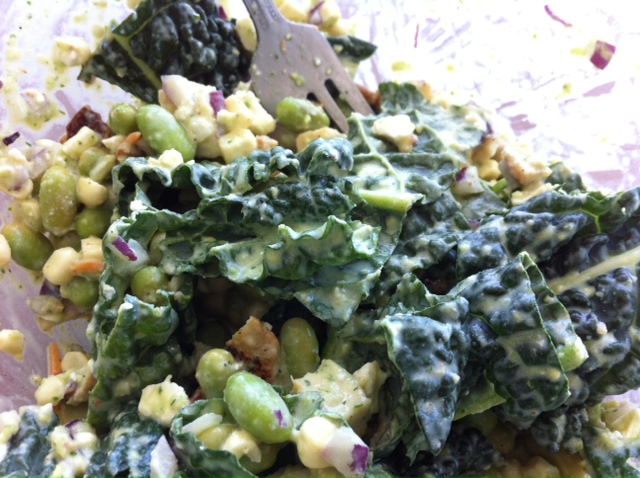
Just look at all that leafy green goodness…

Growing up in the Midwest, I always equated ‘succotash‘ with those bags of soggy, cubed veggies from the freezer section of the grocery store.

But after drooling over this recipe for Succotash Salad with Buttermilk Avocado Dressing in the June 2013 issue of Better Homes & Gardens, I decided it was worth another shot.

That’s right; you heard it here first, folks: Succotash is making a comeback! 

I did make a few tweaks to the recipe – based partly on personal preference (I’m not a huge fan of the texture of Butter lettuce) and partly on sheer laziness (I couldn’t find lima beans at my store, so I opted for edamame and called it a day).

The result was pretty tasty, though, so if you try it yourself, be sure to let me know what you think!

Kinetic Fix Edamame-Kale Succotash Salad

Ingredients:

  • 2 ears fresh sweet corn, shucked and kernels cut off
  • 1 package frozen edamame, cooked and cooled
  • 1 cup low-fat buttermilk
  • 1 avocado, halved, seeded and peeled
  • 1 tbsp fresh parsley, roughly chopped
  • 1/2 tsp garlic salt
  • 1 tsp dry mustard
  • 1/4 tsp ground black pepper
  • 1 bunch kale, washed and finely chopped
  • 2 cups grilled chicken breast, cooled and diced
  • 1/2 cup finely chopped red onion
  • 1 package cherry tomatoes, washed and halved
  • 1/2 cup crumbled feta cheese

Directions:

  1. To make the dressing, blend buttermilk, avocado, parsley, garlic salt, dry mustard and black pepper in a blender or food processor until smooth.
  2. Combine remaining ingredients (kale, corn edamame, chicken, onion, tomatoes and cheese) in a large bowl.
  3. Pour dressing over salad mixture, tossing until it’s fully coated. Serve immediately.

Dietary self-defense: 5 tips for avoiding popular food label traps

honest_labels_600

Food labels: More than meets the eye

Confused about calorie counts? Don’t know the difference between “low-fat” and “reduced fat” when it comes to your favorite foods?

You’re not alone.

In an online survey of more than 25,000 respondents in 56 countries, market research firm Nielsen found that 59 percent of consumers admitted they have difficulty deciphering nutritional labels on food packaging.

Another 78 percent also said they’re trying to lose weight through dietary changes – which begs the question: How can we be effective at doing that if we’re not really sure what we’re eating?

foodaisle_4

The fact is, most people don’t understand enough about what’s on food labels to make an informed choice about what’s best for them.

So next time you find yourself strolling the aisles, cut through the confusion by familiarizing yourself with the five most common tricks when it comes to food labeling:

1. Serving Size.

Although the numbers are based on a single serving, the package may contain several. Do the math and make sure to multiply accordingly – it adds up.

2. Calorie Count. 

When it comes to numbers, think quality over quantity. Some healthy foods are higher in calories (likewise, there are unhealthy foods that are low in calories but high in sodium or sugar), so it’s important to factor in nutrient density when making meal choices.

3. Ingredient List.

Say the first ingredient listed in chocolate cake is enriched bleached flour. Sounds healthy enough, right? Wrong. Even though ingredients are listed in order of descending amounts, some items are used in several forms (e.g. sugar) and listed under various names (i.e. corn syrup, fructose, juice concentrate), so be sure to add ’em up to determine true amounts.

4. Percentages.

Here’s where food makers deploy another trick of the trade. Take two percent milk, for example; we assume it’s 98 percent fat-free, but what it actually means is that two percent of the weight of the milk is fat (whole milk is four percent, FYI).

So while two percent is reduced, it’s not low – in fact, about 30 percent of the calories in a cup of two percent milk come from fat. The same applies to ground meats, so when in doubt, buy skim and go for the highest percentage of lean you can find.

5. Terminology.

Think “reduced” and “low” are the same thing? Think again. A food that says reduced simply means it contains at least 25 percent less of something.

Soy sauce, for example, may contain less sodium than the original version, but that doesn’t mean it’s “low” in sodium (in fact, one tablespoon packs about 700 milligrams, closing in on your daily cap of 1,500 to 2,300 milligrams). When in doubt, check labels and compare against dietary guidelines to determine whether or not the label is misleading.

Want a good laugh on the subject? Check out comedian Brian Regan‘s bit about food labels here.

Father’s Day gift guide for the fit-minded

Photo credit: Michele Westmorland / Getty Images

Photo credit: Michele Westmorland / Getty Images

His days of piggyback rides and playing catch may be over now that you’re all grown up, but here’s your chance to put some ‘play’ back into Dad’s day with some fun gadgets and gear designed to keep him moving.

For the Stat-Obsessed Runner

The masterminds behind Nike’s sport watch series ventured out on their own, launching Soleus, the only watch, GPS and heart rate monitor company that has its roots in running and athletics. Their GPS Fit model ($99) accurately tracks speed, pace and distance, provides auto lap splits at every mile, and the “always on” night-light mode will help him see better during late night (or early morning) runs and training.

Soleus

For the Time-Crunched Multitasker

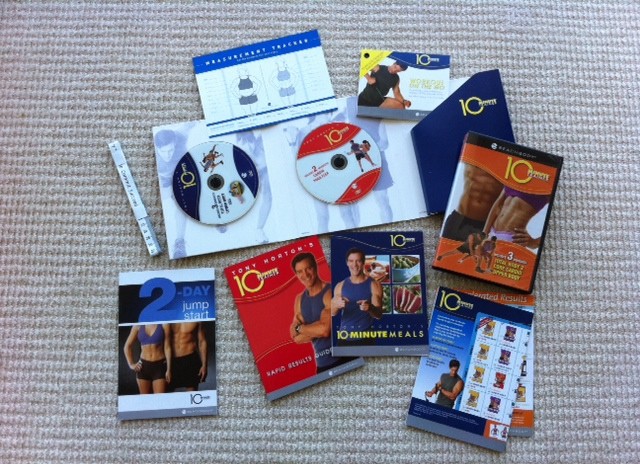
Fitness guru Tony Horton (of P90X fame) has created the ultimate get-fit-quick program with his new 10-Minute Trainer workout. By taking a specific series of ultra-effective moves and condensing them into bite-sized segments that can be done at home in the span of a few commercial breaks, Horton will have Dad whipped into shape in no time. For more info, check out my full review here.

TMT1

For the Weekend-Warrior Adventurer

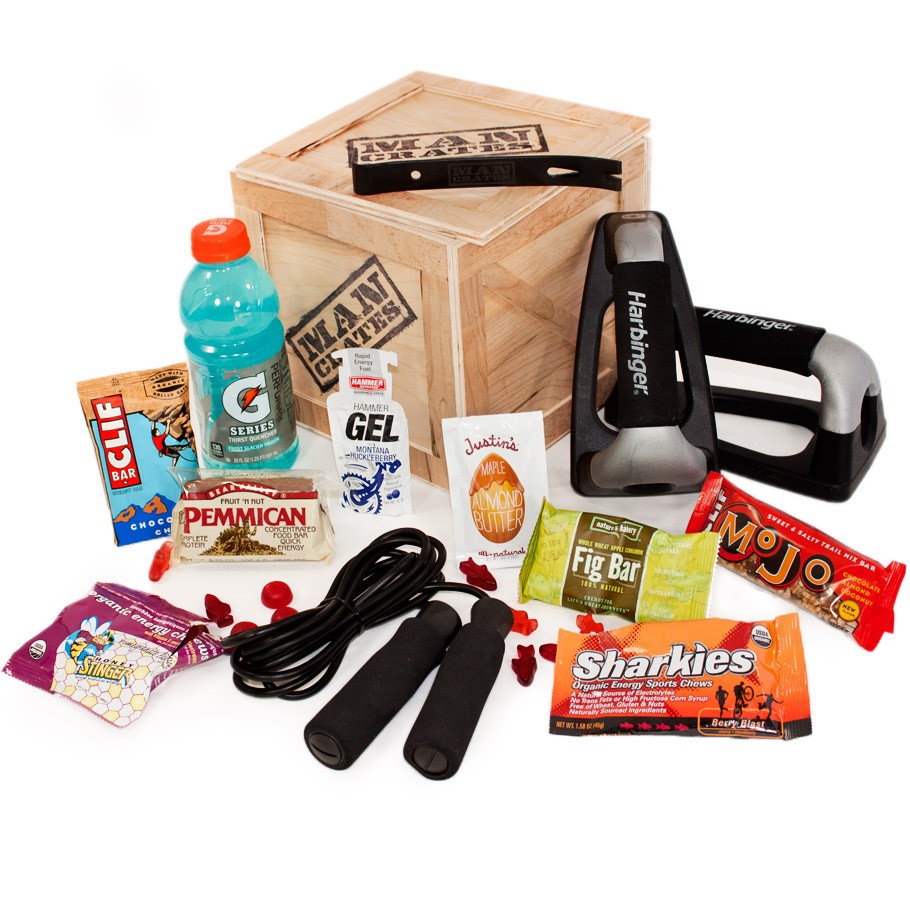
Airdrop some awesomeness on Dad’s doorstep with the Performance Sports Crate ($75) from Man Crates. Stuffed to the brim with cool training gear (think ultraspeed jump rope and push up bars), plus high-energy performance fuel (nutrition in the form of bars, chews and nut butters), each rough wooden crate comes complete with a crowbar to give Dad a bonus workout just trying to pry the darn thing open. 

mancrate__84232.1348141309.1280.1280

For the High-Pressure Executive

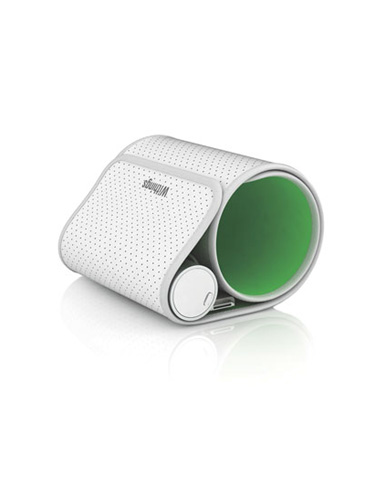
Finally, a BPM as easy as ABC to help keep Dad’s health in check. Simply wrap the Withings Blood Pressure Monitor ($130) around his arm, and plug it into his iPad, iPod Touch, or iPhone to get instant visibility of systolic, diastolic blood pressure and heart rate. The free corresponding app displays results in easy-to-read graphs, which can be emailed to his doctor with a simple tap on the screen.

withings

For the Health-Fad Foodie

A universal tool for family meals and entertaining, the Vitamix 5200 Super – Healthy Lifestyle Blender ($549) has been on my personal wish list for quite some time. Not only can Dad create every course of his home-cooked meals—from frozen drinks to creamy desserts—in minutes, but in addition to the usual smoothies and soups, he can also create gluten-free breads, cereals and baked goods with a 32-ounce container specifically designed to grind whole grains.

5200-super-modular-package

Got any other great Father’s Day gift ideas for the Fit Dad in your life?

TurboCharged book giveaway winner!

TurboChargedCongratulations to Bryan Kraus, our TurboCharged book giveaway winner!

Bryan, please email info@kineticfix.com with your mailing address, and we’ll get your book shipped to you ASAP.

If you missed my interview with TurboCharged author Tom Griesel, be sure to check out parts one and two for his insight on how to accelerate your fat-burning and get lean…just in time for bathing suit season!

And to jump-start your new routine, here’s a sample TurboCharged recipe to help retrain your body to source energy from your body fat (and fat from your diet), along with the natural sugars ingested from fruits and vegetables:

Photo credit: SeriousEats.com

Photo credit: SeriousEats.com

TurboCharged Variety Dressing 

Ingredients: 

  • 1/2 cup tomato juice
  • „ 1/2 tsp dry mustard
  • „ 1/2 tsp salt
  • „ 1/4 tsp black pepper
  • „ 1/4 tsp paprika
  • „ 1 Tbsp grated onion
  • „ 2 Tbsps minced parsley
  • „ 2 tsps chopped green pepper
  • „ Dash cayenne

Directions: 

  1. Place all ingredients in a jar and shake together vigorously until thoroughly blended.
  2. Pour over a chopped salad or toss with cut veggies for a tangy treat!

DIY beauty: Honey and olive oil hair mask

Photo Credit: National Honey Board

Photo Credit: National Honey Board

Summer is hard on hair. Between drying heat, scorching sun and harsh chlorine (plus the usual damage from coloring and styling), it’s a recipe for tresses that are a real mess come fall.

So now’s the perfect time to take preventative measures with this homemade hot-oil treatment.

Using honey, a natural humectant, plus olive oil, a rich emollient, this DIY mask not only conditions hair and makes it easy to comb, but it also adds shine and prevents breakage.

The best part, though?

You already have both ingredients in your cupboard!

DIY Honey & Olive Oil Hair Mask

Ingredients:

  • 4 tbsp extra virgin olive oil
  • 2 tbsp honey

Directions:

  1. Spoon honey and olive oil into a microwave-safe container

    Just two ingredients, and you're on your way to healthier hair

    Two ingredients to healthier hair

  2. Dampen hair slightly, but not to the point where it’s dripping
  3. Microwave mixture for 30 seconds. Remove and stir to combine

    HoneyOilHairMask2

    Be careful – it’s be deceivingly hot once microwaved

  4. When cool enough to touch, work a small amount at a time through hair, roots to tips
  5. Cover well-coated hair with plastic wrap before wrapping head with a towel

    HoneyOilHairMask3

    The aftermath…the pursuit of beauty’s not always pretty

  6. Let the mask work it’s magic for 30 minutes before shampooing in the shower
  7. Repeat monthly to revive dull, dry hair

Of course, I had to get over the  initial “ick” factor of combing some very sticky honey through my damaged, delicate strands.

But once I saw the results – gorgeous, shiny, super-soft locks – I’ve been hooked on this easy, at-home treatment.

Not bad for a half hour and just a handful of ingredients from your pantry!

Beat the heat: Gear for surviving summer workouts

Summer-workout-thriveportlanddotcom

Photo credit: ThrivePortland.com

I have a love/hate relationship with summer workouts.

Love? Longer days, runs at dusk with the smell of fresh-cut grass and dressing without fear of the wind chill factor.

Hate? Sunburns, jogging at a snail’s pace under the beating sun, dehydration, heat cramps and humidity.

Luckily, some of those things can be avoided by taking a few simple precautions (aka getting my butt out of bed earlier and slathering myself head-to-toe with sunscreen).

The others? Well, there’s no better excuse to get some fun, new gear to keep you from suffering through some strenuous outdoor activities in the summertime.

Here are a few of my recent favorites!

Dress to Impress

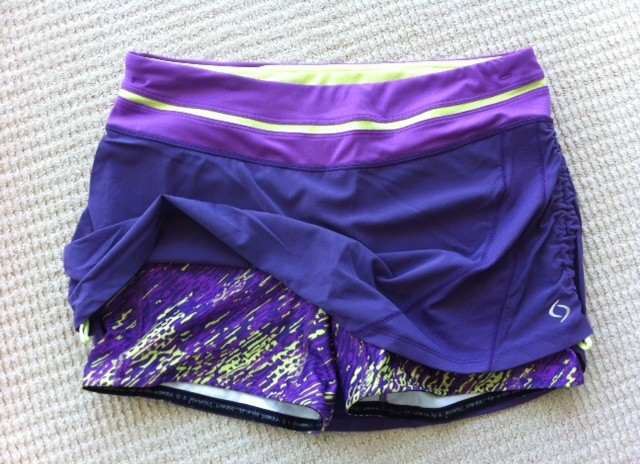
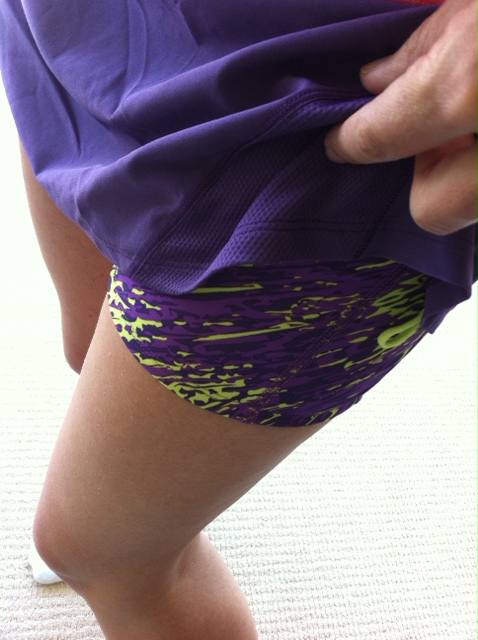
I love a good pair of yoga pants as much as the next gal, but sometimes summer just calls for bare legs. Keep your cool (without losing your dignity in some of those, ahem, ‘barely-there’ shorts) with Moving Comfort’s Sprint Tech Skort ($56), which comes complete with motivational quotes inside the lining to really get you going.

MCskirt

Peek-a-boo! Love the fun colors

MCskirt2

Go with the Flow

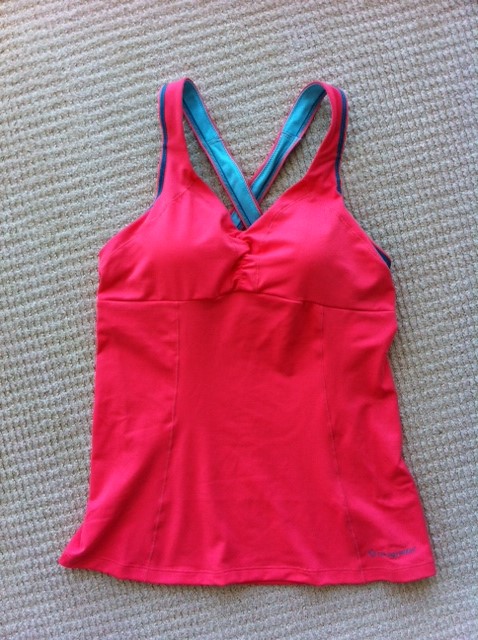
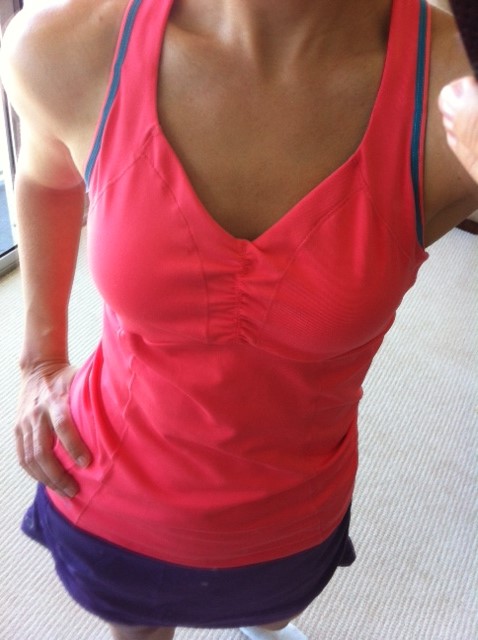
For up top, I’m a big fan of their Flow Crossback Tank ($58). As comfortable as it is cute, Moving Comfort really knocked it out of the park with this one. From the fun pop of color to the feminine ruching at the bust, this tank is not only done well design-wise, but it also has a built-in bra for support during both low- and high-impact activities.

MCtank

MCtank2


Keep a Cool Head

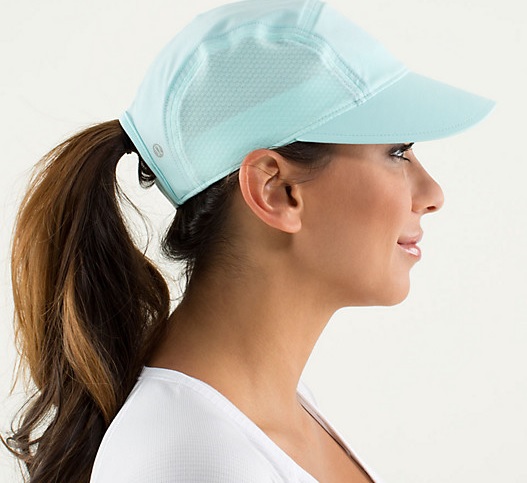
When I want to get out and feel the burn (the good kind) while going pseudo-incognito, I grab my trusty Lululemon Run Hat ($32). The lightweight, moisture-wicking and adjustable cap makes it easy to shield your eyes from the sun and keep hair from going haywire.

Photo credit: Lululemon.com

Photo credit: Lululemon.com

Hydrate, Hands-free

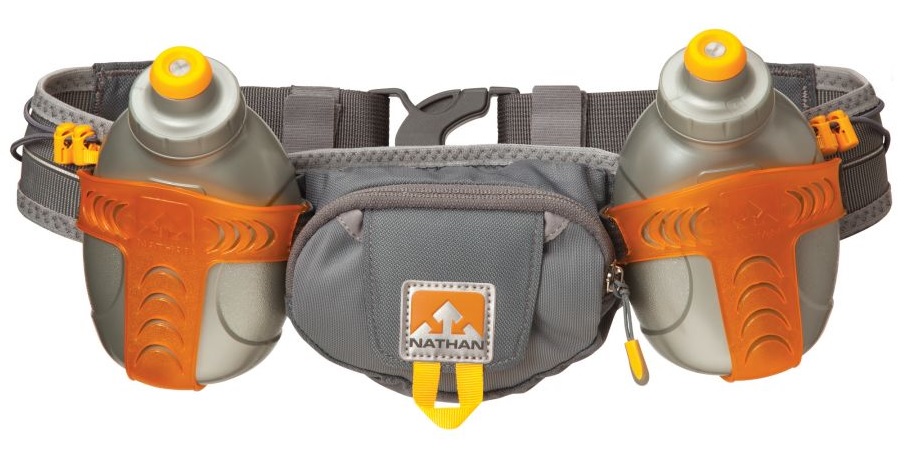
Between hydration, energy gels, keys, cash, phone, music and whatever else you need, packing for a long run can spiral out of control quickly. Contain the madness with a Nathan Hydration Belt ($45). Equipped with easy-squeeze flasks, these belts offer lightweight storage, a chafe-free ride, and easy one-handed access to hydration and other running essentials.

NathanBelt

Photo credit: NathanSports.com

Keep Your Balance

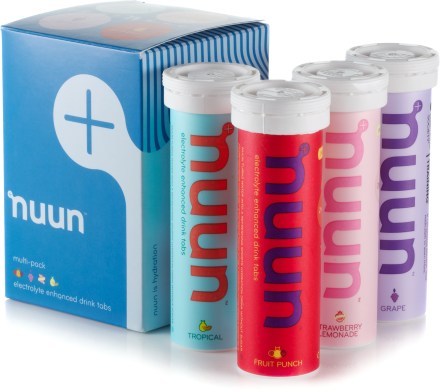
Finally, smart sports hydration takes more than just H2O. Keep from knocking your system too far out of whack by consistently sipping an electrolyte replacement, such as Nuun Active Hydration Tablets ($24 for a four-pack), which contain a quick-absorbing mix of salts and sugars that can alleviate cramps and help muscles function, communicate and burn energy efficiently. Stay cool out there!

nuun

Photo credit: REI.com

Thanks to the folks at Moving Comfort for providing samples for review; all opinions are my own.