15 Healthy Snacks for the Pregnancy Homestretch

SmartSnacks

Combine shrinking stomach space and a temperamental tummy with the mounting nutritional needs of growing a baby, and you’ve got a potential recipe for pregnancy disaster.

Case in point: When an earlier ultrasound revealed that Baby H might be measuring behind, my doctor had me double down on healthy fats, cut back on exercise and increase meal frequency. Now we know it was just a wonky measurement due to breech positioning, but nothing like another dip on the emotional roller-coaster that comes with being a first-time mom! 

Normal-sized meals may be out the window, and lack of time and energy can make it tempting to grab whatever’s nearby (or cave in to cravings) so I’ve been relying heavily on snacking. Having the following 15 mini-meals in my arsenal have been key to putting my mind at ease — and keeping my blood sugar levels from dropping.

1. Protein Shakes. Convenient grab-and-go-option for a quick shot of protein and calcium; my go-to is banana, ice, protein powder, peanut butter and milk in my trusty immersion blender.

2. Cheese Sticks & Crackers. Protein, calcium and just the right amount of carbs when you’re craving something salty and starchy.

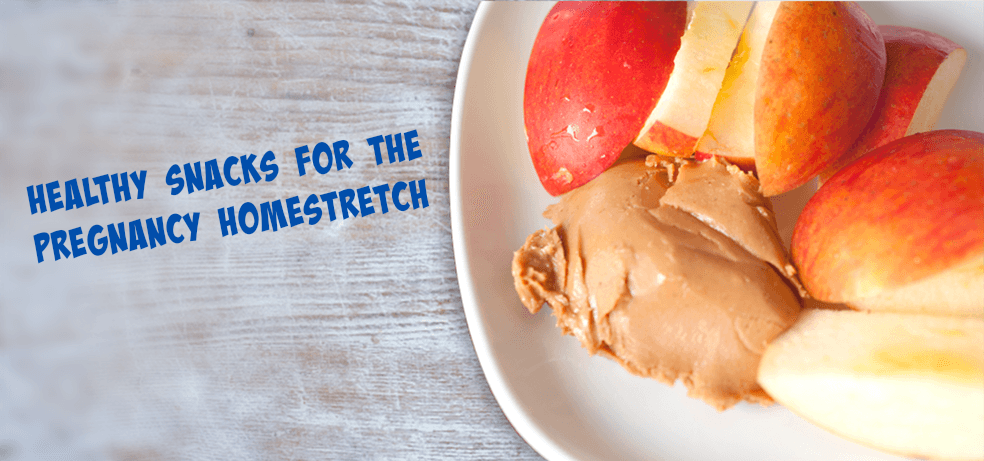
3. Fruit with Nut Butter. Think of your usual apples, bananas and pears as a blank canvas for all the great butter flavors and blends out there.

4. Guacamole. Avocados are a wonderful source of good fats, and they’re especially delicious as a zesty dip (for chips) or spread (for sandwiches).

5. Cereal & Milk. Although my current favorite is shredded wheat with fruit in the middle (fiber!), I’ve eaten my fair share of fortified kids’ cereals without guilt these past nine-plus months.

6. Yogurt, Granola & Berries. One of my very favorite breakfasts, this parfait delivers good protein, nutrients and fiber without being too filling.

7. Oatmeal & Mix-ins. Pick a theme — sweet or savory — and there’s no limit to the amount of good stuff that can be packed into one bowl!

8. Fresh Fruit. Delicious, portable, bursting with nutrients and full of flavor, I aim for a few servings a day to add variety to my diet.

9. Hard-Boiled Eggs. Incredible and edible, these protein-packed bites are a great way to stay satiated between meals and keep energy levels steady.

10. Dried Fruit & Nuts. Mix and match for a sweet and salty treat that’s great for taking with you for anywhere, anytime snacking.

11. Ants on a Log. Don’t discount the old childhood throwback! Spread your favorite peanut butter on celery sticks, and top with raisins.

12. Cottage Cheese & Sunflower Seeds. I know, I know…it’s a weird combo. But don’t knock it ’til you try it — the creamy, crunchy, savory flavors hit the spot.

13. Dates With Cream Cheese & Walnuts. Halve dates, fill with a smear of cream cheese and top with a walnut. Also makes an elegant appetizer!

14. Baby Carrots & Hummus. When you’ve got a craving for crunch, nothing does the trick quite like this sweet, tangy combination.

15. Healthy Bars. Make your own or pick up a few favorites (mine are KIND, LUNA and Larabar) to pack in your purse for when hanger strikes.

What are your favorite pregnancy (and non-pregnancy!) snacks? 

Recipe: Zest Nutrition’s Cookies in a Jar

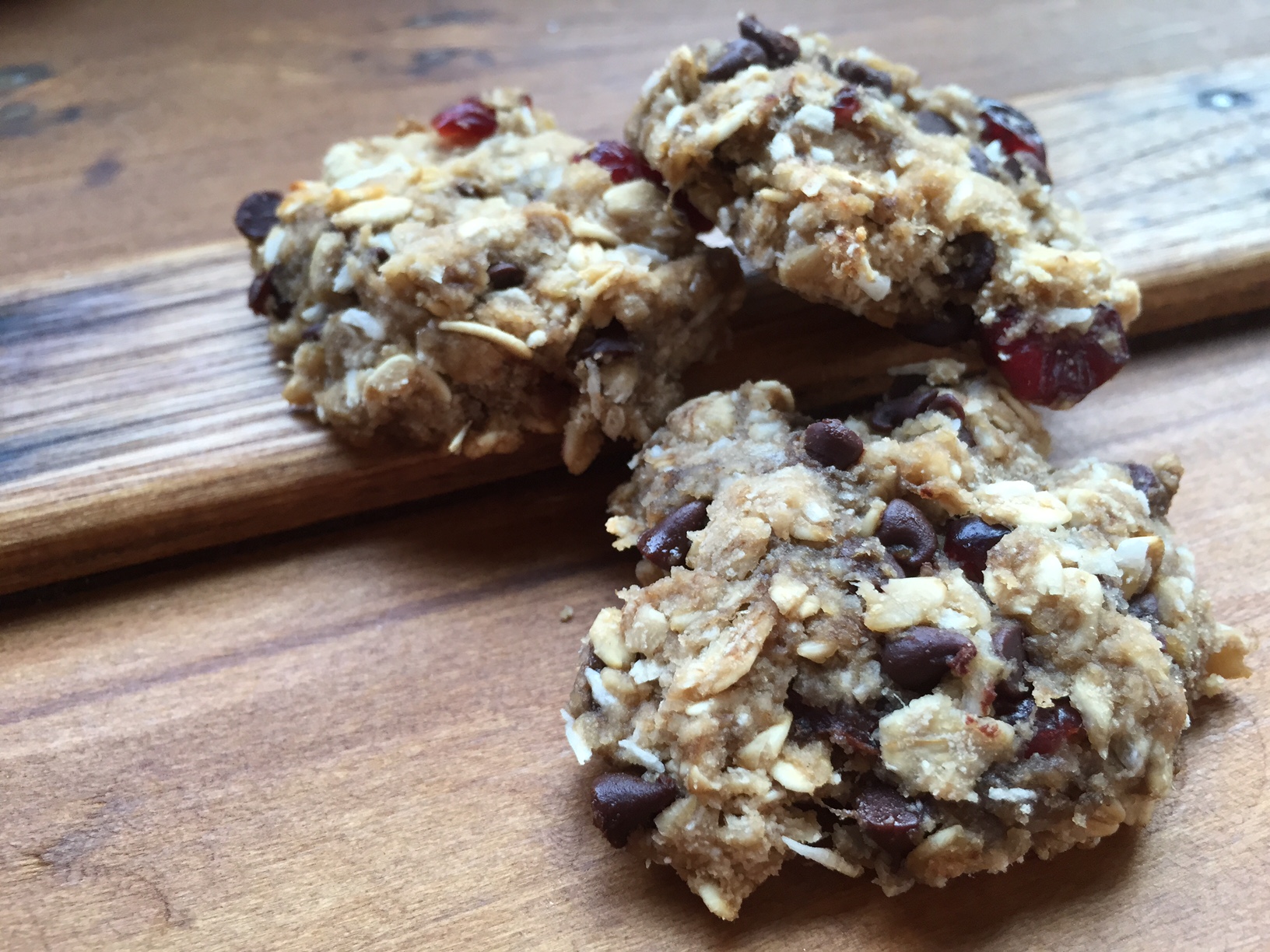
IMG_1293

When the ladies of Zest Nutrition whipped these little wonders out at their holiday party in December, it was love at first bite. And worth sharing now, even post-holiday, because I believe so strongly in their credo that “we deserve to eat food that tastes amazing and makes us feel good all year long.”

Since they’re so easy to make, I’ve been sharing them with friends who become seem to become equally obsessed (you’ve been warned). The first few batches were by the book, but I’ve since experimented by trying coconut flour in place of almond flour, adding half an extra banana and a tablespoon of chia seeds, and replacing the regularly-sized chocolate chips with mini morsels.

The Zest ladies also suggest swapping out the dried cranberries, chocolate chips and coconut for any other ingredients you like. Go wild, and indulge without guilt!

Cookies in a Jar

(original recipe here)

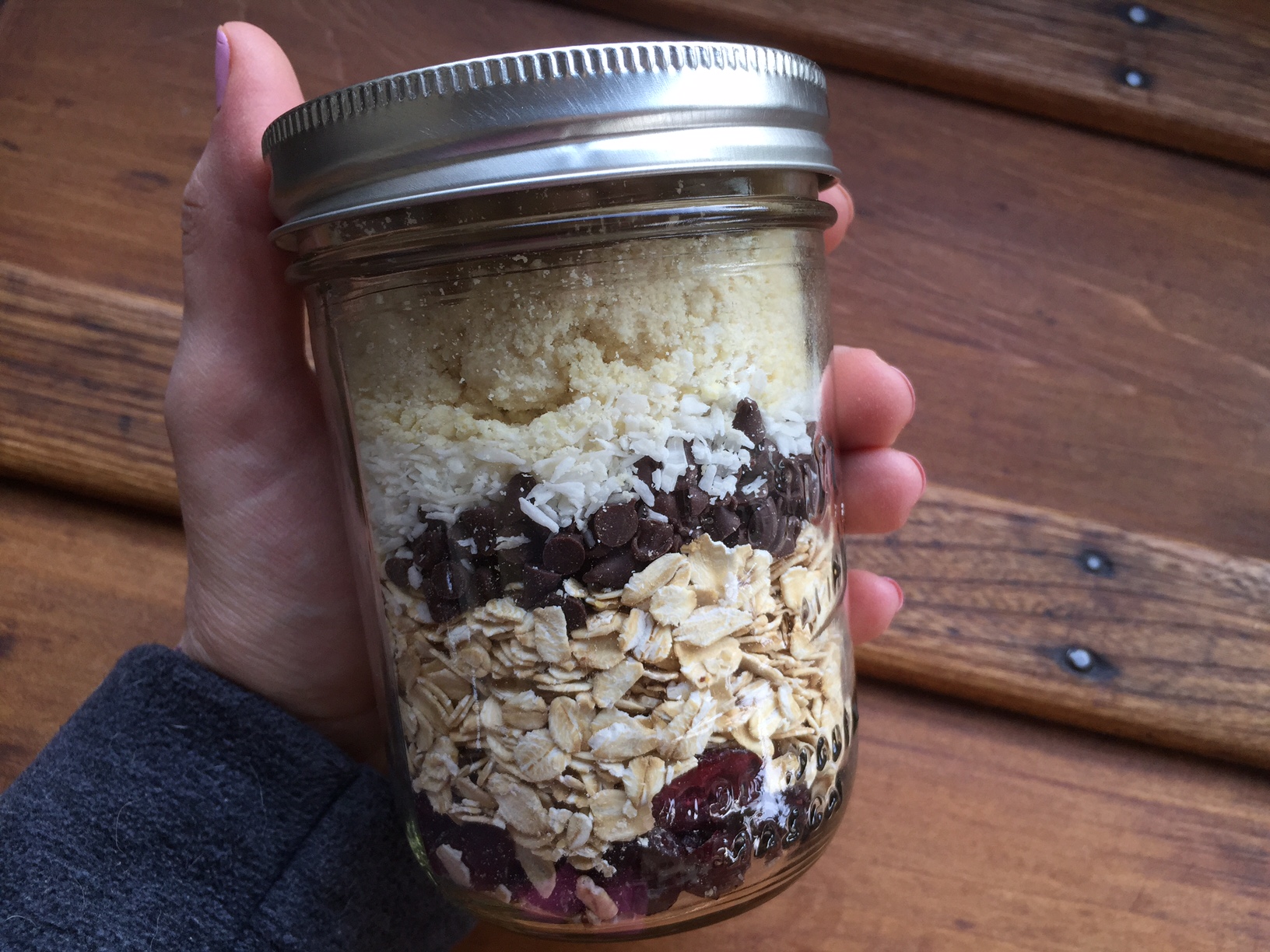
Ingredients (in jar):

  • 3/4 cup rolled oats
  • 1/2 cup almond meal
  • 1/4 cup shredded coconut
  • 1/4 cup dried cranberries
  • 1/4 cup dark chocolate chips
  • 1/4 tsp salt

Ingredients (to add):

  • 2 ripe bananas

Directions:

  1. Heat the oven to 350F.
  2. Mash bananas with a fork, then mix in jar ingredients until combined.
  3. Form cookies on baking sheet and bake for 20 min.

The best part? Each batch is perfectly proportioned for storage in your standard mason jar.

Mix ahead and save for a rainy day when cravings hit, or get crafty and share something nourishing — yet delicious — with your friends and family.

IMG_1295

Ever thought a vegan, gluten-free cookie with no refined sugar could be so tasty? Me, neither!

Recipe: Zest Nutrition’s Sweet & Spicy Walnuts

IMG_1049

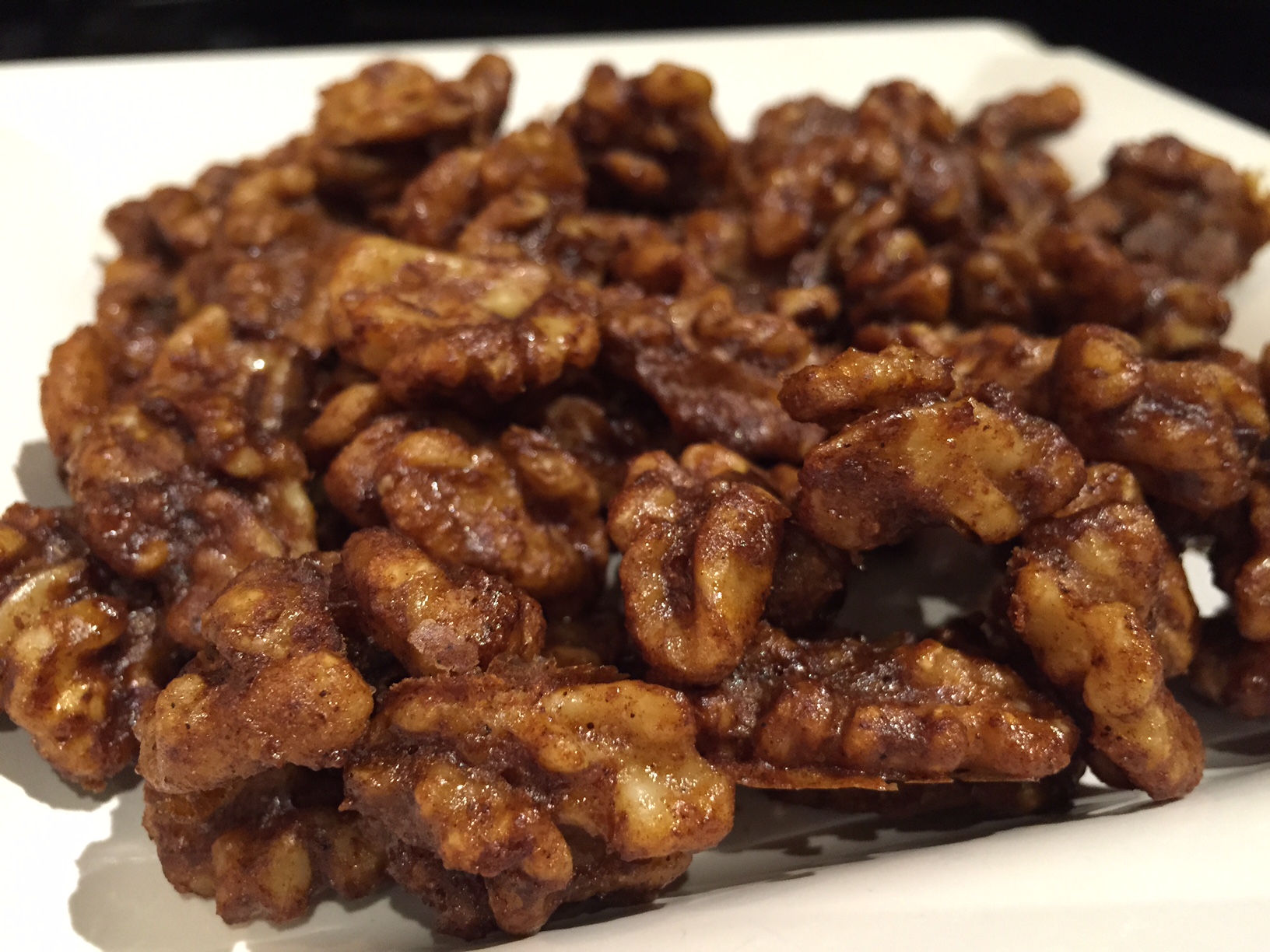
When your doctor suggests that you double down on healthy fats to help your baby pack on the pounds in its last few weeks in utero, you happily oblige. Especially when you know you’ve got friends with something delicious up their sleeves to help perk up plain old nuts.

Typically, candied nuts are coated in butter and refined white sugar. But Megan and Anna, the brilliant minds behind Zest Nutrition, created a recipe that uses egg white instead of butter and maple syrup and coconut sugar for natural sweetness.

These tasty tidbits are their creation, which totally hit when spot when you’re looking for a quick sweet-n-savory snack. In fact, they’re downright addictive. You’ve been warned!

Sweet & Spicy Walnuts

(via Zest Nutrition)

Ingredients:

  • 4 cups walnut halves
  • 2 egg whites
  • 1/4 cup maple syrup
  • 3 tablespoons coconut sugar
  • 4 teaspoons cinnamon
  • 2 teaspoons chili powder
  • 2 teaspoons salt

Directions:

  1. Preheat oven to 350F.
  2. Coat walnuts in egg white and maple syrup.
  3. Stir together remaining ingredients and toss with walnut mixture.
  4. Bake for 20 minutes, option to stir halfway through.
  5. Allow to cool completely before storing. Flavors enhance once nuts have cooled and the crunch has set in.
How do you incorporate healthy fats into your diet?

Recipe: Capalbo’s Cauliflower Mac and Cheese

IMG_0505

Whenever I’m stumped for new dinner ideas, I like to ask friends what they’ve been eating. This recipe came from Anabel, who served up a new twist on a classic to rave reviews during a girls’ night.

While it’s not the super-smooth-and-creamy-chemical-laced boxed stuff, it does have a lot of good nutrients (cauliflower’s a great source of vitamin C, vitamin K, folate, pantothenic acid and vitamin B6, for example). It also hits the spot when you’re in the mood for a decadent-tasting side dish; I like to pair it with protein, like chicken or salmon.

And although mac and cheese is something I usually reserve for special occasions, Anabel assured me that it “tastes very rich and indulgent without having any butter and very little cheese.” Sold. 

Capalbo’s Cauliflower Mac and Cheese

(Adapted from “The Athlete’s Palate” in the March 2011 issue of Runner’s World)

Ingredients: 

  • 2 1/2 cups chicken stock
  • 2 bay leaves
  • 1 cauliflower, cored & cut into large pieces
  • 8 oz. whole-wheat elbow macaroni (I used an entire 13 oz. box)
  • 1/2 cup grated cheese (I used sharp cheddar)
  • 2 tablespoons olive oil
  • 1 tablespoon Dijon mustard
  • 1/8 teaspoon nutmeg
  • Salt and black pepper
  • 1/4 cup grated Parmesan cheese (I eyeball this)
  • 1/2 cup whole-grain bread crumbs (same as above)

Directions: 

  1. Heat oven to 400. Microwave cauliflower in a steamer bag for five minutes or until tender.
  2. Meanwhile, in a saucepan, warm stock and bay leaves on medium-low heat for five minutes; turn off heat.
  3. Place cauliflower blender or food processor. Add macaroni pasta to the boiling water and cook for five minutes. Drain pasta, and rinse to cool. Put pasta in a greased, 9-13-inch baking dish.
  4. Process cauliflower with stock (bay leaves removed), cheese, oil, mustard, nutmeg, salt and pepper. Note: if using a blender be sure to leave open a crack for steam to escape.
  5. Pour sauce over pasta, toss and spread evenly in dish. Top with Parmesan and bread crumbs.
  6. Bake 20 minutes or until golden brown on top.
Healthy mac and cheese — yea or nay?

‘Boning Up’ on the Bone Broth Trend (+ DIY Recipe)

IMG_0617

“We are indeed much more than we eat, but what we eat can nevertheless help us to be much more than what we are.” – Adele Davis

If you’ve been hearing a lot of buzz about bone broth recently, you’re not alone. But what exactly is the difference between stock, broth, consomme, and bouillon? And why are people raving over bone broth, in particular, for its healing and nourishing benefits?

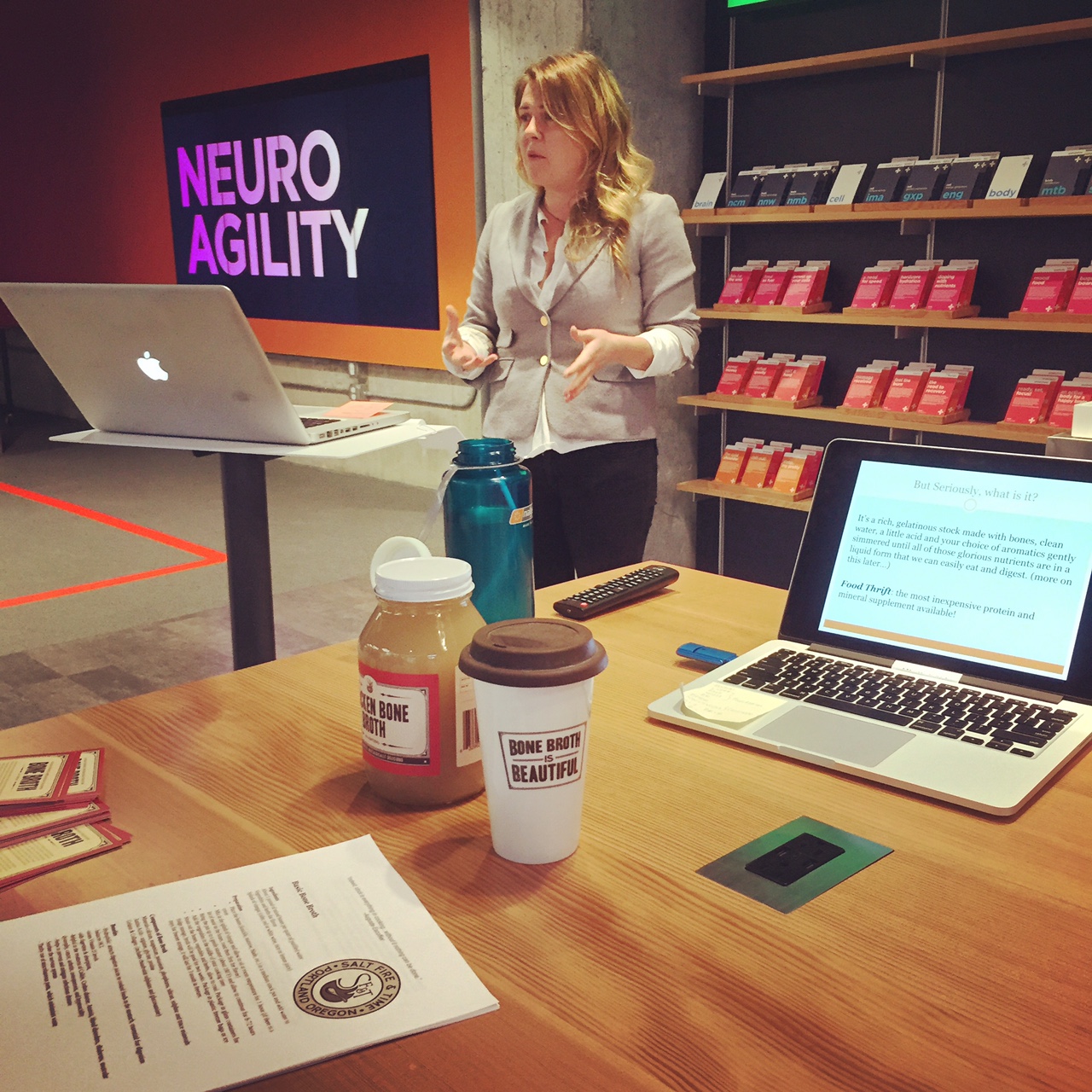
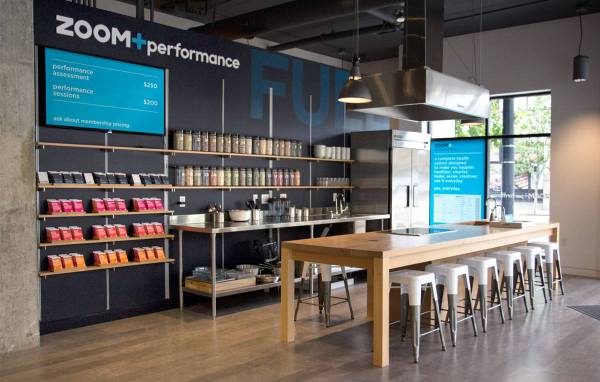
With those questions in mind, I popped into the ZOOM+Performance lab last week to learn more from the first of their lunchtime classes. Local expert Tressa Yellig from Salt, Fire & Time was on hand to educate us about this savory elixir and how she believes it’s one of the simplest and most powerful food remedies you can have at your disposal.

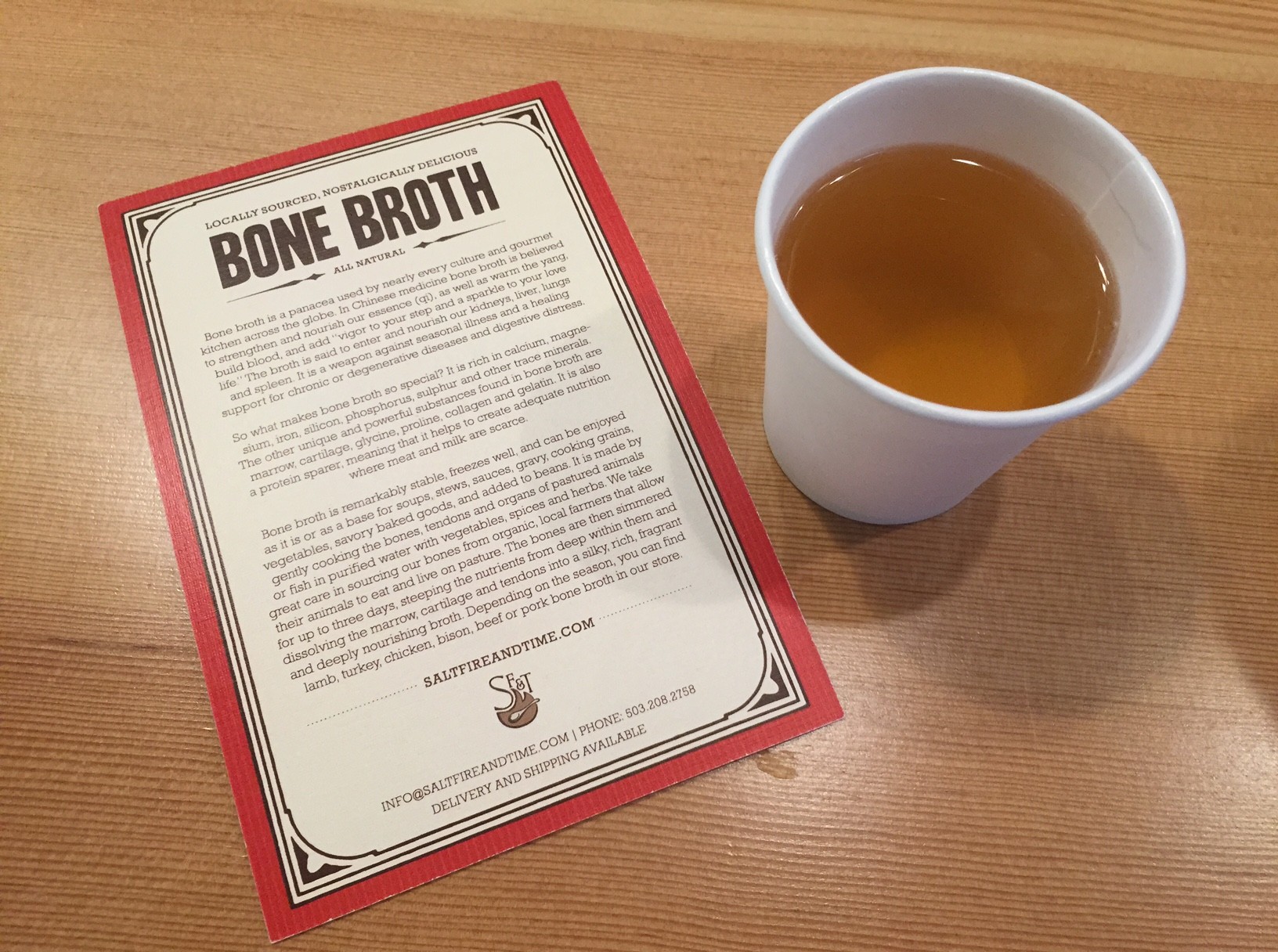
According to Yellig, bone broth stands head and shoulders above other stock-type liquids because it’s cooked for a long time (up to three days) over a low heat (roughly 180 degrees) in order to extract all the good stuff — gelatin, nutrients and minerals — from bones.

So what else makes bone broth so special? Well,  for starters it’s rich in calcium, magnesium, iron, silicon, phosphorous, sulphur and other trace minerals, meaning it’s nutrient-dense. Plus, it contains a host of other unique and powerful substances, including marrow, cartilage, glycine, proline, collagen and gelatin, which are thought to help support the immune system, reduce inflammation and promote healing.

What I found most interesting, however, is when Yellig talked about bone broth also being a “protein sparer,” which means that it helps create adequate nutrition in the short-term absence of protein (read: when you’re sick and the last thing you feel like eating is a hunk of meat). Not to mention it hits the spot on these cold and dreary Portland winter days…

IMG_0619

Bone broth can be enjoyed as it is (with a little salt to enhance the flavor). Yellig also suggested experimenting with it as a base for soups, stews, sauces, gravy, cooking grains, vegetables, savory baked goods or with beans.

It’s pretty simple to make, so if you’ve got the time or inclination she shared this recipe to help you get your bone broth on at home:

Basic Bone Broth

(courtesy of Salt, Fire & Time)

Ingredients: 

  • About 1 pound of mixed bones per quart of purified water
  • Splash of vinegar (cider, red or white wine, rice or lemon juice)
  • Vegetables and herbs for flavor (optional)

Directions: 

  1. Place bones in a medium to large stock pot and add water to cover.
  2. Mix in the splash of vinegar and allow to sit at room temperature for about an hour. Note: If there’s a lot of meat on the bones, roast them first for flavor. 
  3. Bring the pot up to a gentle simmer (about 180 degrees) and allow to continue for 8-72 hours
  4. Add the vegetables and herbs in the middle of your cooking time.
  5. Strain out he bones, vegetables and herbs, and allow to cool.
  6. Package in glass containers for refrigerator storage (2 weeks) or plastic freezer bags or ice trays for freezer storage (3 months).

Or if the prospect of babysitting a simmering pot on the stove for a few days is too daunting, you can always swing by Yellig’s Broth Bar here in Portland. She offers a bunch of condiments, stir-ins and add-ons to customize each steaming cup to your liking.

Not local? You’re in luck. Salt, Fire & Time also has an online shop that ships all kinds of delicious goodies ’round the country.

Are you on the bone broth bandwagon? Why or why not?

Don’t Fall for These Six Holiday Diet & Exercise Myths

HolidayEating1

‘Tis the season to eat, drink and be merry!

But indulging with abandon has a way of backfiring around this time of year — especially when we’re full of reasons for  getting back on track tomorrow.

Only the problem is that ‘tomorrow’ is almost a month from now. 

So to help separate fact from fiction, Marsha Hudnall, president and co-owner of Green Mountain weight management program, shared with me her top five myths about diet and exercise around the holidays.

Christmas Hips

Bottom line: It’s cool to partake in all of the festivities, just keep your wits about you!

Myth No. 1: Diet before and during the holiday season.

Reality: Learn to eat mindfully instead (i.e. listen to what your body is telling you and try to be aware of when you are full or satisfied). Make decisions that leave you feeling good about yourself and your choices, even if one of those choices is to have that delicious dessert. It’s not about ‘naughty’ or ‘nice’ foods. It’s about eating in a way that makes you feel satisfied — both while eating and afterwards.

Myth No. 2: Double up on your workout to shed those extra calories.

Reality: Regular physical activities that you enjoy are as beneficial for optimal health as they are for weight management. It’s less about burning calories and more about moving to feel good, which sets you up for making better choices. Exercise in excess is usually not healthy — and even worse, an injury could keep you from feeling less than merry this season.

Myth No. 3: Weigh yourself daily to help control your eating.

Reality: Lets face it — we all fluctuate on a daily basis when it comes to the numbers on the scale. Weighing yourself often only has a negative impact on self-esteem and decreases motivation for self-care. Focusing on how your state of mind and your energy levels helps you make smarter, more sustainable eating choices.

Myth No. 4: With a little planning, you can successfully navigate six holiday parties in one evening.

Reality: Over-committing can cause stress, which often leads to emotional overeating. Try committing to fewer parties and hosting simpler celebrations. Being more relaxed will help you actually enjoy the holidays, which also helps set you up for success in the New Year and beyond.

Myth No. 5: It’s okay to overindulge during holiday celebrations; you can “get back on track” tomorrow.

Reality: Eat what you want to avoid the feelings of deprivation that drive overeating, but try being more of a foodie during the holidays (and year-round!). By being particular about what you eat, you’ll choose only those items that truly delight your taste buds and leave you feeling like you indulged without going overboard.

Myth No. 6: When it comes to leftovers, it’s ‘the more, the merrier!’

Reality: If having extra food or leftovers lying around drives you to eat more than you need, considering donating it to local shelters or giving it away to family members, neighbors, etc. It’s a great way to share the love during the holiday season without packing on those unnecessary pounds.

How do you keep holiday weight gain at bay?

Taking ZOOM+Performance for a Test Drive

ZOOMPerf

Most of us think about going to the doctor when we’re sick in order to get better. But what about checking in with your doctor when you’re well in order to enhance your health and actively try to prevent some of those acute illness or chronic injury visits in the future?

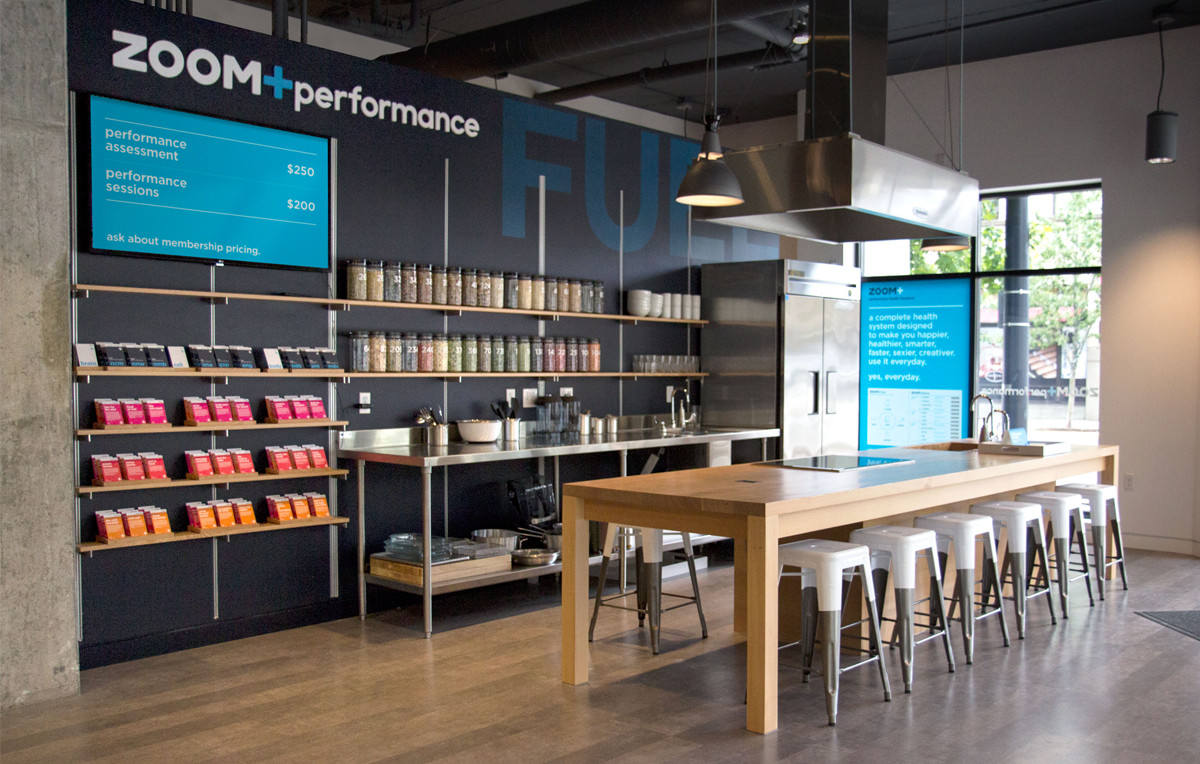
That’s exactly the concept behind ZOOM+Performance, one of three primary care platforms offered by ZOOM+Performance Health Insurance, a company right here in Portland, Ore., that’s committed to revolutionizing the American healthcare system. What started in 2006 (under the name ZoomCare) as state-of-the-art neighborhood urgent care clinics in Oregon, Washington and Idaho is now called ZOOM+ (as of 2015) and has transformed into a complete healthcare system with health insurance built in.

What’s brilliant, though, is that it goes beyond what is traditionally offered in healthcare delivery systems to play a critical role in preventing chronic illnesses that require costly interventions down the road. ZOOM+Performance, in particular, caught my eye because it’s geared toward people who want to optimize their human performance using food, movement and relationship as medicine.

ZOOM+’s mantra is “Twice the health at half the cost and 10 times the delight.” So when they invited me in last week for one of their signature wellness assessments, I decided to put that mission to the test.

Performance_Exterior_2

After checking in and filling out a few forms, Dr. Natasha Kassam whisked me off to a private room to get my vitals and take my health history. She white-boarded my information as we walked through current conditions, concerns and goals together (i.e. have a healthy baby and resume my normal level of activity when it’s safe!).

She explained that ZOOM+Performance’s assessment is aimed at helping people improve athletic performance, mental-focus and creative energy. After doing some deep brain, cell and body tests, including VO2 Max, Neuroagility and Body Comp (typically there are some labs, as well, but not for the purposes of this visit), we’d regroup and she would prescribe food and movement to help me achieve my potential.

Brain & Nervous System Function

First up was Heart Rate Variability testing, which measures the balance and function of the two branches of the autonomic nervous system. A balanced system, meaning both the “fight or flight” and “rest and digest” sides are responding equally well, supports optimal cognitive and physical function.

Performance_Brain

I sat down in a big, comfy chair while Dr. Kassam hooked me up with a monitor that attached painlessly to my ear lobe. Math problems and puzzled flashed on the screen for a few seconds each, followed by a breathing exercise which helped set a baseline for measuring the ebb and flow of my two branches.

Body Composition

From there, we moved to another room with an alien-looking egg-shaped vessel in it called the BodPod. The BodPod is considered the Gold Standard in body comp tests because it delivers a highly-accurate measurement of body fat percentage using air displacement and body density as markers.

British Olympic diver and television personality Tom Daley testing his body composition (courtesy of BodPod)

British Olympic diver and television personality Tom Daley testing his body composition (courtesy of BodPod)

Although we knew my results would be skewed, it’s completely safe — even for preggos — so I decided to give it a shot to get a feel for the experience. After stripping down to my skivvies and donning a swim cap, Dr. Kassam locked me in (don’t worry; there’s an emergency release in case you get claustrophobic) for two rounds of measurements.

It was quick and painless, although I will admit it takes some getting used to! Expect to hear a rush of air and some thumping, plus you’ll feel a bit of pressure in your ears; but just sit still, stay calm and relax — it’s over before you know it.

Neuroagility

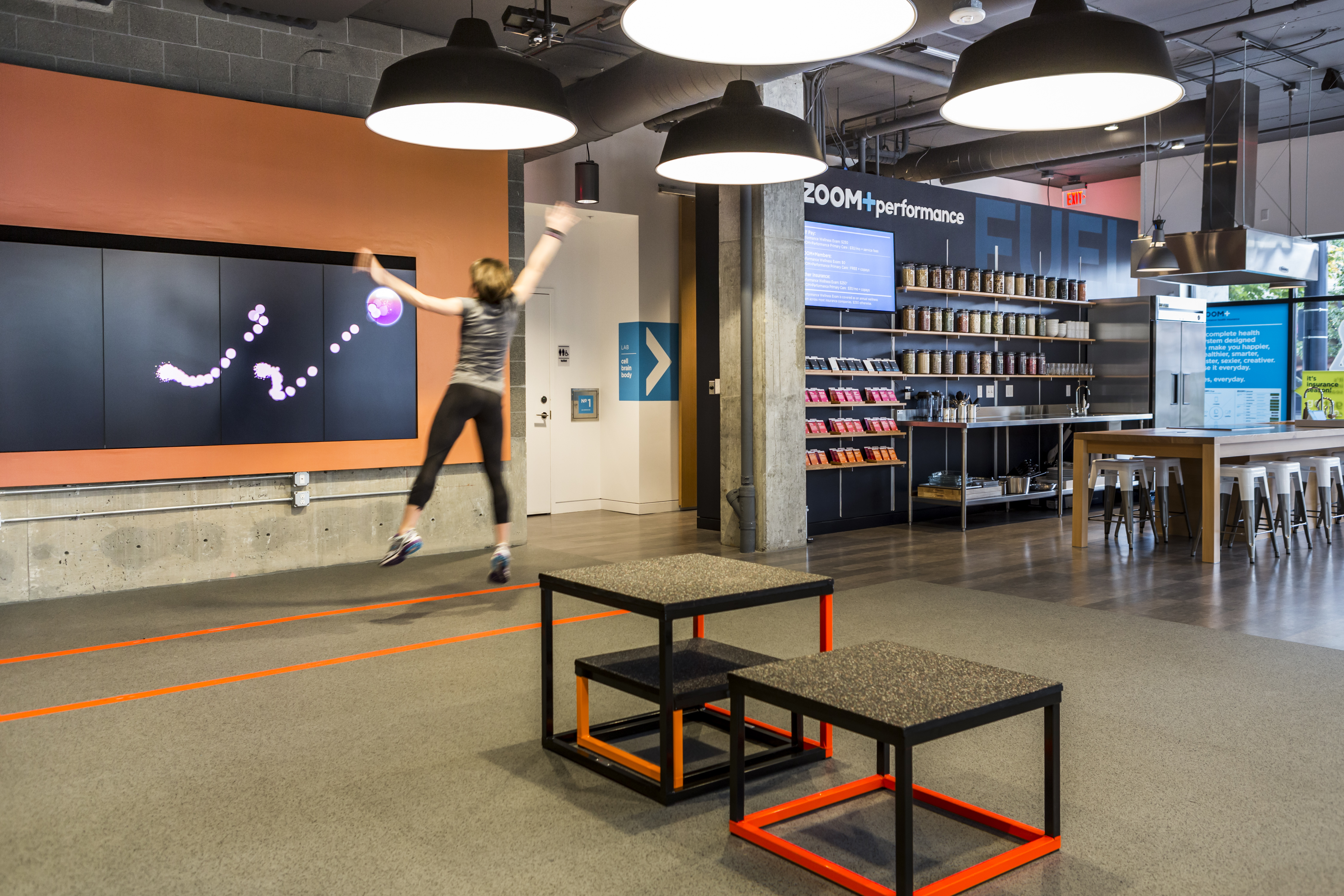
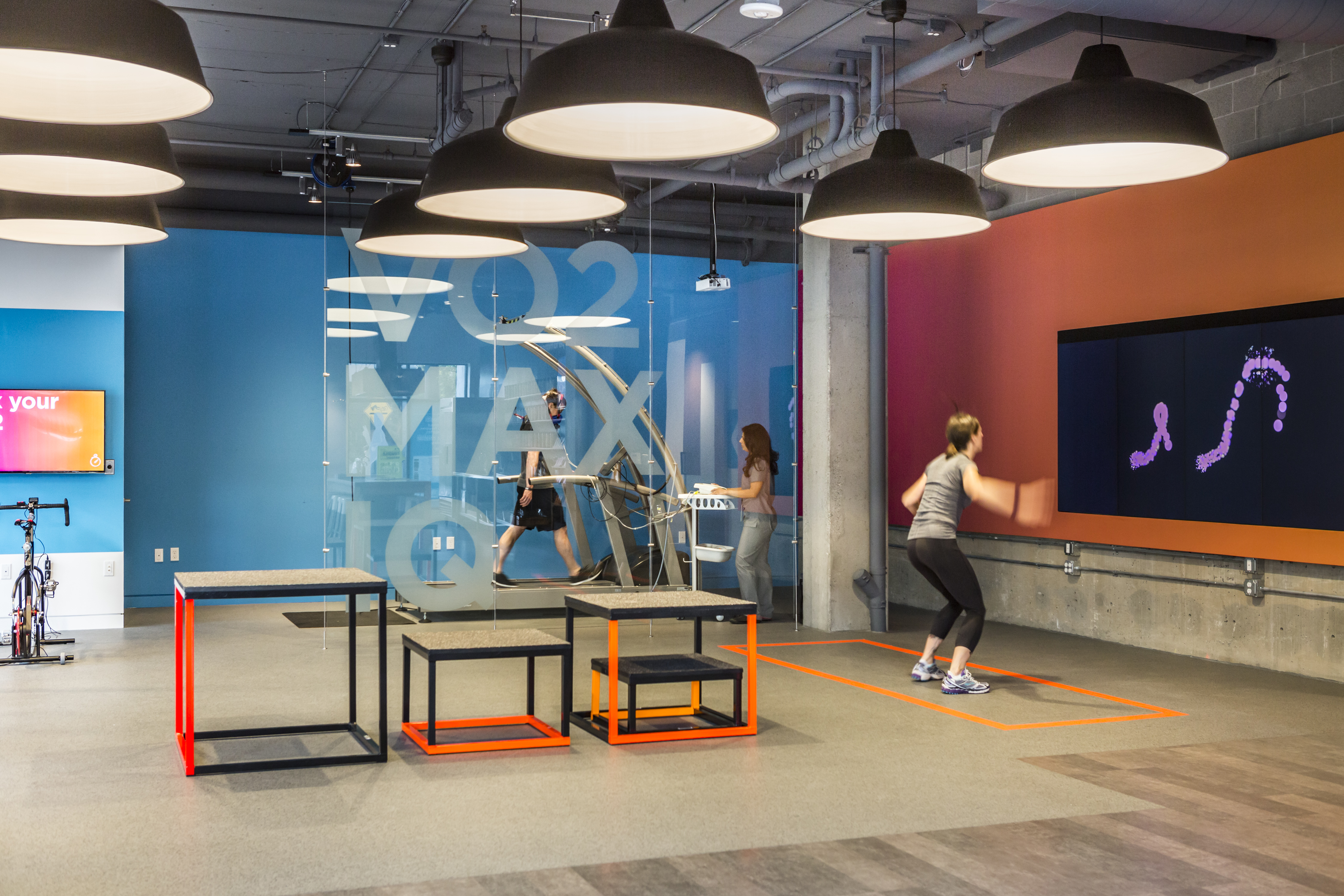
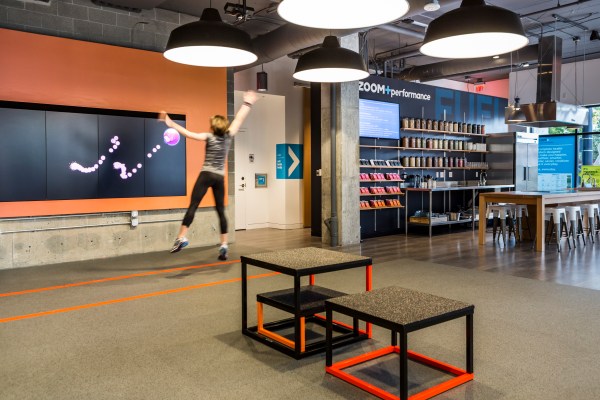
Next up was my favorite part of the session: Neuroagility. Thanks to infrared sensors, you get to interact with the neuroagility wall, which is an experimental assessment of neuromuscular coordination and gross-motor ability.
Performance_Neuro_Agility (1)

Step one is to stand in front of the wall to get everything calibrated. Step two is a short practice run; it takes a moment or two to get a feel for how the system responds to your movements. And step three is the actual test where you’ll have a few seconds to “touch” orbs that appear in different positions on the wall.

You feel like you’re in a video game, and as the orbs appear and disappear more rapidly toward the end, you’ll be running back and forth like a crazy cat trying to follow a pointer on the wall. Now try doing this while pregnant — i.e. carrying extra weight, off balance and out of breath — and, well, you get the picture.

VO2 Max

For the final test, we went over to a bike that was wired up to a machine for the VO2 Max assessment. ZOOM+’s cycle test is a quick way for them to get the calculation, which is an indicator of aerobic efficiency and endurance.

Performance_VO2Max

Dr. Kassam instructed me to pedal slowly and steadily on the bike while keeping an eye on one of the metrics (I forget which one it was — most likely cadence — but my instructions were to keep it around 60 despite changes in resistance). Meanwhile, they’d be tracking my heart rate and other stats to come up with a final score.

My Results & Recommendations

Brain & Nervous System Function: Although I was able to bring my system into equilibrium during the breathing exercise, the “stress” of the first part of the test threw me more into the “fight of flight” mode, so Dr. Kassam recommended daily meditation or mindful breathing to bring more awareness to my breath.

She recommended some useful apps and exercises, in addition to trying out rhythmic breathing while walking, running and biking in order to raise my performance threshold when under stress. As far as I’m concerned, she nailed this right on the head because it’s something that I currently neglect as part of my training regimen, but could help me perform better going forward.

Body Composition: Dr. Kassam warned me that this measurement wouldn’t be valid due to me being pregnant, and it was. I guess the machine doesn’t account for all things baby because I fell into the “Excess Fat” category, whoops!

But even though these results were skewed, it was well worth the experience so I know what it’ll be like next time around. I’m planning on going back post-baby to check in again so I can get some baseline metrics and make a game plan for getting back in shape.

Neuroagility: Oddly enough, despite having to lug around 15-20 extra pounds which left me feeling less than agile, I was able to score in the “Good” range here. I’ll be interested to see, though, if I can make it into the “Excellent” category post-baby when I feel a little less inhibited with my movement.

VO2 Max: Yes, I know I’m pregnant. And, yes, I know my heart rate is elevated, my lung capacity feels like it’s decreased and my endurance is lower due to these factors, as well as not being able to work out as hard or as long as I’m used to.

But I’ve got to admit that the “Average” rating here was, personally, a bit of a bummer. Of all the metrics, I figured it wouldn’t be too far of from my normal range…but I keep reminding myself that it’s all about the big picture right now.

And it just goes to show you how much of an impact pregnancy has on all of your systems. Don’t get me wrong; I’m more than happy to be able to divert any extra oomph toward Baby H, although I’ve got to admit that I’m excited to get back to work on this when I’m able to safely start training again!

The Verdict

After my tests were completed, Dr. Kassam and I met back up in the first room to discuss results, as well as her recommendations for moving forward. Of course, since things are a little out of whack at the moment, I wasn’t expecting anything revolutionary in terms of next steps; however, her insight really impressed me.

In addition to the mindfulness and breathing awareness exercises, she suggested that I try alternating in a high-dose probiotic with my usual probiotic supplement. The ideas is to flush and re-populate my GI tract — not only to aid with digestion, but also to keep my system in tip-top shape prior to delivery.

Dr. Kassam was also enthusiastic about the idea of adding gyrotonic workouts to my regimen. Gyrotonic utilizes three planes of movement for exercise sequences that are composed of spiraling, circular movements. These carefully-choreographed sequences are designed to create balance, efficiency, strength and flexibility — not to mention improve posture, regulate breathing and strengthen the core and pelvic floor (super important for moms-to-be!).

If I were on the ZOOM+ plan, the next steps would be for Dr. Kassam and I to set some measurable goals and design a 90-day sprint in which we’d make a game plan for how to go about reaching those goals. We’d meet monthly to check in on progress and tweak the approach, as needed.

This kind of accountability, along with the thoughtfulness and relevance of her suggestions, would no doubt produce some great results. In fact, even though I’m not doing the traditional sprint-and-follow-up format with ZOOM+, I am following through on her recommendations and look forward to going in for another assessment to get a more accurate baseline after Baby H comes this spring.

If you’re in the Portland area, it’s something I’d advise checking out because it’s both empowering and enlightening to be able to take your health into your own hands. Not to mention that getting ahead of the curve when it comes to healthcare is no longer something any of us can afford to ignore.

For more information about ZOOM+, visit ZoomCare.com.

Disclaimer: I received a complementary performance assessment to try. All opinions (and geeking out over the associated metrics) are my own, however. Thank you for supporting the brands that support Kinetic Fix!

Fave Fix: Farm to Fit Delivers Farm-Sourced Dishes to Your Doorstep

FarmFit1

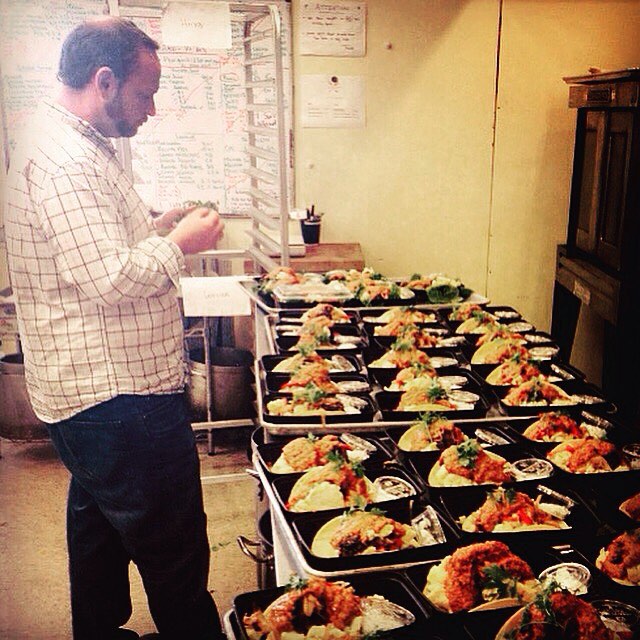
Chef Jeremy prepping breakfast, courtesy of Farm to Fit

We all know that living a healthy lifestyle has just as much — if not more — to do with properly fueling your body as it does with hitting up the gym. Yes, I’m talking about balanced meals, portion control and keeping calories in check. Simple, in theory, but many of us (me included) struggle with regularly putting it into practice.

I’m the first to admit that I’m not perfect when it comes to eating habits. For every beautiful nutrient-packed, whole-food meal I proudly make from scratch, there are a few nights each week where Ben and I find ourselves dining in a restaurant, grabbing something on the run or (gasp!) microwaving up a frozen pot pie, which was one of my early pregnancy cravings. Don’t judge. 

While we try to batch-cook on weekends as much as possible, sometimes it just doesn’t happen. But we still want to prioritize healthy, home-cooked meals — now, and especially in the first few months after Baby H comes when we know we’ll be even shorter on time, sleep and energy.

One potential solution? I’ve got to credit Ben with this one: Farm to Fit, Portland’s own locally-sourced, portion-controlled, chef-powered meal delivery service. He met the owners and was intrigued by the description (I mean, it’s gotta be good to survive in a foodie town like this, right?), so we tested it out recently to give ourselves a break from the daily shop-chop-cook-collapse grind.

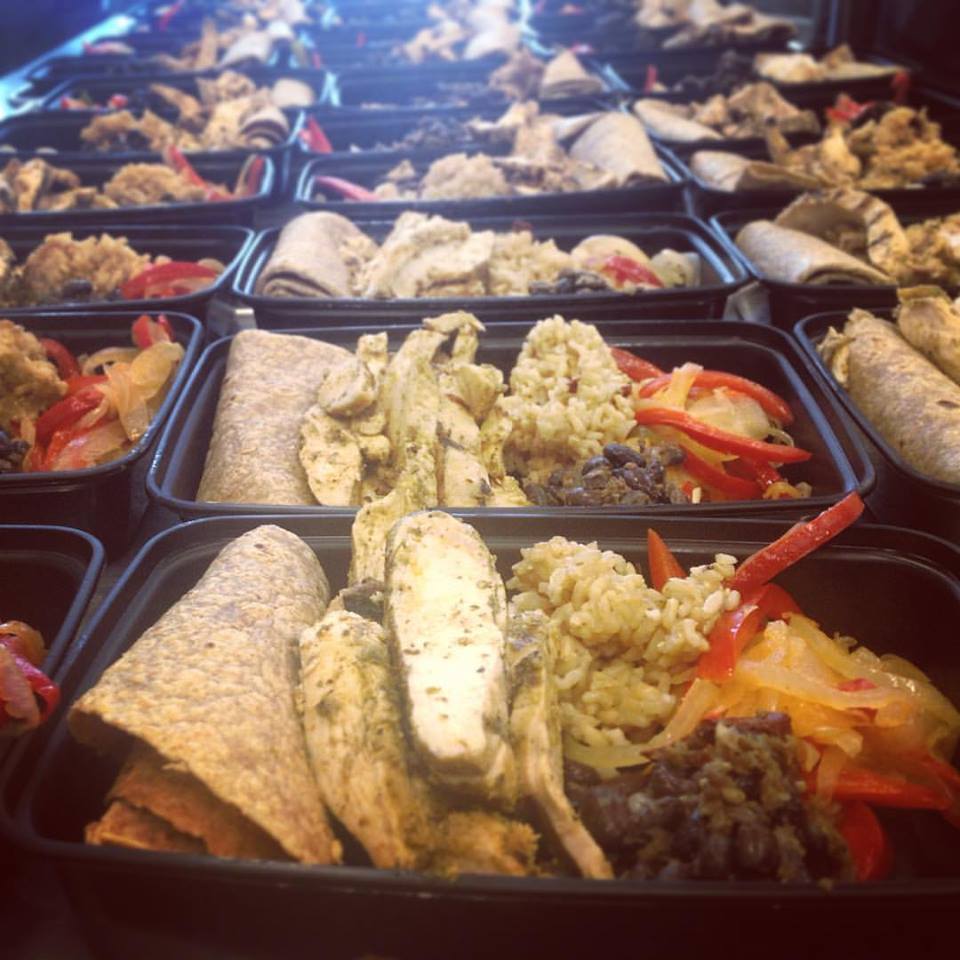
Chicken fajitas, courtesy of Farm to Fit

Chicken fajitas, courtesy of Farm to Fit

Farm to Fit graciously sent us a week’s worth of the 1,200-calorie a day plan, knowing that there would be plenty of wiggle room in there for ample snacking in between. Disclaimer: neither of us is on a diet — especially me right now — and while we don’t count calories because of our activity levels, we do snack consistently throughout the day to maintain weight and muscle mass.

The meals — breakfasts, lunches and dinners — arrived neatly packaged in an insulated cooler and each dish was labeled with nutritional info and microwave directions, if needed. Farm to Fit also included a handy print-out with a suggested order for consuming the meals, which is probably partly to do with the balance of calories for each day and partly to do with some foods being more perishable than others

Regardless, we dug in and were pleasantly surprised with the amount of food, the taste and the variety. Some of my favorites were the breakfast crepes (eggs, ricotta, spinach, basil, mozzarella, parsnip puree…oh, that puree), beef pho lunch (timely for rainy Portland soup-slurping weather), along with a perfectly-cooked and tender balsamic-glazed steak (with horseradish creme fraiche, sugar snap peas and a yummy root vegetable gratin). Ben also loved the paella with chicken, chorizo and shrimp, plus the Grecian frittatas with sun-dried tomatoes, spinach, olive, feta and sausage.

As you can see, these aren’t your run-of-the-mill delivery meals; Farm to Fit’s team takes as much pride in meal planning, sourcing and prep as any of the restaurants around town. And the best part? You can enjoy some of Portland’s freshest seasonal produce in the comfort of your own home — without spending all of your free time in the kitchen.

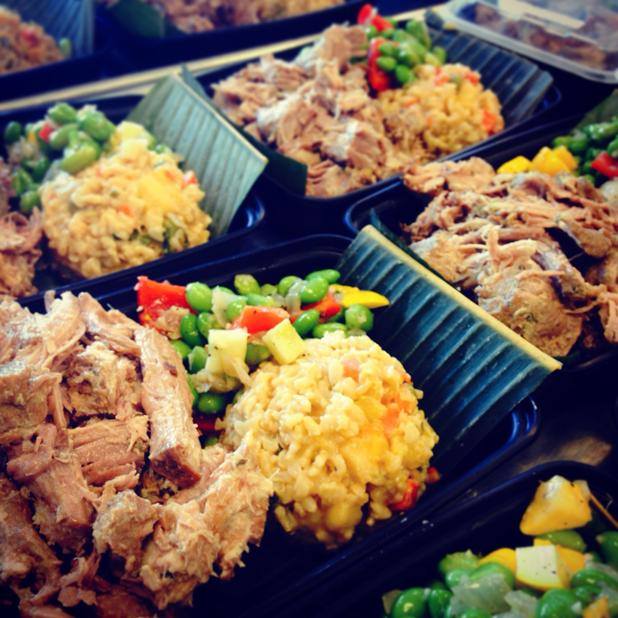
Kahlua pork, courtesy of Farm to Fit

Kahlua pork, courtesy of Farm to Fit

Farm to Fit offers flexible weekly meal plans that are portion controlled, with the option of 1200, 1600, or 2000 calories per day, plus gluten-intolerant, low carb and diabetic-friendly options. Customers can choose from three-, five- and seven-day meal plans that are conveniently delivered every Monday and Thursday around Portland (for a $5-15 fee) or can be picked up at a number of specified pick-up locations around the area.

Menus change with the seasons to take advantage of fresh produce, and Farm to Fit makes more than 21 different meals per week. The company is also committed to locally-sourcing other ingredients, wherever possible; here’s a list of their local farm partners.

If you’re a picky eater, don’t despair; Farm to Fit also offers a special Signature Dish plan, which allows clients to customize menus to suit their tastes. Other special requests and/or substitutions can also be made at an additional charge.

Since Ben and I do enjoy cooking when we can, we’re not likely to use Farm to Fit indefinitely. However, it’s something we’re planning on signing up for intermittently when we want an occasional break, and Ben mentioned it might be a great way to take some of the pressure off when Baby H comes, so we can stay committed to eating healthy, nutritious meals while muddling our way through the early weeks of parenthood. Yes, please. 

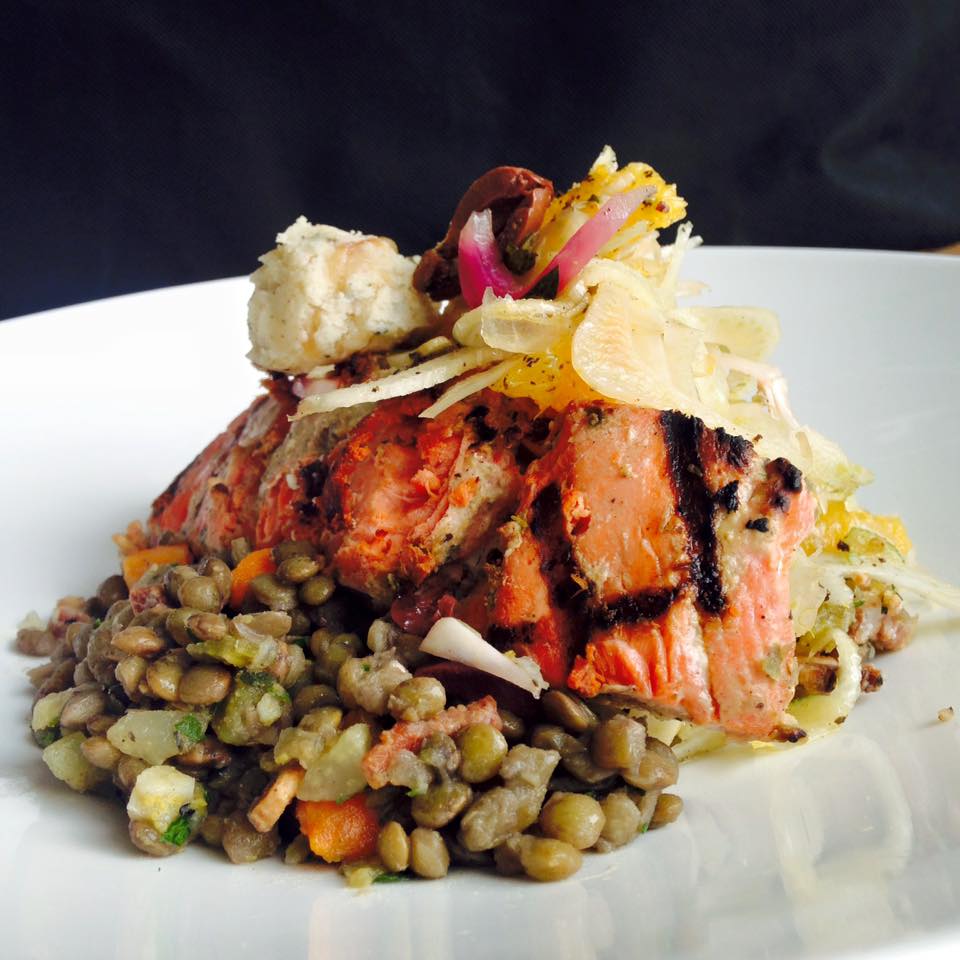
Grilled Oregon coast salmon, courtesy of Farm to Fit

Grilled Oregon coast salmon, courtesy of Farm to Fit

For more information and ordering details, visit Farm to Fit’s website or call 503-688-9248.

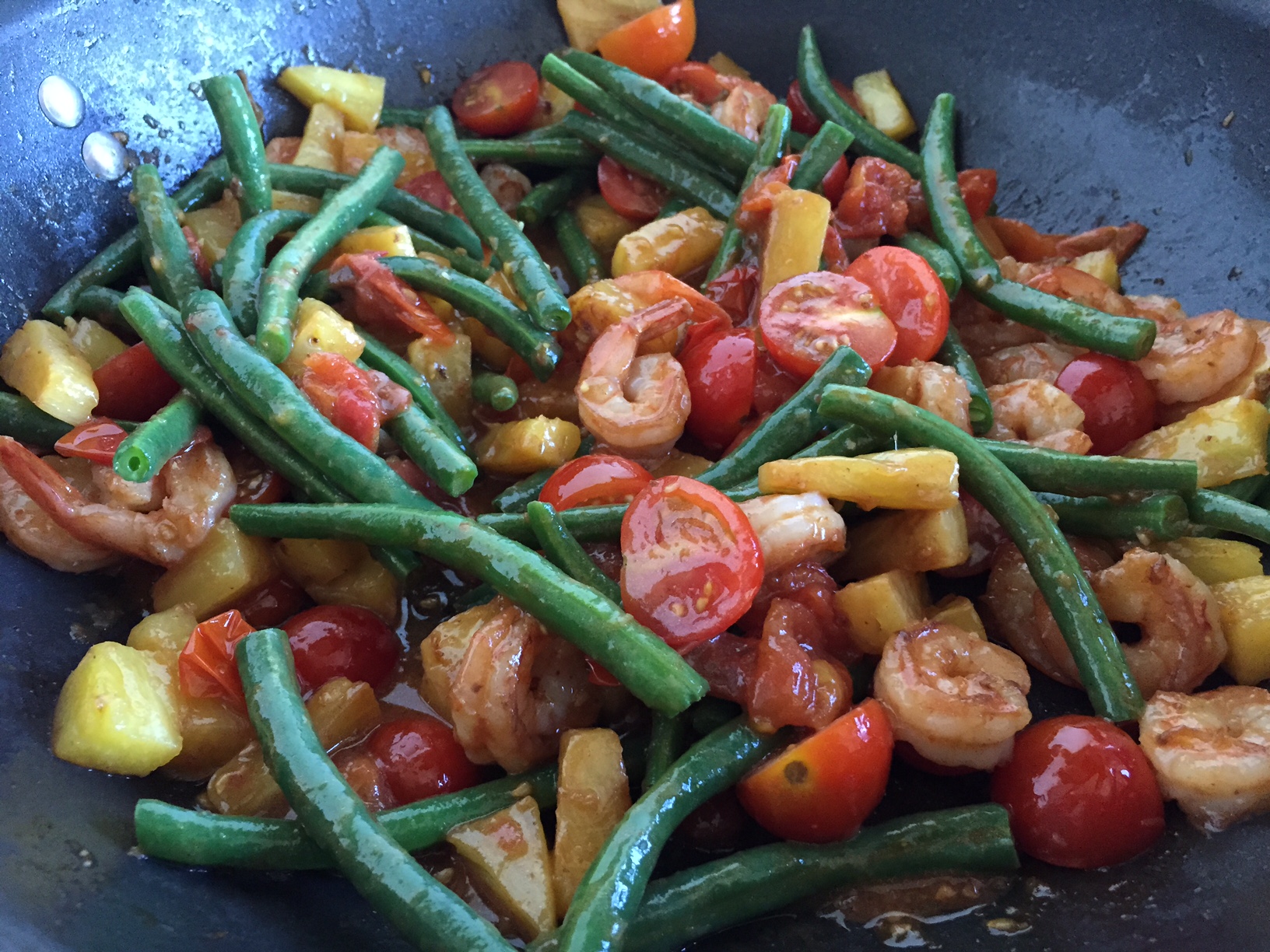
Recipe: Green Bean Salad with Seared Pineapple and Shrimp

IMG_7898

Sick of the same old same old when it comes to summer dinners? Spice things up a bit with this Sriracha-spiked salad.

I spotted this recipe in the July issue of O Magazine, and since it’s A) not too heavy on ingredients, B) chock full o’ nutrients, and C) ready in practically no time, it’s been what’s for dinner. Especially on weeknights when we’re pressed for time and creative meal ideas!

And, no, it’s not as spicy as you’d think. I’m not one for set-your-mouth-on-fire heat, but I love me some Sriracha; this recipe is more about flavor, though, than pushing the limits of your palate.

Green Bean Salad with Seared Pineapple and Shrimp

(courtesy of Marcia Kiesel via O Magazine)

Ingredients: 

  • ¾ tsp. plus ⅛ tsp. salt, divided
  • 1 pound green beans, trimmed
  • 3 Tbsp. vegetable oil, divided
  • 1½ cups 1″ pineapple chunks
  • ½ pound large shrimp, peeled and deveined
  • 3 garlic cloves, minced
  • 1 cup halved cherry tomatoes, divided
  • 2 Tbsp. Worcestershire sauce
  • 1 Tbsp. white wine vinegar
  • 1½ tsp. Sriracha

Directions:

  1. Bring a large nonstick skillet of water to a boil. Add ½ tsp. salt and green beans, and cook until just tender, about 4 minutes. Drain and spread out on a baking sheet to cool.
  2. In the dry skillet, heat ½ Tbsp. vegetable oil on high heat until shimmering. Add pineapple chunks in a single layer. Cook until browned on the bottom, about 30 seconds. Transfer to a large bowl.
  3. Add ½ Tbsp. oil to skillet. When hot, add shrimp, and season with ⅛ tsp. salt. Reduce heat to medium and cook, stirring a few times, until shrimp is just cooked, about 1 to 2 minutes. Transfer to bowl with pineapple.
  4. To skillet, add 2 Tbsp. oil and add garlic. Cook until golden brown, about 1 minute. Add ½ cup tomatoes and cook 1 minute, crushing with a spoon to release juices. Add Worcestershire sauce, vinegar and Sriracha and stir well. Remove from heat and season with ¼ tsp. salt.
  5. To bowl, add reserved beans and the additional ½ cup tomatoes. Pour warm tomato-Worcestershire mixture on top and toss well. Serve at room temperature or slightly chilled.

Are you on Team Sriracha — yay or nay? 

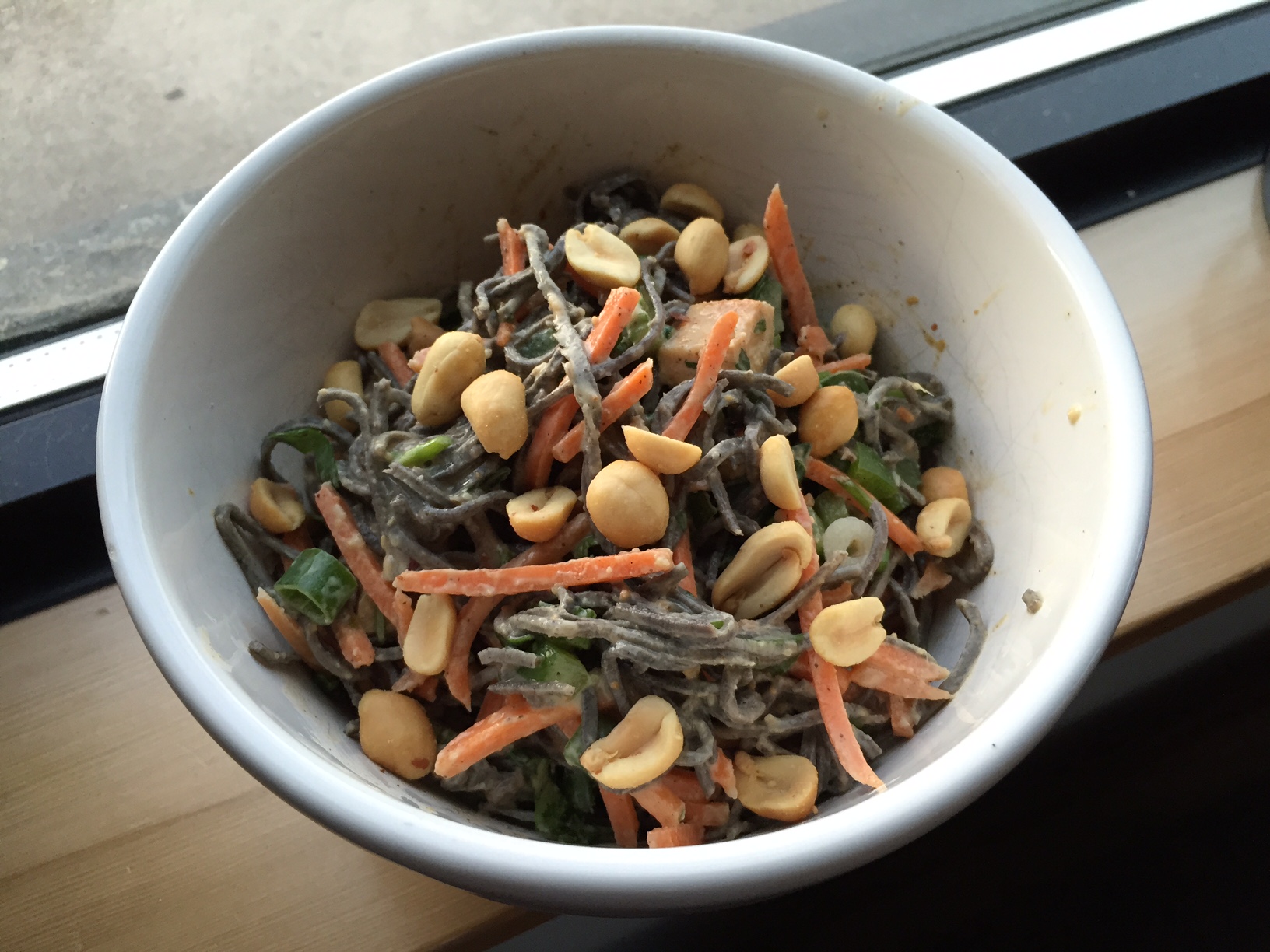
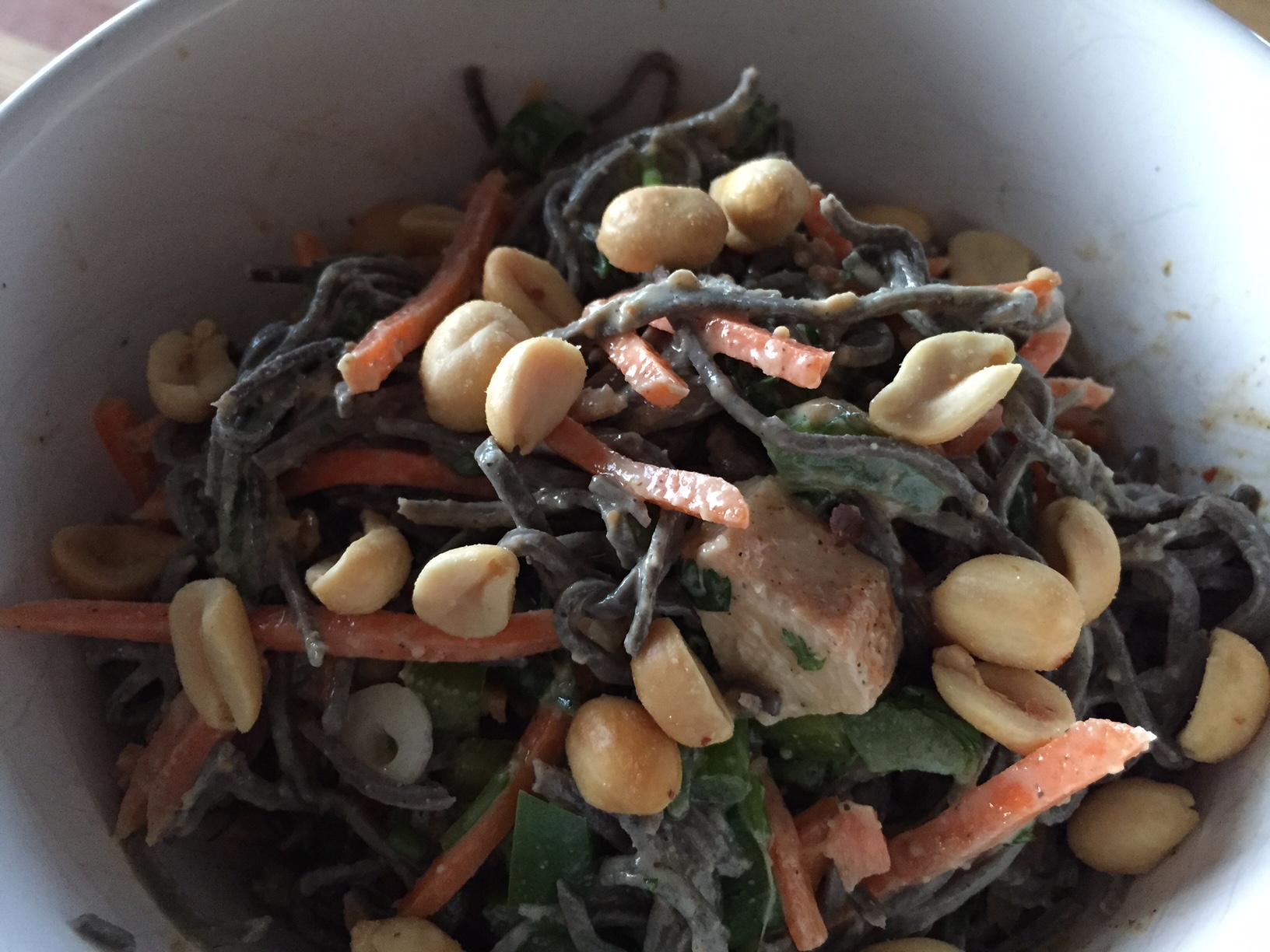
Recipe: Thai-Style Noodle Salad

IMG_7234

As we creep toward our one-year anniversary of living in Oregon, we’re headed for a season of record-breaking temperatures. Not that I’m complaining. It’s going to take a lot more humidity to scare this Midwesterner who’s also lived through a few sweltering East Coast summers.

If I’ve noticed one thing, however, it’s that my desire to eat warm foods is inversely proportional to the number on the thermometer. So hot summer days call for a cold, protein-packed salad — and this one’s something I whipped up on a weeknight utilizing ingredients we already had on hand.

Because, if we’re being honest here, my willingness to hit the grocery store also plummets as the heat rises… 

Thai-Style Noodle Salad

Ingredients: 

Salad:

  • 1 package black bean pasta, cooked al dente
  • 1 bag matchstick carrots (approx. 2 cups)
  • 2 cups grilled chicken, diced
  • 1 bell pepper, chopped
  • 2 stalks celery, halved lengthwise & chopped
  • 1/2 cup red onion, minced
  • 1 cup cilantro, chopped
  • 1 bunch green onion, chopped
  • 1 small container roasted peanuts

Sauce:

  • 2 cups all-natural peanut butter
  • 1/2 cup sweet chili sauce
  • 1 tsp lime juice
  • 1 TBSP fish sauce
  • 1 TBSP ginger (minced or paste)
  • Dash of salt

Directions: 

  1. Once pasta is cooked and cooled, place all salad ingredients in a large bowl.
  2. In a small bowl, mix together all sauce ingredients.
  3. Pour sauce over salad, and toss to coat evenly.
  4. Serve immediately (with a sprinkle of peanuts), or refrigerate for an hour if you want to eat it cold.

Not only is the black bean pasta gluten-free, but it’s also a terrific source of protein — there’s a whopping 25 grams of protein and 12 grams of fiber in every serving!

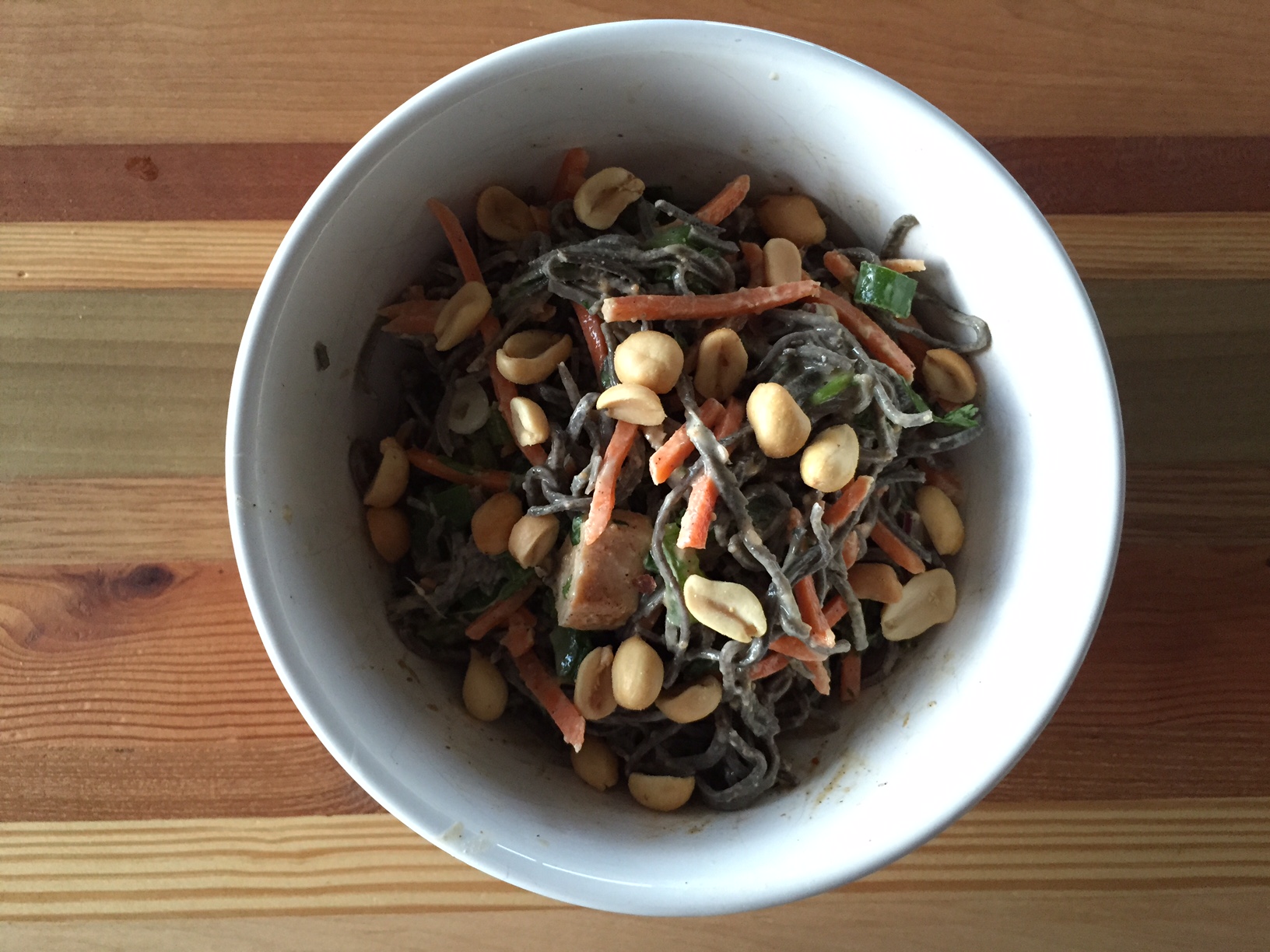
IMG_7231

This salad is super-versatile, too; I’d serve atop leafy greens for a more nutrient-dense main dish or as a side salad to accompany a meaty entree on nights when I’m looking for more protein.

IMG_7232

Do you adjust your kitchen habits with the weather?