Fave Fix: FlipBelt running belt

IMG_1308

Running is a constant game of trial and error. Sometimes you strike gold with a shoe that complements your stride or a gel that sits well on a sensitive tummy. Other times you strike out, be it a chafe-y short, a hat that overheats…or that time I tried to outsmart myself during a half marathon and store two gels in my sports bra (long story short, it ended very badly for both ‘girls’).

So I’m always on the lookout for gear that allows me to take any element of chance out of runs, particularly the long ones where there’s A) a higher risk of something going awry, and B) decent odds that I’ll be a good distance from home when it happens. And bonus points if it allows me to go hands-free, because we all know that the amount of “stuff” you have to carry is directly proportional to your mileage — meaning, mo’ miles, mo’ problems juggling my keys, phone, headphones, gels, water, etc.

Enter FlipBelt, which is one of those so-simple-it’s-brilliant products — literally, it’s a tubular fabric waistband in which you can tuck all your must-have items while exercising (click here to see it in action). And to keep everything even more secure, all you have to do is flip the belt inward, effectively “locking” the openings against your body so nothing pops out.

IMG_1313

Easy-peasy. But does it work?

I don’t know about you, but I’ve had notoriously bad experiences with products that sit around my hips while running. Be it my mechanics, anatomy or just personal preference, I get super annoyed when anything slips, bounces or is at all noticeable (again, like that time I tried a hip hydration pack and ended up having to strap it — mid-run — around the lower half of my butt to keep it from jostling around = #RunningFail).

The shot above is of me in the FlipBelt with six gels in it, plus my keys (there’s even a handy little lanyard key clip if you’re especially OCD about losing them, like I am). I took it for a few test runs during some of my recent treadmill workouts, so it got put through the paces thoroughly at both a walk and a jog.

My verdict? It didn’t budge, bounce or otherwise both me. Success!

The only con I can see is that it isn’t waterproof, but that’s probably so you don’t end up with a big, hot ring of sweat around your waist. And if you want to store your phone in the FlipBelt and keep it from getting wet, there’s an easy fix: just slip it in a waterproof Ziploc bag, and you’re good to go. When you’re using it to play music, however, or want to access it more often, like I do, then you may want to opt for an armband for regular access.

FlipBelt_NeonGreenCThru-625x417

Not only is it easy-care (the fabric is machine washable), but it’s also so easy-wear that I’m even considering breaking my “nothing new on race day” rule and using it in my upcoming marathon to tote all the essentials — nutrition, phone and keys — for 26.2 miles.

For more information or to order one of your own, visit FlipBelt.com.

This post was sponsored by FlipBelt through their partnership with Fit Approach. I was not compensated monetarily, but was provided a FLipBelt for review. As always, all opinions are my own.

Q&A with Alex Schmotter, founder of the world’s first alkaline sports drink

Phenoh1

Let’s get one thing straight: Sports drinks today aren’t exactly health food. Sure high sugar content, artificial dyes, preservatives and chemical additives are bad enough, but it’s the acid content (100 times more than coffee!) that can really affect our health (tooth decay) and performance (muscle fatigue).

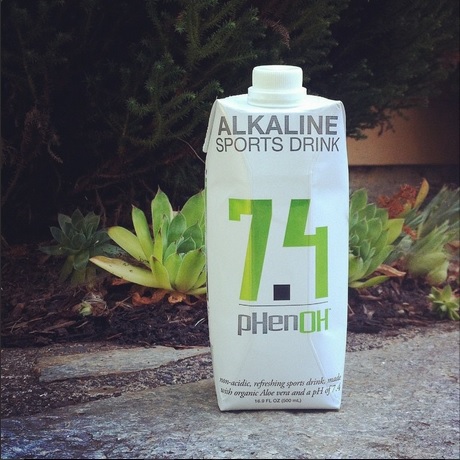
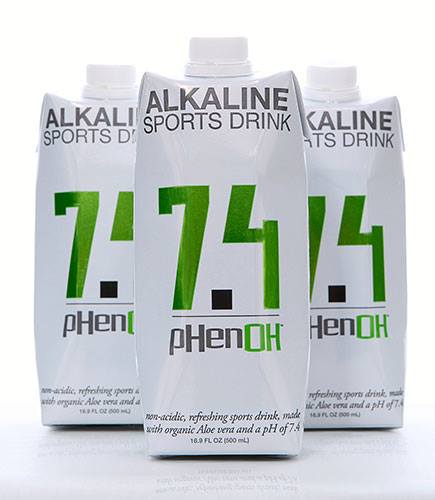
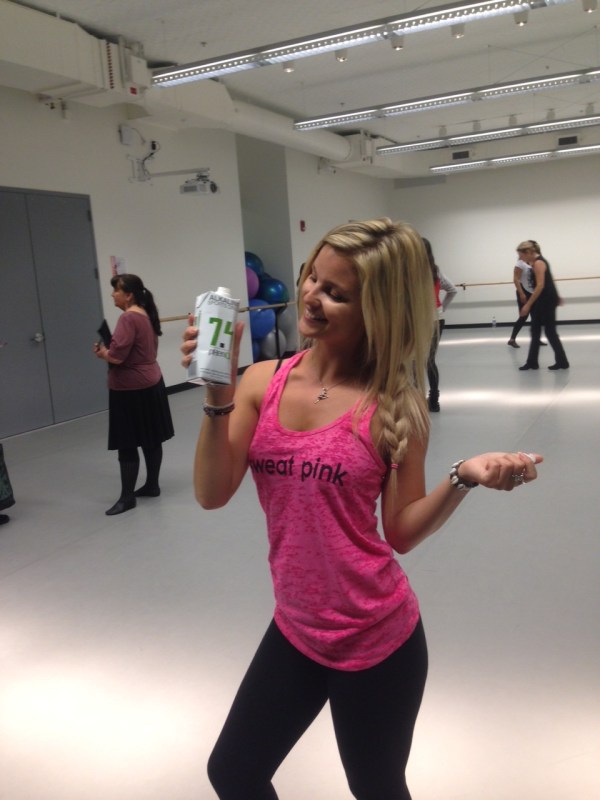
Enter PHenOH 7.4, the first sports drink that helps the body maintain its natural alkalinity, allowing us to perform at our best for longer.

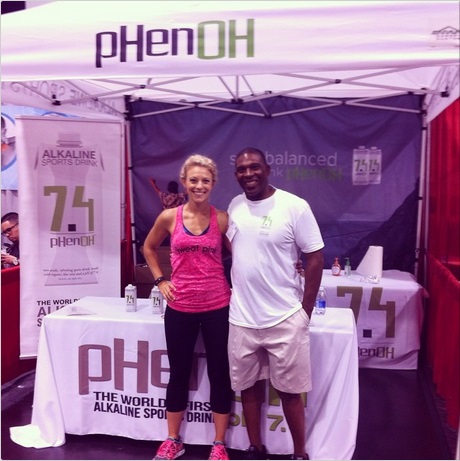
Founder and CEO Alex Schmotter, a lifelong athlete with a passion for health sciences, developed the product after realizing the lack of a healthy alternative to traditional sports drinks. He also happens to be one of Hubby’s dental school buddies, so I thought it’d be fun to sit down and chat about how he balances running a successful business with pursuing his DDS degree!

KineticFix: Welcome, Alex! So, how’d you get the idea for an alkaline sports drink, and why is it so beneficial for athletes? 

AlexS

Alex Schmotter: I was in the process of applying for dental school, so I had teeth on my mind, and at the same time I was brainstorming research topics for my senior research at Cal Poly. Being an athlete with a background in biology and a strong interest in dentistry, I began researching the detrimental oral affects that sports drinks have.

Most people don’t understand that acid is the direct cause of tooth decay, so I decided to conduct my senior research on the topic. And the more I learned about the acidity of sports drinks, the more I discovered that their negative effects aren’t just on teeth, but also on physical performance and overall health.

Sports drinks are about 30,000 time more acidic than blood. This is especially important for athletes because when we exercise we naturally produce acids. Our bodies are amazing machines, and we are very good at getting rid of this acid, but there comes a point that we produce acids faster than we can get rid of them, which can adversely affect performance.

KF: You’re currently in dental school; how does your work with Phenoh 7.4 fit in with that?

AS: Teeth are where this all started. I was out for a bike ride one day in undergrad, and I’m riding along drinking my sports drink thinking about how I’m drinking it. I notice that I put a little bit of this bright blue fluid into my mouth, swish it around for a few seconds, swallow, and then repeat the process. It doesn’t take being a dentist to know that this is terrible for your teeth.

Having such an interest in oral health, I wanted to understand the justification for sports drinks being so acidic. I thought that if the acid is destructive to our teeth, then it must be very good for us in other ways to justify being in sports drinks, but the more research I did the more obvious the problem became.
Phenoh2

KF: Describe a typical day; I’m interested in how you balance it all!

AS: Well I don’t do it alone, first of all. I have a great team behind me now, and that’s crucial. I have learned to feed off of the positive support that I have gotten from my family, my friends and some great advisers.

In terms of a typical day, though, I sleep between 4 and 5 hours a night. I usually set an alarm for 6 a.m. I wake up, get ready and head to a coffee shop to work before school. I try to get a few hours of work in before clinic. It’s actually great working this early in the morning because retail store buyers are up early to prepare before the store opens.

Then I go to clinic or class. I work with patients all morning, and during that time I’m really pretty unavailable. This is where it is to important to be able to trust the people you work with.

We get an hour off for lunch, so I usually sprint to the coffee shop around the block and catch up on emails or take a phone meeting. I try to schedule phone meetings for 1-2 p.m. every day, because this is the time of the day that I know I am available and that both the West and East Coasts are within normal business hours.

At 2 p.m. I go back into clinic were I’m with patients again until 5 p.m. After cleaning up, writing notes, calling patients, etc. it is usually 5:30 or 6 p.m., and this is when the work day really starts for me. I would say that Wei-Ken, our company president, and I have most of our company-defining moments after the midnight hour. There’s no such thing as 9 to 5 at a start-up!

Someone told me once that the key to a successful business is “people by day, papers by night.” I agree with this — that during the day it is important to speak with as many people as possible in the restraints of their working hours. And during the ‘off’ hours, I get to express my creativity, make a game plan, develop new products, etc.

KF: It’s been four years in the making; can you tell us a bit about what went into creating your product? 

AS: Ten years ago, a “curious kid” would not have had the resources to do what I did. Today we have access to any information in the world at the tip of our fingers. We have online databases full of unfiltered, scientific literature prepared by masters in their respective fields. I was able to pull information from every discipline of science to get a true understanding of the big picture — thereby giving me the opportunity to develop a solution that “bridges the gaps.”

Phenoh 7.4 is made with just seven natural ingredients, and each one is in there at a very specific concentration for a very specific purpose, based on what the research shows we need for maximal function. We redefined the sports drink on every level, not just the alkalinity. For example, we make our product with organic aloe vera — not only for the essential nutrients that it provides to help us rebuild after stress, for also for its anti-inflammatory effects, ability to reduce post-exercise pain and boost to the immune system.

The real time, however, has not been on the product development, but on building the business. Taking a concept to market with zero business experience is no easy task. I have made many mistakes and will probably make many more. I have, however, developed an incredible network that is proving extremely helpful in spreading word of this new product.
10456026_10202668741533364_4169951290999204976_n

KF: You’re a self-taught businessman, and I’d argue there’s no better MBA than starting your own company! So what are three things you’ve learned in the process? 

AS: As you know, my background is in science — so other than a few lemonade stands as a kid, I came into this with zero business experience. Starting a company as a one-man show, you wear a LOT of hats. I gave myself the google.com crash-course in just about everything, and learned a lot from friends, but if I had to give just three things that I’ve learned, I’d say:

1. If you do not know something, learn it. If you are in a situation where you don’t know something, don’t be afraid to ask. I spent the early days of this thing splitting time between developing the graphics, building a production systems plan, writing my first provisional patent, learning about types of seed round financing, learning about quality control compliance regulations for producing a consumable product, building basic marketing and distribution campaigns…the list goes on.

2. Take on an attitude that if you do not do something, then it will not get done. In business, there is a lot of talk. I still believe that most people genuinely want to help and want to see your vision succeed, but we are all very busy and without an ingrained sense of urgency, people and businesses do not always take action in the way that they say.

For me, this experience was true in situations with friends coming on board to help with the operations and not understanding how much time and effort goes into building a business, all the way to giant corporations promising results and not following through on their agreements. In business, everyone is working on leverage. Be persistent. Stay positive, and push push push.

3. Know who you are. This may be the most challenging initial process of starting a brand. Can you explain it to someone? Will they understand? It doesn’t do a whole lot of good having a “great-freaking-product” if you are the only one who understands it. This should be an exercise performed by every new business entrepreneur.

My suggestion is that you go out and talk about it. Talk about it so much that there is not a single question you don’t have an answer to. Find your brand identity. Think about your brand’s immediate-, short-, and long-term goals, and write them into your business plan. Then don’t lose sight of those ideals!

KF: What are your favorite ways in which to stay active — that is, where & when do you drink Phenoh 7.4?

AS: Exercise is a part of my life. I can’t go without exercise, or I just feel off. I’ve always run outside, and throughout college I played team sports (Alex was an All-American collegiate lacrosse player) and went to the gym daily. I still like to go to the gym, but nothing can replace being outside — whether it’s running, biking, hiking, water skiing, snow skiing, etc.

After dental school, I would love to get back into lacrosse and soccer. But for now, you can find me at the Lyon Street staircase or running down Marina Green!
IMG_0355 (1)

KF: Where do you see Phenoh 7.4 5-10 years from now?

AS: Phenoh is a lifestyle brand, and Phenoh 7.4 is our flagship product. The benefits of the concept of Phenoh 7.4 extend to everyone, not just while we are exercising. We want to teach and we want to offer information and healthy products.

We also plan to build philanthropy into our core values. My dad and I have been doing dental philanthropy trips, and last year we did three where we went to Mexico and provided free care for the Huichol Indians. We want to use Phenoh to build similar prevention and care programs around the world.

KF: Finally, what would you say to people who haven’t tried an alkaline drink yet but are open to the idea of trying one?

AS: Don’t be scared! People expect that an alkaline alternative beverage is going to taste like soap, or something awful… Give it a try and see for yourself; it’s very refreshing!

We like to think of ourselves as the Tesla of beverages — at first, consumers were interested in Tesla because it was an electric alternative to internal combustion engines, but now it’s becoming a norm. Phenoh products are the same; while our defining characteristic is the fact that we are alkaline rather than acidic, it is only one of the reasons that we offer a superior product.

It’s also important to note that we aren’t an alkaline water — we are an alkaline flavored beverage, and we are the first of our kind. It’s not just sports drinks that are acidic. If you see something in a bottle, and its not alkaline water, you can assume it’s acidic. This acidity is a serious problem, and that’s why were offering Phenoh as a viable solution.

Intrigued yet? Check out Phenoh 7.4’s website here for more info! 

Fave Fix: Ahnu Sugarpine hiking boot

photo 3
Having left behind the epic trail scenery of San Francisco and Marin, it’s about time we checked out what Oregon has to offer on those just-gotta-get-out-of-the-city days. And after living on both coasts, plus a few cities in between, I’d say there’s hardly a better place to be in summer than the Pacific Northwest, especially if you’re into hiking…and, oh, waterfalls.

photo 1 (2)

So a few weekends ago when we had some friends in town from the Bay Area, we decided to whet our appetites for adventure by paying a visit to Oregon’s tallest waterfall, Multnomah Falls. It’s home to one of Oregon’s most popular trails — a moderate, 2.2-mile hike with 700 feet of elevation gain to the top of the 542-foot, “two-tiered plume that plummets into a misty, mossy forest grotto.”

photo 2 (2)

Not only was it a great way to work off the Blue Star doughnuts we inhaled for breakfast that morning, but it was also a good opportunity for me to test out my new pair of Ahnu Sugarpine hiking boots. This style came highly recommended by Melissa, a friend and former colleague who now works for the company, in anticipation of me taking to the beautiful, bountiful trails of Oregon.

photo 1

Aside from getting a few compliments from fellow hikers on my way up the switchbacks — this style is known for its bright color, yet low profile — I was more interested in the function rather than the fashion of these shoes. But true to Ahnu form they performed beautifully, giving me just the right amount of traction, support, stability, shock absorption and protection…in what felt as comfy as my favorite pair of sneakers.

photo 2

Did I mention they’re waterproof, too? I’ve been hearing that kind of gear will come in handy for the season that follows summer up here: Rain.

This isn’t a sponsored post; just helping a friend get the word out about a great company with good products. For more information on Ahnu, visit the site here

5 things I love about the Runtastic Orbit activity tracker

photo (1) (1)

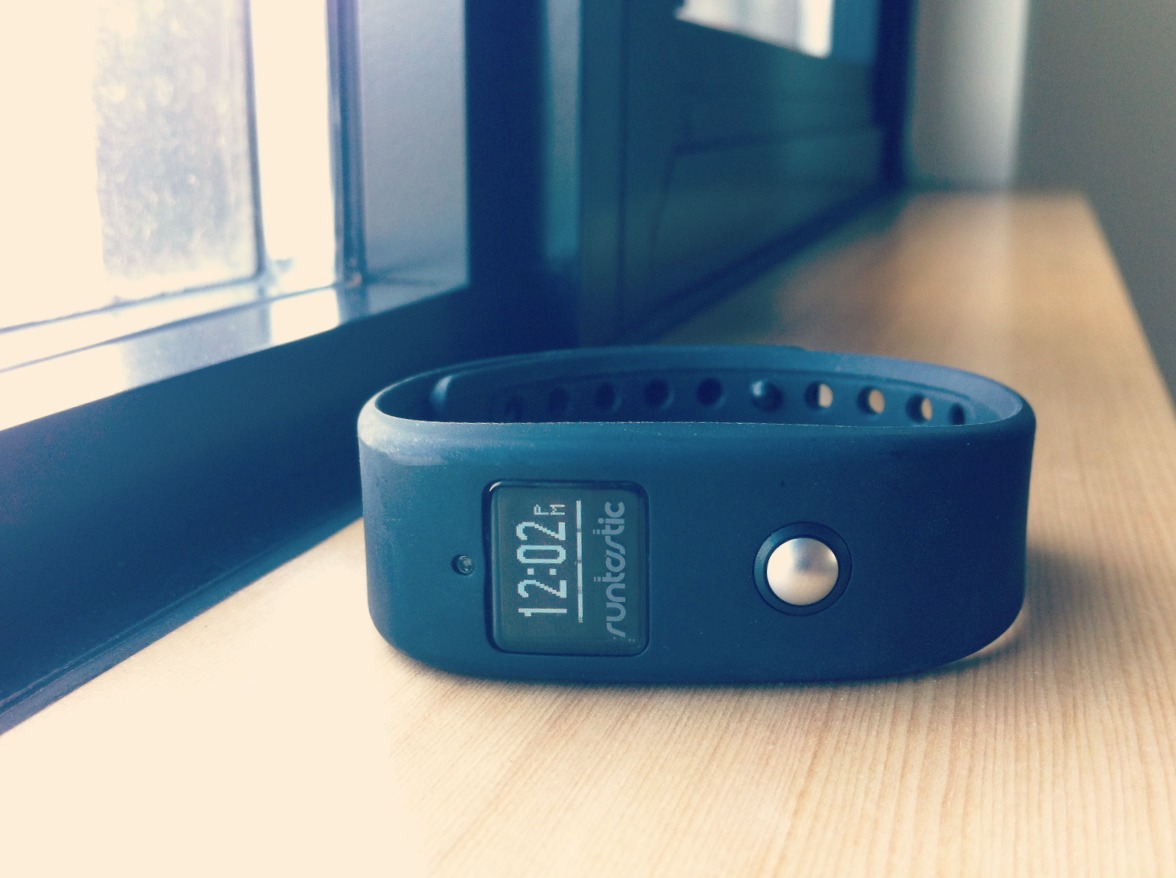
Earlier this month, I mentioned that my friends at Fit Approach asked if I’d like to check out the new Runtastic Orbit. While I had yet to jump on the fitness tracker bandwagon — because, hey, I’m fairly active as-is and already track my weekly mileage — I thought it’d be fun to experiment with a different way of quantifying my weekly activity.

To be honest, though, I wasn’t expecting much more than a glorified pedometer. But after a few weeks of testing this puppy, I’m officially converted!

Rather than ramble off a full list of features and benefits (for all that info, visit the site), however, I want to address exactly WHY I’m digging the Orbit so much. Here are five reasons why it’s become my latest training buddy:

1. It’s user-friendly

Although I work in tech PR, I can be surprisingly un-techy at times. But the Orbit was easy to set up and simple to use. Just charge it, download the accompanying Runtastic Me mobile app, press the navigation button, and you’re good to go. Who wants to read through a complicated owner’s manual when the goal is to just get moving?

orbit_3

2. It’s cordless

Charging aside, that is — and even then the battery life is about five days. But when it comes to syncing, there’s no need for pesky USBs, which makes it much easier to use on the fly. All I do is open the app and have my Orbit nearby, then all the information transfers quickly and seamlessly from the device to the app dashboard for me to access (and pore over…see no. 5).

3. It’s durable 

While it’s not (yet) tracking activities such as swimming and biking, the Orbit is waterproof up to 300 feet. To put that in perspective: Most other wearables on the market can barely handle a shower. It’s nice to know I can go about my day, whether I’m at the pool or doing dishes, and not have to think about removing it.

orbit_image_webshop_03

4. It reminds me to move

What good is tracking all of this activity (or lackthereof) if you aren’t able to act on it and establish better habits? I do a lot of computer work (i.e. sit on my butt for hours at a time), but I can set the Orbit to vibrate when I’m idle for more than an hour, which is a great reminder to keep me from sitting in one spot for too long.

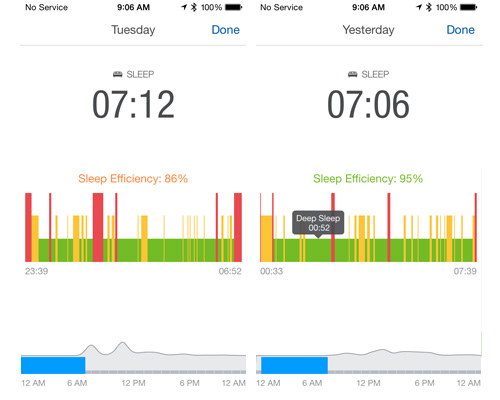
5. It helps me sleep

Well, not literally — as great as it is, the Orbit can’t sing me a lullaby or rock me into REM — but having the ability to view sleep length and quality has gotten me into the habit of trying to hit the sack a bit earlier. Yes, having a competitive streak can also come in handy when it comes to getting in good slumber time.

orbit_screens_2

Courtesy of tomsguide.com

And coming soon, Runtastic promises to add some handy Orbit features, such as mood tracking and ambient light measurement to give you reminders when it’s time to reapply sunscreen. It’ll be a great feeling to know that your wearable’s not only got your back, but will also keep it from getting burned!

For more information, visit the website here.

I was provided a Runtastic Orbit device for review. All opinions are my own.  

Hood to Coast prep: Packing for an overnight relay

photo (2)

Let the countdown begin! Hood to Coast is coming up this weekend, so I made my list, checked it twice and started prepping early to avoid forgetting any last-minute items.

Because I’m an overnight relay newbie, my due diligence consisted of cross-checking a few different lists to see what people recommend. Here’s a peek at what I’m packing:

  1. Coeur Sports hat for sun protection (day) and warmth (night)
  2. Garmin Forerunner 910XT for tracking mileage during my legs
  3. TriSlide for keeping chafage at bay
  4. Flip flops for letting my feet breathe between legs
  5. A comfy outfit for down-time
  6. CEP compression calf sleeves if I decide I need support
  7. Four different running outfits (we’re down a runner, so I’m doing four legs)
  8. Petzl headlamp for nighttime running
  9. Sunglasses to shield eyes during the day
  10. Bonk Breaker bars to stay fueled
  11. Lacrosse ball to massage out any tight spots
  12. A towel for mopping sweat or drying off post-shower
  13. Lululemon waterproof hoodie, just in case it rains
  14. Bag to transport all my gear
  15. Travel pillow so I can try to catch a few winks
  16. Osmo Active Hydration for Women
  17. S! Caps for electrolytes and salt
  18. Antacid tablets to ward off tummy troubles
  19. Nuun for keeping electrolyte levels in check
  20. Deodorant to help keep me (and the van) from stinking
  21. Sunscreen for during my daytime legs
  22. Backpack to carry additional items
  23. Two pairs of running shoes to swap every leg
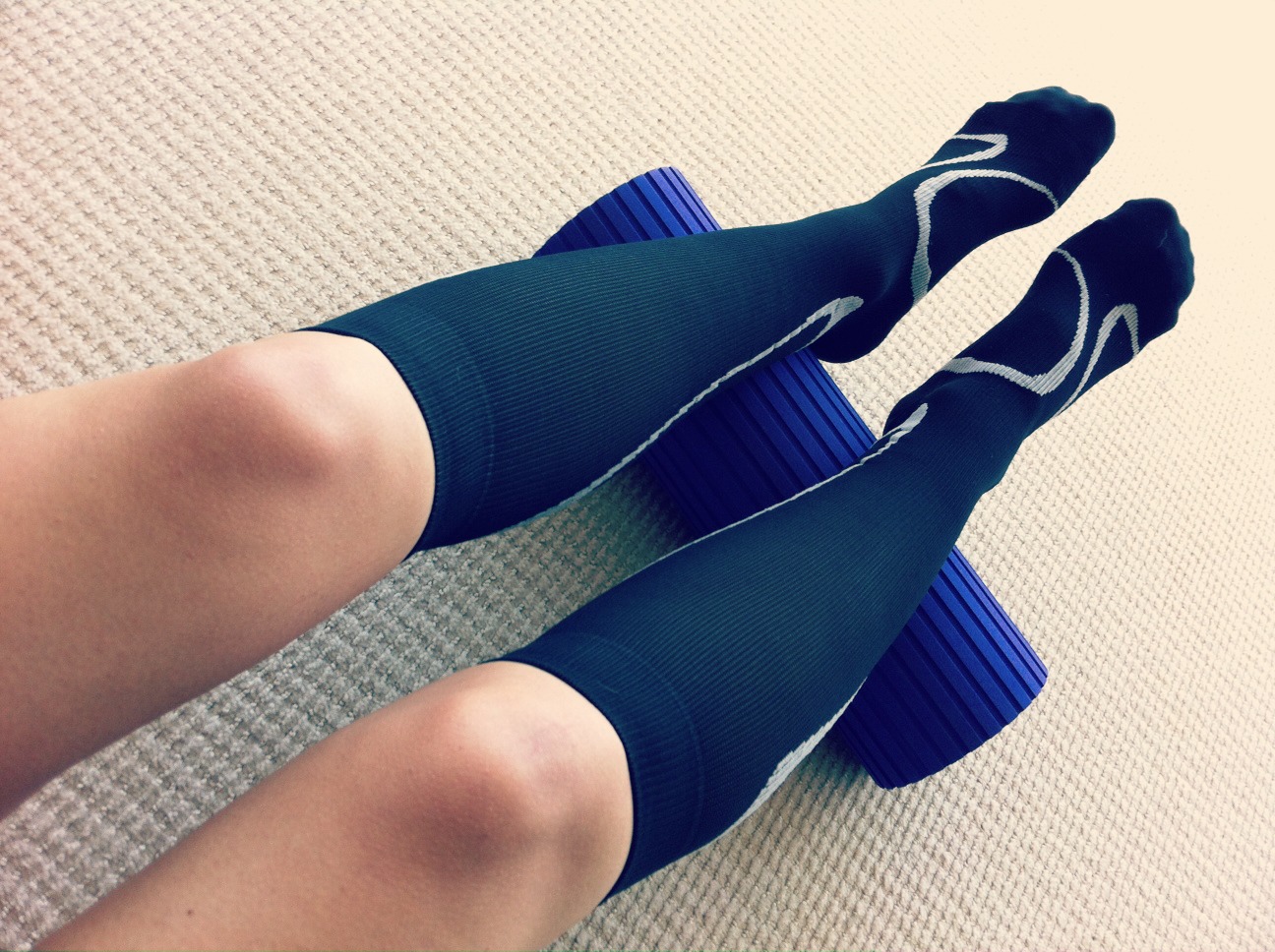
  24. Sigvaris performance socks for recovery between legs
  25. Napsack jacket/sleeping bag combo for staying warm while dozing

Not pictured:

  • Waterproof tarp for keeping my sleeping bag dry
  • Knuckle Lights for nighttime running
  • Socks & underwear — five pairs, one for each leg plus a spare set
  • Shower Pill body wipes to help clean up
  • Colgate Wisps disposable toothbrushes to freshen up
  • Misc food to stay fueled — PB&J sandwiches, potato chips, etc.
  • Misc. meds/first aid — Advil, pepto, chapstick, ear plugs, etc.
  • Cell phone and chargers to stay in touch
  • Gallon-sized Ziploc bags to sort outfits and gear

Let’s hope I’m not missing anything! What are your must-have items for overnight relays?

Reviewing the new Runtastic 24/7 fitness tracker

photo (5)

Late last month Runtastic — an innovative suite of apps, products and services that track and manage health and fitness data — released their new Runtastic Orbit wearable, which is the latest and greatest in 24-hour tracking devices that allow users to monitor daily movements, fitness activities and sleep cycles.

In a nutshell, the Orbit’s similar to existing trackers such as FitBit and Jawbone Up, but it’s also got a few new bells and whistles I’m pretty excited to check out — namely that it’s waterproof (to an impressive 300 feet), syncs up with ANY of the Runtastic apps, has a proprietary sleep tracker (which I find fascinating), plus a battery life that can last up to a week.

135136-62928866-432d-4b93-a9f1-62adeb687932-orbit_teaser_sleep_tracker_01-large-1404731889

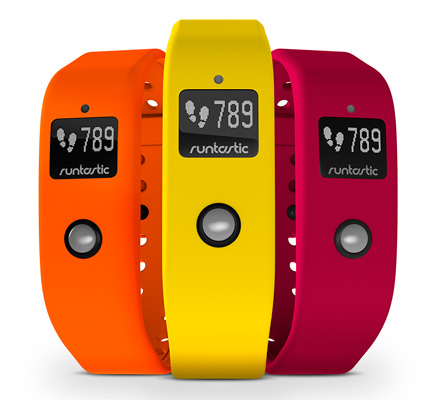
Specifically, the Orbit tracks Steps, Active Minutes, Calories Burned, Sleep Cycles, Goals and Ambient Lighting. Other features include an OLED Display, Time & Alarm and Bluetooth Smart Technology (which means it syncs to your phone automatically; yay for no cables!).

I’ll be testing it out over the course of the next few weeks, which coincides perfectly with training and racing so I can really put it through the paces. But after just a few days in, though, I can already say I’ve been pleasantly surprised with some of the features.

Stay tuned for my full review with photos; and if you’d like more information on the Orbit in the meantime, visit the website here

Bitten by a new protein bar ‘bug’

photo 2 (1)

The latest, er, buzz coming out of Austin?

Taking the ‘ick’ out of crickets — that is, eating them.

Yep, you read that correctly. Hopper Foods, a new startup out of Texas, is on a mission via Kickstarter to do away with the stigma of eating bugs…and all kinds of other yummy, protein-packed critters for that matter.

It’s important, they argue, because insects are a sustainable source of high-quality protein, which we need to capitalize on to help feed our growing population and lessen our environmental impact.

9651ad7ad2c512dd6aea7ffb378cce27_large

Now, they’re not saying beef is bad (that’d be sacrilege to this born & bred Midwesterner!), but just that we should think about diversifying our diets.

And their solution comes in the form of an all-natural energy bar made from cricket protein, which they hope will ease us all into the idea of eating bugs for breakfast — or any other time of day, for that matter.

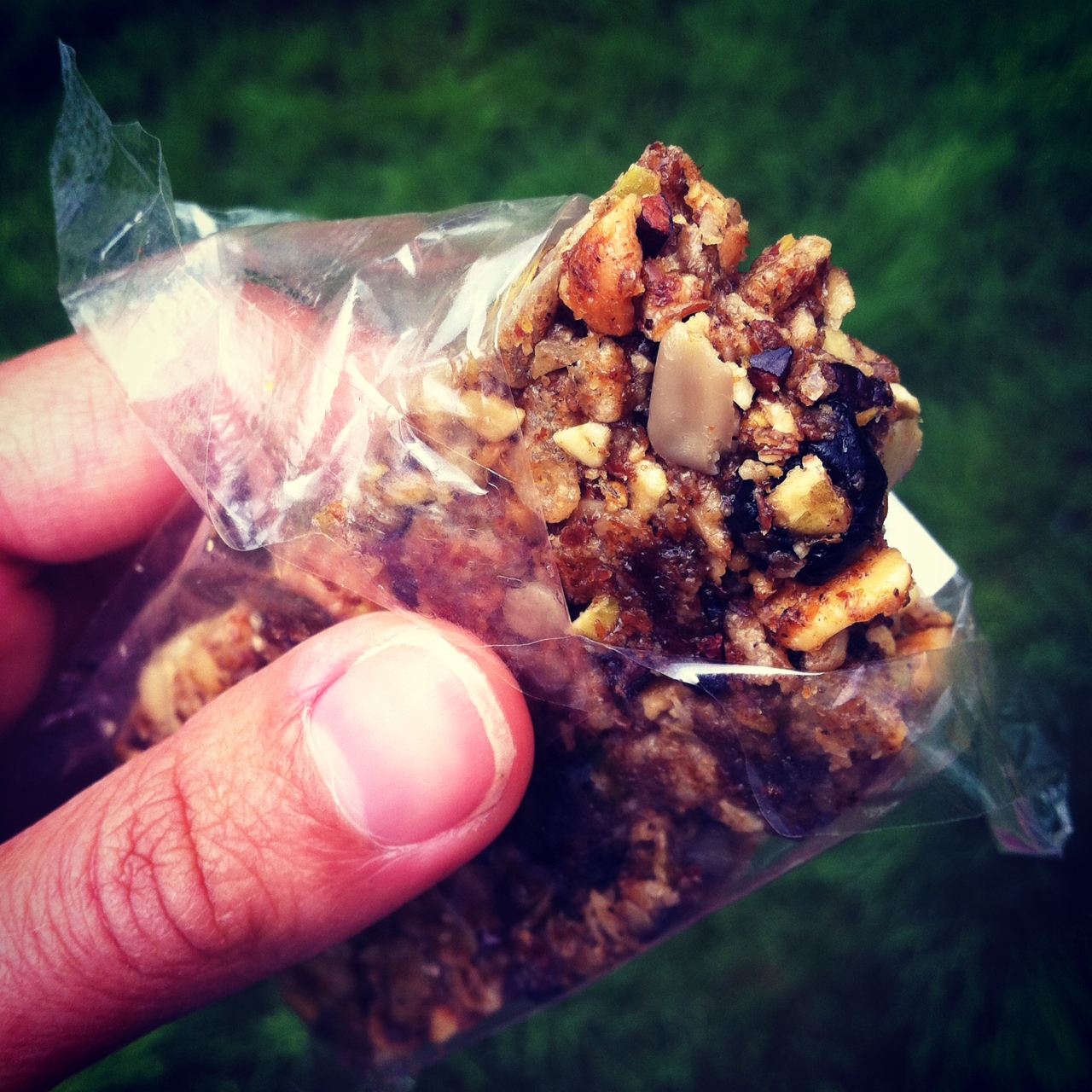
Made of nuts, fruits, seeds, raw honey and cricket flour, the bars pack a serious punch with more than eight grams of protein per serving, low glycemic energy, low fat, low sugar, plenty of calcium and potassium, plus micronutrients and antioxidants.

Hopper3

But the real question, I suppose, is how they taste.

Well, I’ll admit, I didn’t exactly rip open the package as soon as it arrived. But once I got over the initial “fear factor” and took the plunge, I was pleasantly surprised.

According to the company, there are about 20 crickets in each bar. But since they’re pulverized to a powder, there’s no way you’d know. Believe me, I inspected it closely.

What I did notice was that the bars are chock full of fruits, nuts and seeds, plus they come in some pretty inventive flavors, such as Peanut Butter/Cherry/Cacao, Blueberry/Cranberry/Pistachio and Kale/Seaweed/Ginger/Green Tea.

photo 1 (1)

An all-natural, nutritious, sustainable high-protein snack? Now, that’s just the cricket.

But the real question is…

Fave Fix: Tieks ballet flats, take two

Tieks1

Work hard, train hard, wear flats.

That might as well be the active gal’s mantra — well, at least here in San Francisco.

Why? We walk. Everywhere. And then there are the hills.

So it probably shouldn’t come as a surprise to me that Tieks has been one of the most consistently-searched terms on the site since I did my first post about ’em last fall.

Tieks2

No, the company didn’t send me a free pair to review. I bought ’em myself after reading some glowing recommendations elsewhere in the blogsophere.

Ok, and maybe Hubby had hit his limit of me attempting to configure date-night outfits around sneakers, too. 

But, regardless, they’ve become my favorite “dressy” footwear…so much so that I requested a second pair for a recent birthday.

Because I won’t bat an eye at crazy endurance events, but ask me to wear heels, and it’s GAME OVER.

Tieks3

KineticFix is on summer vacation, so I’m revisiting some of the most popular posts in the meantime! 

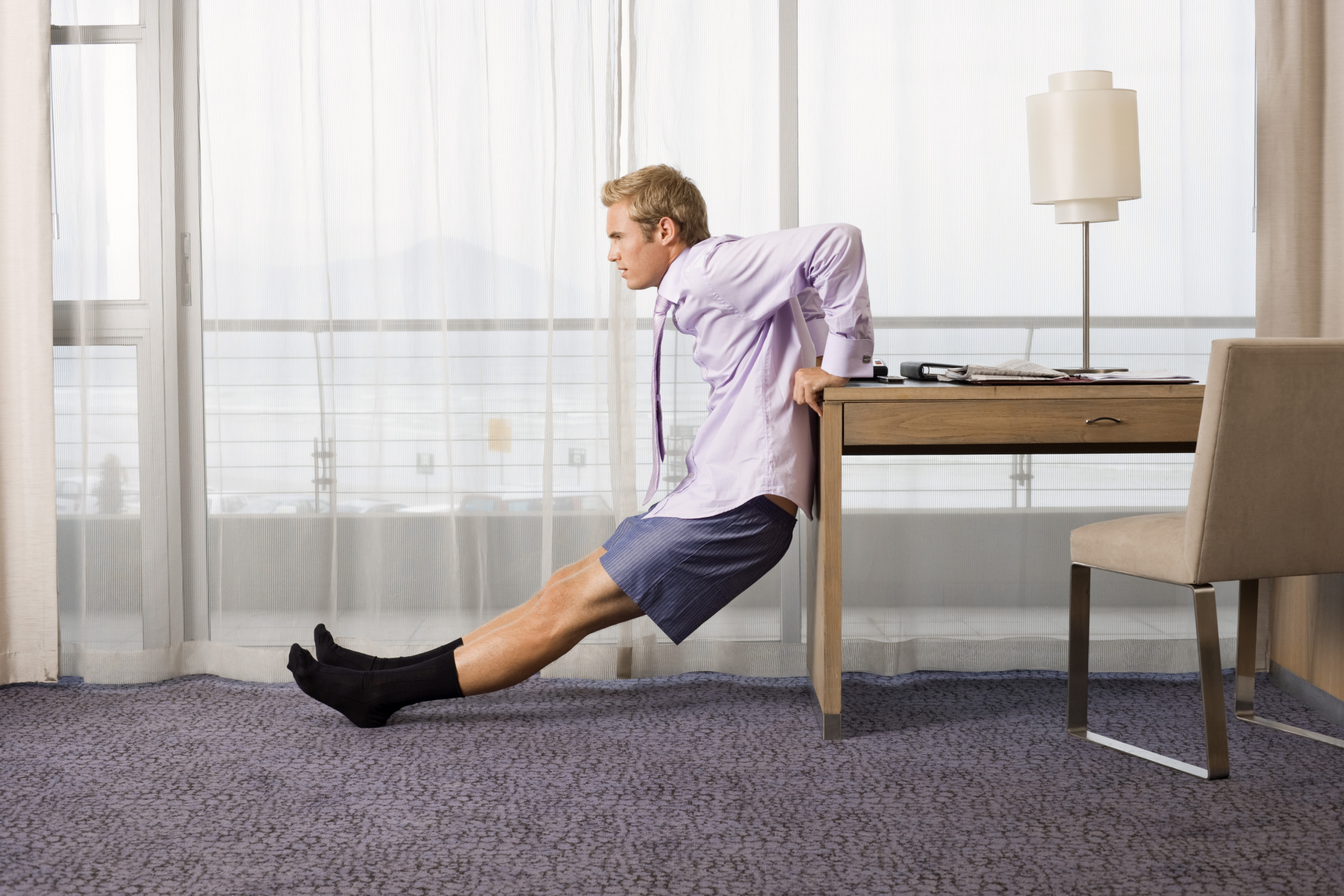
Have workouts, will travel: How I stay fit on the road

Photo courtesy of DangerouslyFit.com

Photo courtesy of DangerouslyFit.com

We all know that the best way to stay healthy is to make eating well and exercising a daily habit. But what happens when a trip throws you off your usual routine?

Between travel and a move, Hubby and I are hypothetically “homeless” (that is, without a permanent address) for almost two months this summer. Deep breath. 

We need a constant amid the chaos. And for us, that’s a good sweat session. So here’s how I plan to stay on track when everything else feels like it’s spinning out of control:

1. Make a plan. Figure out what works with your schedule, and commit to making it your new routine for the interim. For me, that’ll be a quick morning run before breakfast each day to start things off on the right foot.

2. Have a goal. It’s easier to motivate yourself when there’s something bigger at stake. Having my marathon training all mapped out will help me take the guesswork out of my daily workouts.

3. Keep it simple. K.I.S.S. — yep, “Keep it simple, Stupid.” Between running and body-weight exercises, I’ll be streamlining my workouts as much as possible over the next few weeks to keep things uncomplicated.

4. Mix it up. Variety is the spice of life, so when I’m running a lot I mix in complimentary workouts. This often means adding a few new DVDs into the rotation:

Yoga helps balance tight running muscles, so I’ll pop in one of the 12 Yoga Warrior 365 classes and laugh along with instructor Rudy Mettia’s irreverent approach to the practice.

– And for an intense, efficient cardio session when the weather’s not cooperating, I’ve been turning to BurstFIT Fire for a full-body, high-intensity interval workout in a mere 20 minutes.

5. Enlist some help. Having a partner in crime makes it much easier to get up and out each morning. That’s when I lean on Hubby; we keep each other honest about our workouts while on vacation, plus it’s fun to explore new cities that way.

6. Cut some slack. When things get super hectic, it’s good to know when to give yourself a break. Over the years, I’ve realized that an extra rest day here and there won’t hurt my training; in fact, taking a breather can actually help in the long run.

What are your best tips for sticking to a fitness routine while traveling? 

Feel the squeeze: 4 reasons to try compression gear (+ giveaway!)

shutterstock_112606778

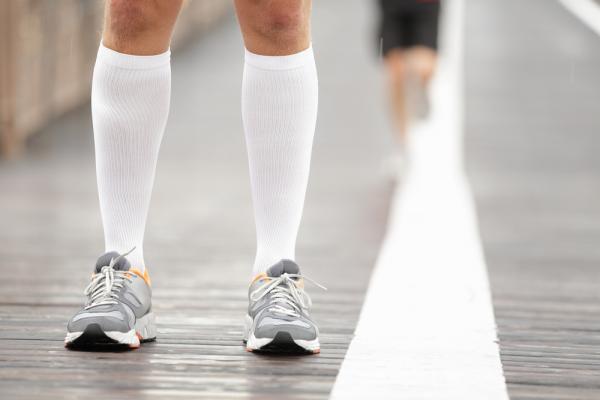
Once reserved for diabetics and frequent flyers, compression socks have gone mainstream, thanks to athletes who swear by their performance benefits in training, racing and recovery.

“I started wearing compression gear in 2007, and I sure got some funny looks as the first person in the USA to wear them [at Ironman Louisville that year],” said Chris McDonald, a professional triathlete and four-time Ironman champion. “I was chatting with a surgeon about post-op recovery, and he said to me, ‘I know nothing about sport, but I can’t tell you quality compression socks will help with return blood flow.’ So I just tried them!”

Although experts are still debating whether the effects are more in your head than your legs, I’m a proponent of compression gear, based on experience. Not only do my legs feel fresher mid-run, but they’re also less sore the day after. Plus, blindingly-bright colors keep me happy during hard workouts 🙂

Personal opinions aside, though, there are a few reasons why it may be worth setting your gear budget back a few bucks (prices for these puppies are in the $45-70 range) to get ahead in your training:

1. Improve circulation. Ever get that “heavy legged” feeling while working out? Compression gear can help prevent blood from pooling in hard-working muscles to keep legs feeling peppy.

2. Stay comfortable. If you’re worried that wearing compression socks means you’ll have to give up your favorite cushy, anti-blister socks, think again. Many brands offer arch support and extra padding in the toe and heel.

3. Increase protection. Socks aren’t just for shielding feet against shoes. Much of today’s compression gear does double duty with special materials that provide a cooling effect and SPF sun protection.

4. Speed recovery. Bounce back faster with recovery-based styles, which are engineered to help get fresh blood into muscles and flush out byproducts, such as lactic acid.

All the brands and technology out there can get overwhelming, which is why I recommend starting at a site like BrightLifeGo. They’re an authority on the subject of compression, having tested and handpicked their entire collection of socks and stockings — both for athletic use and everyday wear. 

I even found a new favorite brand there — Sigvaris. Style-wise, they’re a departure from my usual obnoxiously-colored gear…but functionally, I just couldn’t pass up their graduated compression design, extra-cushy footbed and anti-blister toe fabric. 

sigvaris

Factor in all the other bells and whistles, like high-tech fibers to regulate temperature (and odor), Achilles Tendon Protectors to reduce vibrations on ligaments, plus extra-wide top bands to keep everything in place…and, well, I pretty much live in these things when training, racing and traveling. 

Want to feel the squeeze yourself? Here are a few things to take into account when picking your perfect pair: 

  • Length: Do you want a knee-high sock or a full-length legging?
  • Use: Are you looking to use compression for work, play — or both?
  • Level: How tight do you want it — mild relief or moderate support? 
  • Design: Is form (aka style) just as important as function? 

“I definitely feel the benefits with both performance and recovery time,” said McDonald. “If you can recover quicker you can train harder. Put on compression for all travel (including drives over two hours), wear them during and post workout, and put a pair of compression socks on as you are sitting around at night. It’s not rocket science; it just takes routine.”

Is compression a part of your training and racing attire?

Enter my Rafflecopter giveaway to win two FREE pairs of Sigvaris compression socks or sleeves, courtesy of BrightLifeGo!