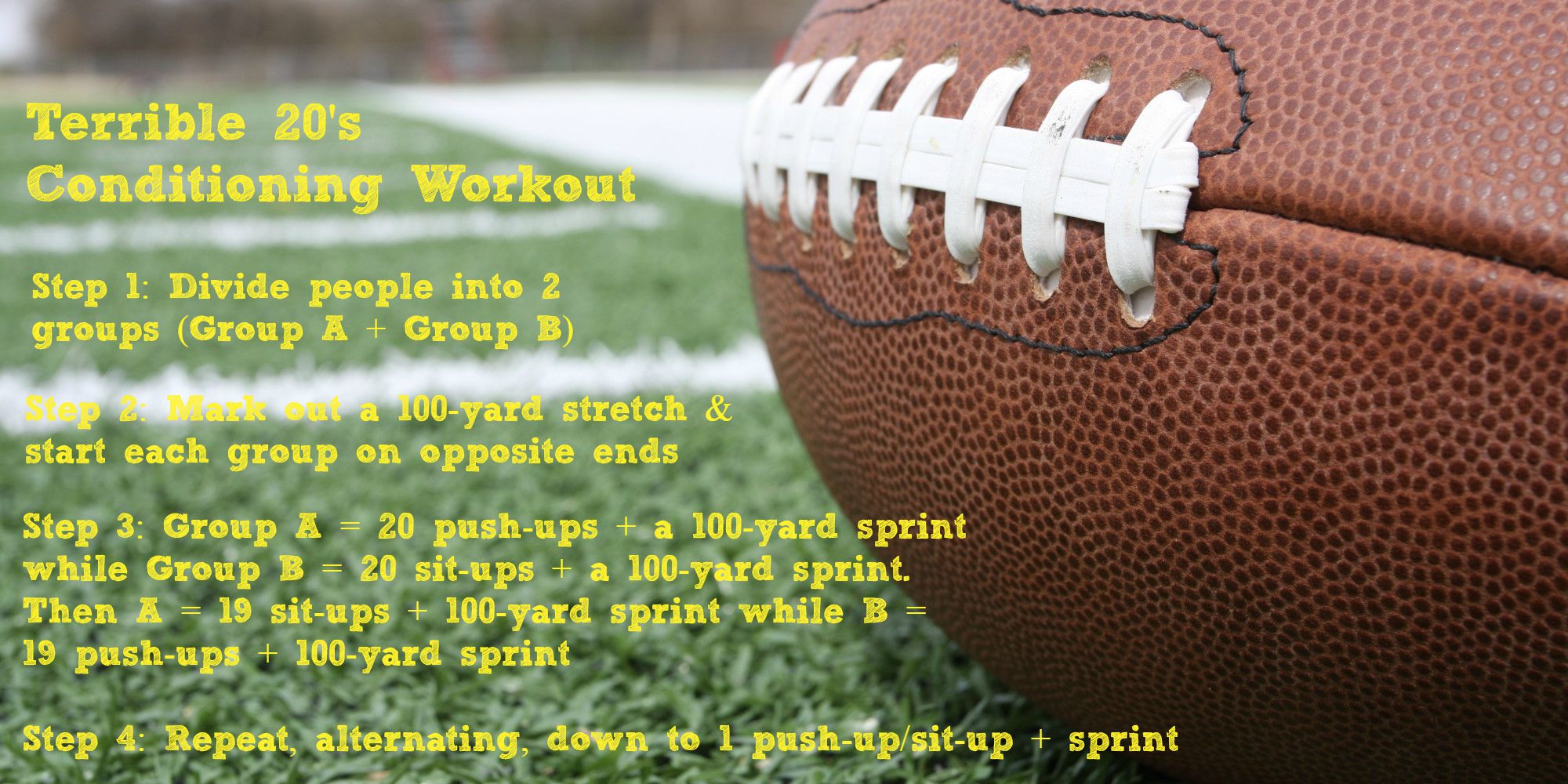
Terrible 20’s Conditioning Workout

Source: Will Dickey/The Times-Union

Source: Will Dickey/The Times-Union

Ever have a terrible, horrible, no good, very bad day?

Well, my friends, it’s about to get worse before it gets better.

Allow me to introduce you to the workout that will go down in Team LUNA Chix Portland Run infamy: the Terrible 20’s. It’s a football-drill-inspired conditioning workout that’s designed to get you in great shape for game time — or, in our case, race day.

I stumbled across it and decided to try it in lieu of our usual track workout one week. That night I got a record number of dirty looks during practice, and the next day I got countless texts from people telling me their whole body was feeling the aftereffects.

I’d call that a workout win-win, if there ever was one!

Here’s how it works:

NFL-FOOTBALL_terrible20s

And you’re not off the hook if you’re working out alone because the Terrible 20’s also works well with just one person. Simply start with your 20 push-ups, then sprint 100 yards, do your 20 sit-ups and count down from there — sprint another 100 years, do 19 push-ups, sprint 100 years, do 19 sit-ups and so on and so forth.

Sounds easy enough, right? Just give it a few rounds, and you’ll be begging for a time out!

Got a tale of torture from a terrible workout of your own to share?

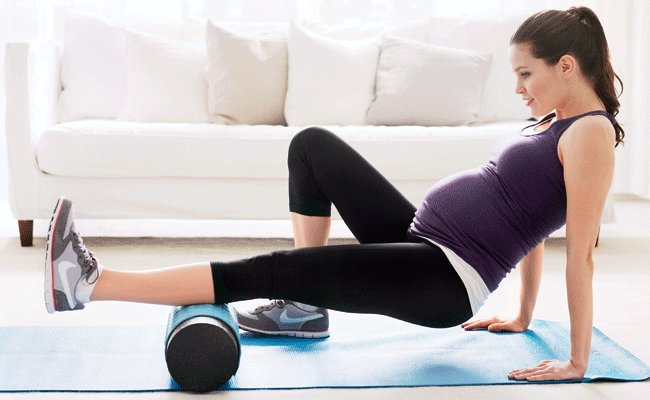
5 Takeaways From Training in the First Trimester

Source: TheBump.com

Source: TheBump.com

Once the positive pregnancy test comes back, most of us know the drill: Visit the OB? Check. Pop prenatal vitamins? Check. Avoid booze, soft cheese and deli meat like the plague? Check.

But one question unexpectedly threw me for a total loop: What will happen with my workouts?!

In my un-pregnant state, I’d always just assumed it’d be business as usual, especially since you’re technically able to safely maintain the level of activity you were at pre-pregnancy. Right??

Well, my pregnant body had something else in mind entirely.

Here’s what I learned about being active during those first 13 weeks with a bun in the oven.

1. Run your own “race” rings true. Sure, you’ll be hyper-aware of all the changes happening (hello, boobs!), but it took me a while to translate what that actually meant when it came to working out and being competitive, even if it’s just with myself.

For example, my expanding abdomen felt like I’d pulled a groin muscle, so my usual MO of “powering through” was no longer an option. I learned quickly that everyone’s experience is different, and what’s right for one person may not work for another, so listen to your body — not anyone else’s.

2. Eat, sleep, repeat. In the early weeks, I wondered if what felt more like a severe case of narcolepsy was misdiagnosed as pregnancy. Early morning workouts were off the table, so I adjusted my schedule and worked earlier hours to allow for a mid-morning break to get the blood pumping.

Although I was fortunate enough to avoid morning sickness, I did find myself straddling that fine line between I-think-I’m-getting-nauseous and get-out-of-my-way-I-NEED-food more often than not. My husband promptly nicknamed me “Velociraptor” for the voraciousness with which I ate meals, so I learned to eat smaller portions more frequently to stay out of the danger zone.

3. Check your ego at the door. There’s nothing more disheartening to a runner than watching your pace-per-mile creep up. And up. Workouts feel like max effort yet are half the speed, and it takes you twice as long to recover.

My first trail race this summer very quickly put me in check when I completely lost control of my heart rate and breathing during a long, steep ascent. There was nothing to do but pull over, let people pass, collect myself and find some equilibrium before proceeding more carefully. Lesson learned!

4. Hydrate, hydrate, hydrate. And then hydrate some more. Again, I learned this the hard way during the first few weeks of pregnancy when I’d forget to drink at regular intervals and would develop nagging headaches.

My wise sister sent me a 40-ounce insulated water bottle and recommended I carry it with me throughout the day. Problem solved! Not only does my water stay nice and cold (Hydro Flasks are the best!), but I make it a goal to finish the bottle by dinnertime to ensure I’m taking in enough liquids.

5. Seek a support system. Whether it’s fellow female athletes who are in the same boat or a fabulous coach of some sort to help you navigate the murky pregnancy fitness waters, finding your little tribe is an invaluable thing during this journey.

I’m fortunate enough to have a handful of friends from the triathlon, running and strength training worlds who are all due within a few months of each other, so I’ve been especially appreciative of having people with which I can swap advice. Several of us are even taking pre-natal movement classes together, which I’ll go into in an upcoming post because it’s been such a fantastic experience!

What’s your advice from working out during the first trimester?

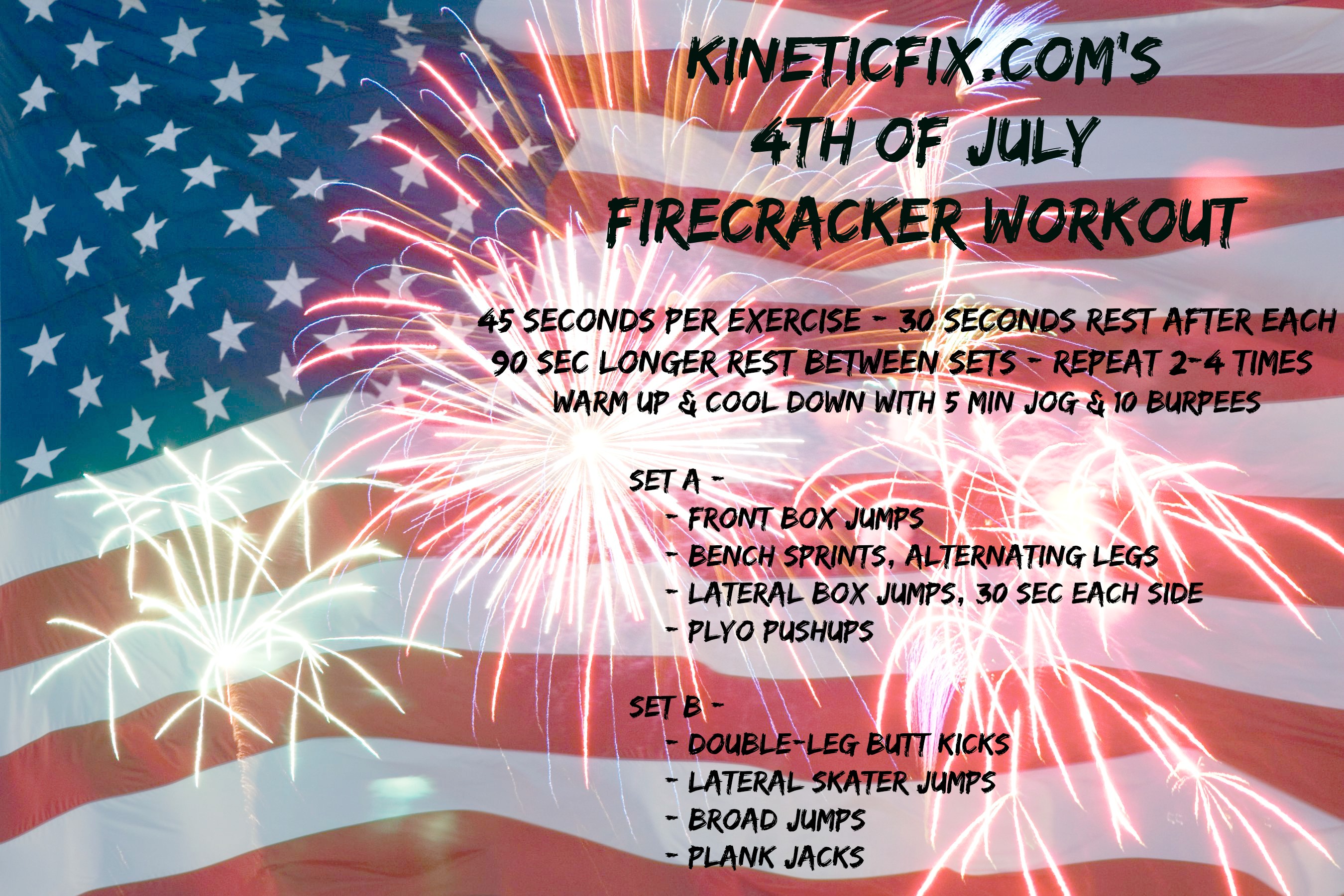
Get Explosive: 4th of July Firecracker Workout

4thofJuly

Light up your 4th of July with a plyometric workout designed to build explosive power. Performing these moves regularly can help you increase your vertical jump, speed and strength, which directly translates to better athletic performance.

A few words of warning, though: Plyo work can be pretty intense, so don’t do this workout in the heat of the afternoon or with a full belly. Your heart rate will soar, you’ll work several muscles at once and you’ll torch calories…but the last thing you want to do is pass out or lose your lunch in the process.

So what are you waiting for? Grab a towel, some water and feel the burn before that big family BBQ!

4thofJulyFirecrackerWorkout

Hint: If you’re not familiar with some of the moves listed, simply Google the term, and you’ll be able to find a description or video of it in action.

And, as always, remember to go at your own pace and use proper form. Think quality over quantity!

Are you planning a special workout for the 4th or taking the holiday as a rest day?

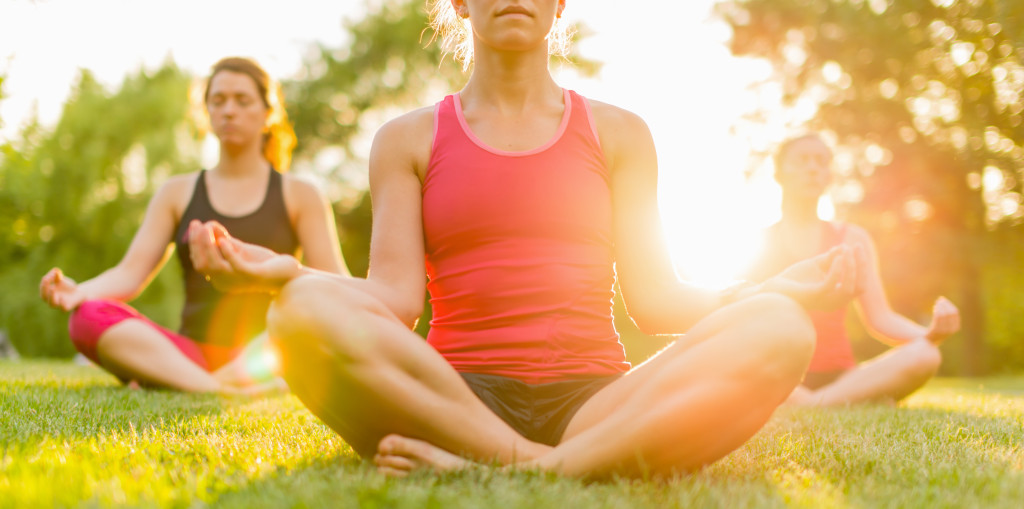
Spirit + Strength: Use Yoga To Take Your Training to the Next Level

Think you’ve got to reserve yoga just for rest and recovery days?

Think again. 

Despite common misconceptions — i.e. that yoga’s purpose is simply to ease tension and melt away stress (although there’s most definitely a time and place for that variety) — a brisk, flowing session can actually do more than help you find your zen; it also improves digestion and circulation, builds lean muscle mass and helps increase your overall metabolic rate.

That’s fantastic news for weekend warriors. But it’s even better news for athletes who not only want to hone strength and flexibility, but also develop proper diaphragm use and breathing biomechanics, get back into alignment and discourage compensation patterns, as well as concentrate on activating specific muscles that have become inhibited.

“Yoga can be an incredibly beneficial practice for any athlete,” says Anabel Capalbo, a yoga teacher, spin instructor and Ironman triathlete. “A consistent yoga practice builds strength and stability, while also working to increase our body awareness and alert us to any weaknesses that could lead to injury.”

And instead of viewing yoga solely as a static practice, Capalbo says it’s helpful think of it as a moving mediation, a time for you to be present and become more aware of your body, your mind and forging a deeper connection between them.

“Not just physical, yoga turns our focus inward and towards our breath, teaching us to find a strong sense of peace and calm when on the mat. For athletes, that ability to turn towards breath and to find strength can be somewhat of a secret weapon,” says Capalbo.

Here’s a sample sequence that can help increase balance, flexibility and strength — not to mention up your athletic game, as well.


Source: Fix.com

Do you use yoga as part of your training routine? 

Round Out Your Training with an Obstacle-Based Workout

Brent Doscher's Best Action Pics

Source: Brent Doscher

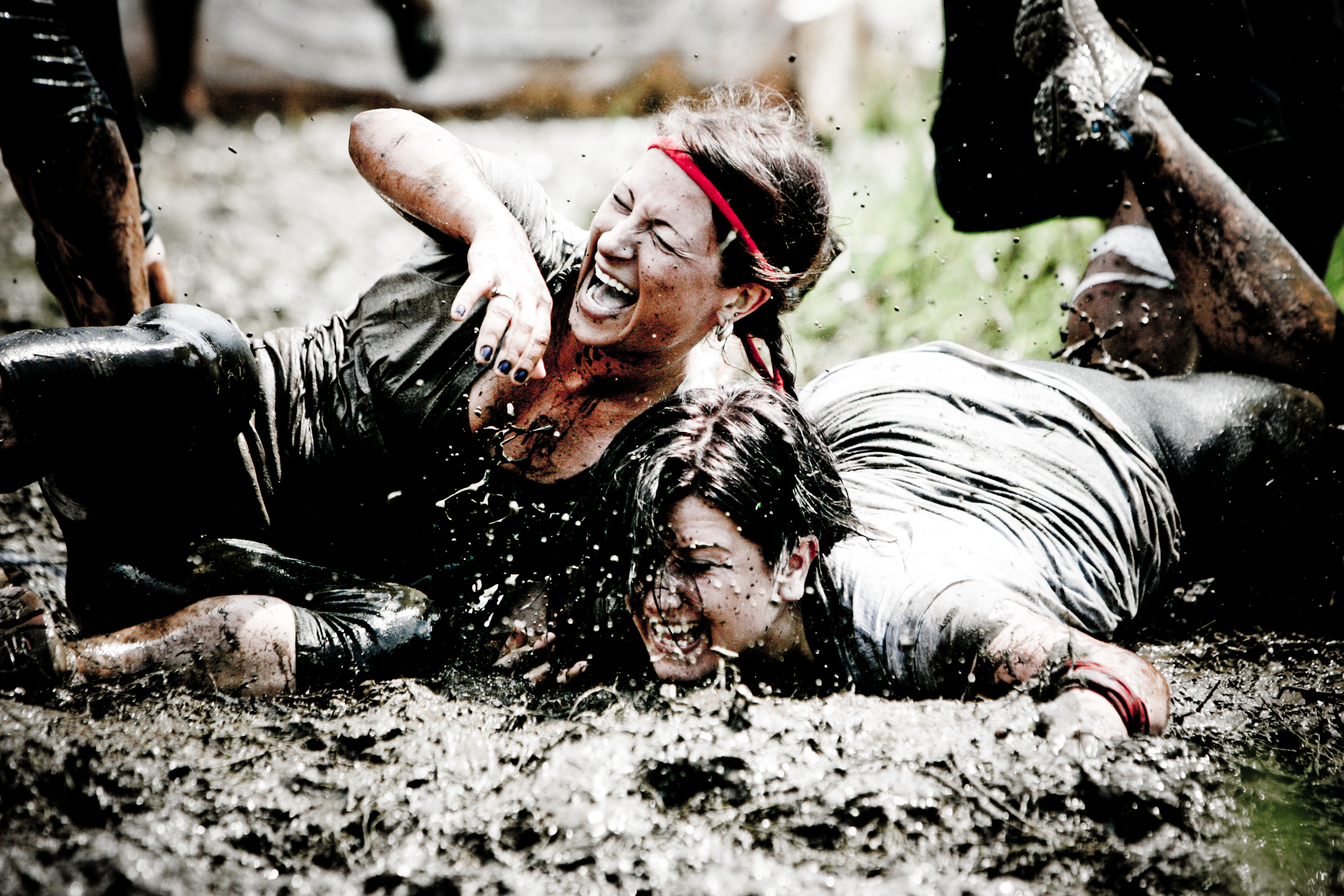
Whether you’re planning on tackling a Tough Mudder or simply thinking about switching up your workouts this summer, obstacle-course-style training can offer a whole new way to hone your strength, power, balance, coordination and strategy.

Because the physicality required to navigate obstacle courses mimics functional, whole-body movements of our ancestors and presents complex challenges, the focus shifts from being the best athlete to becoming the most well-rounded one.

The upside of all this work? Workouts are full of fun and variety, both your mind and body become more adaptable and, as a result, you get into kick-ass shape.

Of course, if you have a particular event in mind, you’ll want to choose a race-specific training program that mimics the actual physical demands of the race. But if you’re looking to just dip your toes into the obstacle course waters, here’s an ideal workout to help you get going.

Start with one session per week with the exercises below, and gradually work your way up to two sessions. Adjust the distance of the runs based on your conditioning level and the length of your race.

Obstacle Course Training Guide
Source: Fix.com

Need more of a challenge? Feel free to swap some of the exercises below into the strength-training portion — or change up your exercises during each of the different sets, which will create an even more well-rounded workout.

  • Walking lunges
  • Front and/or side planks
  • Squat jumps (or box jumps)
  • Mountain climbers
  • Push presses
  • Body-weight rows
  • Weighted carries
  • Crawling (hands/knees, hands/feet, or army)

If that’s still too easy, consider implementing some different types of workouts into your weekly training regimen to help develop the skills needed to excel at obstacle-based events. This could include, but certainly isn’t limited to:

  • Trail running: To simulate the muddy, rocky, hilly terrain of an obstacle race
  • Hill repeats: To build endurance and strength
  • Cross country races: To test your race-day skills on both trails and hills
  • Fartleks: To get used to changing gears and running at different speeds
  • Parkour: To practice balance and agility for challenging movements

You don’t have to be a super-human athlete to complete, compete or even train for these types of events; all that’s required is an open mind, a positive attitude and the willingness to identify and work on your potential areas of weakness.

Now, go forth and dominate!

What’s your take on obstacle races: yay or nay?  

9 Things You Just Shouldn’t Wear When Working Out

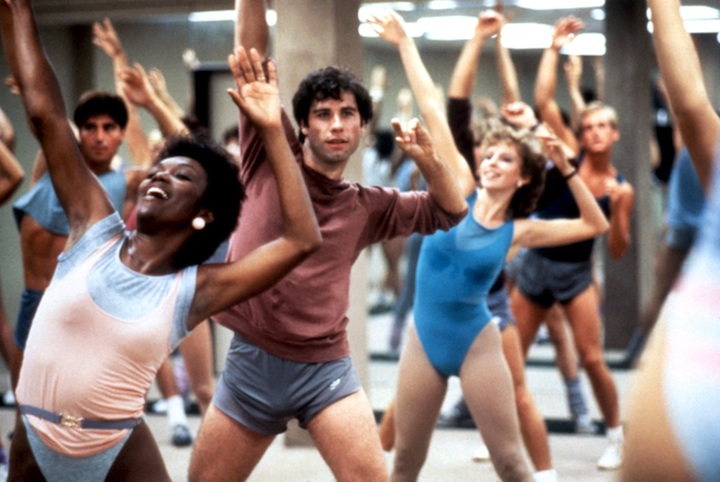
PERFECT, John Travolta, 1985. ©Columbia Pictures/courtesy Everett Collection

PERFECT, John Travolta, 1985. ©Columbia Pictures/courtesy Everett Collection

I was out walking my dogs the other day when a woman jogged past, and I couldn’t help but notice her chest, which happened to be bouncing out of control. Three thoughts immediately ran through my head:

Way to go! I love seeing people putting in work and breaking a sweat. 

Dear God, that looks painful. Does she know what’s happening to those poor ligaments?! 

Huh, having something there to actually bounce must be nice, though…

I’ll spare you the details of the rest of my internal monologue, but the point is that it reminded me of the importance of wearing the right gear — not only to maximize your workouts, but also to minimize any potential nasty side effects, such as said bouncing, chafing, snagging, riding up, falling down, constricting, tripping or worse (injury).

Plus, let’s face it — when you look good, you feel good. And when you feel good, you can give it all you’ve got, whether you’re hitting the gym, running the trails or competing at an event.

Jazzexercise_Main

Here are my nine no-no’s when it comes to suiting up for that next sweat session:

1. Unsupportive Sports Bras (or Shorts)

Ladies, did you know that you can do permanent damage to connective tissue over time if you neglect to give your breasts the correct support? And, gentlemen, you’re not immune to the jostling of certain body parts either. So, regardless of gender, do yourself a favor and find something that provides plenty of reinforcement for high-impact activities.

2. 100 Percent Cotton Clothing

It might be the fabric of our lives, but it’s the foe of comfortable workouts. Cotton is wonderfully absorbent, but that’s also it’s downfall; damp, slow-drying shirts tend to bring on chills and irritate skin. Instead, opt for synthetics and moisture-wicking fabrics, which are quick-drying, lightweight and designed for efficient evaporation.

3. Baggy Layers

Tempted to tent that not-quite-beach-ready body in loose-fitting clothing? Little do you know, you’re creating a potential safety hazard. Not only does extra material up your chances of getting snagged on equipment, but it also prevents you from checking form and alignment. Exchange oversized apparel for more form-fitting gear, which doubles as extra incentive to get to the gym!

4. Overly-Constrictive Pieces

Too loose isn’t good, but too tight isn’t any better. Any outfit you have to pour yourself into will only hamper movement, threaten circulation and probably make you feel pretty self-conscious. Instead, find a happy medium with fabrics and cuts that skim your figure and allow for a full range of motion.

5. Past-Their-Prime Shoes 

You maybe tempted to squeeze a few more miles into fraying footwear, but it’s better to ditch your kicks before you put yourself at risk for injury. Worn-out treads and flattened arch support won’t serve you well in the long run — and could actually do some damage during long runs. Replace your sneakers every 500 miles or so, and consider a gait analysis to find the best model for you.

6. Too Much Bling

I may sound old-school, and it’s probably because this was drilled into me early in my high school track & field years, but the only metal objects you should be swinging around at the gym are kettlebells. This will allow you to concentrate on the task at hand, rather than keeping your necklace or earrings from getting caught or damaged.

Rings, especially, should be kept at home or stowed away. You only have to hear one horror story about an engagement bauble getting stolen after being left behind in a gym shower to set you straight on this one. True story.

7. Eau de Poo Poo

An inside joke in my family, this is the nickname we give to stinky perfumes. Whether you’re squeezed into the close quarters of spin class, taking a dip in your gym’s pool or lined up mat-to-mat in yoga, please forgo strong scents. Body heat and sweat only intensify the issue, and the last thing you want is to ruin your classmate’s workout by giving them a stomach-turning headache.

8. Untested Apparel 

You snag a deal on some gear, and then later realize why it was deeply discounted — because it sucks. Yep, been there, done that. It was mid-bootcamp, in fact, when a friend gave me a heads up on my too-thin tights (oops). So take it from me: Use the ‘try before you buy’ rule by jumping around and bending over in the dressing room in order to avoid anything see-through, low-cut or otherwise offensive.

9. Almost Anything Gray

Unless you’re prepared to own some pretty awkwardly-placed post-workout sweat stains, avoid the color gray for super-intense exercise. I learned this the hard way while marathon training in one of my favorite styles of (gray) capris last fall. I still love ’em, but now I just use that pair for less sweaty endeavors, such as restorative yoga, hiking and Pilates classes.

Are there any off-limits outfits you’d add to the list? 

The ‘Lazy’ Gal’s (or Guy’s) Guide To Getting Fit

morningworkouts

An object at rest stays at rest and an object in motion stays in motion with the same speed and in the same direction unless acted upon by an unbalanced force. -Newton’s first law of motion

My girlfriends and I were discussing workout habits while on a group run the other morning, and I joked about being one of the “laziest active people” around. Yes, I work out — probably more than the average person — but I’ve also learned how to make it easy on myself.

Easy? Well, there’s a bit of effort required, but the concept is simple: Make the path of least resistance the one that leads to fitness.

Huh? Ok, allow me to explain.

You see, years ago my workout routine consisted of dragging myself to the gym after work and halfheartedly hitting the elliptical machine for a half hour (while reading a magazine) before calling it a day. I was too tired to cook well, bedtime would get pushed back, I’d sleep in to try to catch up, etc.

Repeat again and again with the exception of a few races. I’d schedule and train for them, but fall off the wagon in between.

4687879_orig

It wasn’t until my fall marathon in 2013 that I finally decided to stop the vicious cycle once and for all. I was sick of training hard into injury, then spending months healing and recovering…only to find myself back at square one.

You can only play Jenga with yourself so many times before the excitement of seeing how high you can stack the pile before everything comes crashing down loses its appeal.

Instead, I vowed to take a new approach, one that would allow me to once and for all create a solid foundation. Step one was deciding to make fitness a lifestyle — something that I live and breathe every day — instead of an option. Step two was to figuring out a game plan. And step three was putting it in action and conservatively building on successes.

So here’s how I started offsetting my sedentary habits for good:

1. Stop thinking, start doing.

Get up! Quite simply, sit less and move more – and once you start, don’t stop. It began with a nightly walk around the block with my dogs, then I started building up my mileage and adding strength training between races to push my fitness threshold.

Weekend runs were no longer just a means to an end (i.e. the same five-mile loop to our farmer’s market for fresh kettle corn); they became part of a bigger plan of slowly building a larger base so I wouldn’t have to start from zero each training cycle.

2. Watch your mouth.

As in, what you put in it. You are what you eat, and it’ll translate into your training, so make it count. Avoid processed foods, practice portion control and aim to incorporate more fruits, vegetables and whole grains.

Once I started seeing food as fuel and feeling the impact of my choices — both good and bad — I wanted to give my body what it needed to get stronger and stay healthy. Rather than viewing it as extra work, I got excited when I saw how it was so closely connected to performance.

3. Ask for help. 

It can be intimidating starting a new routine, so seek out people on whom you can rely for advice, motivation and inspiration. Join a local running club or swim team for coaching, or enlist the help of friends who are seasoned athletes and can explain the finer points of various training concepts.

You’ve got to know yourself and what works for you; I get bored easily, so I knew I’d need to mix things up. I started adding cross-training in the form of different classes, which not only challenged my mind, but also made me a stronger runner. My November Project tribe was also immensely helpful when it came to staying motivated; there was always someone doing something — or someone who was game for anything.

4. DIY at home.

You can thank Jane Fonda for this one. After inspiring a home video fitness craze among millions of baby boomers, she paved the way for P90X, Insanity and a host of other DVD-based workout programs in our generation.

Let’s face it, we all get our days when we’d rather hit the couch than the treadmill. So I made a deal with myself that if I didn’t get to the gym for a workout, I’d at least move around at home with one of my workout DVDs (I happen to love Beachbody’s, and they don’t pay me to say that).

5. Sign up for a race.

A mere two months of three 20-30 minute sessions per week stand between you and the finish line, so it’s totally doable. Check out my couch-to-five-miler plan, which takes you step-by-step through the process if you’ve got your eye on an event this season but don’t know where to start.

When all else fails, having a deadline can be very motivating. And once you have that race date in the calendar, the key is to back out from that day and create a training plan (the actual length will depend on your current level of fitness and the race duration).

I put my marathon plans front and center on the fridge and even make check boxes so I can cross off runs as I complete them. Take it one step at a time, one workout at a time and before you know it, you’ll be living — and actually looking forward to — a more active lifestyle.

How do you motivate yourself out of a workout slump?

March Goal Check-In

comfort-zone

Time for a reality check: Now that we’ve officially “sprung forward,” we’re one quarter of the way into 2015.

I wrote previously about the five goals toward which I’m working this year, and here’s my update on how things are progressing:

1. Seeking Balance

I’m still slowly building out my race schedule for 2015 with a focus on quality over quantity. Ben and I are currently in the process of building up mileage for the Corvallis Half Marathon mid-month; instead of all-out racing it, though, I’m using it to train into May’s century bike ride (my first 100-miler!) and 50K.

It may seem like we’re peaking early in the season, but we’re doing these events more for the experience (and for a good cause, in the case of the ride) than for time.

2. Training Smarter

Thanks to ClassPass, I’ve been doing all kinds of cross training and am starting to see tangible gains. From completing rope climbs to balancing in side crows, I’m stronger all over — although I’m still working toward that elusive unassisted pull-up.

The one missing piece of the puzzle is mobility, however, so I’ve started seeing a chiropractor to help with my range of motion (my mid-back seems to be stuck…the dreaded desk-job computer hunch!) and am also trying to be more disciplined about stretching, foam rolling and yoga to balance out all the strength training.

3. Facing Fears

Zip. Zilch. Nada. Whoops. 

To be honest, I’ve been in a total mental funk when it comes to the pool, so I haven’t been pushing it. But I’m hoping that this will change in April, especially because I could probably use more non-impact activity in my days.

4. Pushing Myself

I’m officially registered for my second 50K, my first century ride and my first duathlon this summer. For some reason, the pursuit of a PR in what I’d call my “usual” running events (half marathon, marathon) isn’t as motivating to me at the moment; what I’m most excited about is trying some new disciplines. Bonus: If it’s a new event, it’s an automatic PR!

I’ve also been making some headway in another direction with meditation classes. After stumbling upon the wonderful HUSH Meditation community, I ended up adding mental fitness to my weekly workout regimen. It’s a simple act — literally, 45 minutes of stillness one evening per week — yet the process has been transformative (more on that soon in another post).

5. Giving Back

And, finally, we’re officially kicking off our 2015 season with the Team LUNA Chix Portland Run team next Monday, April 6, at 6:30 pm at Lincoln High School’s track here in Portland. I’ll be leading a workout, and it’s open to the public, so everyone is welcome!

Come join us; make some new running friends and fuel up after with free LUNA bars; how can you say no to that?!

How are your 2015 goals coming along? 

The Last-Minute Half Marathon Training Plan

Brooks_SS12_1_Botanical_01745

What do you do when you’ve got a half marathon in less than six weeks and your running game has been lacking as of late?

A) Calculate the plausibility of using this month’s time change as an excuse for missing the race…next month.

B) Petition the race director to allow you to turn it into an impromptu duathlon.

C) Briefly consider hosting a blog giveaway for your bib.

D) Make a game plan, and get after it.

Answer: You guessed it, which is why I created this last-minute training strategy for getting Ben and I across the finish line of the Corvallis Half Marathon on April 12.

It’s nothing fancy, but it’s been helping us conservatively safely build up our mileage and will even allow for a tiny taper before race day.

HMTraining

It’s still early in the season, and I’ve been doing way more cross training than running, so I’m not on the hunt for a PR (Ben may beg to differ; he’s eyeing a sub-1:50 finish). Rather, the idea is just to ease my legs — and my mind — back in to racing, so I can start to build toward that 50K in May.

As much as my off-season feels like it’s been extended into spring, I’ve loved taking the past few months to focus on strength, flexibility and adaptability with all different kinds of workouts. Plus, the mental break has been invaluable; I’m really looking forward to digging into training, as well as ramping up with Team LUNA Chix Portland Run come April 6 when our season officially kicks off.

What’s your approach to the upcoming race season? 

9 Questions to Ask Yourself Before Next Season

db412d15533baa53d7d8b49556691179

Back in November I got pretty fired up after reading blogger friend and fellow Coeur Sports teammate Kecia’s blog post, which talked about evaluating her 2014 triathlon journey in order to set S.M.A.R.T. goals for 2015. It inspired me so much, in fact, that I thought I’d do the same in anticipation of my own fitness planning for the upcoming year.

Using this article in USA Triathlon as her guide, Kecia addressed nine critical, but often overlooked, steps to effectively evaluating her season. As the author says, “Allowing your success to be determined solely by the finish line clock or your ranking is not fair to all the effort and time you invested. You deserve more credit than that.”

I couldn’t agree more. So as we all prepare to spend the next 360-odd days training for something (or a lot of things), take a stab at the questions below and see how your efforts from last year stack up. Be critical, be honest, but — above all — be open to changing tactics in order to see some strategic gains in 2015.

1. In hindsight, were your season goals clear and attainable?
Did you achieve what you set out to do at the start of the year? Knowing what you know now could you have aimed higher, or were you somewhat unrealistic in your expectations of your time, commitments or the physical skills you needed to develop? Use hindsight as a barometer for thinking ahead to next year and create goals that push you and inspire you to go for it.

My main goal was to PR in the marathon and finish in under four hours, which didn’t happen. My secondary goals were to tackle some new events, such as an Olympic triathlon and an ultramarathon in the process. Check and check. Although I was able to maintain a higher level of fitness throughout the year and dial in my nutrition during training and racing, I failed miserably at being able to do it injury-free.

In hindsight, I was overzealous in taking on a high-volume marathon training program after upping my racing frequency and without a proper pre-hab and rehab regimen in place. As a result, a few underlying issues — namely, plantar fasciitis, stiff ankles and weak glutes — caused me to compensate in other areas, and my training was cut short with a pre-stress fracture in my tibia.

2. What were you most proud of this season?
Was it the improvement you saw in your swim, bike and run splits? Or your dedication and ability to balance your other responsibilities around the sport? How you overcame setbacks and still performed at a high level? Think of the big things and the little moments that you look back on with pride and delight in what you accomplished.

Generally? Pushing my limits and being open to trying new things outside of road running.

Specifically? Well, a few things: First off, 2014 was the year I found #bikelove, having progressed from my first clipped-in ride to an Olympic triathlon to a 50-mile solo ride. Second, this year I got onto the trails, moving from the Bay Area’s ocean-side scenery to Portland’s lush green landscape. Off the roads, I was able to push my body farther than ever before (literally) in my first ultramarathon. And, finally, I’m proud that I took the necessary steps to finally discover what might be hindering me from reaching my running goals.

3. What would you like to duplicate next year?
Perhaps it’s working with the same coach or training plan, continuing to do a variety of races and taking on big challenges that excite you and motivate you to train consistently. Of the things that you really enjoyed, what would you like to be sure you experience again?

That statement above hit the nail on the head: Taking on big challenges that excite me and motivate me to train consistently. I love the thrill of accomplishing something I previously didn’t think was possible, plus learning something new in the process is icing on the cake. And in between, I found my sweet spot with varied and frequent cross training, which not only helps keep me functionally fit, but also prevents me from getting bored.

4. What frustrated or disappointed you the most this season?
Did you struggle to see consistent improvement in your speed? Fail to summon your determination when things got hard? Were you unable to overcome nagging injuries? What concerned you and took some of your energy away from the positive things?

The most frustrating part of my season was having to succumb to overuse injury, step back from my training plan and hold myself back from running all-out in my A-race, the Detroit Marathon. After a successful first half of marathon training (including a new 10k PR), I wasn’t able to see how it would ultimately translate to the marathon distance.

At the root of all of this are those underlying weaknesses, which were the most disappointing part. The truth was a hard pill to swallow: As much as I’d been training and (I thought) strengthening my body, I was going about it the hard way — not the smart way.

5. What do you not want to happen again next year?
Were you unprepared for some races and found you performed better in training than in racing? Did you take yourself and the sport too seriously, forgetting to have fun along the way? Look for insights from question four — things that you need to avoid in order to be at your best. Put emphasis and focus on things that you can control or influence.

Physically, I don’t want to ignore my blind spots. Now I know exactly where I need to focus; sure, a 20-mile training run or a mile done at a certain pace help, but I need to seek out the small wins — like ankle flexibility and glute activation — in order to build a strong foundation for success.

Mentally, I don’t ever want to “wing it” in a race. I should have known that I was avoiding open water during training for a reason, and next time I won’t wait for race-day to confirm why.

6. What did you learn by going through these experiences?
We all have good and bad days (and races and seasons) but what you take away from them can make all the difference the next time around. Despite the challenges or painful times, what valuable lessons did you learn? What meaningful lessons can you take forward as you build on your experience as an athlete? How can you catch yourself from slipping backward the next time you hit a rough patch?

I learned three valuable lessons this year: 1) More is not always more; sometimes it’s less about intensity and more about approach. 2) I’ve got a lot of grit from which I can draw, and that stubborn streak can sometimes work in my favor. 3) There’s nothing quite as enjoying or empowering as trying new things and expanding your skill set.

7. What decisions did you make that were empowering for you?
Think about the conscious decisions you made about what you committed to or improved: your nutrition, getting support from a coach or community, your approach to training and recovery, how you managed your life around your workouts, the number or frequency of races, etc. What were some of the most important decisions of the year for you, both related to triathlon and other parts of your life where relevant? And therefore, what decisions must you make for next season to experience even more success?

Pre-injury, the frequency of races allowed me to use some as training runs, which was an ideal means of tracking progress and made the mileage more fun. Post-injury, seeking outside help was a real turning point for my running.

Working with a PT allowed me to rehab correctly, troubleshoot issues and get to the start line of the Detroit Marathon. And although I haven’t had training guidance since high school, working with a run coach and having some frank discussions about goals, possibilities and reality was what got me across the finish line.

8. What habits seemed to hold you back from achieving your potential?
We all have them. Recurring ways of behaving and thinking which sometimes we realize — even when we know it’s not in our best interest — and sometimes we don’t. What causes you to skip training sessions? What do you tend to say to yourself during a race or training session, or when the alarm goes off before sunrise? In which ways has your diet been limiting your body’s potential? Where have you procrastinated or not been as disciplined as you’d like to be? Be really honest and list the items that you must change in order to achieve your goals.

Three habits I’d like to work on in 2015: 1) Not every workout needs to be all-out; don’t let my excitement to try something new or laser focus on a singular goal prevent me from taking time to let my body catch up to my training. 2) Don’t neglect pre-hab and rehab; ’nuff said. 3) Quit taking nutrition for granted; I’ve made progress with better consistency here in 2014, but can delve deeper into how what I eat affects my performance and my health.

9. What decisions should you make in order to have your best year ahead?
Building off your insights from all the previous questions, what will you continue to do, where do you need to get extra help, what will you stop doing? This is a critical step, take your time and identify the key decisions you need to make.

I’ve said it before and I’ll say it again, 2015 needs to be about working smarter…not harder!

I need to work on my running form and strengthen my weak spots, particularly those stiff ankles and sleepy glutes. Before I get injured again. I need to keep challenging myself with Big Hairy Audacious Goals and keep things interesting by experimenting with new pursuits. But not get too overzealous in the process. I need to get my running under control, build on last year’s #bikelove, and tackle that open-water fear once and for all. Then sign up for another triathlon. I need to remain open to tools and/or outside help, which will allow me to train smarter, not harder, this year. And then kick butt. 

Stay tuned for my 2015 goals…

What were your biggest lessons learned from 2014?