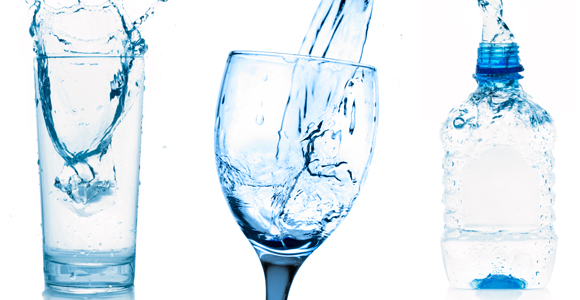
Hydration 101: What to drink – and when – for optimal fitness

Photo credit: Fitday.com

Photo credit: Fitday.com

If your usual routine of gels, powders, bars and chews isn’t helping you power through tough workouts, you may be missing a critical component of a successful exercise regimen: Water.

Not only does it help your body efficiently convert food into energy, but it also wards off dehydration, which can accelerate the onset of fatigue.

Contrary to popular belief, however, thirst is not a good indicator of hydration; by the time your brain senses it, you’ve already lost about one percent of your body weight in water.

That doesn’t sound like much, but exercise performance decreases with as little as a two percent loss (or less than three pounds in a 150-pound athlete).

Factor in the statistic that some athletes can lose up to five pounds of sweat (or more!) during practice and competition, and it’s a no-brainer to start all exercise sessions in a hydrated state.
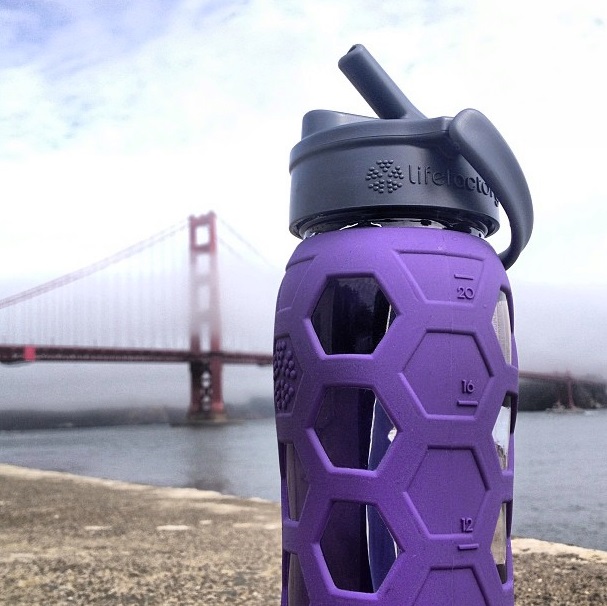
Photo credit: Lifefactory

Photo credit: Lifefactory

Here’s a good rule of thumb for ensuring proper hydration:

    • Drink about 16 ounces of water two hours before any endurance event
    • Consume a cup or two 10 to 15 minutes immediately prior to activity
    • Aim for four to six ounces of fluid every 15 minutes during the event
    • Remember that it’s just as important to re-hydrate afterward, as well

If your sweat session will last more than 90 minutes, consider swapping in a sports drink or electrolyte tablets, which help bring your system into balance more quickly by helping you to retain more liquid.

And now that I’m in the throes of marathon training, my must-have accessory is a reusable water bottle. I’m loving this new straw-cap glass bottle with silicon sleeve ($25) from Lifefactory. Isn’t the design great? And now I can keep track of exactly how much I’m drinking throughout the day, thanks to the helpful marks on the grip.
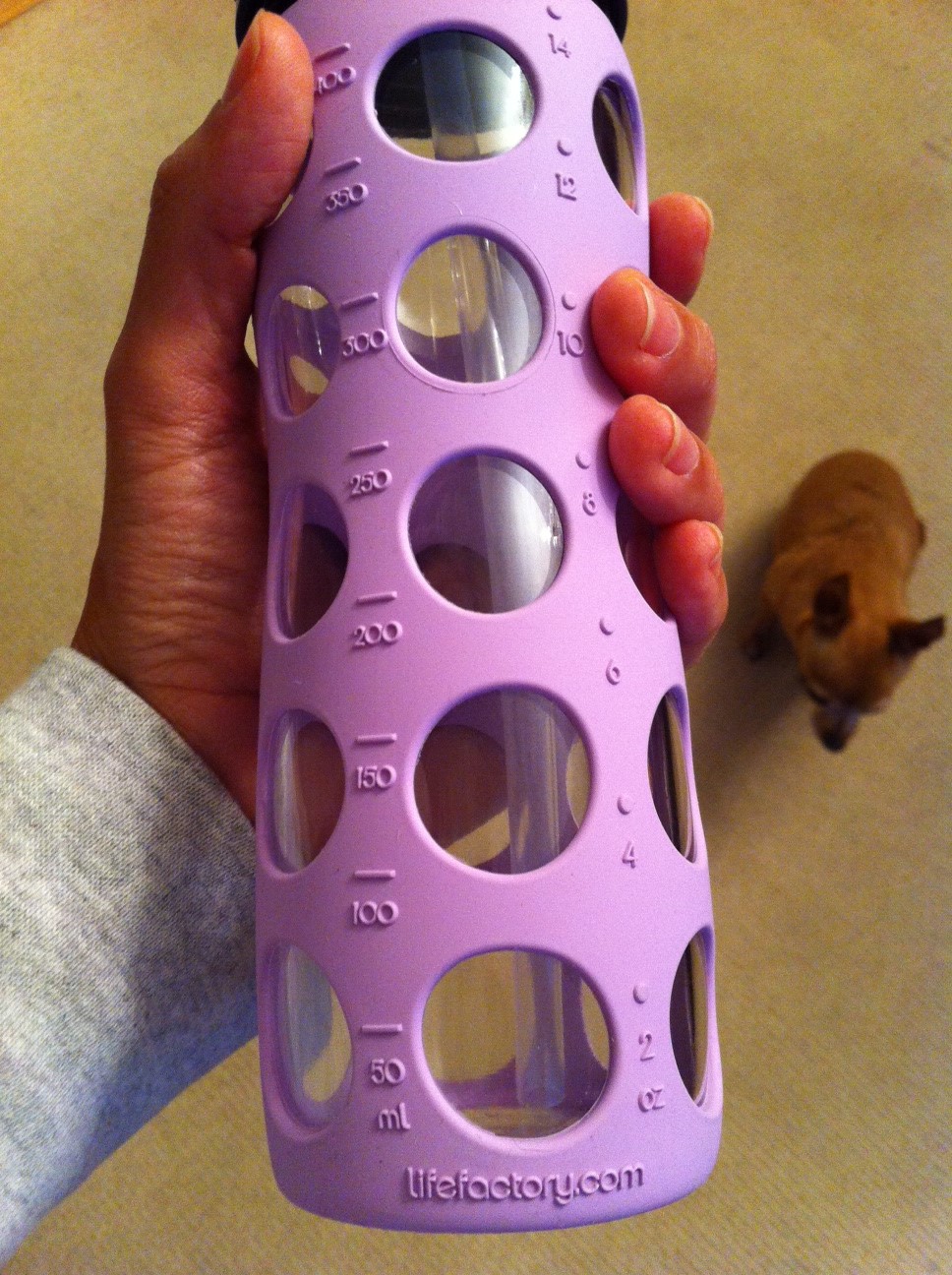
My dog clearly wanted in on the photo shoot

My dog clearly wanted in on the action here

It’s the first glass water bottle I’ve tried, and I’ll gladly take a little extra weight in exchange for peace of mind (it contains no BPA, BPS, PVC or phthalates). After all, we work so hard on the outside of our bodies, we may as well keep them healthy on the inside, too, right?
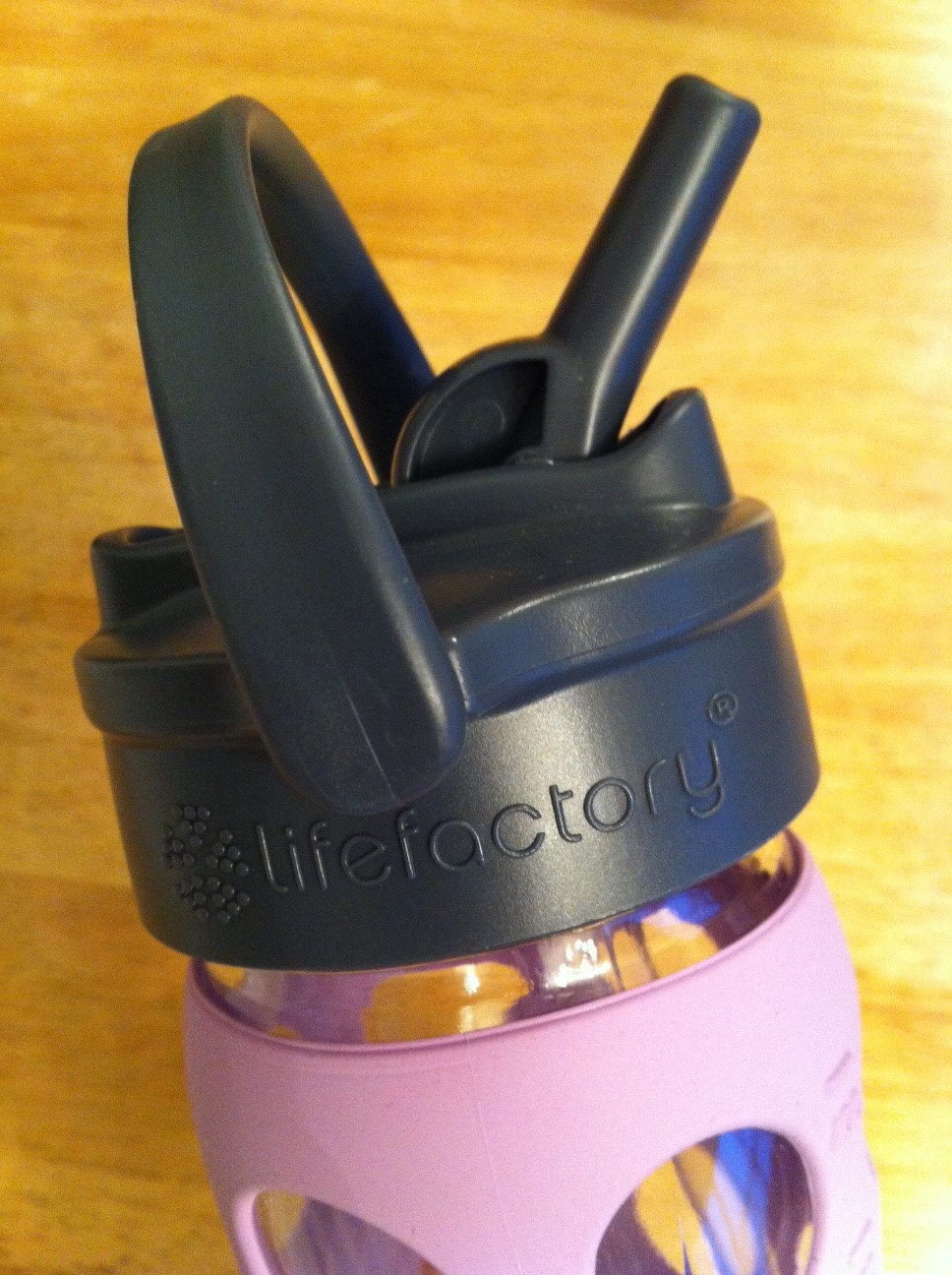
Handy built-in straw and pivoting handle

Handy built-in straw and pivoting handle

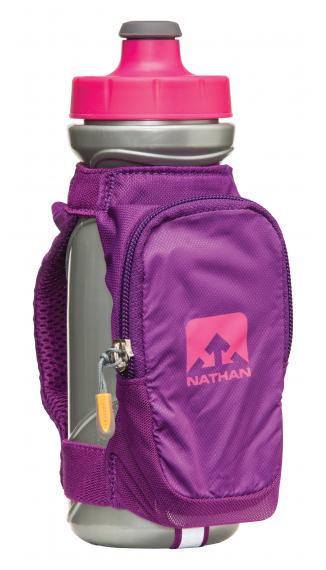
For mid-run hydration, I recently bought this QuickDraw Plus ($25) hand-held water bottle from Nathan.
4834NIP_QuickDrawPlus_ImperialPurple_NW

Photo credit: Nathan

I’ve tried hydration belts without much success (ugh, they ride up), so I figured I’d give this style a shot. It’s also BPA-free, but I was more excited about the iPhone pocket and thumb hole for grip-free running.

It worked just ok on my recent 10-mile trial run, but I’m going to give it a few more tries before I make my final judgment.
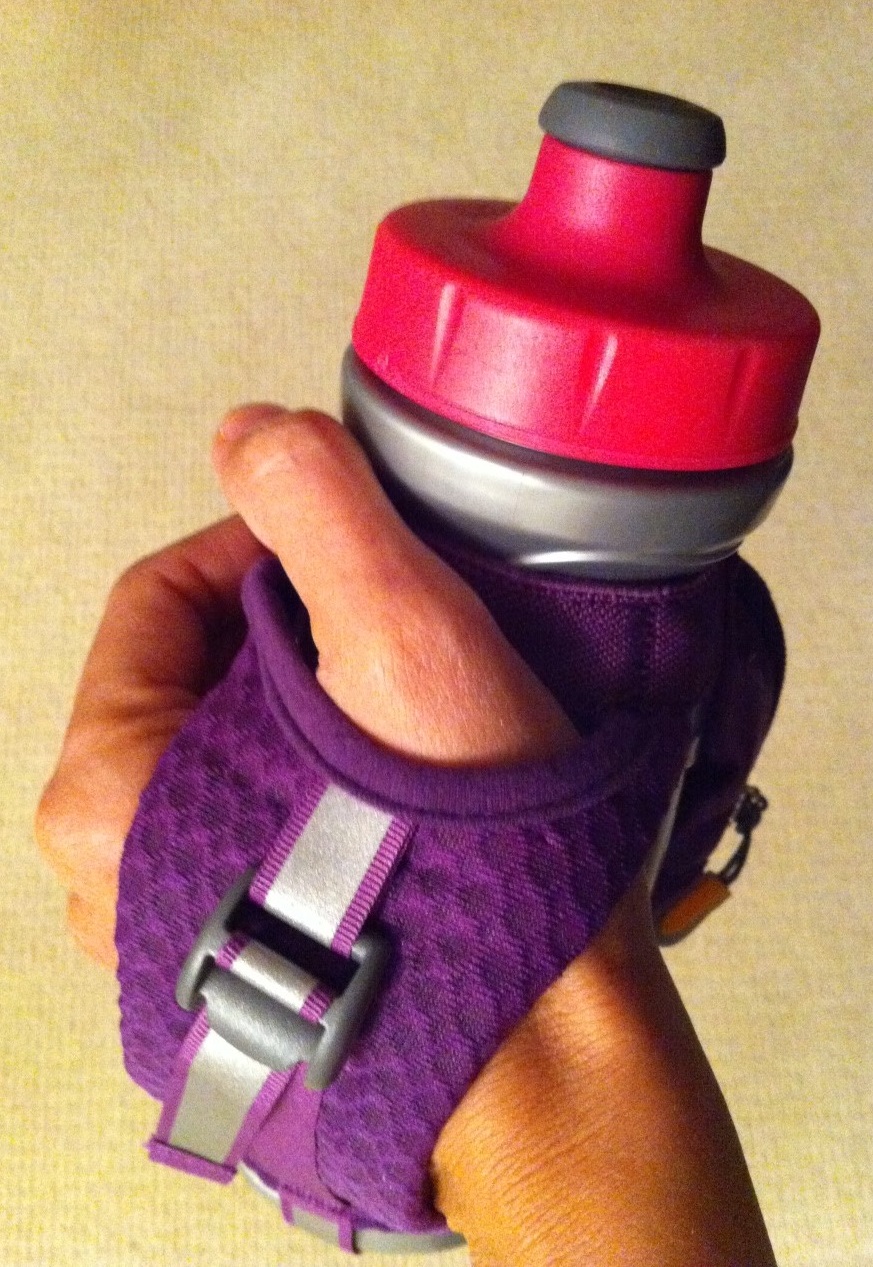
photo (98)

How do you stay hydrated during those intense workouts?

Thanks to the folks at Lifefactory for providing a sample for review; all opinions are my own. 

Easy ways for athletes to stay sun-safe in all seasons

Photo credit: SkinCancerPrevention.org

Photo credit: SkinCancerPrevention.org

It’s a scary, but true, fact: Athletes and outdoor enthusiasts have a higher risk of contracting sun-related skin cancers because of the increased amount of time spent in the sun, coupled with a lack of protective clothing and near-constant sweating.

If you’re a regular exerciser, you’re probably already familiar with a multitude of skin conditions (hello, blisters and chafing!), but the most important precaution to take year-round is protecting skin from wrinkle-inducing UV rays.

Below are five rules to follow to keep sun damage at bay, whether you’re headed outdoors for work or for play:

Tip #1: Seek shade when the sun’s rays are strongest.

Sometimes the best solution is the simplest. Prone to sunburn? Stay out of the sun’s rays when they’re at their peak (usually between 10 a.m. and 4 p.m.). Studies have also found that sweat can increase the sensitivity of skin and over-exercising can suppress the immune system, making athletes more susceptible to the damaging effects of the sun.

Tip #2: Create a barrier with clothing and accessories.

A plain old cotton t-shirt offers sun protection of only about SPF 7, and even less when it’s soaked with sweat. So go for gear from brands that offer additional defense, such as Mott 50, which combines both fashion and function in a line that is approved by The Skin Cancer Foundation and offers UPF sun protection in every garment.

Check for labels with an Ultraviolet Protection Factor (UPF) seal, which means that the fabric blocks UVA and UVB rays. Alternatively, you can also toss your favorite clothing in the laundry with SunGuard, a product that adds the equivalent of an SPF of 30 for up to 20 washes.

Tip #3: Hydrate and eat skin-soothing foods.

Skin acts as the first line of defense for our bodies, so help reinforce its effectiveness from the inside out. Supplementing your diet with vitamins (A, E and C, in particular), essential fatty acids and powerful antioxidants (such as those found in green tea) helps to promote cellular turnover, fight wrinkles and maintain that natural post-workout glow.

Tip #4: Protect those peepers.

Unflattering crow’s feet aside, sun exposure without proper eyewear (wraparound lenses treated to block both UVA and UVB rays) can also raise your risk for skin cancer on the eyelids, cataracts and macular degeneration. And on the bright side (pun intended), brown or amber lenses increase contrast, which can give athletes the added benefit of a competitive advantage.

Tip #5: Apply sunscreen liberally – and frequently.

Did you know that most people only use about 10 percent of the recommended amount of sunscreen? Use enough of the white stuff to fill a shot glass, applying it to exposed areas about 15 to 20 minutes before your workout to allow it to set in. And depending on how much you sweat, reapply every hour or two. Look for brands with broad-spectrum protection, an SPF of at least 30 and titanium dioxide or zinc oxide, which hold up better in heat and are less likely to irritate skin.

A great on-the-go option? Adventuress YouVee Sunscreen Swipes ($24), which provide skin with all the protection it needs against UVA/UVB rays. Packaged in individually-sealed finger pockets, the fragrance- and paraben-free swipes are an easy way to reapply SPF mid-workout, minus greasy residue on hands or fingers. I love to use them during long runs, especially now that I’m marathon training for hours on end. Just tuck one in your shorts pocket, and you’re good to go!

Six smart post-workout snacks

Photo credit: TheBetterMom.com

Photo credit: TheBetterMom.com

Breakfast may be the most important meal of the day, but did you know that your post-workout snack comes in a close second?

Topping off the tank after vigorous exercise is vital to helping your body repair muscle tissue and replenish glycogen levels.

The size of the meal depends on your calorie needs and the duration and intensity of your workout, but it should contain a mix of both protein and carbohydrates.

Studies have shown that this combo not only helps rebuild muscle, but it also reduces cortisol, a stress hormone that wears on your body during strenuous activity.

Here are six of my favorite snacks to help refuel after a particularly tough workout:

1. Protein shakes. 

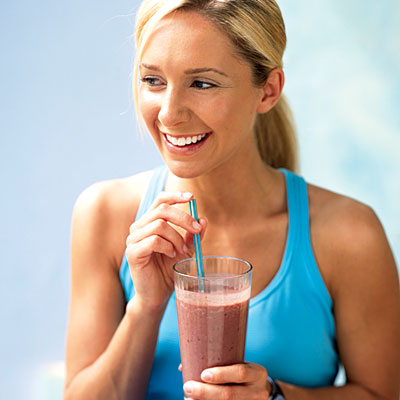
Experiment with protein powders, fruits and veggies, ice and milk or juice in a blender for one of the most refreshing and satisfying recovery drinks. Or when I don’t have the time (or energy) to be creative, my go-to is Shakeology. Sure, it’s a little pricey at around $4 a pop, but it contains a proprietary blend of digestive enzymes, prebiotics, antioxidants, phytonutrients, adaptogens and all sorts of other rare ingredients from around the world.

2. Yogurt with berries. 

Skip the super-sugary fruit-on-the-bottom varieties, and indulge instead in plain or vanilla flavors (try Greek varieties, such as Oikos or Chobani) with fresh fruit. Not only is this a portable and palatable snack, but low-fat yogurt also has nearly 15 grams of protein. A handy tip? Use frozen berries, which are less expensive and will help keep your yogurt perfectly chilled in your gym bag.

3. Peanut butter. 

However you spoon it or spread it, one tablespoon of this nutty goodness contains only about 100 calories and seven grams of healthy unsaturated fat. ‘Nuff said.

4. Breadless sandwich. 

If you’re not in the mood for a full meal, eat a plate full of fillings! Make easy roll-ups by spreading flavored cream cheese (my favorites are the savory ones from Philly) on lean deli meat before rolling it up for a high-protein, grab-and-go snack. Serve with a side of sliced fruit for extra energy-boosting carbs.

5. Eggs. 

Yes, they’re an incredible, amazingly-versatile and highly-edible post-workout snack that’s low in cost and high in nutritional value. At a mere 68 calories a pop (with 6.3 grams of protein), eggs also contain zinc and vitamin B12 to boost metabolism, immunity and cell production. EatingWell offers a list of 12 healthy, easy egg recipes here.

6. Low-fat chocolate milk. 

Got milk? Try it after your next workout for more effective recovery. A study in the Journal of the American College of Nutrition named it as an ideal post-workout beverage for building muscle. Compared to plain milk, water and sports drinks, it has twice the protein and carbohydrates, an added bonus of calcium. So wear that milk mustache proudly!

For best results, aim to eat within 30 to 60 minutes of your workout, when muscles are most receptive. During this window, there’s an uptick in enzyme activity that makes the body more efficient at storing glucose for energy and rejuvenating fatigued muscles.

‘Veg’ out this summer with seasonal produce

Photo credit: SeriousEats.com

Photo credit: SeriousEats.com

I have neither space large enough nor thumbs green enough for a home garden, so thank goodness we have some pretty amazing farmers’ markets here in the Bay Area.

On my shopping list? A few warm-weather vegetables that are available in abundance right now (not to mention they make a super-healthy addition to summertime meals).

Read on for fun facts and quick recipes for five of my favorites:

Photo credit: JamesBeard.org

Photo credit: JamesBeard.org

Corn

Averaging 84 calories per ear, corn contains vitamin A, folate, fiber and antioxidants.

Look for husks that have an even green color, silks that are a pale golden tone and plump kernels that ooze a milky juice when popped, which means the ear is fresh.

Corn is also super-convenient because it comes pre-packaged for grilling! Simply remove the silks, brush a little butter on the kernels and pull the husks back up before tossing on a preheated grill for about 15 minutes, turning regularly.

cucumber2

Photo credit: JustAGlimpse

Cucumbers

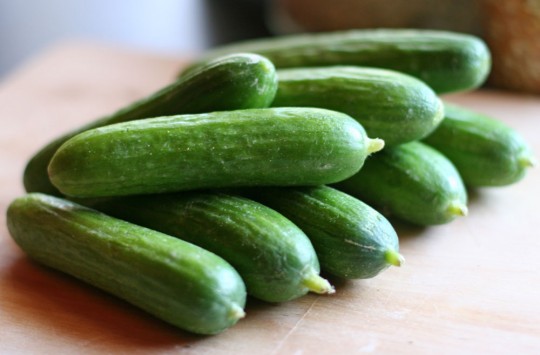
There’s truth in the saying “Cool as a cucumber;” did you know that the inside of this potassium-packed vegetable can actually be up to 20 degrees cooler than the air in which it sits?

As a general rule, the smaller the cucumber, the smaller the seeds, and look for one that is firm, straight and blemish-free.

For a sweet and sour treat, try slicing two cucumbers thinly and mixing with one-quarter cup of rice vinegar, one teaspoon sugar and one quarter teaspoon salt, plus two tablespoons toasted sesame seeds.

Photo credit: LiveStrong.com

Photo credit: LiveStrong.com

Green Beans 

Crunchy, flavorful and a rich source of fiber, green beans boast important nutrients such as vitamins A, B6 and C – not to mention a healthy dose of minerals like iron, calcium and magnesium.

Choose crisp, well-formed beans that have smooth skin because a woody or tough appearance with discolored brown spots is usually a sign they are not fresh.

For an elegant side dish, combine a pound of blanched beans with two tablespoons olive oil and one-third cup each of crumbled blue cheese and crushed walnuts.

Photo credit: StraightFromtheFarm.net

Photo credit: StraightFromtheFarm.net

Sweet Peppers 

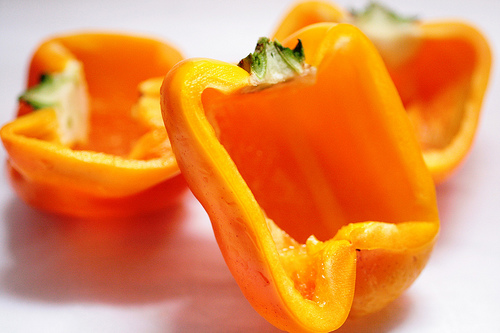
Lacking the hotness for which some of their family members are known, sweet (or “bell”) peppers contain small levels of the healthy alkaloid compound capsaicin, which may have anti-bacterial, anti-carcinogenic, analgesic and anti-diabetic properties.

Go for a firm pepper that’s vibrant in color and free of surface punctures, bruises or shriveled stems.

Roasted peppers are a quick fix that will allow you to add exquisite flavor to a variety of dishes; simply quarter peppers, removing seeds and membranes before roasting in a 500-degree oven until the skin blisters and turns black (peel off skin when cool).

Photo credit: ehow.com

Photo credit: ehow.com

Tomatoes 

Although technically a fruit, the tomato is used most often as a vegetable for cooking purposes. Lycopene, a much talked-about antioxidant present in tomatoes, has been known to neutralize free radicals in the body and cut the risk of some cancers.

When buying, focus on choosing a specimen that feels heavy for its size and smells deliciously earthy. And whatever you do, don’t refrigerate tomatoes when you get them home; you’ll run the risk of turning them mushy or mealy in temperatures cooler than 50 degrees.

For a delicious side dish, halve tomatoes and top with a mixture of one quarter cup grated Parmesan, one teaspoon fresh oregano, plus salt and pepper, to taste. Drizzle with olive oil and bake for about 15 minutes – or until tender – in a 450-degree oven.

If you want to eat more local veggies this summer, a good place to start is the Natural Resources Defense Council’s “Smarter Living: Eat Local” site here, which includes information about markets around the country as well as which produce is currently in season around the U.S.

The 10-minute self-check that could save your life

Self-exams can alert you to changes in your skin and aid in the early detection of skin cancer Photo credit: PreventCancer.org

Self-exams can alert you to changes in your skin
and aid in the early detection of skin cancer
Photo credit: PreventCancer.org

Skin cancer is the most common of all cancers, afflicting more than two million Americans each year, a number that is rising rapidly.

But the good news is that it’s also the easiest to cure – if diagnosed and treated early.

This is why the Skin Cancer Foundation recommends monthly head-to-toe skin self exams, so you can find any new or changing lesions that might be cancerous or precancerous.

“Checking your skin for skin cancer only requires your eyes and a mirror,” said Thomas E. Rohrer, MD, FAAD, a board-certified dermatologist in Chestnut Hill, Mass. “Examining your skin only takes a few minutes, but it could save your life.”

If You Can Spot It, You Can Stop It

Here’s a step-by-step guide for checking your skin, which should take no more than 10 minutes:

  1. Stand in front of a mirror and start by looking at the front and back of your body.
  2. Raise your arms and examine the right and left sides of the body.
  3. Bend your elbows, looking carefully at your forearms, upper underarms and palms.
  4. Next, examine your entire leg (don’t forget backs, soles and between toes!).
  5. Then, examine hard-to see areas like your back, buttocks and top of head.
  6. Use a mirror to inspect the back of your neck and scalp, parting hair for a better view.

ABCDE’s of Melanoma

The American Academy of Dermatology’s recommends seeking treatment if any of your moles exhibit the following signs:

a-asymmetryA – Asymmetry: Normal moles or freckles are completely symmetrical. Be suspicious is one half of the spot is unlike the other half.

b-borderB – Border: The spot has an irregular, scalloped or poorly-defined border, which could include blurry or jagged-looking edges.

c-colorC – Color: The spot has varying colors from one area to the next, such as shades of tan, brown, or black, or with areas of white, red or blue.

d-diameterD – Diameter: Melanomas are usually greater than 6mm, or about the size of a pencil eraser when they are diagnosed, but they can be smaller.

e-evolvingE – Evolving: A mole or spot on your skin that looks different from the rest or is changing in size, shape, or color.

“Current estimates show one in five Americans will be diagnosed with skin cancer in their lifetime, so it’s important to be familiar with your skin, especially your moles,” said Dr. Rohrer. “Catching skin cancer early is key for successful treatment, so check your skin regularly and see a board-certified dermatologist if you spot anything suspicious.”

Body after baby: Tips for shedding pregnancy pounds

Photo credit: MountainBuggy.com

Photo credit: MountainBuggy.com

Between all-hours feedings, a steady stream of diaper changes and endless loads of laundry, finding the time (and motivation) to make it to the gym when you have a new baby can be difficult, to say the least.

Because during those first few whirlwind weeks, you’re too overwhelmed – and exhausted, frankly – to care.

But allow yourself some time to get in a groove, and eventually you’ll want to get your groove back.

Only now you may find yourself stuck in that stubborn limbo between maternity wear and your old wardrobe….so, what’s a new mom to do?

Here are a few tips to help jump-start your ‘body after baby.’

1. Go easy. 

Congratulations, you just made a human! Now, give your body a break. Stop comparing yourself to that celebrity who has access to (and an unlimited budget for) a team of people to whip her into shape. Allow at least six to eight weeks for recovery, depending on your delivery, and clear it with your doctor before starting any exercise regimen.

2. Make goals. 

Think of your your weight loss as a journey, not a destination. So rather than immediately snapping back to pre-baby shape, expect to make a few pit stops along the way. Just make sure those increments are reasonable, attainable and measurable – say, losing one pound per week – which will help keep you motivated to keep going.

3. Get moving. 

Find an activity you love – whether it’s walking, swimming, jogging or yoga – and hold yourself accountable by signing up for a class at least once per week. Not only will it get you out of the house, but it’ll also establish a good habit. As a mom, you’re also a master multitasker, so squeeze more activity into your daily routine by walking to errands, taking the stairs or parking farther away.

4. Team up. 

Whether it’s your partner or a pregnant friend, the power of a pal should not be underestimated. Get out and meet new people in a “mommy and me” type class or gather a group of local ladies to lean on each other for support. Either way, strength in numbers will help keep you motivated and focused on your goal of losing the baby weight.

5. Eat well. 

When you’re tired, it’s tempting to grab whatever’s handy and stuff it in your mouth. But with a little planning, you can stay a step ahead: Keep your pantry and refrigerator stocked with nutritious foods (fruits, veggies, whole grains), limit the amount of junk food brought into the house, practice portion control and eat only when you’re hungry.

6. Get sleep. 

The sleep equation is a simple one: Get enough, and you’re less compelled to binge on high-calorie, high-sugar foods for energy. Easier said than done when a baby breaks your sleep cycles and upsets your metabolism. But get on the same nap schedule, and you can help prevent a long-term sleep deficit, which will keep energy levels up and cravings in check.

7. Lift weights. 

Contrary to popular belief, lifting weights will lean you out not bulk you up. Incorporating strength training into your fitness routine not only speeds up your metabolism, but it’ll also help get your guns prepped for hauling around that growing baby! And if you’re not ready to hit the gym or invest in a set of dumbbells, try improvising with household items, such as a milk jug or canned goods.

8. Follow through. 

A final word when it comes to keeping those postpartum pounds in check: Consistency is key. Stick with your new schedule until it becomes routine, celebrate your wins, and learn from your losses along the way. Focus on what you’ve accomplished so far (um, like having that adorable bundle!), and always remember: You can look fabulous at any weight with the right attitude.

Stay tuned for part two of this post where real-life moms offer their favorite secrets for slimming down after baby…

Dietary self-defense: 5 tips for avoiding popular food label traps

honest_labels_600

Food labels: More than meets the eye

Confused about calorie counts? Don’t know the difference between “low-fat” and “reduced fat” when it comes to your favorite foods?

You’re not alone.

In an online survey of more than 25,000 respondents in 56 countries, market research firm Nielsen found that 59 percent of consumers admitted they have difficulty deciphering nutritional labels on food packaging.

Another 78 percent also said they’re trying to lose weight through dietary changes – which begs the question: How can we be effective at doing that if we’re not really sure what we’re eating?

foodaisle_4

The fact is, most people don’t understand enough about what’s on food labels to make an informed choice about what’s best for them.

So next time you find yourself strolling the aisles, cut through the confusion by familiarizing yourself with the five most common tricks when it comes to food labeling:

1. Serving Size.

Although the numbers are based on a single serving, the package may contain several. Do the math and make sure to multiply accordingly – it adds up.

2. Calorie Count. 

When it comes to numbers, think quality over quantity. Some healthy foods are higher in calories (likewise, there are unhealthy foods that are low in calories but high in sodium or sugar), so it’s important to factor in nutrient density when making meal choices.

3. Ingredient List.

Say the first ingredient listed in chocolate cake is enriched bleached flour. Sounds healthy enough, right? Wrong. Even though ingredients are listed in order of descending amounts, some items are used in several forms (e.g. sugar) and listed under various names (i.e. corn syrup, fructose, juice concentrate), so be sure to add ’em up to determine true amounts.

4. Percentages.

Here’s where food makers deploy another trick of the trade. Take two percent milk, for example; we assume it’s 98 percent fat-free, but what it actually means is that two percent of the weight of the milk is fat (whole milk is four percent, FYI).

So while two percent is reduced, it’s not low – in fact, about 30 percent of the calories in a cup of two percent milk come from fat. The same applies to ground meats, so when in doubt, buy skim and go for the highest percentage of lean you can find.

5. Terminology.

Think “reduced” and “low” are the same thing? Think again. A food that says reduced simply means it contains at least 25 percent less of something.

Soy sauce, for example, may contain less sodium than the original version, but that doesn’t mean it’s “low” in sodium (in fact, one tablespoon packs about 700 milligrams, closing in on your daily cap of 1,500 to 2,300 milligrams). When in doubt, check labels and compare against dietary guidelines to determine whether or not the label is misleading.

Want a good laugh on the subject? Check out comedian Brian Regan‘s bit about food labels here.

TurboCharged book giveaway winner!

TurboChargedCongratulations to Bryan Kraus, our TurboCharged book giveaway winner!

Bryan, please email info@kineticfix.com with your mailing address, and we’ll get your book shipped to you ASAP.

If you missed my interview with TurboCharged author Tom Griesel, be sure to check out parts one and two for his insight on how to accelerate your fat-burning and get lean…just in time for bathing suit season!

And to jump-start your new routine, here’s a sample TurboCharged recipe to help retrain your body to source energy from your body fat (and fat from your diet), along with the natural sugars ingested from fruits and vegetables:

Photo credit: SeriousEats.com

Photo credit: SeriousEats.com

TurboCharged Variety Dressing 

Ingredients: 

  • 1/2 cup tomato juice
  • „ 1/2 tsp dry mustard
  • „ 1/2 tsp salt
  • „ 1/4 tsp black pepper
  • „ 1/4 tsp paprika
  • „ 1 Tbsp grated onion
  • „ 2 Tbsps minced parsley
  • „ 2 tsps chopped green pepper
  • „ Dash cayenne

Directions: 

  1. Place all ingredients in a jar and shake together vigorously until thoroughly blended.
  2. Pour over a chopped salad or toss with cut veggies for a tangy treat!

DIY beauty: Honey and olive oil hair mask

Photo Credit: National Honey Board

Photo Credit: National Honey Board

Summer is hard on hair. Between drying heat, scorching sun and harsh chlorine (plus the usual damage from coloring and styling), it’s a recipe for tresses that are a real mess come fall.

So now’s the perfect time to take preventative measures with this homemade hot-oil treatment.

Using honey, a natural humectant, plus olive oil, a rich emollient, this DIY mask not only conditions hair and makes it easy to comb, but it also adds shine and prevents breakage.

The best part, though?

You already have both ingredients in your cupboard!

DIY Honey & Olive Oil Hair Mask

Ingredients:

  • 4 tbsp extra virgin olive oil
  • 2 tbsp honey

Directions:

  1. Spoon honey and olive oil into a microwave-safe container

    Just two ingredients, and you're on your way to healthier hair

    Two ingredients to healthier hair

  2. Dampen hair slightly, but not to the point where it’s dripping
  3. Microwave mixture for 30 seconds. Remove and stir to combine

    HoneyOilHairMask2

    Be careful – it’s be deceivingly hot once microwaved

  4. When cool enough to touch, work a small amount at a time through hair, roots to tips
  5. Cover well-coated hair with plastic wrap before wrapping head with a towel

    HoneyOilHairMask3

    The aftermath…the pursuit of beauty’s not always pretty

  6. Let the mask work it’s magic for 30 minutes before shampooing in the shower
  7. Repeat monthly to revive dull, dry hair

Of course, I had to get over the  initial “ick” factor of combing some very sticky honey through my damaged, delicate strands.

But once I saw the results – gorgeous, shiny, super-soft locks – I’ve been hooked on this easy, at-home treatment.

Not bad for a half hour and just a handful of ingredients from your pantry!

You are what you eat: Food-label reading 101

man-reading-food-label

Photo credit: MensFitness.com

While we’re all aware that a diet of whole foods is preferable…it’s just not always practical.

Sometimes it’s a quick-fix dinner on a busy weeknight. Or maybe a hankering for something from the “comfort” food category (My vice? Boxed brownies!).

But whether you regard them as a dietary staple or a necessary evil, packaged good are a fact of life.

The only way to understand the relationship between the foods you eat and how they affect your overall health is by arming yourself with information: That means reading and interpreting the food labels around you.

Understanding food labels can also help you make better choices―that is, if you know how to use the information to your advantage.

Here’s an overview of the most important elements to keep in mind next time you make that weekly trip to the market.

First, what’s on the label, in a nutshell:

  • Serving size
  • Calorie information
  • Nutrient information
  • Percent daily values

Next, here’s how to utilize it (refer to corresponding areas of the chart below):

NutritionFactsPanelFDA

Photo credit: FDA.gov

  1. Check the serving size. 
    • All the information on the label is based on a standardized single serving, say one cup. So if you end up eating two servings, or two cups of food in this example, remember to multiply the numbers by two.
  2. Count your calories. 
    • This section of the label can help you manage your weight (i.e., gain, lose or maintain). Just remember: the number of servings you consume determines the number of calories you actually eat, so make sure your math is correct!
  3. Watch out for red flags.
    • Eating too much fat, saturated fat, trans fat, cholesterol or sodium may increase your risk of certain chronic diseases, such as heart disease, some cancers or high blood pressure.
    • Not sure how much is too much? Here are a few guidelines:
        • Total fat: Should be 25-35% of calories, or roughly 3 grams of fat per 100 calories
        • Saturated fat: Limit to less than 20 grams per day
        • Trans fat: Ideally 0 grams per day, but the maximum is 2 grams per day
        • Sodium: Aim for a range of 1,500 – 2,400 milligrams per day
        • Sugar: Avoid foods with sugar as one of the first three ingredients
  4. Load up on the good stuff. 
    • Most Americans don’t get enough dietary fiber, vitamin A, vitamin C, calcium and iron in their diets, which actually help reduce the risk of some diseases and conditions, such as osteoporosis, heart disease and healthy bowel function.
    • Aim or more of the following:
        • Fiber: Good sources cointain 3g or more, but try for 25-30g per day overall
        • Vitamins A & C, Calcium and Iron: Choose foods with high values of these key nutrients
  5. Look at the bigger picture.
    • Daily Values are recommended levels of intakes based on 2,000- and 2,500-calorie diets. Think of them as a frame of reference, regardless of calories, and use the information to compare similar products and brands. Just remember to make sure that the serving sizes are similar, especially the weight of each product – e.g. gram, milligram, ounces!

Approach the art of reading food labels as an act of dietary self-defense. Not only will it help you avoid unhealthy pitfalls such as excess sodium and sugar, but it will also help make you more aware of what you’re putting into your body and how it affects you on a daily basis.

To read more on understanding and using nutrition facts labels, visit the FDA’s website on the topic here.