
In light of this week’s announcement from Coeur Sports — I’m thrilled to be a part of the team again in 2015! — and in honor of our “heart & courage” rallying cry, I figured it’d be an opportune time to talk about something I’ve shied away from until only very recently: heart rate training.
Why? As much as I love to quantify my fitness, somewhere between doing the heart rate zone math, finding the correct workouts to hit my zones and then licking attaching the device and syncing up to whatever software is needed, I inevitably drop the ball. Let’s face it, adding another element of discipline can be tough when the alternative is to just lace up and head out the door.

But the wiser older I get, the more I’ve realized that there are some terrific benefits to taking heart rate into account when training. Here are a few of the reasons why I’m starting to incorporate it into more of my workouts:
1. Train smarter. There’s a good chance that, like me, you tend to overdo your easy days and don’t push quite hard enough when it is needed.
2. Change focus. If you’re in an exercise rut, it’s fun to add a gaming element with heart rate workouts by setting some specific, measurable goals.
3. Recover effectively. Are you sure you’re not undercutting recovery days? Heart rate monitors can be incredibly helpful in helping you rein things in.
4. Stay healthy. Over-training and improper pacing can knock you off your A game, leaving you susceptible to both overuse and acute injuries.
5. Get better. Whether you’re looking to raise your level of fitness, stick to a program or race faster, fine tuning your workouts by heart rate can help.

Ok, you’re probably thinking, that’s great, but how do I get started? Well, here’s a four-step cheat-sheet that simplifies the process:
First, determine your maximum heart rate, which can be done with a reasonable amount of accuracy by subtracting your age from the number 220 (for men) or from 226 (for women). There are a number of other equations that can be used, but that one’s a good rule of thumb.
Second, establish your resting heart rate, which should be done first thing in the morning with your feet still between the sheets. Find your pulse, count the number of beats that occur in 10 seconds, and multiply that number by six to find your rough count for beats-per-minute.
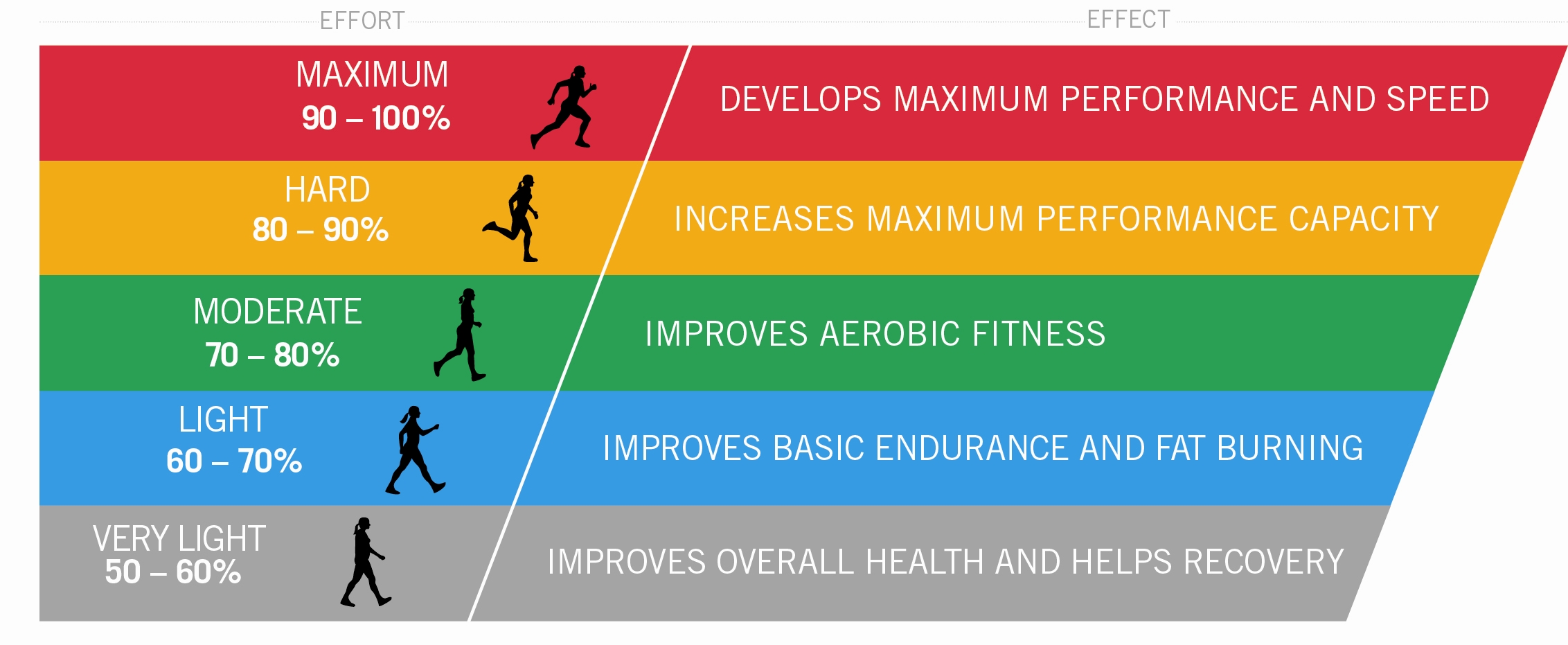
Third, calculate your training zones, which will allow you to customize your workouts to your heart rate and current fitness level. You can do the math according to the chart below, or use this handy calculator to do it for you.
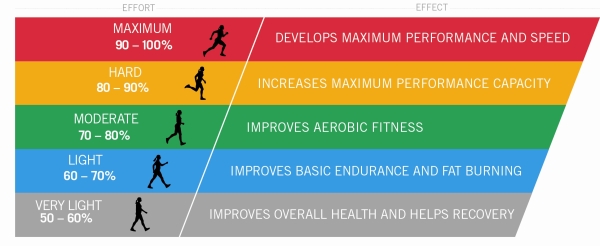
Now that you have your heart rates and zones, the fourth and final step is to create a training program and track results. This, of course, will vary according to your ultimate goal(s), but here’s a great article that outlines the different types of workouts you’ll want to consider when creating your program.
The best part is that you don’t need any fancy equipment, aside from two fingers and a jugular, to get started. If you decided to stick with it, though, I’d strongly advise purchasing a heart rate monitor, which will deliver consistent readings and track your workouts for you.
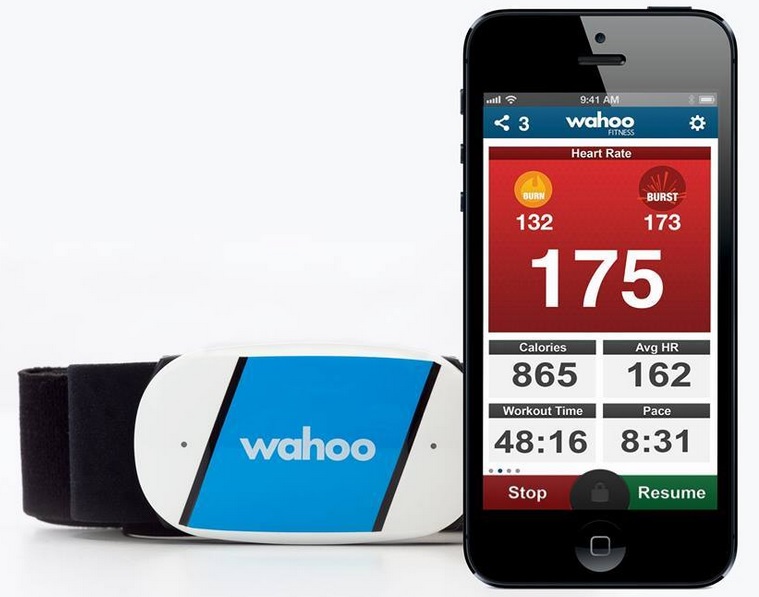
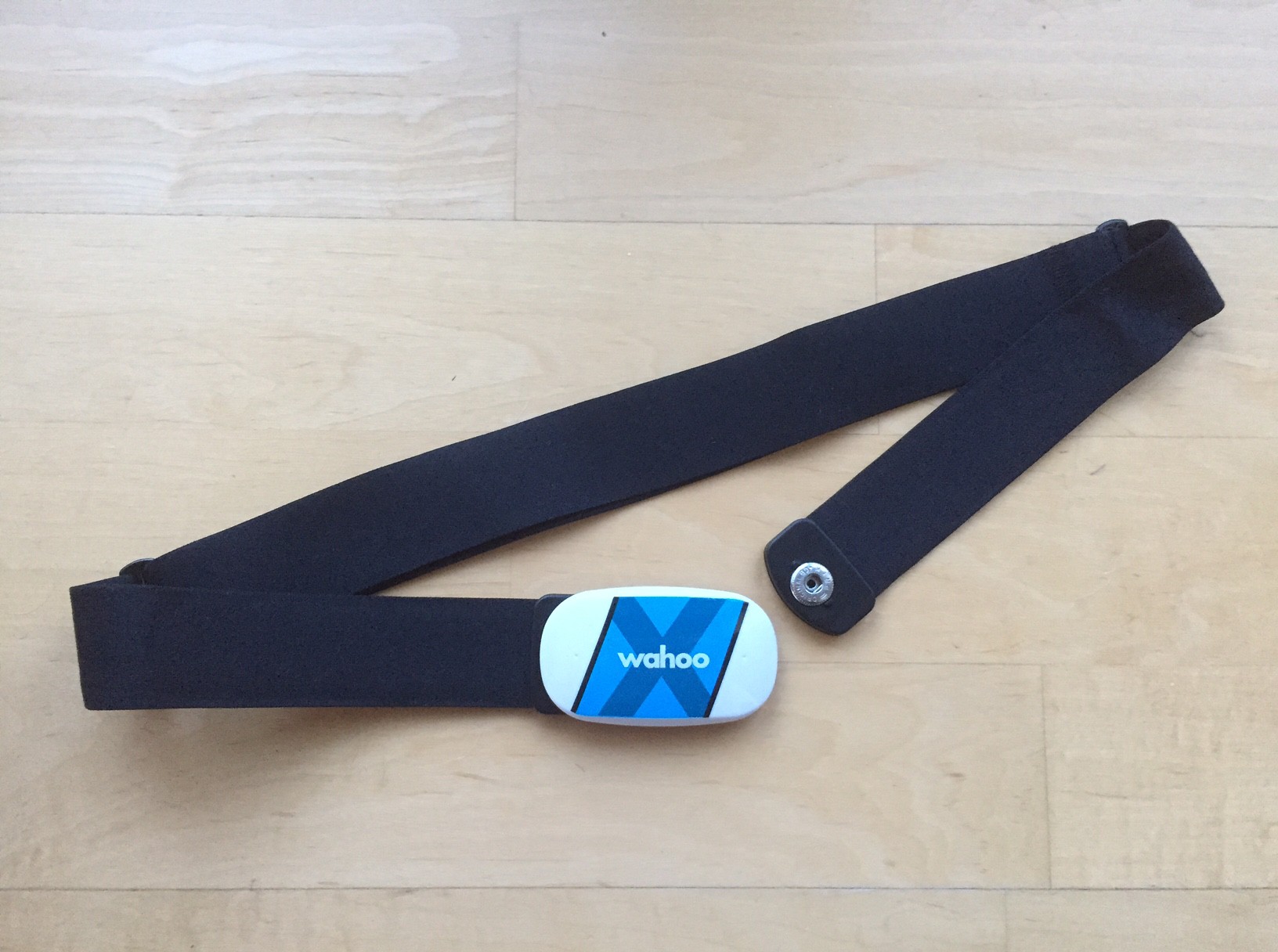
My favorite right now is the Wahoo Fitness TICKR ($100). Not only does the built-in memory mean you have the freedom to train without a phone, but I also find the motion analytics (measures running form across three dimensions; click here for details) fascinating because I’m looking to improve my form and become a stronger runner.
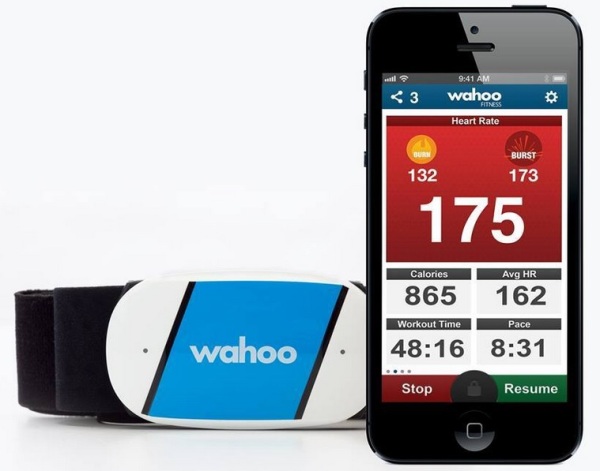
As for my verdict on this type of training, the jury’s still out. I’m by no means an expert, meaning I’m still playing around with it and trying to learn as much as I can, but from what I’ve been reading I do think it could help give me an extra edge to stay healthy in 2015.
The only downside so far is that — for someone who has always set goals based on pace — I’ve had to check my ego at the door for pretty much every workout thus far. Effort-wise I feel great, but the monitor says I’m training at levels where I’m exerting myself too much, which (contrary to what you’d think) doesn’t actually serve me well in the long run.

So what can you expect if you try this at home? Well, surprisingly, the biggest shift may be more of a mental one that physical. Gone are the subjective “run by feel” workouts; using a heart rate monitor gives you a very concrete, objective way to gauge exertion and progress.
Other than that, get ready to slooow down. Almost painfully so, as you’ll likely add a few minutes to your per-mile pace initially. But by taking back control of your workouts, you should start to see progress fairly quickly — in the form of being able to do more while maintaining a lower heart rate, which means you’re becoming an aerobic machine!
After struggling with injuries last season and feeling like I’ve hit a plateau with my speed, I’ve got nothing to lose: It could work like a charm or (what I’m really afraid of) end up slowing me down, but either way, I figure I’ll learn a lot in the process!
Do you train with a heart rate monitor? Any feedback and/or tips to share?





























 Kinetic Fix