Recipe: Zest Nutrition Avocado Chocolate Mousse

IMG_7187

Usually when I see the words “gluten-free, egg-free, dairy-free and vegan” to describe a recipe, I brace myself for the worst. But, once again, my friends over at Zest Nutrition have managed to create a super-healthy treat that’s incredibly tasty.

This silky avocado chocolate mousse comes from the kitchen of co-founder Anna Rosinoff, who grew up with “chocolate o’ clock” as a time-honored tradition in her family. So when she’s not applying her expertise in counseling and health promotion to develop workplace wellness programs, Anna’s brainstorming delicious ways to incorporate her favorite sweet into wholesome, nourishing recipes.

Don’t let the avocado throw you for a loop; with no refined sugars, un-pronouncable ingredients or bad fats, this dessert will pass a taste test from even the most discerning chocolate connoisseurs!

Zest Nutrition’s Avocado Chocolate Mousse

Ingredients: 

  • 1/2 avocado
  • 1 very large, very ripe banana
  • 1/2 cup unsweetened powdered baking chocolate
  • 2 TBSP vanilla extract
  • 1/2 cup agave nectar or honey

Directions: 

  1. Combine all ingredients in food processor.
  2. Blend until smooth.
  3. Enjoy immediately, or chill in fridge for around 30 minutes.

Since Ben and I have a, ahem, healthy appreciation for chocolate, I thought it’d be best to start with a double batch of mousse.

IMG_7181

My bananas were just starting to ripen up, so next time I’ll look for some with spots to make sure they’re softer and sweeter.

IMG_7183

Next comes the cocoa and vanilla — and I used a little less than a cup of agave since it’s pretty potent.

IMG_7184

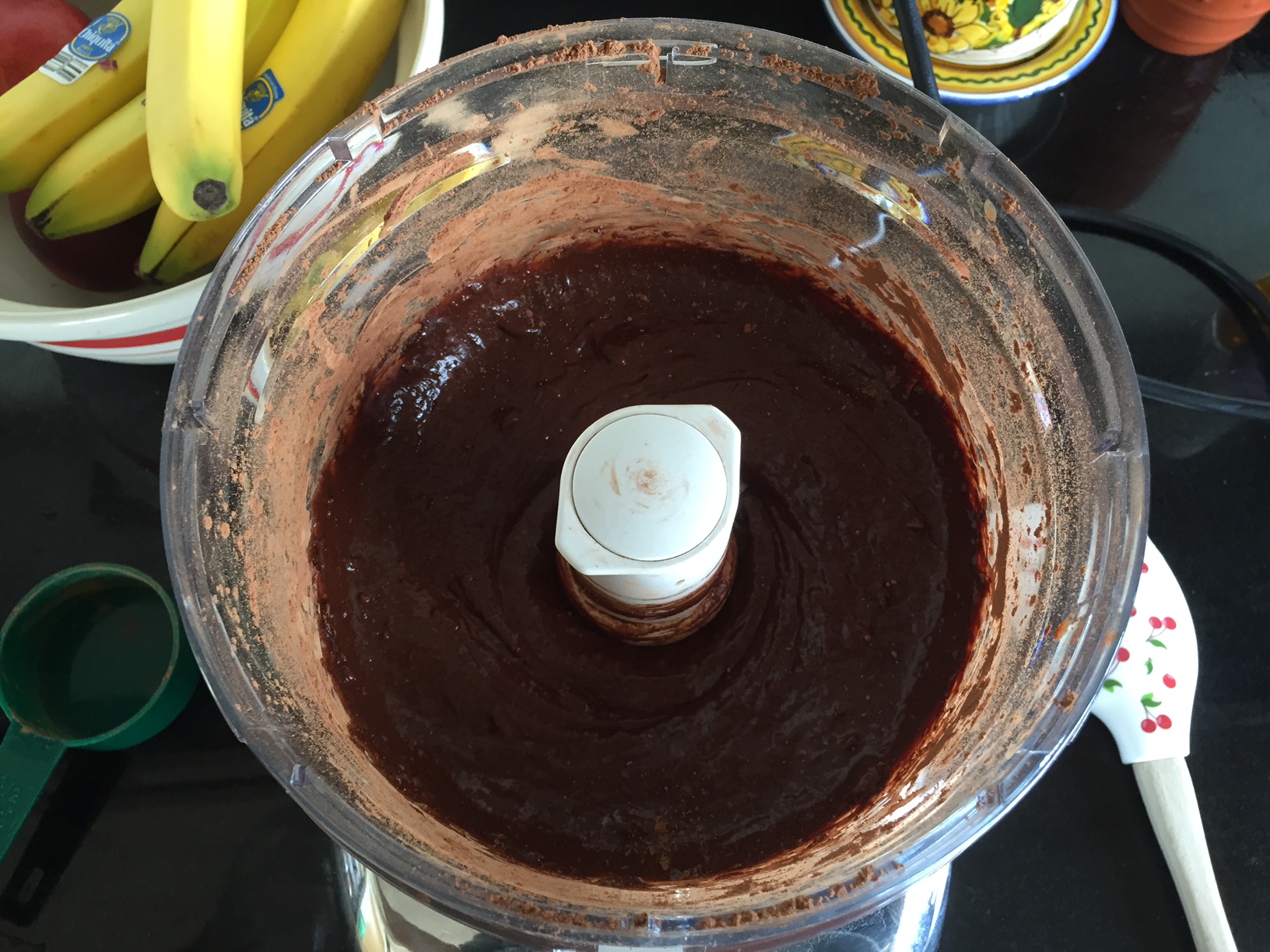
After the initial blend, scrape the sides of the food processor and blend again until there are no more lumps.

IMG_7185

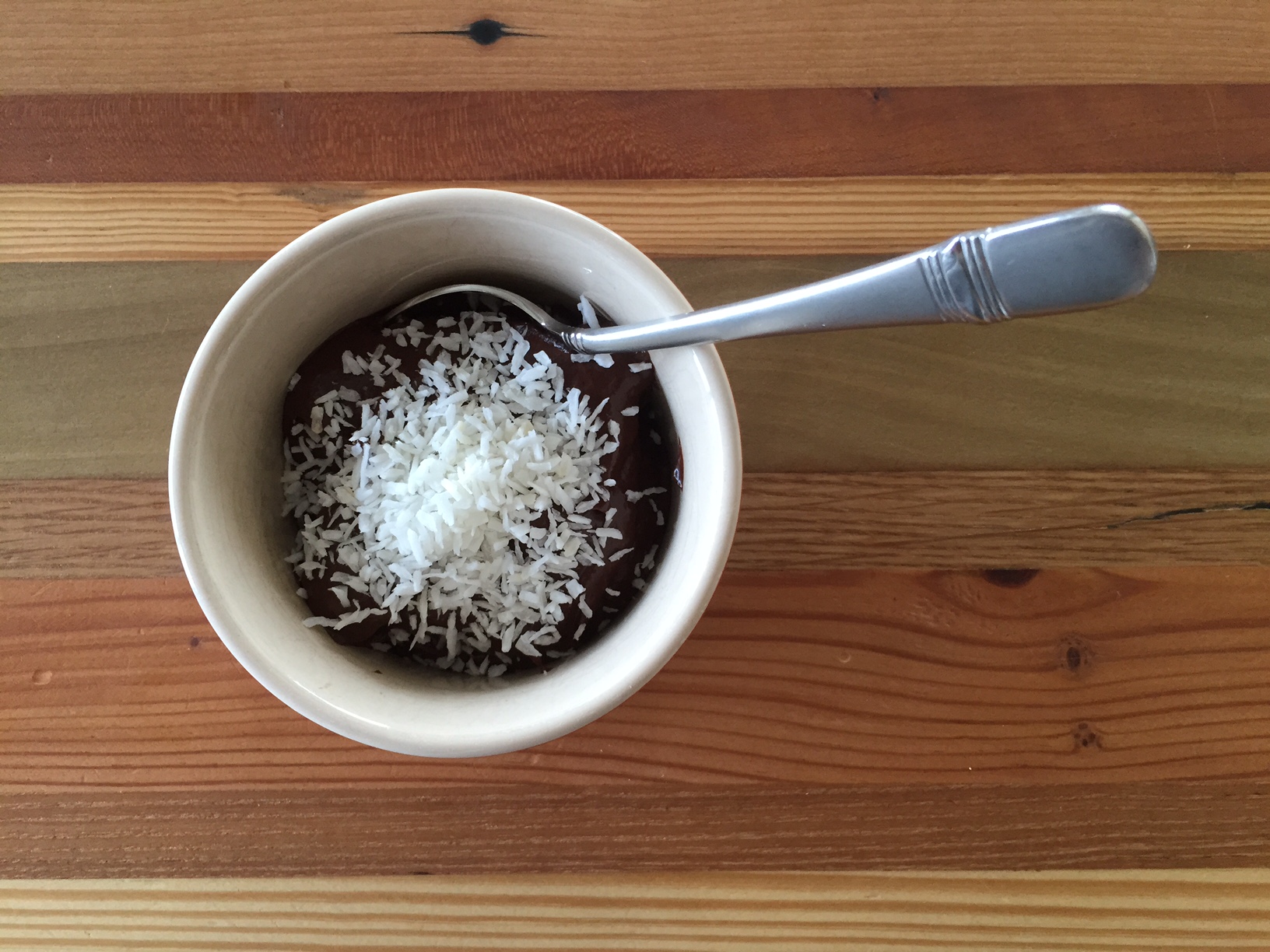
It’s got a lovely pudding-like consistency, and there’s a subtle hint of banana, but you can’t even taste the avocado.

IMG_7186

Eat it plain, or top with nuts, berries or something crunchy if you want to break up the smooth texture (I opted for unsweetened shredded coconut).

IMG_7190

Do you celebrate chocolate o’ clock in your house? 

Recipe: Zest Nutrition’s Lemon Yogurt Cream Pie

IMG_6502

When she’s not helping kiddos eat better by day as a registered dietitian or running around with Team LUNA Chix Portland Run on Monday evenings, Megan Fuetterer can often be found in her kitchen concocting some pretty amazing so-good-you-won’t-believe-they’re-actually-good-for-you recipes.

Case in point: this pumpkin pie, which landed her on the TODAY show in Joy Bauer’s “Too Good To Be Healthy” holiday pie competition.

Megan, along with her business partner Anna Rossinoff, founded Zest Nutrition, which is dedicated to helping women shed the guilt and overcome the struggle with food. Zest’s mission is to take a whole-foods approach to eating to support women in accomplishing health goals and truly loving their bodies, so they can spend less time in their heads and more time in their hearts.

This Lemon Yogurt Cream Pie that Megan created is one such example; she wanted a treat for breakfast one morning, so she whipped up something that’s sweetened with honey, nestled in a whole-wheat crust and packed with protein from a yogurt base. Go ahead, and indulge without guilt!

Zest Nutrition’s Lemon Yogurt Cream Pie

For the Crust

Ingredients:

  • 2 1/2 cups whole wheat flour
  • 1/2 tsp salt
  • 2/3 cup softened coconut oil
  • 1/4 cup cold water

Directions:

  1. Using a hand mixer, mix the flour, salt and oil together until you have good-looking crumbs.
  2. Add water and continue to mix. If your crust is too crumbly, continue to add water until you get the right consistency.
  3. Press crust into a the bottom and up the sides of a pie pan. You might have some leftover crust depending on how thin you make it.
  4. Bake your crust at 450F for 10 minutes. Let cool before adding pie filling.

For the Homemade Lemon Curd

Ingredients:

  • 3 eggs
  • Zest of 2 lemons
  • 1/4 cup coconut oil
  • 1/4 cup honey
  • 1/2 cup lemon juice

Directions:

  1. Mix together eggs, honey and lemon zest in a nonstick saucepan or pot.
  2. Heat over low heat, then add coconut oil and continue to stir.
  3. Once melted, stir in the lemon juice.
  4. Cook over low heat, stirring constantly for about 5 minutes until it thickens.
  5. Let cool before adding to pie filling.

For the Filling

Ingredients:

  • 2 cups Greek yogurt (Megan recommends 2%)
  • 1 1/2 cup homemade lemon curd (recipe above)
  • 1/4 cup honey
  • 1/2 tsp vanilla extract
  • 1 1/2 tsp powdered gelatin
  • 2 Tbsp water

Directions:

  1. Mix together yogurt, lemon curd, honey and vanilla.
  2. Put the water and gelatin in a microwave safe bowl and let sit for 5 minutes. Then microwave for 10 seconds until gelatin is dissolved and immediately whisk the hot gelatin into yogurt mixture.
  3. Pour into pie crust, cover with aluminum foil and refrigerate for at least 6 hours to allow pie to set up.
  4. Add any toppings or garnish as desired…enjoy!

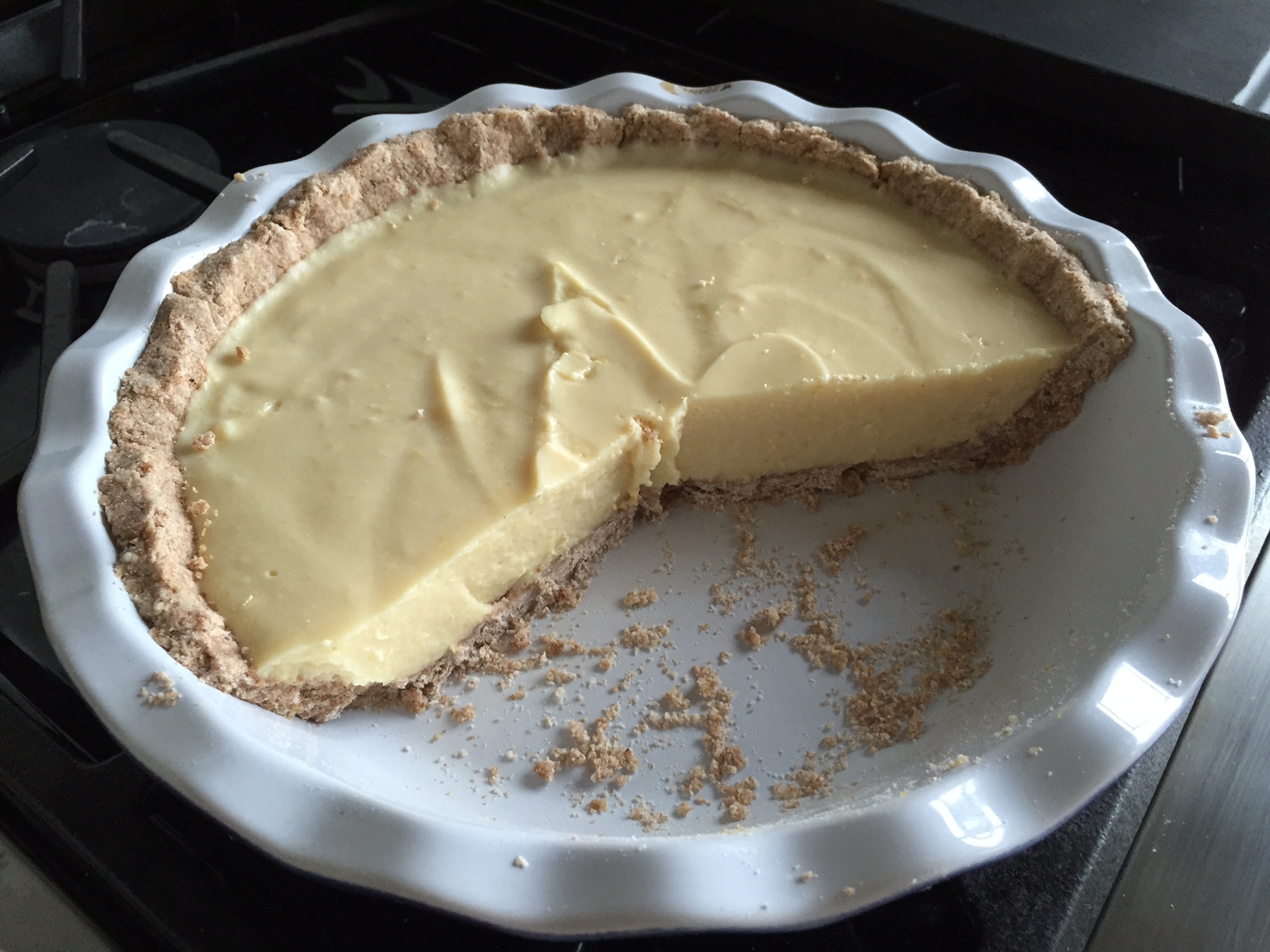
Megan’s secret to making this pie pop is the addition of homemade lemon curd, which is actually much easier to make that you’d think (I even added a few key limes we had on hand to give it extra zip).

IMG_6500

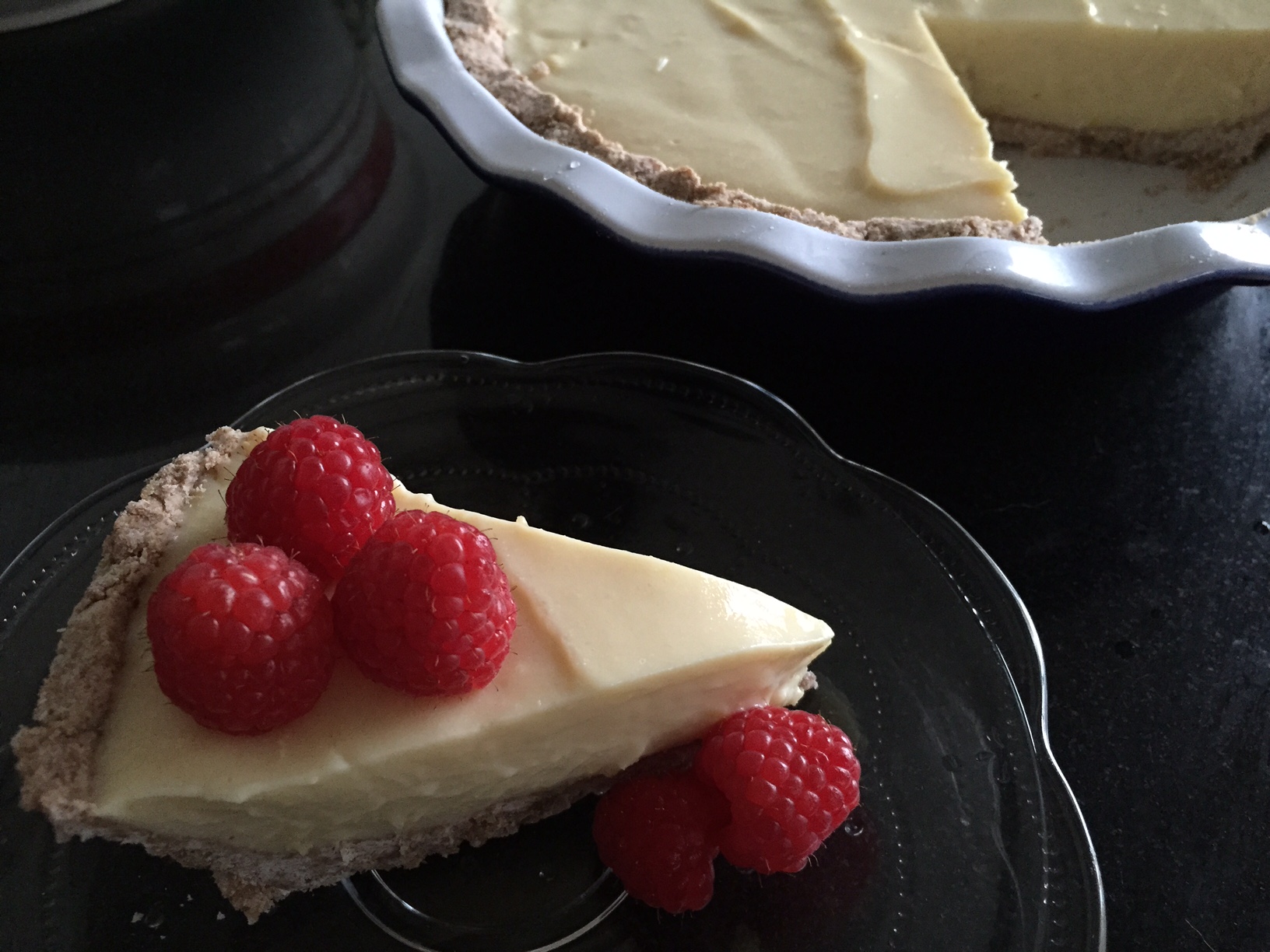
Ben and I couldn’t wait the full six hours for the pie to set, so we dove in after about four, topping it with fresh berries and devouring it as dessert.

IMG_6505

Of course, by morning it was even better — not only did the filling fully set, but the lemon-lime flavor also mellowed out a tad. Start your morning off with a slice and a cup of coffee, and you’re pretty much guaranteed a good day!

IMG_6509

Pie for breakfast: Yay or nay? 

Recipe: Coconut Flour Chocolate Chunk Bars

IMG_5993

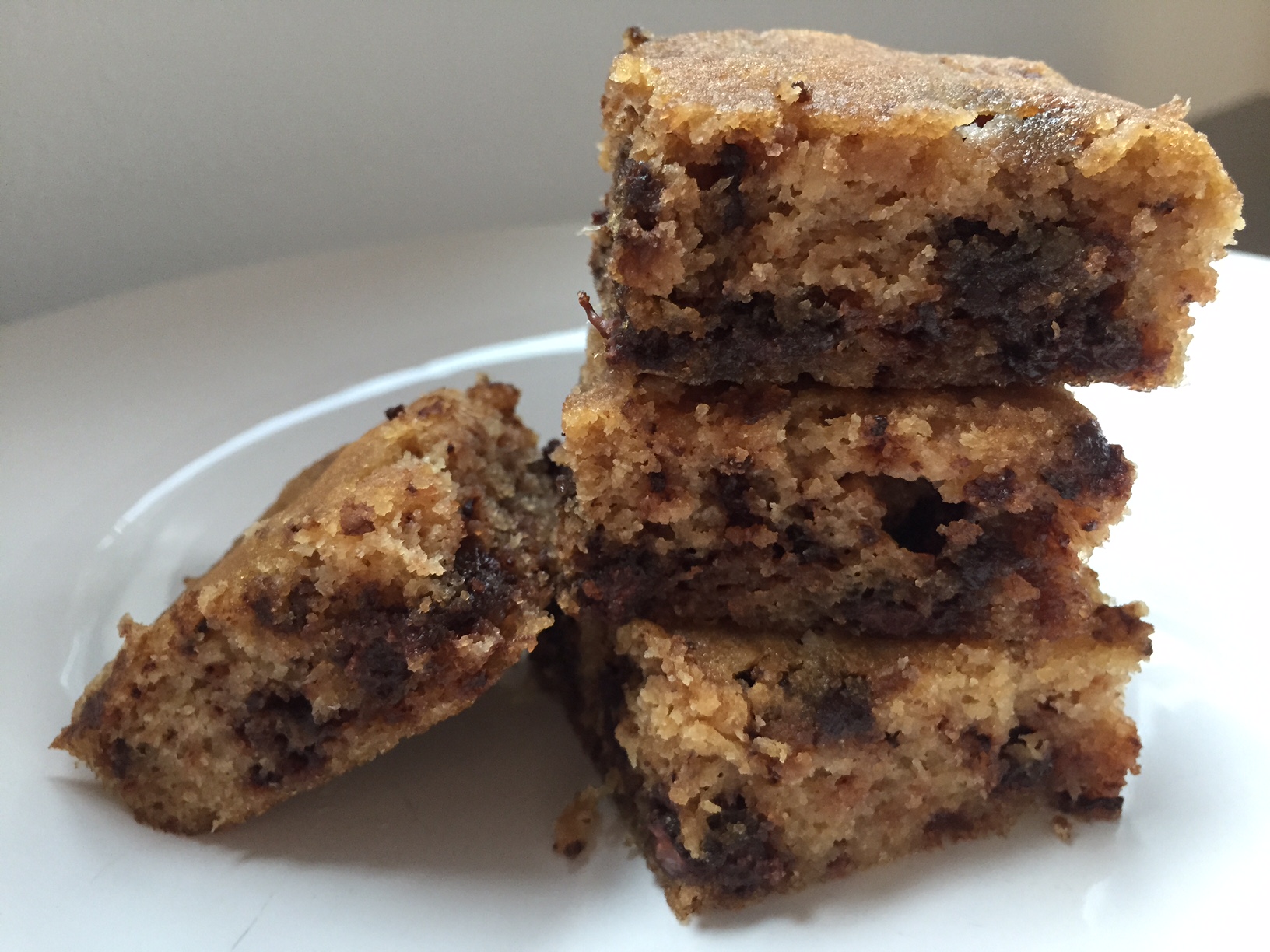
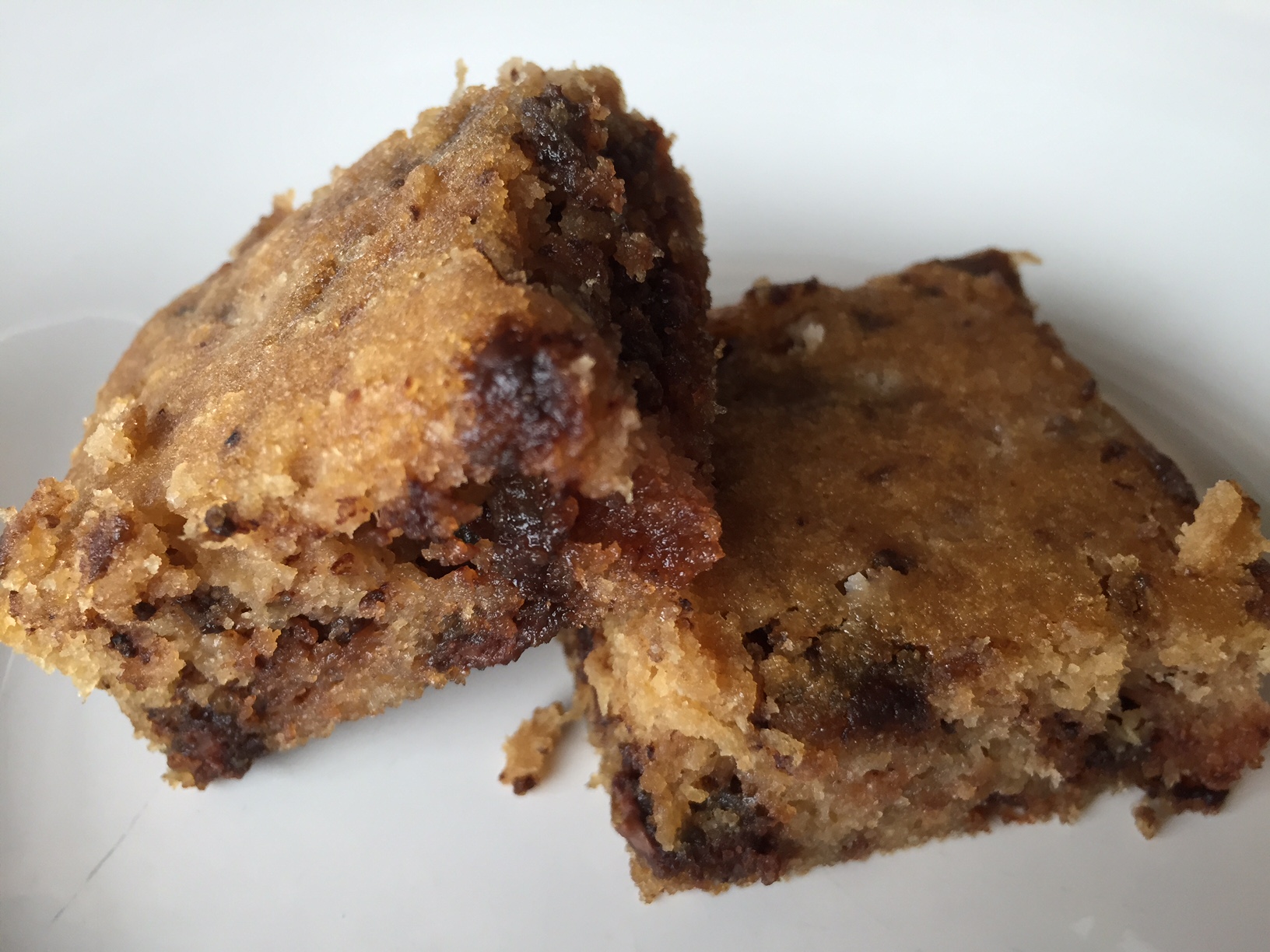
Finally — a no-fail coconut flour recipe!

I could wax poetic about how these bars are low in carbs, high in fiber, gluten-free (depending on the chocolate), blah blah blah…but all you need to know its that — holy crap — they’re good. And not too bad for you.

Next time you have a hankering for chocolate chip cookies, this isn’t just a healthier substitute; it’s about to become your new go-to recipe for chewy, cakey, chocolatey bars with that perfect balance of sweet-and-salty, thanks to a sprinkle of sea salt on top.

Coconut Flour Chocolate Chunk Bars

Courtesy of Ambitious Kitchen

Ingredients: 

  • 1/4 cup melted coconut oil
  • 1/3 cup honey, agave nectar or maple syrup
  • 2 teaspoons vanilla extract
  • 2 eggs, slightly beaten
  • ¼ cup unsweetened almond milk (I used cashew)
  • 1/2 cup coconut flour
  • ½ teaspoon baking soda
  • ¼ teaspoon salt
  • 3 oz your favorite dairy free dark chocolate bar, coarsely chopped
  • 1/2 cup coconut flakes, optional

Directions: 

  1. Preheat oven to 350 degrees. Spray 8×8 inch baking pan with nonstick cooking spray.
  2. In a large bowl, whisk together coconut oil, honey, vanilla, eggs, and almond milk. In a separate medium bowl whisk together coconut flour, baking soda and salt.
  3. Add dry ingredients to wet ingredients and mix until just combined and batter is smooth. Fold in chopped chocolate, reserving a few tablespoons for sprinkling on top, if desired.
  4. Bake for 20-22 minutes (mine took closer to 26) or until edges are golden brown and knife comes out with a few crumbs attached. The batter may look like it’s not all the way cooked, but it will be. DO NOT OVERBAKE.
  5. Cool bars on a wire rack for at least 10 minutes so they settle a bit, then cut into 16 squares. Enjoy!

As mentioned above, I also sprinkled some sea salt on top before baking to offset the sweetness just slightly.

IMG_5990

Have you struck gold with a coconut flour recipe? 

Recipe: Baobab Recovery Smoothie

IMG_5722

After spending too many hours passed out on the couch after long runs, I finally perfected a formula for being able to salvage afternoons after intense training sessions:

Hot shower + Smoothie (*consumed in shower) = Ticket to feeling like a million bucks

And the more nutrient-dense the smoothie the better, so my body can start repairing itself as I go about my day.

Which is where Baobab comes in: I just heard of this most “super” of the superfruits recently and decided to give it a whirl after learning about its almost-too-good-to-believe benefits…

  • More antioxidants than any other superfruit, even acai, blueberries and pomegranate
  • High soluble fiber content (50% by weight)
  • A raw, whole, organic food
  • Ethically and sustainably harvested, even helping impoverished African communities
  • The planet’s highest plant source of calcium
  • More iron, potassium and magnesium than most other superfoods
  • Six times the Vitamin C of oranges
  • Rich in electrolytes and has a very high bioavailability
  • Contains no fillers or added sugar, sodium or preservatives

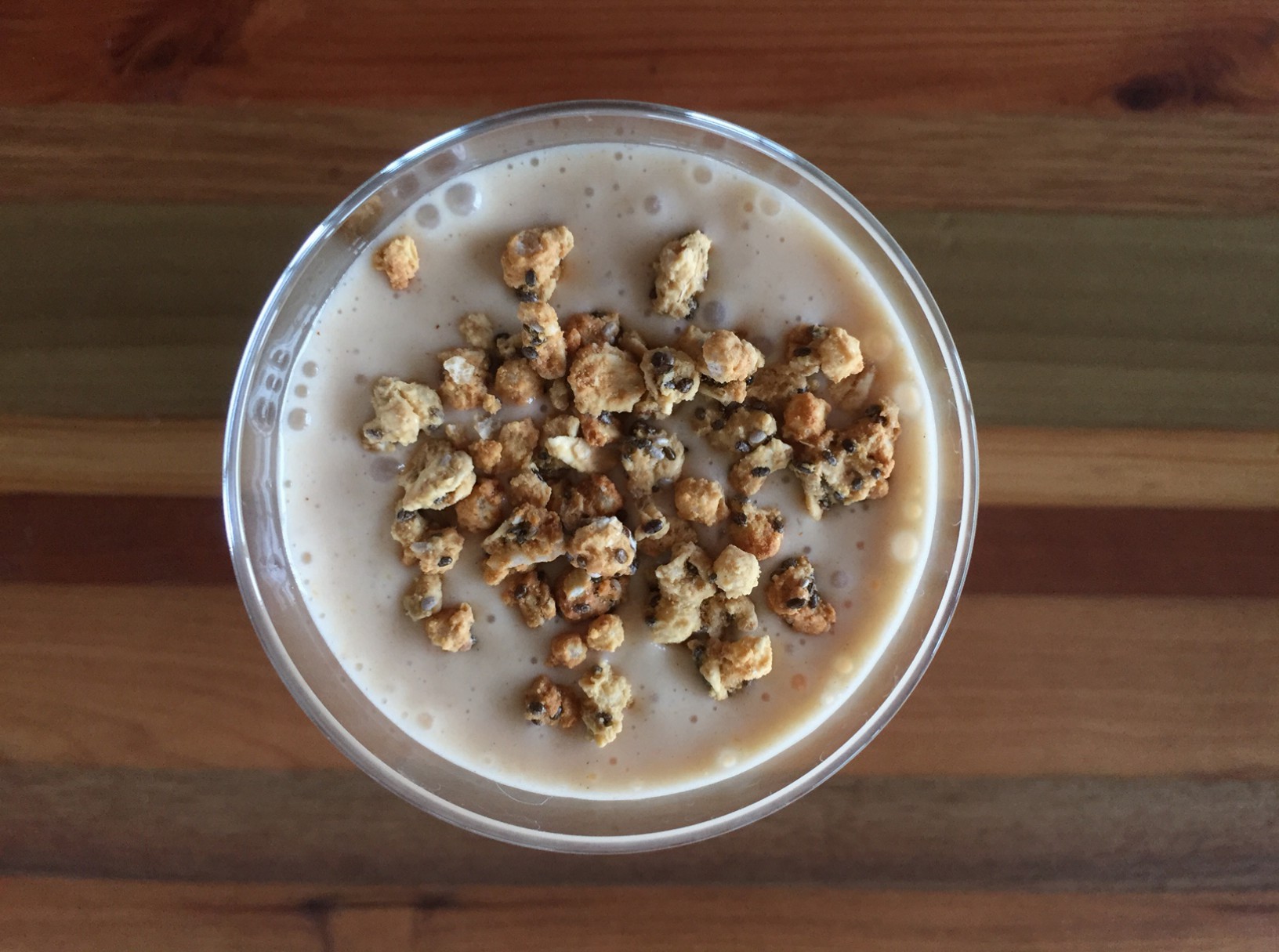
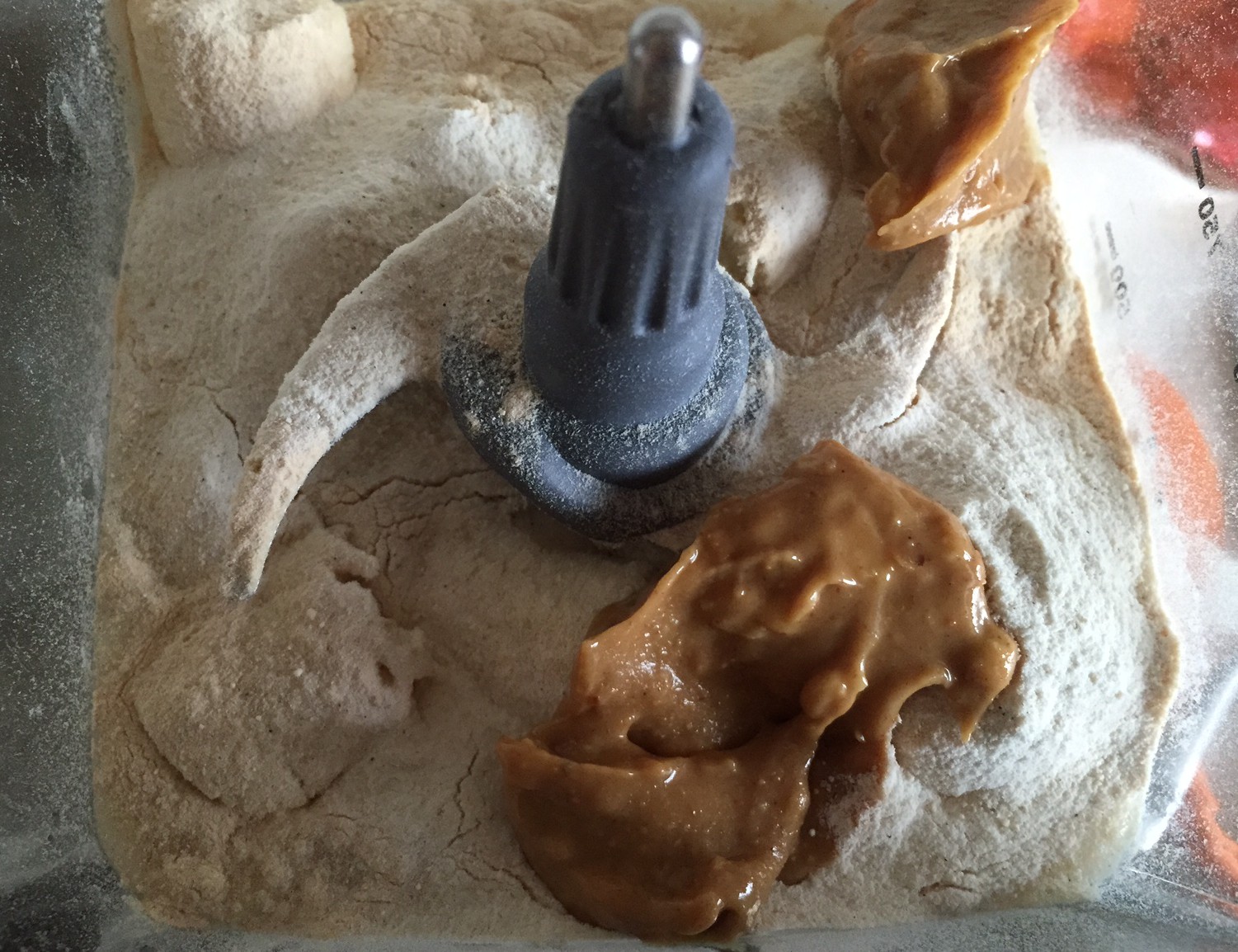
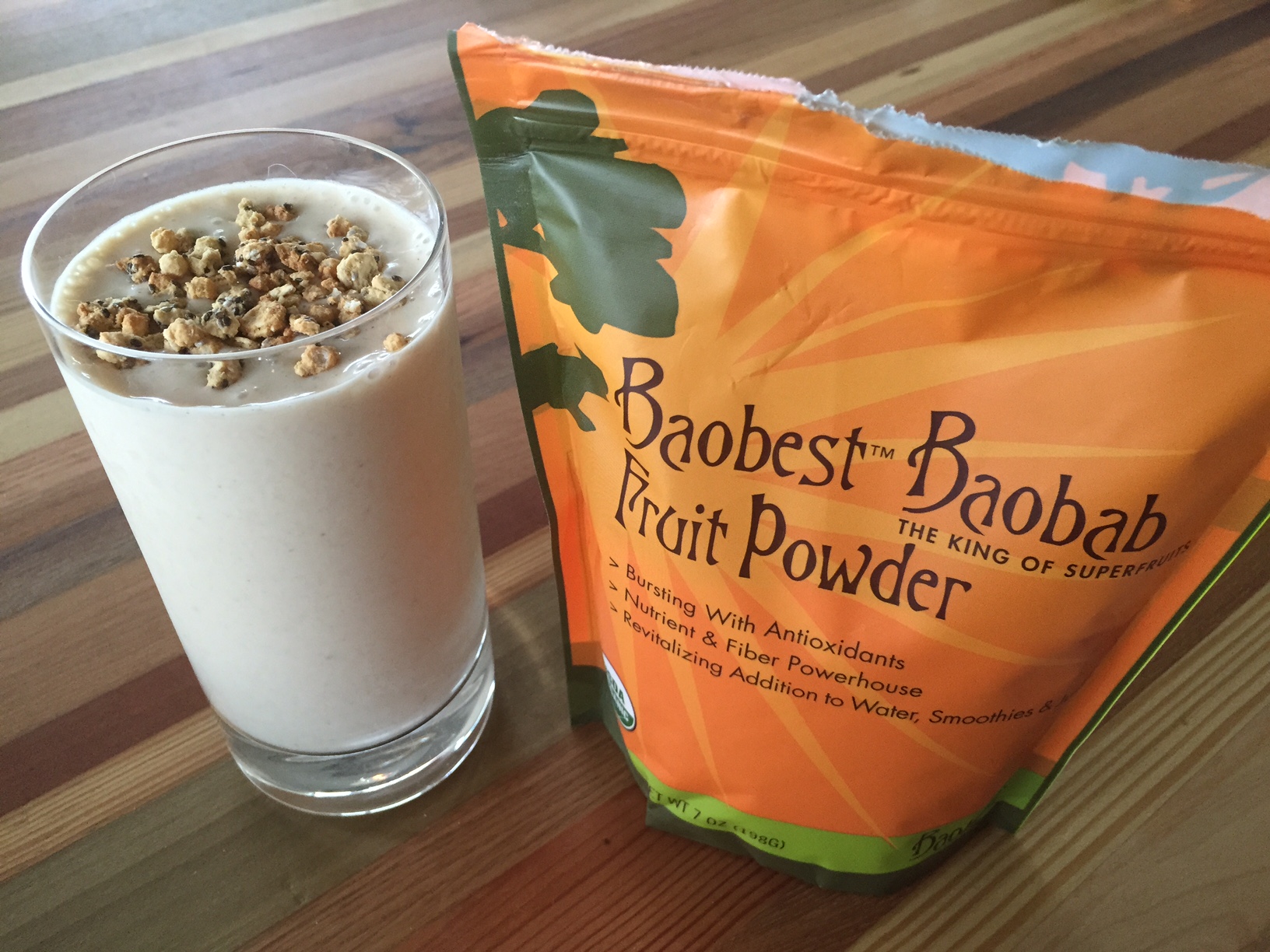
With a sweet, tangy and pear-like flavor profile, it’s an ideal addition to recovery smoothies to help boost your immune system, minimize inflammation and enhance digestion after tough workouts.

I think it’d work best for enhancing the flavor of berry-based smoothies, but I put it to the test in my standard peanut-butter-and-banana protein shake and was pleasantly surprised by the light taste and slight tang.

It did the trick post-run, but it’s also an excellent option for a quick grab-and-go breakfast!

Baobab Recovery Smoothie

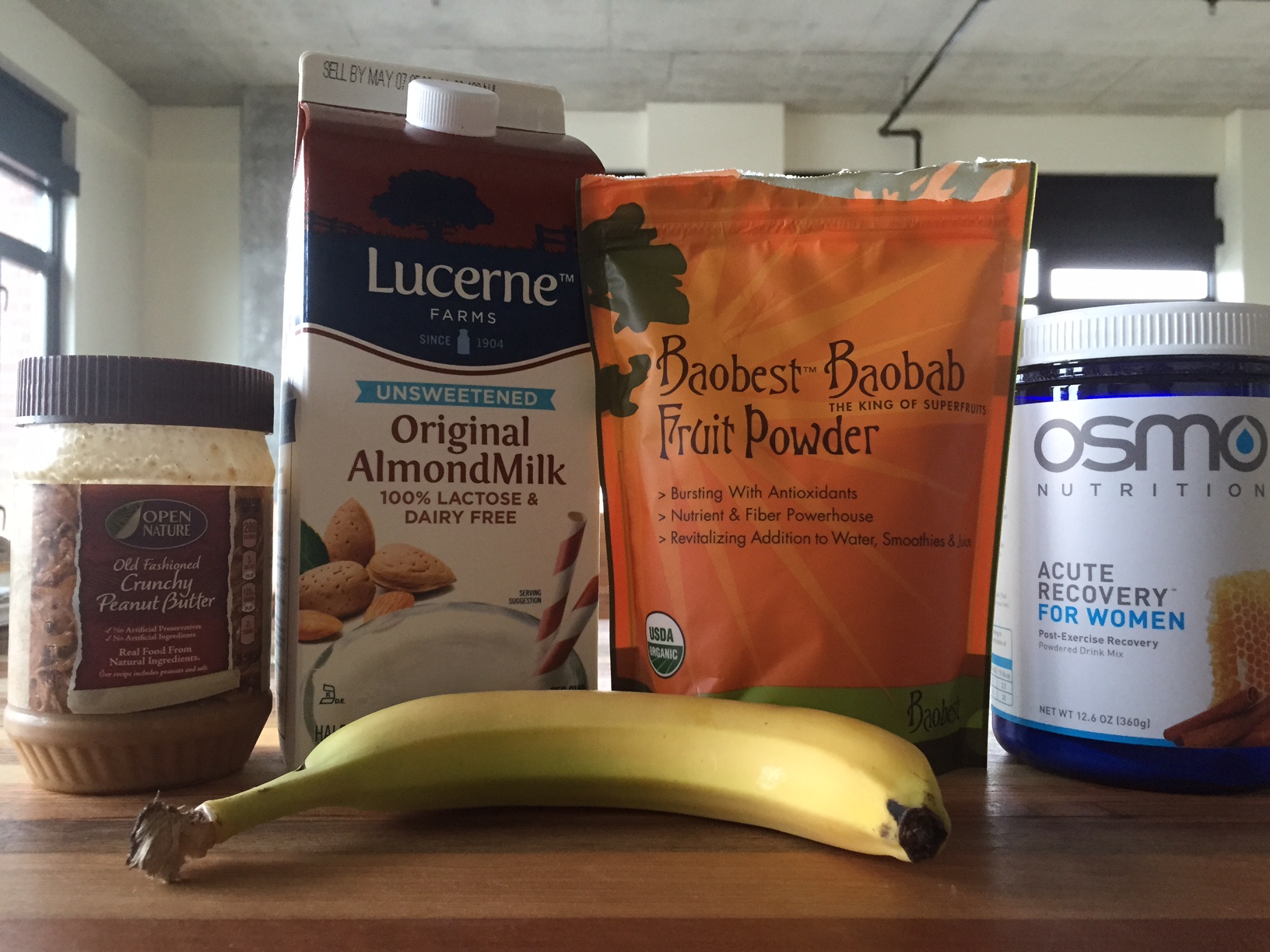
Ingredients: 

Directions:

  1. Add first six ingredients to blender, and blend until desired consistency.
  2. Top with sprinkle of granola. Relax, sit back, and enjoy!

Fun fact: Since Baobab has a high pectin content (around 25%), it offers the benefit of being a natural thickening and binding agent for a nice, rich texture in recovery shakes.

IMG_5719

Harvesting baobab provides a cash crop for women in southern Africa and encourages protection of ancient Baobab trees, so it’s an ingredient you can actually feel good about using.

IMG_5720

Plus, the flavor’s also light enough where it’ll blend in seamlessly with pretty much anything — from smoothies and other drinks to oatmeal, baked goods, yogurt and sauces. Cheers to that!

IMG_5724

Got any other good tricks for post-workout recovery?

Recipe: Zest Nutrition’s Gluten-Free Lemon Chia Seed Muffins

IMG_5364

Despite whatever the weather’s doing near you, the calendar says it’s spring. And one of my favorite ways to celebrate is with a sweet treat, preferably something light, bright and lemon-y.

Ever since my friend (Zest Nutrition co-founder & fellow Team LUNA Chix Portland Run memberMegan Fuetterer posted this recipe, I’d been dying to try it. The only problem? Our oven was broken for almost a week.

So as soon as we were up and running again on what happened to be a rainy weekend afternoon, baking these little rays of sunshine was first on my to-do list. They’re everything you love about lemon muffins — and more — because they’re super healthy.

Gluten-Free Lemon Chia Seed Muffins

Adapted from Zest Nutriton

Ingredients: 

  • 4 cups almond meal/flour
  • 4 Tbsp chia seeds
  • 1 tsp salt
  • 1 tsp baking soda
  • Zest of 2 lemons
  • Juice of 1 lemon
  • 4 eggs
  • 3/4 cup lemon-flavored Greek yogurt
  • 1/4 cup olive oil
  • 1/4 cup agave nectar

Directions:

  1. Preheat oven to 350F.
  2. Mix together dry ingredients. In a separate bowl, whisk together wet ingredients.
  3. Combine wet and dry ingredients, then pour into lined muffin tins.
  4. Bake for 25-30 minutes. Let cool, and enjoy!

Here’s a look at the process:

I just bought a great new grater from GoodCook, which made zesting the two lemons a breeze (and spared my poor knuckles).

IMG_5357

They’re pretty dense, thanks to the almond flour, so be generous when you’re filling the cups; these muffins will rise only slightly.

IMG_5360

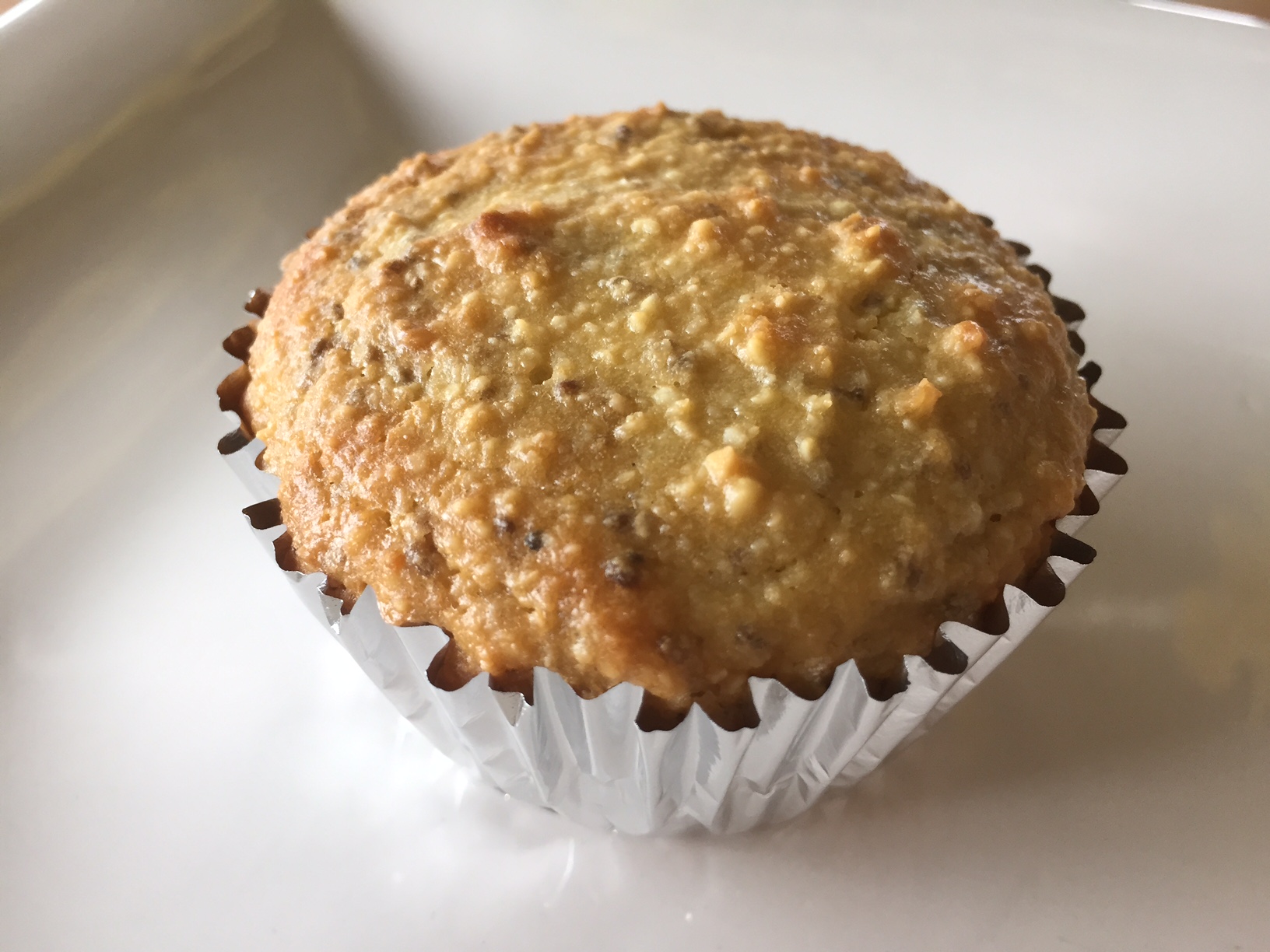
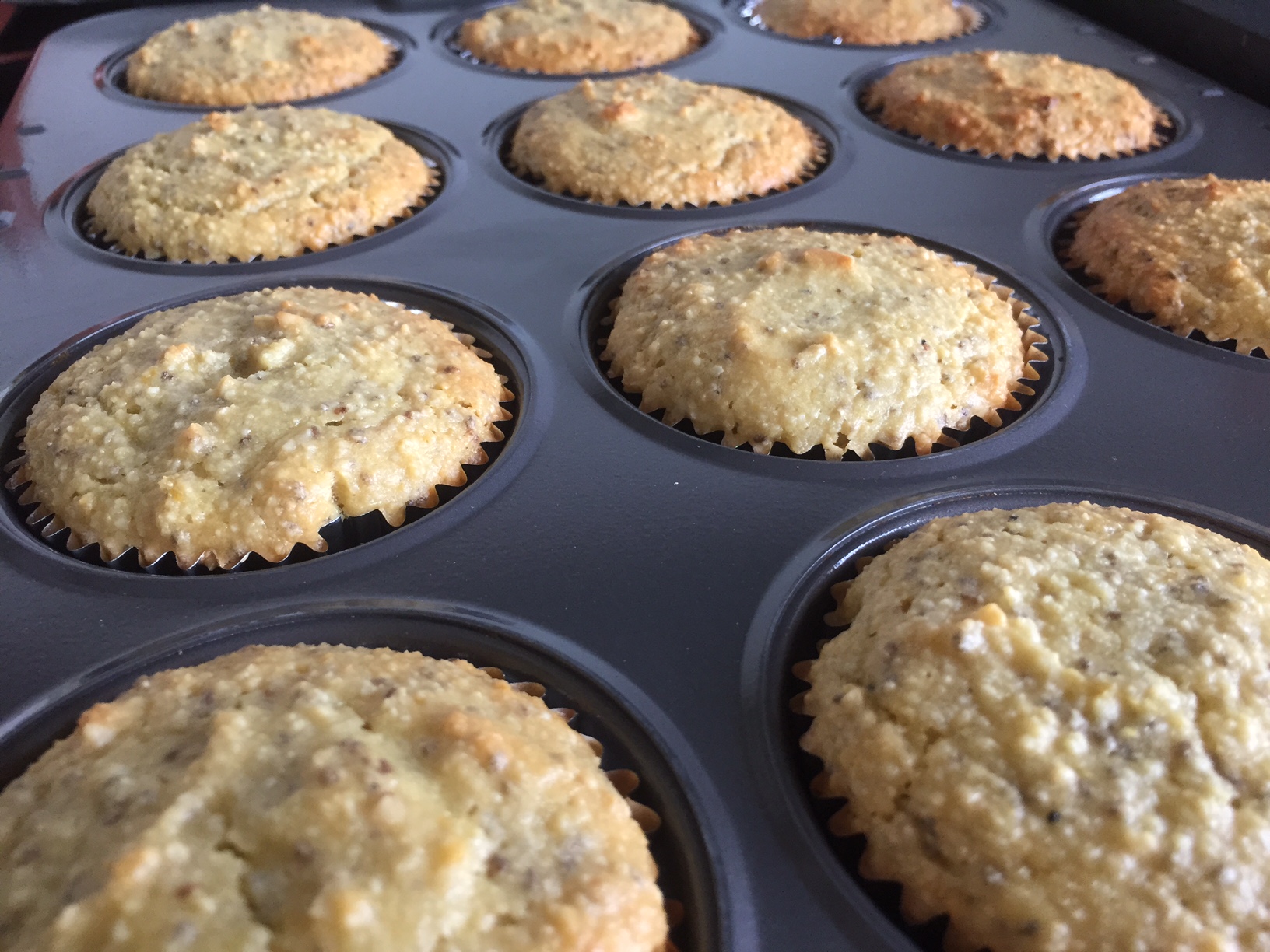
Bake until the edges are a nice golden-brown and a toothpick inserted into the center of the muffins comes out clean.

IMG_5362

Since I used agave nectar, which is 1.4 times sweeter than sugar, I halved the amount of honey the original recipe called for.

But if you like them on the sweeter side, you may want to experiment with the type and amount of sweetener used.

IMG_5363

The lemon yogurt, which I added instead of applesauce, also added another layer of flavor and kept the muffins nice and moist.

IMG_5365

Enjoy, and here’s hoping they bring a little ray of sunshine into your spring!

Is your baking influenced by the change of seasons? 

Recipe: Peanut Butter Chia Seed Granola

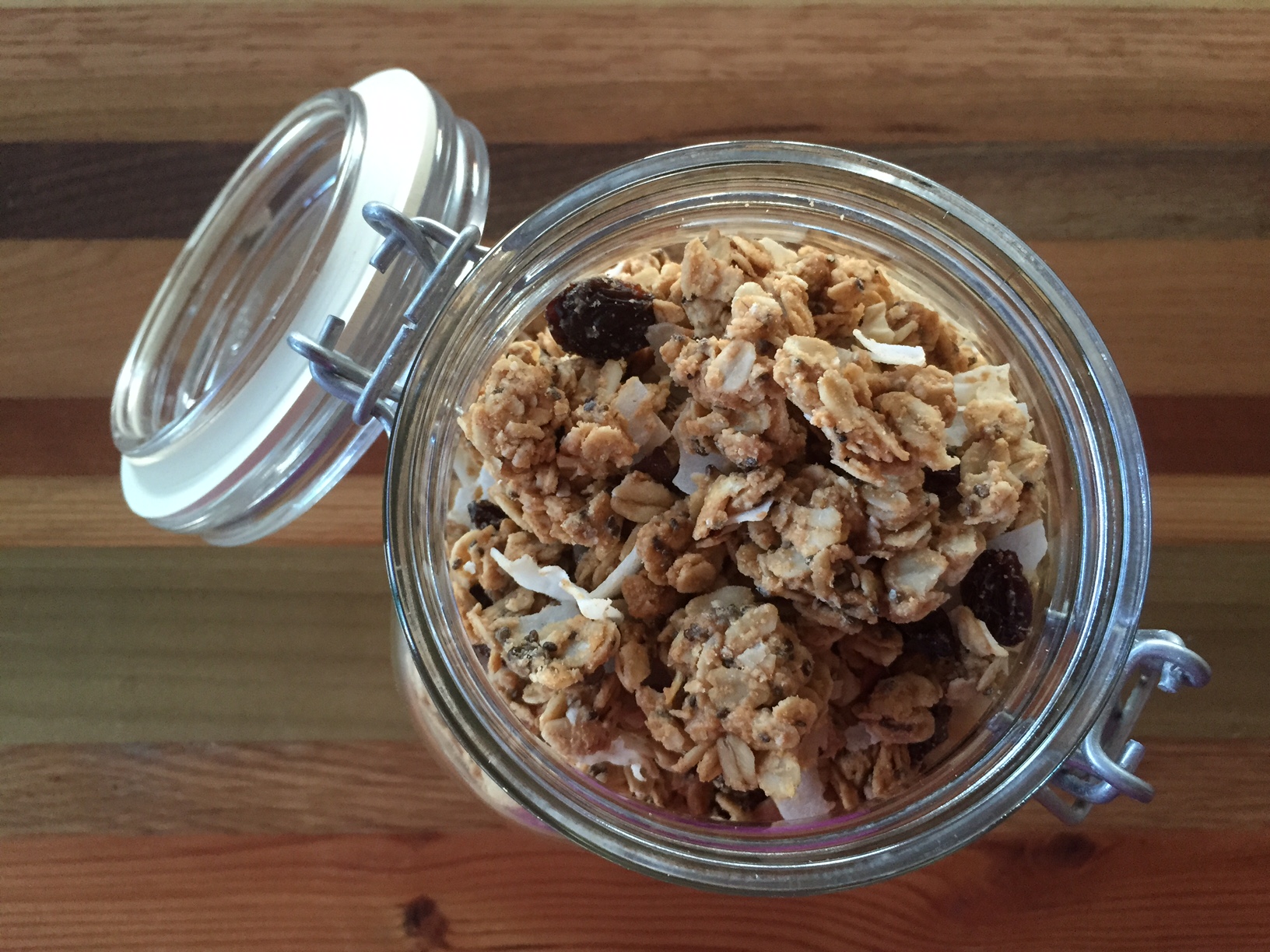
IMG_5305

Peanut butter lovers, have I got a recipe for you!

It was developed by Jen, a yoga teacher, personal trainer and fitness instructor in Charlotte, N.C., who blogs over at Peanut Butter Runner. If you get a chance, check it out; not only does she have an inspirational fitness journey, but she also shares deliciously-healthy recipes — and this might be one of her all-time best.

Of course, I played around with it by doubling up on the ingredients and adding a few extras (coconut, raisins, hazelnuts and cinnamon), but it’s just as she described, “sweet, a little salty and very peanut buttery.”

Peanut Butter Chia Seed Granola

(Adapted from Peanut Butter Runner)

Ingredients: 

  • 1 cup peanut butter
  • 2/3 cup maple syrup
  • 3 tbsp coconut oil, melted
  • 2 tsp vanilla
  • 2 tsp cinnamon
  • 6 cups oatmeal
  • 1 tsp coarse sea salt
  • 4 tbsp chia seeds
  • 1 cup unsweetened, sliced coconut
  • 1/2 cup raisins
  • 2 oz chopped hazelnuts

Directions: 

  1. Preheat oven to 300 degrees. Line two large cookie sheets with parchment paper.
  2. In a large bowl, mix together peanut butter, maple syrup, coconut oil and vanilla.
  3. Stir in cinnamon, oats, salt and chia seeds, mixing well until oats are evenly coated with peanut butter mixture.
  4. Gently fold in coconut and raisins until distributed evenly throughout oat mixture.
  5. Divide in half between the baking sheets, spreading into a thin layer on each sheet.
  6. Bake for 20 minutes or until oats and coconut begin to turn a light golden brown.
  7. Let cool completely before storing in an airtight container at room temperature.

Here’s a peek at the process:

Coconut oil is solid at room temperature, so I warmed it gently (until liquid) in the microwave for about 20 seconds before mixing with the first few ingredients.

FullSizeRender (1)

The heat actually helped to soften the peanut butter, which allowed the wet ingredients to melt together nicely.

IMG_5297

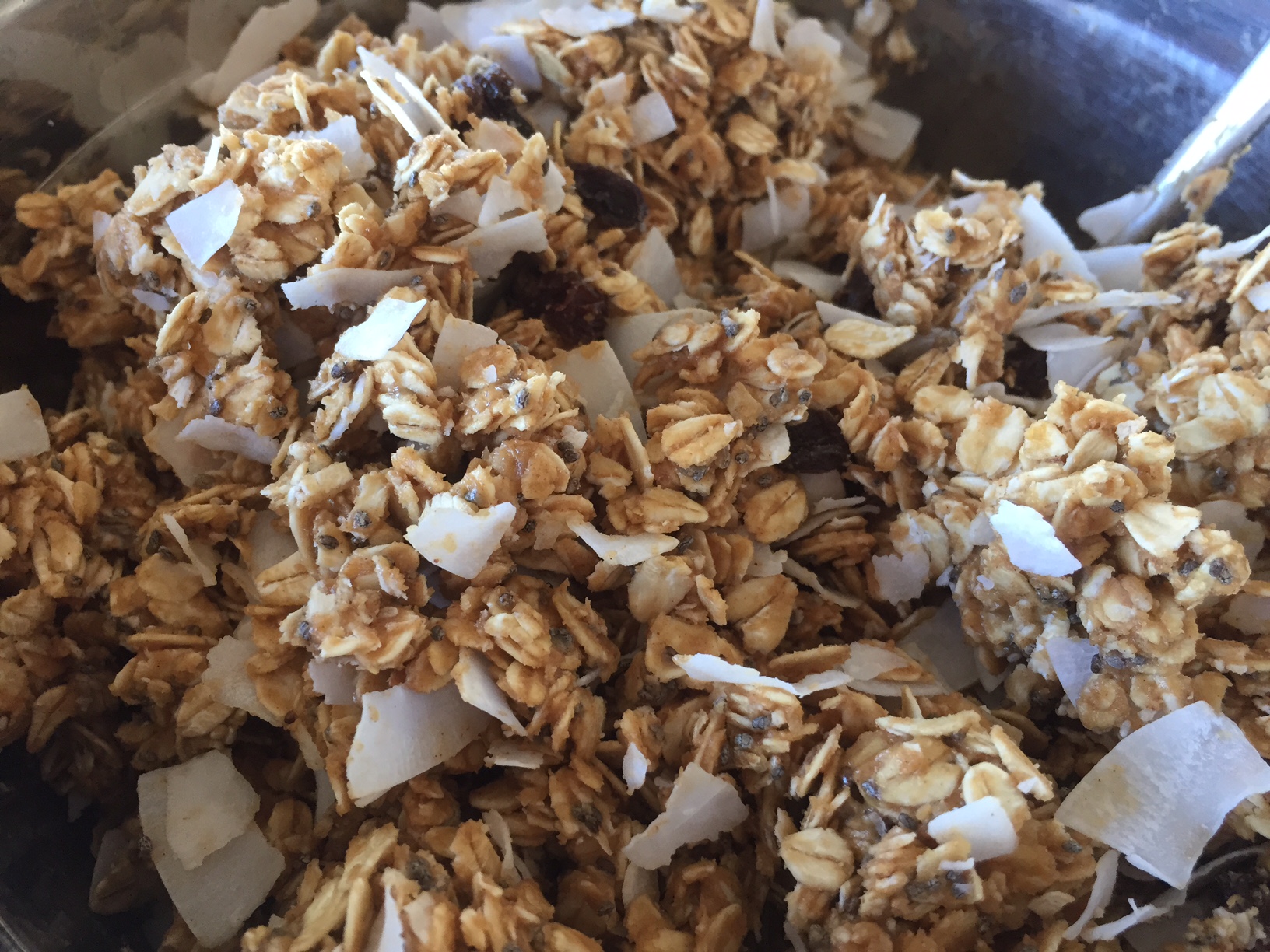
Once your peanut butter mixture is blended, it’s time to add all the dry ingredients and stir until evenly combined.

IMG_5299

I had the oven pre-heating while I prepared the baking sheets, but realized right when I was about to pop them in to bake that it was broken (i.e. fan blowing, but no heat)!

IMG_5300

No oven? No problem. I decided to improvise with sheets of foil in the toaster oven. Time consuming, yes, but it worked nonetheless.

IMG_5303

The granola may seem soft when you remove it from the oven, but remember that it will set and harden up as it cools…if it even lasts that long.

IMG_5304

What else would you add in your version of home-made granola? 

Recipe: Vanilla-Almond Chia Pudding

IMG_5179

Thanks to our Whole30 experience, I’ve traded in my longtime breakfast parfait habit (yogurt, granola and fruit) in exchange for morning meals that are more nutrient-dense and less inflammatory. But old habits die hard, and I soon found myself in a Green Eggs & Ham Scramble rut.

Luckily my sister came to the rescue, sending me this recipe for Vanilla-Almond Chia Breakfast Pudding from Daily Burn. I’m a chia fan, not only because they’re packed with omega-3 fatty acids, antioxidants, calcium, fiber and protein, but also because they’re super-hydrating, absorbing up to 10 times their weight in water — or in this case, almond milk!

And as an added bonus, this make-ahead recipe works great for weeks when you know you’ll be pressed for time. Just mix together the ingredients on Sunday night, pour into separate containers, pop ’em in the fridge, and top with a different combo of fruits, nuts and granola each day for a hearty breakfast, filling snack or textured dessert.

Vanilla-Almond Chia Pudding 

Adapted from Daily Burn

Ingredients: 

  • 2/3 cup chia seeds
  • 2 1/2 cup almond milk
  • 1 tsp vanilla
  • 1 tsp agave nectar
  • 1/2 tsp cinnamon
  • Optional add-ins: nuts, berries, shredded coconut, granola, etc.

Directions: 

  1. Combine chia seeds, almond milk, vanilla and agave nectar in a bowl. Stir well until combined.
  2. Cover bowl, and store in the refrigerator overnight or for at least an hour (until mixture thickens).
  3. Stir again before serving, adding more almond milk if pudding’s consistency is too thick.
  4. Top with add-ins of your choice — from fresh fruit and nuts to spices, granola or coconut.

I happened to have these ingredients on hand, but if you don’t use agave nectar, feel free to swap in maple syrup or honey to help sweeten the pudding instead.

IMG_5149

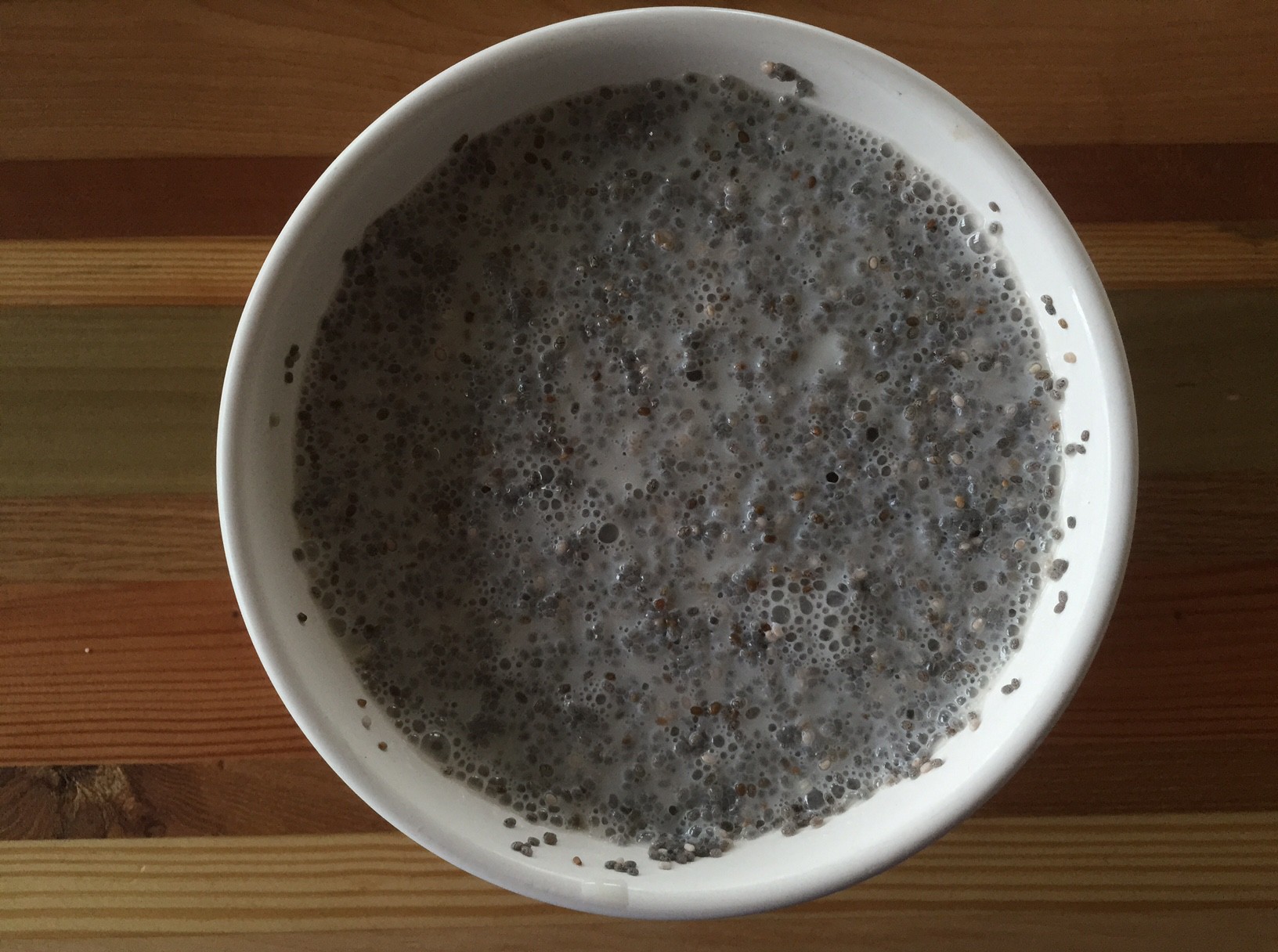
Before the pudding has time to set, the consistency will be super runny; if you’re finding that the chia seeds are sticking together, try using a whisk to separate them before storing your mixture in the fridge.

IMG_5151

This bowl sat overnight, and you can see how the seeds swell up when they absorb the almond milk. They also give the pudding a lovely tapioca-like texture.

IMG_5155

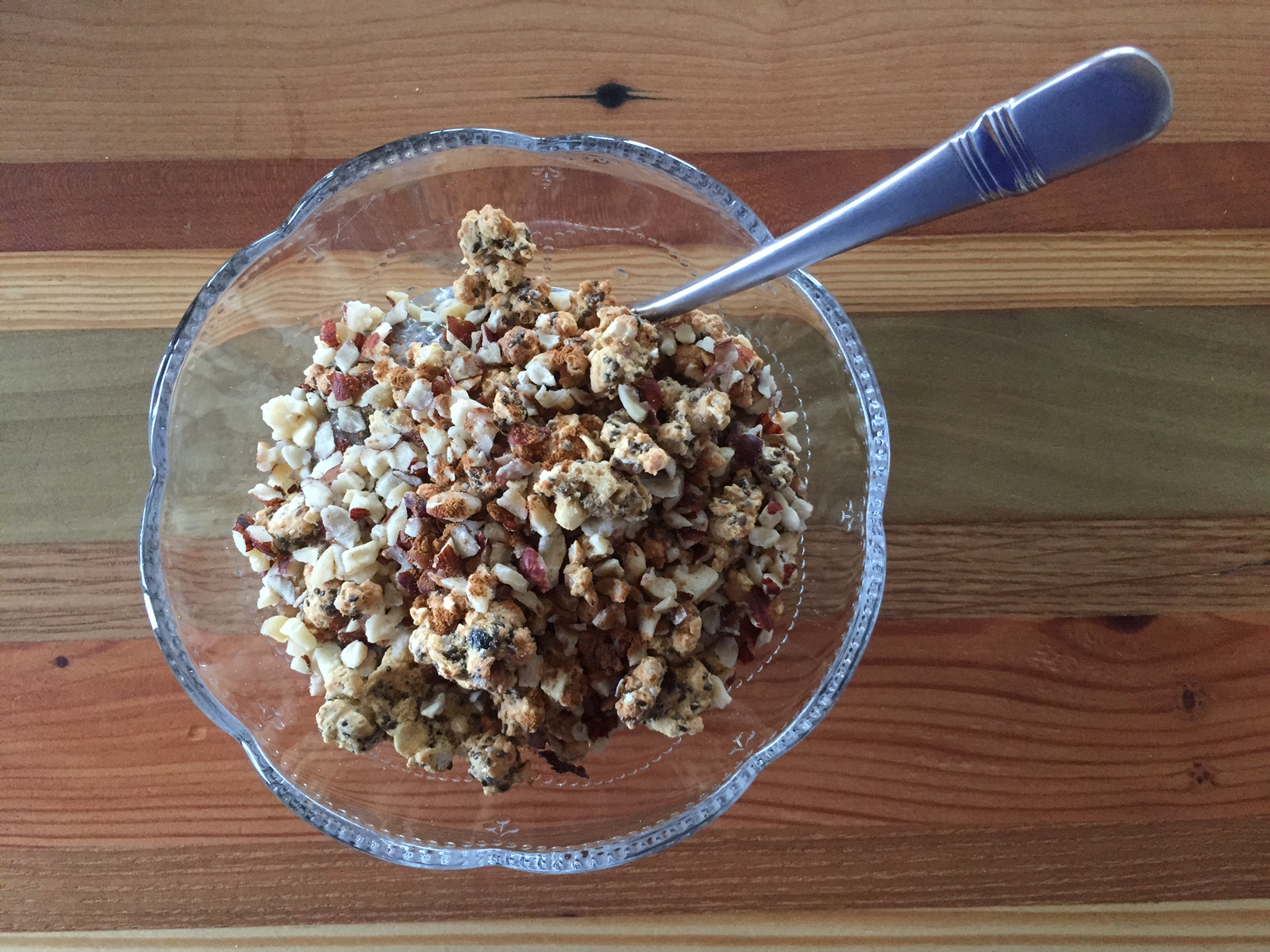
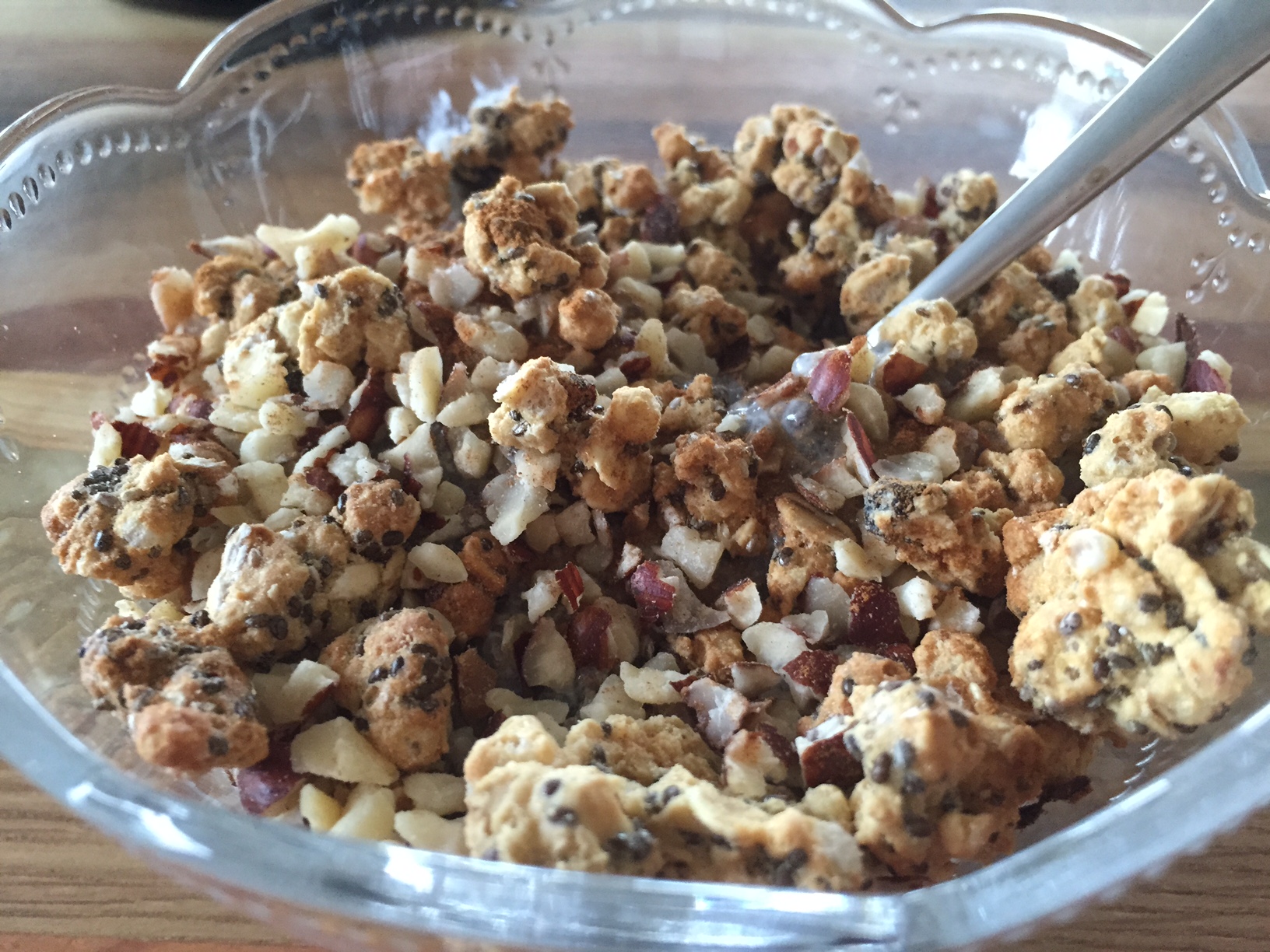
Stir again before serving to  break up any clumps of seeds before adding your favorite toppings. Again, I just worked with what we had in our pantry — Mamma Chia protein granola, cinnamon and hazelnuts.

IMG_5178

The pudding will store in refrigerator for up to five days, so with a little planning you can quickly create a week’s worth of grab-and-go meals!

IMG_5180

What’s your favorite way to incorporate chia into meals and snacks? 

Recipe: Raw Coconut Macaroons with Cacao Nibs

IMG_3845

Remember when I wrote about my recent almond milk experiment?

Well, when all was said and done, I was left with a bowl of expensive delicious almond meal that I couldn’t bear to throw out. And since the food processor was already dirty, I figured I might as well take a stab at this recipe from the lovely Jessica Mishra, a friend who is a health coach and yoga teacher in San Francisco.

Mishra made these decadent little nibbles for one of our SweatGuru events, and no one could believe that they were all-natural, packed with nutrients and brimming with healthy fats. I made a few tweaks — like using dates instead of maple syrup — and am excited to share what has become a favorite after-dinner treat in our house!

Raw Coconut Macaroons with Cacao Nibs

Ingredients: 

  • 6oz almond meal (I use leftovers after making almond milk)
  • 2 cups unsweetened, finely-shredded coconut
  • 2 tsp cinnamon
  • 2 tsp vanilla
  • 2 tsp water
  • 5 pinches sea salt
  • 8 dates, pitted
  • 1/4 cup coconut oil
  • 1/4 cup cacao nibs

Directions: 

  1. Combine almond meal, coconut, cinnamon, vanilla, water, salt and dates in food processor, blending until mixture has a uniform consistency.
  2. As the food processor is running, gradually add in coconut oil until fully incorporated.
  3. Transfer mixture to a bowl, and stir in cacao nibs.
  4. Using a spoon, scoop mixture into hands and press to form into small balls.
  5. Store in an airtight container in the refrigerator for up to a week.

Here’s a look at the process, starting with the inspiration for this recipe: what’s left in nut milk bag after I make a batch of almond milk.

IMG_3838

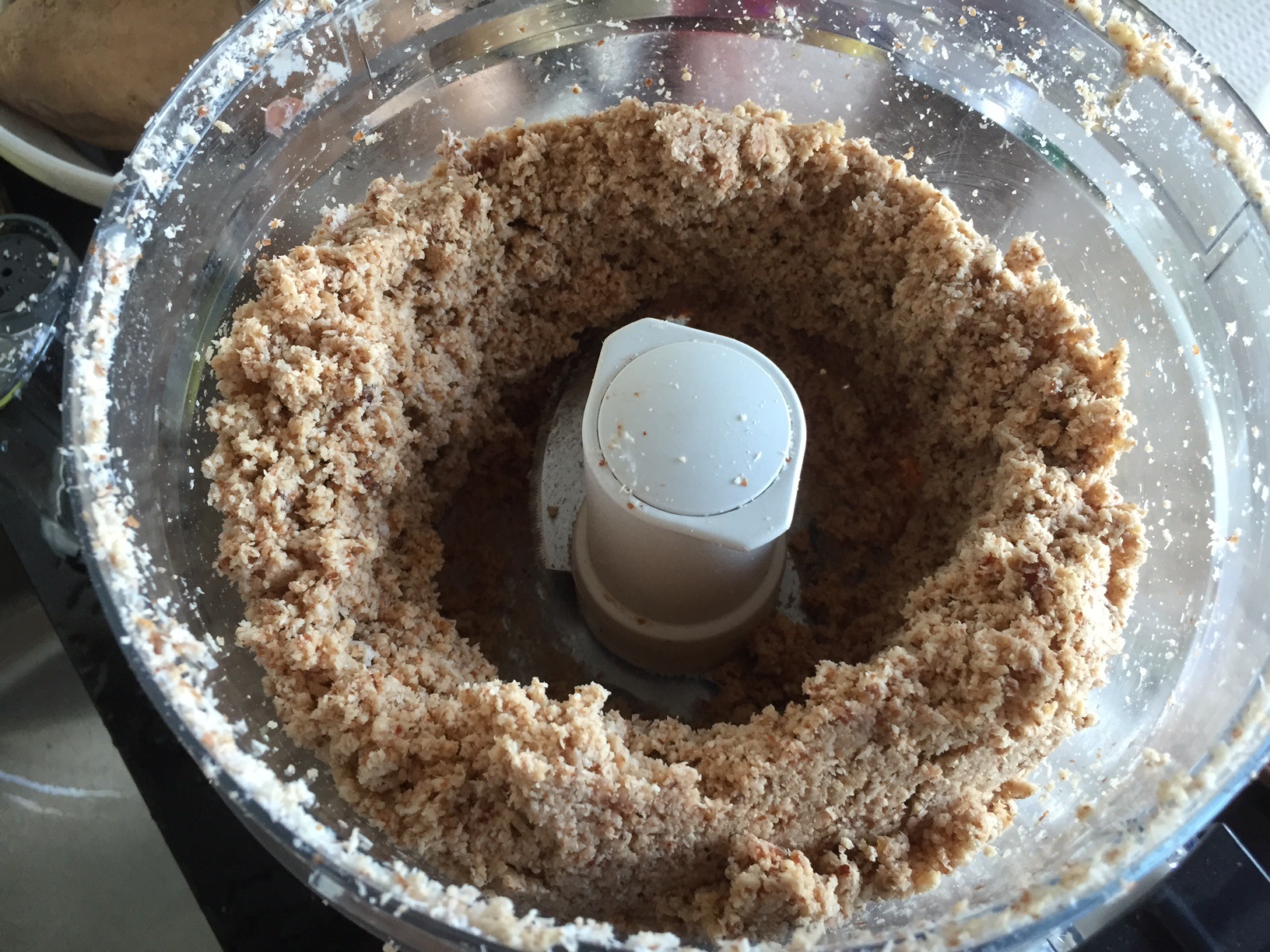
The coconut oil helps bind all the ingredients together, so you’ll want to scrape the food processor once or twice to make sure everything’s evenly distributed.

IMG_3839

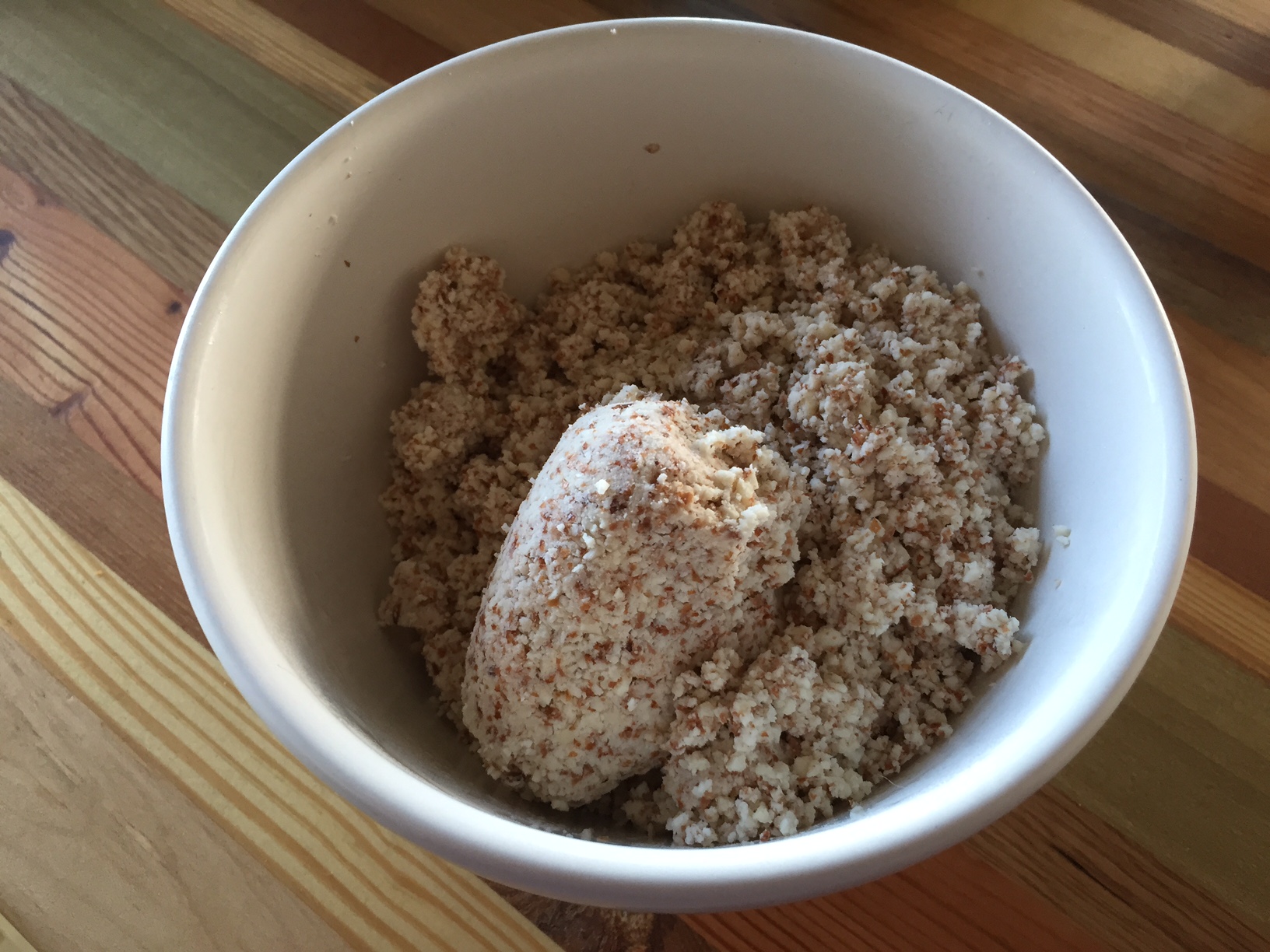
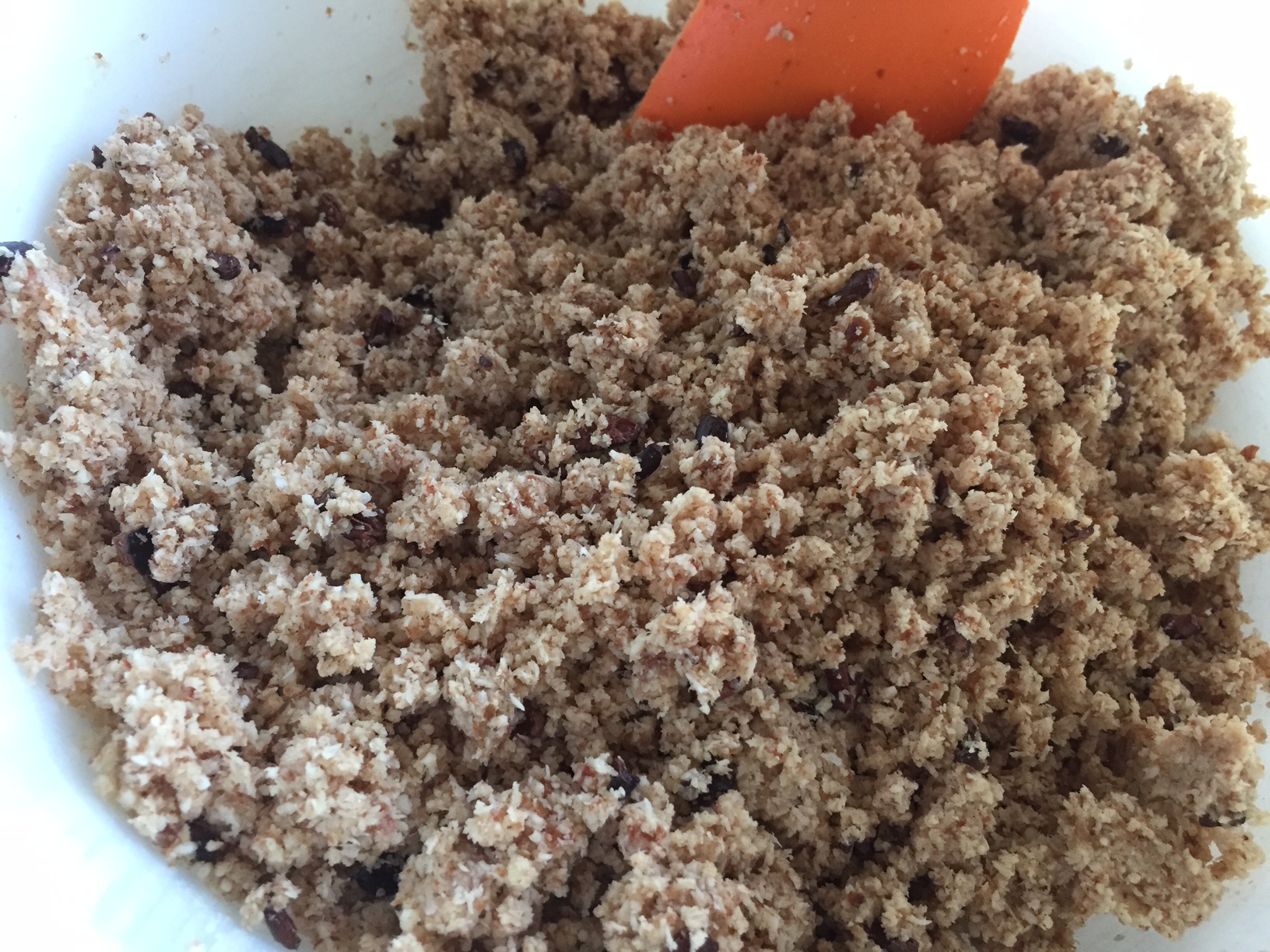
And don’t worry — it’ll be pretty crumbly. Here’s what it looks like after transferring the mixture to a bowl and adding the cacao nibs.

IMG_3841

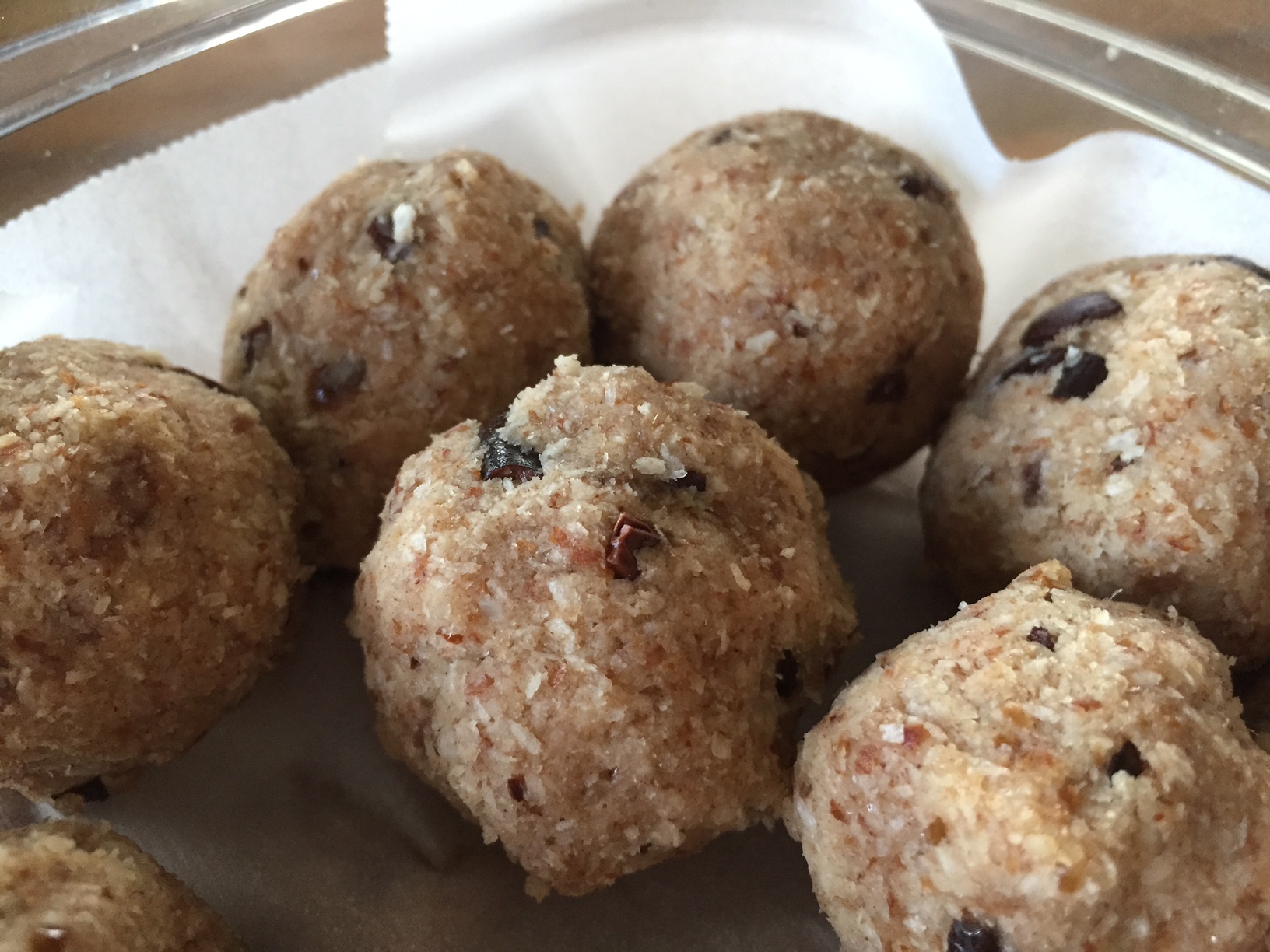
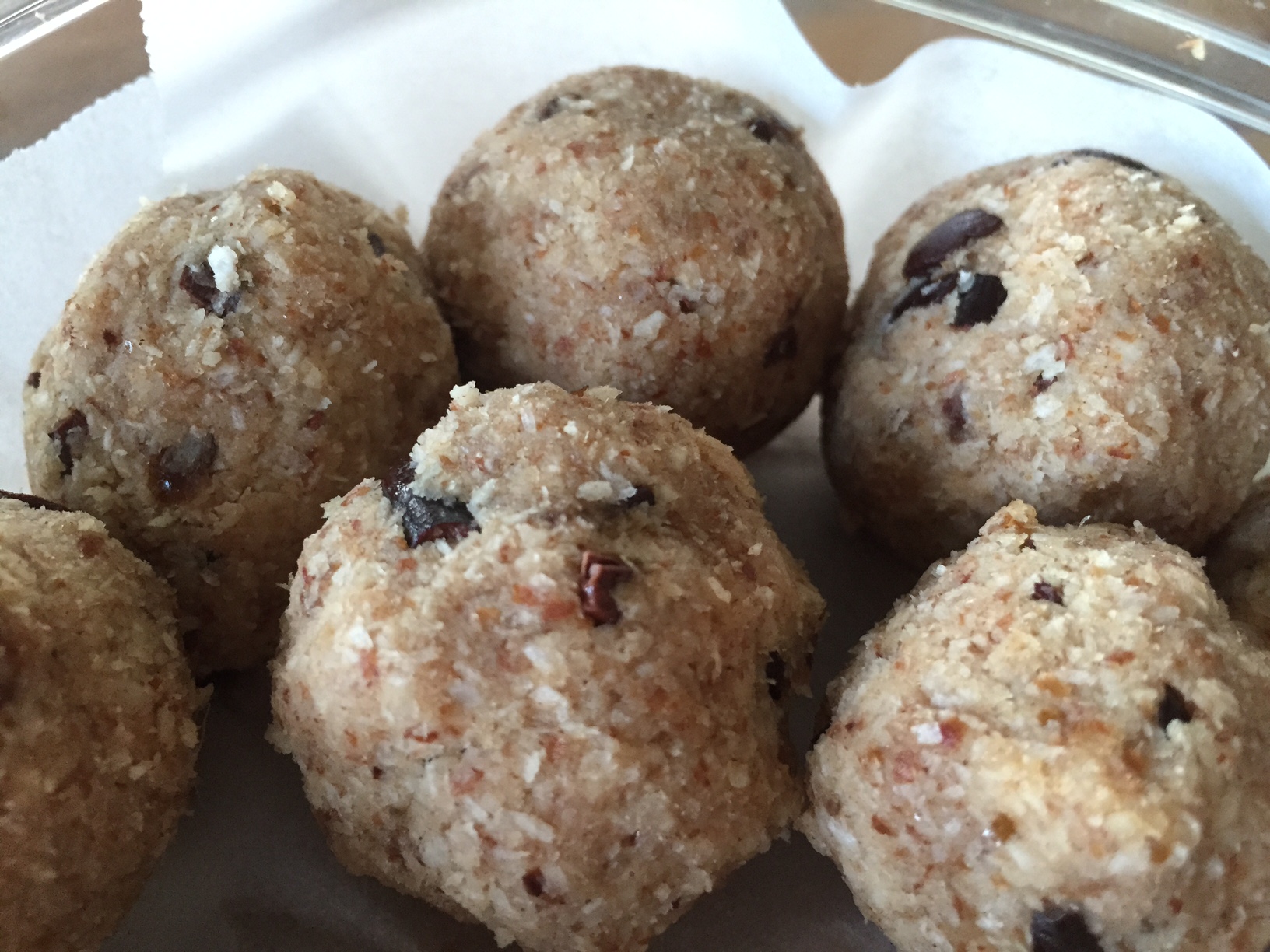
If you try to roll them, you’ll end up with a crumbled mess — so gently “pack” scoops of the mixture between your palms to form into balls.

IMG_3844

Two more tips: Sprinkle with a dash of coarse sea salt if you like that sweet-salty mix, and separate balls between layers of parchment paper when storing.

How do you make use of your almond-milk remnants?

The Almond Milk Experiment

IMG_3826

Our recent Whole30 experience left Ben and I between a rock and a hard place when it came to morning coffee: Either drink it black or pay a hefty $1 or so per ounce for the deliciousness from Portland Juice Company.

Now wanting to blow through our grocery budget, I knew there had to be another way. Sure, we could fudge our way through with store-bought almond milk, which even when it’s organic and free of lactose, soy, gluten can have some nasty additives (just Google “carrageenan,” for example).

So that left us (read: me) with one, final option: Making it home-made, which I was trying to avoid at all costs — literally and figuratively.

A little math:

  • Nut-milk bag: $10.99
  • 6 oz package of raw almonds: $4.99
  • 12 oz package of dates: $6.99
  • Finally getting over the fear of using my food processor: Priceless

Is it worth it? Well, I might not be the best person to ask since I love my dairy and have since added it back into my diet — in moderation, of course (#BecauseIceCream). But almond milk is a delicious alternative for people with dietary restrictions — especially with the addition of dates as a natural sweetener and pumpkin pie spice for an extra kick.

Making it on my own not only was a learning experience, but it also got me thinking about all the extra gunk I’m consuming in my usual store-bought, sugar- and chemical-laden creamers, so although I don’t expect to make it regularly, I will add it into my repertoire of “every-now-and-then” recipes.

Here’s a look at the process:

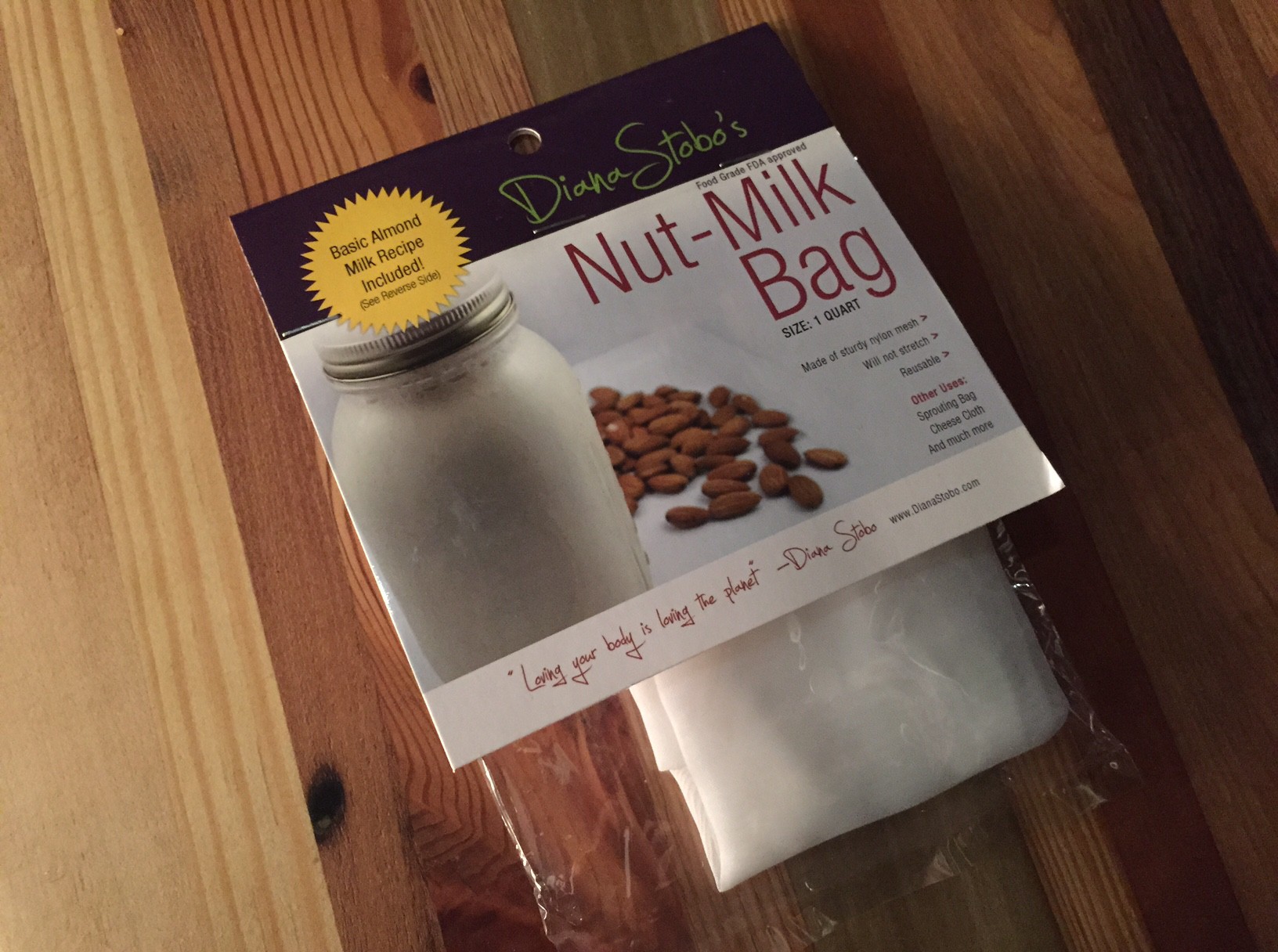
Step one: Purchase nut-milk bag. Get mocked by husband when you tell him you’re “going to the store to buy a nut bag.”

IMG_3819

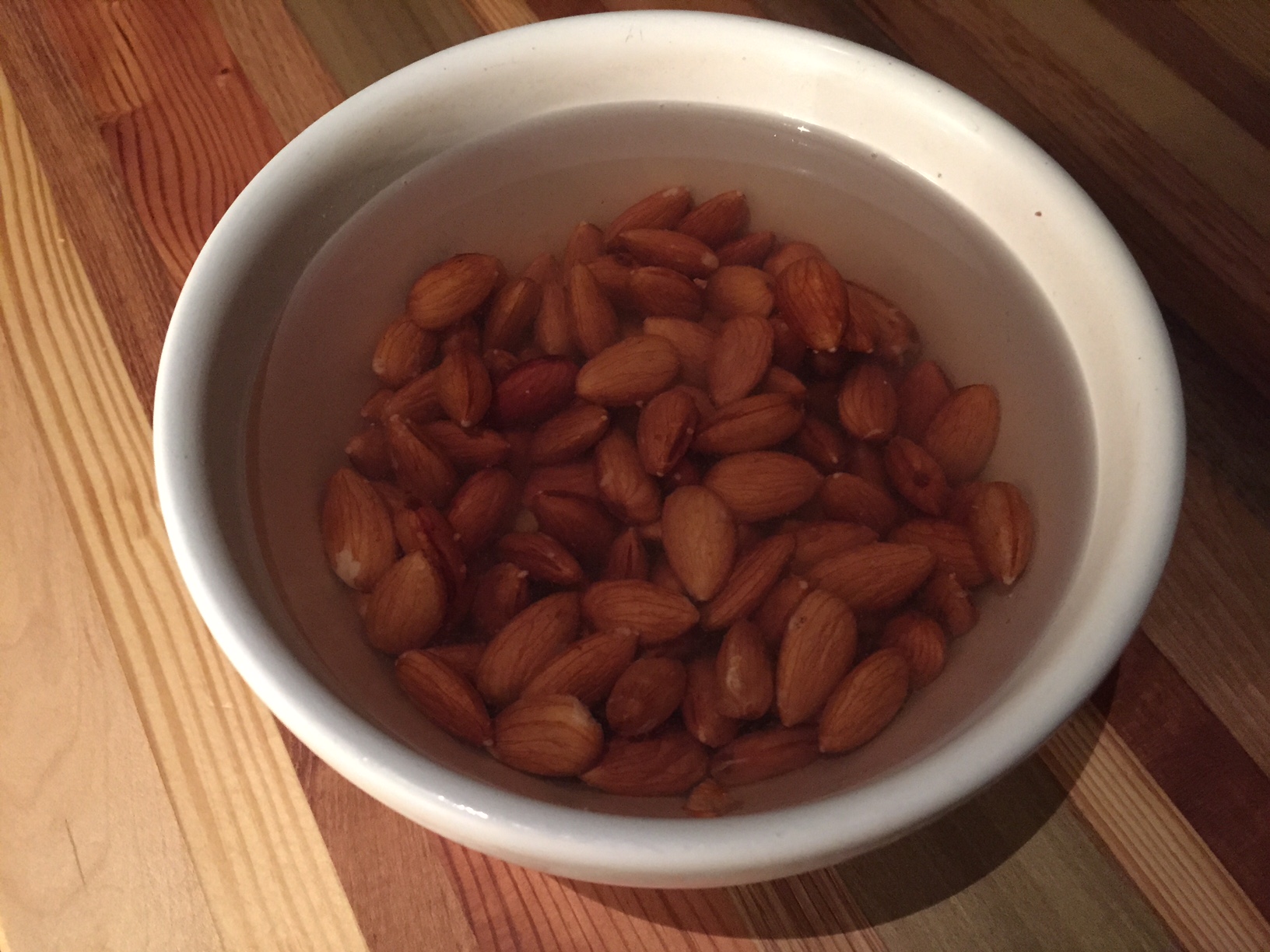
Step two: Soak almonds. Overnight, ideally, but for at least a few hours or until the nuts plump up.

IMG_3820

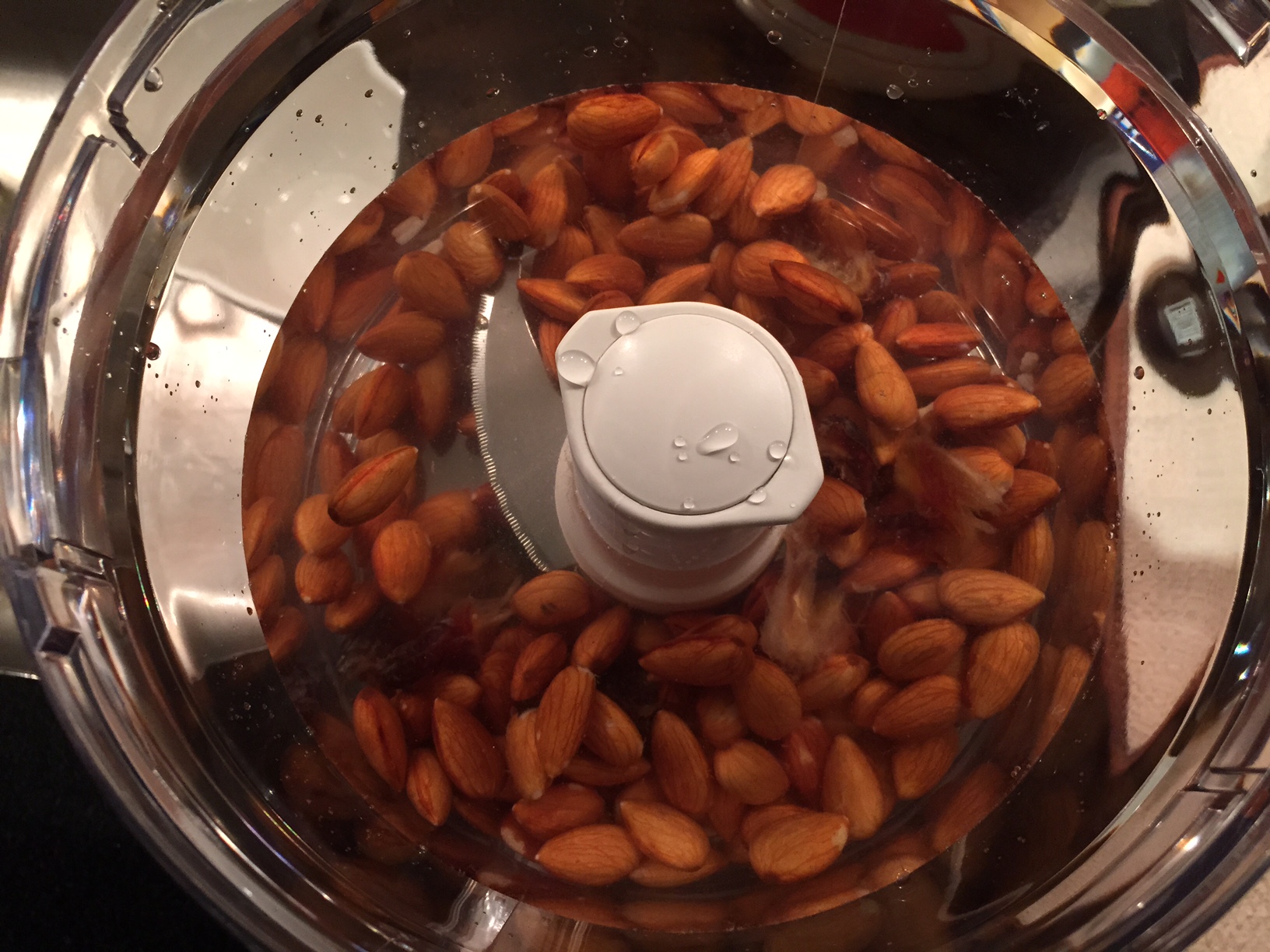
Step three: Rinse almonds and place in food processor with 3-4 pitted dates and a few cups of fresh water. Blend.

IMG_3821

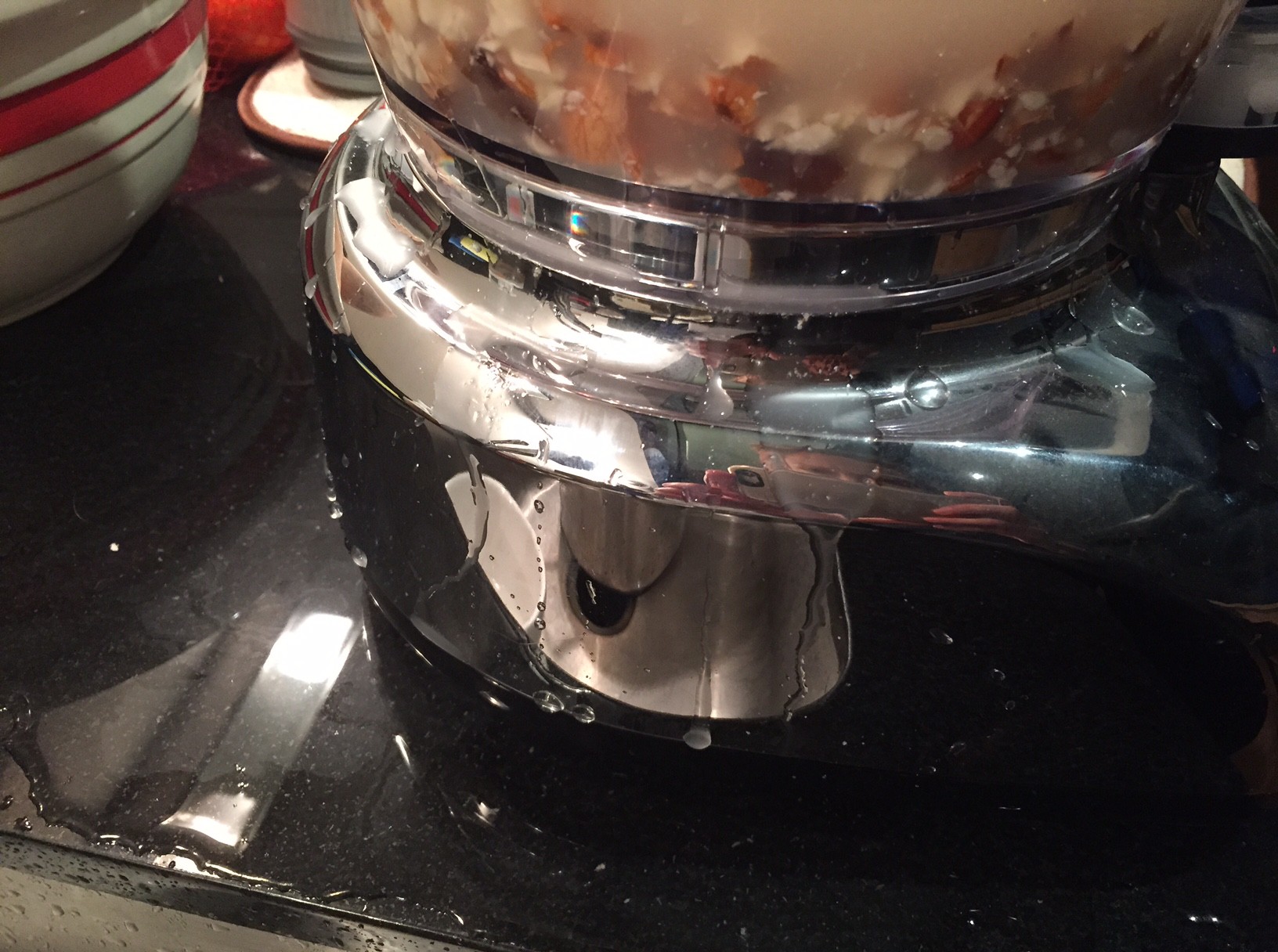
Step four: Clean up explosion of water from said food processor. Locate manual and read instructions about not filling above “fill line.” Oops.

IMG_3822

Step five: Repeat step four. Clean up second mess, and wonder if you assembled it incorrectly. Nope — just too much liquid. Again.

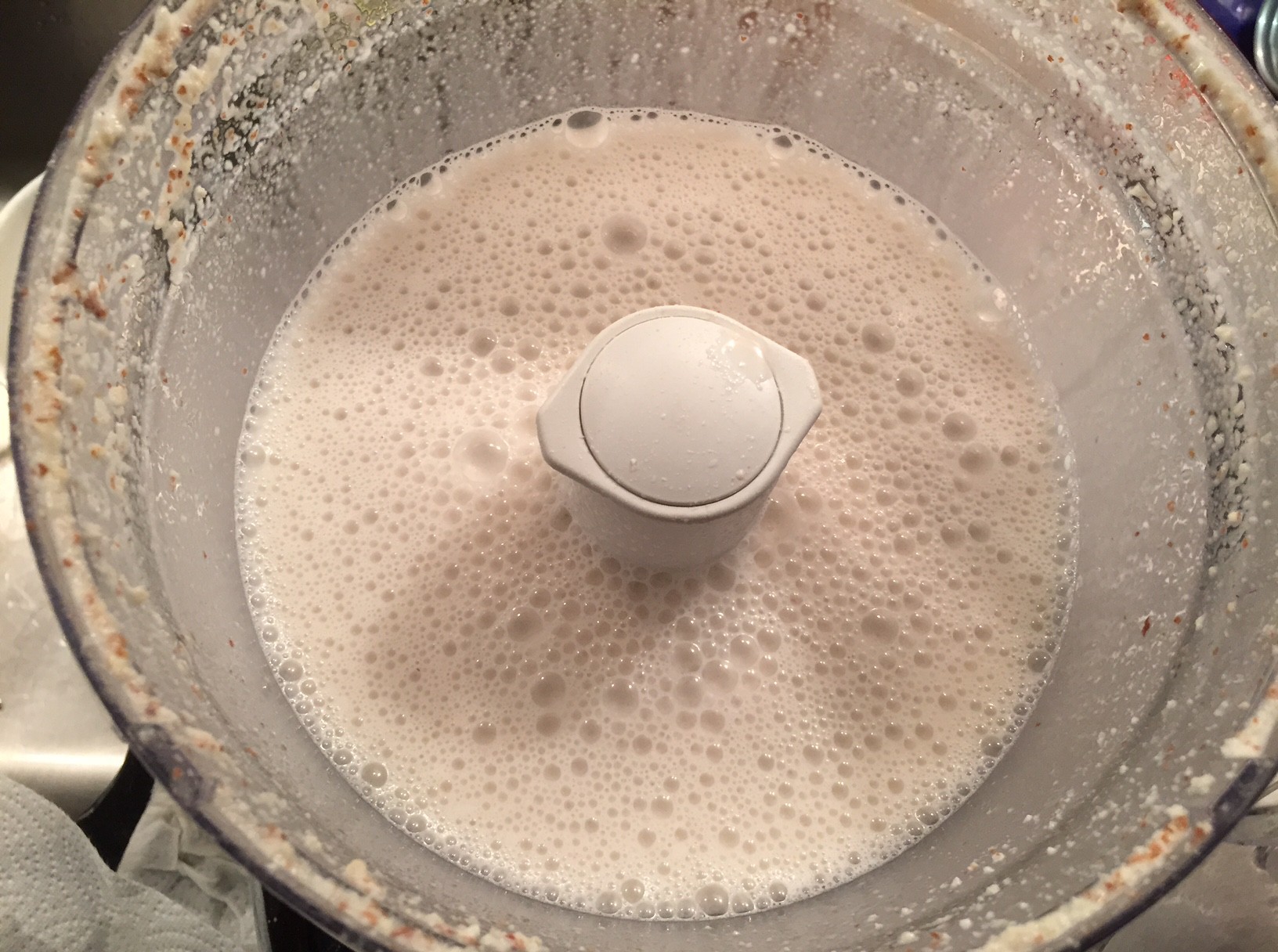
Step six: Finally blend (for 1-2 minutes) until white and frothy. Smells lovely.

IMG_3823

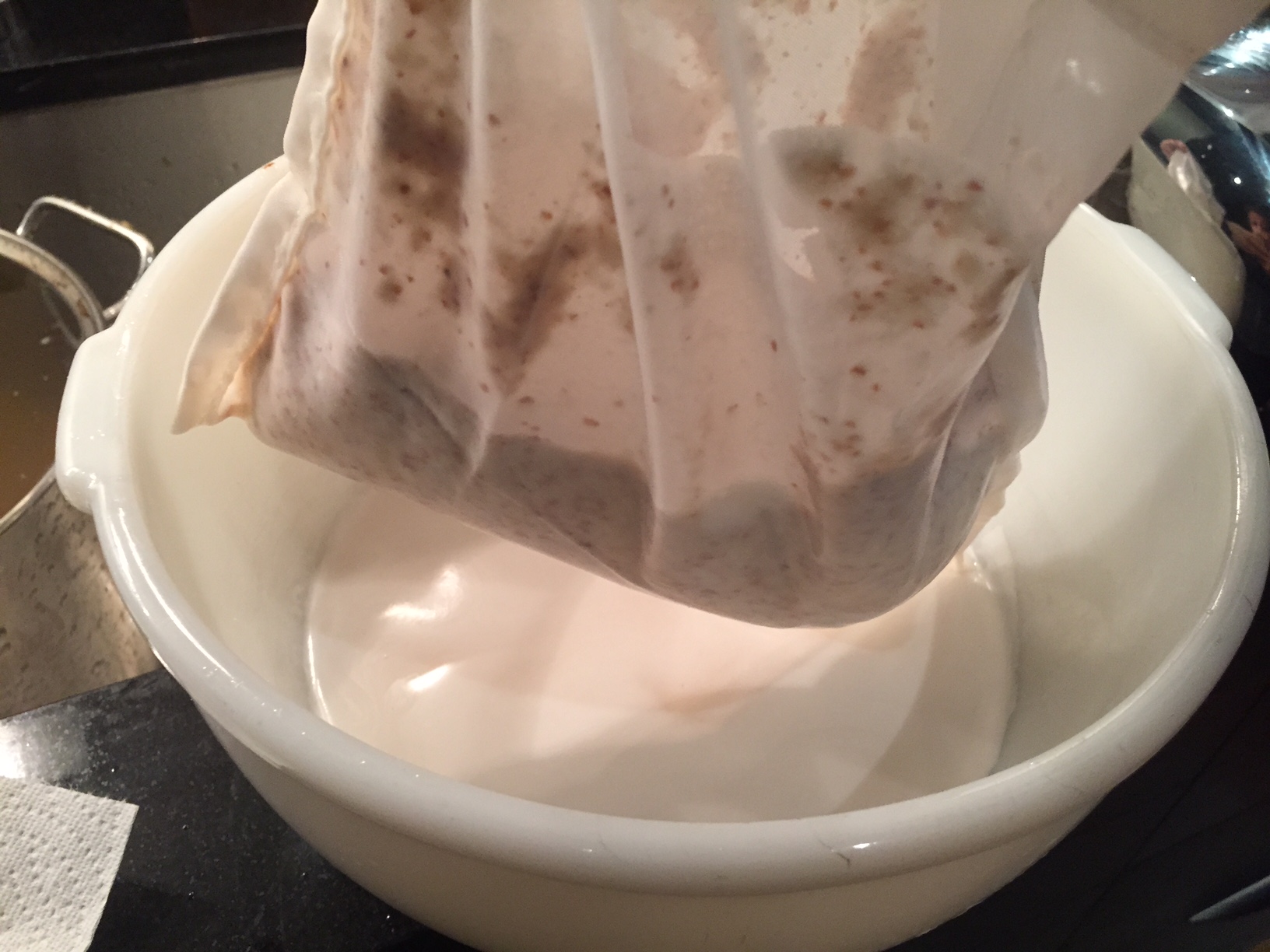
Step seven: Hold open nut-milk bag over a large bowl and pour mixture into bag to strain. Gently squeeze to get excess liquid out.

IMG_3825

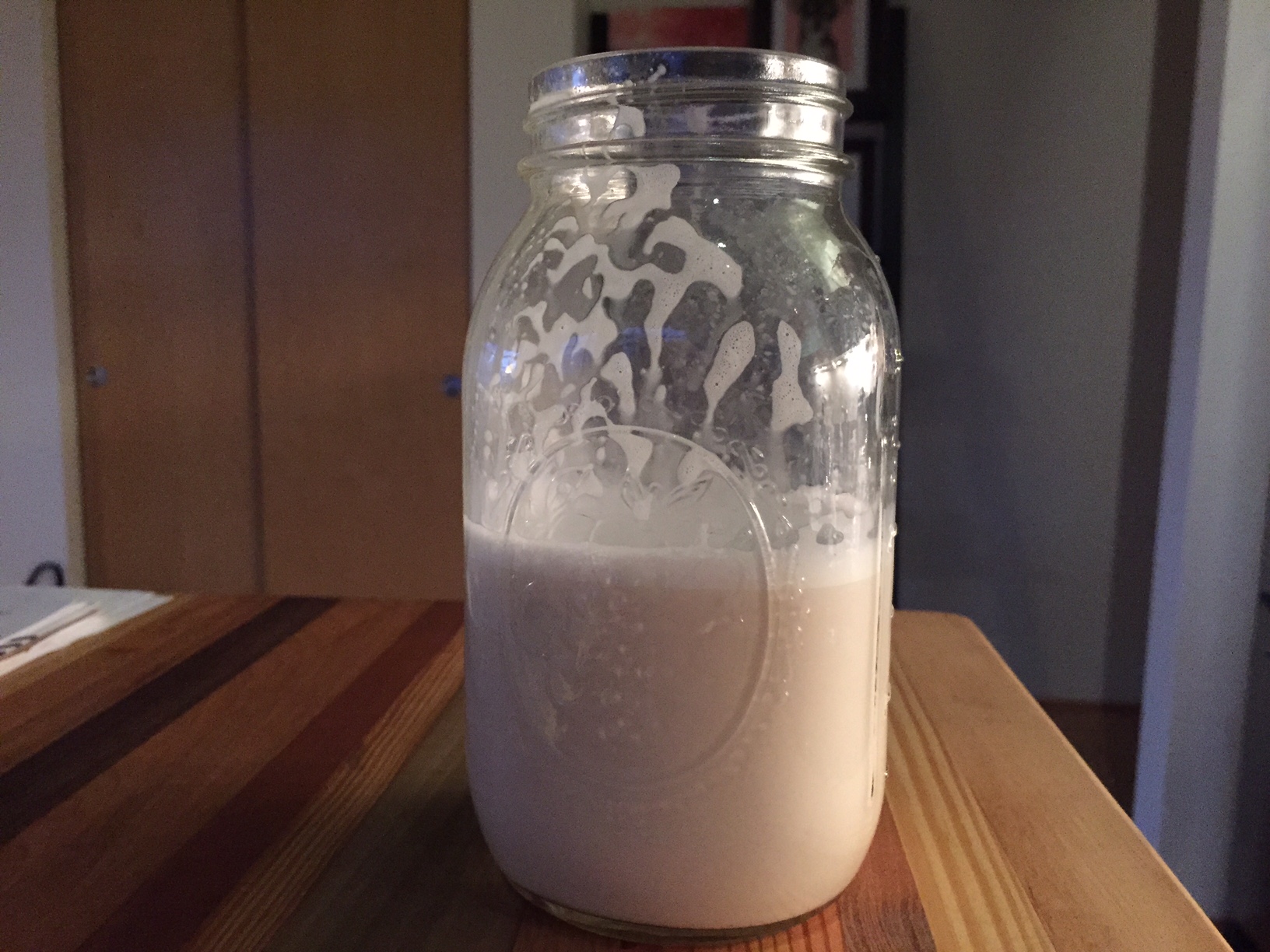
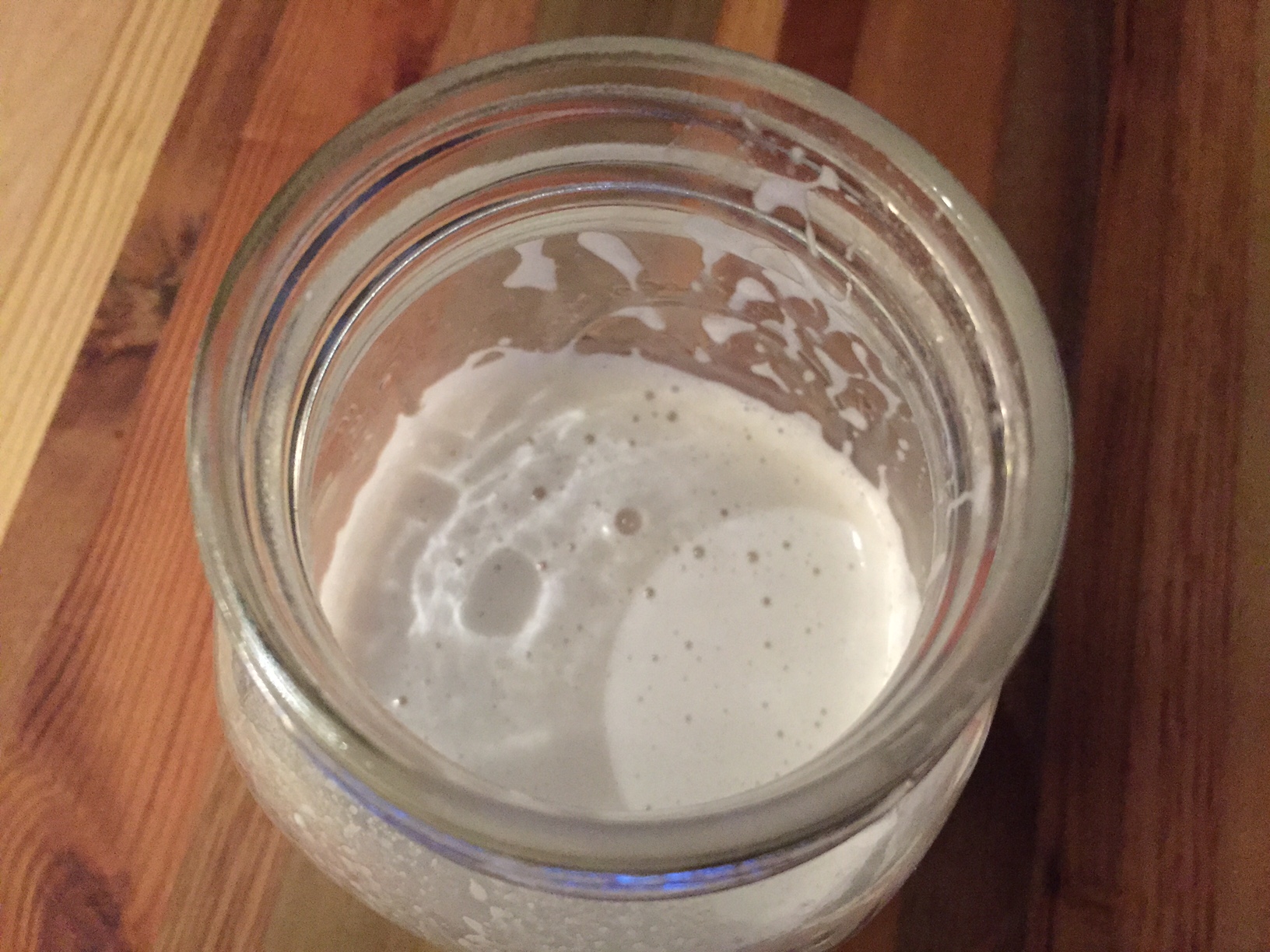
Step eight: Store in airtight container. Preferably a mason jar, particularly if you live in Portland, to cement neo-hippie status.

IMG_3827

Now…what do do with the almond remnants? I’ve got a recipe for that, too! Stay tuned…

Have you made home-made almond milk?

The Whole30 Truth, and Nothing But the Truth (+ giveaway!)

Credit: Chef Pete Evans

Credit: Chef Pete Evans

In mid-January, Ben and I started Whole30, which we viewed as a 30-day “experiment,” a fresh start for the new year. If you’re not familiar with the program, it’s a “short-term nutritional reset,” designed to help you put an end to unhealthy cravings and habits, restore a healthy metabolism, heal your digestive tract and balance your immune system.

Sounds awesome, right? Well, where the rubber hits the road is in the rules: Eat real food. Avoid added sugar, alcohol, grains, legumes, soy, dairy, carrageenan, MSG, sulfites…or any food product with a hint of anything like that in it.

Easy, in theory. We eat fairly healthy. We exercise. We expected it to be difficult at times (him: peanut butter and flavored coffee creamer; me: cereal and dessert after dinner). But what we didn’t expect was an experience that will forever change the way in which we view our food.

So, what’s it’s like to eat “clean” for 30 days? Truthfully, it’s hard. Not only are we used to grabbing whatever we want off the grocery store shelves, but our bodies are, sadly, so accustomed to being jacked up on sugar and artificial stuff that there’s even a timeline of what you can expect — both mentally and physically — as the month unfolds.

Full disclosure: Neither of us experienced anything as drastic as the “carb flu,” although we did blow through five jars of almond butter in the process. And there may have been a few nights at the beginning when I put myself to bed early in order to escape from the after-dinner dessert cravings… 

MjAxMy1hODUxY2ViOTkyYzgwOTgx_5136be9d317fe

But, reflecting back on the experience, we learned some valuable lessons:

1. I’m not in the habit of reading food labels. I learned this the hard way after using what I thought were W30-approved almond milk and hot sauce on day one, only to realize later that both products had a bunch of additives in ’em. #Whole30Fail

2. There’s a lot in our food that isn’t “food.” As we perused the grocery aisles, Ben and I had bust out our phones and Google ingredients in things, most of which we couldn’t pronounce.

3. It’s tough to find whole-food products. They’re out there and are becoming more popular, as you’ll see below, but they’re not the default; you’ve got to make an effort to seek them out.

4. It’s not a diet. Don’t necessarily expect to lose weight. My number on the scale stayed the same, although my jeans do feel a little looser, so that’s a bonus!

5. There is sugar and soy in every.thing. If it’s not listed in the ingredients outright, it’s hiding behind a pseudonym. Do your research, and read those labels!

6. Food is very social. We didn’t realize this until we made a double-date for dinner the first Friday night. Two glasses of water and bun-less burgers, please. Wah-wah.

7. There’s a difference between stuffed and satiated. Well, duh. But no, really — bread baskets, apps and desserts used to be a free-for-all. Making better decisions about food has means no more nights riddled with regret — and heartburn.

8. Cooking is key. A month straight of hard-boiled eggs, broiled chicken and steamed veggies would get old fast. There are so many easy W30-approved recipes out there, and they’re delicious! Here’s one of our favorites, in fact.

But… I do have one confession to make: Snacks, which I credit for helping me get through the past 30 days. Although they’re technically discouraged — you’re supposed to aim for three large meals instead — I took a hall pass because I’ve got a pretty active workout schedule.

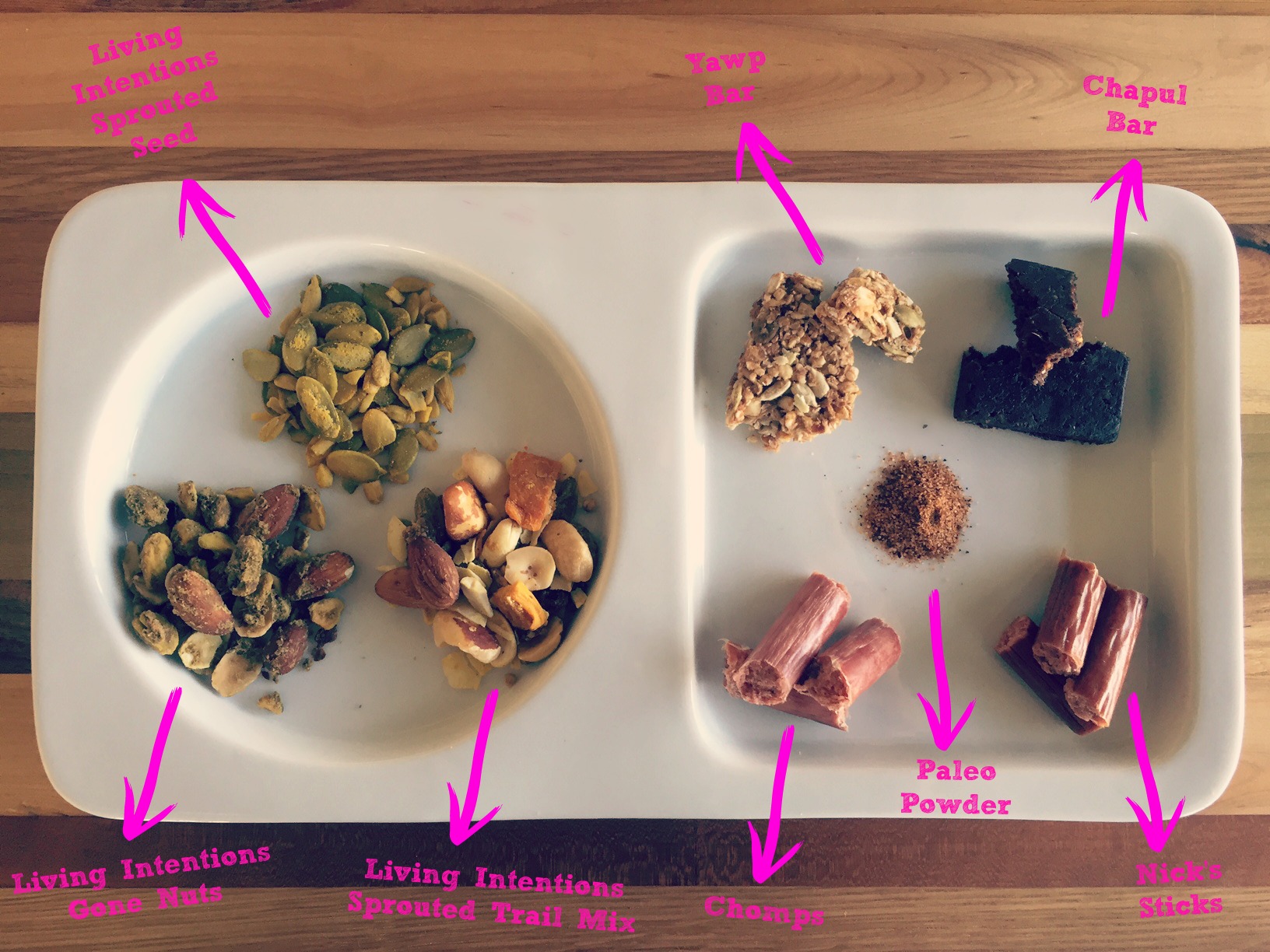
Here are a few of my favorite W30-approved game-changers: So good, you’d never guess they’re actually good for you!
IMG_4116

Meat snacks: Both Chomps Snack Sticks and Nick’s Sticks deliver all the goodness and none of the garbage. Made from grass-fed beef (Nick’s also has free-range turkey), which is higher in omega-3’s, all the sticks are gluten-, soy-, hormone- and antibiotic-free, but the best part is that they’re shelf-stable (great for on-the-go!) without any synthetic preservatives. I love stashing them in my purse for emergency mini-meals.

Nuts, seeds & bars: Aside from an admirable brand mantra, Living Intentions makes some downright addictive sprouted nut, seed and trail mix flavor combinations; I’m partial to the Rosemary Garlic Gone Nuts, in particular. Chapul Bars also made me a cricket convert; their chocolate-coffee-cayenne Aztec Bar (packed with protein, iron and vitamin B12) hits the spot — seriously, almost better than a brownie.

For workouts, my new pre-sweat-session obsession pick-me-up are Yawp! Bars, which are a delicious grain-free alternative to granola bars because they’re dehydrated ’til crispy (another confession: I already ordered a second box because I can’t gt enough of ’em).  And, finally, Barnana — literally, just dehydrated bananas — is an unbelievably good mid-workout fuel with its mild flavor and candy-like chewiness.

Sauces & flavorings: My biggest tip for tackling Whole30? Flavor up that food! Paleo Powder takes seasoning back to basics with an all-purpose rub that’s free of MSG, gluten and sugar; it gives a great kick to meat, veggies and eggs. Our go-to weeknight dinner was chicken breasts, baked with this and a smidge of white wine.

And then there’s Tessemae’s, my absolute favorite find (thanks to Erica for the heads up!) — not just for the spunky nature of the company, but also because they keep it real (real yummy) when it comes to all-natural condiments and dressings. The Lemon Garlic dressing was a life-saver for salads. Another tip? Try their Lemon Chesapeake dressing over salmon and braised greens!

Hydration: I read that drinking rooibos tea could help combat sweet cravings due to its deep, earthy vanilla taste, so I stocked up on Numi’s version. It’s caffeine-free and full of antioxidants, so it’s also become my afternoon drink of choice with a splash of home-made almond milk.

And as important as it is to replenish fluid and electrolytes when you’re working out, you’d be hard-pressed to find many without added sugar, carbs or artificial flavors and colors. That’s why I’ve also been using elete’s Electrolyte Add-in, a pure, flavorless liquid electrolyte concentrate that contains magnesium, potassium, sodium and chloride in order to help facilitate proper muscle and mental function. It’s gotten me through countless long runs and rides these past few weeks!

clean-eating-meme-slide

As for my final take on the program, it’s something I’d highly recommend. Think of it this way — it’s a month with some occasional discomfort (mostly mental) in exchange for something that has the potential to impact you for the rest of your life in a positive way: A new relationship with food.

Removing the junk out of your diet helps chip away at some of the emotional baggage regarding what we eat and why, as well. Your taste buds will reset, you’ll regain control over cravings, you’ll feel healthier overall…but most of all, you’ll learn to approach life after Whole30 with a whole new outlook.

Of course, I’d be remiss if I didn’t mention that Ben and I had a running list of post-Whole30 restaurants to visit and items to eat! We fully intend to indulge in them, too — although this time it’ll not only be deliberate, but also in moderation so we can truly enjoy it.

Have you tried Whole30? What’s your take?

Also – it’s your lucky day! Yawp was kind enough to offer a mixed case (12 bars, four of each flavor: Naked, Cafe Mocha and Coconut Chai) up for grabs. Enter here via a Rafflecopter giveaway!