Will the real carb culprit please stand up? (Part II – and Giveaway!)

donut-carbohydratesInterested in trying the TurboCharged program for yourself? Here’s your chance – we’re giving away one FREE copy of the book! Details at the bottom of the post…

In part one of my interview with health expert and TurboCharged author Tom Griesel, we spoke about the different types of carbohydrates and how the body processes them, along with the best foods to eat to help prevent excess fat storage.

Next up, I wanted to get into the nitty-gritty of his program, which stems from the Griesel’s belief that by learning to work with your body and feeding it the correct type of foods, you can automatically improve the way it functions and looks.

Here we chat more about role of exercise in his healthy lifestyle plan, along with how he can help ‘Turbocharge’ your body’s fat burning abilities to radically improve your body (and mind) in a short period of time.

Photo credit: Superskinnyme.com

Photo credit: Superskinnyme.com

In your book, ‘TurboCharged,’ you talk about helping people make the switch from using sugar to fat as fuel for the body. Can you elaborate on that?

There are two fuels that our bodies will use: sugar or fat (three if we include alcohol). We are also in either a fat-storage or fat-burning mode, depending on what types of food we choose to eat.

By eating a diet more in line with our ancestral or evolutional adaptations, and avoiding a constant stream of concentrated carbohydrates and the subsequent insulin release and fat storage they promote, our bodies become accustomed to using more fat—including our body fat for our energy needs.

Without our diet increasing the hormones that store excess sugar as fat, we are then able to use our own body fat for energy, as well as being better nourished.

Another important point is that most “sugar burners” will convert lean body mass into sugar for energy instead of sourcing their body fat due to an easier conversion process and a preference for sugar. Loss of lean body mass is the main cause of diet failure and recidivism.

Give us a quick overview of a ‘day in the life’ of the program.

First, more water is consumed, particularly first thing in the morning, to ensure adequate hydration needed for normal body processes. Metabolic waste is meant to be eliminated through the kidneys. When the kidneys can’t handle the job due to inadequate hydration, the liver is forced to do the job (definitely not optimal).

The morning is the most important time, because we usually use about a quart of water for normal respiration and metabolic function overnight while we are sleeping.

Water is also not sipped but used in larger quantity to fill the stomach. Doing so has the same effect as various bariatric surgeries. Satiety hormones are released when the stomach is full. Many studies confirm this happens with food, liquid or a combination of the two.

Next, when we are actually hungry, we choose a food that is more in line with our ancestral diets: fruits, leafy greens, non-starchy vegetables, nuts, seeds, legumes, eggs, meats and seafood (all high nutrient per calorie and mostly moisture-rich).

Meals are also very simple with just a few different ingredients and often just one item (mono-meals). This speeds digestion, eliminates common digestive problems, and most importantly, increases fat burning by greatly reducing the release of insulin—the fat storage hormone—which can be triggered by large meals or combinations of foods.

Engaging in low-to-moderate activity as much as possible is encouraged, along with one-minute periods of strength training three to five times each day, stress reduction techniques and a good night’s sleep.

Can you share one of your favorite tips for readers who want to start incorporating healthier habits into their day?  

Thirst and hunger are often confused. This is probably because our natural diet always consisted of very moisture-rich foods that supplied water and nutrition at the same time. Today, many people confuse thirst for hunger and eat when they should be drinking water. Choosing the wrong foods or beverages when this happens only compounds the dehydration problem.

And, finally, as a long-distance runner, I’ve got to ask: How does exercise come into play in your plan?

Exercise is good for us. However, too much exercise is just as bad as too little, particularly if losing excess body fat is the goal. Exercise is a very inefficient way to manage caloric intake and lose excess body fat.

In fact, when a reduced-calorie diet is being implemented, less exercise is better than more and low-intensity activity is better than more strenuous exercise. This is because the combination of reduced calories and strenuous exercise such as aerobics results in the loss of lean body mass due to the inability to source body fat quickly enough to adequately fuel the activity. This is particularly true for sugar burners whose bodies would rather convert protein to sugar rather than using their excess fat.

Light resistance exercise, for about one minute, three to five times per day is sufficient to maintain (and in some cases build) lean body mass while dieting. On a normal calorie intake, when performed regularly with intensity, it is sufficient to build and strengthen without creating excess stress.

All stress, good or bad, results in the release of catabolic (muscle-wasting) hormones and is best avoided. Loss of lean body mass from any cause, including strenuous exercise, triggers primal survival mechanisms that will cause anxiety and feelings of hunger until the lean body mass is returned. When faced with this situation, eating a typical diet will result in most of the weight regained being fat, not muscle.

GIVEAWAY:

One KineticFix reader will have the chance to win his/her very own copy of the book. (Open to U.S. and Canada residents only).

To enter:
1. [Mandatory] Leave a comment below telling me why you want to get TurboCharged on Tom’s program
2. [Optional] Tweet the following, “I want to win a copy of ‘TurboCharged’ from @KineticFix and @TurboChargeDiet wp.me/p3iGmO-cT ”

I will randomly pick a winner on Thursday, June 13. Good luck!

Will the real carb culprit please stand up? (Part I)

Photo credit: Stack.com

Photo credit: Stack.com

In the battle of the bulge, carbs often hold enemy status.

But, as it turns out, to carb or not to carb isn’t the real question when it comes to weight loss; what matters more is the type of carbs you’re consuming.

Why? Well, not all carbs are created equal when it comes to how our bodies process them, say health experts Dian and Tom Griesel, authors of TurboCharged, a lifestyle plan that claims to help people “quickly lose excess body fat and keep it off.”

Are you among the 75% of adults who consume less than three servings of veggies per day?  Photo credit: Turbocharged.us.com

Are you among the 75% of adults who consume less than three servings of veggies per day?
Photo credit: Turbocharged.us.com

The problem is this: All carbs are converted to blood sugar, which is then converted to either glycogen (short-term energy) or body fat (long-term energy).

Eat a steady stream of carbs, and your glycogen tank is always topped off, so your body never dips into its fat stores.

The solution? A diet rich in what the Griesels term ‘diluted’ carbs (fruits, veggies, etc.), which are much more moisture-rich and nutritionally-dense than traditional ‘concentrated’ carbs, which tend to mess with our systems.

To learn more, I sat down with Tom Griesel about this carb conundrum. The first half of our interview is below.

Tell us, why have carbs gotten such a bad rap?

Perhaps because all carbohydrates are traditionally lumped into a single category, or alternatively considered as either simple or complex. However, the fact is that there are simple and complex carbohydrates (starches and sugars) and also concentrated and diluted carbohydrates (grains and fruits/vegetables), and each has a different effect after consumption. Also, foods are rarely eaten by themselves—and combinations of foods, including carbohydrates, have different effects on our digestive and hormonal systems when compared to eating a single food alone.

So is there such a thing as ‘good’ and ‘bad’ carbs?

We believe the biggest differentiator is in concentrated carbohydrates vs. diluted or naturally moisture-rich carbohydrates. Concentrated carbohydrates have a different hormonal effect than naturally moisture-rich and fiber-rich carbohydrates. In addition, processed foods usually contain significant amounts of carbohydrate along with a totally unnatural combination of ingredients.

Why do specific combinations (e.g. sugar/fat) take more of a toll on our bodies?

Sugar/fat combinations or starch/fat combinations are not found in nature. They are a very recent (from an evolutionary standpoint) artificial addition to our diets. We are now eating stuff that was never available prior to the last 50 years or so. This combination has been found to be the most likely to result in fat storage (think potato chips, french fries and donuts).

These combinations are common in almost all popular processed-food products consumed today, and the typical American diet is built around them. Our bodies are just not adapted to process these combinations without problems. We are unwittingly participating in a huge dietary experiment that is obviously turning out badly, based on the rapid rise in almost every chronic ailment known.

Tell us why you attribute the consumption of grain to the rise of obesity, diabetes, heart disease and other significant illnesses.

Some societies have been eating grains for a while (about 10,000 years or so, which is actually very short from an evolutionary perspective), but the time period for most humans has been much less. Grains are what we would classify as concentrated carbohydrates.

Grains also score very low on a nutritional value-per-calorie basis when compared to leafy greens, non-starchy vegetables and fruits that humans evolved eating over hundreds of thousands of years. Grains provide a concentrated form of calories but few nutrients compared to other readily available choices (that we are better adapted to process).

It is important to understand that there is really not much of a difference in the way our bodies process them regardless if they are whole or refined. They are all broken down quickly into sugar. This concentrated form of sugar, even in what would be considered relatively small amounts, will cause a spike in blood sugar levels.

And why is this spike in blood sugar problematic?

High blood sugar levels signal the body to release insulin to stabilize the situation. Most of the excess sugar is converted and stored as body fat, particularly in people who regularly consume a steady supply of carbohydrates throughout the day. Excess concentrated carbohydrate consumption is the cause of metabolic syndrome.

Are there any particular foods we should eliminate from or add to our diet for better overall health?

It is now widely believed that almost everyone has sensitivity to wheat, wheat products and other products containing gluten, which cause gastrointestinal problems even without any diagnosis of celiac disease. Between intestinal damage, causing decreased nutrient absorption and low nutrient content, a grain-based diet leaves many people fat yet malnourished.

The very best choices are moisture-rich, nutrient-dense foods: fruits, leafy greens, non-starchy vegetables, nuts, seeds, some tubers and legumes, eggs, animal proteins/fats, fish and other seafood (meat and fish are over 60 percent moisture content prior to cooking). Avoid processed foods.

Stay tuned for part two of our interview in which Tom discusses the role of exercise in his healthy lifestyle plan, along with how to ‘TurboCharge’ your body’s fat burning abilities… 

5 tips for building a budget-friendly home gym

homegym

Photo credit: BusinessWeek

The only thing worse than not using the gym membership you signed up for way back in January?

Paying steep monthly fees for the rest of 2013 while it remains unused.

So before you shell out any more unnecessary cash, cut your losses and bring your workout closer to home (meaning, in it).

No matter how small a space or budget, it’s easier than you think to build an effective gym without breaking the bank. Here are five tips to becoming a healthier homebody – and for shrinking your waistline, not your wallet.

  1. Go weightless. These aren’t your father’s push-ups and sit-ups; today’s body weight exercises are high-performance maneuvers designed for building and maintaining muscle strength and endurance, along with interval training. Don’t believe me? Check out this video and tell me that’s not one intense workout!
  2. Think DIY. Function often trumps form when it comes to gym gear, so before you buy it, try making it on the cheap. Use hot water bottles under your feet in place of a pricey Bosu balance trainer, tap into your woodworking skills to build your own plyo boxes, and make medicine balls from old basketballs, a drill or awl and some sand, for example.
  3. Buy secondhand. Certainties in life: Death, taxes and the fact that there will always be people hawking their (barely used) exercise equipment on Craigslist. But don’t stop there; visit stores such as Play It Again Sports to snag a deal on pre-owned gear, scout your local gym for used equipment sales after yearly upgrades or ask for discounts on floor models at retailers.
  4. Press play. There’s an app for that – or a video game, a gadget, a DVD and more. Whether it’s tracking your calories burned throughout the day with Fitbit, turning your smartphone into you own personal trainer with RunKeeper or popping in a video from home fitness giant Beachbody, harness technology to keep you healthy and active throughout the day, not just in the confines of a gym.
  5. Embrace co-op. Finally, if your motivation comes in the form of group fitness, consider creating a co-op gym space with relatives, friends or neighbors. Split the cost of equipment among the group (either by machine or overall, depending on how your crew wants to divvy it up), and store everything at one home where the group can congregate for workouts.

Pregnancy & exercise: What you need to know about working out for two

Jess shares a few shots on how she stays active during her pregnancy

Jess shares a few shots now that she’s working out for two!
Credit: Jess Allen/BlondePonytail.com

You can’t read a celebrity magazine nowadays without seeing some kind of commentary on pregnancy and weight gain, whether women are being criticized for being too thin or too heavy.

All this attention on the pregnant figure got me thinking about the changing attitudes toward exercise and pregnancy and how we still have a long way to go in debunking popular myths about staying active while expecting.

To learn more (the topic hits close to home; my sister gave birth March 18), I sat down with blogger Jess Allen of BlondePonytail.com, a personal trainer, group fitness instructor, adjunct exercise science instructor, CrossFit fanatic, coach’s wife and former Stanford softball player (whew!).

Allen is not only in the final few weeks of her pregnancy, but she’s also uniquely qualified to address some of the most common concerns when it comes to working out for two.

Kinetic Fix: How do you think the views toward exercise during pregnancy have changed over the years?

Jess Allen: Thankfully, our society has embraced fitness and pregnancy in recent years. No longer is pregnancy a sentence for sedentary lifestyle. We are seeing women stay active throughout their pregnancy continuing to run, strength train, CrossFit, with modifications, for the duration!

Why is it important for pregnant women to maintain their fitness routine?

While pregnancy isn’t the time to make gains or set PR’s, maintaining one’s strength will help support the impending weight gain that occurs. I think maintaining one’s fitness throughout pregnancy not only promotes an easier delivery (I sure hope this is the case with me!), but women can recover much faster postpartum by staying active.

Walk us through your own experience: Did you amp up your workouts in anticipation of pregnancy, or did you take a wait-and-see approach?

To be honest, this pregnancy was a bit of a surprise! However, I was in the best shape I’ve been in since college, and that has played a huge role in how great I have felt during this entire pregnancy. My energy level and strength have been consistent. As a result, my weight gain has been manageable, and I’m still teaching classes! However, with some workouts, like CrossFit, I have reduced my intensity and expectations.

What’s been the biggest benefit of working out while pregnant?

By practicing a “fit-pregnancy,” I have received many compliments from women telling me how empowering it is to see! That excites me! I want to continue to set a healthy, active example for my future daughter. Staying fit is simply a lifestyle.

Has anything surprised you about exercising with your “new” body?

My lack of mobility! Now that I have a growing belly, I simply don’t have room to bend and move like I used to!

What’s the biggest myth you’d like to dispel about fitness and pregnancy?

The prescribed heart rate (140 bpm) is merely a ball-park figure. Listen to your body. If you can talk and exercise, you are probably fine to keep going. Likewise, be realistic and forgiving; you won’t be able to push yourself like you did pre-pregnancy, so adjust expectations accordingly.

Any favorite exercises for expectant moms that you can share with us?

Even though the mid-section is growing in girth at this time, planks and the many plank variations, help pregnant women support a growing belly, strengthen upper body, and maintain a strong core. Additionally, I love kettle bell swings for a full-body strength move that gets your heart rate up!

Have you made any plans for getting back to your pre-pregnancy level of fitness once Baby Girl arrives this summer?

I have thought a lot about this already! I know I must be adaptable to a new schedule and routine with a baby, but my plan is to utilize the HIIT (high intensity interval training) home workouts I have created in the past and take advantage of my home “gym.” These workouts are efficient but VERY effective, so I don’t need to spend hours working out. Because it will be summer, I anticipate spending time outside, walking my dog and gradually incorporating running and CrossFit back into my routine. Additionally, I plan to breastfeed, so my food choices will revolve around healthy, nutrient-dense foods so my daughter and I both benefit!

Interested in learning more about exercise while expecting? Check out Jess’s blog, Blonde Ponytail, for great workout tips, training advice, nutrition information and more.

And stay tuned for my post-pregnancy interview with Jess…we’ll discuss her workout and weight-loss plans after Baby Girl Allen makes her debut in just a few short weeks! 

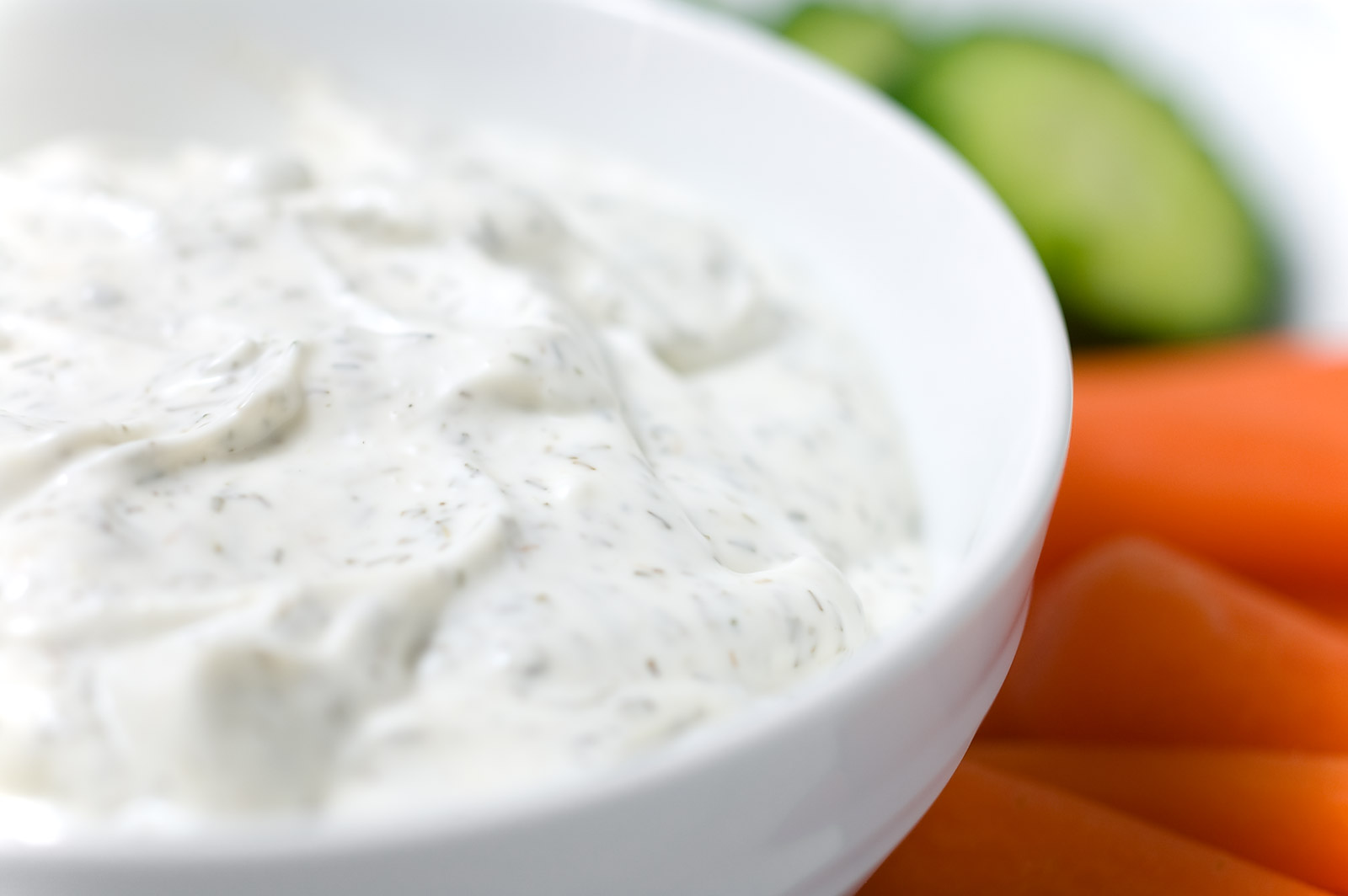
Healthy eats: Two-ingredient “Skinny” Ranch Dip

creamy-ranch-dip_lifesambrosiadotcom

Dress up your veggies with this simple ranch dip recipe.
Photo credit: Lifesambrosia.com

We could all stand to eat more veggies – but let’s face it, sometimes naked plant parts just aren’t gonna hit the spot.

So next time you’re struck with a mid-day snack attack, try this protein-packed ranch dip redux, which contains only about 10 calories per tablespoon:

“Skinny” Ranch Dip

  • 2 cups non-fat Greek yogurt
  • 1 package ranch dip mix

Stir…and enjoy those cruciferous crudites!

10 hot nutrition trends for spring

strrawberry-stand_large_eatrightdotorg

Spring is a great time to kick-start healthy eating habits.
Photo credit: EatRight.org

We wrote previously about tips for spring cleaning your workout routine, but that’s only half the equation for healthy living; feeling (and looking!) good requires a balanced diet in addition to regularly moving your body.

So for some ‘food for thought,’ below are 10 of the most buzz-worthy nutrition trends for spring, care of the folks at Western Athletic Clubs.

1. The Paleo Diet means eating only what people did in Paleolithic times, including a whole-food diet of fruits and vegetables, animal proteins, nuts and seeds – but no processed foods, dairy or gluten

2. Hunting/Foraging is for those who want to know exactly where their food comes from (the farm, soil, etc.) and can take the form of gardening, preserving, hunting and more

3. Acidic/Alkaline nutrition opts for a less acidic diet by maintaining a neutral pH level of 7.4. This is achieved by increasing vegetable intake and decreasing processed sugars

4. Coconut Oil is a saturated fat with properties, such lauric acids, that aid in digestion and in the protection of the body against fungus and bacterial infections

5. Coconut Water is unlike coconut milk or oil in that it has no fat, few calories and is very high in potassium. Many athletes use it as a replacement for sugary sports drinks

6. A Low Inflammatory Diet eliminates certain foods that can cause inflammation of the body, affect weight, joint pain, hormones, digestion and autoimmune issues

7. The Grass-fed Beef movement means eating meat from cows that are 100 percent grass fed (no corn) because it is lower in total fat and has a high Omega-3 profile

8. Eating right for Your Digestion can help people with Irritable Bowel Syndrome (IBS), for example, by decreasing sugar to limit bacterial overgrowth in the small intestine

9. A Low Fructose diet is popular with people combating weight gain, diabetes and inflammation because it eliminates high fructose corn syrup and similar processed foods

10. Finally, Gluten-Free diets eliminate gluten that’s found in wheat, barley and rye for individuals with allergies to it, as well as people who are experiencing related inflammation, poor digestion and weight gain

Gel manicures: Nail friend or foe?

AP_01_12_2013_46438570_L-638x445

If you’re like me and have jumped on the gel manicure bandwagon in an attempt to find a quick-drying, more durable substitute for traditional nail polish, you may soon be on the hunt for another alternative.

Dermatologists are concerned that this latest nail fad can cause problems, such as nail thinning associated with brittleness, peeling and cracking, especially with frequent use. And, what’s more, it can camouflage nail disease if done repeatedly.

“In general, any manicure left in place for an extended period of time is not a good idea because you are not seeing what is going on underneath the nail polish,” said Chris Adigun, MD, FAAD, a board-certified dermatologist and assistant professor of dermatology at The Ronald O. Perelman Department of Dermatology at New York University School of Medicine in New York.

In fact, in one study, women who had reported nail weakness, brittleness and thinning from gel manicures were examined by dermatologists, who attributed these symptoms to the gel manicures. It’s unclear, however, whether these side effects are due to the chemicals in the gel nail polish or the skin-irritating acetone soaks used for removal of the polish.

Dr. Adigun noted that while occasional gel manicure doesn’t pose a serious threat to nail health, she does advise women who frequently receive these manicures to be aware of the potential risks with repeated use. And for women who experience nail problems due to gel manicures, she offered a few helpful gel manicure “diet” tips:

  • Limit the frequency of gel manicures to decrease consequences of chemical and physical trauma
  • Wear a broad-spectrum sunscreen on hands to minimize UV exposure during the curing process
  • Ask manicurists not to push the cuticle to avoid potential inflammation, infection and dryness
  • Rehydrate nails daily with petroleum jelly to reverse signs of brittleness, thinning or chipping
  • Refrain from using tools or chipping gel nail polish with other nails to remove polish
  • Decrease skin irritation by only soaking nails in acetone, instead of whole hands or fingers
  • See a board-certified dermatologist if you notice any unusual changes to your nails

“As is the case with most things, moderation is the key when it comes to gel manicures,” said Dr. Adigun. “If you get [gel manicures] regularly, you need to be aware of the possible consequences and see a board-certified dermatologist if a persistent nail problem develops.”