Fit Fix: Interview with real-life X-Man, Tony Horton

Source: Beachbody

Source: Beachbody

It’s a generally-accepted rule that most sequels pale in comparison to the originals, but Tony Horton‘s P90X program has bucked the trend of workout one-hit wonders. His philosophy is simple, yet struck a chord with millions: Avoid boredom, plateau and injury – the three things that can cause people to lose their exercise mojo.

After selling more than 4.5 million copies of the original, Horton released a second installment, P90X2, last year to rave reviews. I can personally attest to the program’s results-oriented approach, having knocked nearly a minute off my mile run time after completing the 90-day circuit (read more about it herehere and here). So it’s no surprise that recent release of P90X3 has people buzzing again.

It’s also no secret that I’m a big fan of Beachbody when it comes to getting in shape in the comfort of your living room. So I thought it only fitting to revisit a conversation I had with Horton about the success of the series, his “laws” for health and fitness, as well as how he stays fitter and healthier than men half his age…

Kinetic Fix: What’s your current workout & nutrition regimen? 

Tony Horton: I’m getting away from the linear, traditional training programs of the past. If you’ve done P90X2, you’re familiar with PAP, which is pretty cutting-edge when it comes to athletic and multi-plane training – jumping, turning and twisting like an athlete would on the court. And in terms of nutrition, I’ve changed a bit and have gotten into eating fish and chicken again in order to maintain size and strength as I moved into my 50s. I always try to have at least one massive salad a day, and another big shift has been cutting out sugar, which has been tough because I’m kind of a sugar addict.

KF: We’re coming up on resolution time; how do you get motivated when you’re just not in the mood to work out?

TH: For me, that’s like asking, ‘How to you stay motivated to breathe, eat or sleep?’ Although it’s a task I choose instead of one that helps me survive, I know that if I do it, I’m a better man for it. My health and my immunity improve, and I’m less vulnerable to aches and pains. It’s a universal fact that if you move and eat right, you’re better for it. When you exercise, you slow the aging clock, and when you don’t you speed it up.

KF: Can you share your favorite piece of advice when it comes to staying in shape?

TH: Your goal should be to get fit and stay that way for the rest of your life; it shouldn’t be an up and down pattern where you keep gaining and losing. I have 11 laws of health and fitness, but there are five that rise to the top, which are variety, consistency, intensity, purpose and planning.

Variety means doing what you’re good at – and what you’re not. Consistency means working out five to seven days a week. Intensity means to stop doing it the same way; showing up is 90 percent of it, but the other 10 percent is paying attention and being willing to improve. Purpose means having something so powerful driving you that there’s no question you’re going to miss a workout. And planning and accountability mean figuring out what you’re doing – and when – and fitting that into your schedule. It becomes automatic at that point, like breathing and sleeping.

KF: What do you tell people who may feel too intimated to attempt the P90X DVDs?

TH: When people hear P90X, sometimes they assume that it means 90-minute workouts. There’s an extreme aspect, if you want it, but almost every single move has a modification. This is what gets you through the P90X series. It’s a slow, patient process over time, but you just have to show up and do it. Instead of giving it to you, you have to earn it – but once you earn it, it’s yours and no one can take it away.

KF: Finally, any advice for P90X and P90X2 grads who are hoping to tackle P90X3?

TH: I like to say that it isn’t harder, but it’s different – but it’s harder because it’s different. To graduate from one to the other requires the knowledge that you kind of have to start over because it takes a fit, healthy body and trains it like an athlete. It’s indoor training for the outside world.

Thanks again to Tony for taking the time to chat! Click here for my original interview with him, and visit Beachbody.com for more information or to order P90X3. 

Healthy holiday tips from Skinnygirl Bethenny Frankel

Source: Shutterstock.com

Source: Shutterstock.com

Before you resign yourself to having to undo a bunch of holiday damage come January, consider some of talk show host and former reality star Bethenny Frankel’s words of wisdom on how to partake without going overboard. Her no-nonsense approach to this month’s festivities just may allow you to enjoy the rest of 2013 without regretting it later.

Here are seven of her healthy holiday tips to keep in mind throughout the season:

1. Half and half hot chocolate: If you’re in the mood for the sweet stuff, cut it in half with coffee. You’ll still get the shot of sugar, but save a few calories in the process.

2. Spoil your dinner: Smart guests know not to show up to parties empty-handed, but smart eaters know not to show up with empty tummies. Eat a fiber- and protein-packed snack before you make the rounds and you won’t be as tempted to “belly” up to the buffet.

3. Invest wisely: The holidays call for celebration, not deprivation, so go ahead and enjoy the seasonal treats. Just have a plan on where you want to spend your calories (i.e. alcohol versus desserts) and stick to it.

4. Ditch the clean plate club: The simplest yet most-ignored principle of eating is to stop when full. Don’t feel guilty for leaving a few bites – or even skipping the big entrée and snacking on more manageable appetizers.

5. Hydrate, hydrate, hydrate: Order cocktails on the rocks to get some water from the diluted ice cubes, alternate alcoholic drinks with water, and aim to drink more H2O throughout the day. Water keeps your system running properly, helps to curb appetite and – contrary to popular belief – helps beat bloat.

6. Splash it with soda: Add a dash here and there to any cocktail in place of full-strength heavy mixers. You’ll cut calories and enjoy a new bubbly take on your go-to holiday drinks.

7. Beware of the binge: Finally, don’t go into the holidays with an all-or-nothing mentality; this will only lead to a binge. Instead, make smart choices, but don’t hold yourself to unrealistic expectations.

By following a few common sense guidelines for healthy holiday eating, it is possible to ring in the New Year without wishing for your old figure!

For more healthy eating ideas and lifestyle tips, visit Bethenny’s website here.

SKINutritious Lemony Kale Salad

Photo credit: Daily Candy

Photo credit: Daily Candy

Just ask Kermit – it wasn’t easy bein’ green…until kale came along.

Thanks to this leafy superfood, the most-loathed color in the food pyramid has now risen to rock-star status.

Doctors may tout its transformative powers for inside the body, but holistic aesthetician Elise May recommends it for how it impacts the outside, as well.

Her favorite kale salad was recently featured in Daily Candy, and it’s so simple and so yummy, I couldn’t resist re-posting it here.

SKINutritious Lemony Kale Salad

Ingredients:

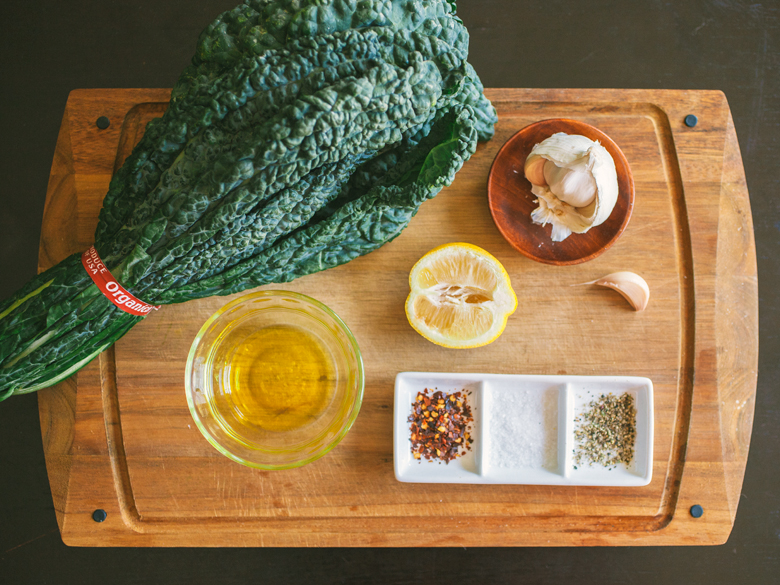
  • 1 bunch dinosaur/lacinato kale
  • 1 lemon, juiced
  • 1½ tbsp. olive oil
  • ½ clove garlic, minced
  • ¼ tsp. red pepper flakes
  • Salt and pepper, to taste
  • Toasted pepitas, avocado, gluten-free breadcrumbs (optional)

Directions:

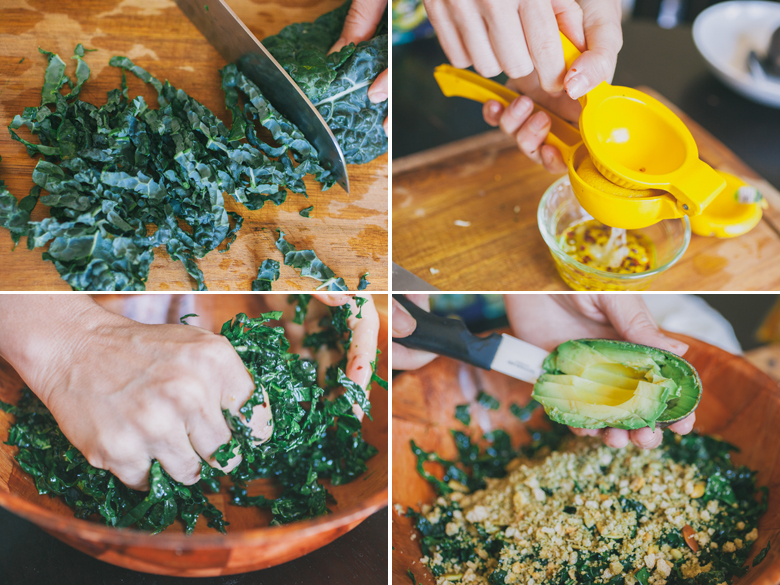
  1. Wash kale and remove stalks. Slice thinly and place in a large bowl.
  2. In a separate bowl, whisk together lemon juice, olive oil, garlic and red pepper flakes. Season with salt and pepper.
  3. With clean hands, massage dressing into kale for several minutes until leaves soften. Let sit for 5 minutes to soak up the flavors.
  4. Top with toasted pepitas, avocado and gluten-free breadcrumbs, if you so choose.
Photo credit: Daily Candy

Photo credit: Daily Candy

Want more of Elise’s skintastic recipes? Download her Skin Detox eCookbook here, and keep an eye out for the second edition, due later this summer.

The 10-minute self-check that could save your life

Self-exams can alert you to changes in your skin and aid in the early detection of skin cancer Photo credit: PreventCancer.org

Self-exams can alert you to changes in your skin
and aid in the early detection of skin cancer
Photo credit: PreventCancer.org

Skin cancer is the most common of all cancers, afflicting more than two million Americans each year, a number that is rising rapidly.

But the good news is that it’s also the easiest to cure – if diagnosed and treated early.

This is why the Skin Cancer Foundation recommends monthly head-to-toe skin self exams, so you can find any new or changing lesions that might be cancerous or precancerous.

“Checking your skin for skin cancer only requires your eyes and a mirror,” said Thomas E. Rohrer, MD, FAAD, a board-certified dermatologist in Chestnut Hill, Mass. “Examining your skin only takes a few minutes, but it could save your life.”

If You Can Spot It, You Can Stop It

Here’s a step-by-step guide for checking your skin, which should take no more than 10 minutes:

  1. Stand in front of a mirror and start by looking at the front and back of your body.
  2. Raise your arms and examine the right and left sides of the body.
  3. Bend your elbows, looking carefully at your forearms, upper underarms and palms.
  4. Next, examine your entire leg (don’t forget backs, soles and between toes!).
  5. Then, examine hard-to see areas like your back, buttocks and top of head.
  6. Use a mirror to inspect the back of your neck and scalp, parting hair for a better view.

ABCDE’s of Melanoma

The American Academy of Dermatology’s recommends seeking treatment if any of your moles exhibit the following signs:

a-asymmetryA – Asymmetry: Normal moles or freckles are completely symmetrical. Be suspicious is one half of the spot is unlike the other half.

b-borderB – Border: The spot has an irregular, scalloped or poorly-defined border, which could include blurry or jagged-looking edges.

c-colorC – Color: The spot has varying colors from one area to the next, such as shades of tan, brown, or black, or with areas of white, red or blue.

d-diameterD – Diameter: Melanomas are usually greater than 6mm, or about the size of a pencil eraser when they are diagnosed, but they can be smaller.

e-evolvingE – Evolving: A mole or spot on your skin that looks different from the rest or is changing in size, shape, or color.

“Current estimates show one in five Americans will be diagnosed with skin cancer in their lifetime, so it’s important to be familiar with your skin, especially your moles,” said Dr. Rohrer. “Catching skin cancer early is key for successful treatment, so check your skin regularly and see a board-certified dermatologist if you spot anything suspicious.”

Dietary self-defense: 5 tips for avoiding popular food label traps

honest_labels_600

Food labels: More than meets the eye

Confused about calorie counts? Don’t know the difference between “low-fat” and “reduced fat” when it comes to your favorite foods?

You’re not alone.

In an online survey of more than 25,000 respondents in 56 countries, market research firm Nielsen found that 59 percent of consumers admitted they have difficulty deciphering nutritional labels on food packaging.

Another 78 percent also said they’re trying to lose weight through dietary changes – which begs the question: How can we be effective at doing that if we’re not really sure what we’re eating?

foodaisle_4

The fact is, most people don’t understand enough about what’s on food labels to make an informed choice about what’s best for them.

So next time you find yourself strolling the aisles, cut through the confusion by familiarizing yourself with the five most common tricks when it comes to food labeling:

1. Serving Size.

Although the numbers are based on a single serving, the package may contain several. Do the math and make sure to multiply accordingly – it adds up.

2. Calorie Count. 

When it comes to numbers, think quality over quantity. Some healthy foods are higher in calories (likewise, there are unhealthy foods that are low in calories but high in sodium or sugar), so it’s important to factor in nutrient density when making meal choices.

3. Ingredient List.

Say the first ingredient listed in chocolate cake is enriched bleached flour. Sounds healthy enough, right? Wrong. Even though ingredients are listed in order of descending amounts, some items are used in several forms (e.g. sugar) and listed under various names (i.e. corn syrup, fructose, juice concentrate), so be sure to add ’em up to determine true amounts.

4. Percentages.

Here’s where food makers deploy another trick of the trade. Take two percent milk, for example; we assume it’s 98 percent fat-free, but what it actually means is that two percent of the weight of the milk is fat (whole milk is four percent, FYI).

So while two percent is reduced, it’s not low – in fact, about 30 percent of the calories in a cup of two percent milk come from fat. The same applies to ground meats, so when in doubt, buy skim and go for the highest percentage of lean you can find.

5. Terminology.

Think “reduced” and “low” are the same thing? Think again. A food that says reduced simply means it contains at least 25 percent less of something.

Soy sauce, for example, may contain less sodium than the original version, but that doesn’t mean it’s “low” in sodium (in fact, one tablespoon packs about 700 milligrams, closing in on your daily cap of 1,500 to 2,300 milligrams). When in doubt, check labels and compare against dietary guidelines to determine whether or not the label is misleading.

Want a good laugh on the subject? Check out comedian Brian Regan‘s bit about food labels here.

Will the real carb culprit please stand up? (Part II – and Giveaway!)

donut-carbohydratesInterested in trying the TurboCharged program for yourself? Here’s your chance – we’re giving away one FREE copy of the book! Details at the bottom of the post…

In part one of my interview with health expert and TurboCharged author Tom Griesel, we spoke about the different types of carbohydrates and how the body processes them, along with the best foods to eat to help prevent excess fat storage.

Next up, I wanted to get into the nitty-gritty of his program, which stems from the Griesel’s belief that by learning to work with your body and feeding it the correct type of foods, you can automatically improve the way it functions and looks.

Here we chat more about role of exercise in his healthy lifestyle plan, along with how he can help ‘Turbocharge’ your body’s fat burning abilities to radically improve your body (and mind) in a short period of time.

Photo credit: Superskinnyme.com

Photo credit: Superskinnyme.com

In your book, ‘TurboCharged,’ you talk about helping people make the switch from using sugar to fat as fuel for the body. Can you elaborate on that?

There are two fuels that our bodies will use: sugar or fat (three if we include alcohol). We are also in either a fat-storage or fat-burning mode, depending on what types of food we choose to eat.

By eating a diet more in line with our ancestral or evolutional adaptations, and avoiding a constant stream of concentrated carbohydrates and the subsequent insulin release and fat storage they promote, our bodies become accustomed to using more fat—including our body fat for our energy needs.

Without our diet increasing the hormones that store excess sugar as fat, we are then able to use our own body fat for energy, as well as being better nourished.

Another important point is that most “sugar burners” will convert lean body mass into sugar for energy instead of sourcing their body fat due to an easier conversion process and a preference for sugar. Loss of lean body mass is the main cause of diet failure and recidivism.

Give us a quick overview of a ‘day in the life’ of the program.

First, more water is consumed, particularly first thing in the morning, to ensure adequate hydration needed for normal body processes. Metabolic waste is meant to be eliminated through the kidneys. When the kidneys can’t handle the job due to inadequate hydration, the liver is forced to do the job (definitely not optimal).

The morning is the most important time, because we usually use about a quart of water for normal respiration and metabolic function overnight while we are sleeping.

Water is also not sipped but used in larger quantity to fill the stomach. Doing so has the same effect as various bariatric surgeries. Satiety hormones are released when the stomach is full. Many studies confirm this happens with food, liquid or a combination of the two.

Next, when we are actually hungry, we choose a food that is more in line with our ancestral diets: fruits, leafy greens, non-starchy vegetables, nuts, seeds, legumes, eggs, meats and seafood (all high nutrient per calorie and mostly moisture-rich).

Meals are also very simple with just a few different ingredients and often just one item (mono-meals). This speeds digestion, eliminates common digestive problems, and most importantly, increases fat burning by greatly reducing the release of insulin—the fat storage hormone—which can be triggered by large meals or combinations of foods.

Engaging in low-to-moderate activity as much as possible is encouraged, along with one-minute periods of strength training three to five times each day, stress reduction techniques and a good night’s sleep.

Can you share one of your favorite tips for readers who want to start incorporating healthier habits into their day?  

Thirst and hunger are often confused. This is probably because our natural diet always consisted of very moisture-rich foods that supplied water and nutrition at the same time. Today, many people confuse thirst for hunger and eat when they should be drinking water. Choosing the wrong foods or beverages when this happens only compounds the dehydration problem.

And, finally, as a long-distance runner, I’ve got to ask: How does exercise come into play in your plan?

Exercise is good for us. However, too much exercise is just as bad as too little, particularly if losing excess body fat is the goal. Exercise is a very inefficient way to manage caloric intake and lose excess body fat.

In fact, when a reduced-calorie diet is being implemented, less exercise is better than more and low-intensity activity is better than more strenuous exercise. This is because the combination of reduced calories and strenuous exercise such as aerobics results in the loss of lean body mass due to the inability to source body fat quickly enough to adequately fuel the activity. This is particularly true for sugar burners whose bodies would rather convert protein to sugar rather than using their excess fat.

Light resistance exercise, for about one minute, three to five times per day is sufficient to maintain (and in some cases build) lean body mass while dieting. On a normal calorie intake, when performed regularly with intensity, it is sufficient to build and strengthen without creating excess stress.

All stress, good or bad, results in the release of catabolic (muscle-wasting) hormones and is best avoided. Loss of lean body mass from any cause, including strenuous exercise, triggers primal survival mechanisms that will cause anxiety and feelings of hunger until the lean body mass is returned. When faced with this situation, eating a typical diet will result in most of the weight regained being fat, not muscle.

GIVEAWAY:

One KineticFix reader will have the chance to win his/her very own copy of the book. (Open to U.S. and Canada residents only).

To enter:
1. [Mandatory] Leave a comment below telling me why you want to get TurboCharged on Tom’s program
2. [Optional] Tweet the following, “I want to win a copy of ‘TurboCharged’ from @KineticFix and @TurboChargeDiet wp.me/p3iGmO-cT ”

I will randomly pick a winner on Thursday, June 13. Good luck!

Will the real carb culprit please stand up? (Part I)

Photo credit: Stack.com

Photo credit: Stack.com

In the battle of the bulge, carbs often hold enemy status.

But, as it turns out, to carb or not to carb isn’t the real question when it comes to weight loss; what matters more is the type of carbs you’re consuming.

Why? Well, not all carbs are created equal when it comes to how our bodies process them, say health experts Dian and Tom Griesel, authors of TurboCharged, a lifestyle plan that claims to help people “quickly lose excess body fat and keep it off.”

Are you among the 75% of adults who consume less than three servings of veggies per day?  Photo credit: Turbocharged.us.com

Are you among the 75% of adults who consume less than three servings of veggies per day?
Photo credit: Turbocharged.us.com

The problem is this: All carbs are converted to blood sugar, which is then converted to either glycogen (short-term energy) or body fat (long-term energy).

Eat a steady stream of carbs, and your glycogen tank is always topped off, so your body never dips into its fat stores.

The solution? A diet rich in what the Griesels term ‘diluted’ carbs (fruits, veggies, etc.), which are much more moisture-rich and nutritionally-dense than traditional ‘concentrated’ carbs, which tend to mess with our systems.

To learn more, I sat down with Tom Griesel about this carb conundrum. The first half of our interview is below.

Tell us, why have carbs gotten such a bad rap?

Perhaps because all carbohydrates are traditionally lumped into a single category, or alternatively considered as either simple or complex. However, the fact is that there are simple and complex carbohydrates (starches and sugars) and also concentrated and diluted carbohydrates (grains and fruits/vegetables), and each has a different effect after consumption. Also, foods are rarely eaten by themselves—and combinations of foods, including carbohydrates, have different effects on our digestive and hormonal systems when compared to eating a single food alone.

So is there such a thing as ‘good’ and ‘bad’ carbs?

We believe the biggest differentiator is in concentrated carbohydrates vs. diluted or naturally moisture-rich carbohydrates. Concentrated carbohydrates have a different hormonal effect than naturally moisture-rich and fiber-rich carbohydrates. In addition, processed foods usually contain significant amounts of carbohydrate along with a totally unnatural combination of ingredients.

Why do specific combinations (e.g. sugar/fat) take more of a toll on our bodies?

Sugar/fat combinations or starch/fat combinations are not found in nature. They are a very recent (from an evolutionary standpoint) artificial addition to our diets. We are now eating stuff that was never available prior to the last 50 years or so. This combination has been found to be the most likely to result in fat storage (think potato chips, french fries and donuts).

These combinations are common in almost all popular processed-food products consumed today, and the typical American diet is built around them. Our bodies are just not adapted to process these combinations without problems. We are unwittingly participating in a huge dietary experiment that is obviously turning out badly, based on the rapid rise in almost every chronic ailment known.

Tell us why you attribute the consumption of grain to the rise of obesity, diabetes, heart disease and other significant illnesses.

Some societies have been eating grains for a while (about 10,000 years or so, which is actually very short from an evolutionary perspective), but the time period for most humans has been much less. Grains are what we would classify as concentrated carbohydrates.

Grains also score very low on a nutritional value-per-calorie basis when compared to leafy greens, non-starchy vegetables and fruits that humans evolved eating over hundreds of thousands of years. Grains provide a concentrated form of calories but few nutrients compared to other readily available choices (that we are better adapted to process).

It is important to understand that there is really not much of a difference in the way our bodies process them regardless if they are whole or refined. They are all broken down quickly into sugar. This concentrated form of sugar, even in what would be considered relatively small amounts, will cause a spike in blood sugar levels.

And why is this spike in blood sugar problematic?

High blood sugar levels signal the body to release insulin to stabilize the situation. Most of the excess sugar is converted and stored as body fat, particularly in people who regularly consume a steady supply of carbohydrates throughout the day. Excess concentrated carbohydrate consumption is the cause of metabolic syndrome.

Are there any particular foods we should eliminate from or add to our diet for better overall health?

It is now widely believed that almost everyone has sensitivity to wheat, wheat products and other products containing gluten, which cause gastrointestinal problems even without any diagnosis of celiac disease. Between intestinal damage, causing decreased nutrient absorption and low nutrient content, a grain-based diet leaves many people fat yet malnourished.

The very best choices are moisture-rich, nutrient-dense foods: fruits, leafy greens, non-starchy vegetables, nuts, seeds, some tubers and legumes, eggs, animal proteins/fats, fish and other seafood (meat and fish are over 60 percent moisture content prior to cooking). Avoid processed foods.

Stay tuned for part two of our interview in which Tom discusses the role of exercise in his healthy lifestyle plan, along with how to ‘TurboCharge’ your body’s fat burning abilities… 

DIY Beauty: Instant Egg White Face Lift

face-mask_LifeAuraDotComLooking for a quick and easy way to tighten skin and freshen up before a big event?

Check out this all-natural recipe from Indie Lee, founder of her eponymous all-natural skincare line Indie Lee & Co, for an at-home, instant face lift.

What you need:

  • 1 cold, fresh medium egg
  • 1 teaspoon corn starch

How to make it:

  • Separate the egg, keeping the white (toss yolk and shell)
  • Whisk egg white and cornstarch together in a small bowl
  • Apply to clean skin, and let sit for 20 minutes before rinsing off

Helpful tips:

After applying the mask, try to lie on your back or gravity may pull the mask downward. Also, as the mask hardens you will not be able to move your face very well. Don’t be alarmed; as soon as you splash warm water on your face, it’ll soften up.

Is your nail salon safe?

healthynails

Keep nails looking – and feeling – good by being choosy about where you get your next mani/pedi

A trip to the nail salon is usually associated with something positive, be it a special occasion or mid-week treat.

But while most establishments follow strict cleanliness and disinfection guidelines, others throw caution to the wind – putting you at risk for unsightly (not to mention painful) nail fungus, bacterial infections, plantar’s warts and more.

So what can you do to prevent a potential mani/pedi predicament?

First, look for the following when visiting a salon:

  1. Does your nail technician have the necessary experience and/or license, if required?
  2. Are the stations clean?
  3. Does the nail technician wash her hands between clients?
  4. Are there dirty tools lying around?
  5. How well do they clean their tools?

Next, consider the following advice from board-certified dermatologist Phoebe Rich, MD, FAAD, a clinical adjunct professor of dermatology at Oregon Health Science University in Portland:

  • Wait to shave your lower legs until at least 24 hours after getting a pedicure
  • Consider purchasing your own tools and bringing them with you to the salon
  • Check that the pedicure foot baths and filters are thoroughly disinfected between uses
  • Avoid reapplying the same color if nails have become yellowed and discolored from polish
  • Steer clear of strengthening polishes, which may make nails more prone to breakage
  • Do not wear artificial nails to cover up nail problems (e.g. fungal infections or brittle nails)

Finally, if the salon does not appear clean…choose another one! And if you have any symptoms of infection or questions and concerns about caring for your nails, make an appointment to see a board-certified dermatologist.

Healing our hearts and minds in the aftermath of the Boston Marathon

A woman kneels and prays at the scene of the first explosion on Boylston Street near the finish line of the Boston Marathon on April 15. (Credit: Getty Images)

A woman kneels and prays at the scene of the first explosion on Boylston Street near the finish line of the Boston Marathon on April 15. (Credit: Getty Images)

After being glued to the TV, transfixed by social network updates and in a perpetual state of prayer for the safety of Boston residents and law enforcement last week, many of us are feeling emotionally drained in the wake of the marathon bombings and subsequent manhunt.

Such tragedies and shocking news events are not only beyond stressful for those involved, but they can also impact those of us who are observing from afar. Plus, it’s easy to feel overwhelmed when we’re bombarded with emotionally-charged images and graphic descriptions in today’s 24/7 news cycle.

I sat down with media psychiatrist and bestselling author Dr. Carole Lieberman to discuss the emotional impact of last week’s gruesome events – and how we can begin to move forward from here.

Kinetic Fix: There seems to be an uptick in these horrendous acts in our society; would you hazard a guess as to why?

Dr. Carole Lieberman: The world definitely seems to be spinning out of control with more violence than ever. There are many reasons for this, including desperate people wanting their 15 minutes of fame, copy cat crimes, a bad economy that’s dragging on for too long, violent media (especially violent video games), children being raised in single parent homes, and increased stress in general.

What kinds of feelings are normal after an event such as the Boston bombings?

People will feel anxiety, depression, insomnia, a desire to stuff themselves with comfort food, and so on.

The psychological impact of the Boston Marathon terror attack is to trigger the Post-Traumatic Stress Disorder that is still laying dormant in us from 9/11. The similarities between the Boston attack and 9/11 trigger our memories. These similarities include there being two bomb blasts in mid-city with buildings crashing on top of people and people running in a panic on an otherwise beautiful sunny day. On top of this, the ricin letters are triggering our memories of the anthrax letters that followed soon after 9/11.

At what point should we consider seeking help from a doctor?

If your symptoms last more than two weeks, or if it is interfering significantly with functioning well in work and family settings, you should consider seeing a mental health professional for psychotherapy and, in some cases, medication.

What are some steps we can take to alleviate our feelings of anger, sadness, hopelessness, etc.?

There are many things you can do to alleviate these symptoms, such as spending more time with your family and friends, going to religious services, volunteering to help people who are less fortunate and spending time in nature.

Finally, what would your recommendation be to those of us who may feel as though we are losing our faith in humanity?

It’s easy to lose one’s faith in humanity after reading one violent headline after another and feeling like the world is filled with evil people. The antidote to this is surrounding yourself with people who have a lot of humanity, such as people involved in your church or those who are volunteering to help the less fortunate.