If at first you don’t succeed…

IMG_3768 jh

…trail, trail again!

That was the theme this past weekend as Hubby and I tried to squeeze in one last trail run before my 50K on May 31.

Our first attempt was on Saturday morning in Marin. We’d done the Tennessee Valley Trail once before, but ended up cutting off about two miles because A) navigating trails is never easy, and B) if there’s a way to get lost, I’ll find it.

photo 2 (1)

So this time we were determined to hug the coastline and reclaim those lost miles. No matter what — even if it meant going down a single-track trail that slowly disappeared into thick brush.

Long story short? Some of that “brush” we were wading through turned out to be poison oak.

Combine that with four snake sightings, plus something hissing at me under a rock (my guess is snake no. five), and Hubby and I high-tailed it back to the car and called it a day after two miles.

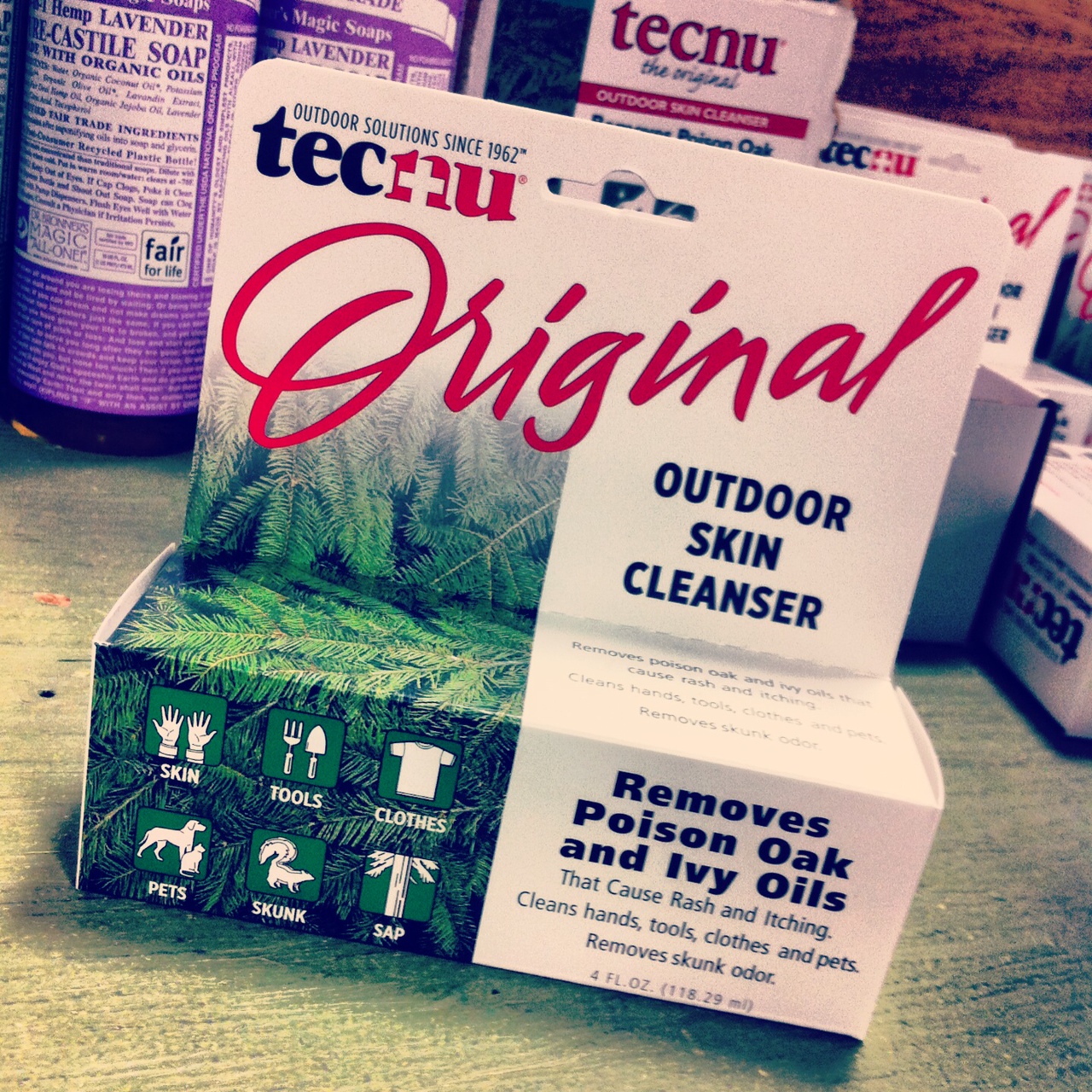
But not before stopping to pick up the skin-saving miracle called Tecnu. We slathered ourselves in it head-to-toe, and so far so good…

photo 1 (1)

Cut to trail attempt, take two, on Sunday where we decided that a 13-miler around Lake Chabot — the scene of my 30K this past February — might be a better option.

The poison oak and another snake sighting (yup, both are all over right now) turned out to be only minor annoyances, though, as compared to another factor that reared its ugly head: heat.

Our “summer” — i.e. foggy, barely 60-degree — days have definitely softened us. Despite drinking all the water in my vest, I was still super dehydrated by the time we finished (but my fueling was good, as you can see — thanks, Hubby, for catching me mid-mouthful).

IMG_3771 jh

Although we both spent the remainder of the day trying to re-hydrate — seriously, we couldn’t get enough water — it was a great reminder going into my race to drink more frequently.

In fact, experts say that performance is impaired when you’re dehydrated by as little as two percent of body weight…and we experienced that firsthand when we both started dragging in the later miles.

But working out the kinks aside, you can’t really complain too much when you’re running with these kinds of views.

photo 3

After all, as one fellow trail runner said to us in passing, “It’s just another horrible day in paradise, isn’t it?”

Happy trails, friends!

‘Tri’ a new challenge to kick off summer fitness

Tri1

Think triathlon is only for elite athletes and endurance junkies? Think again.

According to USA Triathlon, participation in triathlons in the United States is at an all-time high. The group’s membership has grown exponentially from around 100,000 in 1998 to 550,446 when last reported in 2012.

The Sports & Fitness Industry Association also estimates that the total number of triathlon participants rose 59 percent from 2008 (1,251,000) to 2011 (1,992,000), thanks to the rise in popularity of endurance sports.

And — let’s face it — if I can do it, anyone can!

Why Tri?

  • Beat boredom by switching focus between swim/bike/run
  • Get in shape from head to toe with weekly full-body workouts
  • Reduce risk of overuse injury in one sport, thanks to cross-training
  • Develop a lean, mean body with endurance & resistance training
  • Fall into a more healthy, balanced lifestyle (nutrition & sleep are necessities!)
  • Reap the benefits of being highly organized around training
  • Reduce stress on the body with swimming & cycling, which are non-impact
  • Drop pounds, thanks to high-intensity cardiovascular training
  • Give more purpose and motivation to your workouts by setting a goal event
  • Lower blood pressure, prevent heart disease & diabetes, reduce risk of osteoporosis
  • Choose from a variety of distances for an individualized challenge

How to Get Started: 

  1. Pick a distance.
  2. Choose an event.
  3. Find a training plan.
  4. Prepare for the big day.
  5. Enjoy your first race.

So why not ‘tri’ something new this summer? You just may like it!

Nike Women’s Marathon SF: Week 10 training recap

You may be experiencing the first signs of fall elsewhere, but we’ve just officially started summer here in San Francisco!

wk10-16

Temperatures began a slow climb during the week and peaked in the 80’s, just in time for a picture-perfect weekend. No better motivation to get outdoors and tackle my week 10 workouts:

  • Tempo run – 5 mi
  • Track workout – 8 x 800s
  • Long run – 15 mi

Tuesday’s tempo run got off to a bit of a rocky start, though. I was sick in bed for most of Monday with a migraine (great way to spend a holiday, huh?), so I was feeling out of sorts and decided to ease in to things with a nice, scenic loop by the Golden Gate Bridge.

wk10-2

As I warmed up, however, I felt better and started to get caught up in my surroundings (case in point: catching sight of the Banana Slug below!). Before I knew it, the five-miler quickly morphed into seven.

wk10-1

Even with all this mileage, I’m still trying to maintain balance by doing a variety of cross training. Not only does it help to strengthen opposing muscles and (fingers crossed) keep injury at bay, but it’s also a relief to change things up mentally. At this point in the program, lacing up running shoes over and over for long runs can start to feel like Groundhog Day.

Speaking of…I’ve been getting a few questions about training, particularly:

Are you actually having fun doing this? And, does a 15-mile run seem short at this point? 

The short answers: Not always, and no. Don’t get me wrong, there are parts of the runs that I really enjoy (i.e. when they’re complete!), especially as I get into better and better shape…but I’ll be the first to admit that it’s not always “fun” gearing up mentally – and physically – for the really long ones.

So why do it? I like the challenge. The fact that I can get competitive with my past self, and kick her butt. And keeping the larger goal (crossing the finish line) in mind helps, especially when it means cutting Friday evenings short so I can get up at the crack of dawn on Saturday to hit the streets.

Source: Nike

Source: Nike

As for the second question, I was discussing it with a fellow running pal, and we agreed that a distance like 15 miles is just that – 15 miles! While it’s shorter, in comparison, to the longest training runs (anywhere from 20-24 miles), it still requires a certain level of preparation, recovery and recuperation – more than, say, a six or eight-miler.

But it’s all about finding tricks to keep yourself motivated and moving forward. My secret? Bribery. Namely with new training gear and tools.

One of my latest preoccupations has been keeping my hair out of my face during workouts. There’s nothing more annoying than stray strands getting caught in eyelashes or stuck to a sweaty cheek, particularly when you’re in the middle of a growing-out phase, like me.
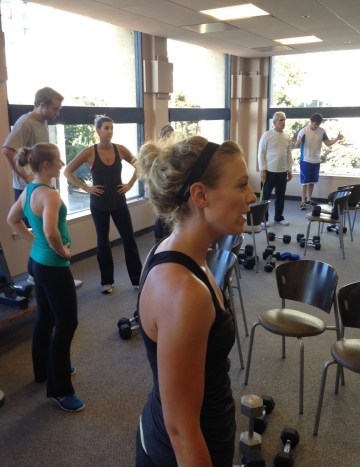
image (3)

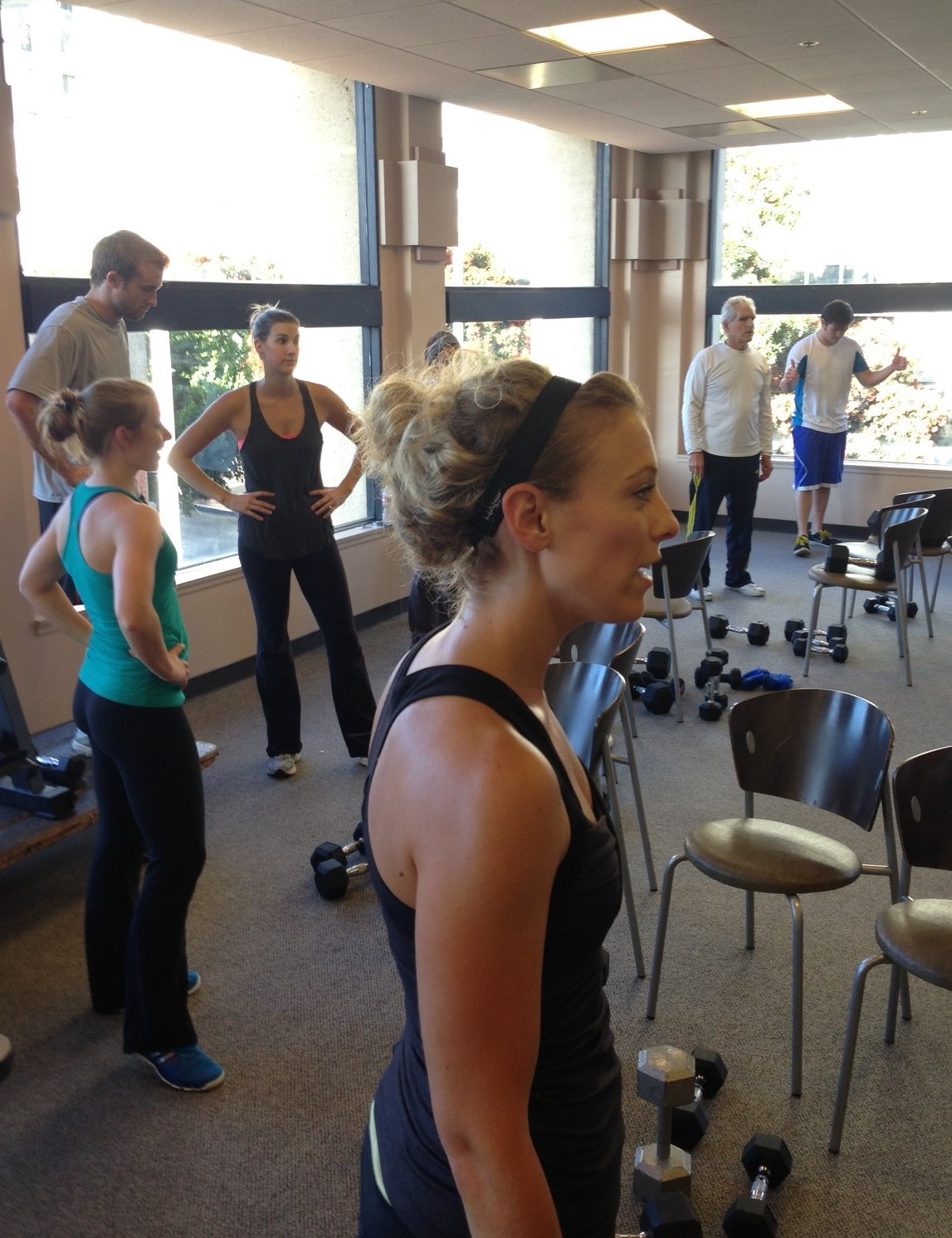
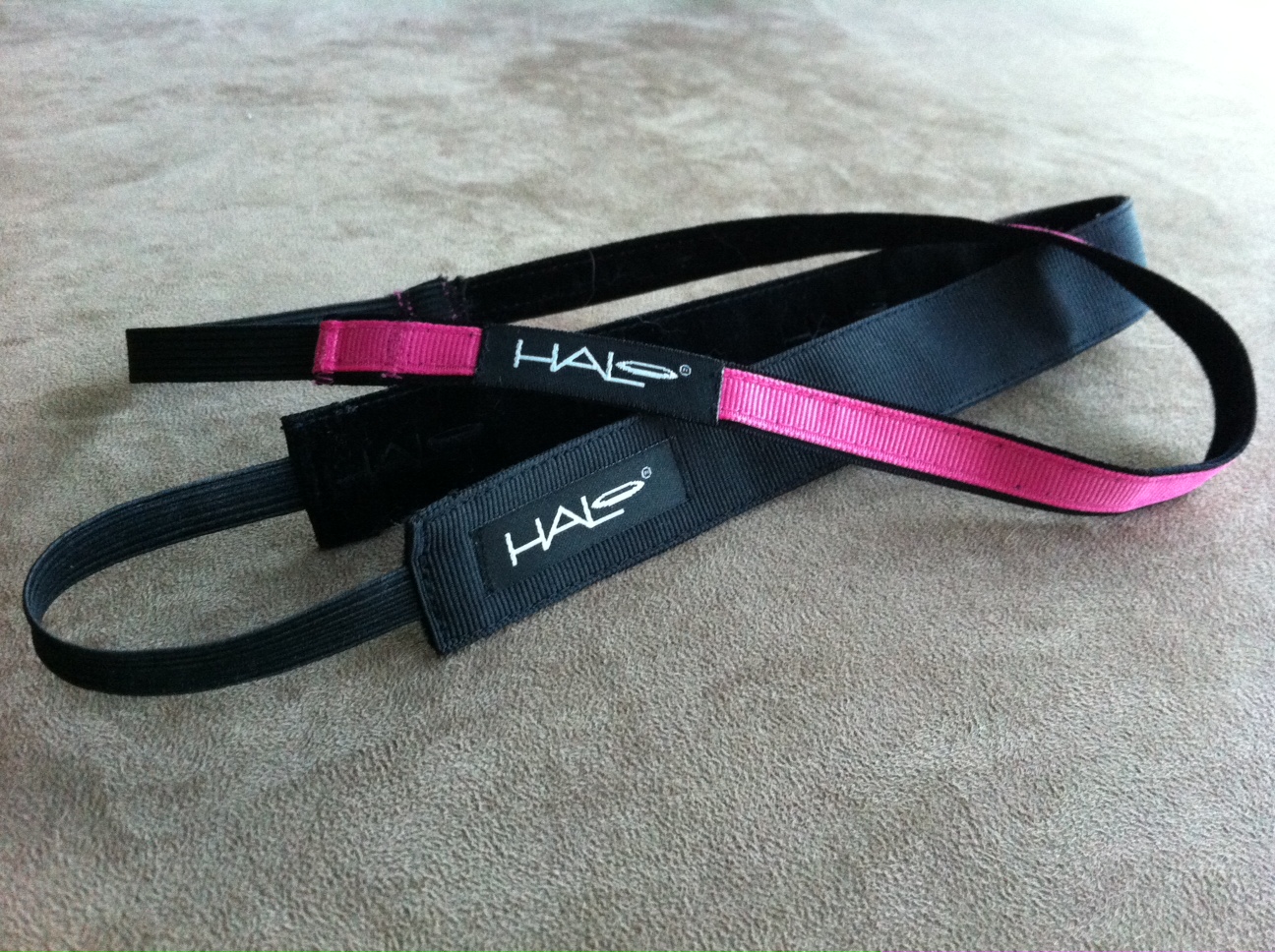
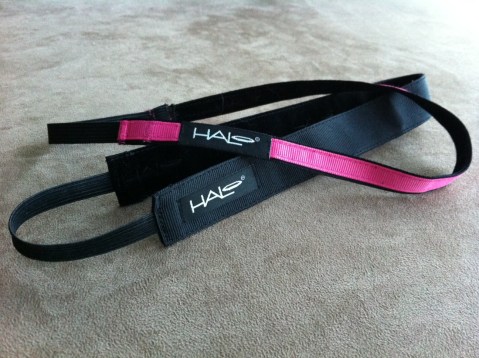
So I’m on bit of a hairband bender, and Halo Headbands have been my recent drug of choice. They sent me two to test out – the 1/2″ and 1″ versions ($10 each) – both of which performed well during a rigorous boot-camp class (above) and track workout (below).

wk10-5

Where other hairbands tend to creep back during workouts, these stayed put, even when my bun exploded out of its elastic during high-impact plyo jumps. But the true test is the “shirt change,” meaning you can change your top without it slipping off. The Halos passed with flying colors, thanks to the special suede-like grippy inside strip.
wk10-3

Hair under control, I was free to focus on the task at hand – namely, my Thursday 800’s on the track, which were supposed to be in the 3:45-3:48 range.

I started out just under pace, with 3:38, but then slowed by a second or two over the course of the next four (up to 3:44). Not good! The goal is to try to keep them all within a range of a few seconds, so I increased the rest between each interval and was able to decrease the pace over the next three, ending with a 3:33.

wk10-4

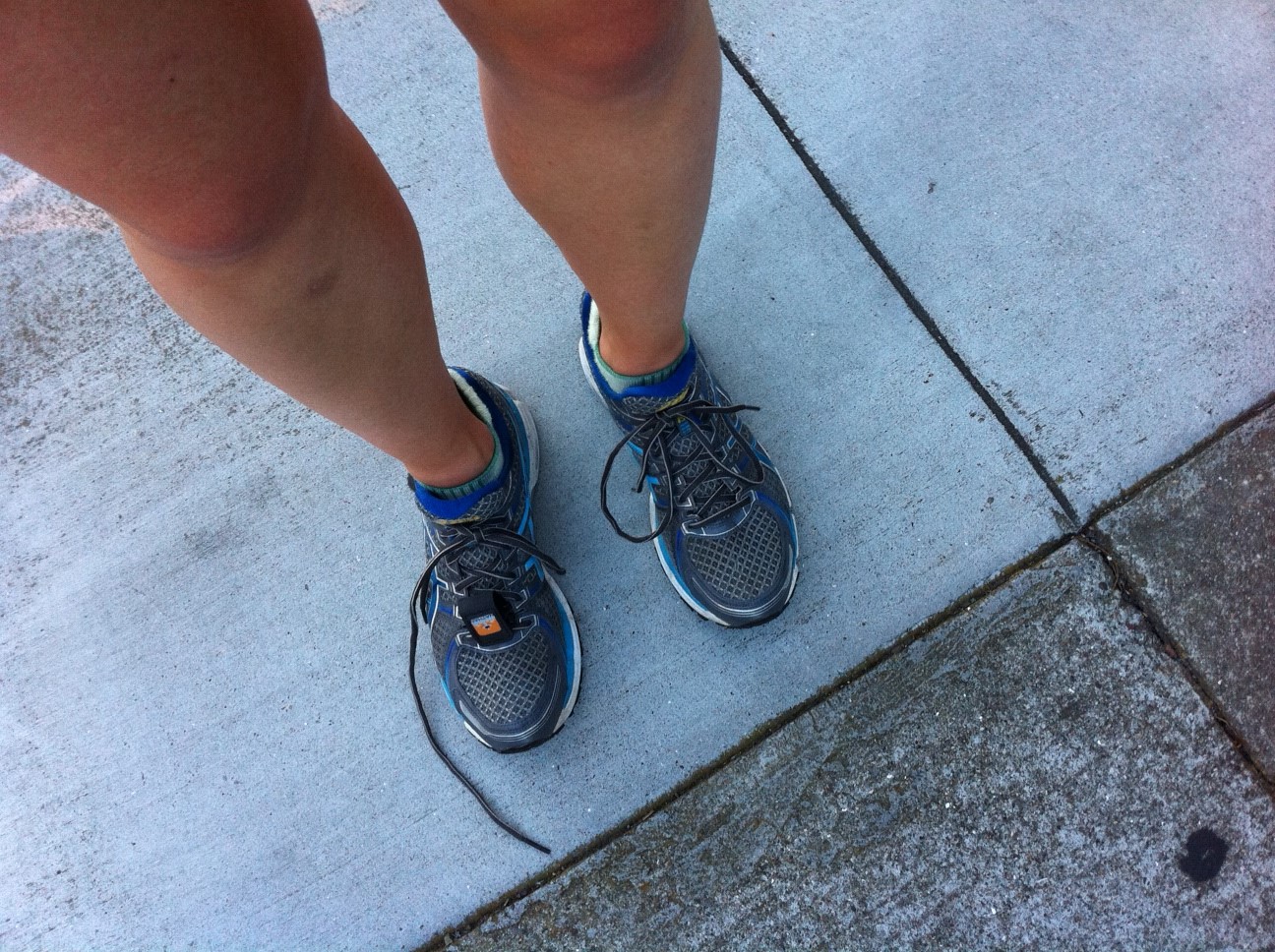
Fast forward to Saturday’s long run…it took me more than two miles to get loosened up and into a good rhythm. And then this happened! Annoying, but it’s a great reminder to double-knot for race day, so there are no unnecessary pit stops early on.

wk10-6

Since the weather, was so nice, I plotted a water-inspired route. First major landmark: the Pacific Ocean, by way of the Great Highway.

wk10-7

It was still early enough that the beach was quiet, aside from a few surfers.

wk10-8

I couldn’t resist a quick walk in the sand, although I was only about five miles in, so I didn’t stop for long.

wk10-9

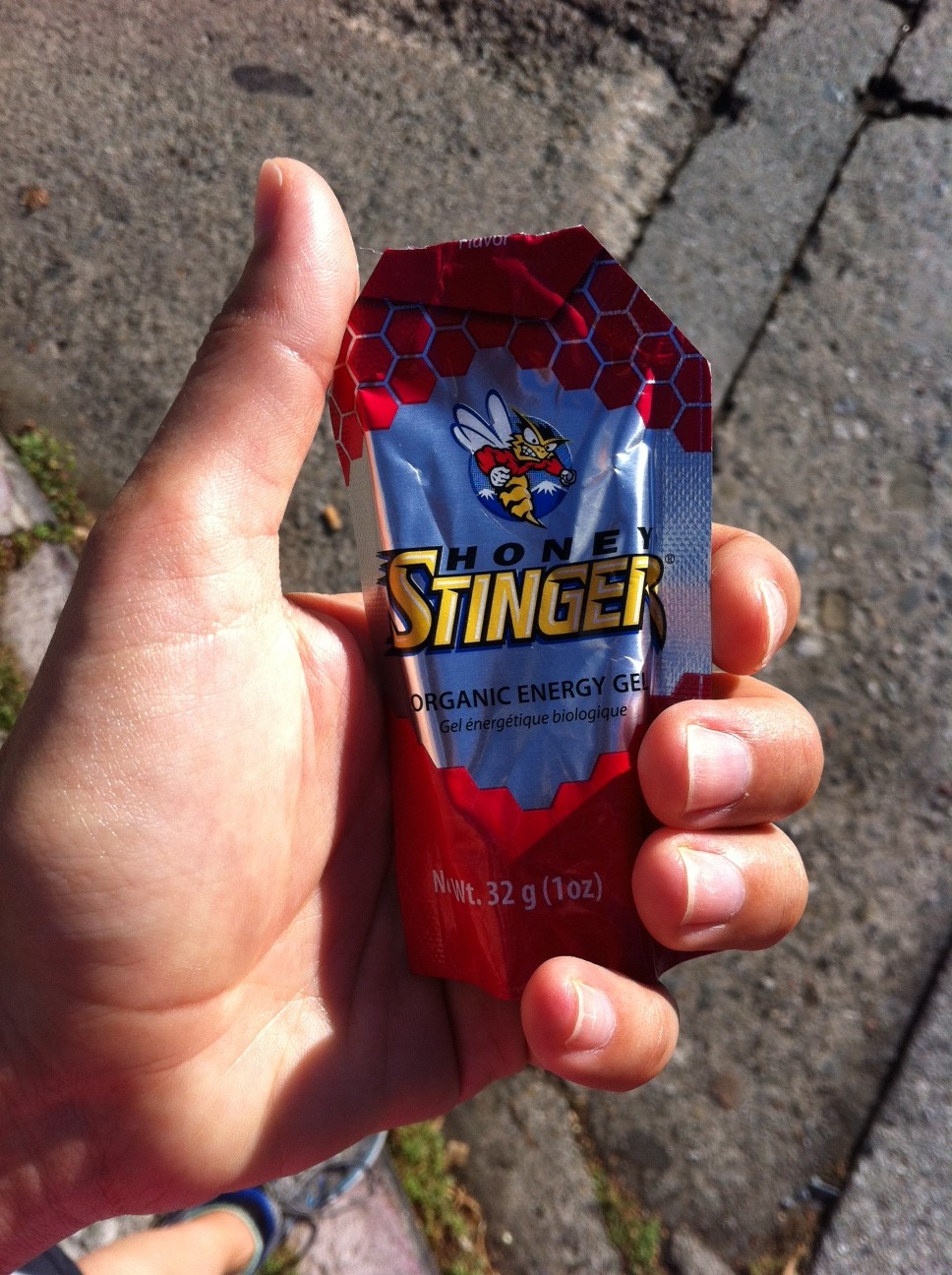
Next stop? Our body of water on the other side of town: the bay. I decided to experiment with Honey Stinger gel, a new mid-run fuel, to keep my energy up for the city portion of the run. It’s runnier than other gels, but much more palatable with a high honey content, so this will definitely be one I use again.

wk10-11

By the time I hit the Ferry Building along the Embarcadero (eastern waterfront and roadway of San Francisco), the weekly farmer’s market was in full swing. Unfortunately, there was also a cruise ship docked at one of the nearby piers, so I spent the next few miles dodging tourists and luggage.

wk10-12

My ultimate destination was Aquatic Park Cove, where Ben was doing an open-water swim with a few friends. The final landmark before that was Fisherman’s Wharf, though, where I got to see the morning’s catch firsthand.

wk10-13

My legs still felt pretty strong by the time I hit mile 14, but the beating sun and rising temperatures were starting to zap any remaining energy. Luckily, I hit the cove – and mile 15 – just in time for a warm welcome from the water from the big guy.

wk10-14

Not the speediest of runs, so I’m excited to join the group again next week. The miles are a lot more fun with a side of laughs and great conversation!

wk10-17

I didn’t bring my suit, but I did free my feet from those shoes and take a well-deserved dip. The water was around 63 degrees – chilly, but much more do-able than the ice bath I am considering for after next week’s long run (a 20-miler!).

wk10-19

Time to get psyched up for week 11…stay tuned!

Thanks to the folks at Halo Headbands for providing samples for review; all opinions are my own. 

Easy ways for athletes to stay sun-safe in all seasons

Photo credit: SkinCancerPrevention.org

Photo credit: SkinCancerPrevention.org

It’s a scary, but true, fact: Athletes and outdoor enthusiasts have a higher risk of contracting sun-related skin cancers because of the increased amount of time spent in the sun, coupled with a lack of protective clothing and near-constant sweating.

If you’re a regular exerciser, you’re probably already familiar with a multitude of skin conditions (hello, blisters and chafing!), but the most important precaution to take year-round is protecting skin from wrinkle-inducing UV rays.

Below are five rules to follow to keep sun damage at bay, whether you’re headed outdoors for work or for play:

Tip #1: Seek shade when the sun’s rays are strongest.

Sometimes the best solution is the simplest. Prone to sunburn? Stay out of the sun’s rays when they’re at their peak (usually between 10 a.m. and 4 p.m.). Studies have also found that sweat can increase the sensitivity of skin and over-exercising can suppress the immune system, making athletes more susceptible to the damaging effects of the sun.
Tip #2: Create a barrier with clothing and accessories.
A plain old cotton t-shirt offers sun protection of only about SPF 7, and even less when it’s soaked with sweat. So go for gear from brands that offer additional defense, such as Mott 50, which combines both fashion and function in a line that is approved by The Skin Cancer Foundation and offers UPF sun protection in every garment.

Check for labels with an Ultraviolet Protection Factor (UPF) seal, which means that the fabric blocks UVA and UVB rays. Alternatively, you can also toss your favorite clothing in the laundry with SunGuard, a product that adds the equivalent of an SPF of 30 for up to 20 washes.

Tip #3: Hydrate and eat skin-soothing foods.

Skin acts as the first line of defense for our bodies, so help reinforce its effectiveness from the inside out. Supplementing your diet with vitamins (A, E and C, in particular), essential fatty acids and powerful antioxidants (such as those found in green tea) helps to promote cellular turnover, fight wrinkles and maintain that natural post-workout glow.

Tip #4: Protect those peepers.

Unflattering crow’s feet aside, sun exposure without proper eyewear (wraparound lenses treated to block both UVA and UVB rays) can also raise your risk for skin cancer on the eyelids, cataracts and macular degeneration. And on the bright side (pun intended), brown or amber lenses increase contrast, which can give athletes the added benefit of a competitive advantage.

Tip #5: Apply sunscreen liberally – and frequently.

Did you know that most people only use about 10 percent of the recommended amount of sunscreen? Use enough of the white stuff to fill a shot glass, applying it to exposed areas about 15 to 20 minutes before your workout to allow it to set in. And depending on how much you sweat, reapply every hour or two. Look for brands with broad-spectrum protection, an SPF of at least 30 and titanium dioxide or zinc oxide, which hold up better in heat and are less likely to irritate skin.

A great on-the-go option? Adventuress YouVee Sunscreen Swipes ($24), which provide skin with all the protection it needs against UVA/UVB rays. Packaged in individually-sealed finger pockets, the fragrance- and paraben-free swipes are an easy way to reapply SPF mid-workout, minus greasy residue on hands or fingers. I love to use them during long runs, especially now that I’m marathon training for hours on end. Just tuck one in your shorts pocket, and you’re good to go!

Set sail this summer to reap mind and body benefits

sailing_to_the_sunrise

While many of us consider sailing more of a hobby than a sport (that is, unless, you’re an America’s Cup contender!), its health benefits warrant a second look at this activity as an ideal way to supplement your fitness regimen while maintaining a sense of adventure this summer.

Being out on the water has a profound effect on both mind and body, and below are just a few of the potential positive side effects should you venture on your own voyage this season.

Muscle Strength & Endurance

Many sailing movements require great arm strength (constantly pulling and hoisting the sails in order to direct the boat or yacht), which helps to strengthen muscles of the back, shoulders and thighs.

Cardiovascular Fitness

Did you know that oxygen uptake during sailing can be even greater than when you play tennis or baseball? The more intense the activity, the better, which also reduces your risk of obesity, hypertension and heart disease.

Sense of Well-Being

Salty sea air is supposedly charged with ions that aid in oxygen absorption, which can help balance your levels of serotonin, a chemical produced by the body that is associated with mood.

Stress Reduction

The rhythmic movement of the boat combined with the sounds of lapping water and wind in the sails can influence brainwave patterns, providing a soothing environment that promotes a sense of relaxation.

Balance & Agility

Maneuver quickly around a rocking boat, and you’ll soon discover that a solid set of reflexes, center of balance and hand-eye coordination are a necessity, especially when tacking and gibing.

Focus & Concentration

With a singular goal of staying safe (i.e. not sinking) the crew’s ability to focus increases exponentially, which is an especially important skill for today’s chronic multi-taskers to maintain.

Communication Skills

Both verbal and non-verbal communication is critical to the captain and crew being able to act as a cohesive unit to navigate, tack, or otherwise manipulate the boat through various scenarios.

Collaborative Environment

Finally, sailing fosters great cooperation and teamwork because each person on board has the potential to make an important contribution toward keeping the vessel afloat and running smoothly in the correct direction.

“Learning to sail is just the beginning,” according to the American Sailing Association, the leading authority on sailing instruction and sailing schools in the U.S. (check out their list of sailing schools, by state, for a location near you).

The organization’s certified professionals are capable of teaching all levels of abilities, so there’s no excuse not to set sail – safely and with confidence – this summer!

Simple tips for keeping your cool during summer workouts

Photo credit: Blisstree

Photo credit: Blisstree

Although we wait most of the year in anticipation for them, the dog days of summer can wreak havoc on workouts.

Between heat, humidity and poor air quality, suddenly even the simplest of activities can feel twice as difficult.

But don’t let zapped energy derail your exercise regimen; instead, try these tips for successfully tackling summer sweat sessions.

Mind the time. Early morning and late evening are generally the coolest stretches of the day, so rearrange your schedule to squeeze in a workout without getting beaten down by the midday sun.

Wear proper clothing. Look for lightweight and breathable clothing that wicks sweat, and opt for lighter colors, which help reflect heat better than darker ones.

Hydrate all day. Staying consistently hydrated (four to eight ounces of water every 15 to 20 minutes) helps prevent heat-induced symptoms such as dizziness, stomach cramps and headaches.

Shield skin from the sun. Sunburn is a surefire way to make any workout miserable, so wear a hat and be sure to slather on sunscreen that’s SPF 15 or higher 30 minutes before you head outside.

Allow time to acclimate. It can take anywhere from 10 to 14 days to adjust to a new climate, so as the mercury starts rising, exercise for shorter durations and at lower intensities.

Switch to summer-friendly workouts. Activities such as beach volleyball, kayaking, swimming and hiking torch calories without burning up your body and can be done in the water or the shade.

Rest early and often. You body works harder than usual in the heat, so don’t be afraid to take frequent water and walk breaks to allow it to regulate and recover.

Cool your core body temp. Take a cold shower before and after you work out, and douse your head with a squirt or two from your water bottle when you need to chill out mid-workout.

Take it indoors. When it’s just too hot to do anything outside, take advantage of your air-conditioned gym, pop in a workout video in the comfort of your basement or, when all else fails, do laps at the mall for some good people watching while getting your heart pumping.

Use common sense. Finally, know when to call it quits and stop immediately if you experience muscle cramps, nausea, vomiting, weakness, headache, dizziness and/or confusion, any of which can be cause for concern.

‘Veg’ out this summer with seasonal produce

Photo credit: SeriousEats.com

Photo credit: SeriousEats.com

I have neither space large enough nor thumbs green enough for a home garden, so thank goodness we have some pretty amazing farmers’ markets here in the Bay Area.

On my shopping list? A few warm-weather vegetables that are available in abundance right now (not to mention they make a super-healthy addition to summertime meals).

Read on for fun facts and quick recipes for five of my favorites:

Photo credit: JamesBeard.org

Photo credit: JamesBeard.org

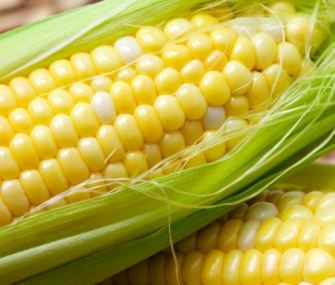
Corn

Averaging 84 calories per ear, corn contains vitamin A, folate, fiber and antioxidants.

Look for husks that have an even green color, silks that are a pale golden tone and plump kernels that ooze a milky juice when popped, which means the ear is fresh.

Corn is also super-convenient because it comes pre-packaged for grilling! Simply remove the silks, brush a little butter on the kernels and pull the husks back up before tossing on a preheated grill for about 15 minutes, turning regularly.

cucumber2

Photo credit: JustAGlimpse

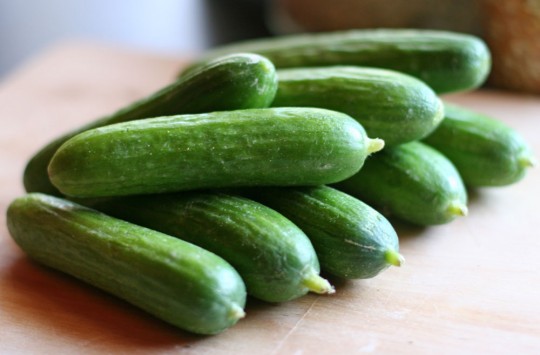
Cucumbers

There’s truth in the saying “Cool as a cucumber;” did you know that the inside of this potassium-packed vegetable can actually be up to 20 degrees cooler than the air in which it sits?

As a general rule, the smaller the cucumber, the smaller the seeds, and look for one that is firm, straight and blemish-free.

For a sweet and sour treat, try slicing two cucumbers thinly and mixing with one-quarter cup of rice vinegar, one teaspoon sugar and one quarter teaspoon salt, plus two tablespoons toasted sesame seeds.

Photo credit: LiveStrong.com

Photo credit: LiveStrong.com

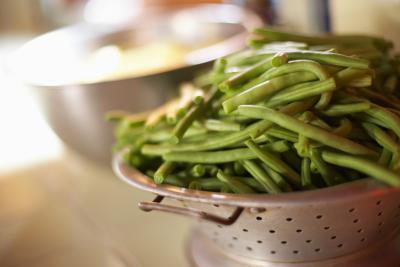
Green Beans 

Crunchy, flavorful and a rich source of fiber, green beans boast important nutrients such as vitamins A, B6 and C – not to mention a healthy dose of minerals like iron, calcium and magnesium.

Choose crisp, well-formed beans that have smooth skin because a woody or tough appearance with discolored brown spots is usually a sign they are not fresh.

For an elegant side dish, combine a pound of blanched beans with two tablespoons olive oil and one-third cup each of crumbled blue cheese and crushed walnuts.

Photo credit: StraightFromtheFarm.net

Photo credit: StraightFromtheFarm.net

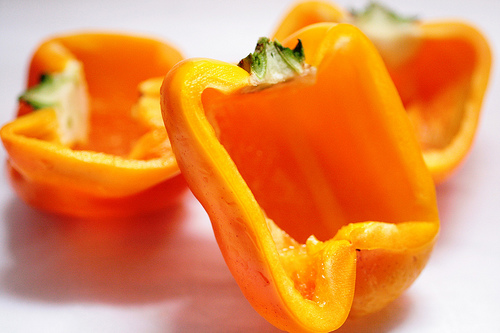
Sweet Peppers 

Lacking the hotness for which some of their family members are known, sweet (or “bell”) peppers contain small levels of the healthy alkaloid compound capsaicin, which may have anti-bacterial, anti-carcinogenic, analgesic and anti-diabetic properties.

Go for a firm pepper that’s vibrant in color and free of surface punctures, bruises or shriveled stems.

Roasted peppers are a quick fix that will allow you to add exquisite flavor to a variety of dishes; simply quarter peppers, removing seeds and membranes before roasting in a 500-degree oven until the skin blisters and turns black (peel off skin when cool).

Photo credit: ehow.com

Photo credit: ehow.com

Tomatoes 

Although technically a fruit, the tomato is used most often as a vegetable for cooking purposes. Lycopene, a much talked-about antioxidant present in tomatoes, has been known to neutralize free radicals in the body and cut the risk of some cancers.

When buying, focus on choosing a specimen that feels heavy for its size and smells deliciously earthy. And whatever you do, don’t refrigerate tomatoes when you get them home; you’ll run the risk of turning them mushy or mealy in temperatures cooler than 50 degrees.

For a delicious side dish, halve tomatoes and top with a mixture of one quarter cup grated Parmesan, one teaspoon fresh oregano, plus salt and pepper, to taste. Drizzle with olive oil and bake for about 15 minutes – or until tender – in a 450-degree oven.

If you want to eat more local veggies this summer, a good place to start is the Natural Resources Defense Council’s “Smarter Living: Eat Local” site here, which includes information about markets around the country as well as which produce is currently in season around the U.S.

Sweeten your summer with seasonal fruit

Photo credit: Culinate.com

Photo credit: Culinate.com

One of my favorite summer pastimes is indulging in the abundance of fruit. There’s just no better way to celebrate the flavors of the season than to feast upon the (literal) fruits of your local farmer’s labor.

Below are five must-haves for summer munching. Whether you cook ’em, bake ’em, grill ’em or simply devour them as-is, this tasty produce is at its peak and ripe for the picking, so enjoy!

1. Apricots, Plums & Pluots

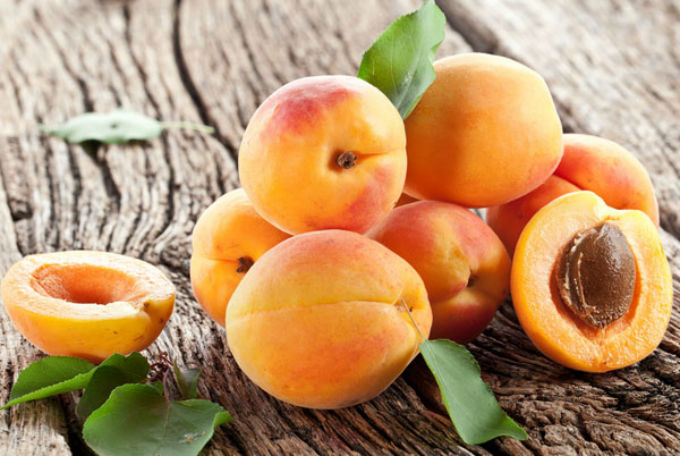
Stone fruits signal the official arrival of summer. Branch out from the traditional apricots and plums with the pluot, a  plum-apricot hybrid that’s super sweet and tasty. One cup of sliced stone fruit has about one quarter of your daily vitamin C, which helps the body form collagen – the main protein in connective tissue – in bones, cartilage, muscle and blood vessels.

When selecting stone fruit, look for plump, firm skin that is unbroken and free of blemishes. Ripen at room temperature and then refrigerate or eat immediately for a delicious snack.

Or for an easy complement to grilled pork or lamb chops, simply cut the fruit in half (removing the pit) before brushing with equal parts honey and Dijon mustard and grilling until browned on both sides.

Photo credit: AskMen.com

Photo credit: AskMen.com

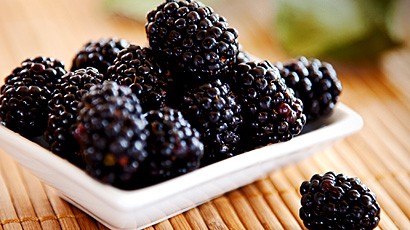
2. Berries

Versatile and popular, strawberries, blueberries and raspberries – not to mention the more exotic boysenberries and olallieberries – can be eaten as picked or require very little effort to prepare.

Not only are they packed with vitamins and nutrients, but a diet rich in colorful berries may help reduce your risk of several types of cancer, thanks to their phytochemicals and flavonoids.

Choose ripe, vibrant-looking berries that are firm with no mushy spots or mold.

For a healthy summer dessert topper, puree two cups of berries in a food processor with two tablespoons each of blackberry brandy and orange juice, plus three tablespoons honey. Strain through a sieve to remove seeds, and just before serving over frozen yogurt or angel food cake, mix the sauce with one cup of fresh berries.

Photo credit: BBCGoodFood.com

Photo credit: BBCGoodFood.com

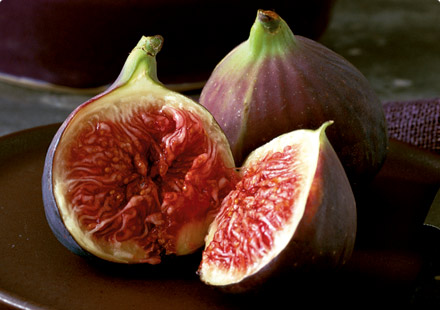
3. Figs

I first tried fresh figs a few years back while traveling in Italy and immediately fell in love with them – so much so that I ended up dragging my unsuspecting husband through several fruit market detours there to get my fix. Since they’re so delicate and perishable, fresh figs are something of a rarity here in the States.

If you do happen to stumble upon them, keep two things in mind: 1) Buy without hesitation (trust me!), and 2) Avoid specimens that are shrunken, oozing from splits, leaking milky liquid from the stem or generally overly-squishy.

For an appetizer (or dessert) fit for any foodie, try quartering fresh figs just down to the base before filling with blue cheese crumbles and drizzling with local honey.

Photo credit: TheKitchn.com

Photo credit: TheKitchn.com

4. Melons

Summer picnics would not be complete without big, juicy watermelons. Whether tossed in a fruit salad, chomped on as thick slices or scooped directly from their makeshift rind bowl, it’s delicious, refreshing and hydrating. The same goes for cantaloupes and honeydew, which are all satisfying, nutrient-dense and low in calories.

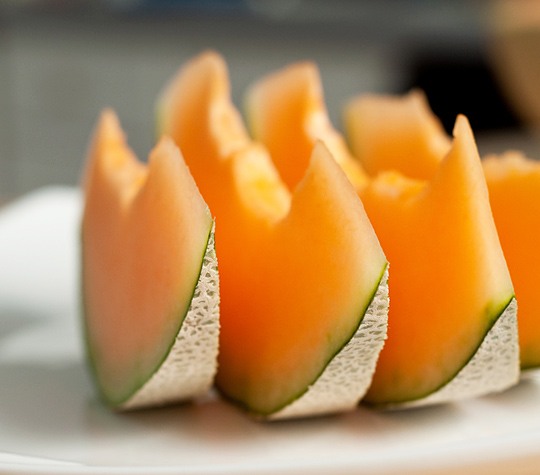
When perusing fruit at the market, keep in mind that ripe watermelon has a hollow sound when knocked on, and cantaloupes and honeydew should have a strong, sweet aroma in the top part, along with a bottom that’s elastic to the touch.

Make a simple, yet sophisticated, dessert by de-rinding and cubing or balling melon before tossing with a half cup of chopped fresh mint and drizzling with local honey.

Photo credit: Boldsky.com

Photo credit: Boldsky.com

5. Peaches & Nectarines

Originally native to China, peaches come in both white and yellow varieties, with the white flesh having a lower acidity level. On average, nectarines (with recessively-smooth skin) tend to run smaller and sweeter, but both are wonderful for snacking.

Pick fruit that has a good all-over color and is neither too hard nor too soft, but go more on smell – the more your mouth waters from the sweet aroma, the better the fruit will be.

Kick your brunch up a notch with this fun drink: Add two peaches, two nectarines and one mango (all sans skins and pits) in a blender and pour in enough of your favorite fizzy mixer (ginger ale, tonic water, sparkling mineral water, etc.) to just cover the fruit before blending until smooth. Slowly add more mixer until you get your preferred consistency, garnishing with fresh mint and a floater of champagne.

To load up on fresh fruit at your local farmer’s market, visit the Natural Resources Defense Council’s “Smarter Living: Eat Local” site here to find information about markets around the country, as well as which produce is currently in season around the U.S.

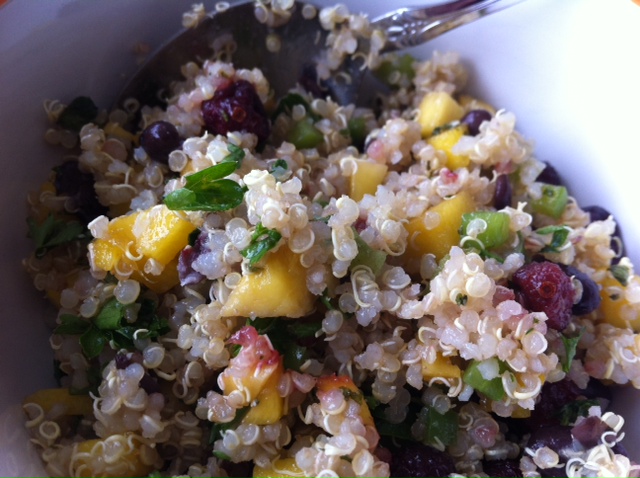
Sweet and sour summer quinoa salad

QuinoaSalad

It was love at first taste with this light and tangy salad at my local grocery store.

But paying $9.00 per pound for it from the self-serve section? That’s when I decided to take matters into my own hands.

After cooking, chopping and swapping some ingredients, I’m pretty pleased with the result, which makes a delicious midsummer dinner or side dish to share.

Sweet & Sour Summer Quinoa Salad

Ingredients: 

  • 2 cups uncooked quinoa
  • 1 green bell pepper, diced
  • 2 mangoes, peeled, pitted and diced
  • 1/2 red onion, diced
  • 1 can black beans, rinsed
  • 1 handful parsley, roughly chopped
  • 1 cup dried cranberries
  • 1/2 cup balsamic vinegar
  • Salt and pepper, to taste

Directions: 

  1. Cook quinoa according to directions on package, set aside
  2. Prep veggies while cooked quinoa is cooling, combining bell pepper, mango, onion, beans, parsley and cranberries in a large bowl
  3. Add quinoa, then balsamic vinegar, salt and pepper, mixing to incorporate
  4. Chill in refrigerator for a few hours (or overnight) before serving

The 10-minute self-check that could save your life

Self-exams can alert you to changes in your skin and aid in the early detection of skin cancer Photo credit: PreventCancer.org

Self-exams can alert you to changes in your skin
and aid in the early detection of skin cancer
Photo credit: PreventCancer.org

Skin cancer is the most common of all cancers, afflicting more than two million Americans each year, a number that is rising rapidly.

But the good news is that it’s also the easiest to cure – if diagnosed and treated early.

This is why the Skin Cancer Foundation recommends monthly head-to-toe skin self exams, so you can find any new or changing lesions that might be cancerous or precancerous.

“Checking your skin for skin cancer only requires your eyes and a mirror,” said Thomas E. Rohrer, MD, FAAD, a board-certified dermatologist in Chestnut Hill, Mass. “Examining your skin only takes a few minutes, but it could save your life.”

If You Can Spot It, You Can Stop It

Here’s a step-by-step guide for checking your skin, which should take no more than 10 minutes:

  1. Stand in front of a mirror and start by looking at the front and back of your body.
  2. Raise your arms and examine the right and left sides of the body.
  3. Bend your elbows, looking carefully at your forearms, upper underarms and palms.
  4. Next, examine your entire leg (don’t forget backs, soles and between toes!).
  5. Then, examine hard-to see areas like your back, buttocks and top of head.
  6. Use a mirror to inspect the back of your neck and scalp, parting hair for a better view.

ABCDE’s of Melanoma

The American Academy of Dermatology’s recommends seeking treatment if any of your moles exhibit the following signs:

a-asymmetryA – Asymmetry: Normal moles or freckles are completely symmetrical. Be suspicious is one half of the spot is unlike the other half.

b-borderB – Border: The spot has an irregular, scalloped or poorly-defined border, which could include blurry or jagged-looking edges.

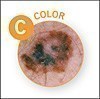
c-colorC – Color: The spot has varying colors from one area to the next, such as shades of tan, brown, or black, or with areas of white, red or blue.

d-diameterD – Diameter: Melanomas are usually greater than 6mm, or about the size of a pencil eraser when they are diagnosed, but they can be smaller.

e-evolvingE – Evolving: A mole or spot on your skin that looks different from the rest or is changing in size, shape, or color.

“Current estimates show one in five Americans will be diagnosed with skin cancer in their lifetime, so it’s important to be familiar with your skin, especially your moles,” said Dr. Rohrer. “Catching skin cancer early is key for successful treatment, so check your skin regularly and see a board-certified dermatologist if you spot anything suspicious.”