Recipe: Raw Coconut Macaroons with Cacao Nibs

IMG_3845

Remember when I wrote about my recent almond milk experiment?

Well, when all was said and done, I was left with a bowl of expensive delicious almond meal that I couldn’t bear to throw out. And since the food processor was already dirty, I figured I might as well take a stab at this recipe from the lovely Jessica Mishra, a friend who is a health coach and yoga teacher in San Francisco.

Mishra made these decadent little nibbles for one of our SweatGuru events, and no one could believe that they were all-natural, packed with nutrients and brimming with healthy fats. I made a few tweaks — like using dates instead of maple syrup — and am excited to share what has become a favorite after-dinner treat in our house!

Raw Coconut Macaroons with Cacao Nibs

Ingredients: 

  • 6oz almond meal (I use leftovers after making almond milk)
  • 2 cups unsweetened, finely-shredded coconut
  • 2 tsp cinnamon
  • 2 tsp vanilla
  • 2 tsp water
  • 5 pinches sea salt
  • 8 dates, pitted
  • 1/4 cup coconut oil
  • 1/4 cup cacao nibs

Directions: 

  1. Combine almond meal, coconut, cinnamon, vanilla, water, salt and dates in food processor, blending until mixture has a uniform consistency.
  2. As the food processor is running, gradually add in coconut oil until fully incorporated.
  3. Transfer mixture to a bowl, and stir in cacao nibs.
  4. Using a spoon, scoop mixture into hands and press to form into small balls.
  5. Store in an airtight container in the refrigerator for up to a week.

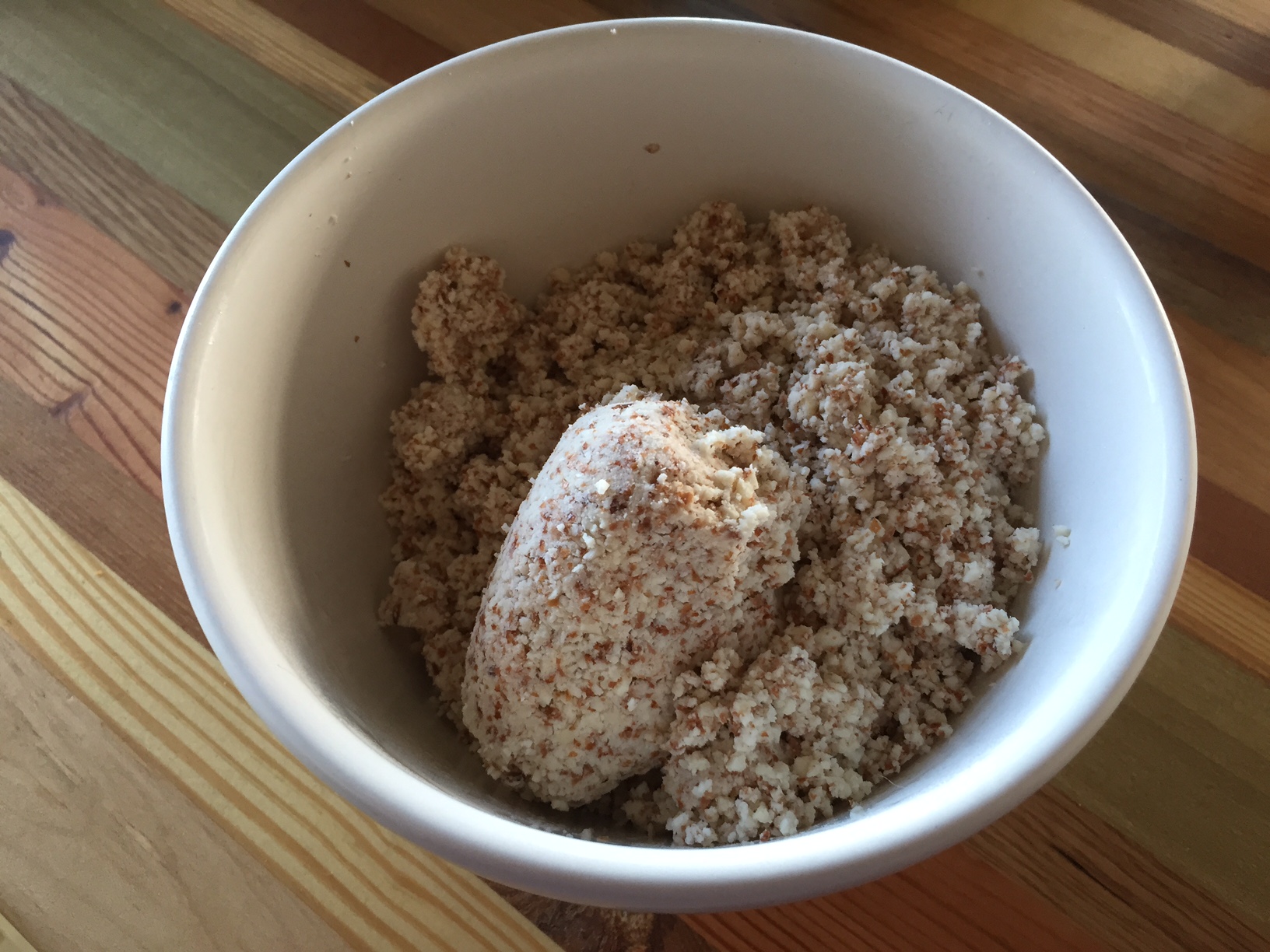
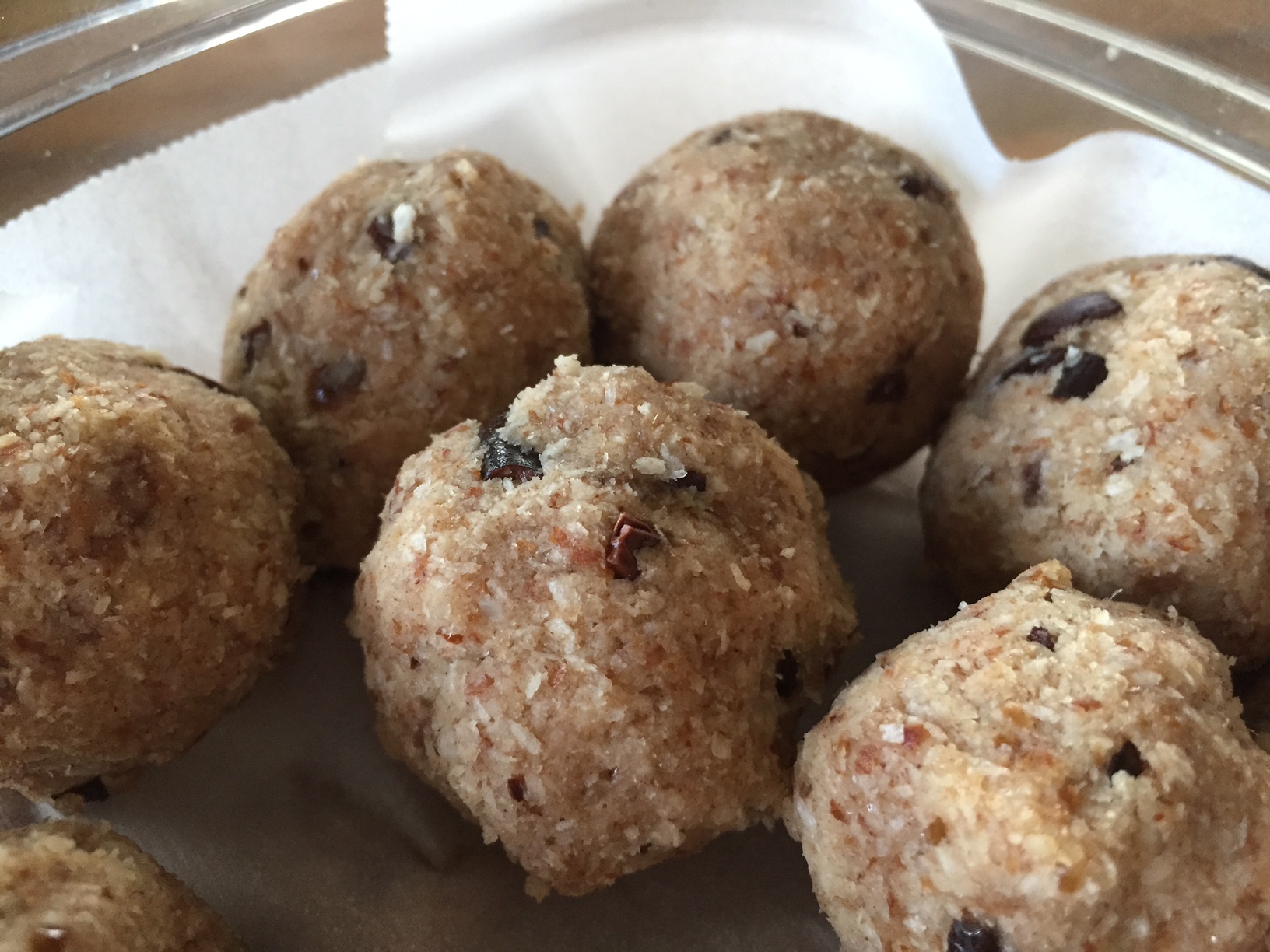
Here’s a look at the process, starting with the inspiration for this recipe: what’s left in nut milk bag after I make a batch of almond milk.

IMG_3838

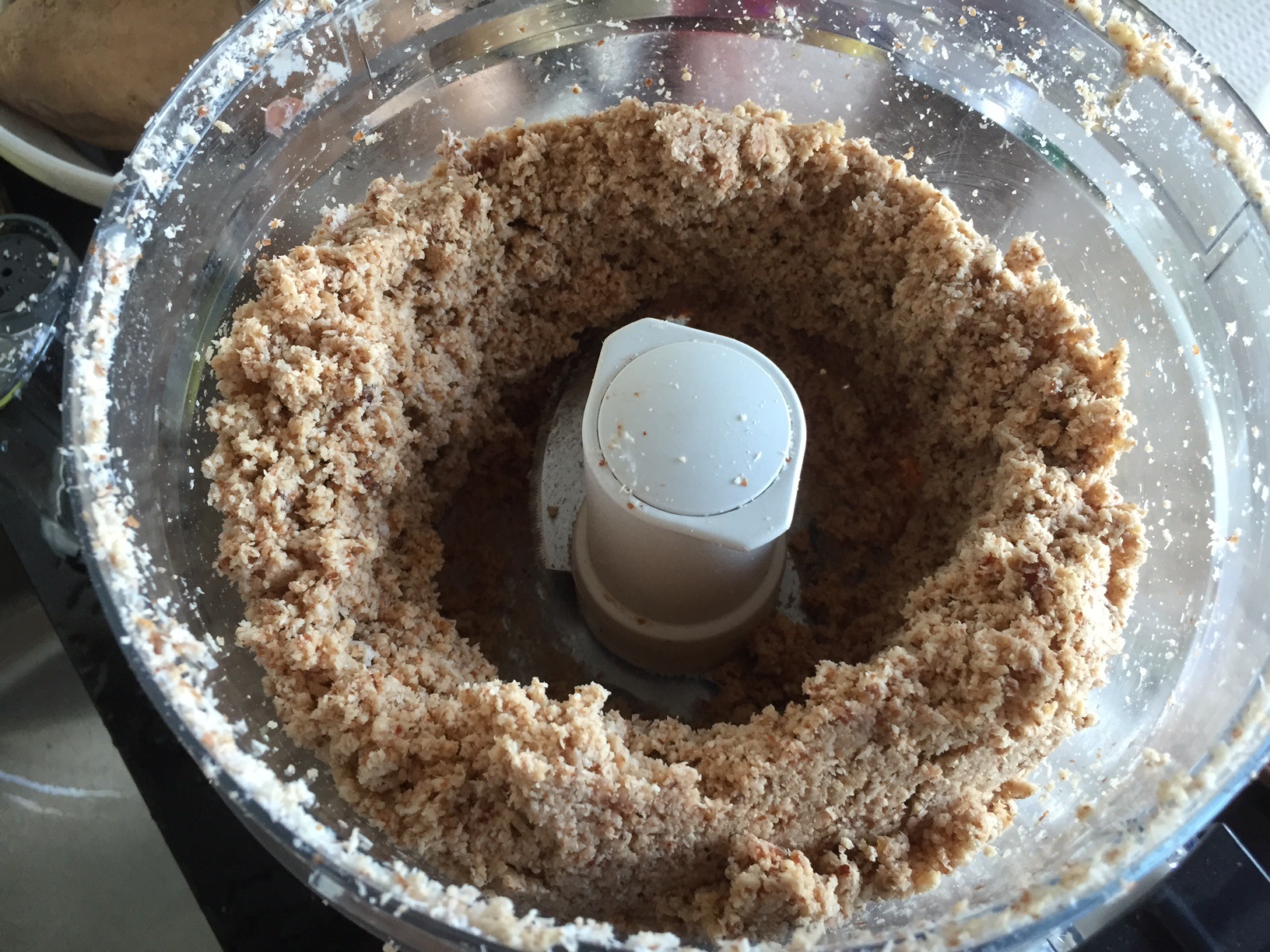
The coconut oil helps bind all the ingredients together, so you’ll want to scrape the food processor once or twice to make sure everything’s evenly distributed.

IMG_3839

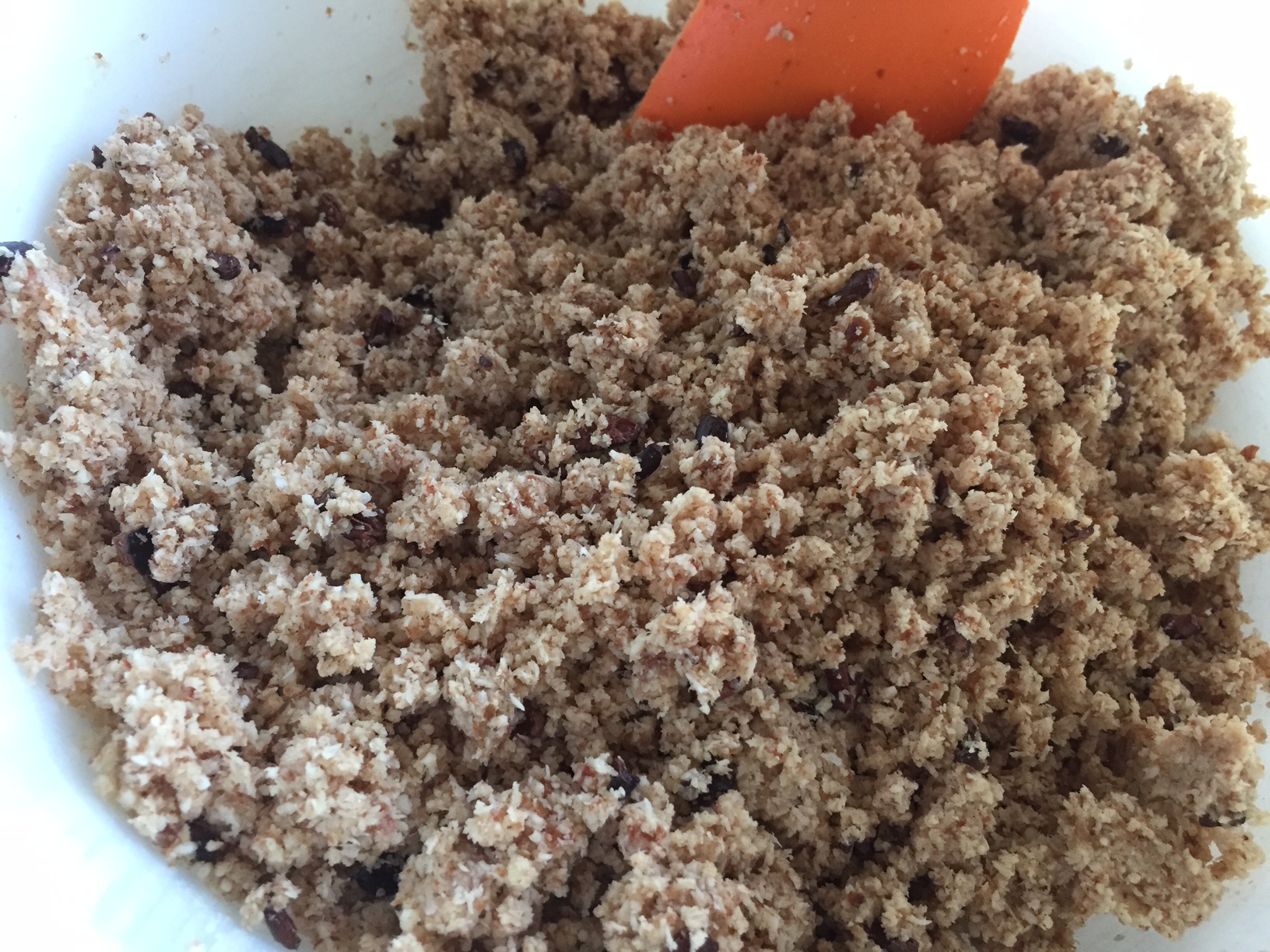
And don’t worry — it’ll be pretty crumbly. Here’s what it looks like after transferring the mixture to a bowl and adding the cacao nibs.

IMG_3841

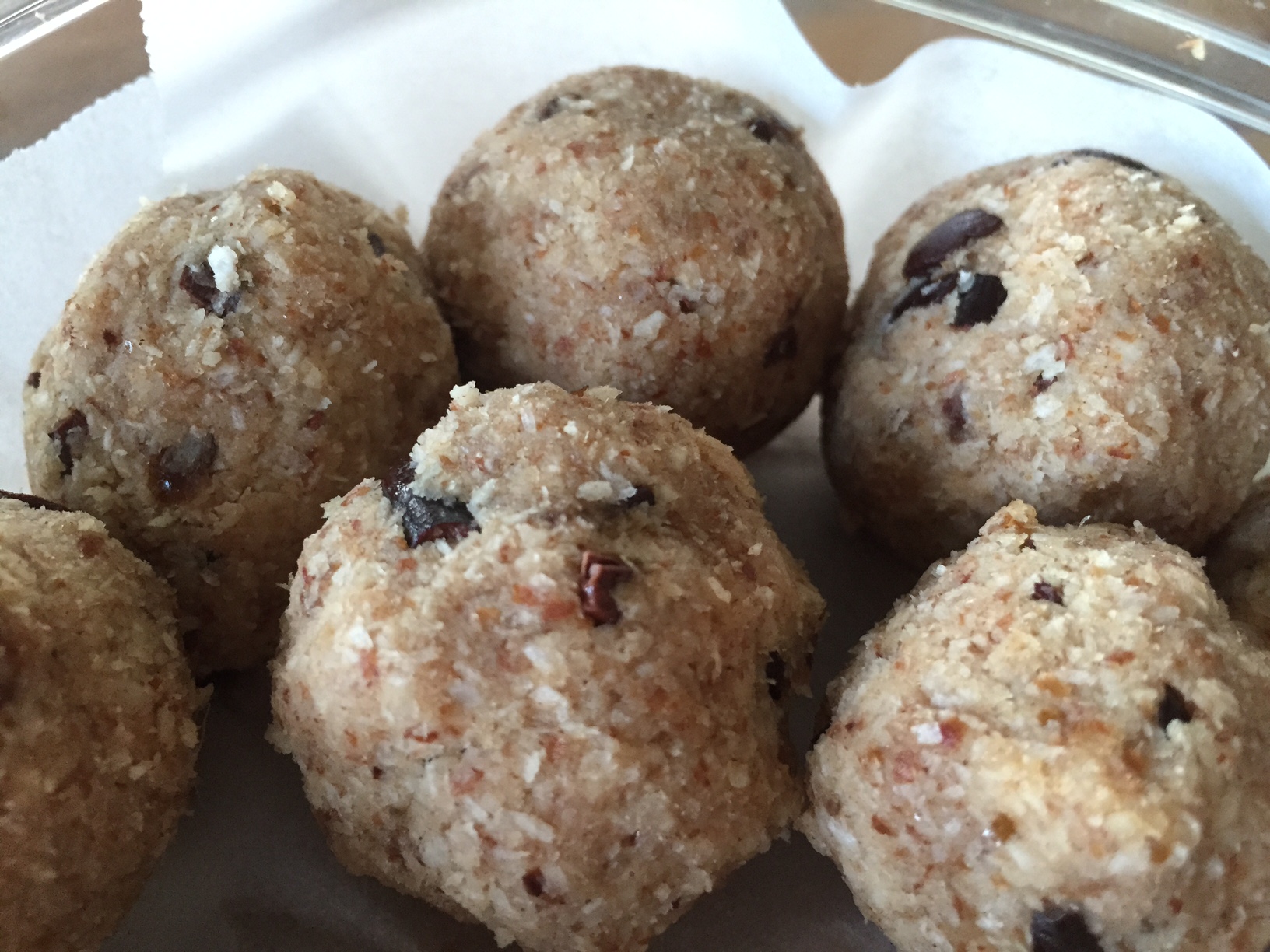
If you try to roll them, you’ll end up with a crumbled mess — so gently “pack” scoops of the mixture between your palms to form into balls.

IMG_3844

Two more tips: Sprinkle with a dash of coarse sea salt if you like that sweet-salty mix, and separate balls between layers of parchment paper when storing.

How do you make use of your almond-milk remnants?

The Almond Milk Experiment

IMG_3826

Our recent Whole30 experience left Ben and I between a rock and a hard place when it came to morning coffee: Either drink it black or pay a hefty $1 or so per ounce for the deliciousness from Portland Juice Company.

Now wanting to blow through our grocery budget, I knew there had to be another way. Sure, we could fudge our way through with store-bought almond milk, which even when it’s organic and free of lactose, soy, gluten can have some nasty additives (just Google “carrageenan,” for example).

So that left us (read: me) with one, final option: Making it home-made, which I was trying to avoid at all costs — literally and figuratively.

A little math:

  • Nut-milk bag: $10.99
  • 6 oz package of raw almonds: $4.99
  • 12 oz package of dates: $6.99
  • Finally getting over the fear of using my food processor: Priceless

Is it worth it? Well, I might not be the best person to ask since I love my dairy and have since added it back into my diet — in moderation, of course (#BecauseIceCream). But almond milk is a delicious alternative for people with dietary restrictions — especially with the addition of dates as a natural sweetener and pumpkin pie spice for an extra kick.

Making it on my own not only was a learning experience, but it also got me thinking about all the extra gunk I’m consuming in my usual store-bought, sugar- and chemical-laden creamers, so although I don’t expect to make it regularly, I will add it into my repertoire of “every-now-and-then” recipes.

Here’s a look at the process:

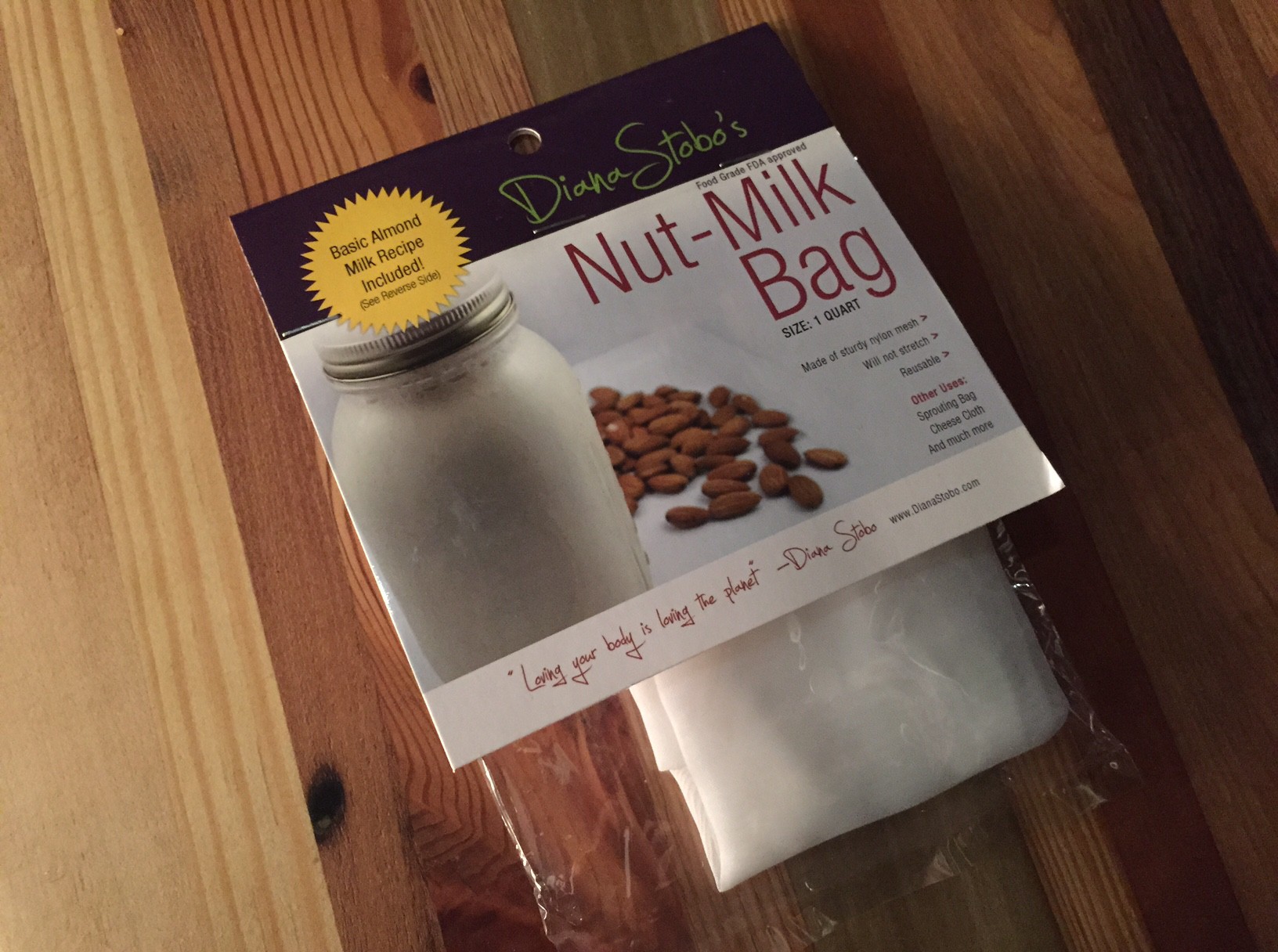
Step one: Purchase nut-milk bag. Get mocked by husband when you tell him you’re “going to the store to buy a nut bag.”

IMG_3819

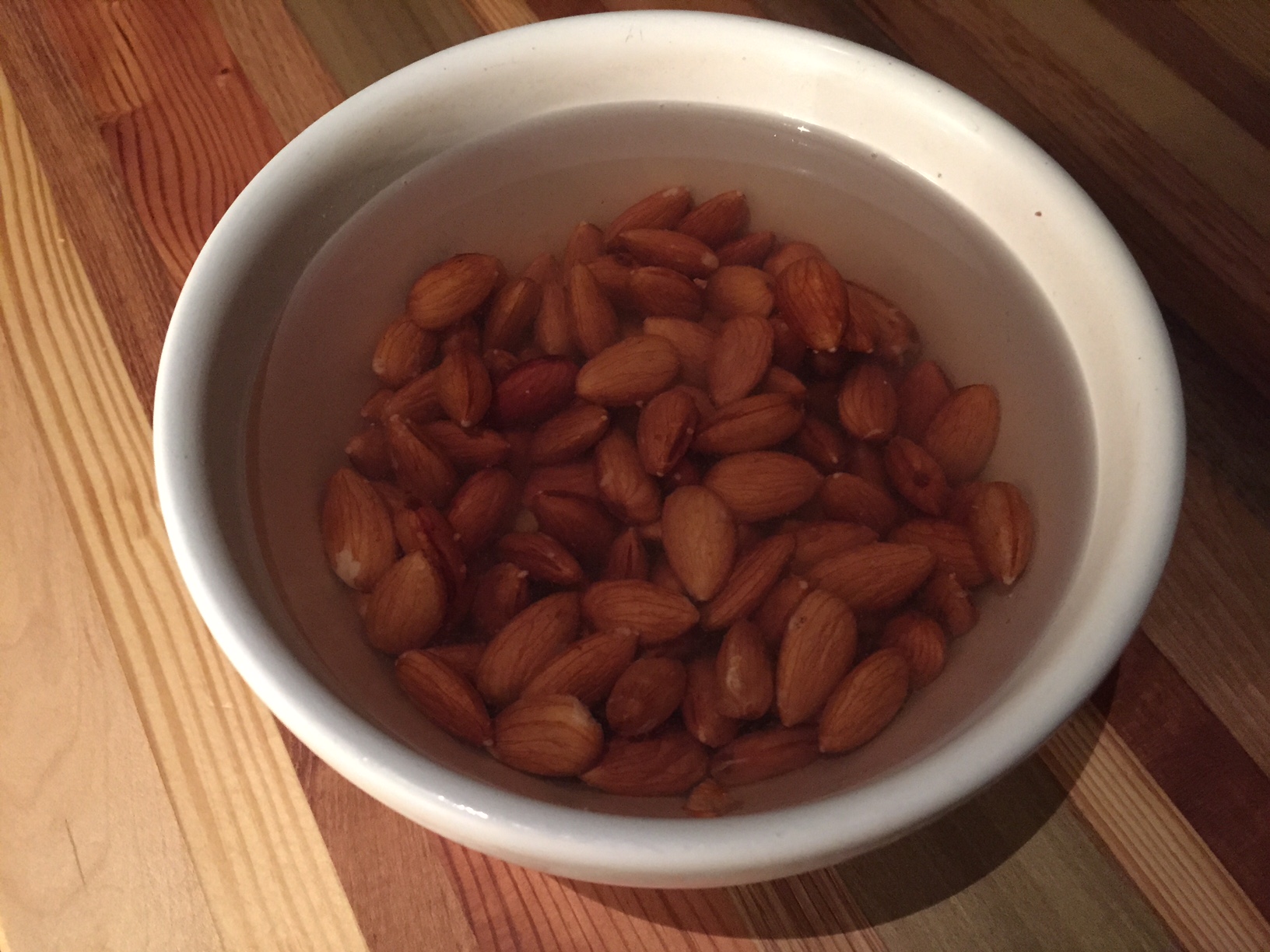
Step two: Soak almonds. Overnight, ideally, but for at least a few hours or until the nuts plump up.

IMG_3820

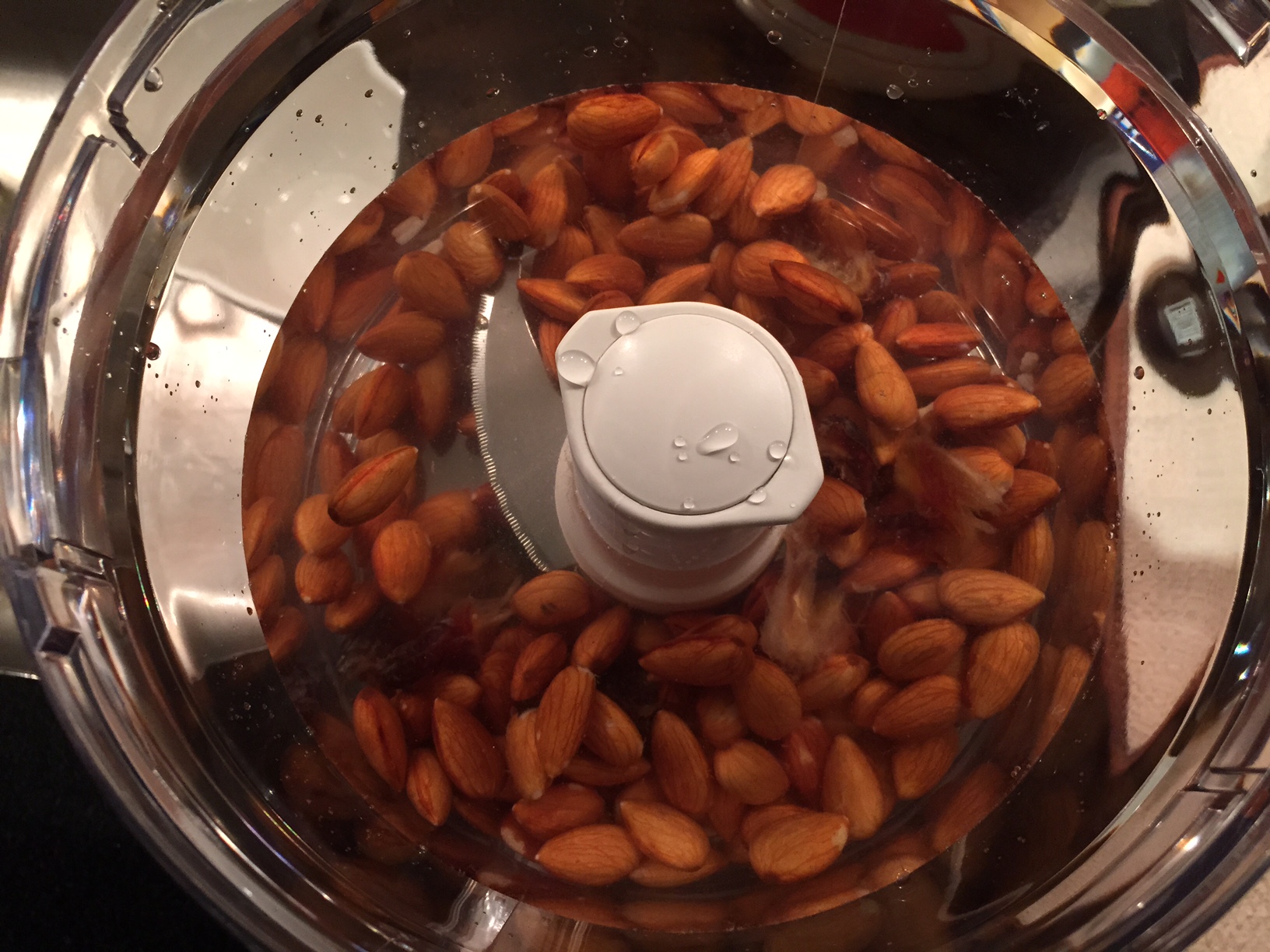
Step three: Rinse almonds and place in food processor with 3-4 pitted dates and a few cups of fresh water. Blend.

IMG_3821

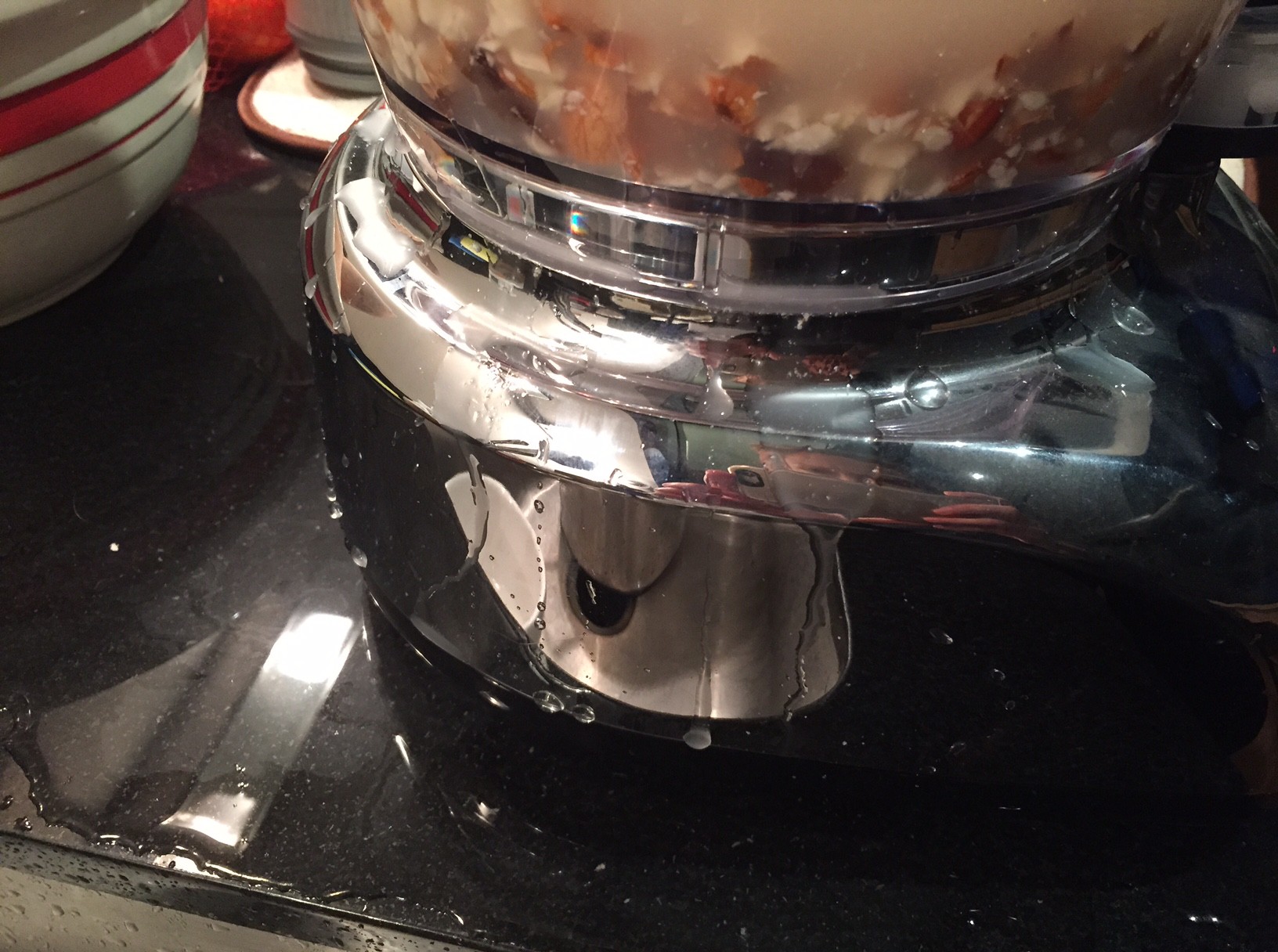
Step four: Clean up explosion of water from said food processor. Locate manual and read instructions about not filling above “fill line.” Oops.

IMG_3822

Step five: Repeat step four. Clean up second mess, and wonder if you assembled it incorrectly. Nope — just too much liquid. Again.

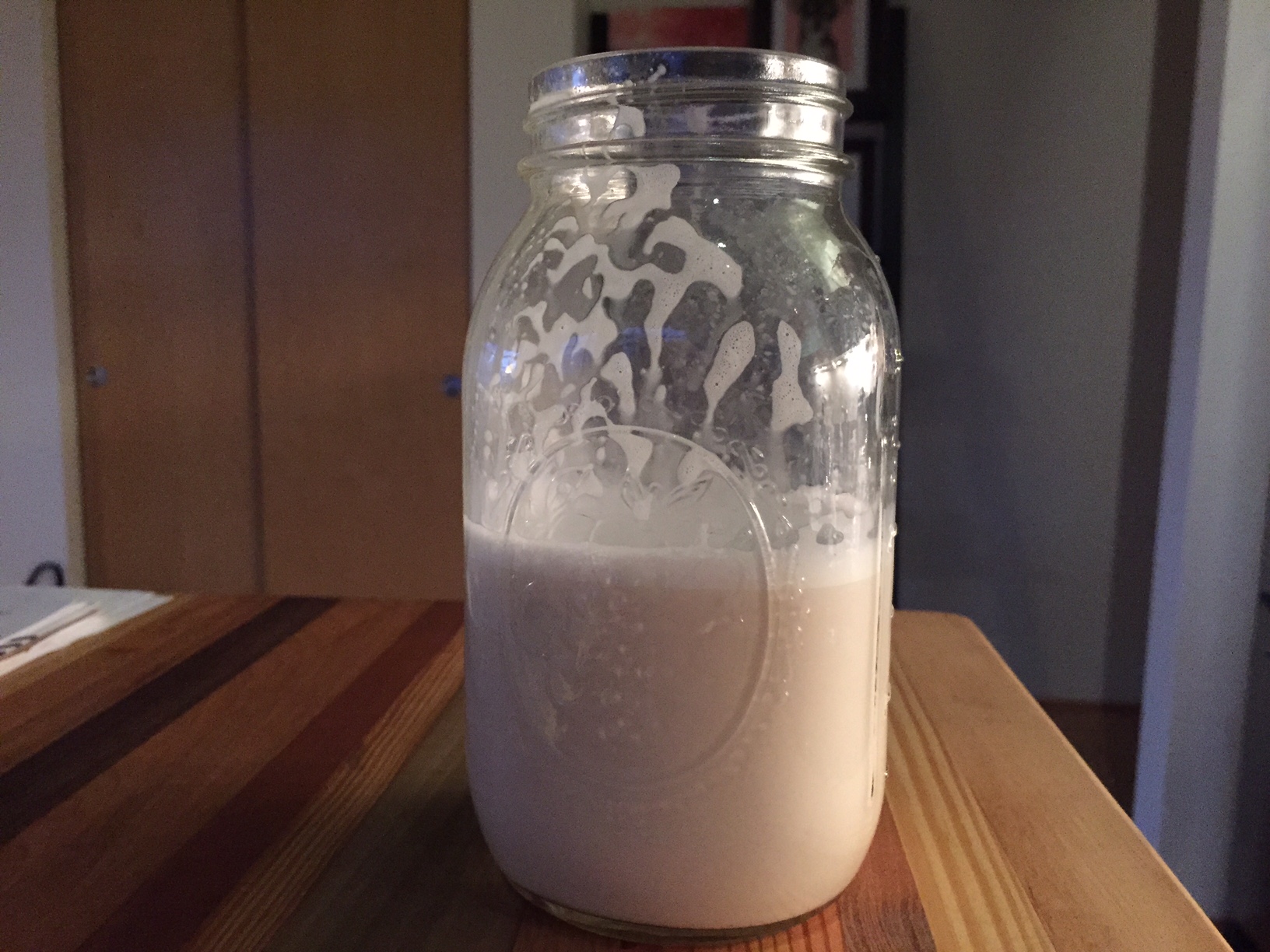
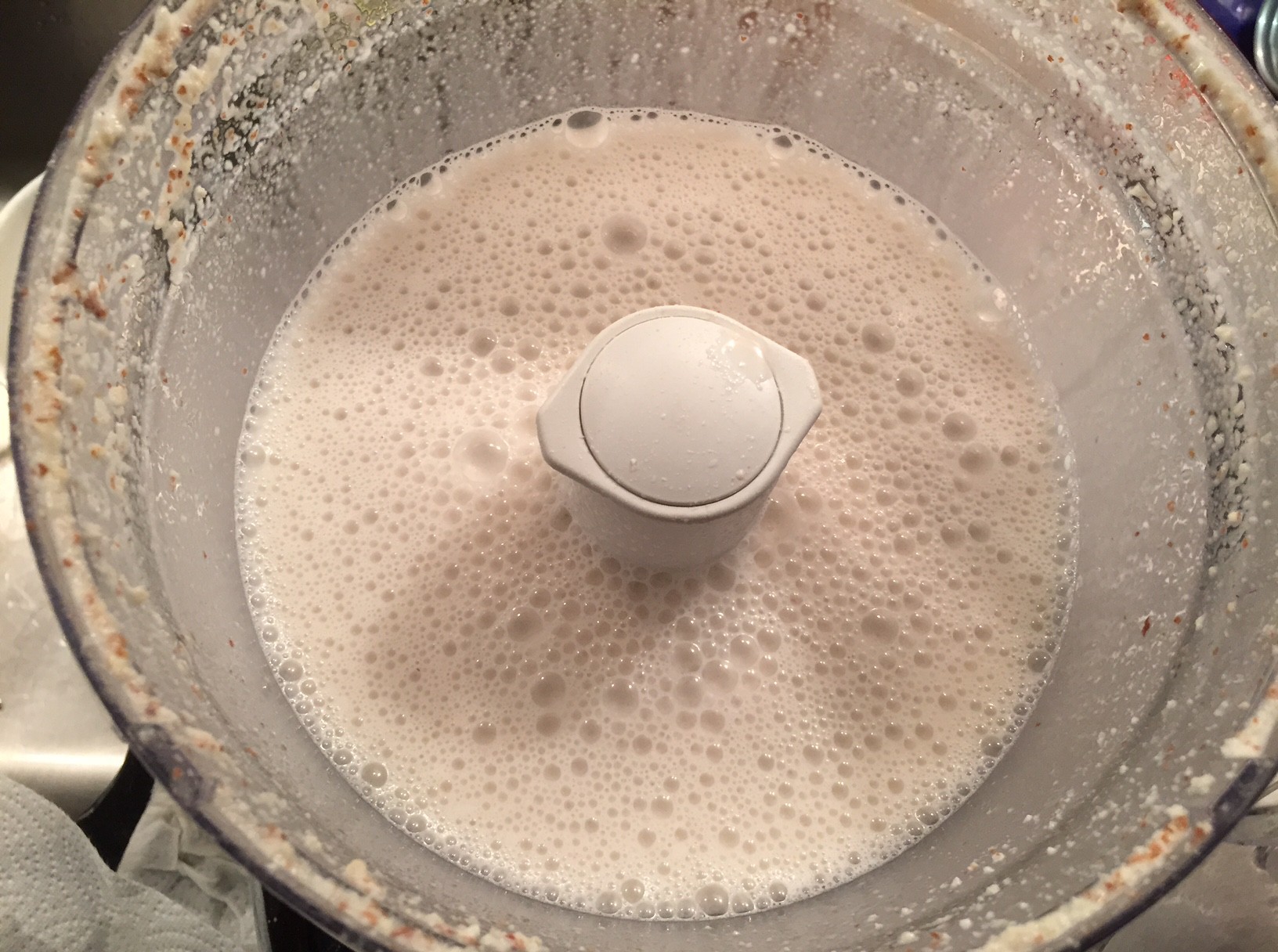
Step six: Finally blend (for 1-2 minutes) until white and frothy. Smells lovely.

IMG_3823

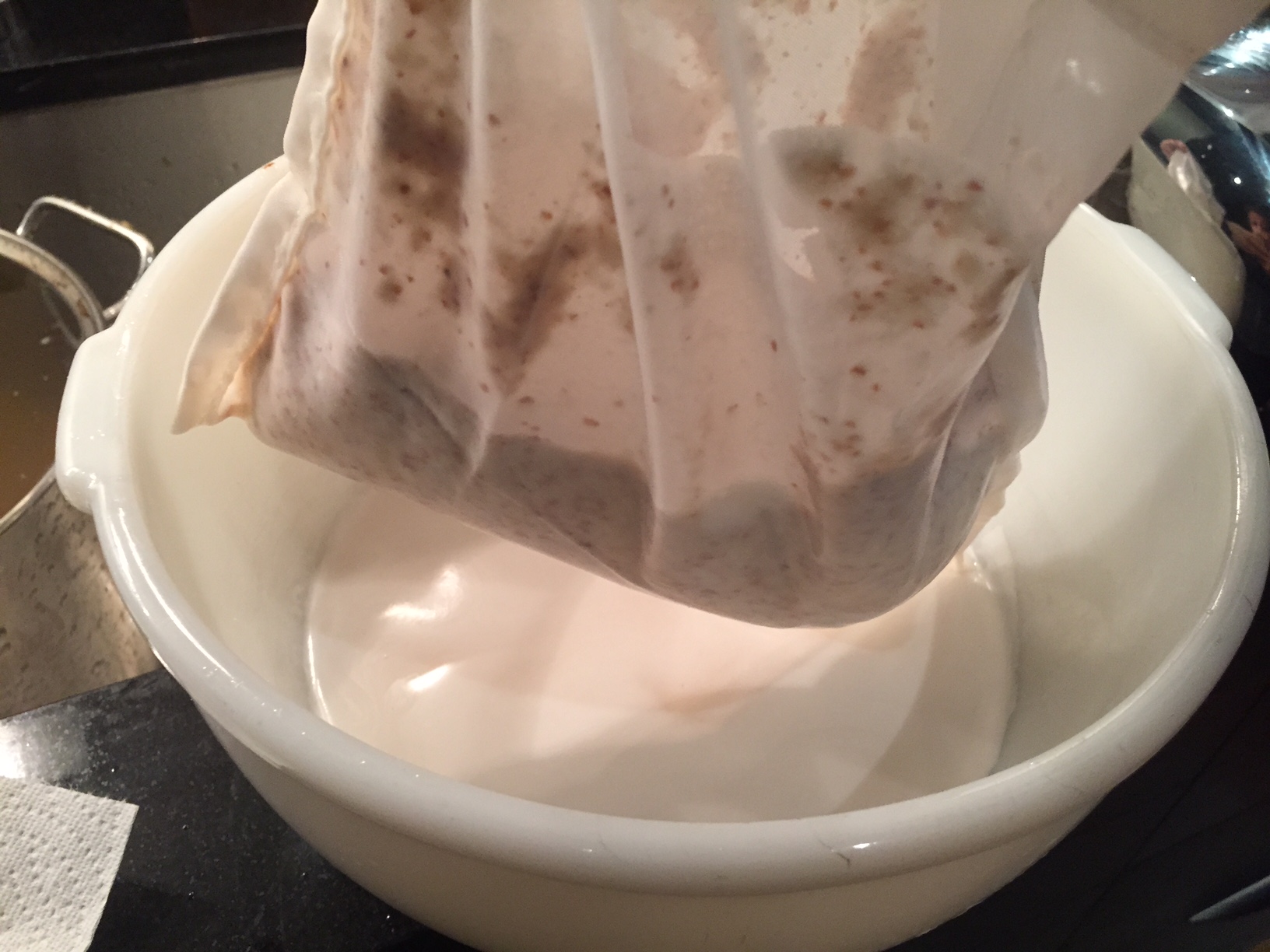
Step seven: Hold open nut-milk bag over a large bowl and pour mixture into bag to strain. Gently squeeze to get excess liquid out.

IMG_3825

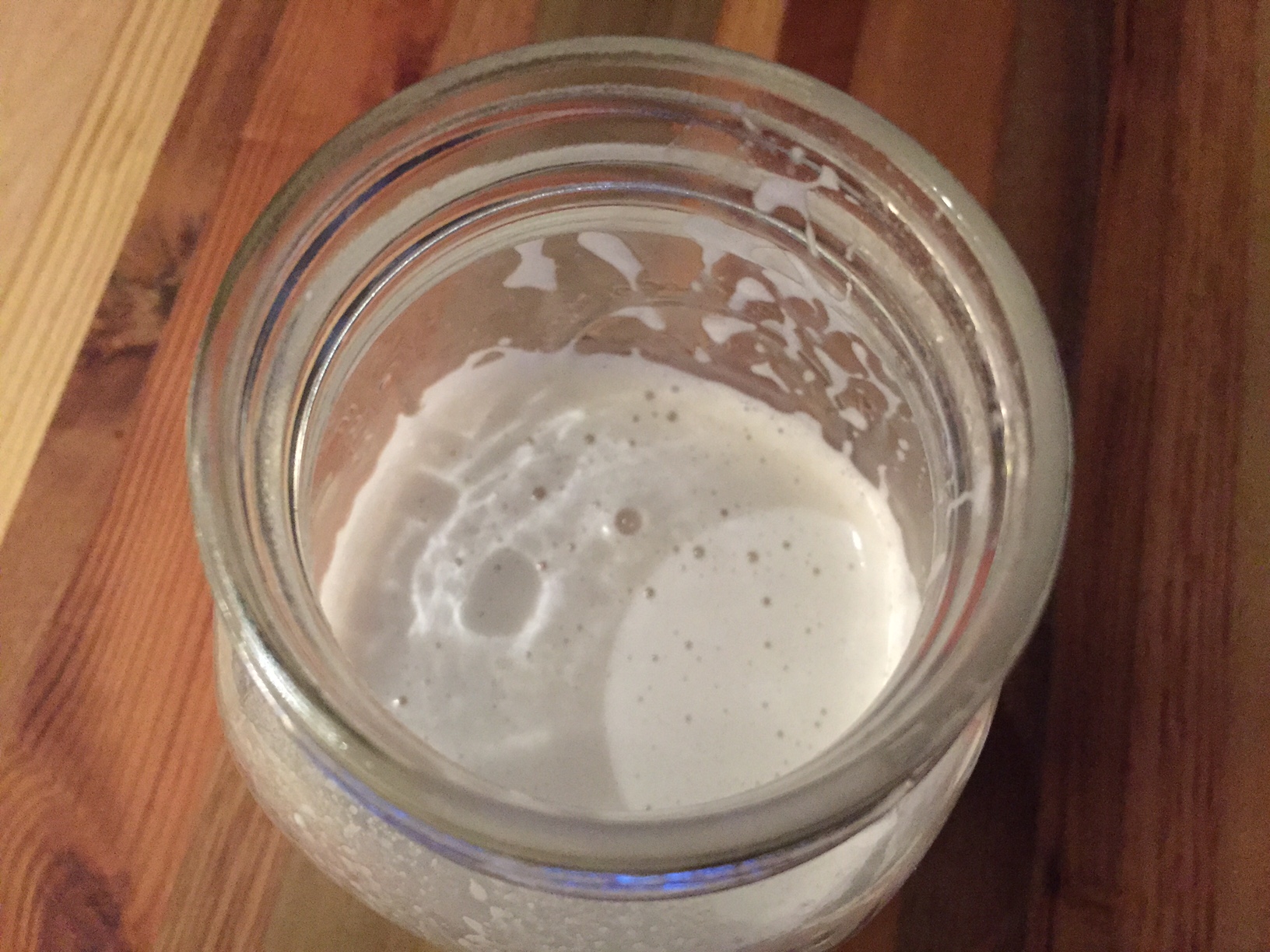
Step eight: Store in airtight container. Preferably a mason jar, particularly if you live in Portland, to cement neo-hippie status.

IMG_3827

Now…what do do with the almond remnants? I’ve got a recipe for that, too! Stay tuned…

Have you made home-made almond milk?

The Whole30 Truth, and Nothing But the Truth (+ giveaway!)

Credit: Chef Pete Evans

Credit: Chef Pete Evans

In mid-January, Ben and I started Whole30, which we viewed as a 30-day “experiment,” a fresh start for the new year. If you’re not familiar with the program, it’s a “short-term nutritional reset,” designed to help you put an end to unhealthy cravings and habits, restore a healthy metabolism, heal your digestive tract and balance your immune system.

Sounds awesome, right? Well, where the rubber hits the road is in the rules: Eat real food. Avoid added sugar, alcohol, grains, legumes, soy, dairy, carrageenan, MSG, sulfites…or any food product with a hint of anything like that in it.

Easy, in theory. We eat fairly healthy. We exercise. We expected it to be difficult at times (him: peanut butter and flavored coffee creamer; me: cereal and dessert after dinner). But what we didn’t expect was an experience that will forever change the way in which we view our food.

So, what’s it’s like to eat “clean” for 30 days? Truthfully, it’s hard. Not only are we used to grabbing whatever we want off the grocery store shelves, but our bodies are, sadly, so accustomed to being jacked up on sugar and artificial stuff that there’s even a timeline of what you can expect — both mentally and physically — as the month unfolds.

Full disclosure: Neither of us experienced anything as drastic as the “carb flu,” although we did blow through five jars of almond butter in the process. And there may have been a few nights at the beginning when I put myself to bed early in order to escape from the after-dinner dessert cravings… 

MjAxMy1hODUxY2ViOTkyYzgwOTgx_5136be9d317fe

But, reflecting back on the experience, we learned some valuable lessons:

1. I’m not in the habit of reading food labels. I learned this the hard way after using what I thought were W30-approved almond milk and hot sauce on day one, only to realize later that both products had a bunch of additives in ’em. #Whole30Fail

2. There’s a lot in our food that isn’t “food.” As we perused the grocery aisles, Ben and I had bust out our phones and Google ingredients in things, most of which we couldn’t pronounce.

3. It’s tough to find whole-food products. They’re out there and are becoming more popular, as you’ll see below, but they’re not the default; you’ve got to make an effort to seek them out.

4. It’s not a diet. Don’t necessarily expect to lose weight. My number on the scale stayed the same, although my jeans do feel a little looser, so that’s a bonus!

5. There is sugar and soy in every.thing. If it’s not listed in the ingredients outright, it’s hiding behind a pseudonym. Do your research, and read those labels!

6. Food is very social. We didn’t realize this until we made a double-date for dinner the first Friday night. Two glasses of water and bun-less burgers, please. Wah-wah.

7. There’s a difference between stuffed and satiated. Well, duh. But no, really — bread baskets, apps and desserts used to be a free-for-all. Making better decisions about food has means no more nights riddled with regret — and heartburn.

8. Cooking is key. A month straight of hard-boiled eggs, broiled chicken and steamed veggies would get old fast. There are so many easy W30-approved recipes out there, and they’re delicious! Here’s one of our favorites, in fact.

But… I do have one confession to make: Snacks, which I credit for helping me get through the past 30 days. Although they’re technically discouraged — you’re supposed to aim for three large meals instead — I took a hall pass because I’ve got a pretty active workout schedule.

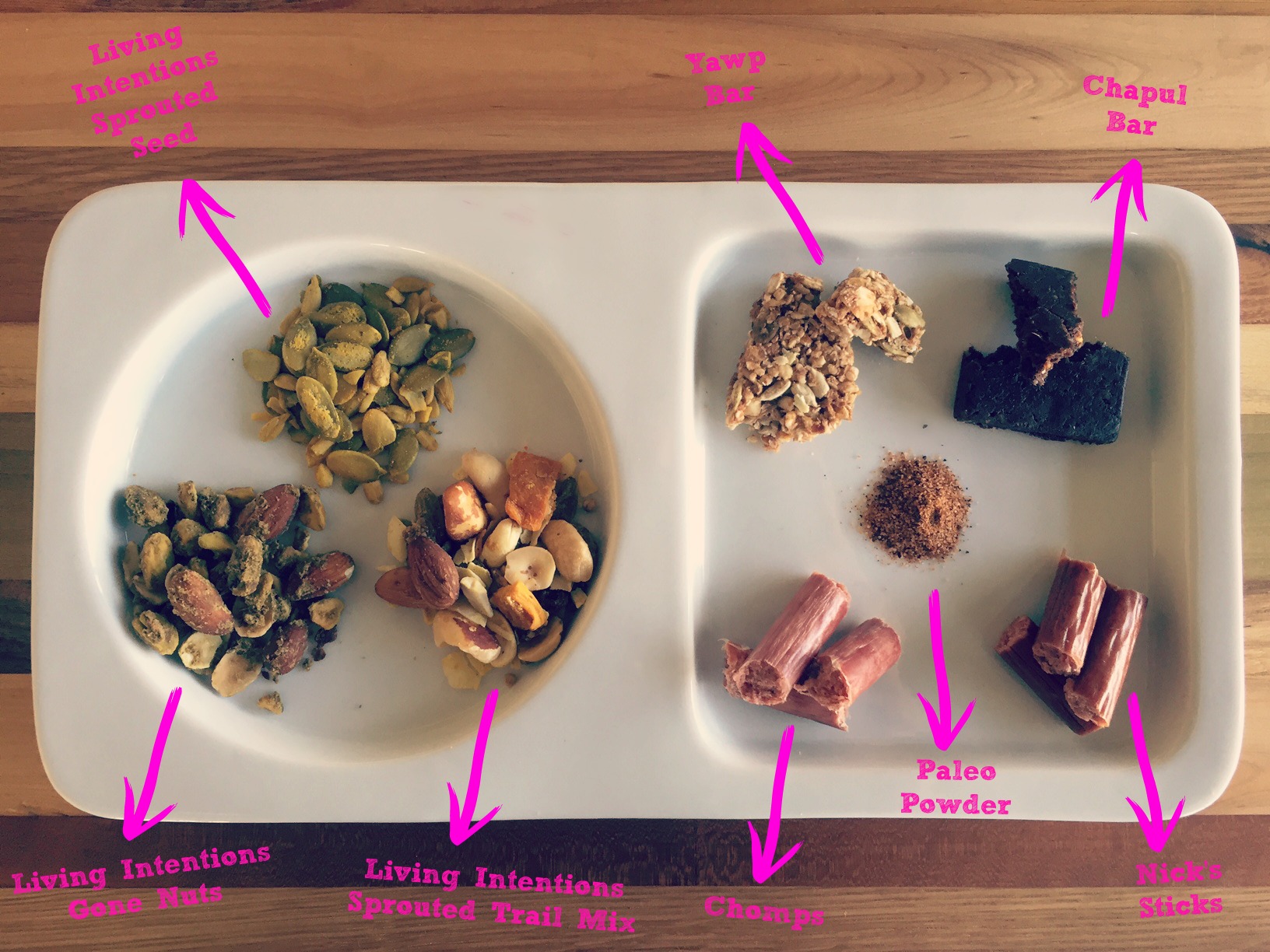
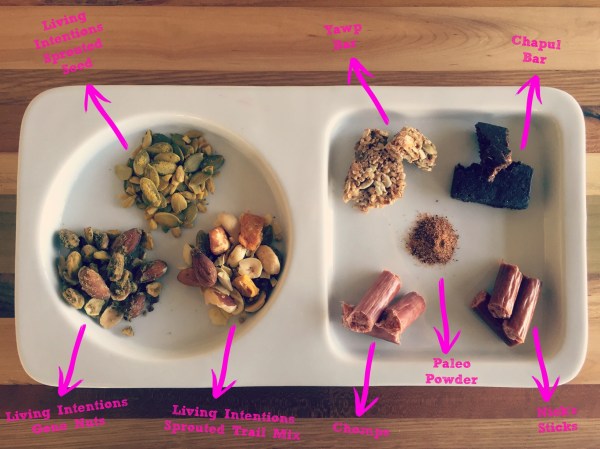
Here are a few of my favorite W30-approved game-changers: So good, you’d never guess they’re actually good for you!
IMG_4116

Meat snacks: Both Chomps Snack Sticks and Nick’s Sticks deliver all the goodness and none of the garbage. Made from grass-fed beef (Nick’s also has free-range turkey), which is higher in omega-3’s, all the sticks are gluten-, soy-, hormone- and antibiotic-free, but the best part is that they’re shelf-stable (great for on-the-go!) without any synthetic preservatives. I love stashing them in my purse for emergency mini-meals.

Nuts, seeds & bars: Aside from an admirable brand mantra, Living Intentions makes some downright addictive sprouted nut, seed and trail mix flavor combinations; I’m partial to the Rosemary Garlic Gone Nuts, in particular. Chapul Bars also made me a cricket convert; their chocolate-coffee-cayenne Aztec Bar (packed with protein, iron and vitamin B12) hits the spot — seriously, almost better than a brownie.

For workouts, my new pre-sweat-session obsession pick-me-up are Yawp! Bars, which are a delicious grain-free alternative to granola bars because they’re dehydrated ’til crispy (another confession: I already ordered a second box because I can’t gt enough of ’em).  And, finally, Barnana — literally, just dehydrated bananas — is an unbelievably good mid-workout fuel with its mild flavor and candy-like chewiness.

Sauces & flavorings: My biggest tip for tackling Whole30? Flavor up that food! Paleo Powder takes seasoning back to basics with an all-purpose rub that’s free of MSG, gluten and sugar; it gives a great kick to meat, veggies and eggs. Our go-to weeknight dinner was chicken breasts, baked with this and a smidge of white wine.

And then there’s Tessemae’s, my absolute favorite find (thanks to Erica for the heads up!) — not just for the spunky nature of the company, but also because they keep it real (real yummy) when it comes to all-natural condiments and dressings. The Lemon Garlic dressing was a life-saver for salads. Another tip? Try their Lemon Chesapeake dressing over salmon and braised greens!

Hydration: I read that drinking rooibos tea could help combat sweet cravings due to its deep, earthy vanilla taste, so I stocked up on Numi’s version. It’s caffeine-free and full of antioxidants, so it’s also become my afternoon drink of choice with a splash of home-made almond milk.

And as important as it is to replenish fluid and electrolytes when you’re working out, you’d be hard-pressed to find many without added sugar, carbs or artificial flavors and colors. That’s why I’ve also been using elete’s Electrolyte Add-in, a pure, flavorless liquid electrolyte concentrate that contains magnesium, potassium, sodium and chloride in order to help facilitate proper muscle and mental function. It’s gotten me through countless long runs and rides these past few weeks!

clean-eating-meme-slide

As for my final take on the program, it’s something I’d highly recommend. Think of it this way — it’s a month with some occasional discomfort (mostly mental) in exchange for something that has the potential to impact you for the rest of your life in a positive way: A new relationship with food.

Removing the junk out of your diet helps chip away at some of the emotional baggage regarding what we eat and why, as well. Your taste buds will reset, you’ll regain control over cravings, you’ll feel healthier overall…but most of all, you’ll learn to approach life after Whole30 with a whole new outlook.

Of course, I’d be remiss if I didn’t mention that Ben and I had a running list of post-Whole30 restaurants to visit and items to eat! We fully intend to indulge in them, too — although this time it’ll not only be deliberate, but also in moderation so we can truly enjoy it.

Have you tried Whole30? What’s your take?

Also – it’s your lucky day! Yawp was kind enough to offer a mixed case (12 bars, four of each flavor: Naked, Cafe Mocha and Coconut Chai) up for grabs. Enter here via a Rafflecopter giveaway!

Recipe: So-Good-You-Won’t-Believe-What’s-In-‘Em Pancakes

IMG_3799

I may very well be the second-to-last person on Earth to have tried this recipe, as a quick Google search will reveal that it’s been circulating the interwebs for quite some time now. But in the off-chance you’re that lucky last person to have heard about it, I wanted to share it again here.

Which culinary magician originally invented this? No clue. I just happened to find out about it from a former co-worker, Claire, who posted some pictures on social media that had me drooling. Cue the following morning’s brunch where Ben and I tweaked a double batch and devoured the entire thing ourselves.

Traditionally, it’s a two-ingredient pancake with just banana and eggs. But in lieu of drenching the ‘cakes in maple syrup (damn you, Whole 30!), we spiced things up instead and added some extra protein to make them a more substantial meal.

So-Good-You-Won’t-Believe-What’s-In-‘Em Pancakes

Ingredients:

  • 2 ripe bananas
  • 4 eggs
  • 1 tsp vanilla
  • 1 tsp pumpkin pie spice
  • 2 Tbsp coconut oil
  • 4 Tbsp almond butter

Directions:

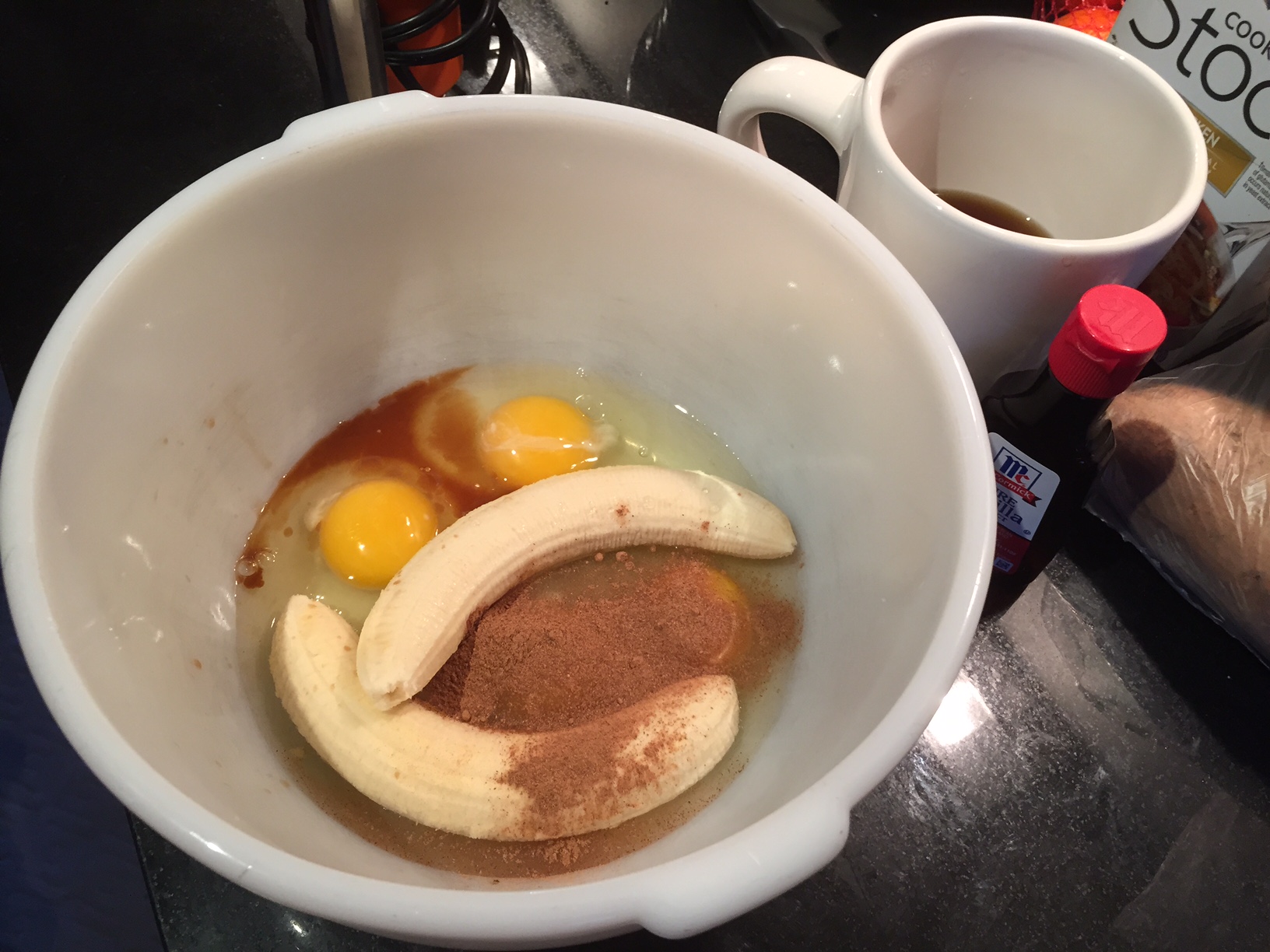
  1. Add bananas, eggs, vanilla and pumpkin pie spice to a medium-sized bowl.
  2. Mix until smooth with an immersion (or regular) blender.
  3. Cook on pre-heated griddle, greased lightly with coconut oil, until both sides are browned.
  4. Keep hot, and serve immediately — with almond butter!

I love recipes where you can throw everything into one bowl; you can also change the flavor profile by adding other spices, fruit, cocoa powder, etc.

IMG_3786

Next step? Blend, baby, blend! Don’t be surprised if the batter gets all aerated and frothy.

IMG_3787

Spoon batter onto a hot griddle, and flip when pancakes are bubbly and have set.

IMG_3791

Cook on the other side for about a minute until lightly browned and cooked through.

IMG_3793

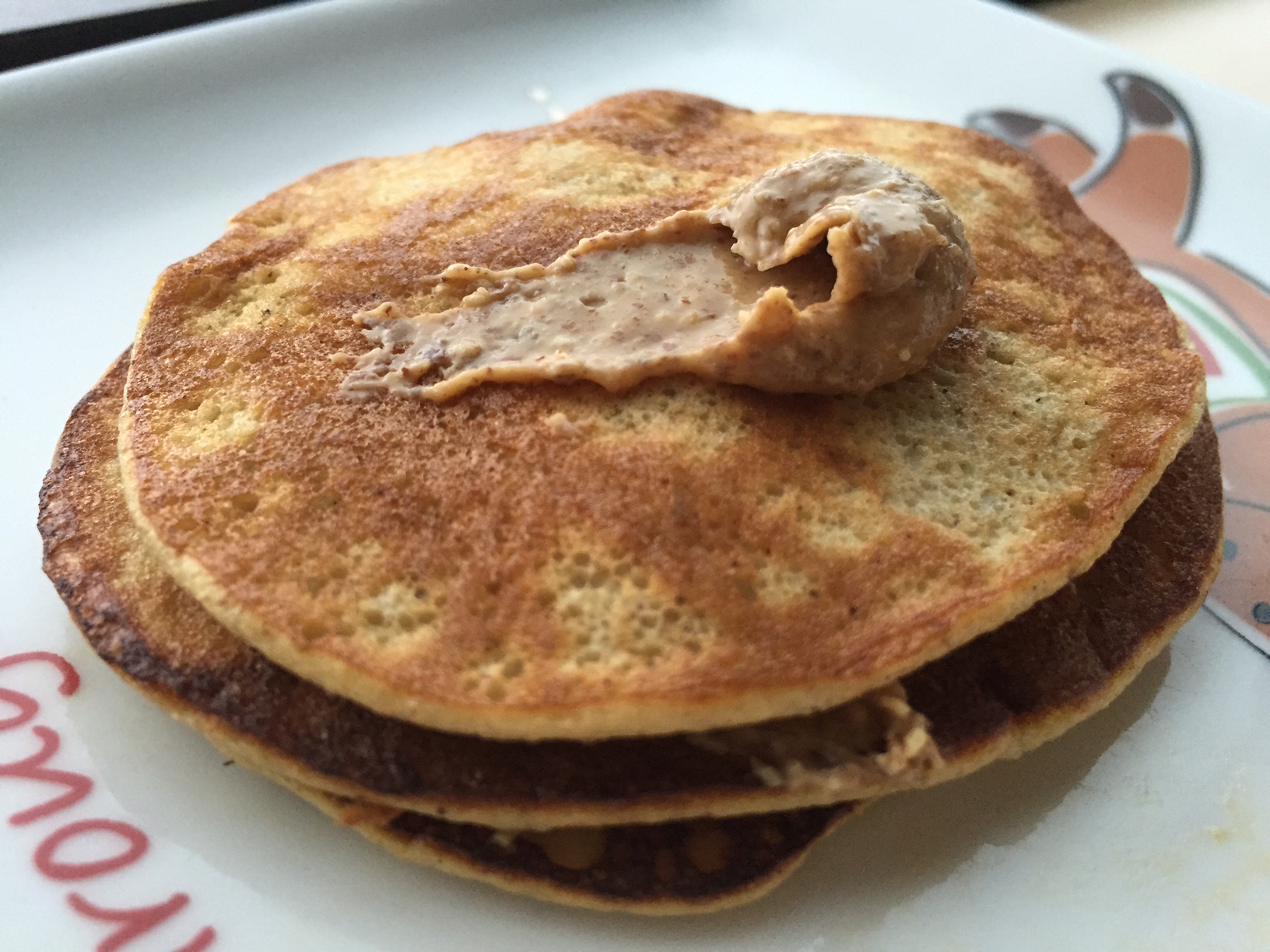
Layer hot ‘cakes with almond butter…and get ’em while they’re hot!

IMG_3795

Have you tried the famous two-ingredient pancakes?

I Feel the Need…the Need for (Chia) Seed

IMG_4087

As I was reviewing my goals for 2015 the other day, it struck me that there’s one, big gaping hole: Nutrition!

Between all the talk about training, racing, facing fears and choosing new challenges, I neglected to address the fact that fuel is a critical factor in overall health, performance and being able to push yourself.

And nothing against people — I’m looking at you, Chad Johnson — who claim to flourish with fast food, but I have a feeling that a diet chock-full of Big Macs would only land me in Big Trouble.

So as part of my “train smarter” goal, I’ve been reading this book and doing a lot of thinking about food as fuel. Not only trying to weed out a lot of processed junk (you’d be surprised how tough this can be!), but also attempting to consume more nutrient-dense foods — i.e. those that deliver the biggest “biggest bang for the buck,” meaning lots of nutrients for relatively few calories.

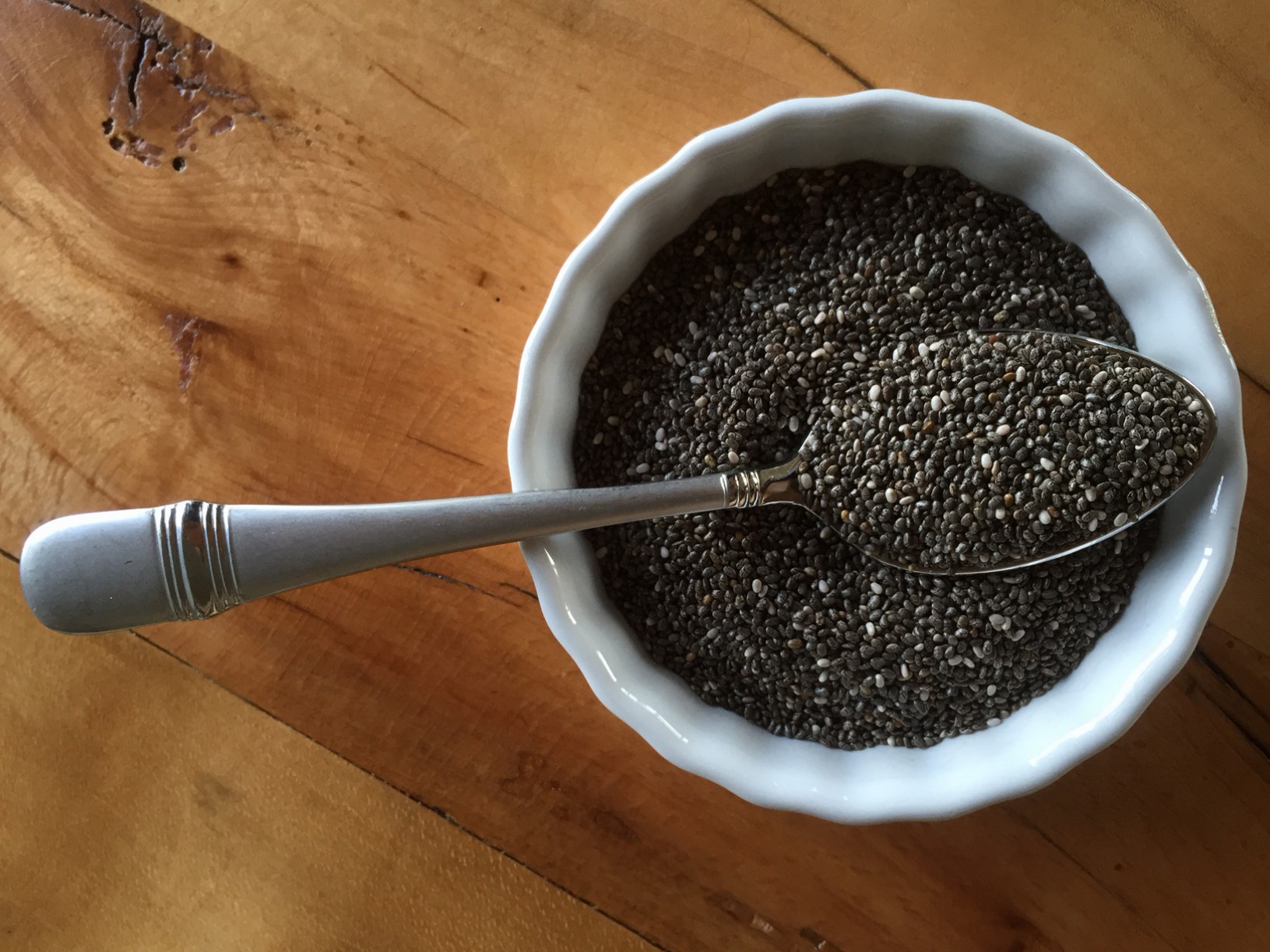
That’s where chia comes in. No, I don’t believe it’s a nutritional silver bullet, but it is purported to have twice as much protein as most grains and five times more calcium than milk. Factor in some good amounts of omega-3 and omega-6 fatty acids, soluble fiber, potassium and antioxidants, and I figured it’s a good addition to my healthy-eating regimen.

So what do you do with it? Well, here are four simple ways I’m slipping this little seed into my diet:

1. Chia-Specific Recipes: You may have seen my recent recipe for overnight oats, which has since become a family favorite for the tapioca-pudding-like texture, but there are countless ways in which chia can be used in recipes; check out these over at BuzzFeed.

2. Sneaky Substitutions: Simply swap in chia seeds for eggs or oil in recipes by mixing a tablespoon of chia seeds with one-quarter cup of water; use as a thickener for soups, sauces and puddings; or add chia seeds to an herb, seed or granola mix to bump up the nutrient factor.

3. 10,000-Year-Old Red Bull: In his book, Born to Run, Christopher McDougall studies a tribe of the world’s greatest distance runners and reveals their secrets — one of which is a drink called Chia Fresca (or iskiate), which features chia.

4. On-the-Go Snacks: Nope, it’s not just in the bulk food section of health food stores; chia’s now mainstream and in a number of products — just make sure it’s nothing super-processed or sugar-laden.

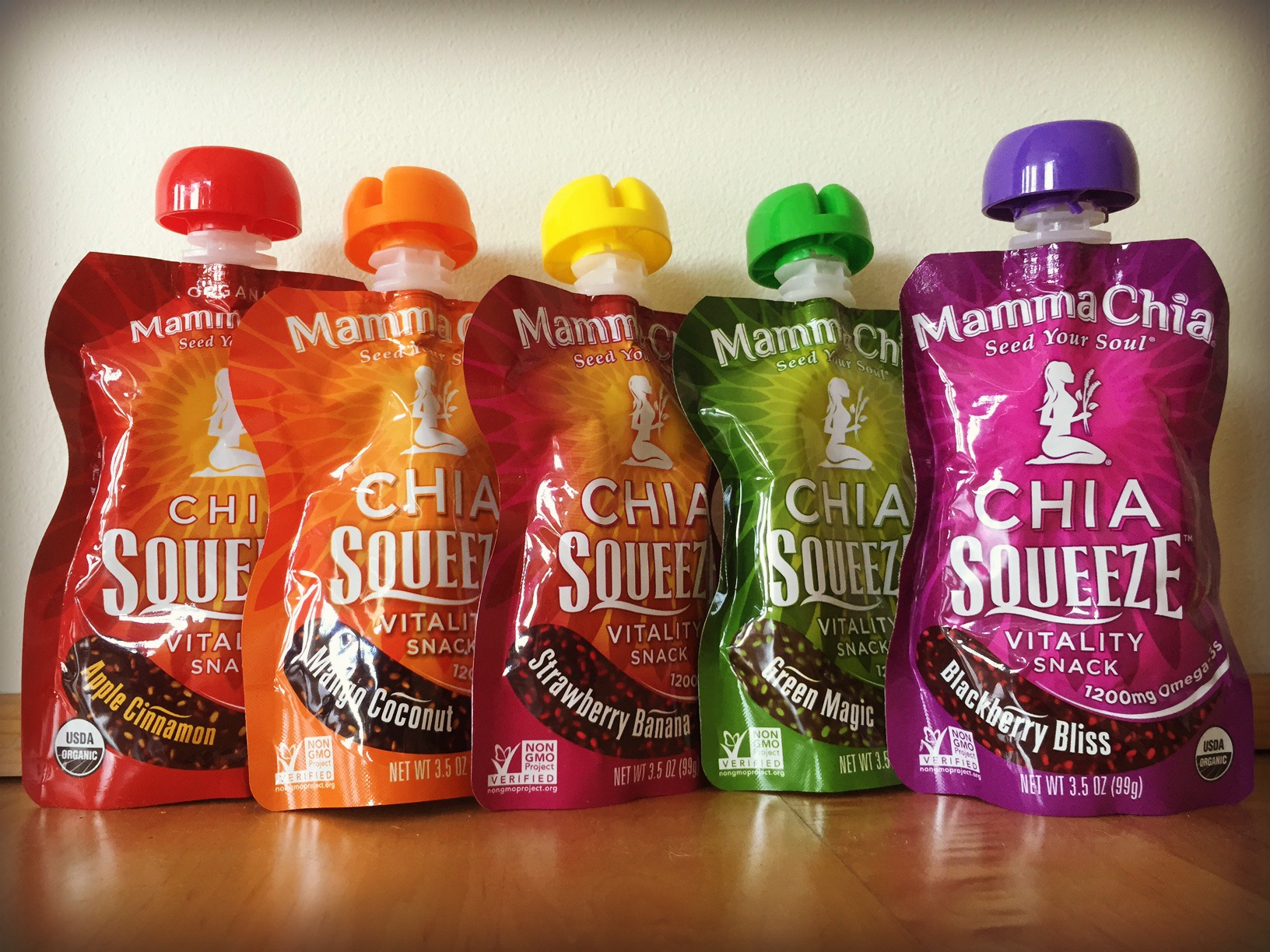
My new favorite mid-run snack are these Mamma Chia Squeezes (low in sugar, and all-natural chia + fruit + veggies), and instead of juice, I’ll grab one of their Vitality Beverages, which has added benefits of omega-3s, antioxidants, dietary fibers, as well as complete protein, calcium and magnesium.

IMG_4088

Have you jumped on the chia bandwagon? 

Fave Fix: GoodBelly 12-Day Belly Reboot

IMG_3207

The holidays tend out to bring out the crazy in all of us, right?

Case in point: After months of excess, we toss kale in our grocery carts and halfheartedly call it “eating healthy” (even though we’re buying roughly twice as many calories per serving in food now, as compared to the holidays, says this study) or commit to a crazy cleanse or restrictive diet that’s destined to leave us yoyo-ing throughout 2015.

Why abuse your gut in an effort to lose it?

My suggestion instead: Be nicer to your belly with a 12-Day Belly Reboot.

safe_image

The kind folks over at GoodBelly contacted me to check out their new program, which launched just in time for the New Year. During the Reboot, you drink one 8 oz. glass or one shot of GoodBelly a day for 12 days. Along the way, you’ll be able to track exactly what’s happening in your body and get extra motivation in the form of tips and coupons.

“Since probiotics do their work in the belly and beyond, there hasn’t necessarily been a way to see tangible results of their impact on overall health, ” said Alan Murray, CEO of GoodBelly. “Our new Belly Reboot was created to offer consumers a way to really track and understand how probiotics can impact the way they feel in just 12 days.”

Made with the well-researched probiotic strain, Lactobacillus plantarum 299v (LP299V®), GoodBelly supports digestive health. Unlike many other live and active cultures, though, LP299V survives passage beyond the stomach’s acidic environment in order to support the rest of the digestive system, and ultimately overall health.*

IMG_3206

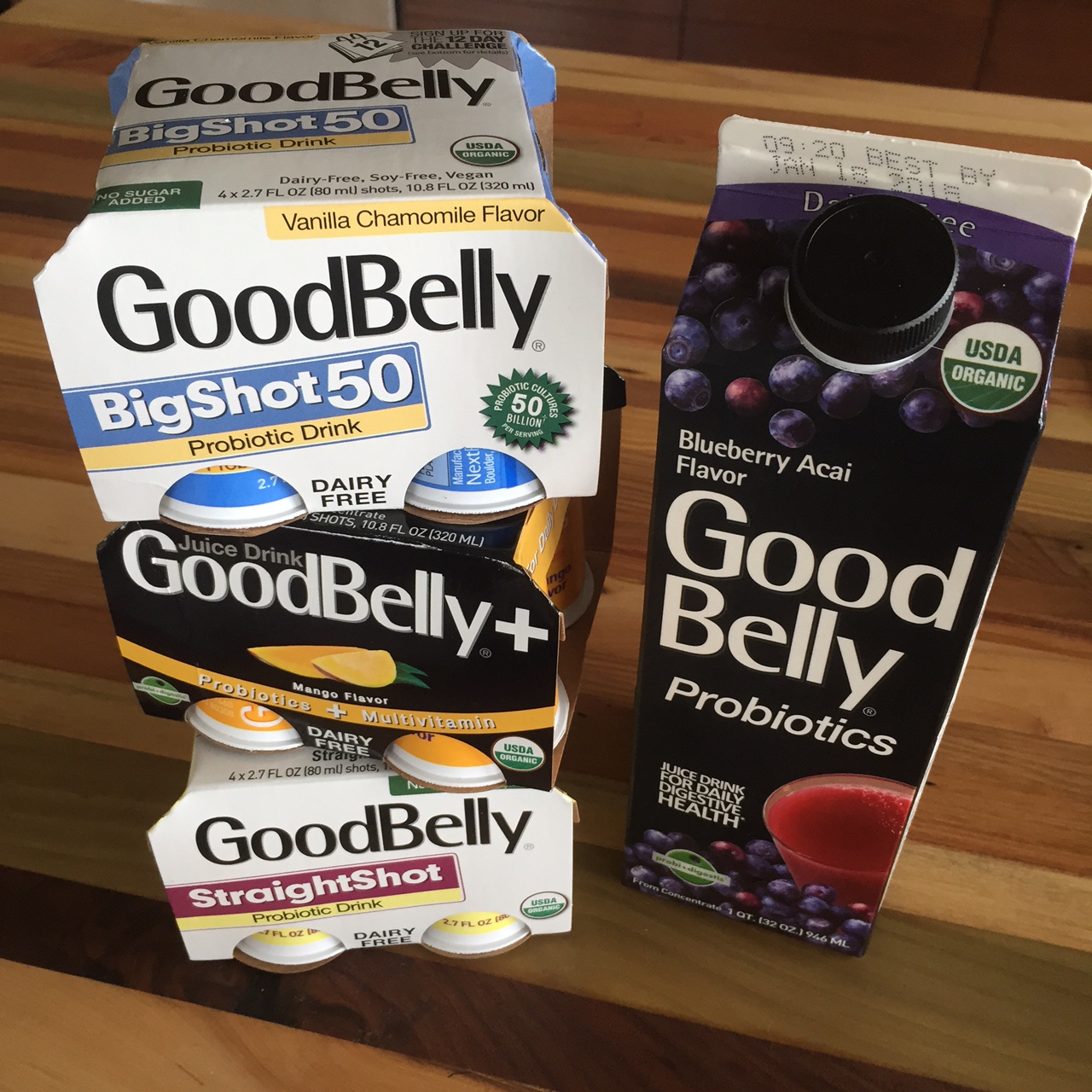
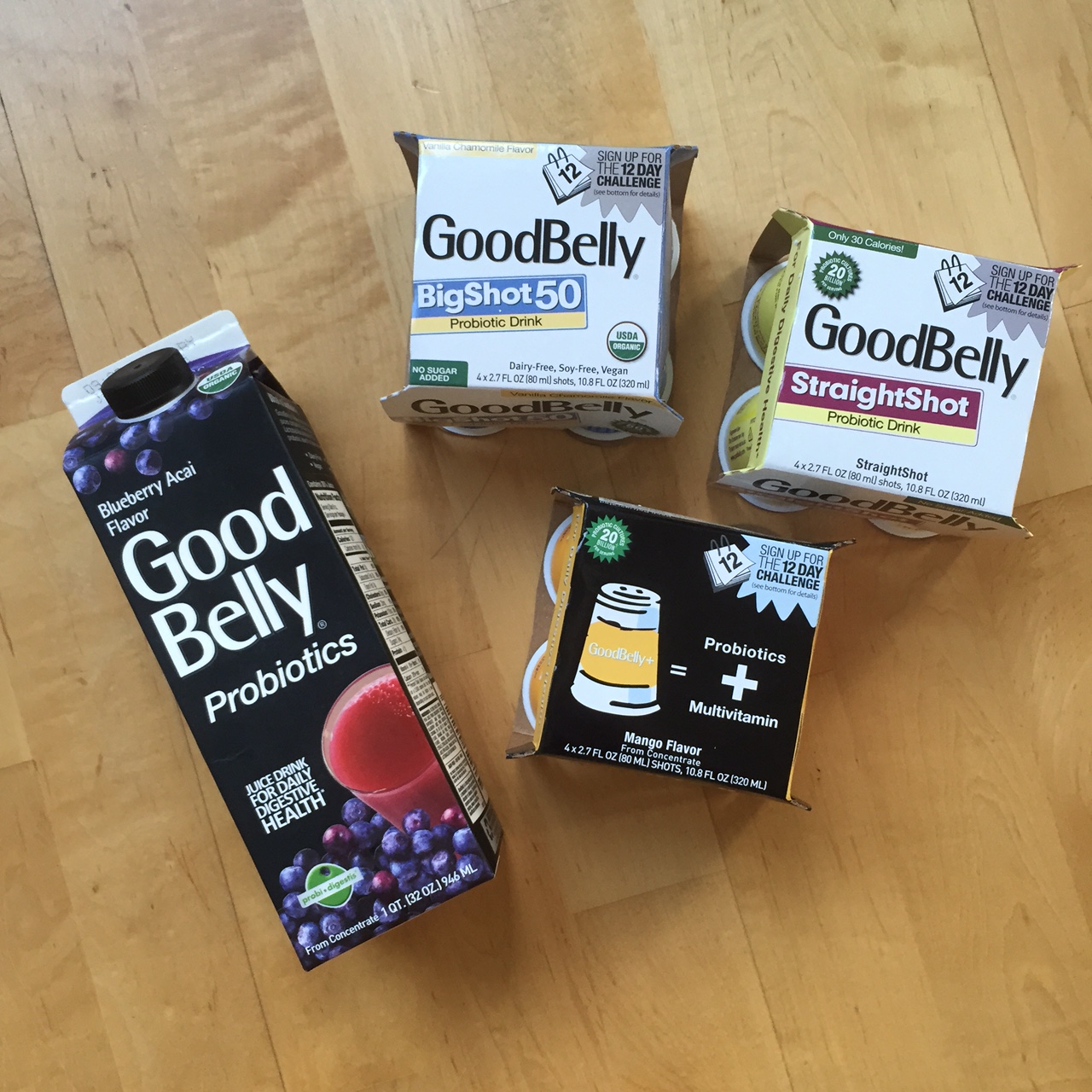
GoodBelly offers multi-serving quarts and single serving shots, available in flavors like Blueberry Acai, Mango, Pomegranate Blackberry and Strawberry. Each serving packs 20-50 billion live and active probiotic cultures to promote healthy digestive and immune systems, as 70 percent of the body’s immune system resides in the digestive tract.*

I kicked off my  12-day test just as things got hectic around the holidays. The juice was delicious, and the shots were convenient (some sweet, some tart, depending on the flavor), but best of all? Between last-minute shopping stress, unusually decadent meals, lots of travel and — to top it off — an especially active cold and flu season, I was not only able to stave off sickness, but also keep my energy up and banish bloat.

If you’re on the supplement bandwagon, like me, you may already take probiotic pills. In that case, GoodBelly’s a great way to add some variety (not to mention extra vitamins and calcium) to your diet. And if you’re new to the idea, it’s an easy — and delicious — way to augment your healthy eating habits for 2015.

IMG_3210

“We believe that what you eat and drink has a direct impact on your overall health,” said Murray. “Which is why we’re committed to creating functional beverages in exciting flavors that are easy to drink and absolutely delicious.”

Now, that’s really going with your gut.

For more information on the GoodBelly 12-Day Belly Reboot, click here.

*Some studies suggest GoodBelly’s probiotic may help balance the bacteria in your gut when consumed daily as part of a nutritious diet and healthy lifestyle. GoodBelly is a food product and not a treatment or cure for any medical disorder or disease. If you have any concerns about your digestive system, please consult a health care professional.

Recipe: Banana Carrot Muffins

IMG_2573

I don’t know about you, but rainy weather and cold temperatures always put me in the mood for baking. That can get out of hand pretty quickly in a wet climate like Portland, though, so I’m making an effort to incorporate more nutrients into my sweet treats this season.

Case in point: I adapted the following recipe from Wassner Twins’ delicious Chocolate Chip Banana Bread, making some substitutions based on ingredients we happened to have on hand. The result is a perfect little pick-me-up for enjoying with your morning coffee — and it won’t leave you feeling sluggish for hours after.

Banana Carrot Muffins

Ingredients:

  • 3 bananas
  • 3 teaspoons cinnamon
  • 1/4 cup Agave syrup
  • 1/2 cup coconut oil
  • 2 eggs
  • 1/2 teaspoon vanilla
  • 3/4 cup all-purpose flour
  • 3/4 cup coconut flour
  • 1 1/2 teaspoons baking powder
  • 1 1/2 teaspoons baking soda
  • 1 tsp salt
  • 3 medium carrots, grated with a box grater (about 1 cup)

Directions:

  1. Preheat oven to 350 degrees.
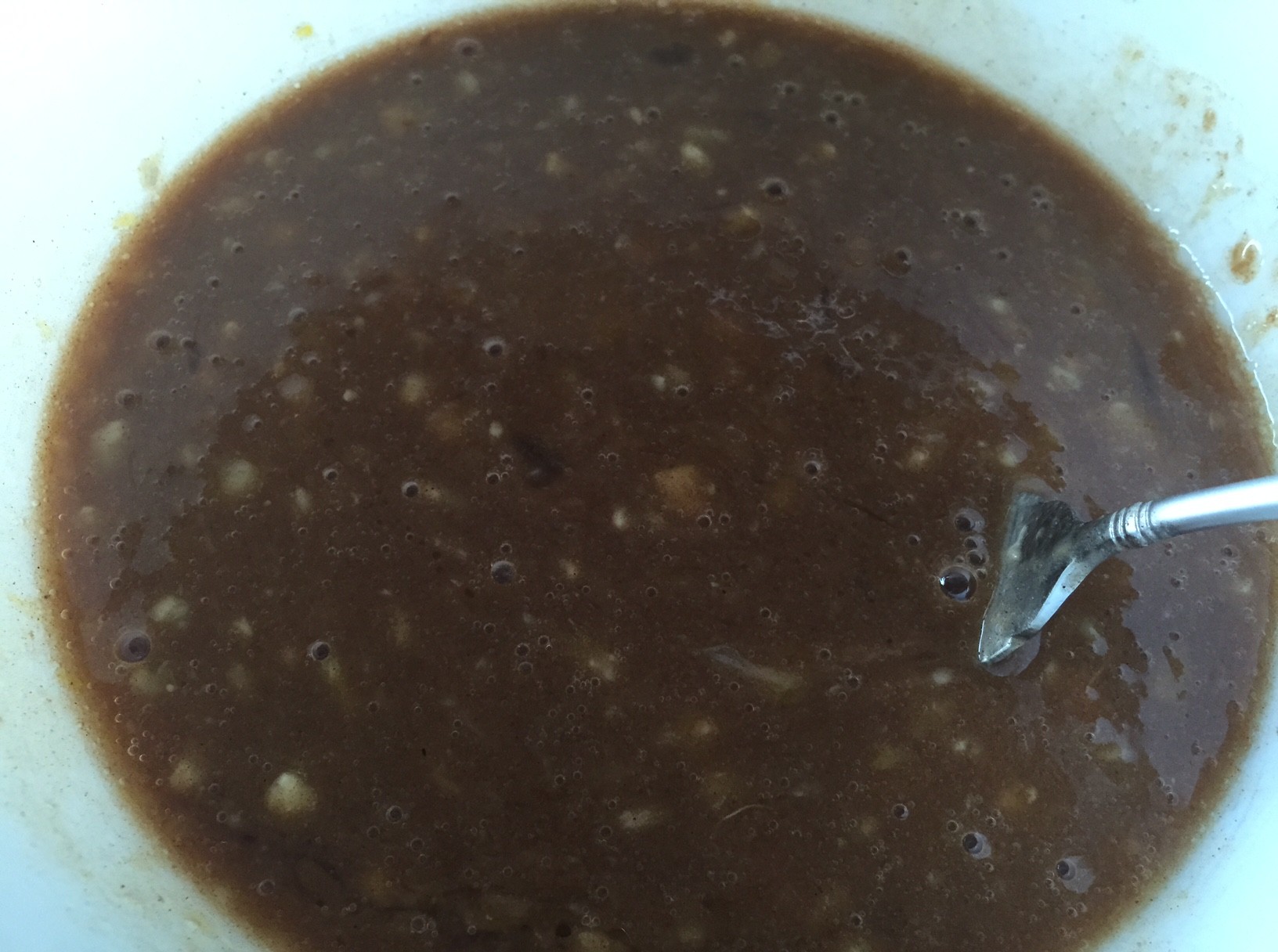
  2. In a small mixing bowl, use a fork to mash bananas with cinnamon.
  3. Add Agave, oil, eggs and vanilla. Beat with a hand mixer on medium (or rigorously by hand) until combined.
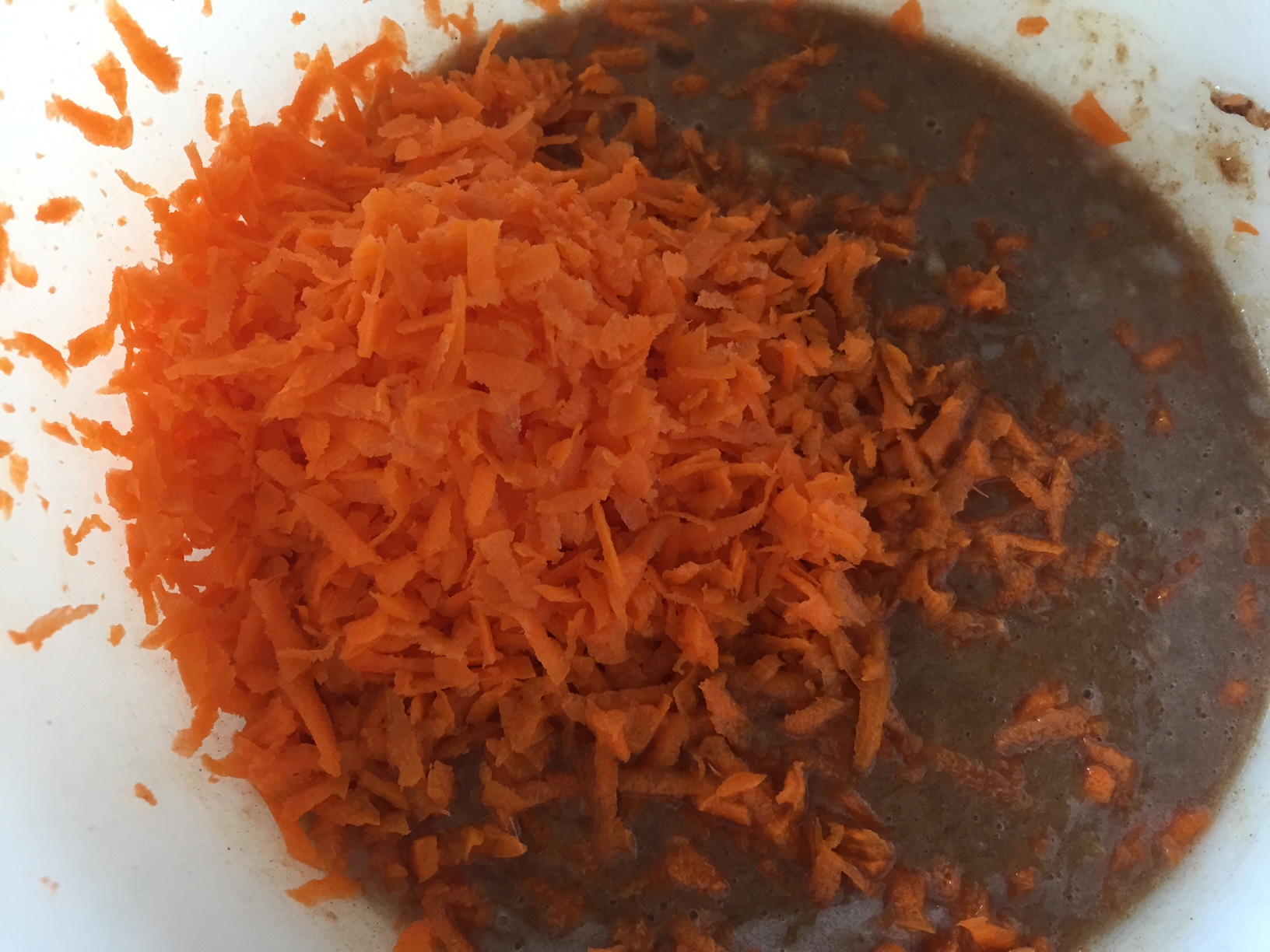
  4. Stir in carrots until they’re evenly dispersed throughout the batter.
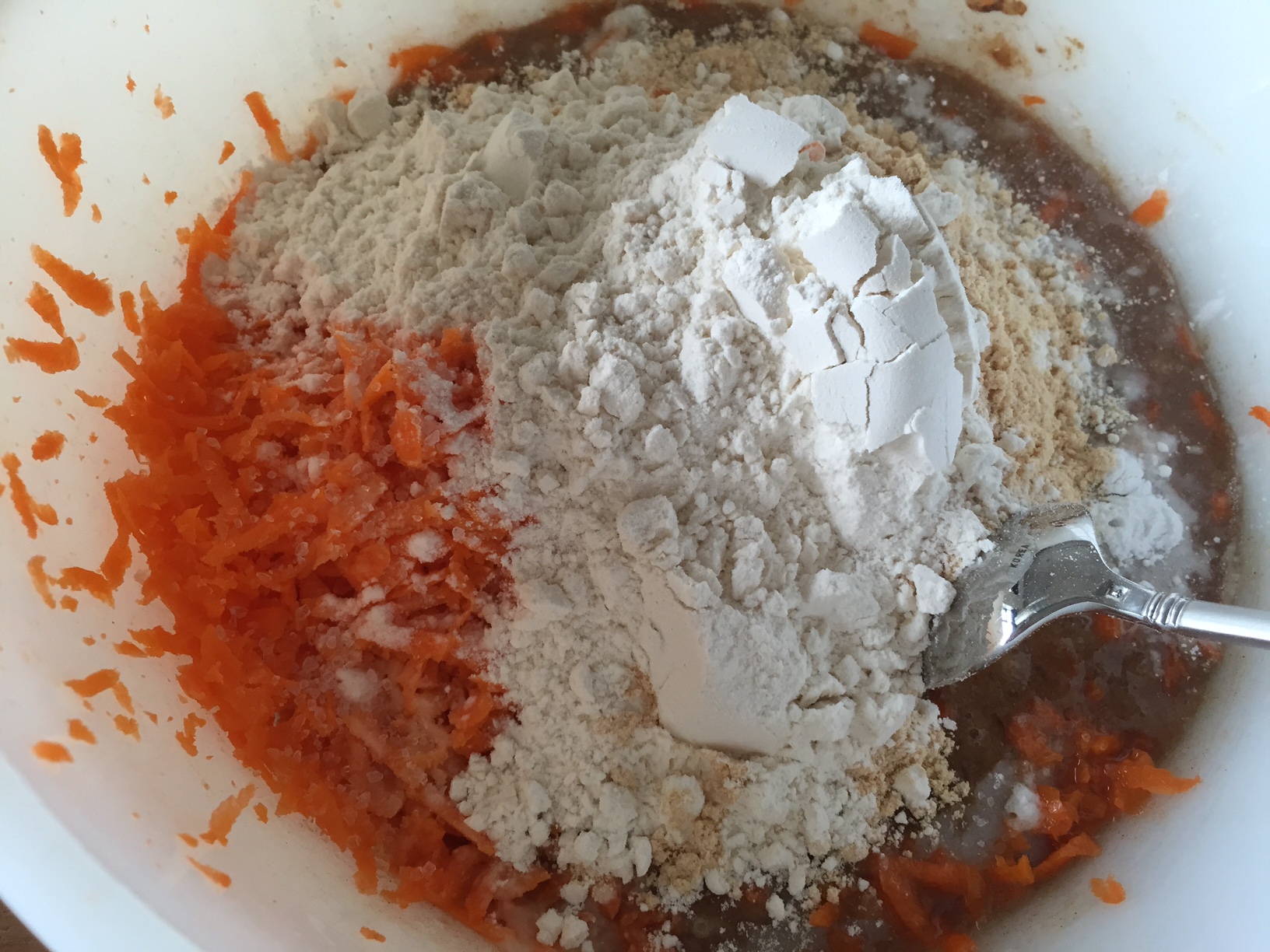
  5. Add flours, baking powder, baking soda and salt, mixing by hand until the dry ingredients are incorporated.
  6. Divide mixture into lined muffin pans, filling each one about three-quarters to full (batter won’t rise much).
  7. Bake 20-30 minutes or until edges are golden and a tooth pick inserted into the middle of each muffin comes out clean.

The Wassners recommend using bananas that aren’t over-ripe so the recipe doesn’t get too sweet, but you may want to adjust accordingly if you find that this recipe isn’t sweet enough to your taste.

IMG_2565

You can also play around with the amount of Agave to get the batter to your desired level of sweetness.

IMG_2566

And who would have thought to add carrot into banana bread?

But it’s a great way to get some good vitamin A, as well as a host of other powerful health benefits, including beautiful skin, cancer prevention and anti-aging properties.

IMG_2567

Another area in which you can experiment is the flours: If you’re gluten-free, feel free to swap out the all-purpose flour for your favorite alternative.

But I like to retain some of the white stuff to keep the muffins from getting too dense.

IMG_2568

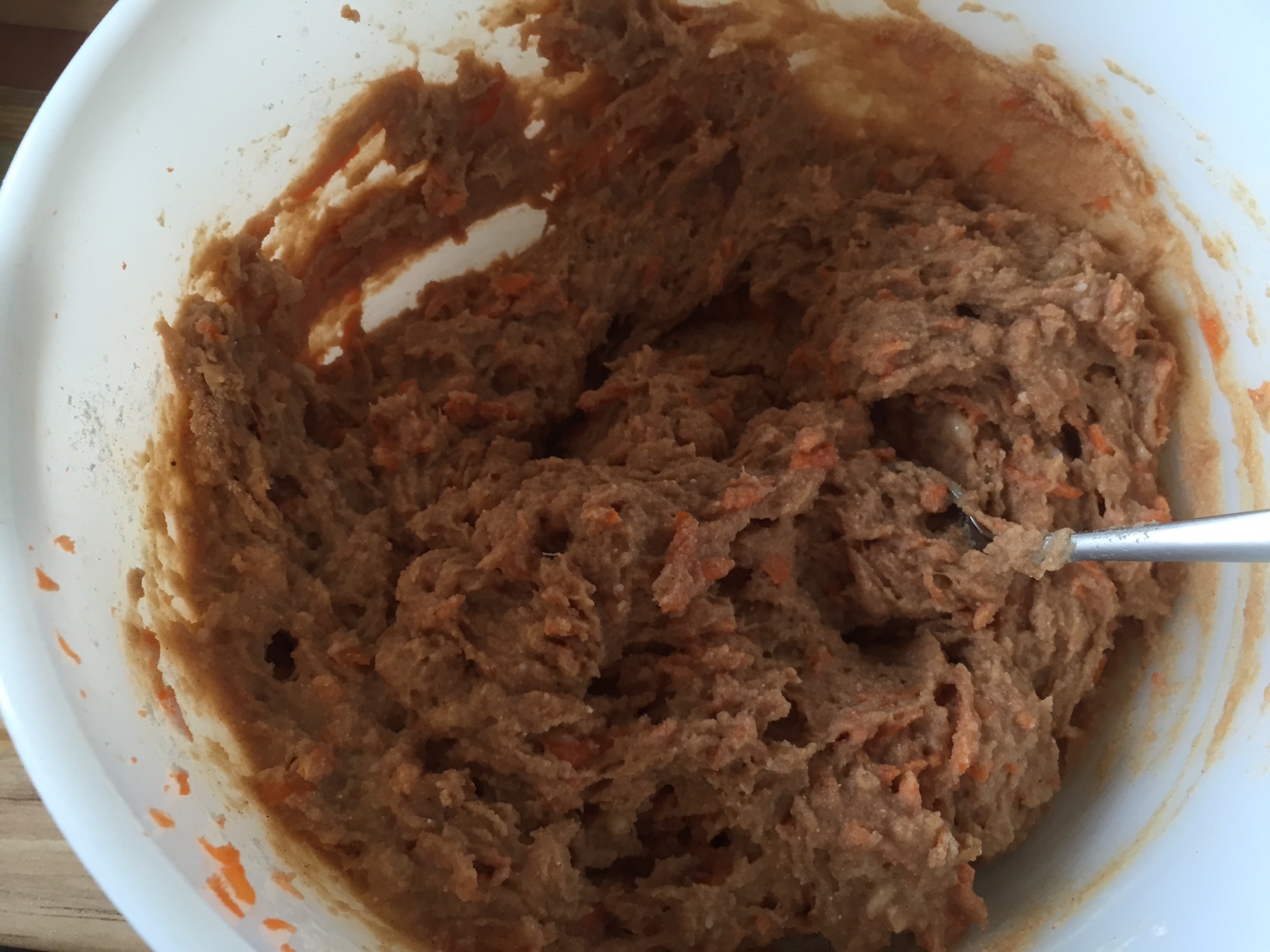
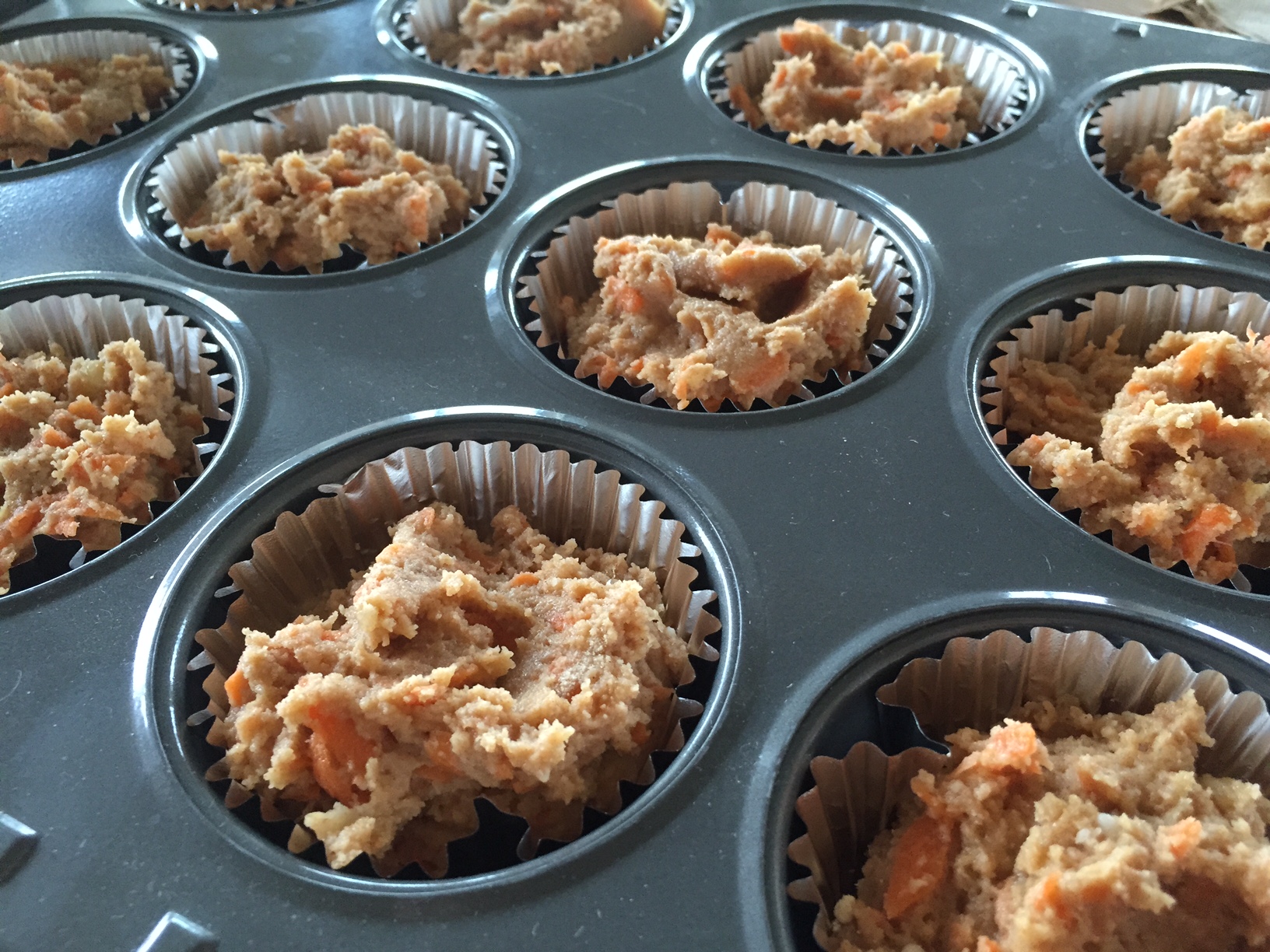
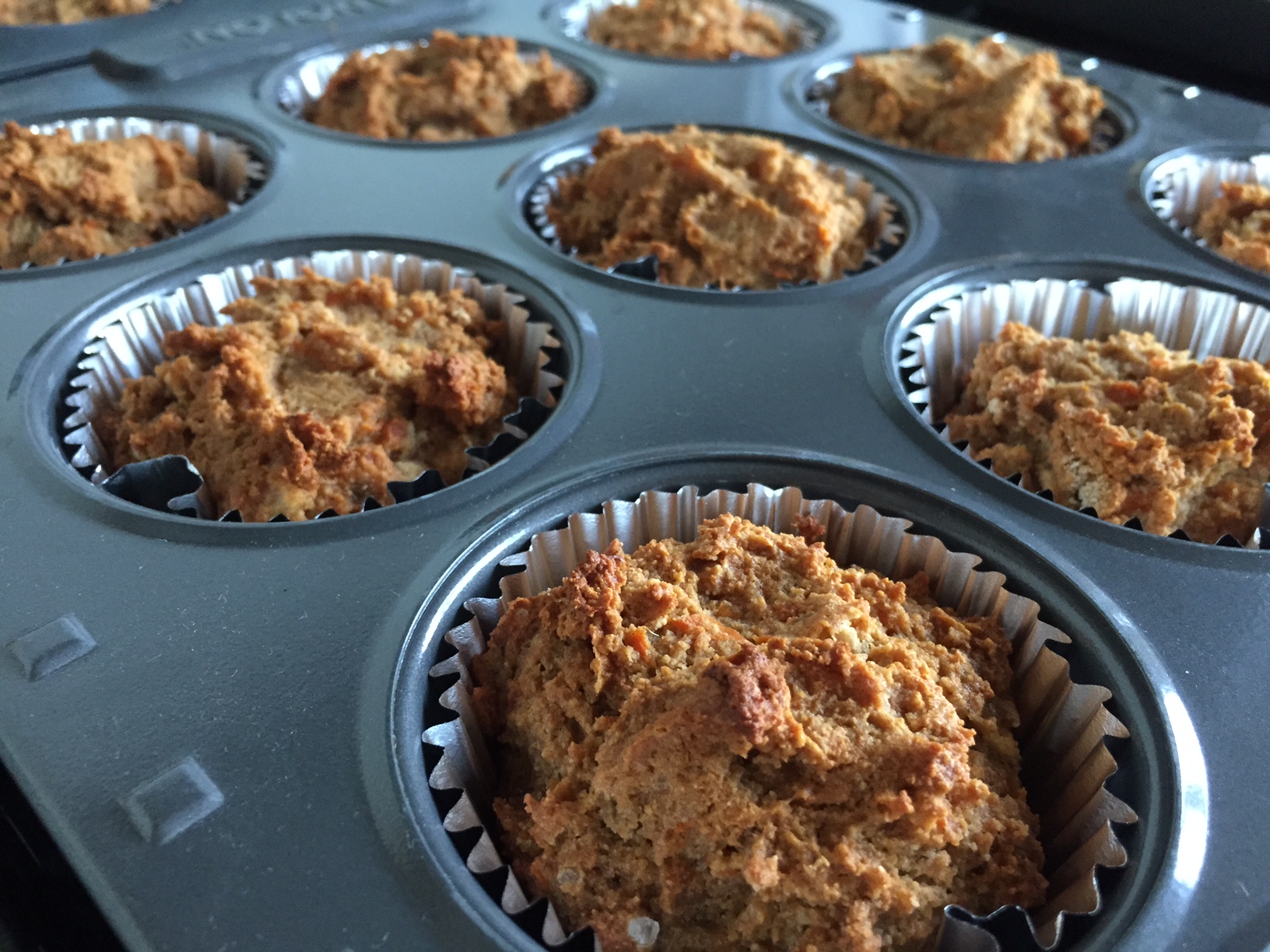
One word of warning: The batter will be dry and thick, but don’t worry! Simply scoop it into your muffin cups instead of pouring it in.
IMG_2569

Because it is so thick, you’ll also want to smush it down in the cups to make sure they’re filled evenly.

IMG_2570

As you can see, they won’t rise much — if at all — so the best way to tell whether or not they’re done is to make sure to do the toothpick test.

Not only do oven temperatures vary, but these tend to take a bit longer to cook than traditional muffins, so don’t be surprised if their cooking time is on the higher end.

IMG_2574

I promise, though, they’re worth the wait. Your house will smell lovely, and you can eat as many as you’d like, guilt-free…well, within reason.

IMG_2576

What’s your go-to activity when the weather is crummy?

Recipe: Savory Paleo Cauliflower Rice

IMG_1595

While greens may be all the rage right now, there’s another member of the cruciferous family of vegetables you’ll want to add into your weekly meal rotation: Cauliflower.

Cancer-fighting, anti-inflammatory and antioxidant-rich, the versatile veggie provides your body with plenty of vitamin C, vitamin K and beta-carotene, plus it supports healthy digestion and detoxification.

After hearing a bunch of buzz about using mashed cauliflower in place of potatoes and grated cauliflower in place of rice, I decided to take the latter for a whirl. Not only was it a lot easier to make than I thought, but the texture and flavor were a hit with everyone — even the toughest meat-and-potatoes critics!
Savory Paleo Cauliflower Rice

Ingredients:

  • 1 head cauliflower, rinsed and patted dry
  • 1/2 yellow onion, finely chopped
  • 1 clove garlic, minced
  • 2 tbsp olive oil
  • 1/2 tsp Zehnder’s Chicken Seasoning (or similar flavoring, you may want to try chicken or beef bouillon)
  • Salt and pepper, to taste

Directions:

  1. Using a grater, grate the cauliflower to a coarse texture that resembles grains of rice
  2. Heat olive oil in a skillet over medium heat
  3. Add garlic and onion, and sauté until garlic just starts to brown and onion is translucent (3-4 minutes)
  4. Add in cauliflower and continue to sauté for another 4-5 minutes or until tender
  5. Season with chicken seasoning, salt and pepper, and serve

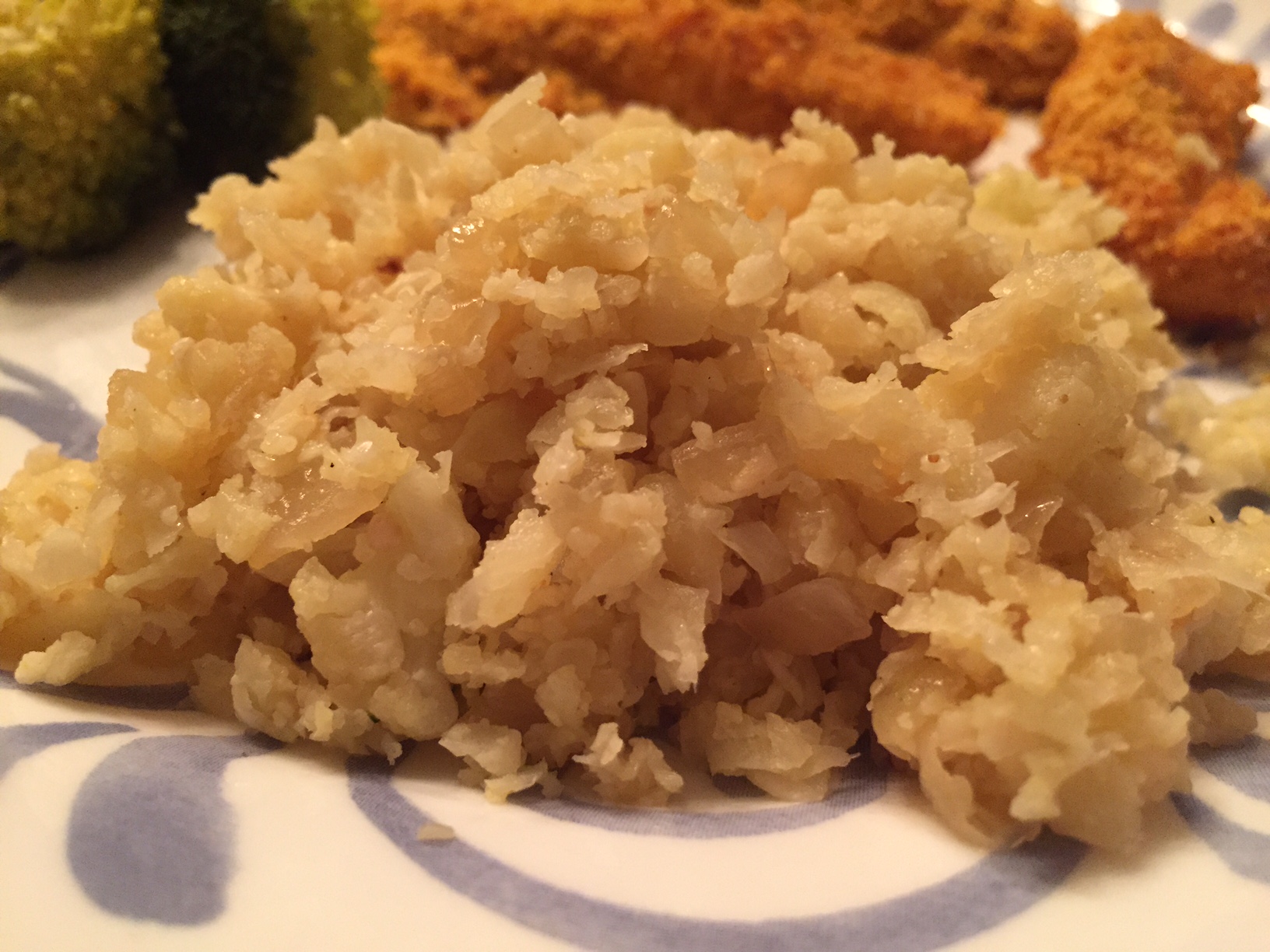
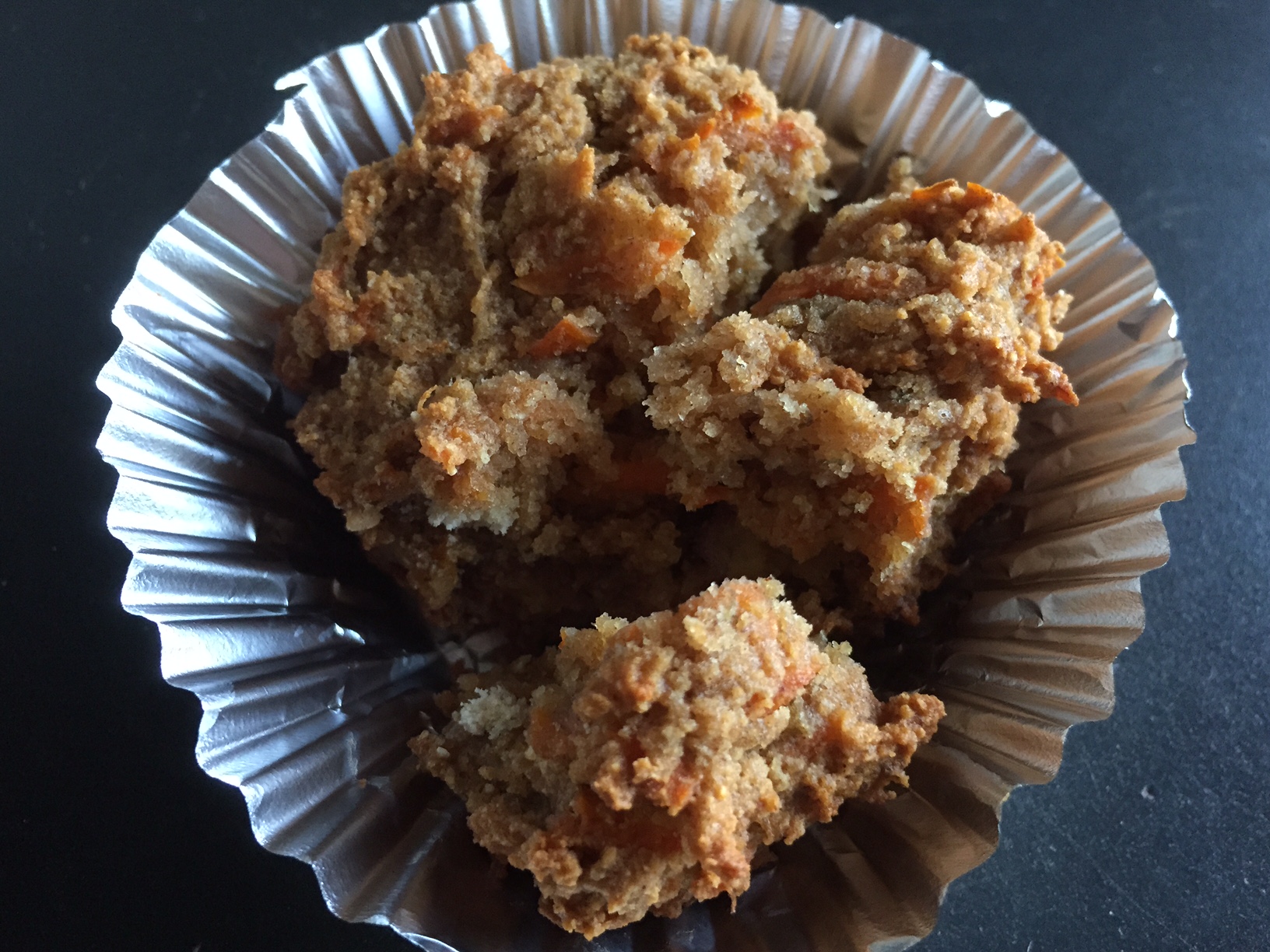
Here’s a closer shot to show the texture. Honestly, it’s pretty tough to tell that this isn’t the real thing (i.e. rice) — and the best part is that it’s super-filling, yet low in calories and packed with nutrients.

IMG_1594

And in case you’re wondering about the rest of the meal, I paired it with Almond Flour Chicken Fingers and broccoli for an all-around awesome Paleo-rific dinner. Enjoy!

Recipe: Green Eggs & Ham Scramble

IMG_1686

Earlier this week, I wrote about the health benefits of eggs, so I wanted to follow it up with one of my favorite breakfasts. Not only is this recipe perfect when you’re short on time in the morning — just throw everything into the pan at once and stir to cook — but it’s also not super scientific, so feel free to tweak the ratios of ingredients and experiment with different meats, cheeses and other add-ins.

Green Eggs & Ham Scramble (serves 4)

Ingredients: 

  • 8 eggs
  • 4 slices ham-off-the-bone, diced
  • 4 slices cheese, diced
  • 2 leaves kale, finely minced
  • 1 tsp olive oil
  • Salt and pepper, to taste

Directions: 

  1. Prep your add-in ingredients first; wash, chop, then set aside.
  2. Crack the eggs into a pan that’s been heated with a little olive oil to coat the bottom.
  3. Add all the other ingredients, and stir until cooked to your desired consistency.

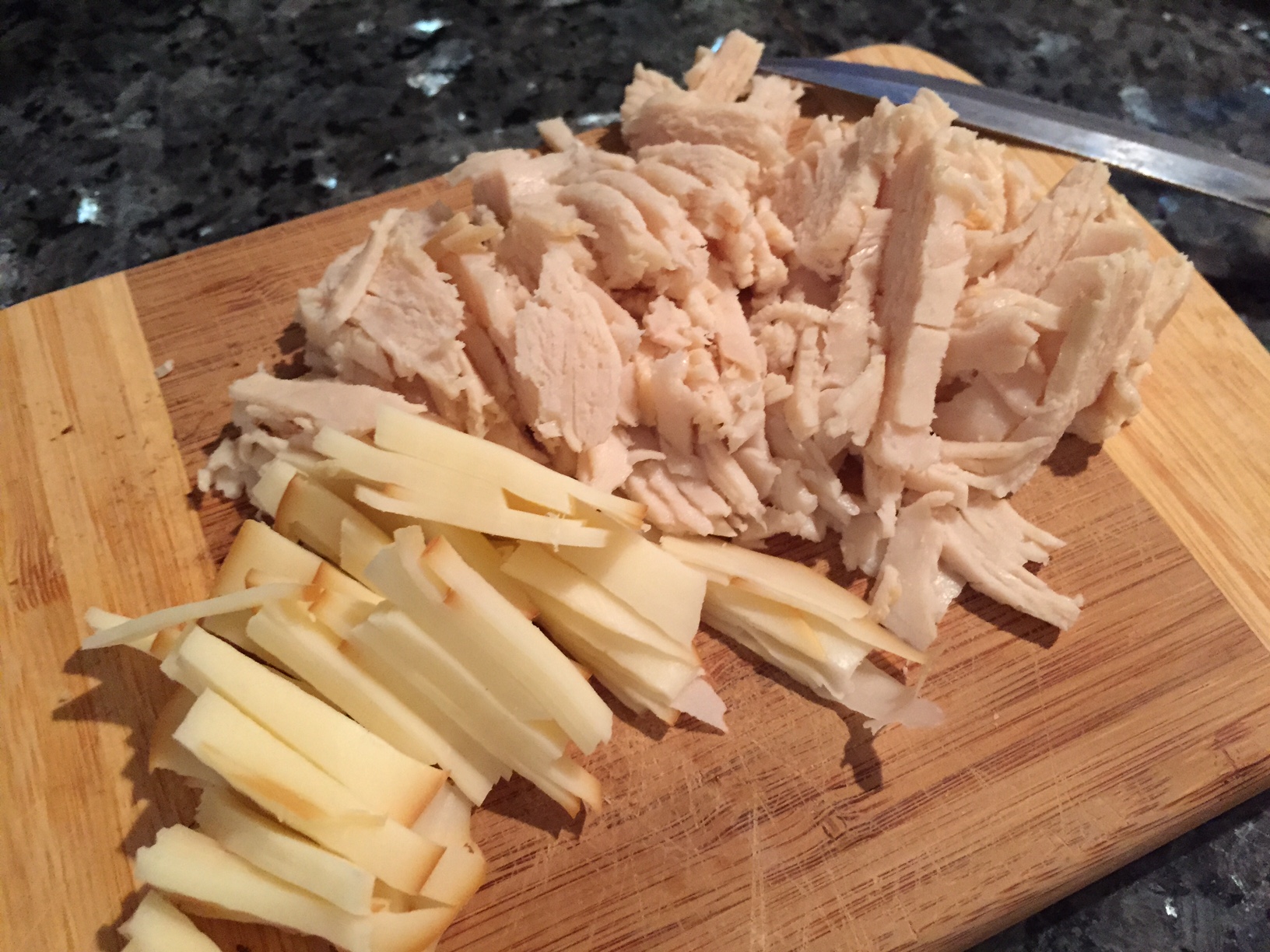
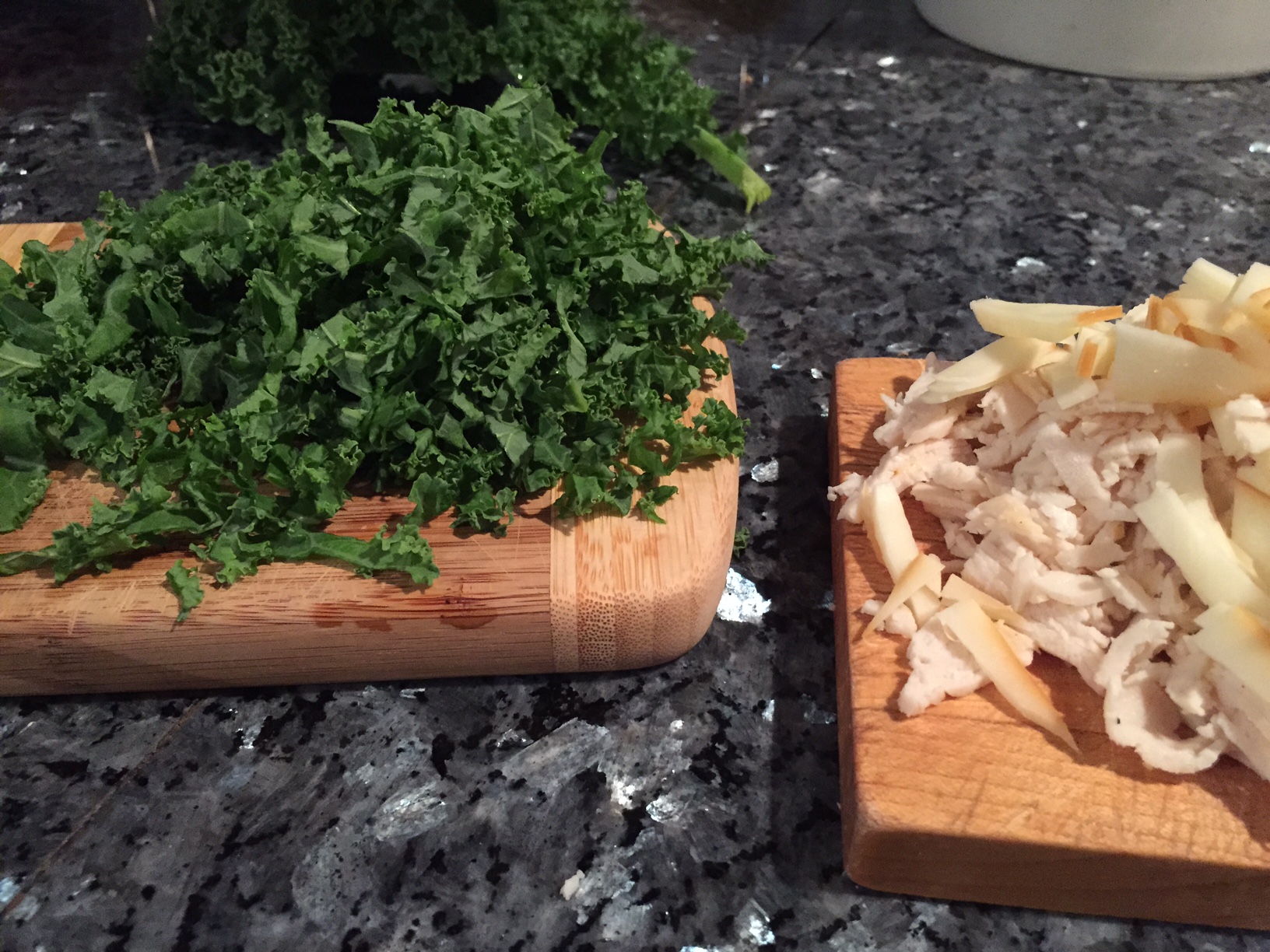
When I made this, I just happened to have deli chicken on hand, so I used that instead of the ham. And cheese-wise, I went with a Gouda, which lent a nice hint of smokiness to the dish.

IMG_1680

Wash, dry and finely mince the kale before tossing it into the pan with the other ingredients. That way it’ll cook down properly; the last think you want is to feel like you’re eating scrambled eggs mixed with a salad (ew).

IMG_1683

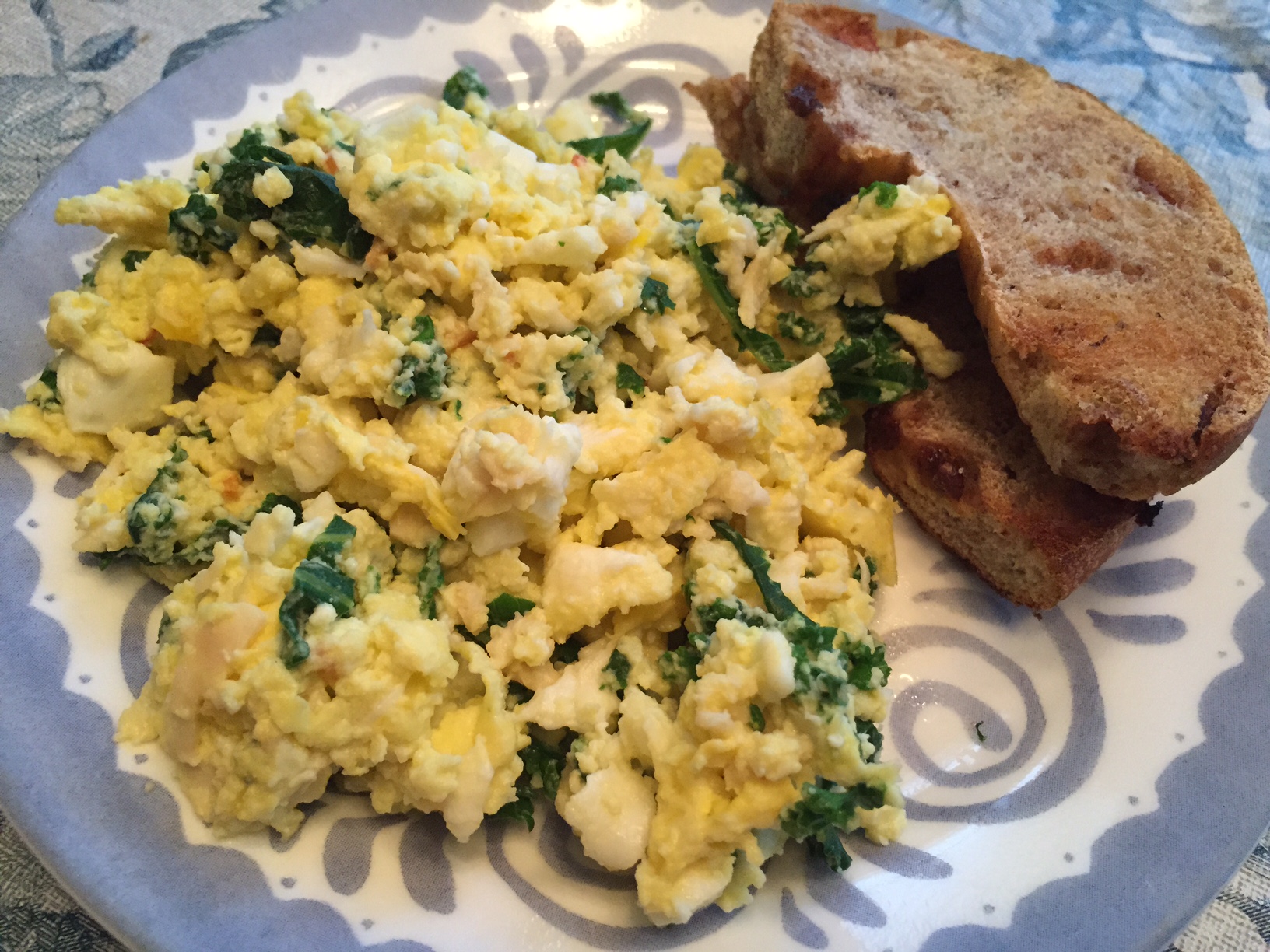
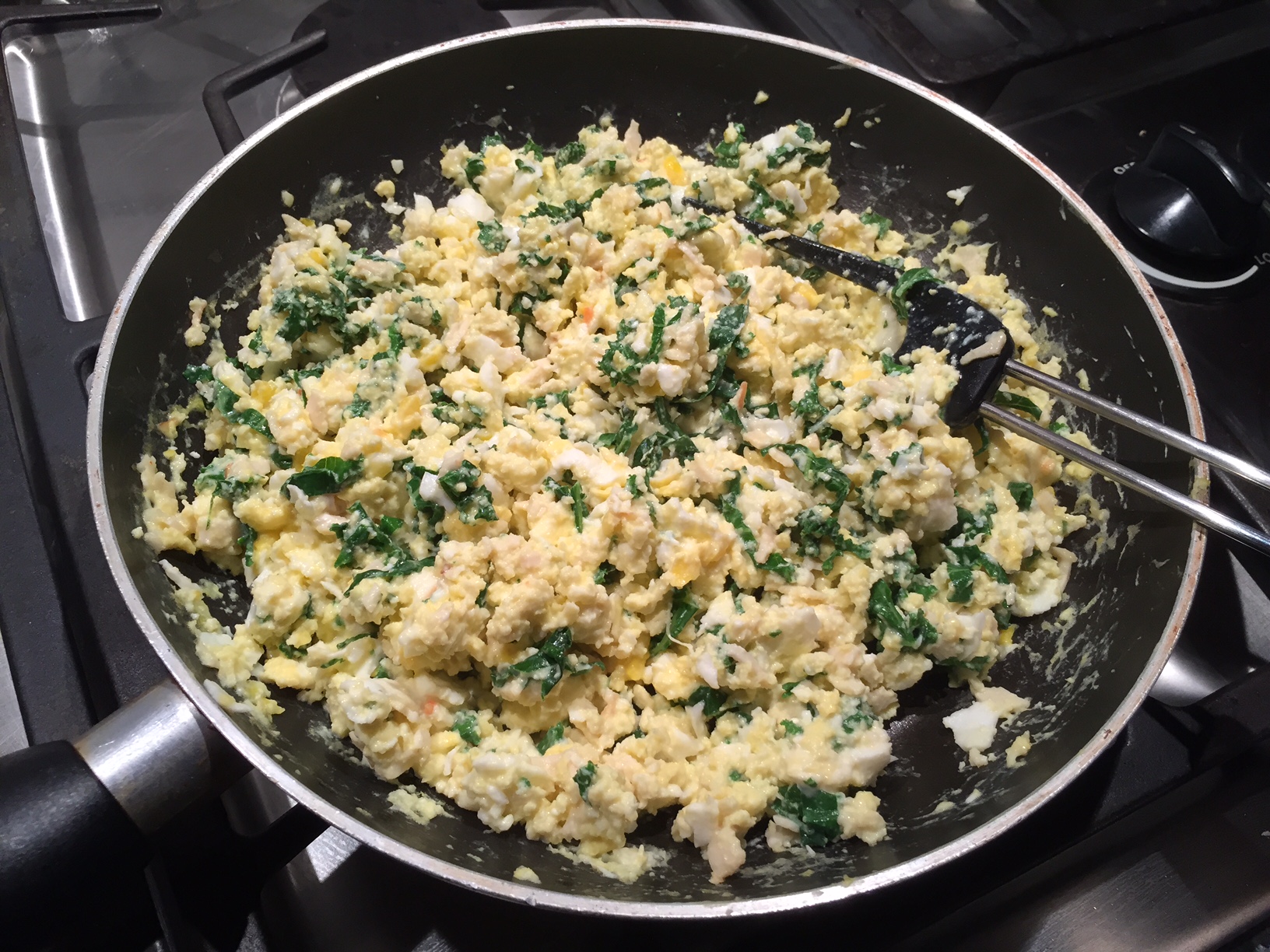
I happen to like my eggs on the drier side, too, so I cook everything longer — and this also gives the kale a chance to soften up. Make sure all the ingredients are incorporated evenly, and season to taste.

IMG_1684

Still not sure how you feel about eggs with kale? Well, in the words of our beloved Dr. Seuss:

You do not like them, so you say.
Try them! Try them! And you may.
Try them and you may, I say.

Happy, healthy eating! 🙂


Give ’em a Break: Make Eggs Part of Your Heart-Healthy Diet

2013-06-19-BROWNWHITEEGG_original

If you’re among the approximately 25 percent of Americans who avoid eating eggs at all costs because you think they’re an unhealthy, cholesterol-spiking ‘eggstravagance,’ it’s time to get ‘re-eggducated.’

Sorry…couldn’t resist.

But in all seriousness, eggs don’t get the credit they deserve. Not only are they easy to cook, nutritious and delicious, but eggs are also a low-cost source of high-quality protein. Incredible and edible, each little guy packs 6.3 grams of protein (13 percent of the daily value) for a mere 68 calories.

And despite lingering artery-clogging cautions from 20 years ago, you can easily eat an egg a day without any negative impact on cholesterol and blood fat levels. This ‘eggcellent’ source of complete nutrition has been proven as essential for weight management, healthy brain and eye function, plus optimal health during pregnancy.

147205750

Eggs are the total package when it comes to eating well: rich in choline, which is critical to brain function and memory, and full of lutein and zeaxanthin, antioxidants that help prevent macular degeneration, the leading cause of blindness. And if that’s not enough, eggs also contain vitamins, iron, folate (helps prevent birth defects) and Riboflavin (converts foods into energy), plus heart-healthy monounsaturated and polyunsaturated fats.

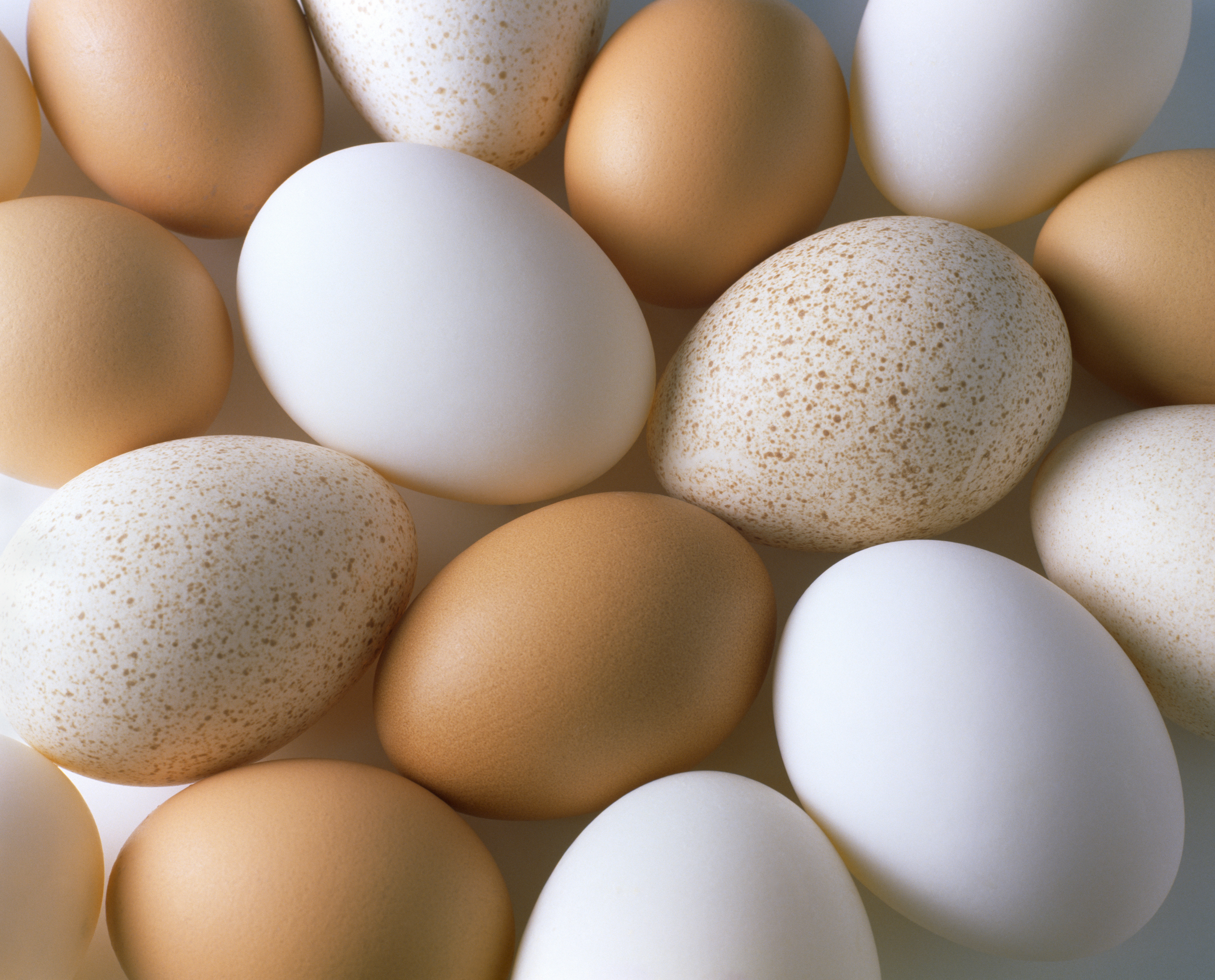
According to the Egg Nutrition Center, there’s no difference in flavor or nutritional value between brown and white eggs; shell color simply reflects the breed of hen. Nutritional quality, however, can vary greatly based on the chicken’s diet. So hens fed a diet high in polyunsaturated fats – kelp meal, for example – lay eggs that are high in omega-3 fatty acids. Similarly, free-range chicken eggs tend to contain higher amounts of vitamins and lower amounts of cholesterol than eggs from standard, factory-fed chickens.

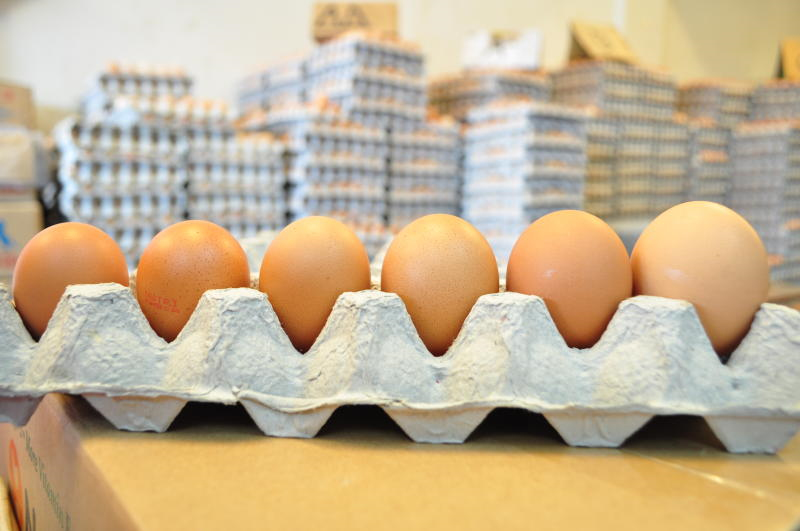
Eggs in the U.S. are classified according to the USDA grading system, which includes labels of AA, A or B. This grading indicates quality based on several factors, including freshness, with AA representing the highest quality. Eggs are also labeled according to their size – jumbo, extra-large, large, medium and small and peewee – which is classified according to minimum net weight expressed in ounces per dozen.

file6hs4526l2eqen271bll

When shopping for eggs, look for shells that are clean and whole; never use an egg if it is cracked and leaking. Refrigerate immediately after buying; eggs will keep well for several weeks at temperatures of 35-45 degrees Fahrenheit. To test for freshness, place raw eggs in a deep bowl of water and discard any that float to the surface (as eggs age, more air is present in the shell).

Fry ‘em, scramble ‘em, boil ‘em or bake ‘em; whatever you do, don’t be a chicken about making nutrient-dense eggs a staple in your healthy eating regimen. For nutritional facts, a range of recipes and other information, visit the American Egg Board website here.

What’s your favorite way to incorporate eggs as part of a healthy diet?