Fit Fix: Olympian Natalie Coughlin on training, nutrition and leading a healthy lifestyle

NCoughlin

In a sport measured in mere fractions of a second, 12-time Olympic medalist for USA Swimming Natalie Coughlin knows a little something about how to be efficient with her time.

And that’s precisely why she teamed up with TRX Suspension Training after the 2008 Olympic Games, making it a training staple for maintaining her strength and stability despite a hectic schedule and frequent travels.

About a year and a half ago, I had the pleasure of sitting down with her after she led contest winners on a “Train with Natalie” TRX Olympic-level workout, so I thought it’d be fun to revisit some of the highlights from our conversation that day.

Photo courtesy of TRX

Photo courtesy of TRX

KineticFix: Can you share a training tip that’ll help us make workouts more effective?

Natalie Coughlin: An overall take-home would be to work on form. With any exercise that you do, it’s easy for us all to get competitive with one another – you look to the person on your left and you’re like, “Oh, they’re doing eight, I want to do 10.”

But just step outside of that – be competitive with yourself, and go for perfect form. That way, you’re getting the true purpose of the workout, and you’ll get a lot more of the benefit, as well.

KF: You’re 30+ now and in amazing shape; how has your workout routine evolved over the years to help you maintain your level of fitness?

NC: Evolving is important in training. I train at UC Berkeley, so I train with 18-year olds, and what’s appropriate for them at that age is not necessarily appropriate for me now.

Essentially, I’m working out to have the best performance in a race as possible. Something I learned over [the years] was that I was a little overzealous in training – I think I swam a little too much – and my [previous] performances in the Olympic Trials and the Olympics suffered because of it.

Recovery and rest is becoming much more important as I get older, but on the flip side there are some benefits to getting older: I’m much stronger, and I maintain that strength better than before.

But as you age you tend to break down faster, so it’s really important for me to keep my strength and ease back when I swim, focusing more on race relevance.
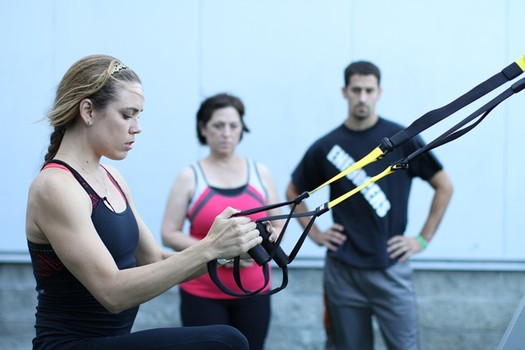
Photo courtesy of TRX

Photo courtesy of TRX

KF: When you’re not training, what does your workout look like?

NC: It always changes when I’m not in training mode. I’ve been exploring yoga, running, doing my TRX. Over the years, I’ve tried all sorts of different things, though – I’ve done kickboxing classes, Dancing with The Stars after the last Olympics, etc.

I’m always active in some way, shape or form, but that could range from a hike with my dogs to running 10 miles; it changes every day based on my mood. But I am someone who likes to be active and likes to maintain an active lifestyle – mainly because I like to eat!

KF: Do you have any advice you can share for prioritizing and incorporating exercise and healthy eating habits into a busy lifestyle?

NC: It’s really important to prioritize your fitness routine, as well as your diet, because we are all busy, and it’s easy to make poor choices when you’re on the go.

You just need to think ahead; for me, it’s making my green smoothie. I’ll make a big batch and put it in Mason jars and keep it in the fridge. In the morning I can just grab one and put it in my bag with an ice pack, so it’s waiting for me and it’s packed with nutrition.

I’ll also look at my schedule, which changes on a day-to-day basis, and carve out at least a half an hour for something active. Like what I did with [contest winners] Renae and Chad – that was an intense workout, but it was only 30 minutes. We can all find 30 minutes in our day to do that.
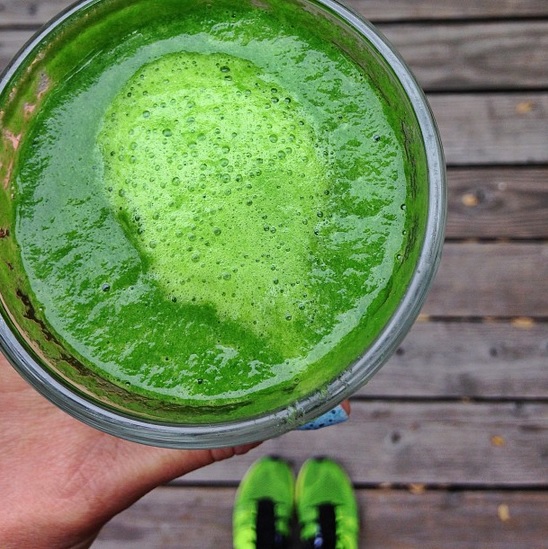
Photo courtesy of Natalie Coughlin (Instagram)

Photo courtesy of Natalie Coughlin (Instagram)

KF: You’re known for your backyard garden – can you share some kale recipes?

NC: I grow so much kale it’s ridiculous, mainly because a lot of my yard is shaded, but also because it’s a superfood.

I like to braise it in chicken broth and add hot chili flakes and garlic, which adds so much flavor. I also have it in my green smoothies every day. I’ll put kale, romaine, spinach and celery in with a little bit of fruit to sweeten it up.

I find that if you don’t like that bitter taste, pineapple does a really good job of balancing it with acidity and sweetness. So just get some frozen pineapple and throw it in with coconut water, and it should taste a lot better. But as your palate changes, you could do less fruit and more greens.

KF: With your interest in cooking and gardening, plus experience in fashion and entertainment, do you have any specific post-swim career aspirations?

NC: I have been blessed with wonderful sponsors, such as TRX and O’Neill (Coughlin helped design their O’Neill 365 collection), and I have had a lot of really cool opportunities because of that.

I’m still trying to figure out what my post-swimming career is going to look like, but I’m going to continue to compete for a little longer. I definitely want to write a cookbook at some point, so that’s something in the back of my mind, but right now it’s just about [staying] in shape.

KF: Do you have any lucky charms or superstitions, when it comes to competitions?

NC: I don’t have any superstitions, but I do find myself counting all the time, so when I’m in the pool, I’ll always do eight kicks off of the wall.

And another part of my routine is that I always do a running dive into the pool. It’s just something I’ve done for the past 10 years at Cal. I’m always in the end lane, and I hate getting in the water more than anything, so I just wait for everyone else to get in the water first, and then I run alongside the pool and dive in.
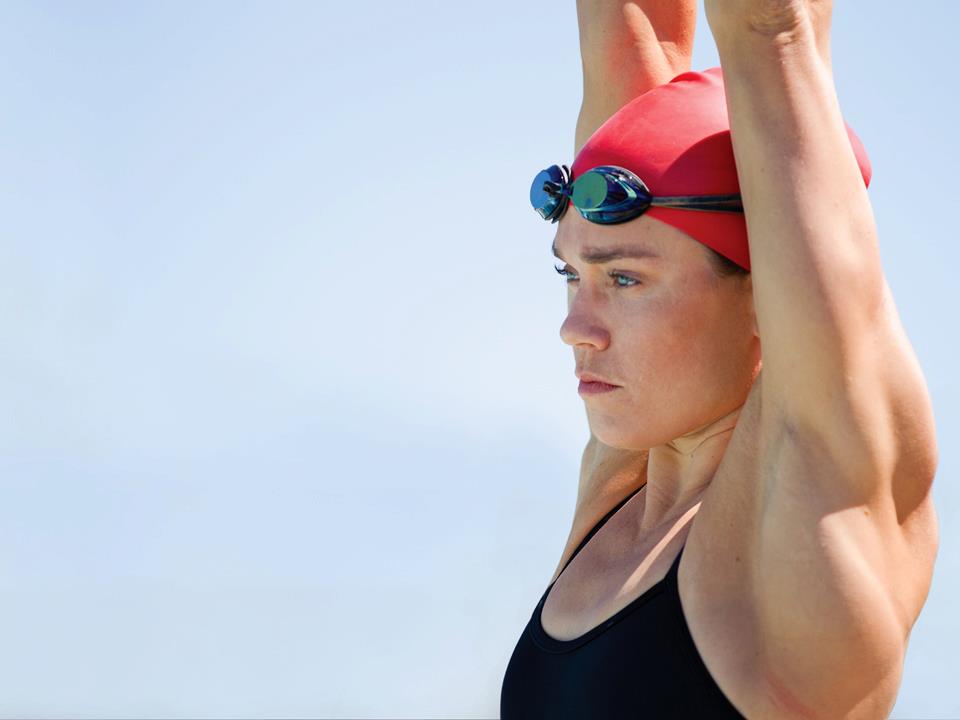
Photo courtesy of TRX

Photo courtesy of TRX

KF: I have to ask – what’s it really feel like to win an Olympic medal?

NC: It’s indescribable. There’s so much pressure going in that there’s a certain sense of relief, in addition to the excitement.

It’s really an emotion that there are no words for, though, and it’s something I’ll never forget.

KF: Switching gears…what are your guilty pleasures?

NC: This definitely does not go along the lines of a healthy diet, but my ultimate guilty pleasure is to be at a Raiders game with a bratwurst with relish and onions and an ice-cold beer. If I do make it out to a baseball game or a football game, that’s my treat.

KF: Any final fitness advice you can share with us?

NC: I believe that it’s important to stay active. You don’t necessarily have to go to the gym or run five miles a day.

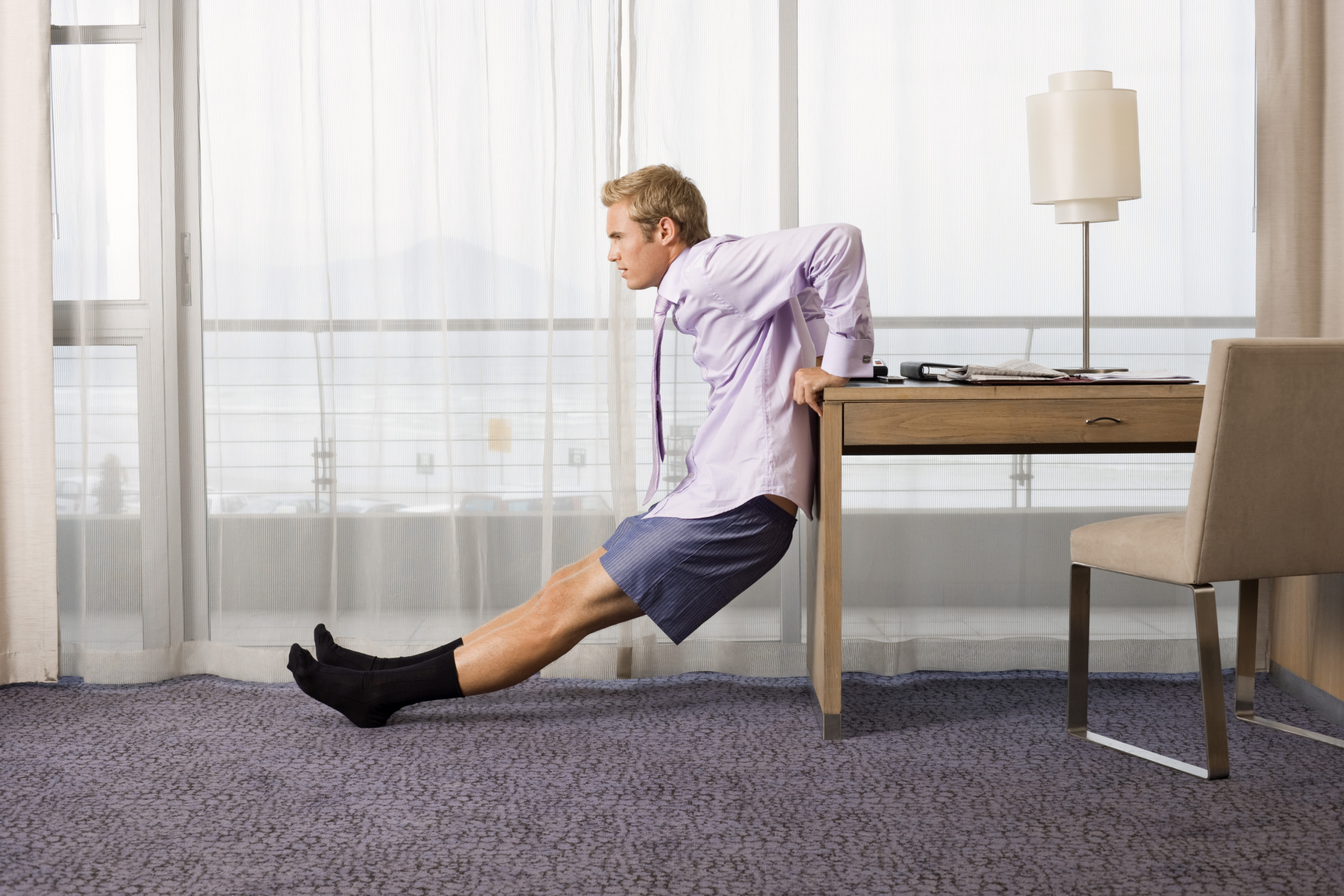
Just fit in ways to be active – if you’re at a desk all day, get up and move around; walk around when you’re on the phone, and take the stairs when you can. Little things like that make a big difference.

And if you have 20-30 minutes in your day to get a workout in, try to superset exercises where you work on one muscle group and immediately go into next. Your heart rate will skyrocket, but you’re allowing separate muscle groups to rest in between, so you’re getting the most bang for your buck in a short amount of time.

Photo courtesy of NatalieCoughlin.com

Photo courtesy of NatalieCoughlin.com

Special thanks to Natalie for taking the time to chat!

Follow along on her adventures — athletic and otherwise — via her website. And if you think you can keep up, give her TRX Challenge a shot.

Actor John Brotherton on living (a healthy) life in the ‘Fast’ lane

Photo courtesy of John Brotherton

Photo courtesy of John Brotherton

Whether it’s through major chills (The Conjuring) or thrills (Fast & Furious 7), actor John Brotherton always delivers a performance that delights audiences and leaves ’em on the edge of their seats.

He was kind enough to chat with me last spring about how he maintains a healthy lifestyle despite a hectic Hollywood schedule, so I thought it’d be fun to check in again and see how things are going as his career continues to, ahem, “shift into high gear.”

KineticFix: Since we last chatted, you’ve been traveling the world filming Fast7. How do you balance a healthy lifestyle with a hectic work schedule?

John Brotherton: Running is always my go-to workout when I’m on the road. Not only does it kick your butt, but it’s also the best way to see the local landscape.

While shooting Fast7 we were blessed to travel to Abu Dhabi and stay at the Emirates Palace. The palace was just over a kilometer in length (crazy, right?), and so even if I had a small window to fit in a workout, I could circle the grounds to break a good sweat, as well as enjoy the jaw-dropping surroundings.

Also, I always travel with a resistance band in my bag, which I use for quick circuit-training sessions. With a band, you’re able to hit all the muscles groups without having a rack of free weights at your disposal.

Eating on the road is the tricky part. Sometimes hotel living can lead to a poor diet. Upon arrival, I always stock my room with healthy snacks: fruit, nuts, jerky, etc. and a case of water… And maybe some chocolate to keep me sane.

Photo courtesy of John Brotherton

Photo courtesy of John Brotherton

KF: Your family has also grown – you’ve got two beautiful daughters with your wife, Alison – how are you teaching them healthy habits from an early age?

JB: We try to maintain a healthy kitchen. All our produce comes from the local farmer’s market or from the garden in our backyard. Nothing tastes as good as homegrown.

We also found a local butcher who offers organic proteins. No reason to give my girls any more hormones than necessary. And being someone who loves to grill, standing at the butchers counter, I’m like a kid in a candy store. Whatever yummy meat on the grill, kids running around like maniacs, SoCal sun… My perfect evening.

We do our best to stay active with our kids, too. Run around, play kick, whatever. I recommend getting a jogging stroller to anyone with little ones. It makes for some of my best daddy/daughter time.

As a group, we love to go on family hikes. And don’t be afraid to use your children as weights. My girls love it. They climb on my back for push-ups or squats, in my arms for curls or military press, or on my legs for seated leg extensions. They giggle, I sweat.

Photo courtesy of John Brotherton

Photo courtesy of John Brotherton

KF: Multitasking at its finest! So, finally, can you give us a sneak peek at what’s coming up next for you, work-wise?

JB: It has been a blessed and humbling year for me. We wrap Fast7 at the end of July. What an honor it has been to be a part of such a successful franchise with such incredible people.

In August, I have a small part in the film ‘Guardians of the Galaxy‘ which is Marvel’s big summer release (insert me pinching me). Also this summer, I’m guest-starring in the new FX comedy ‘Partners,’ which stars Kelsey Grammer and Martin Lawrence.

At the end of the day, I’m so so grateful for the opportunities I’ve been given and want to work my tail off to enjoy every minute of it.

Photo courtesy of John Brotherton

Photo courtesy of John Brotherton

Thanks so much, John, for taking the time out to chat! And to follow along on his Hollywood adventures, check out John’s IMDB bio and Twitter page

Have workouts, will travel: How I stay fit on the road

Photo courtesy of DangerouslyFit.com

Photo courtesy of DangerouslyFit.com

We all know that the best way to stay healthy is to make eating well and exercising a daily habit. But what happens when a trip throws you off your usual routine?

Between travel and a move, Hubby and I are hypothetically “homeless” (that is, without a permanent address) for almost two months this summer. Deep breath. 

We need a constant amid the chaos. And for us, that’s a good sweat session. So here’s how I plan to stay on track when everything else feels like it’s spinning out of control:

1. Make a plan. Figure out what works with your schedule, and commit to making it your new routine for the interim. For me, that’ll be a quick morning run before breakfast each day to start things off on the right foot.

2. Have a goal. It’s easier to motivate yourself when there’s something bigger at stake. Having my marathon training all mapped out will help me take the guesswork out of my daily workouts.

3. Keep it simple. K.I.S.S. — yep, “Keep it simple, Stupid.” Between running and body-weight exercises, I’ll be streamlining my workouts as much as possible over the next few weeks to keep things uncomplicated.

4. Mix it up. Variety is the spice of life, so when I’m running a lot I mix in complimentary workouts. This often means adding a few new DVDs into the rotation:

Yoga helps balance tight running muscles, so I’ll pop in one of the 12 Yoga Warrior 365 classes and laugh along with instructor Rudy Mettia’s irreverent approach to the practice.

– And for an intense, efficient cardio session when the weather’s not cooperating, I’ve been turning to BurstFIT Fire for a full-body, high-intensity interval workout in a mere 20 minutes.

5. Enlist some help. Having a partner in crime makes it much easier to get up and out each morning. That’s when I lean on Hubby; we keep each other honest about our workouts while on vacation, plus it’s fun to explore new cities that way.

6. Cut some slack. When things get super hectic, it’s good to know when to give yourself a break. Over the years, I’ve realized that an extra rest day here and there won’t hurt my training; in fact, taking a breather can actually help in the long run.

What are your best tips for sticking to a fitness routine while traveling? 

Recipe: Raspberry Mint Rice Balls

RiceBalls1

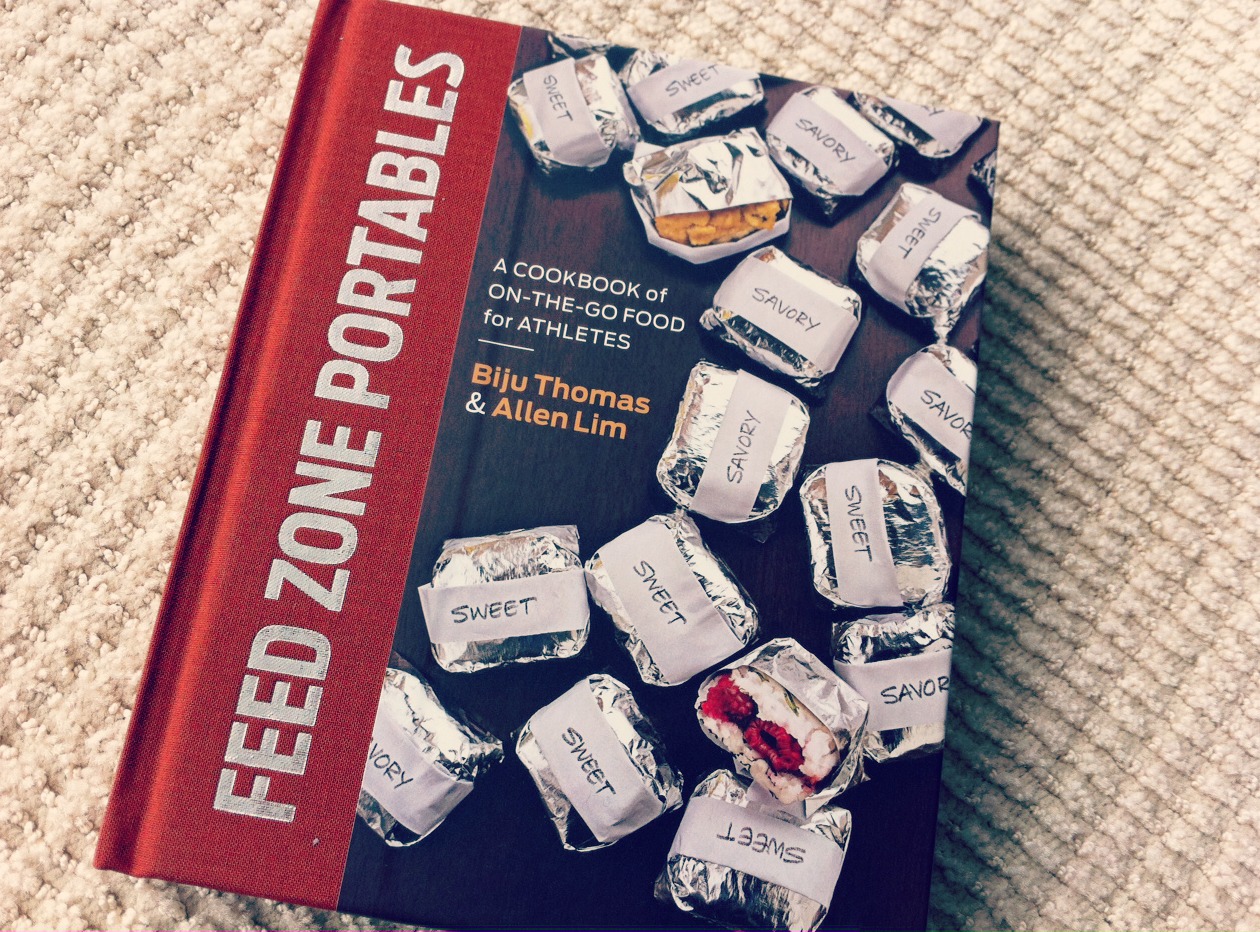
Allow me to introduce you to my new favorite training companion: the Feed Zone Portables cookbook. If you’re weary of processed bars and gels and the same old pasta, there’s a good chance it’ll soon become your BFF (that’s Best Fueling Friend), too.

After my ultra pacer Jamie had success with the rice cakes during her Born to Run 100-miler, I jumped aboard the bandwagon and tweaked one of the recipes for my own race. It worked perfectly — not only is the rice-based treat quickly-digestible, but its mild flavor is also easy on a tender mid-event tummy.

Raspberry Mint Rice Balls (adapted from Feed Zone Portables)

Ingredients:

  • 1 cup uncooked white rice
  • 2 1/4 cups water
  • 1/4 cup brown rice syrup
  • 1-2 tablespoons lemon juice (to taste)
  • 1 pint fresh raspberries
  • 2 tablespoons fresh mint leaves, minced
  • 1/4 cup finely-shredded unsweetened coconut
  • Aluminum foil, cut into small squares
  • Olive oil spray

Directions:

  1. Combine rice, water and a dash of salt in a rice cooker and let cook.
  2. When rice is finished cooking, transfer it to a large bowl and add brown rice syrup, lemon juice and coconut. Mix thoroughly.
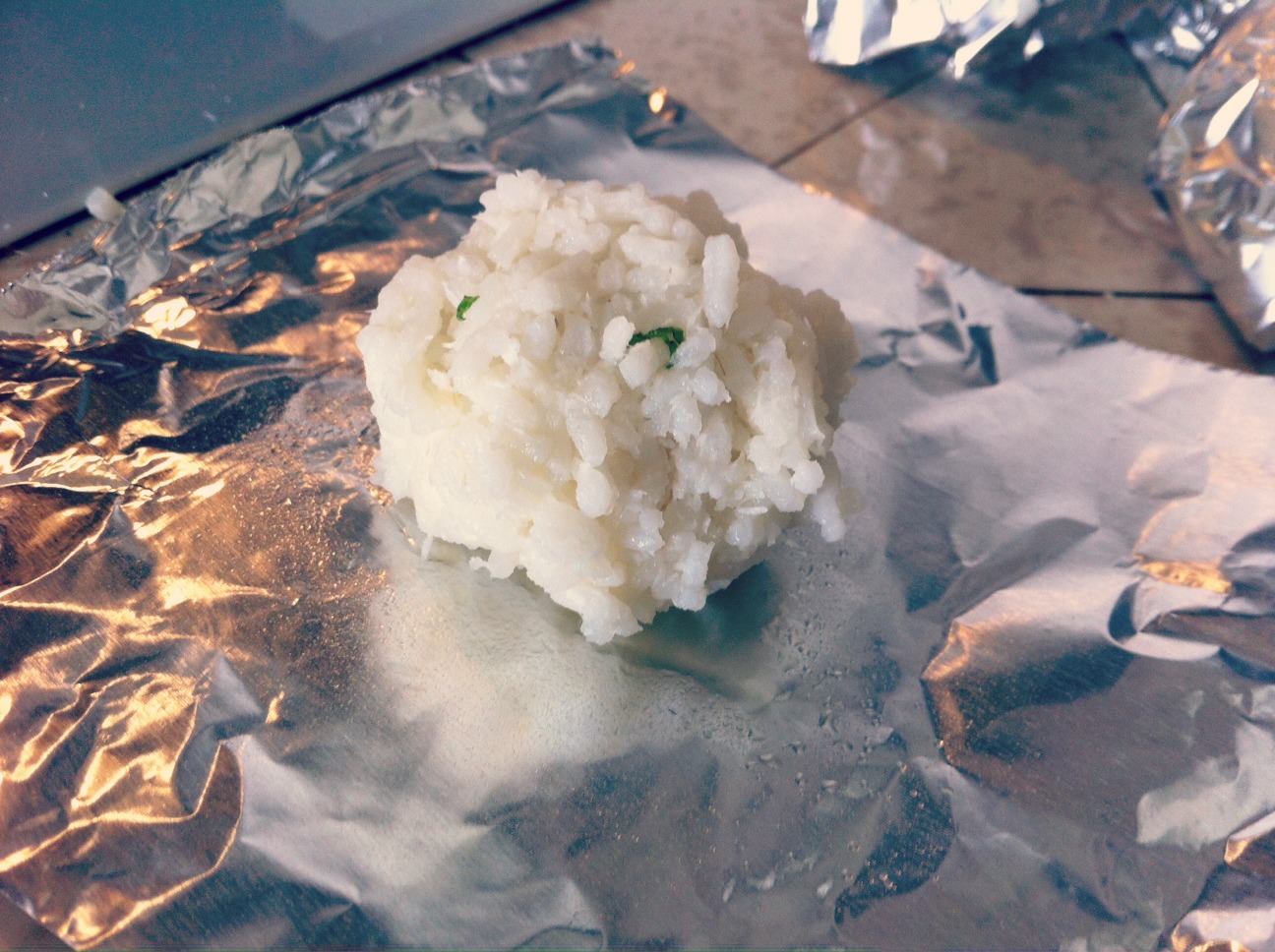
  3. Coat hands in olive oil, and place a spoonful of rice in the palm of one hand. Place a raspberry and a sprinkle of mint on top of rice, and then place another spoonful of rice over that (to encase raspberry and mint in rice). Roll gently between palms to form a ball.
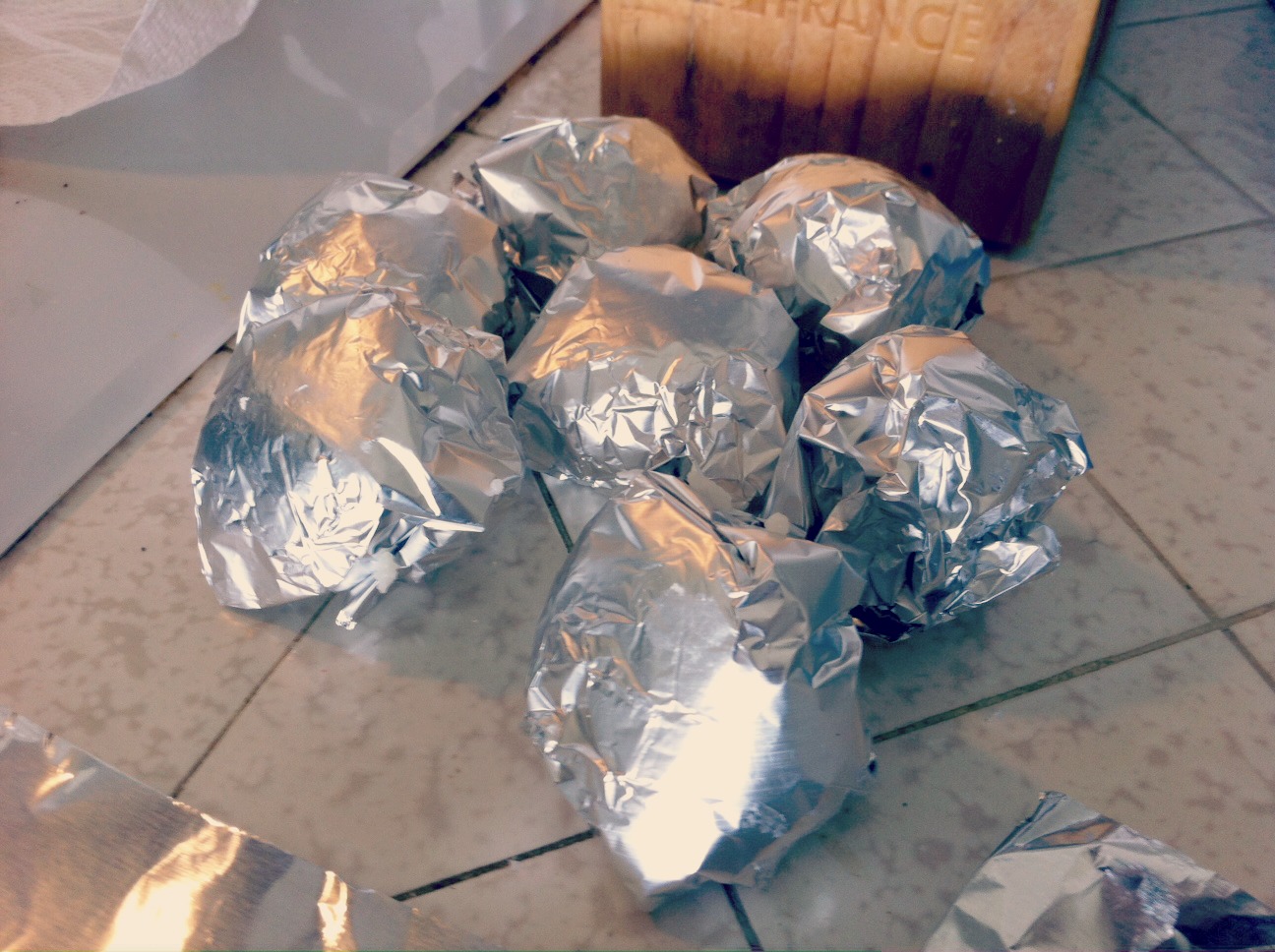
  4. Place ball on foil wrapper (also sprayed with olive oil) and seal tightly. When finished forming and wrapping balls, store them in the refrigerator.

A few tips: First, make sure you prep all the ingredients ahead of time because forming the balls can get messy!

Although the book calls for flat “squares” or “cakes,” Jamie and I found that the balls are quicker to make. Plus, they tend to get squished around in your bento box or hydration pack anyway.

RiceBalls2

Second, I did experience some trouble with the foil wrapper disintegrating during my trail race, which I attribute to the acidity of the lemon juice.

Next time, I may just try leaving it out, or I’ll look for an alternative wrapper (wax?) if I want to keep that nice citrus ‘bite.’

RiceBalls3

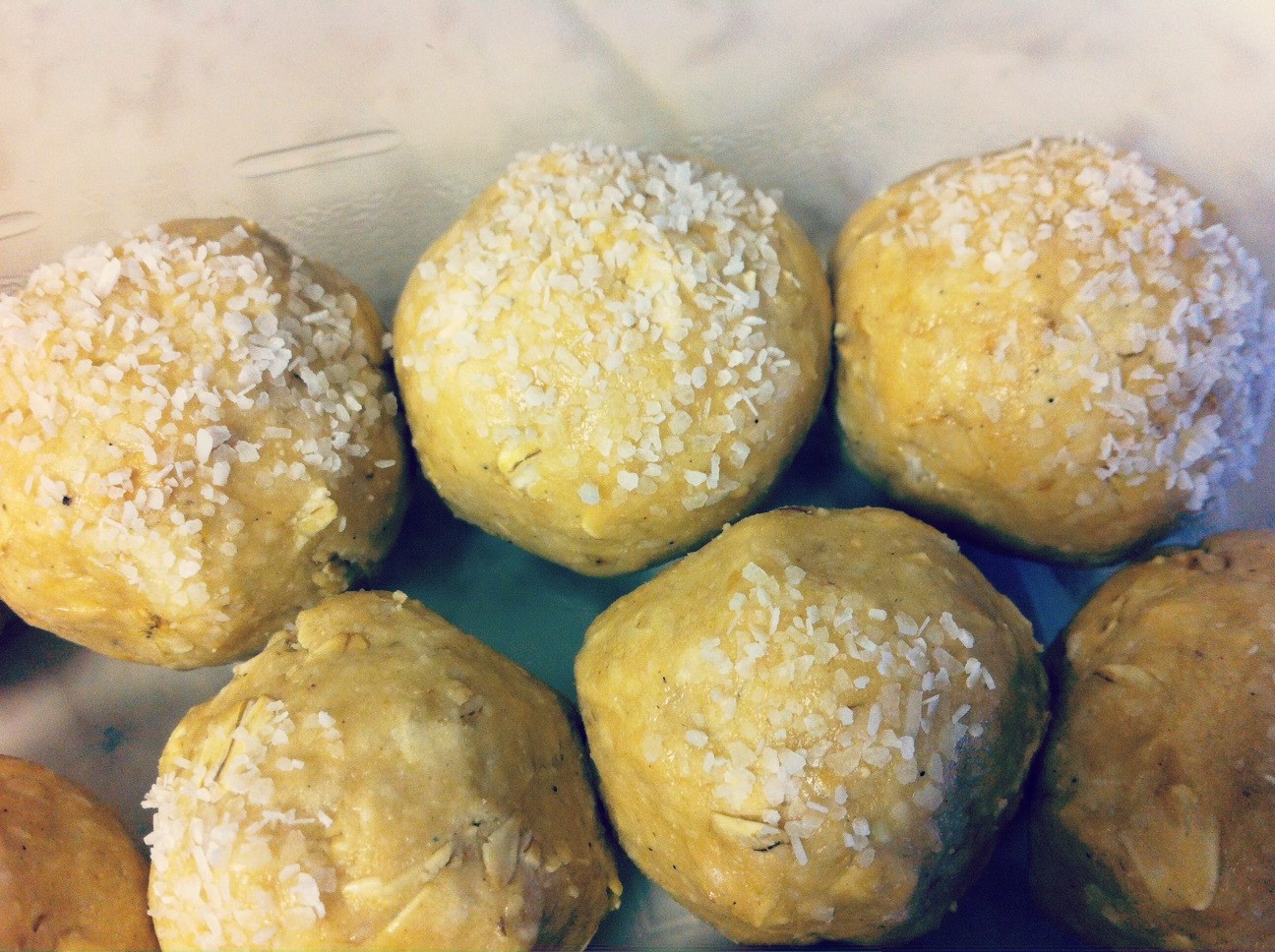
The balls held up great, though, despite getting jostled around over the course of six-plus hours in my hydration pack on a hot day.

And the fresh fruity/minty flavor was a welcome change from the heavy nut butters I’m usually consuming, so I’ll definitely be relying on them again.

RiceBalls4

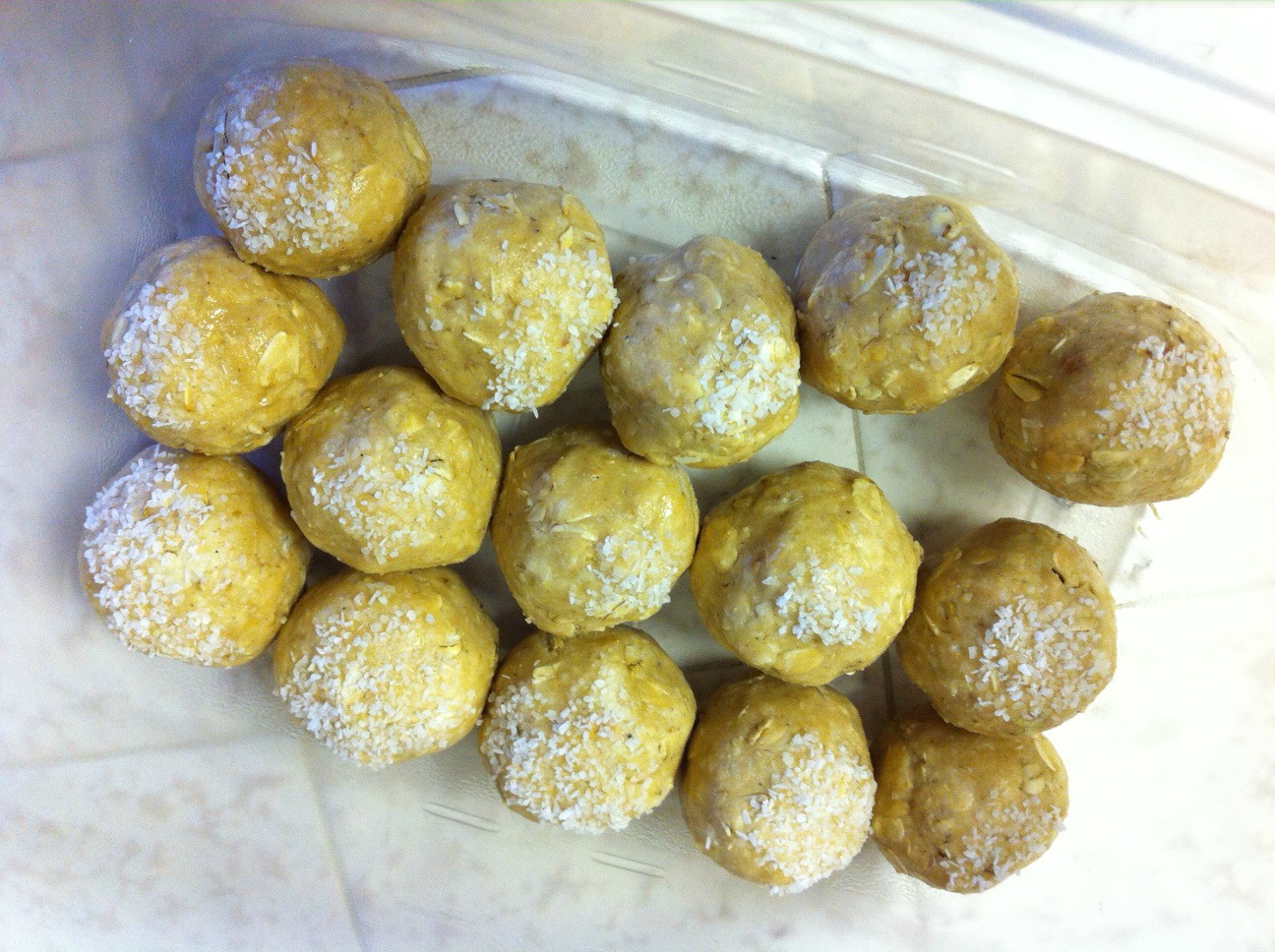
Finally, I try to make them the day or evening before my race. Sure, it’s a little bit of last-minute race prep work, but it ensures that the fruit is at its freshest and that the rice stays nice and sticky for when you want to pop one (or 10) during your race. Bon appétit!

What’s your go-to fuel for training and racing? 

Feel the squeeze: 4 reasons to try compression gear (+ giveaway!)

shutterstock_112606778

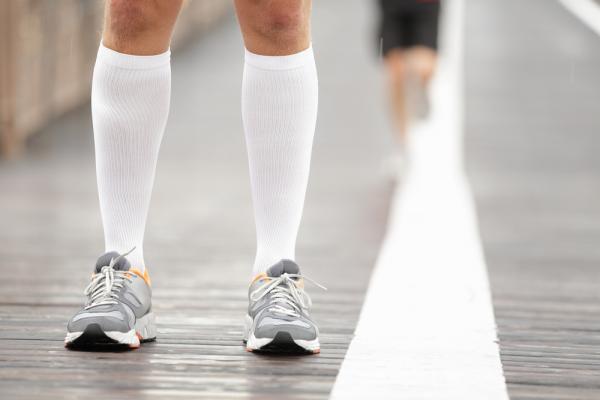
Once reserved for diabetics and frequent flyers, compression socks have gone mainstream, thanks to athletes who swear by their performance benefits in training, racing and recovery.

“I started wearing compression gear in 2007, and I sure got some funny looks as the first person in the USA to wear them [at Ironman Louisville that year],” said Chris McDonald, a professional triathlete and four-time Ironman champion. “I was chatting with a surgeon about post-op recovery, and he said to me, ‘I know nothing about sport, but I can’t tell you quality compression socks will help with return blood flow.’ So I just tried them!”

Although experts are still debating whether the effects are more in your head than your legs, I’m a proponent of compression gear, based on experience. Not only do my legs feel fresher mid-run, but they’re also less sore the day after. Plus, blindingly-bright colors keep me happy during hard workouts 🙂

Personal opinions aside, though, there are a few reasons why it may be worth setting your gear budget back a few bucks (prices for these puppies are in the $45-70 range) to get ahead in your training:

1. Improve circulation. Ever get that “heavy legged” feeling while working out? Compression gear can help prevent blood from pooling in hard-working muscles to keep legs feeling peppy.

2. Stay comfortable. If you’re worried that wearing compression socks means you’ll have to give up your favorite cushy, anti-blister socks, think again. Many brands offer arch support and extra padding in the toe and heel.

3. Increase protection. Socks aren’t just for shielding feet against shoes. Much of today’s compression gear does double duty with special materials that provide a cooling effect and SPF sun protection.

4. Speed recovery. Bounce back faster with recovery-based styles, which are engineered to help get fresh blood into muscles and flush out byproducts, such as lactic acid.

All the brands and technology out there can get overwhelming, which is why I recommend starting at a site like BrightLifeGo. They’re an authority on the subject of compression, having tested and handpicked their entire collection of socks and stockings — both for athletic use and everyday wear. 

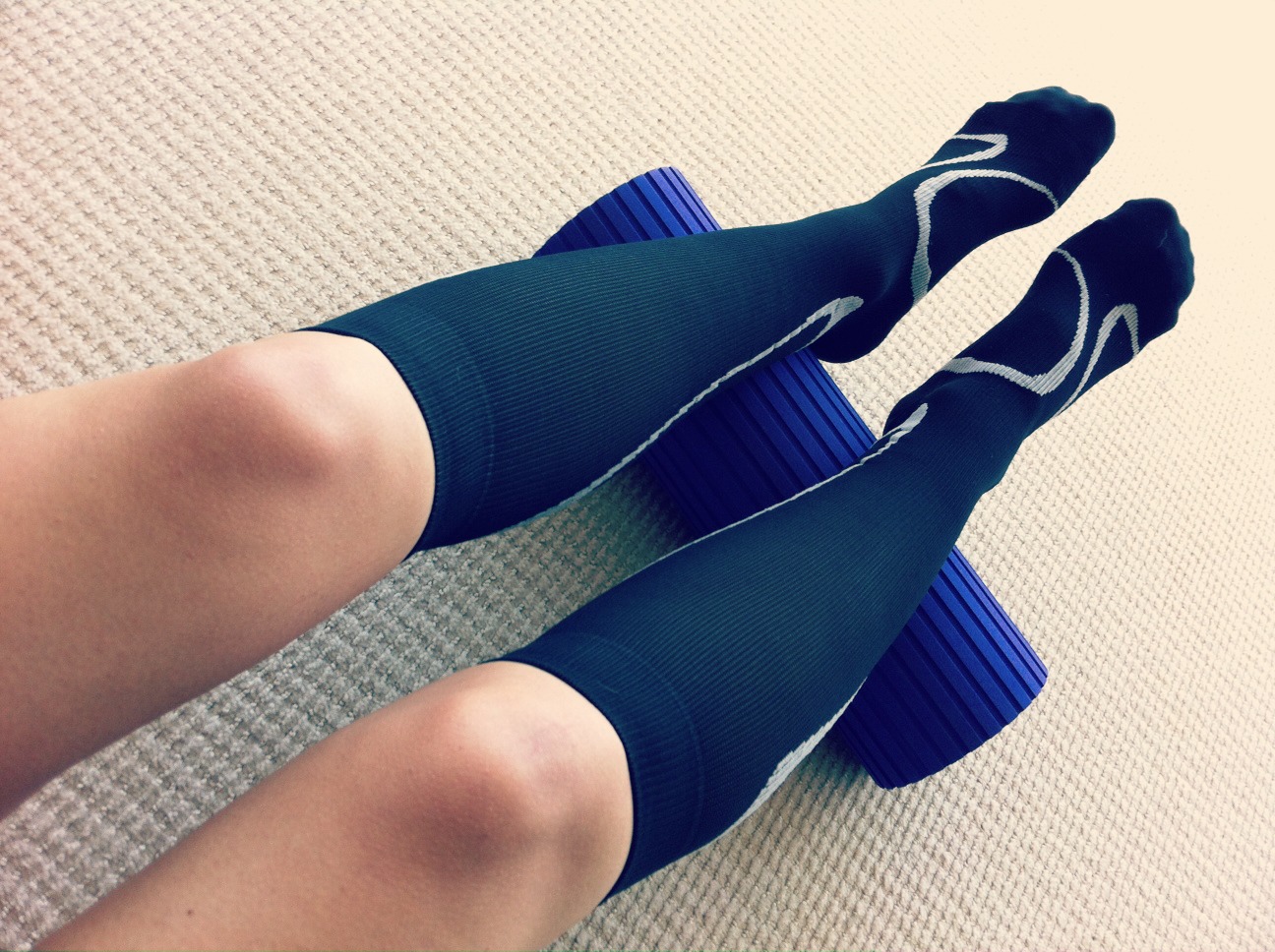
I even found a new favorite brand there — Sigvaris. Style-wise, they’re a departure from my usual obnoxiously-colored gear…but functionally, I just couldn’t pass up their graduated compression design, extra-cushy footbed and anti-blister toe fabric. 

sigvaris

Factor in all the other bells and whistles, like high-tech fibers to regulate temperature (and odor), Achilles Tendon Protectors to reduce vibrations on ligaments, plus extra-wide top bands to keep everything in place…and, well, I pretty much live in these things when training, racing and traveling. 

Want to feel the squeeze yourself? Here are a few things to take into account when picking your perfect pair: 

  • Length: Do you want a knee-high sock or a full-length legging?
  • Use: Are you looking to use compression for work, play — or both?
  • Level: How tight do you want it — mild relief or moderate support? 
  • Design: Is form (aka style) just as important as function? 

“I definitely feel the benefits with both performance and recovery time,” said McDonald. “If you can recover quicker you can train harder. Put on compression for all travel (including drives over two hours), wear them during and post workout, and put a pair of compression socks on as you are sitting around at night. It’s not rocket science; it just takes routine.”

Is compression a part of your training and racing attire?

Enter my Rafflecopter giveaway to win two FREE pairs of Sigvaris compression socks or sleeves, courtesy of BrightLifeGo!

Recipe: The infamous “Salty Balls”


SB1

Training for an endurance event takes more than just physical conditioning; proper fueling can make or break your race.

But finding success can take some trial and error, so I’m always on the lookout for new recipes and recommendations.

Which is why I was pumped when pro triathlete and fellow Coeur Sports athlete Hailey Manning shared her secret recipe for the famous Salty Balls that she uses as her bike nutrition during Ironman races.

The recipe was developed by Stacy Sims, chief research officer and a co-founder of Osmo Nutrition, and both Hubby and I have been eating ’em nonstop on runs and rides.

See my take on the treat below!

Hailey Manning’s Salty Balls

Ingredients:

  • 1/2 cup natural peanut butter (or any kind of nut butter)
  • 1/3 cup brown rice syrup (I ordered this kind from Amazon)
  • 1/2 cup whey protein isolate (I used half vanilla-flavored powder, plus half Osmo Acute Recovery for some spice)
  • 1/2 cup dry oatmeal
  • 1/4 cup shredded coconut

Directions:

  1. Combine all ingredients. If you need a bit more holding power, add a dash of protein powder.
  2. Throw a sprinkle of salt on top and freeze until needed (makes ~10 balls, ~140kcal/ball).

Here’s a look at the process, starting with all the ingredients (sorry, red wine is not one of ’em, although it is key to my performance in the kitchen!)…

SB2

First, add all the dry ingredients — this is both protein powders, plus the oatmeal.

SB3

Tip: Use a sturdy spoon after adding the peanut butter and brown rice syrup.

SB4

The mixture should be sticky, but not overly so; mine had the consistency of crumbly cookie dough.

SB5

Take small spoonfuls and roll into balls. Sprinkle with salt, or dip one whole side for more salty goodness, like I did here.

SB6

I store the balls in an airtight container in the freezer, then before a ride or run I pull a few out, wrap them individually and devour ’em within a few hours!

Thanks again to Hailey and Stacy for sharing this recipe. What are your favorite fuels for endurance events? 

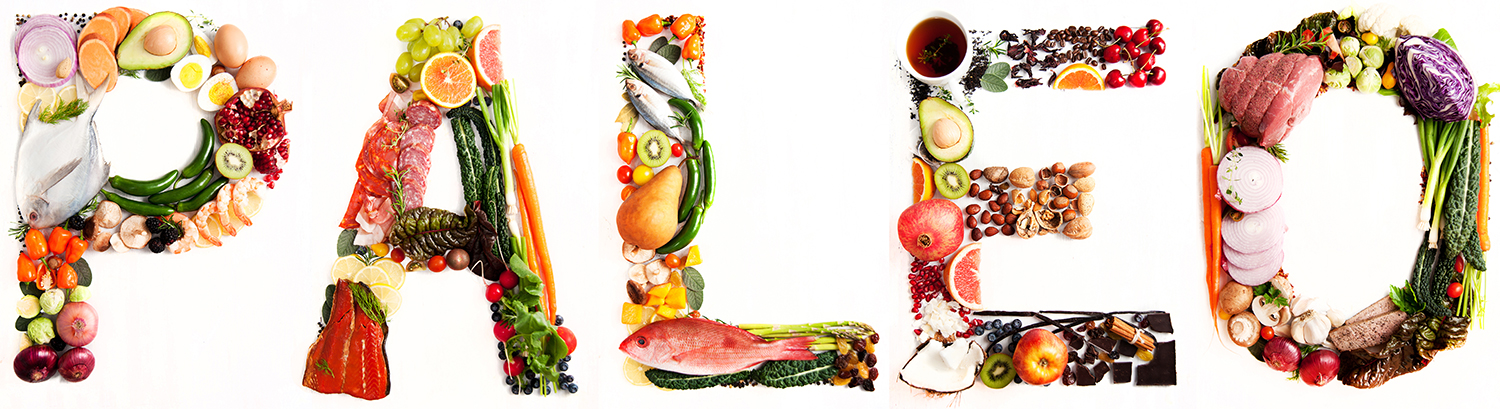
To Paleo or not to Paleo?

Paleo

As a verb, the word diet is not part of my vocabulary. But when we’re talking diet as a noun — meaning nutritional plan — I’m all ears.

In other words, I’m always on the lookout for new ways to improve performance through better fueling.

One plan, in particular, has always intrigued me: The Paleolithic Diet, which first emerged in the mid-1970’s, went mainstream in 2002 and has since earned a cult-like following.

Paleo Premise

Eat like our hunting and gathering ancestors — prioritizing animal protein and plants — and live a healthier, fitter, disease-free life.

On the menu: Meat, fish, eggs, poultry, fruits and veggies, healthy fats and oils, plus nuts and seeds in moderation.

Off the table: Refined sugar, dairy, legumes, grains, starches and any other processed Frankenfoods located in the center aisles at the supermarket.

Paleo Pros

Whole foods are nutritious, filling and fiber-rich, which makes it tough to overeat (even when dining out).

Another upside? Fewer hunger pains since protein and fiber are filling, and you’ll be getting plenty of both. Plus there are a plethora of recipe sites, cookbooks, web sites and books to help support you in your path to Paleo.

photo 1

Paleo Cons

Some of the top vegetarian sources of protein, such as beans and other legumes, are not allowed, so it’s tough to follow if you’re not a meat-eater.

And by avoiding dairy and grains, you could potentially miss out on a lot of nutrients. Also, if you’re not selecting lean meat choices, you can quickly raise your risk for heart problems.

Paleo Verdict

Bottom line: There is no “perfect” diet, plus I’ve never had any luck trying to restrict what I eat to certain food groups (sometimes you just need a cookie, damn it!).

Instead, I prefer to evolve my eating plan as I go, incorporating my favorite parts from different diets and adapting them to my own lifestyle. Call it pseudo-Paleo, if you will.

For example, we’d all do well to eat fewer refined sugars and starches, plus there are definite benefits to consuming more fruits and veggies. And I do my best to avoid a lot of processed foods, instead focusing on getting enough whole, nutrient-packed food.

photo 2

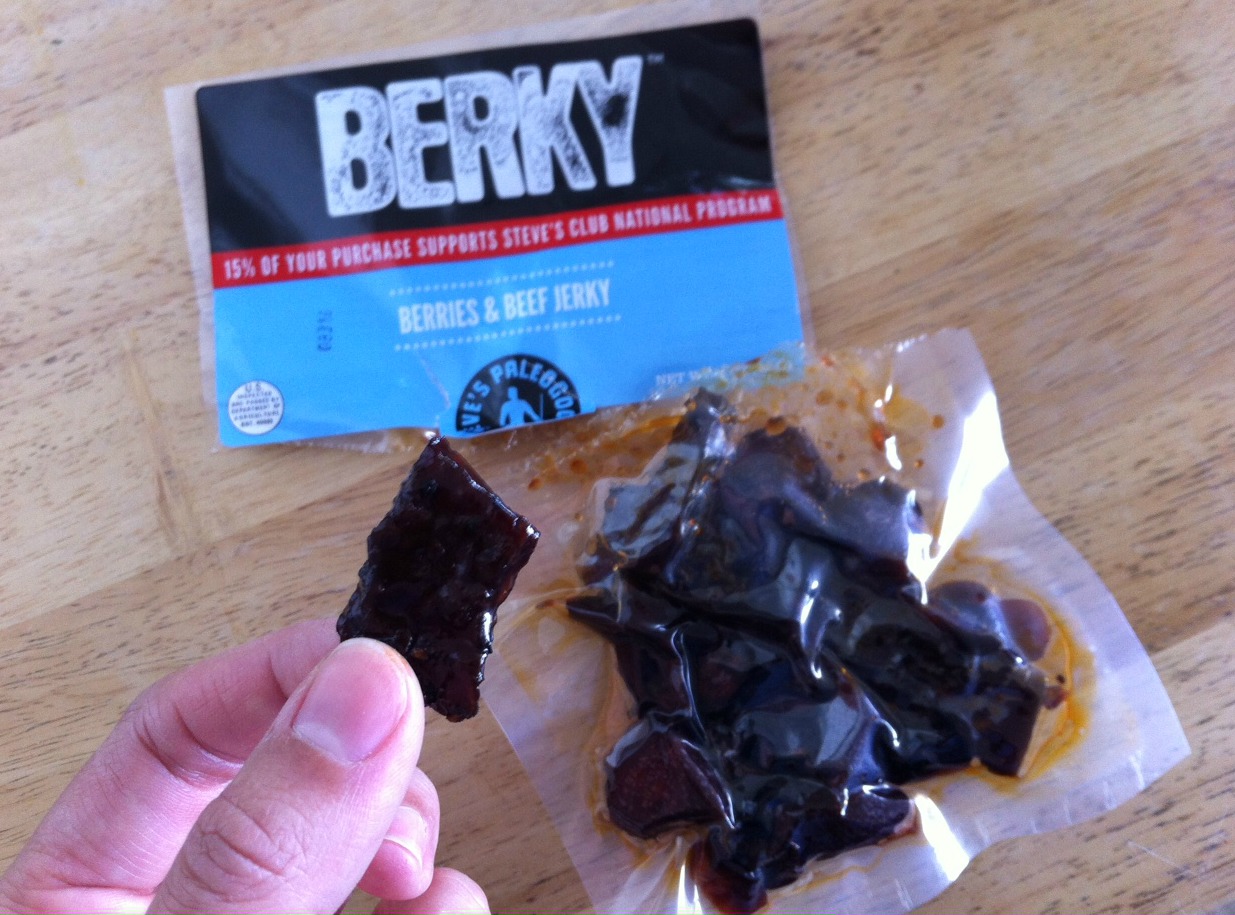
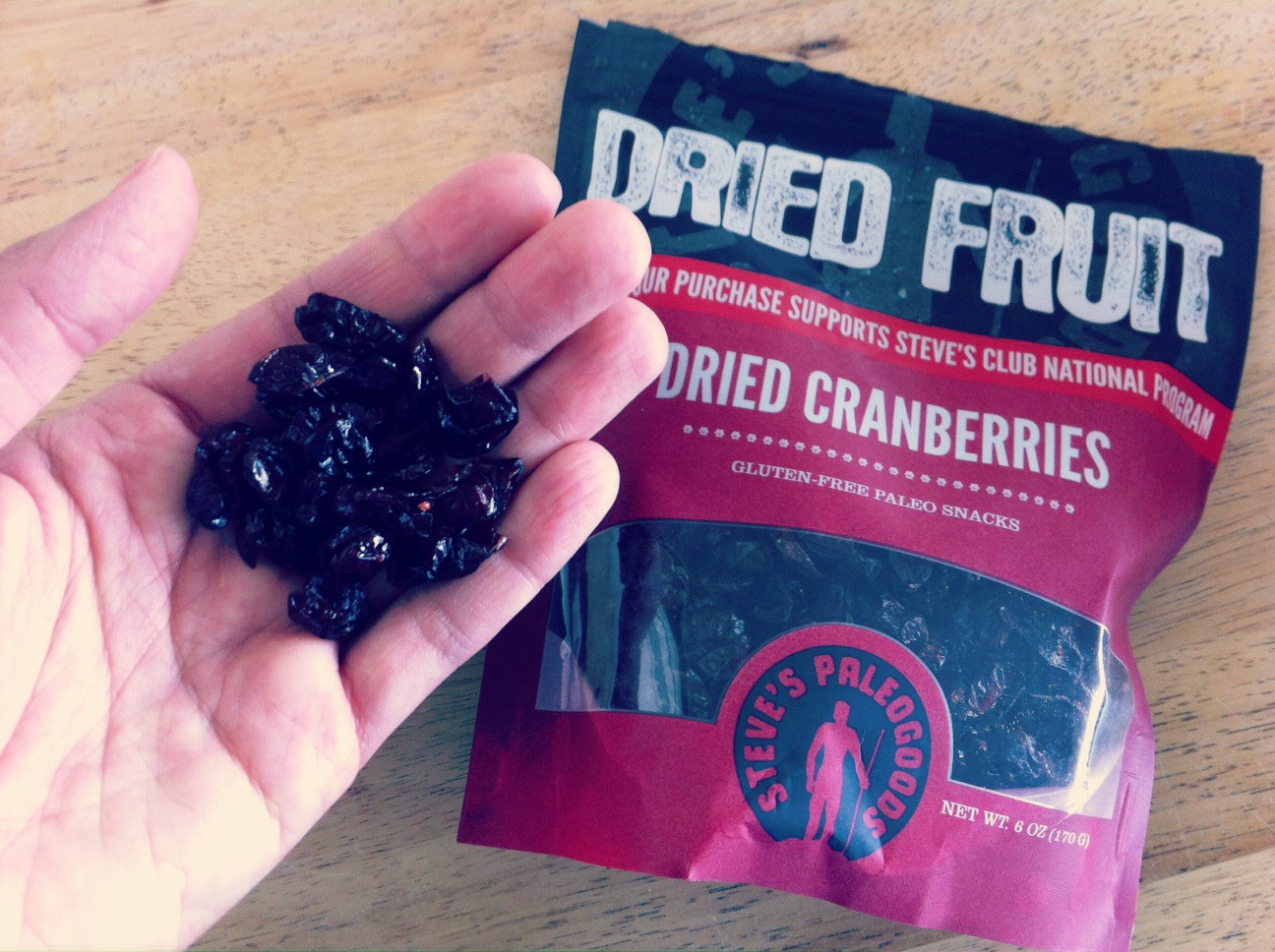
That doesn’t mean I’ll turn down the occasional doughnut, burger and fries, pizza or sugary cereal (hey, you gotta live a little), but it does mean that I’ll set myself up for success by having healthier snacks on hand when hunger hits (the PaleoKits from Steve’s PaleoFoods are killer, for example; I sprinkle dried berries on salads and mix PaleoKrunch in yogurt, too).

In the end, there is no one-size-fits-all formula for optimal health, though, so your best bet is to take matters into your own hands and create a plan for healthy eating that suits your individual needs and fits into your lifestyle.

Because the “best” diet (noun, not verb) of them all is the one you’ll actually follow.

Disclaimer: I’m not a registered dietitian or nutritionist, so you’ll want to talk with your doctor before making changes to your meal plan.

‘Tri’ a new challenge to kick off summer fitness

Tri1

Think triathlon is only for elite athletes and endurance junkies? Think again.

According to USA Triathlon, participation in triathlons in the United States is at an all-time high. The group’s membership has grown exponentially from around 100,000 in 1998 to 550,446 when last reported in 2012.

The Sports & Fitness Industry Association also estimates that the total number of triathlon participants rose 59 percent from 2008 (1,251,000) to 2011 (1,992,000), thanks to the rise in popularity of endurance sports.

And — let’s face it — if I can do it, anyone can!

Why Tri?

  • Beat boredom by switching focus between swim/bike/run
  • Get in shape from head to toe with weekly full-body workouts
  • Reduce risk of overuse injury in one sport, thanks to cross-training
  • Develop a lean, mean body with endurance & resistance training
  • Fall into a more healthy, balanced lifestyle (nutrition & sleep are necessities!)
  • Reap the benefits of being highly organized around training
  • Reduce stress on the body with swimming & cycling, which are non-impact
  • Drop pounds, thanks to high-intensity cardiovascular training
  • Give more purpose and motivation to your workouts by setting a goal event
  • Lower blood pressure, prevent heart disease & diabetes, reduce risk of osteoporosis
  • Choose from a variety of distances for an individualized challenge

How to Get Started: 

  1. Pick a distance.
  2. Choose an event.
  3. Find a training plan.
  4. Prepare for the big day.
  5. Enjoy your first race.

So why not ‘tri’ something new this summer? You just may like it!

Effective Exercise: The right way to warm up and cool down

200069246-001

When you’re pressed for time, it’s easy to think that skipping a warm-up, cool-down and stretch might be the most efficient way to work out, right?

Big mistake. As counter-intuitive as it may sound, taking some time to allow your body to ease in and out of things — even if it means shortening the actual workout — will actually help you reach your goals faster.

How? It’s simple, really: Focusing on flexibility can lower your risk for injury, so you’ll be able to keep a more consistent workout schedule, thus obtaining better results in the long run.

I’ve talked before about several other benefits to warming up and cooling down, but here are some specifics to consider before your next sweat session.

Ideal Workout Sequence: 

  1. Warm-up: 5-10 minutes of low-intensity cardio to get blood pumping
  2. Light stretching: Mix gentle and dynamic moves to prime body for performance
  3. Intense Exercise: Attack the workout confidently now that you’re loose and limber!
  4. Deep stretching: Take advantage of warm muscles, which are more pliable
  5. Cool-down: 5-10 more minutes of low-intensity cardio to bring heart rate down

How to Warm Up:

Gradually increase intensity. If you’re going to run, for example, progress from a fast walk to a jog to a run. For biking, start in a low gear and allow legs to spin out before adding elements of speed and resistance. And if you’re lifting, try a series of light weights before progressing to several sets at your goal weight.

Wake up your brain. Get your mind and body in sync for workouts or sports that require hand-eye coordination or fancy footwork. Add some balance and agility drills to activate your reflexes, which will help you respond and react better during peak activity.

Include dynamic movements. After your body is warmed up and you’ve done a few static stretches, move onto dynamic stretching, which takes your body through its full range of motion and should include things like arm and legs swings, torso twists, jumping jacks or fast running.

How to Cool Down:

Gradually decrease intensity. Reverse the progression, whether it’s slowing from a run to a jog to a walk, allowing legs to spin out at a slower speed on low resistance or doing a few sets of easier exercises with lbs in the weight room.

Think loose, long and lean. It’s time to reward muscles for a job well done by allowing them to relax into some deep stretches that speed circulation to joints and tissues, remove unwanted waste products and reduce soreness and stiffness.

Refuel and replenish. Within an hour (really, the sooner the better), drink up and eat up. Use water to rehydrate, and aim for a snack with a carb/protein ratio of 4:1 for maximum benefit when it comes to repairing muscles and restoring energy levels.

Do you bookend your workouts with a warm-up and cool-down for better results? 

Perky no more? Your sports bra may be to blame

Ladies, did you know that eight out of 10 of us are wearing the wrong bra size, and 56 percent of us experience pain when working out, as a result?

The lesson: Mid-workout discomfort is easily preventable — if you take the time to find a well-designed, properly-fitting sports bra.

Source: Well&Good NYC

Source: Well&Good NYC

That’s because there’s no internal structure for supporting the “twins” against gravity and excessive movement beyond a band of fibrous tissue called Cooper’s ligaments. And once stretched, it can cause both discomfort and permanent damage.

The good news is that you can provide a “little help for your friends” and find a good sports bra in just three simple steps:

1. Pick a Style: Consider the degree of support you’ll need, which will vary by both activity and body type.

2. Find Your Size: After selecting the appropriate style, use your measurements to determine size.

3. Test the Fit: Jump around! A snug fit is ideal, but focus on the bottom band, which provides 70 percent of the bra’s support.

One of my favorite brands when it comes to bras is Moving Comfort. They’ve got boobs down to a science (literally), thanks to a dedicated in-house sports bra biomechanics lab in the company’s Seattle headquarters.

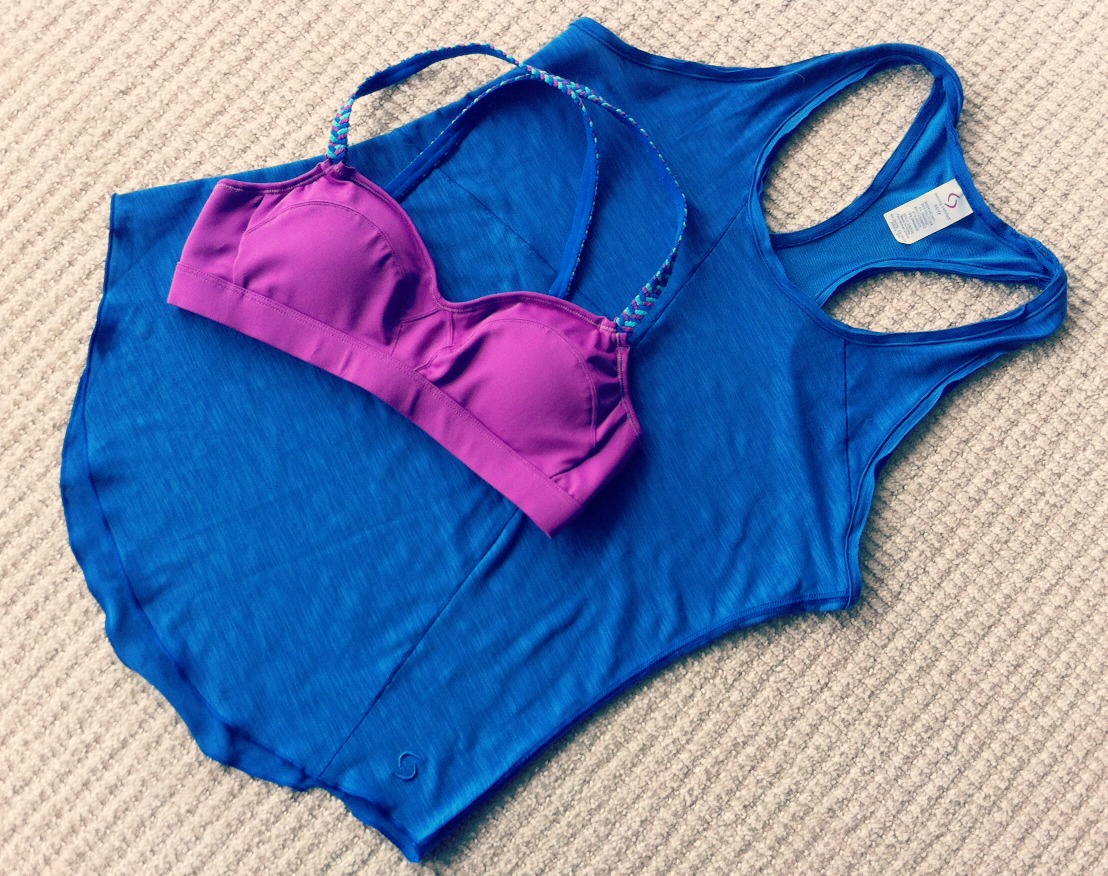
I was on the hunt for something for yoga and bootcamp — supportive but not restrictive — and their suggestion was the Hot Shot ($38), a sweetheart of a sports bra with minimal back coverage that allows for enhanced range of motion.

MCbra1

I paired it with the matching Metro Tank ($48), a fun racerback style that transitions well from class to running around town on errands. It’s loose enough for a forgiving feel without excessive fabric.

MCbra3

Moving Comfort’s team of experts also offer a few pointers to help prolong the, ahem, “shelf” life of your bra:

– Keep it fresh. Wash a sports bra after every 1-3 wears to remove the build-up of sweat, dirt and bacteria, which break down the fabric.

– Keep it safe. Good option: Fasten the hooks, and throw it in the washing machine. Better option: Toss it in a lingerie bag first. Best option: Hand wash to give it extra special care.

– Keep it cool. Hang dry or tumble dry low, since dryers wear down the fabric and moisture management properties.

– Keep it breathing. If it does get thrown in the dryer, never use dryer sheets or fabric softeners which “coat” the fabric and keep it from breathing.

– Keep it new. Depending on how often a sports bra is worn, it should be replaced every 6-12 months.

In need of a new buddy for those bosoms? Visit MovingComfort.com and check out their handy sports bra finder to locate a style that suits your needs.

Disclosure: I was given Moving Comfort items to review. All opinions are my own.