Give ’em a Break: Make Eggs Part of Your Heart-Healthy Diet

2013-06-19-BROWNWHITEEGG_original

If you’re among the approximately 25 percent of Americans who avoid eating eggs at all costs because you think they’re an unhealthy, cholesterol-spiking ‘eggstravagance,’ it’s time to get ‘re-eggducated.’

Sorry…couldn’t resist.

But in all seriousness, eggs don’t get the credit they deserve. Not only are they easy to cook, nutritious and delicious, but eggs are also a low-cost source of high-quality protein. Incredible and edible, each little guy packs 6.3 grams of protein (13 percent of the daily value) for a mere 68 calories.

And despite lingering artery-clogging cautions from 20 years ago, you can easily eat an egg a day without any negative impact on cholesterol and blood fat levels. This ‘eggcellent’ source of complete nutrition has been proven as essential for weight management, healthy brain and eye function, plus optimal health during pregnancy.

147205750

Eggs are the total package when it comes to eating well: rich in choline, which is critical to brain function and memory, and full of lutein and zeaxanthin, antioxidants that help prevent macular degeneration, the leading cause of blindness. And if that’s not enough, eggs also contain vitamins, iron, folate (helps prevent birth defects) and Riboflavin (converts foods into energy), plus heart-healthy monounsaturated and polyunsaturated fats.

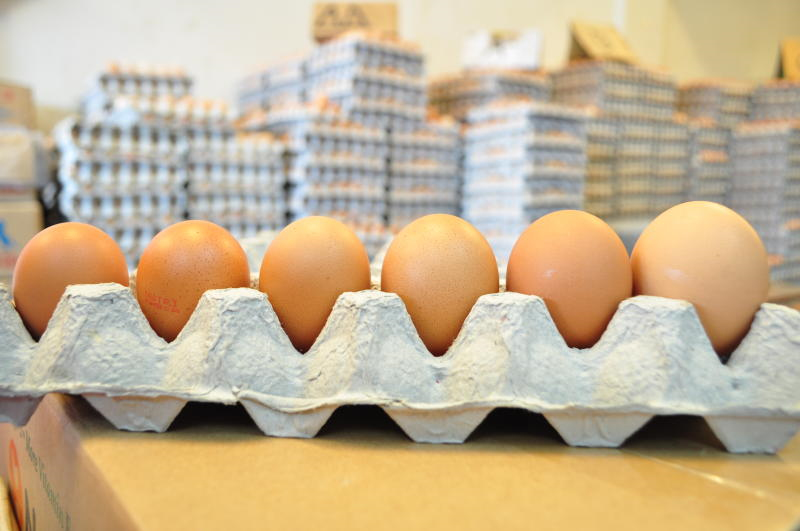
According to the Egg Nutrition Center, there’s no difference in flavor or nutritional value between brown and white eggs; shell color simply reflects the breed of hen. Nutritional quality, however, can vary greatly based on the chicken’s diet. So hens fed a diet high in polyunsaturated fats – kelp meal, for example – lay eggs that are high in omega-3 fatty acids. Similarly, free-range chicken eggs tend to contain higher amounts of vitamins and lower amounts of cholesterol than eggs from standard, factory-fed chickens.

Eggs in the U.S. are classified according to the USDA grading system, which includes labels of AA, A or B. This grading indicates quality based on several factors, including freshness, with AA representing the highest quality. Eggs are also labeled according to their size – jumbo, extra-large, large, medium and small and peewee – which is classified according to minimum net weight expressed in ounces per dozen.

file6hs4526l2eqen271bll

When shopping for eggs, look for shells that are clean and whole; never use an egg if it is cracked and leaking. Refrigerate immediately after buying; eggs will keep well for several weeks at temperatures of 35-45 degrees Fahrenheit. To test for freshness, place raw eggs in a deep bowl of water and discard any that float to the surface (as eggs age, more air is present in the shell).

Fry ‘em, scramble ‘em, boil ‘em or bake ‘em; whatever you do, don’t be a chicken about making nutrient-dense eggs a staple in your healthy eating regimen. For nutritional facts, a range of recipes and other information, visit the American Egg Board website here.

What’s your favorite way to incorporate eggs as part of a healthy diet?

Recipe: Paleo(ish) Pumpkin Bread

IMG_2001

Blogger pal LiteraryLydi requested a pumpkin bread recipe after seeing my recent post with Paleo-friendly banana bread. Ask, and you shall receive!

Since I was home in October for the marathon, I decided to tweak our family-favorite pumpkin bread recipe. It’s not completely Paleo since I wanted to retain more of the taste and texture of the original recipe, but it’s a step in a healthier direction that still got rave reviews.

Paleo(ish) Pumpkin Bread

Ingredients: 

  • 2 eggs
  • 1 can pureed pumpkin
  • 1/2 cup coconut oil
  • 1/4 cup water
  • 1 cup sugar
  • 1 tsp baking soda
  • 1 tsp baking powder
  • 1/2 tsp clove
  • 1/2 tsp cinnamon
  • 1 tsp salt
  • 1 cup coconut flour
  • 2/3 cup regular flour

Directions: 

  1. Preheat oven to 350. Grease or line a loaf pan with parchment paper.
  2. In a large bowl, mix all wet ingredients together. Add sugar, and stir.
  3. In a medium bowl, mix all remaining dry ingredients together.
  4. Slowly incorporate dry mixture into wet mixture in large bowl.
  5. Pour batter into loaf pan. Bake for ~60 minutes or until toothpick inserted into the center of loaf comes out clean.
  6. Remove from loaf pan and allow to cool before cutting.

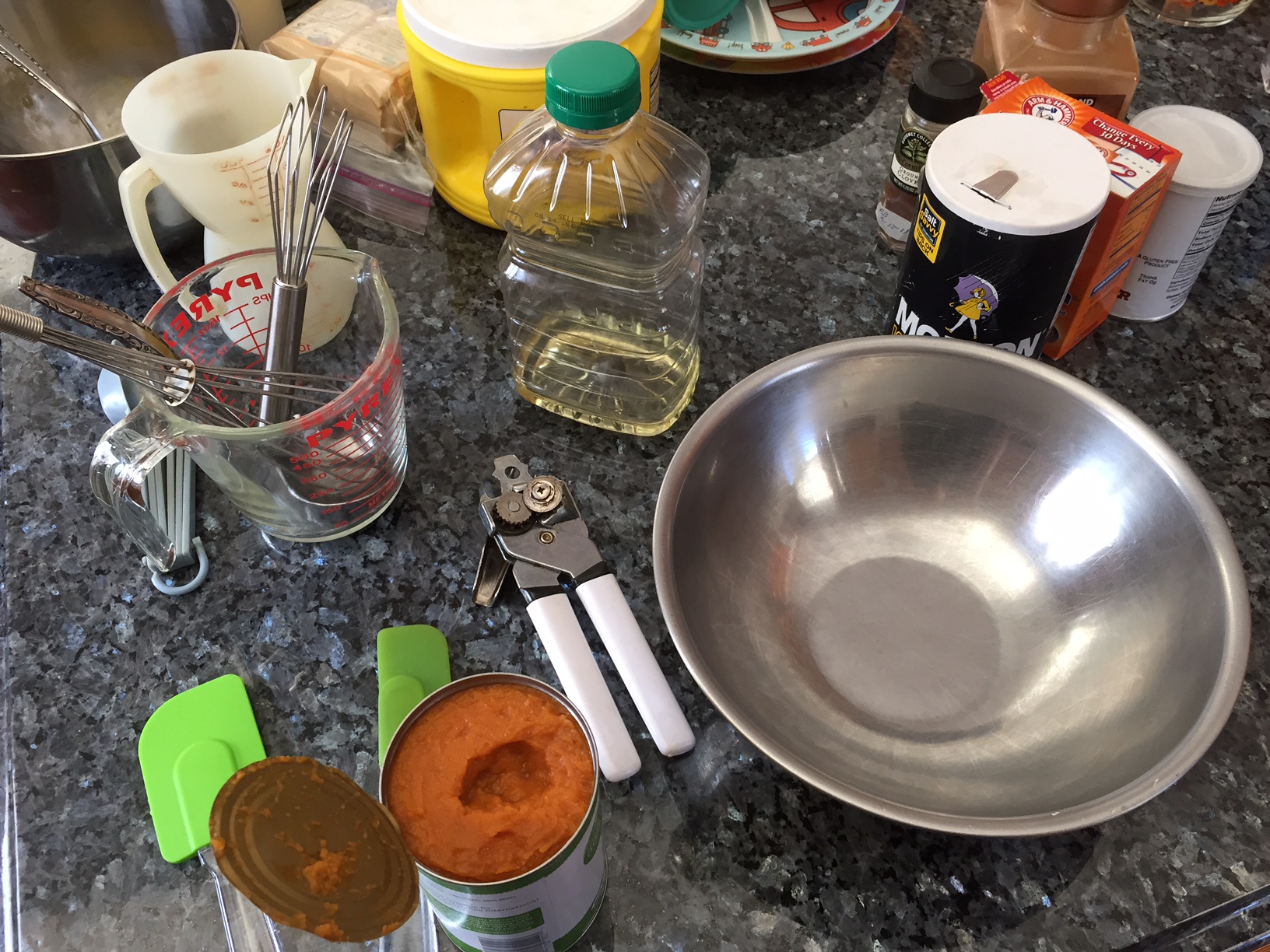
Step one: Gather all your ingredients. As you can see, we were low on vegetable oil, so I just substituted coconut oil instead.

IMG_1993

Mix your wet and dry ingredients in separate bowls to make sure everything gets evenly combined.

IMG_1994

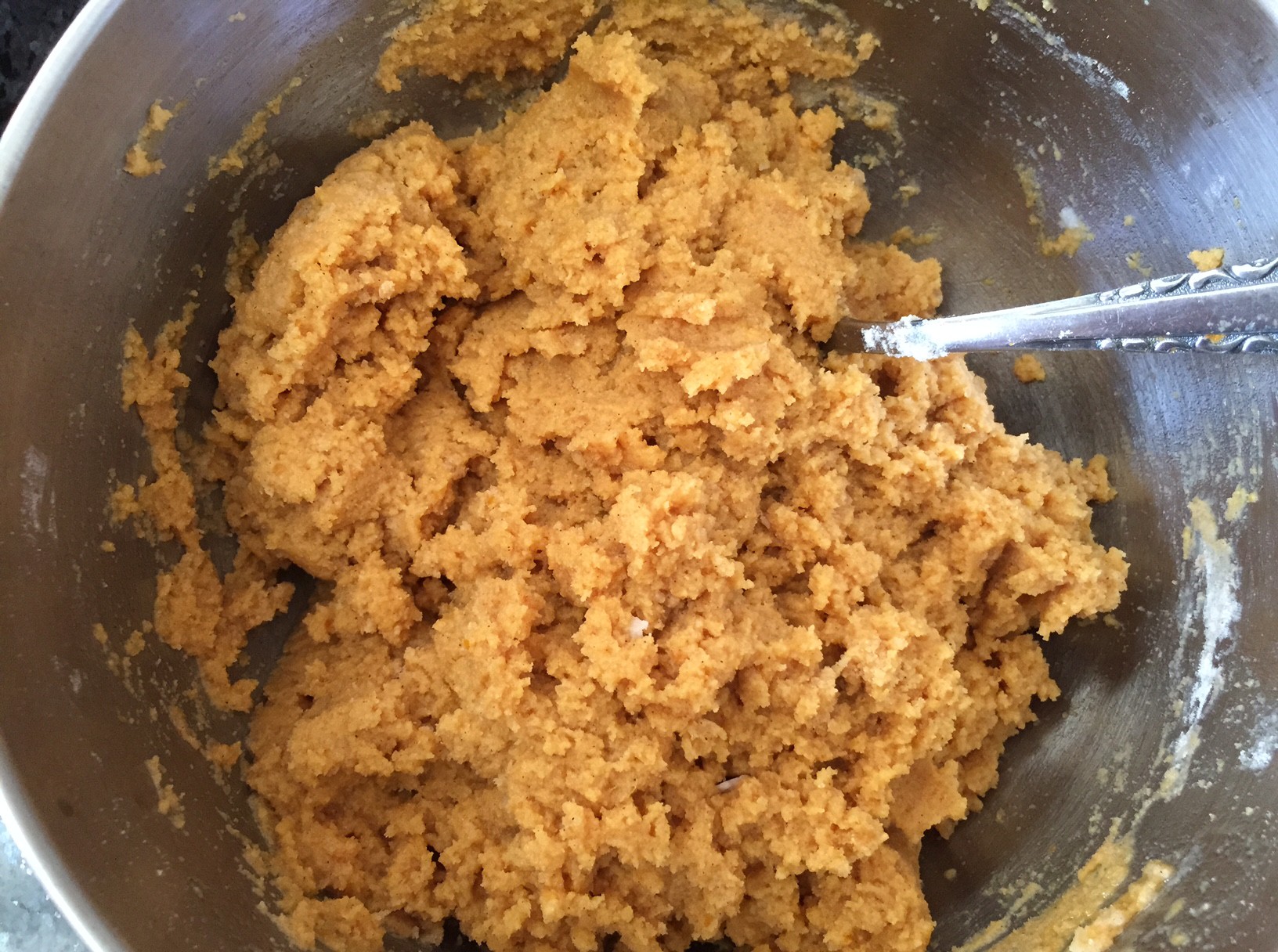
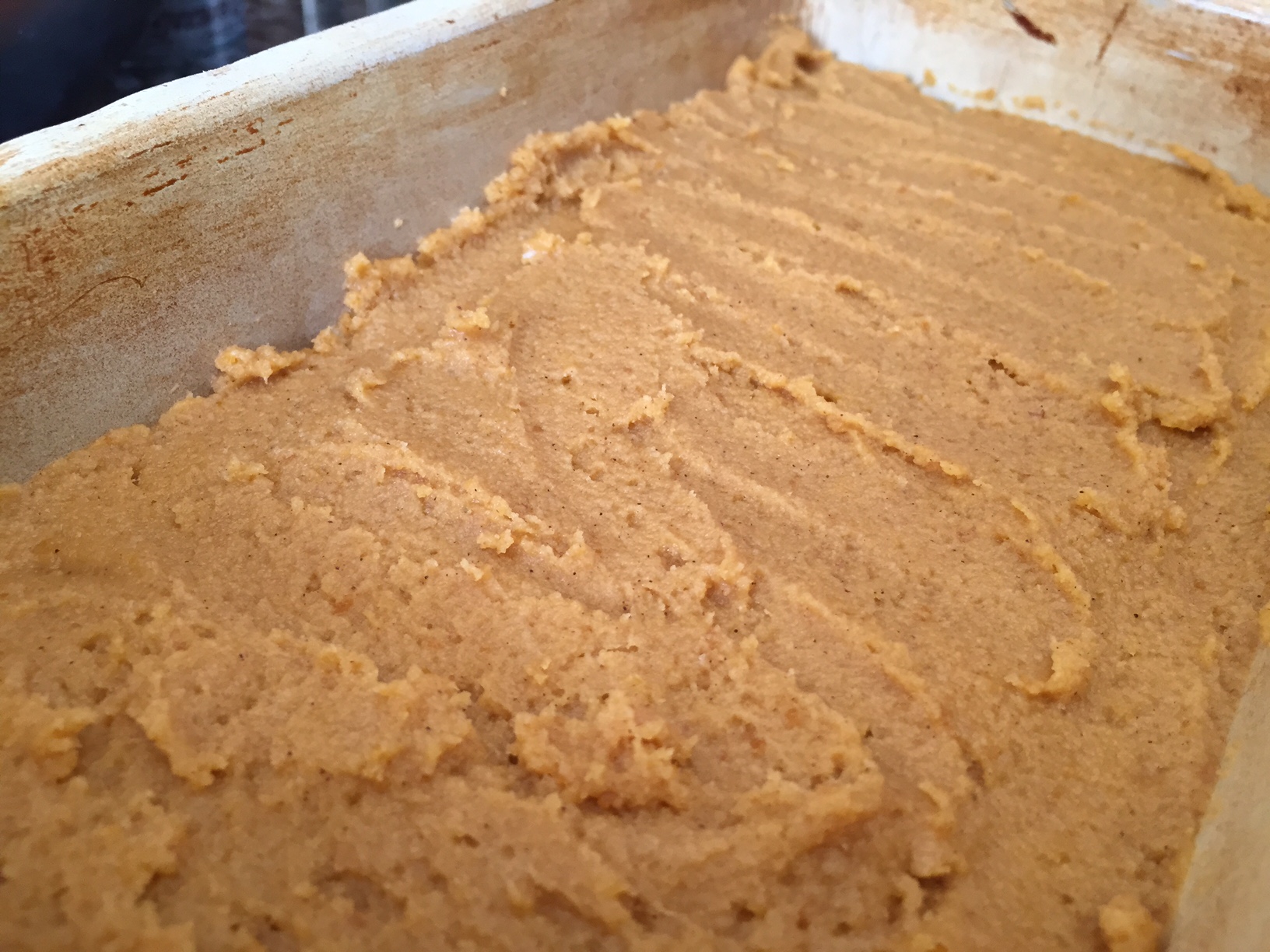
Don’t worry; the batter will be pretty thick. In fact, it had more of a cookie dough consistency at first, which is why I upped the original cup of pumpkin to the whole can.

IMG_1995

Because of the consistency of the batter, you may have to scoop (rather than pour) it into the pan. Smooth out the top with a spatula.

IMG_1997

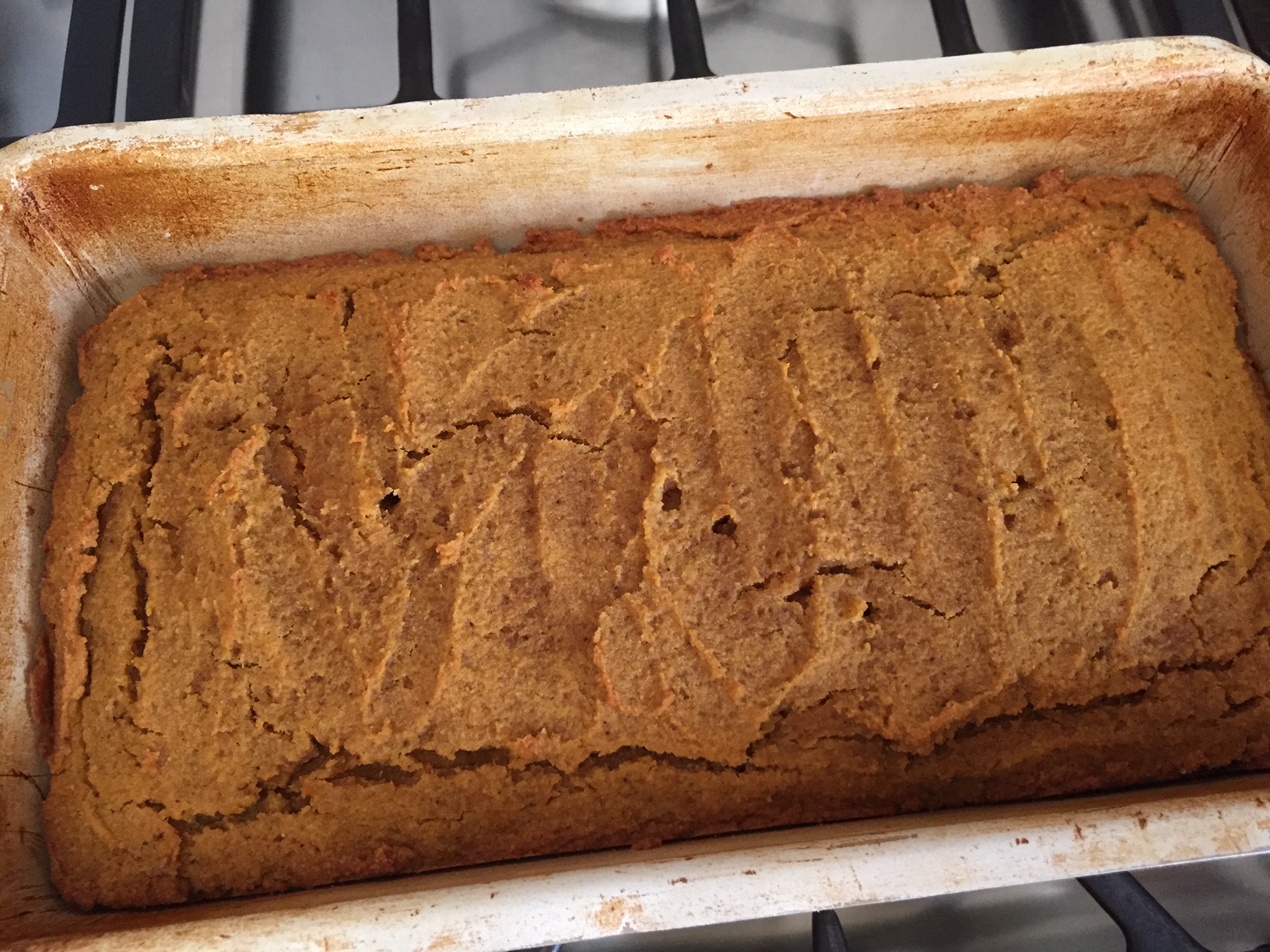
Not sure if it’s done? First, the edges will brown. But make sure that toothpick comes out clean when you poke the center!

IMG_1998

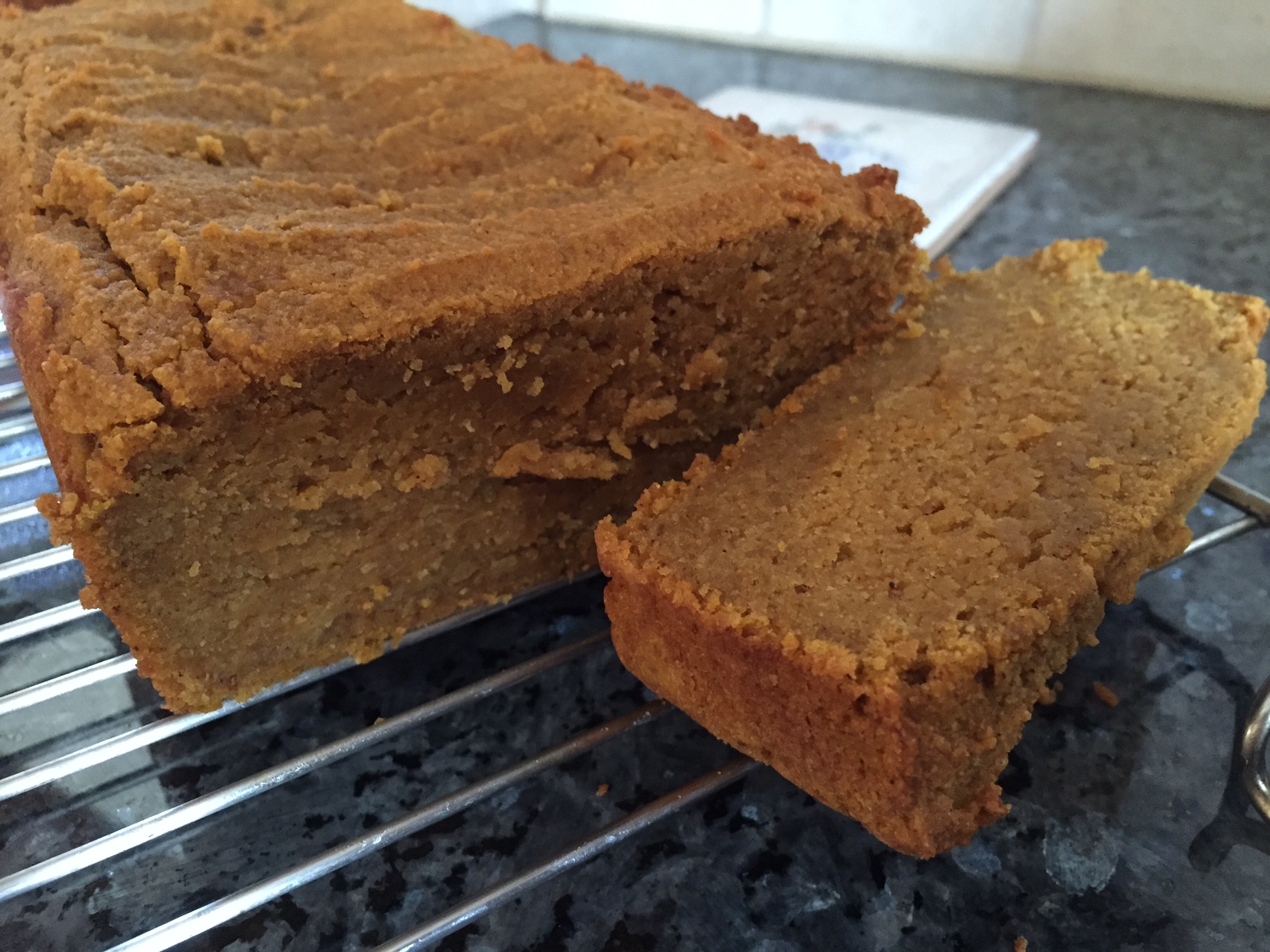
Next time I’ll probably bake it a few more minutes because the center was just slightly under-done. But still delicious!

IMG_1999

What’s your family-favorite fall recipe? 

Recipe: Easy spaghetti squash side dish

Simply-Spaghetti-Squash-recipe

Lighter, brighter and packed with more nutrients than its pasta namesake, spaghetti squash is one of those veggies with which I have a love/hate relationship. I love eating it because it’s got a yummy nutty flavor and is low in calories and high in fiber. But, until now, I’ve had trouble preparing it to varying degrees of success in the microwave.

Not only is this oven method much simpler (with a quicker clean-up, thanks to the parchment paper), but baking it also imparts a rich, roasted flavor and helps the flesh from getting too soggy. And it’s the perfect side dish to lend a festive fall feeling to any meal.

Easy Spaghetti Squash Side Dish

Ingredients:

  • 2 spaghetti squash, halved and seeded
  • 4 Tbsp extra-virgin olive oil
  • 1 tsp onion powder
  • 1 tsp garlic powder
  • Sea salt and freshly-ground pepper, to taste
  • 2 Tbsp butter
  • 2 Tbsp Parmesan cheese
  • 1 Tbsp roughly-chopped parsley
  • 1/2 tsp red pepper flakes

Directions: 

  1. Preheat oven to 425 degrees.
  2. Drizzle squash flesh with olive oil, evenly dividing between the four halves.
  3. Season each of the four halves with 1/4 of the onion powder, garlic powder, salt and pepper.
  4. Place cut sides down on a parchment-lined rimmed baking sheet.
  5. Roast until squash is tender when pierced with a knife, about 1 hour.
  6. Remove from oven and allow to cool slightly before removing flesh strands with a fork.
  7. In a medium bowl, mix squash with butter, Parmesan, parsley and red pepper flakes. Serve immediately.

I always like to start by washing the outside of the squash. And cutting it in half can be a bit tricky, so be careful when wielding your knife.

IMG_1361

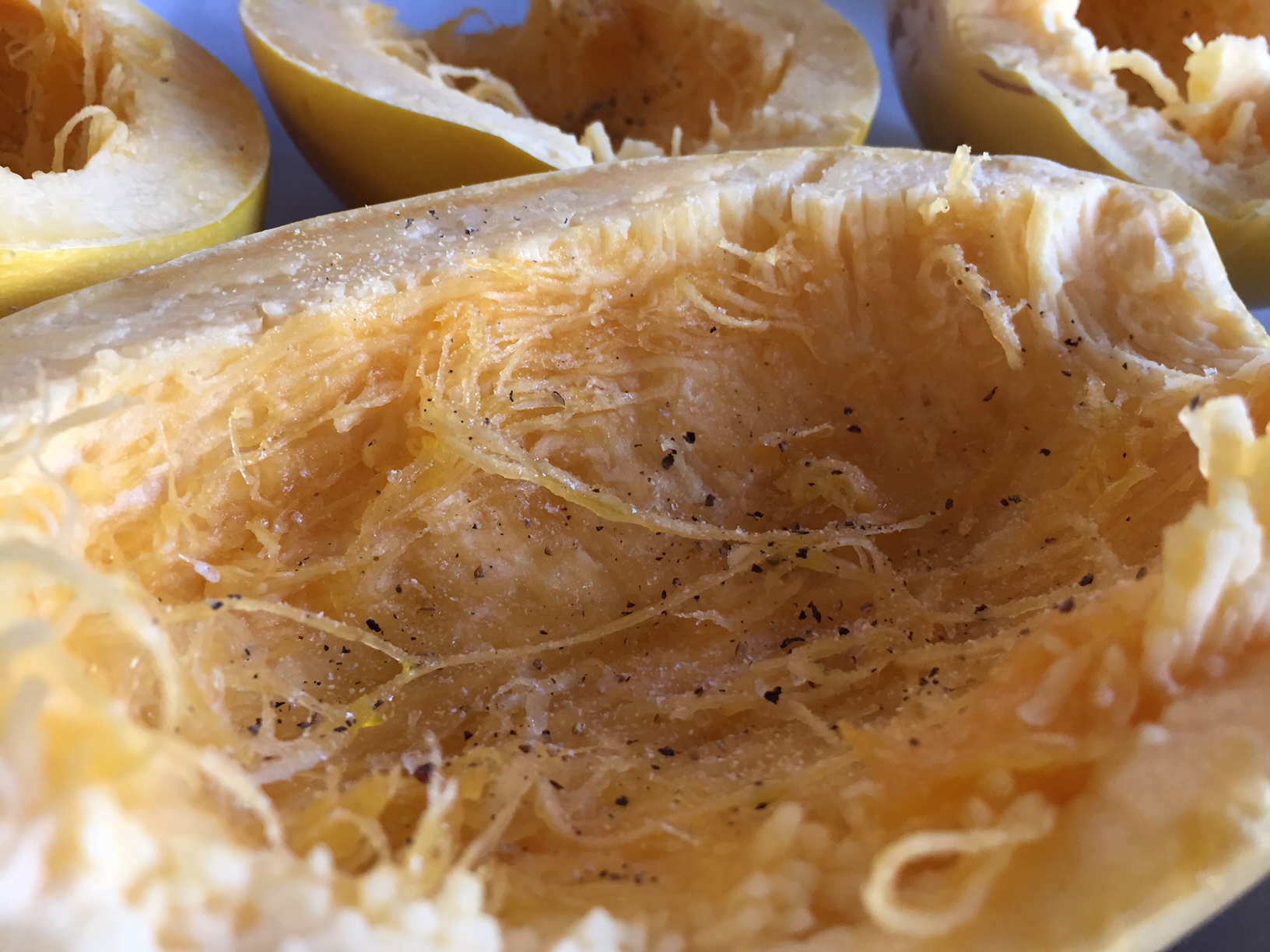
Clean out all of the seeds, but don’t worry about scraping the flesh clean.

IMG_1373

Arrange the squash halves so they all fit nicely on the parchment paper; this will keep you from having to do extra clean-up later!

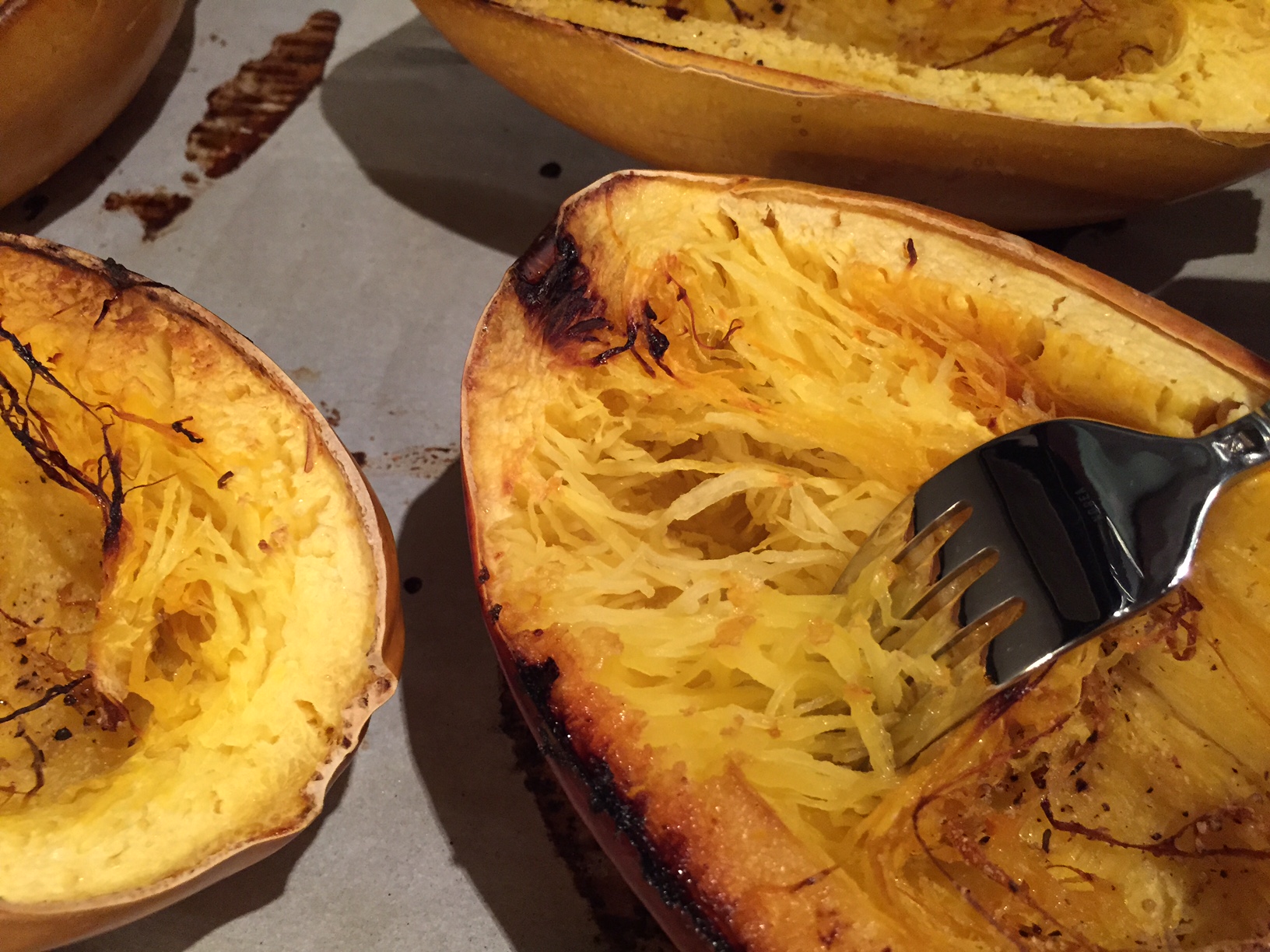
The skins will darken slightly when cooked, and there may be some slight discolorations that come through, but that’s normal.

IMG_1382

When the squash is ready, you’ll be able to pull the strands away from the skin easily with a fork. Experiment with your favorite mix-ins, and enjoy.

IMG_1384

What’s your favorite seasonal twist on fall meals? 

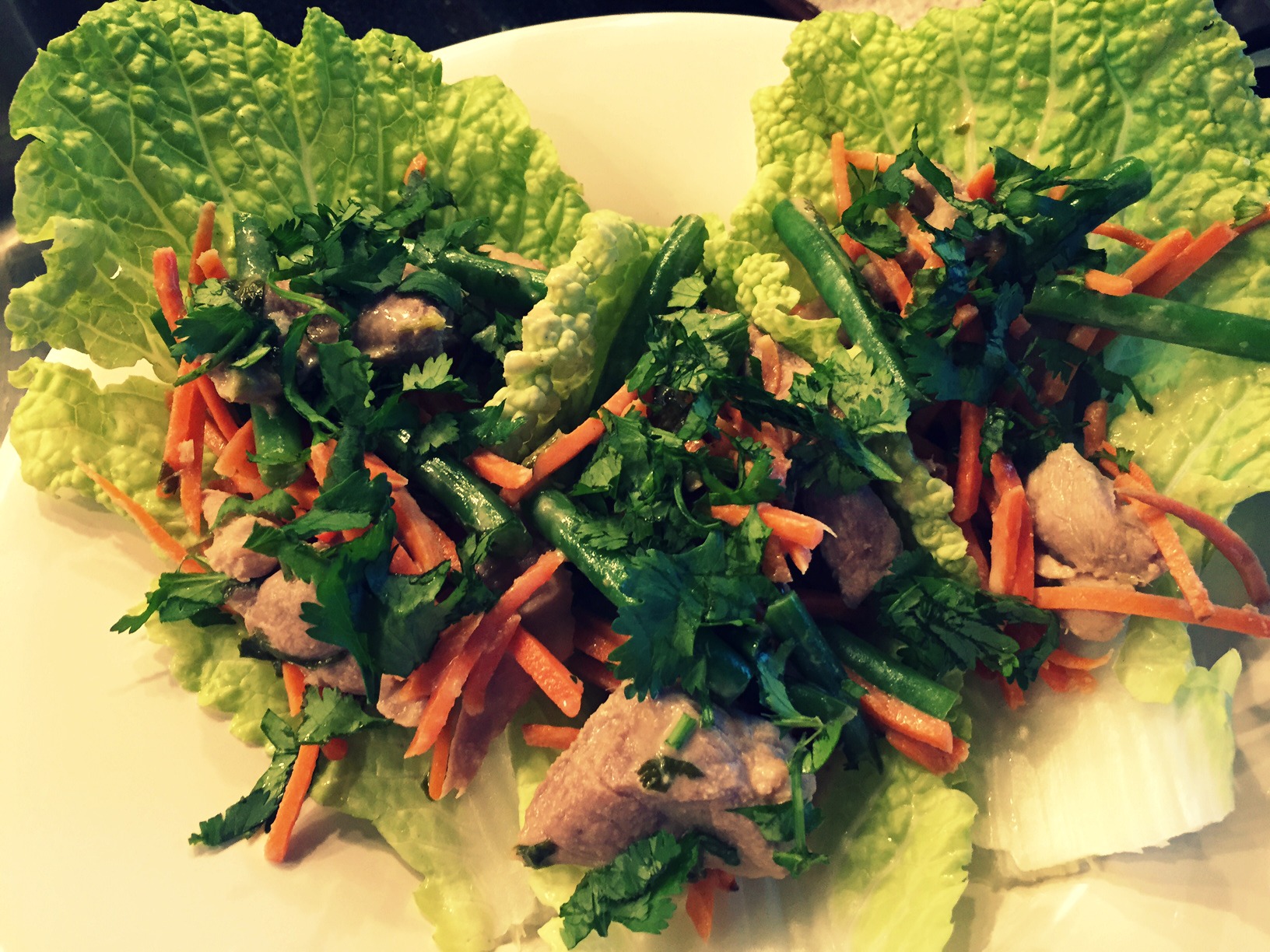
Recipe: Thai-Style Pork Wraps

IMG_1224

Weeknight meals tend to be a slippery slope in our house: The best laid plans often devolve into snacking — or worse, dining out — unless we inoculate ourselves in advance with simple, quick recipes and easily-accessible ingredients.

This dish is just that — basically a one-pan meal that’s packed with protein and veggies, yet still full of decadent flavor. Make it early in the week, so you can re-purpose leftovers for lunches over rice or with noodles.

Thai-Style Pork Wraps 

(Recipe adapted from Better Homes & Gardens)

Ingredients: 

  • 1 can unsweetened coconut milk
  • 1/2 cup fresh cilantro, washed and chopped
  • 1/2 cup reduced sodium soy sauce
  • 2 limes, one juiced & one cut into slices
  • 2 Tbsp grated ginger
  • 1 Tbsp minced garlic
  • 1 Tbsp lemongrass paste
  • 1 tsp red curry paste
  • 1 lb boneless pork loin, cut into bite-sized pieces
  • 1 Tbsp coconut oil
  • 1 cup sliced fresh green beans
  • 2 cups shredded carrots
  • 1 head Napa cabbage
  • Extra cilantro for garnish

Directions: 

  1. In a large mixing bowl combine the coconut milk, cilantro, soy sauce, lime juice, ginger, garlic, lemongrass and curry paste. Add pork; toss to coat, and set aside.
  2. Heat coconut oil in a very large skillet over medium-high heat. Add meat mixture. Cook for 5 minutes. Add green beans. Cook and stir for another 5 minutes or until crisp-tender and until pork is just slightly pink, stirring occasionally. Add carrots just before serving.
  3. To serve, top cabbage leaves with pork mixture. Garnish with additional cilantro and serve with lime wedges.

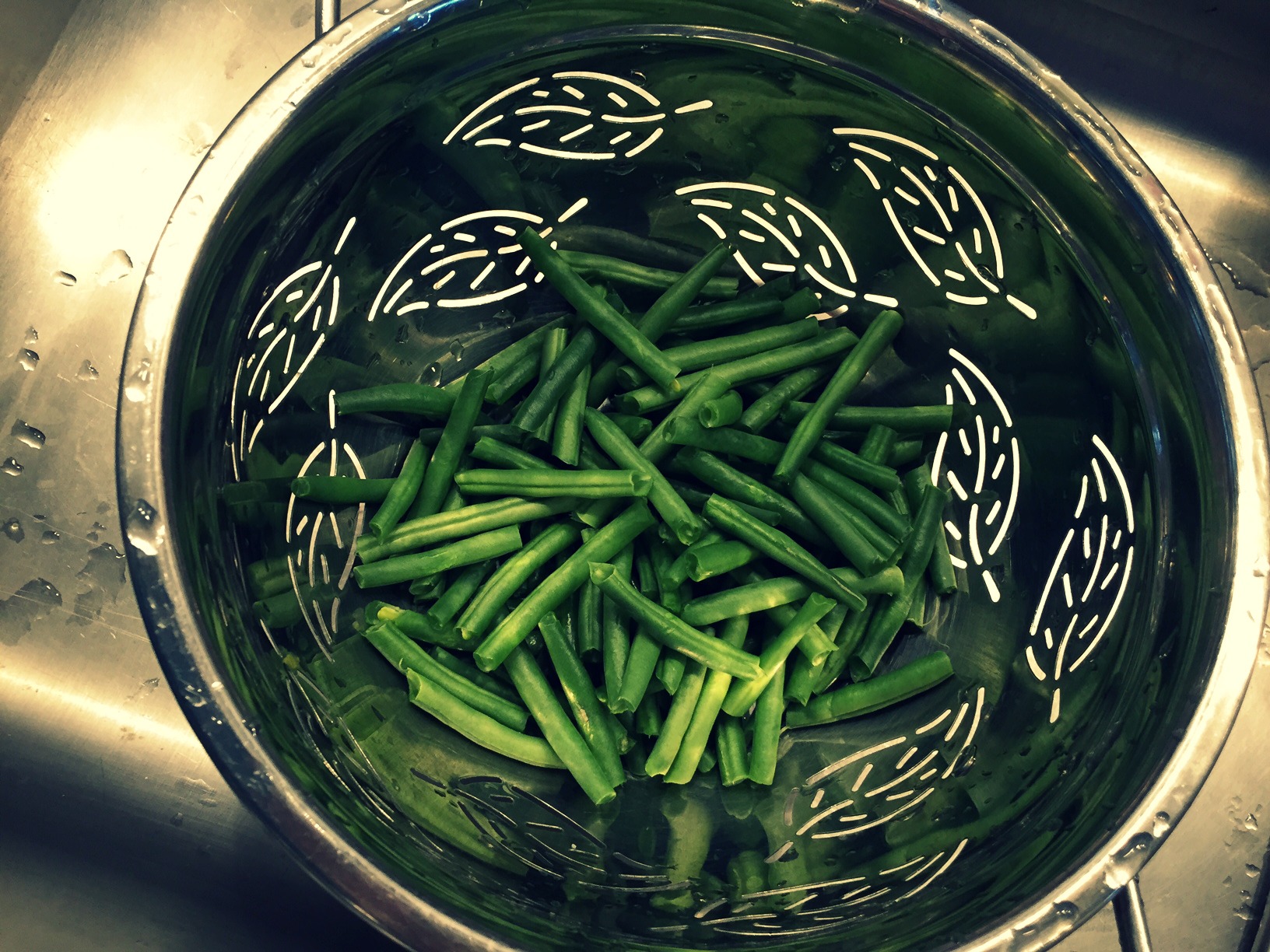
Here’s a look at the process: First, wash & prepare all the vegetables (time-saving tip: I cut some corners on prep time and bought a bag of pre-shredded carrots).

IMG_1219

Instead of a skillet, we used our favorite wok from the famous Wok Shop in San Francisco’s Chinatown.

IMG_1223

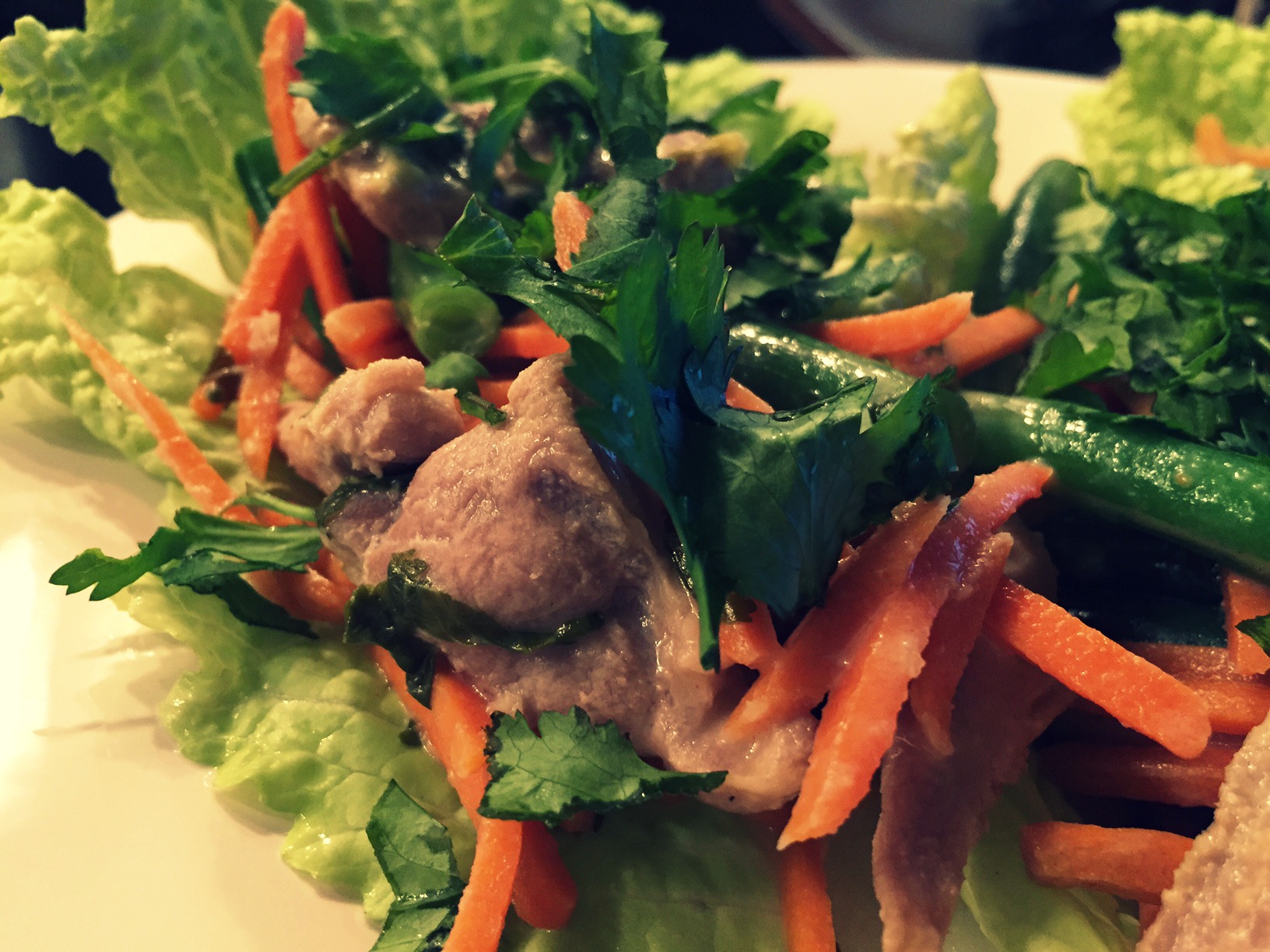
Serve it up, making sure to garnish with a scoop of yummy sauce from the pan, and enjoy!

IMG_1225

How do you ensure your weeknight meals are healthy? 

Recipe: Paleo-friendly banana bread

photo 3 (1)

Eating healthy can be tough when one of your favorite fall activities is curling with a hot pumpkin-spiced latte while something yummy bakes in the oven. But after watching the eye-opening film Fed Up (if you haven’t seen it yet, it’s a must-watch), we’re making a concerted effort to cut down on sugar, forgo processed foods and make smarter tweaks to our favorite recipes.

Like this one I found for banana bread — it seems like we’ve always got a few over-ripe bananas that need to be used. They add natural sweetness, and using coconut flour in baked goods is an excellent lower-carb, high-fiber and gluten-free alternative to wheat flour.

The best part, though? Due to the higher fiber content, coconut flour doesn’t spike your blood sugar as quickly as grain-based flours — i.e. you won’t have that inevitable crash that comes post-sugar high. So you can have your cake…er, banana bread…and eat it (guilt-free), too!

Paleo-Friendly Banana Bread

(Recipe adapted from CivilizedCavemanCooking.com)

Ingredients: 

  • 4 bananas
  • 4 eggs
  • 1/2 cup peanut butter
  • 4 tbsp butter
  • 1/2 c coconut flour
  • 1 tsp pumpkin pie spice
  • 1 tsp baking powder
  • 1 tsp baking soda
  • 1 tsp vanilla
  • 1 tsp agave syrup
  • pinch sea salt

Directions: 

  1. Preheat oven to 350 degrees fahrenheit
  2. Combine bananas, eggs, nut butter and butter in a mixing bowl
  3. Once wet ingredients are blended, add in coconut flour, pumpkin pie spice, baking powder, baking soda, vanilla, agave syrup and sea salt and mix well
  4. Grease or line a 9×5 loaf pan with parchment paper before pouring in batter
  5. Bake for about 60 minutes or until a toothpick inserted into the center comes out clean
  6. Remove from oven and flip bread out onto a cooling rack
  7. Slice and serve!

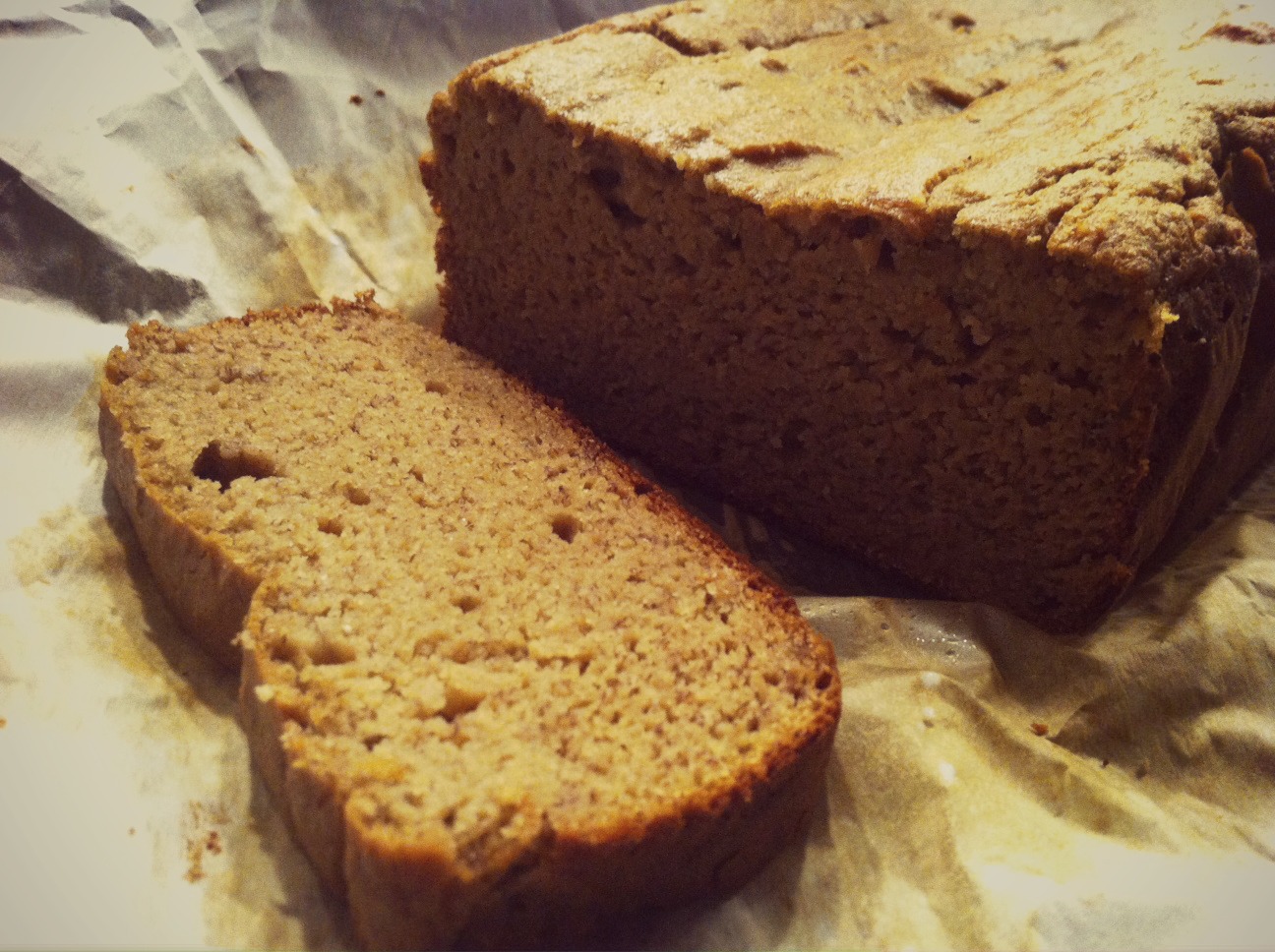
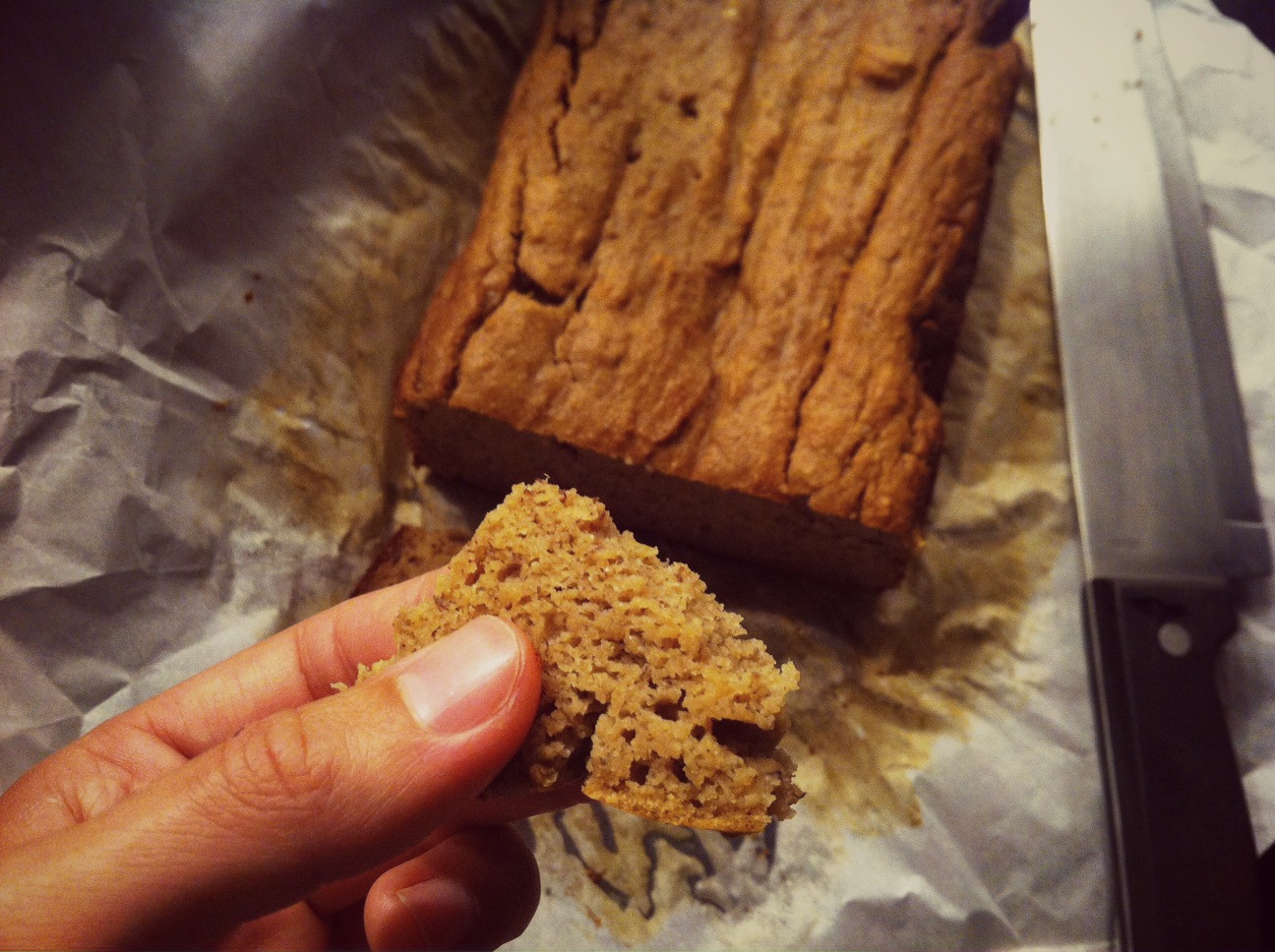
This was my first time experimenting with coconut flour, and I’ve gotta say, I’m impressed. The texture and consistency seem similar to whole-wheat flour, which will make your baked goods slightly more dense.

photo 2 (1)

Not so dense, though, that you lose the cake-like quality of a good banana bread. And surprisingly enough, we didn’t even need butter; it was perfectly delicious and moist enough to munch on straight out of the oven!

photo 4 (1)

How do you feel about making over your favorite recipes with healthier ingredients? 

Recipe: Almond Flour Chicken Fingers

photo 5 (2)

My friend Katie is currently on the Whole 30 program, and as we were swapping healthy recipes the other night, she mentioned this one as a family favorite. While I’m not quite convinced I am able want to follow a strict eating regimen (you’ll have to pry carbs and dairy products out of my cold, dead hands!), I’m always game for anything that can get Hubby and I out of our weekly baked/grilled chicken rut. And this one just so happens to be pretty darn awesome.

Almond Flour Chicken Fingers

(recipe adapted from GenYFoodie)

Ingredients: 

  • 2 packages boneless, skinless chicken tenders
  • 2 cups almond meal
  • 1 tbsp paprika
  • 1 tsp cumin
  • 1 tsp cayenne pepper
  • 1/2 tsp black pepper
  • 1 tsp sea salt
  • 1/2 tsp garlic powder (we didn’t have, so I omitted)
  • 2 eggs

Directions: 

  1. Preheat oven to 375, and line a baking sheet with parchment paper.
  2. In a small bowl, lightly beat eggs, then set aside. In a shallow dish, mix together almond meal, paprika, cumin, cayenne, pepper, salt and garlic.
  3. Dredge each piece of chicken in egg, then roll in dry mixture to coat it completely. Repeat with each piece, arranging them all on baking sheet.
  4. Bake for 25-30 minutes or until golden.
  5. Serve with your favorite dipping sauce or chopped in a salad!

First prep the eggs in one dish, and measure out all the dry ingredients in another.

photo 1 (6)

Here’s what the coating looks like when it’s all mixed and ready for dipping.

photo 2 (5)

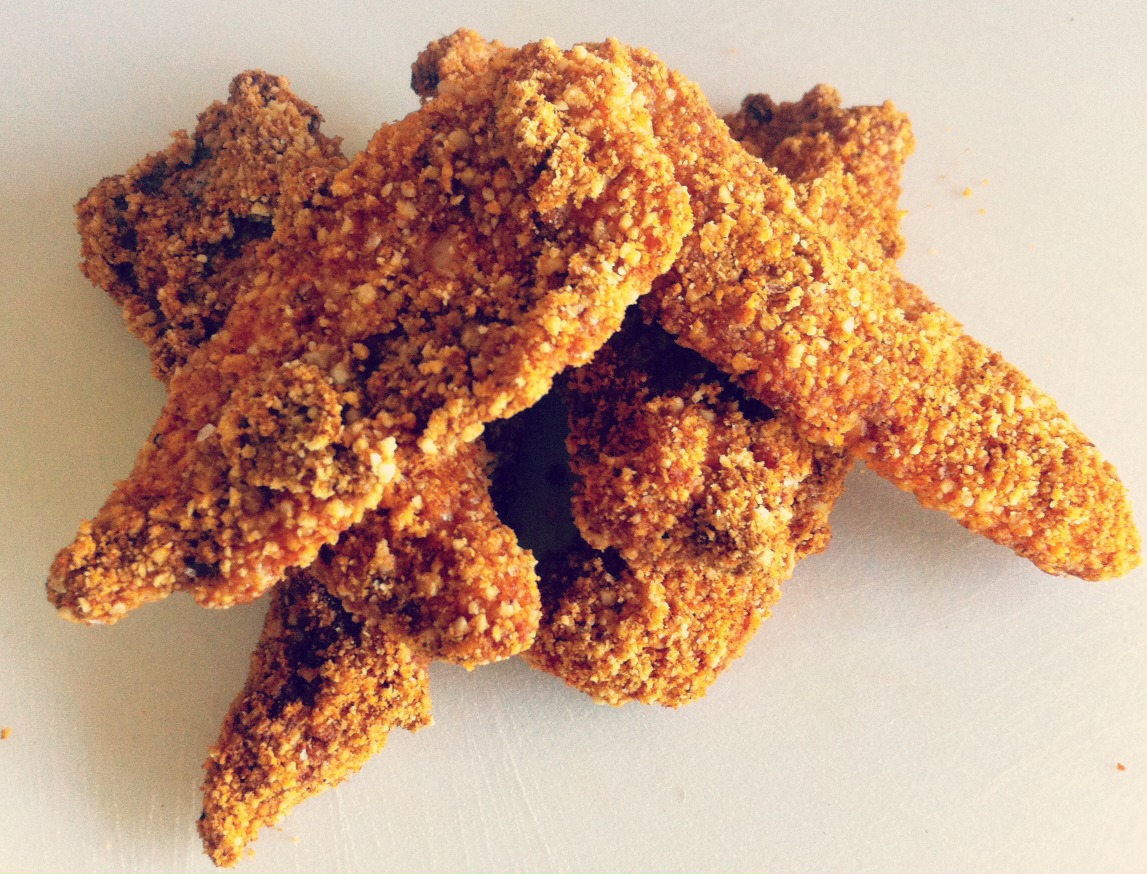
The almond flour helps create a wonderfully-thick breading, which will crisp up in the oven. These are all ready to go in for 25-30 minutes.

photo 3 (4)

And as an added bonus, the fat in the nut coating helps retain moisture for these little strips of goodness.

photo 4 (2)

One final tip: Make a double batch because they’ll disappear quickly!

Q&A with Alex Schmotter, founder of the world’s first alkaline sports drink

Phenoh1

Let’s get one thing straight: Sports drinks today aren’t exactly health food. Sure high sugar content, artificial dyes, preservatives and chemical additives are bad enough, but it’s the acid content (100 times more than coffee!) that can really affect our health (tooth decay) and performance (muscle fatigue).

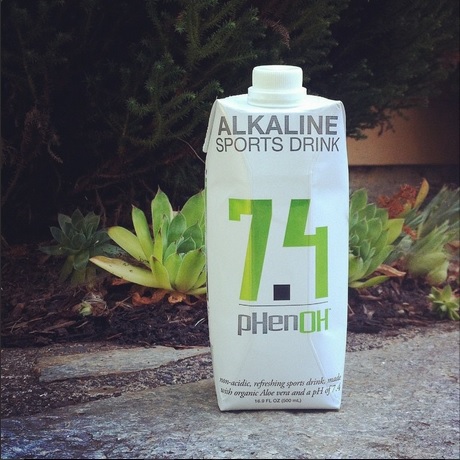
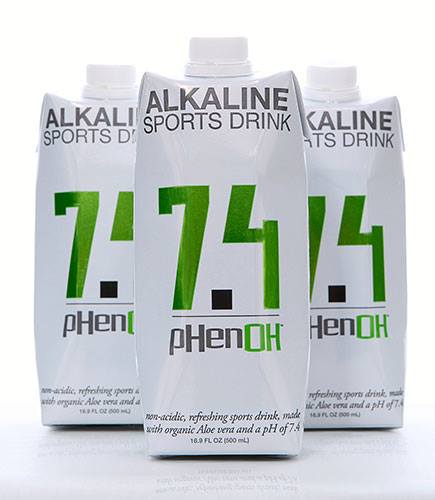
Enter PHenOH 7.4, the first sports drink that helps the body maintain its natural alkalinity, allowing us to perform at our best for longer.

Founder and CEO Alex Schmotter, a lifelong athlete with a passion for health sciences, developed the product after realizing the lack of a healthy alternative to traditional sports drinks. He also happens to be one of Hubby’s dental school buddies, so I thought it’d be fun to sit down and chat about how he balances running a successful business with pursuing his DDS degree!

KineticFix: Welcome, Alex! So, how’d you get the idea for an alkaline sports drink, and why is it so beneficial for athletes? 

AlexS

Alex Schmotter: I was in the process of applying for dental school, so I had teeth on my mind, and at the same time I was brainstorming research topics for my senior research at Cal Poly. Being an athlete with a background in biology and a strong interest in dentistry, I began researching the detrimental oral affects that sports drinks have.

Most people don’t understand that acid is the direct cause of tooth decay, so I decided to conduct my senior research on the topic. And the more I learned about the acidity of sports drinks, the more I discovered that their negative effects aren’t just on teeth, but also on physical performance and overall health.

Sports drinks are about 30,000 time more acidic than blood. This is especially important for athletes because when we exercise we naturally produce acids. Our bodies are amazing machines, and we are very good at getting rid of this acid, but there comes a point that we produce acids faster than we can get rid of them, which can adversely affect performance.

KF: You’re currently in dental school; how does your work with Phenoh 7.4 fit in with that?

AS: Teeth are where this all started. I was out for a bike ride one day in undergrad, and I’m riding along drinking my sports drink thinking about how I’m drinking it. I notice that I put a little bit of this bright blue fluid into my mouth, swish it around for a few seconds, swallow, and then repeat the process. It doesn’t take being a dentist to know that this is terrible for your teeth.

Having such an interest in oral health, I wanted to understand the justification for sports drinks being so acidic. I thought that if the acid is destructive to our teeth, then it must be very good for us in other ways to justify being in sports drinks, but the more research I did the more obvious the problem became.

Phenoh2

KF: Describe a typical day; I’m interested in how you balance it all!

AS: Well I don’t do it alone, first of all. I have a great team behind me now, and that’s crucial. I have learned to feed off of the positive support that I have gotten from my family, my friends and some great advisers.

In terms of a typical day, though, I sleep between 4 and 5 hours a night. I usually set an alarm for 6 a.m. I wake up, get ready and head to a coffee shop to work before school. I try to get a few hours of work in before clinic. It’s actually great working this early in the morning because retail store buyers are up early to prepare before the store opens.

Then I go to clinic or class. I work with patients all morning, and during that time I’m really pretty unavailable. This is where it is to important to be able to trust the people you work with.

We get an hour off for lunch, so I usually sprint to the coffee shop around the block and catch up on emails or take a phone meeting. I try to schedule phone meetings for 1-2 p.m. every day, because this is the time of the day that I know I am available and that both the West and East Coasts are within normal business hours.

At 2 p.m. I go back into clinic were I’m with patients again until 5 p.m. After cleaning up, writing notes, calling patients, etc. it is usually 5:30 or 6 p.m., and this is when the work day really starts for me. I would say that Wei-Ken, our company president, and I have most of our company-defining moments after the midnight hour. There’s no such thing as 9 to 5 at a start-up!

Someone told me once that the key to a successful business is “people by day, papers by night.” I agree with this — that during the day it is important to speak with as many people as possible in the restraints of their working hours. And during the ‘off’ hours, I get to express my creativity, make a game plan, develop new products, etc.

KF: It’s been four years in the making; can you tell us a bit about what went into creating your product? 

AS: Ten years ago, a “curious kid” would not have had the resources to do what I did. Today we have access to any information in the world at the tip of our fingers. We have online databases full of unfiltered, scientific literature prepared by masters in their respective fields. I was able to pull information from every discipline of science to get a true understanding of the big picture — thereby giving me the opportunity to develop a solution that “bridges the gaps.”

Phenoh 7.4 is made with just seven natural ingredients, and each one is in there at a very specific concentration for a very specific purpose, based on what the research shows we need for maximal function. We redefined the sports drink on every level, not just the alkalinity. For example, we make our product with organic aloe vera — not only for the essential nutrients that it provides to help us rebuild after stress, for also for its anti-inflammatory effects, ability to reduce post-exercise pain and boost to the immune system.

The real time, however, has not been on the product development, but on building the business. Taking a concept to market with zero business experience is no easy task. I have made many mistakes and will probably make many more. I have, however, developed an incredible network that is proving extremely helpful in spreading word of this new product.
10456026_10202668741533364_4169951290999204976_n

KF: You’re a self-taught businessman, and I’d argue there’s no better MBA than starting your own company! So what are three things you’ve learned in the process? 

AS: As you know, my background is in science — so other than a few lemonade stands as a kid, I came into this with zero business experience. Starting a company as a one-man show, you wear a LOT of hats. I gave myself the google.com crash-course in just about everything, and learned a lot from friends, but if I had to give just three things that I’ve learned, I’d say:

1. If you do not know something, learn it. If you are in a situation where you don’t know something, don’t be afraid to ask. I spent the early days of this thing splitting time between developing the graphics, building a production systems plan, writing my first provisional patent, learning about types of seed round financing, learning about quality control compliance regulations for producing a consumable product, building basic marketing and distribution campaigns…the list goes on.

2. Take on an attitude that if you do not do something, then it will not get done. In business, there is a lot of talk. I still believe that most people genuinely want to help and want to see your vision succeed, but we are all very busy and without an ingrained sense of urgency, people and businesses do not always take action in the way that they say.

For me, this experience was true in situations with friends coming on board to help with the operations and not understanding how much time and effort goes into building a business, all the way to giant corporations promising results and not following through on their agreements. In business, everyone is working on leverage. Be persistent. Stay positive, and push push push.

3. Know who you are. This may be the most challenging initial process of starting a brand. Can you explain it to someone? Will they understand? It doesn’t do a whole lot of good having a “great-freaking-product” if you are the only one who understands it. This should be an exercise performed by every new business entrepreneur.

My suggestion is that you go out and talk about it. Talk about it so much that there is not a single question you don’t have an answer to. Find your brand identity. Think about your brand’s immediate-, short-, and long-term goals, and write them into your business plan. Then don’t lose sight of those ideals!

KF: What are your favorite ways in which to stay active — that is, where & when do you drink Phenoh 7.4?

AS: Exercise is a part of my life. I can’t go without exercise, or I just feel off. I’ve always run outside, and throughout college I played team sports (Alex was an All-American collegiate lacrosse player) and went to the gym daily. I still like to go to the gym, but nothing can replace being outside — whether it’s running, biking, hiking, water skiing, snow skiing, etc.

After dental school, I would love to get back into lacrosse and soccer. But for now, you can find me at the Lyon Street staircase or running down Marina Green!

IMG_0355 (1)

KF: Where do you see Phenoh 7.4 5-10 years from now?

AS: Phenoh is a lifestyle brand, and Phenoh 7.4 is our flagship product. The benefits of the concept of Phenoh 7.4 extend to everyone, not just while we are exercising. We want to teach and we want to offer information and healthy products.

We also plan to build philanthropy into our core values. My dad and I have been doing dental philanthropy trips, and last year we did three where we went to Mexico and provided free care for the Huichol Indians. We want to use Phenoh to build similar prevention and care programs around the world.

KF: Finally, what would you say to people who haven’t tried an alkaline drink yet but are open to the idea of trying one?

AS: Don’t be scared! People expect that an alkaline alternative beverage is going to taste like soap, or something awful… Give it a try and see for yourself; it’s very refreshing!

We like to think of ourselves as the Tesla of beverages — at first, consumers were interested in Tesla because it was an electric alternative to internal combustion engines, but now it’s becoming a norm. Phenoh products are the same; while our defining characteristic is the fact that we are alkaline rather than acidic, it is only one of the reasons that we offer a superior product.

It’s also important to note that we aren’t an alkaline water — we are an alkaline flavored beverage, and we are the first of our kind. It’s not just sports drinks that are acidic. If you see something in a bottle, and its not alkaline water, you can assume it’s acidic. This acidity is a serious problem, and that’s why were offering Phenoh as a viable solution.

Intrigued yet? Check out Phenoh 7.4’s website here for more info! 

Recipe: Thrive Energy Cookbook’s Peanut Curry Rice Bowl

photo 3 (3)

Loaded with veggies, this classically-flavored curry will knock your socks off. Hubby and I made it the other night, and even though it takes a little time to prepare, it’s totally worth it!

Thrive Energy Cookbook’s Peanut Curry Rice Bowl

Ingredients:

  • 1/4 cup virgin coconut oil
  • 2 cups finely-chopped sweet onion (I used red)
  • 1 cup peeled and diced carrots
  • 1 cup diced celery (forgot to get at the store, so didn’t use — oops!)
  • 2 tbsp pounded and thinly-sliced lemongrass
  • 1 tbsp minced garlic
  • 1 tbsp peeled and finely-chopped ginger
  • 2-3 tbsp yellow curry paste (our store didn’t have, so I used red curry paste)
  • 6-8 fresh or frozen lime leaves (again, not at store — so I substituted some lime zest)
  • 1 large sweet red pepper, diced
  • 1 large sweet green pepper, diced
  • 2 cups baby bok choy, chopped
  • 1 1/2 cups drained canned baby corn
  • 1/2 cup smooth natural peanut butter
  • 1 cup vegetable stock (I used chicken broth)
  • 4 cans coconut milk
  • 8-10 fresh Thai basil leaves, torn
  • 1 cup toasted peanuts, chopped
  • 2 tbsp cane sugar (I used 1/2 tsp agave nectar)
  • 1 cup whole grain brown rice, cooked
  • 1 cup bean sprouts (I omitted)
  • 4 small handfuls of pea shoots, for garnish
  • 4 small lime wedges, for garnish
  • Our addition: Chopped chicken (for extra protein!)

Directions: 

  1. In a large pot over medium heat, melt coconut oil. Add onions, carrots, celery, lemongrass, garlic and ginger; cook, stirring frequently for about 5 minutes.
  2. Add curry paste and cook, stirring, until it melts and mixes with vegetables. Add lime leaves, red and green peppers, baby bok choy and corn. Cook for 3-4 minutes.
  3. Add peanut butter and cook, stirring, until melted and mixed in.
  4. Reduce heat to medium, then stir in stock and coconut milk. Add basil, half of peanuts and cane sugar. Bring to gentle simmer, stirring to blend in coconut milk, about 5 minutes (don’t boil or coconut milk may split).
  5. Serve in large bowls over brown rice with bean sprouts layered on top. Garnish with pea shoots, toasted peanuts and lime wedges.

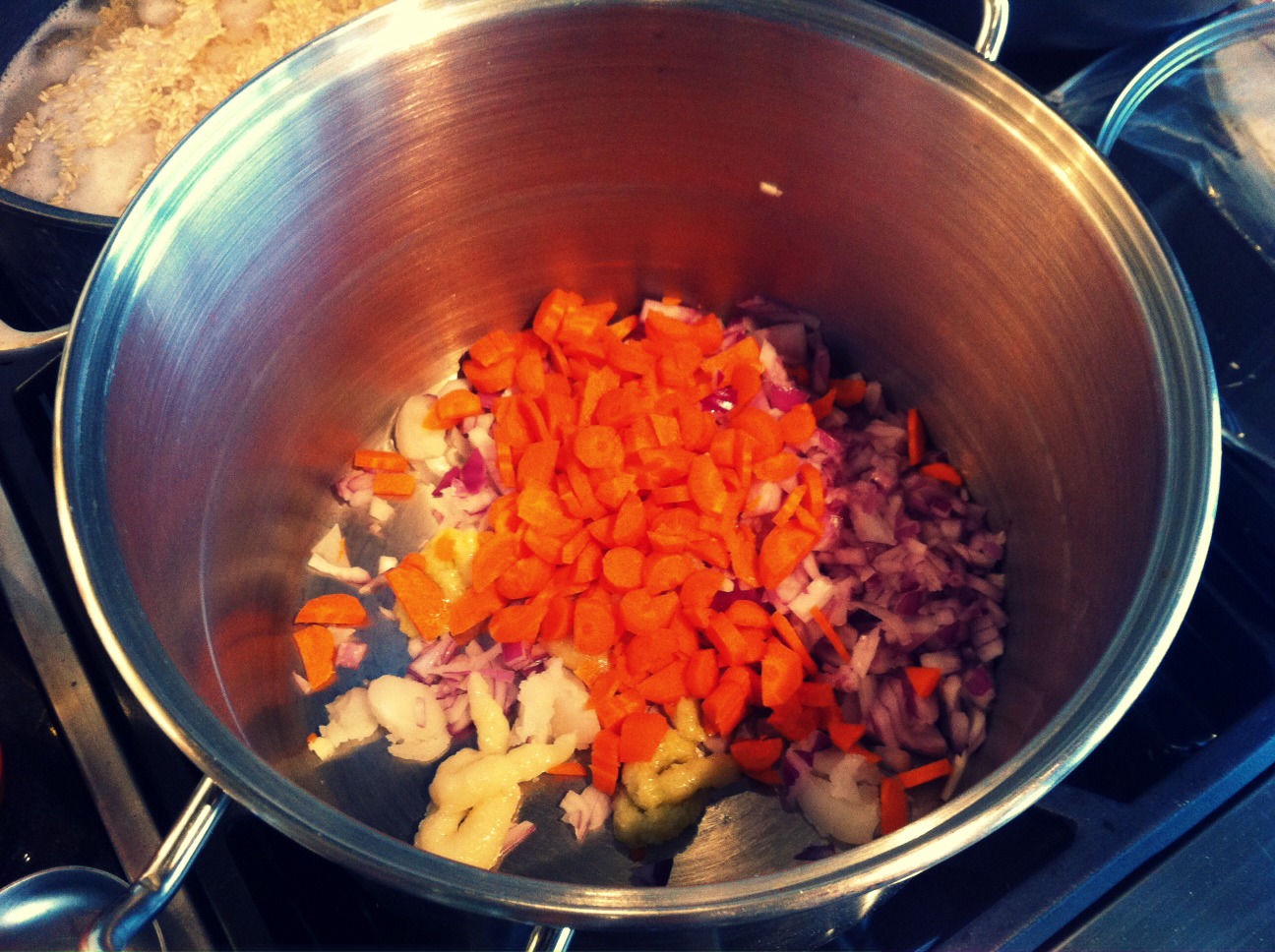
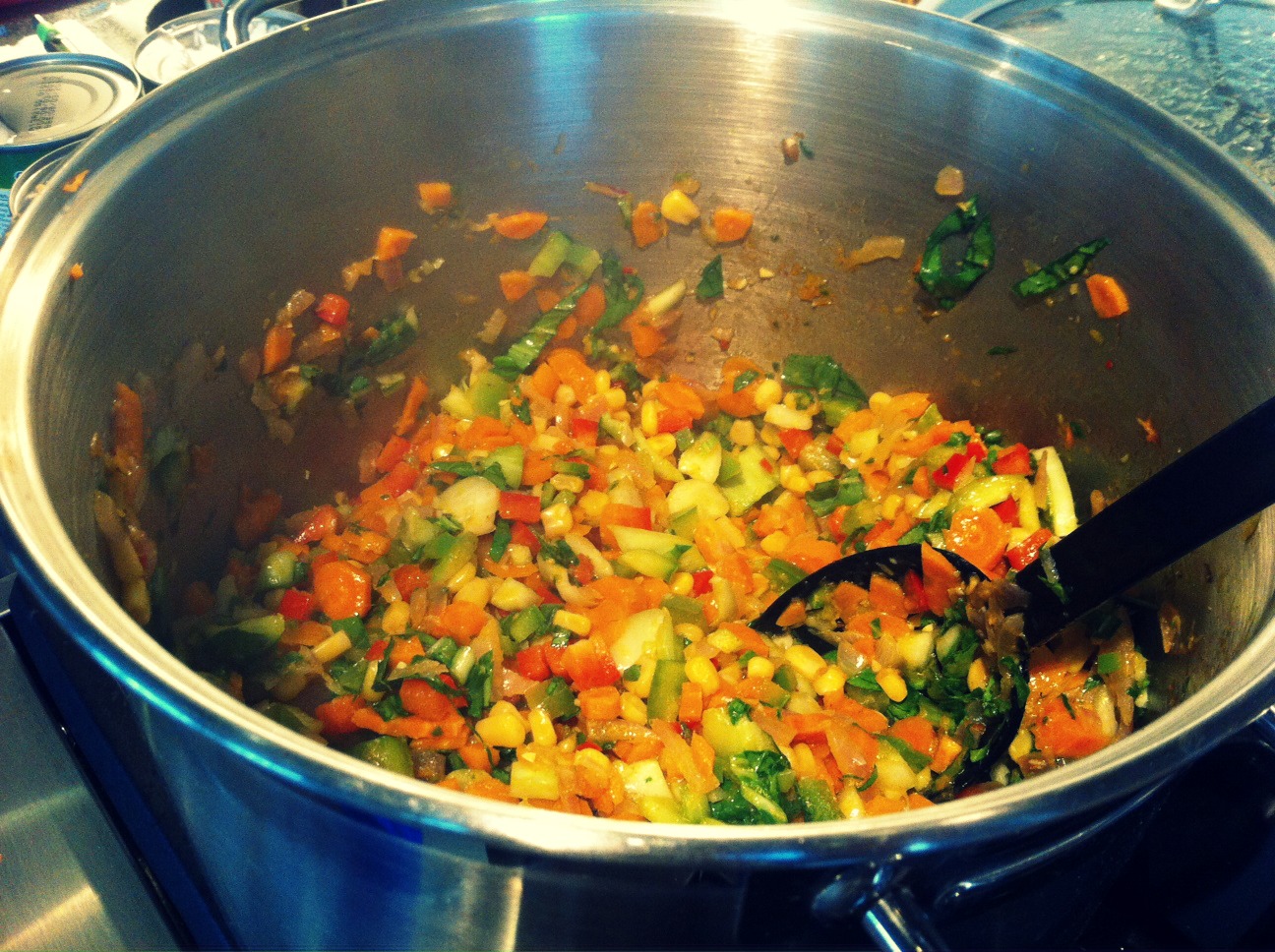
Here’s a look at the process: First, get chopping! Then add the coconut oil and veggies to your pot.

photo 1 (3)

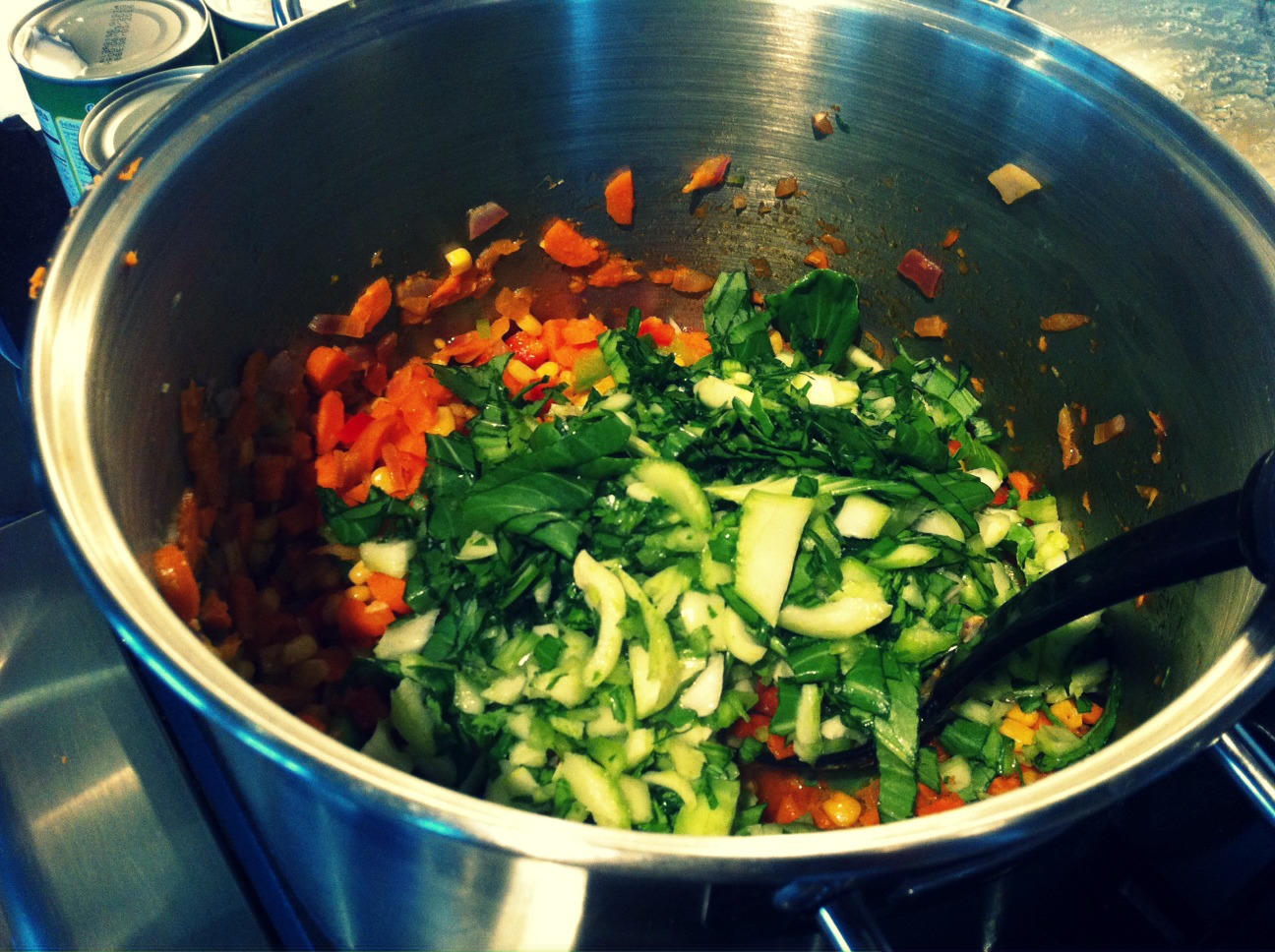
Next comes the curry paste and another round of veggies. This is why it’s such a deliciously, nutrient-dense meal.

photo 2 (3)

After you add the peanut butter is when the magic starts to happen…

photo 3 (2)

A little coconut milk, and you’ve got yourself a curry!

photo 4 (1)

Once the rice is done, you’re ready to plate the meal; we added some chicken for extra protein, too.

photo 1 (4)

Yes, it’s as good as it looks. Especially if you’re already a curry fan, this recipe will not disappoint.

photo 2 (4)

For other awesome plant-based recipes, check out the Thrive Energy Cookbook here

Recipe: Thrive Energy Cookbook’s black bean, sweet corn & mango salsa

photo 4 (1)

While I’m no vegetarian, I do make an effort to incorporate plant-based, nutrient-dense, whole-food recipes into my meal planning.

Why? Well, as much as I love a good steak, I can feel my body processing it for hours on end; sometimes it’s nice to eat stuff that’s less intensive to digest, which means you’ll have more overall energy.

That’s why I was excited about checking out the new Thrive Energy Cookbook from Brendan Brazier (former pro triathlete, ultramarathon champ, creator of Vega). His purpose-driven recipes are intended to fuel performance.

This salsa, for example, is a twist on the southwestern classic. Bursting with flavor — and protein — it’s perfect over veggies, atop a salad or (my favorite) with chicken or fish.

Thrive Energy Cookbook’s Black Bean, Sweet Corn & Mango Salsa

Ingredients:

  • 1 cup (or rinsed canned) black beans
  • 1 cup peeled and diced mango
  • 1 cup fresh sweet corn kernels (from 2 cobs)
  • 1/4 cup finely-diced red onion
  • Handful of fresh cilantro leaves, torn
  • 3-4 fresh mint leaves, thinly sliced
  • 2 tbsp freshly-squeezed lime juice
  • 1 tbsp avocado or hemp oil
  • 1 tsp agave nectar
  • Sea salt and freshly-ground black pepper, to taste

Directions:

  1. In a large bowl, combine all ingredients.
  2. Toss well. Best served immediately.

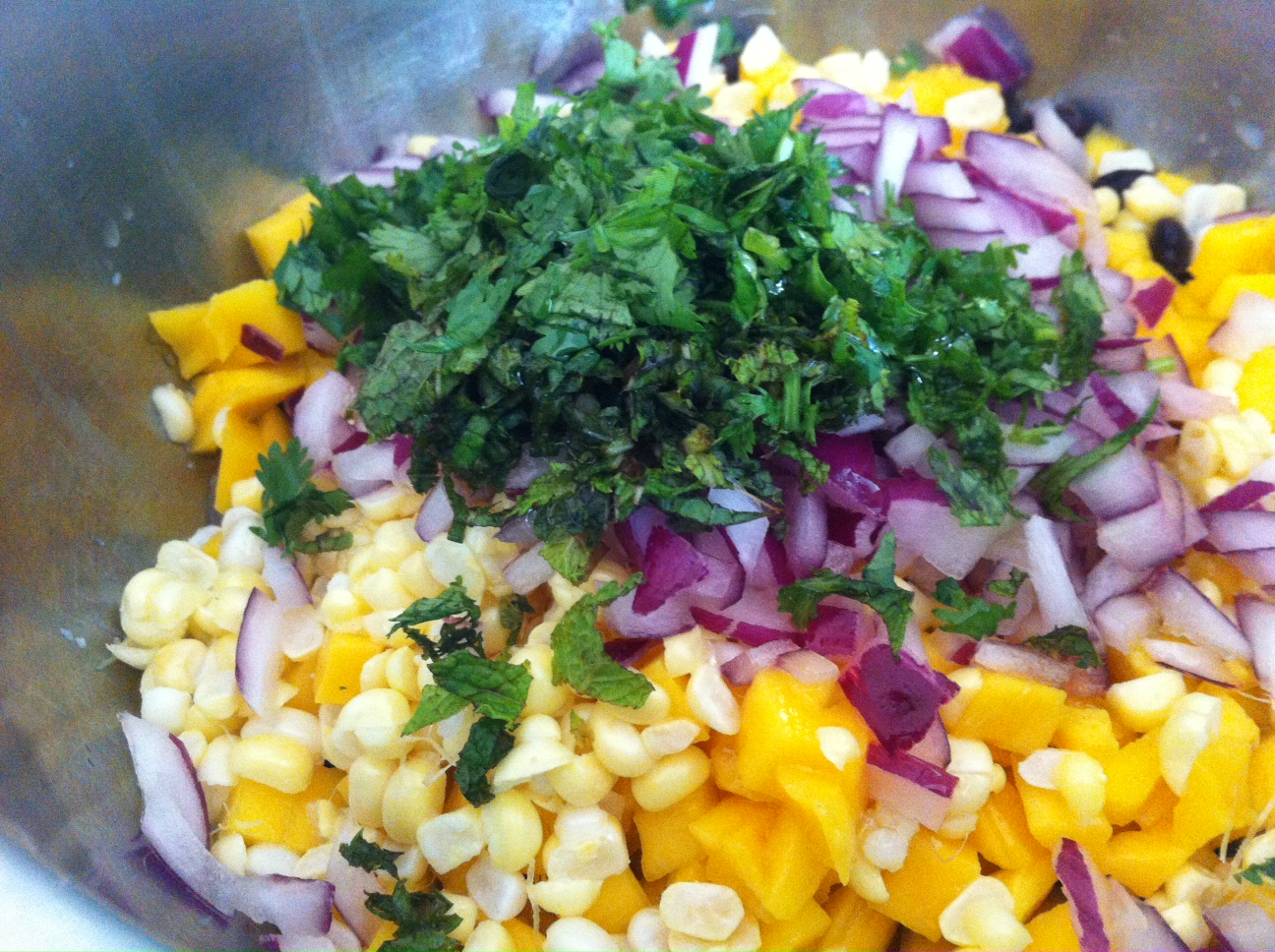
First, gather all the ingredients — note: I substituted olive oil for the avocado/hemp oil, though, and used the whole can of beans.

photo 2 (3)

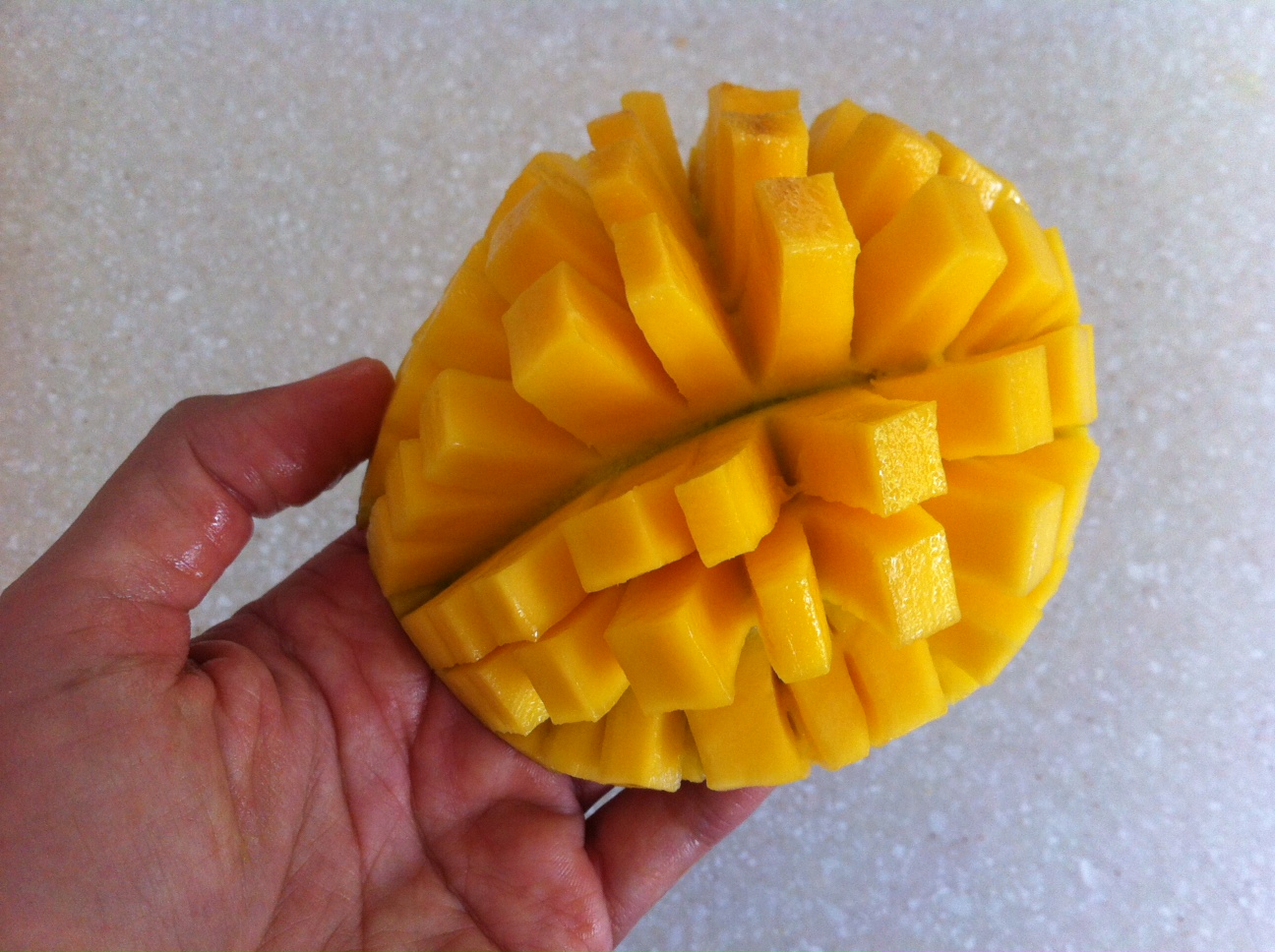
Want a trick for dicing up those tough-to-handle mangos? Slice ’em, score ’em, then flip ’em inside out and scrape out the chunks. Easy!

photo 3 (2)

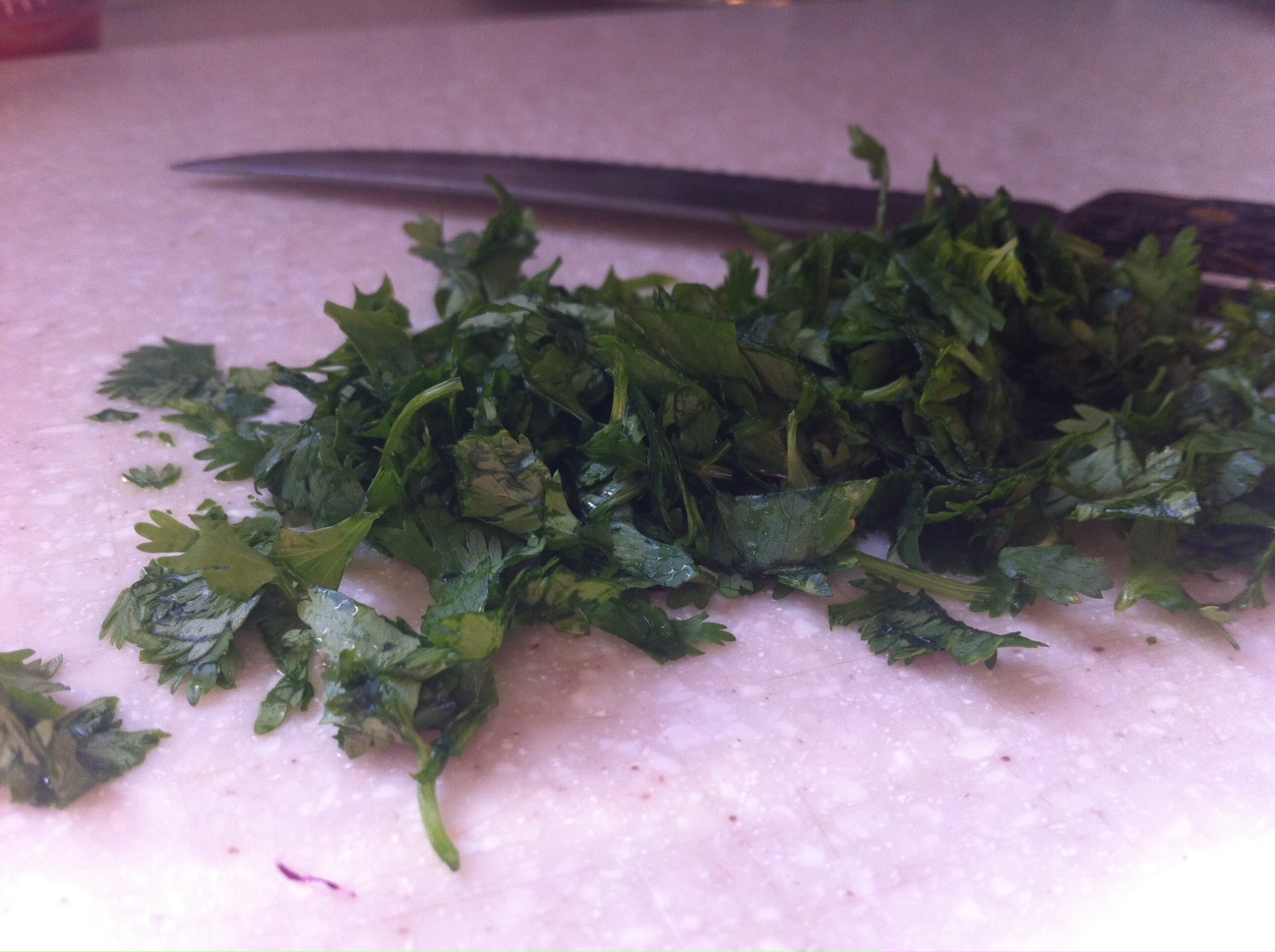
Since Hubby and I are big cilantro fans, I added a bit more than the recipe called for, too.

photo 4 (2)

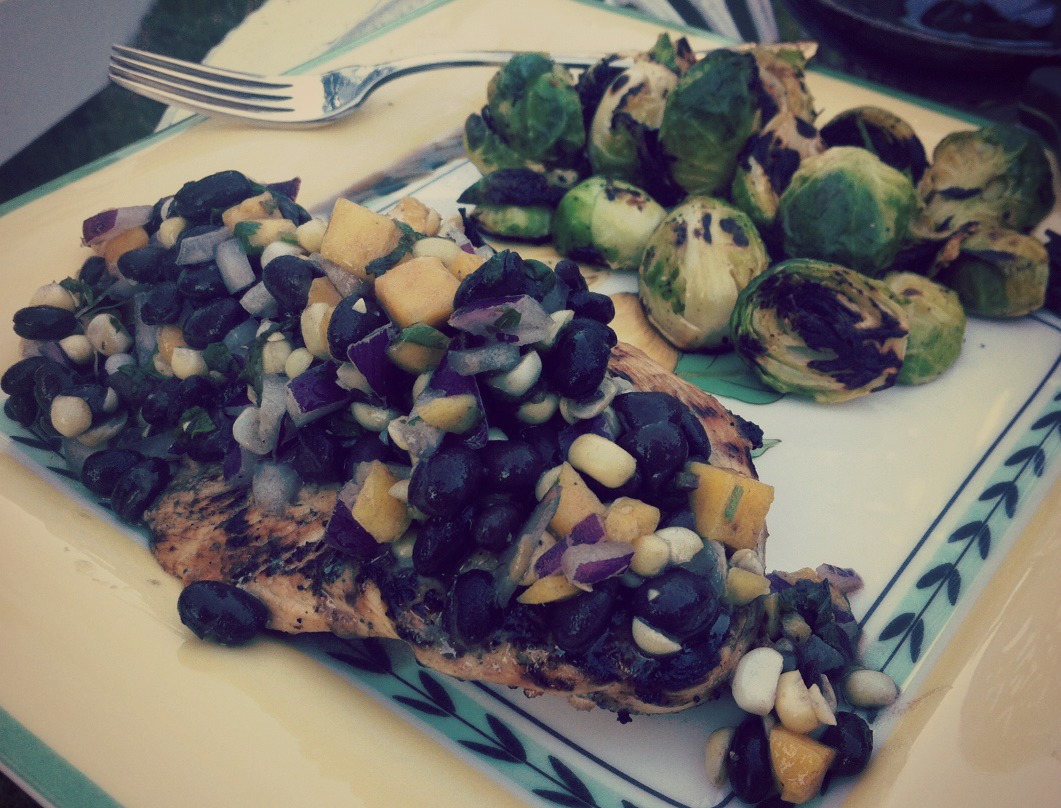
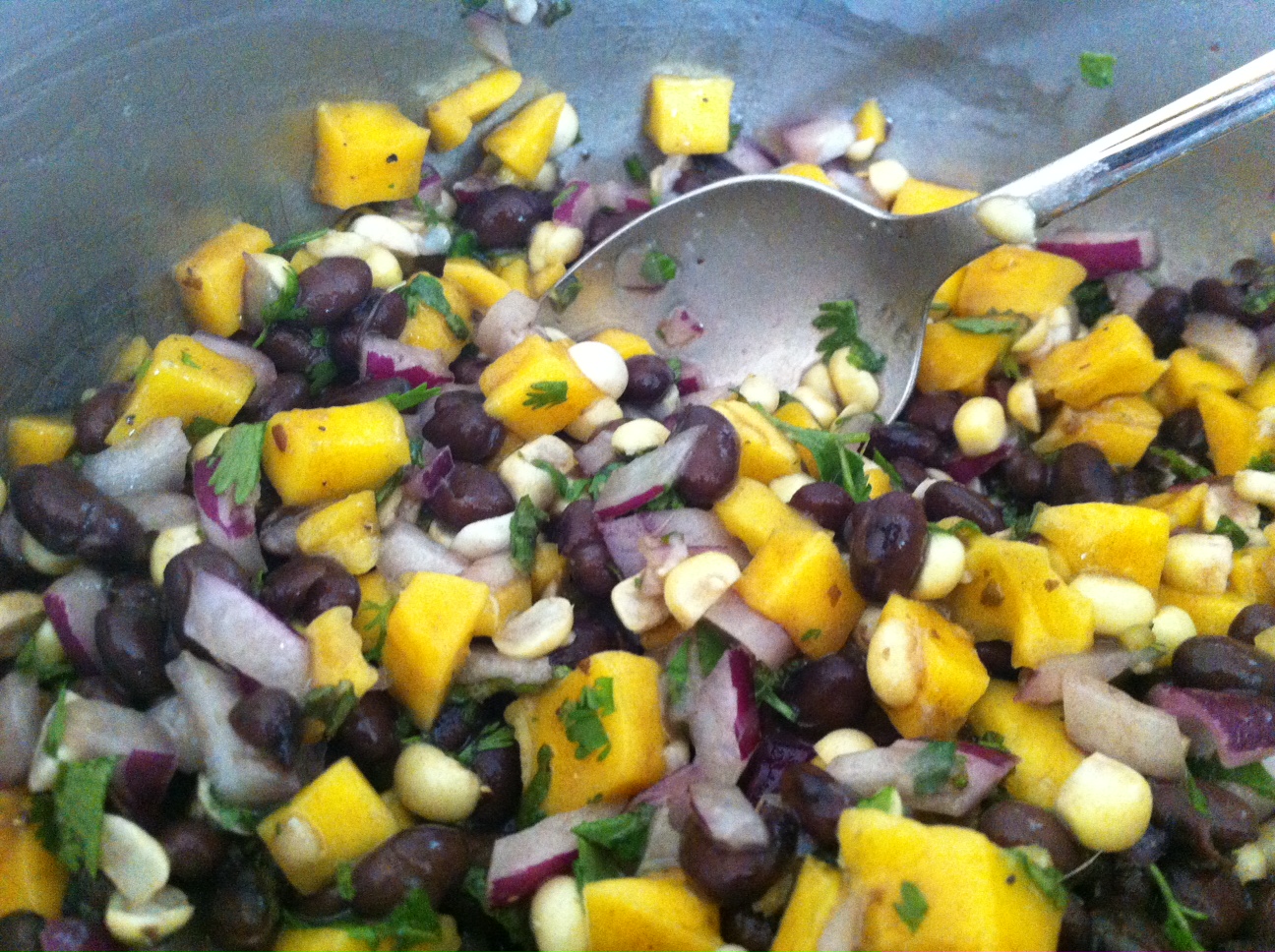
Look at all that awesome color! It’s a perfect pairing for quick meal on hot summer days.

photo 1 (2)

A quick stir, and you’re done — eat alone, with veggies, or spoon over grilled chicken or fish for a heartier, non-vegetarian meal.

photo 2 (2)

I’ll be sharing more recipes as I experiment with the book, but if you’d like to check out other plant-based options in the meantime, visit the Thrive Forward recipe center for more information.

Bitten by a new protein bar ‘bug’

photo 2 (1)

The latest, er, buzz coming out of Austin?

Taking the ‘ick’ out of crickets — that is, eating them.

Yep, you read that correctly. Hopper Foods, a new startup out of Texas, is on a mission via Kickstarter to do away with the stigma of eating bugs…and all kinds of other yummy, protein-packed critters for that matter.

It’s important, they argue, because insects are a sustainable source of high-quality protein, which we need to capitalize on to help feed our growing population and lessen our environmental impact.

9651ad7ad2c512dd6aea7ffb378cce27_large

Now, they’re not saying beef is bad (that’d be sacrilege to this born & bred Midwesterner!), but just that we should think about diversifying our diets.

And their solution comes in the form of an all-natural energy bar made from cricket protein, which they hope will ease us all into the idea of eating bugs for breakfast — or any other time of day, for that matter.

Made of nuts, fruits, seeds, raw honey and cricket flour, the bars pack a serious punch with more than eight grams of protein per serving, low glycemic energy, low fat, low sugar, plenty of calcium and potassium, plus micronutrients and antioxidants.

Hopper3

But the real question, I suppose, is how they taste.

Well, I’ll admit, I didn’t exactly rip open the package as soon as it arrived. But once I got over the initial “fear factor” and took the plunge, I was pleasantly surprised.

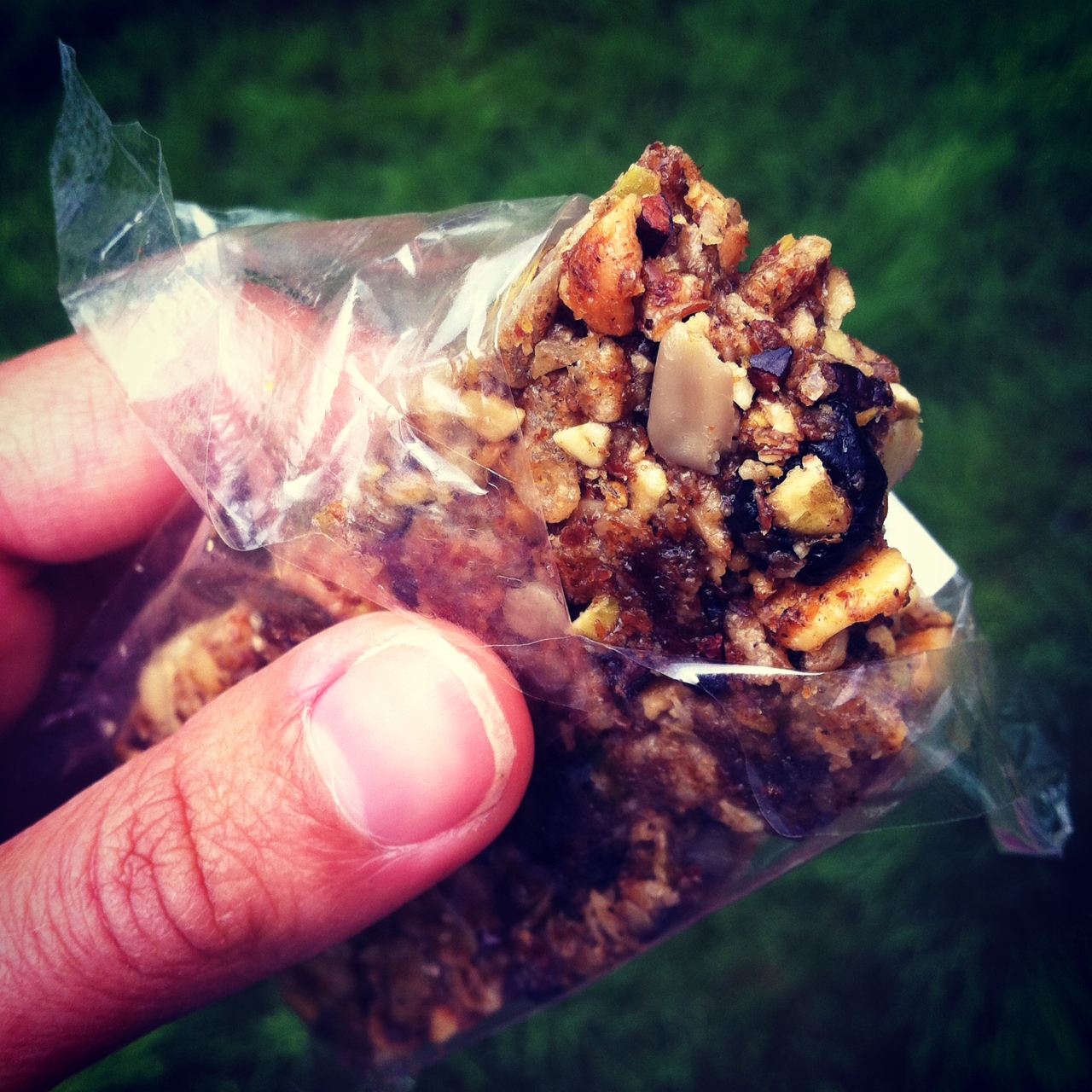
According to the company, there are about 20 crickets in each bar. But since they’re pulverized to a powder, there’s no way you’d know. Believe me, I inspected it closely.

What I did notice was that the bars are chock full of fruits, nuts and seeds, plus they come in some pretty inventive flavors, such as Peanut Butter/Cherry/Cacao, Blueberry/Cranberry/Pistachio and Kale/Seaweed/Ginger/Green Tea.

photo 1 (1)

An all-natural, nutritious, sustainable high-protein snack? Now, that’s just the cricket.

But the real question is…