10 tips for healthier eating at this year’s holiday parties

Source: PGOA Media

Source: PGOA Media

Most of us have a love/hate relationship with holiday appetizers; we love to eat them, but hate the toll they take our waistlines come January.

Here are my 10 tips on how to indulge in delicious party starters without finishing the season filled with regret.

1. Start with a strategy. “Heavy appetizers” do not a meal make; although it may sound counter-intuitive to eat dinner beforehand, you’ll be less apt to overindulge at that next soirée if you arrive without a grumbling tummy.

2. Come prepared. Better yet, bring your own delicious dish to a potluck, and rest assured you’ll have something good to snack on without blowing your healthy eating habits over the holidays.

3. Make simple swaps. Get creative with traditional recipes; use yogurt in place of sour cream, try ground turkey instead of beef, drop creamy dressings in favor of vinaigrette, and sprinkle a salad with walnuts instead of croutons, just to name a few.

4. Go nuts…in moderation. Fast and festive, protein-packed and full of “good” fat, nuts are a favorite holiday snack. They’re healthy, too – just not in an excessive number of handfuls.

5. Corner the crudités. Fill up on veggies during the first round, and you’ll not only squeeze in a few of your recommended daily servings, but you’ll also be less tempted by the siren song of the pigs-in-a-blanket platter on round two.

6. Amp up flavor, not fat. It’s easy to make a meal of the cheese tray (guilty, as charged), but try to target dry, aged varieties over soft ones; not only will you need to nibble less of a bolder-tasting cheese, but it’ll also pack fewer grams of fat and calories.

7. (Try to) fly by anything fried. Does this one need any explanation? But if you simply can’t part with a family-favorite recipe, try baking for the same crunchy texture with diminished damage to the diet.

8. Seek smarter dips (and dippers). Steer clear of anything that oozes, skip the chips, and opt instead for something veggie-based, such as this Seven-Layer Fat-Fighting Dip from TV’s Dr. Oz.

9. Rethink the drinks. By all means, toast to the season with your favorite cocktail or glass of wine – just don’t go overboard, lest you’ll be tempted to throw caution to the wind…diet, and otherwise (and, let’s face it, no one likes a sloppy party guest).

10. Remember, less is more. Follow the lead of the French, originators of the phrase “amuse-bouche” (meaning, “amuse the mouth”), and go for for quality over quantity by offering a refined selection that is light, luxurious and, most importantly, memorable.

How do you retain some sense of self control at holiday get-togethers? 

What’s for lunch? Tips for packing some extra health into your day

Photo credit: Dietriffic.com

Photo credit: Dietriffic.com

Breakfast may hold the title of “most important meal of the day,” but that doesn’t mean lunch is off the hook.

Eating a healthy mid-day meal not only provides lasting energy and prevents evening binge eating, but it also offers a much-needed brain break to finish the day strong.

Aim for a lunch that is 400 to 500 calories and made up of 30 percent protein (four to five ounces of fish, lean meat or tofu), 50 percent complex carbs (whole grains, veggies and fruit) and 20 percent healthy fats (olive oil and nuts).

Hitting happy hour? Then it’s especially important to consume a light-yet-filling meal, which will keep you satiated for a few hours and defend against any potential over-imbibing.

Here are a few tips for making the most of that second meal of the day:

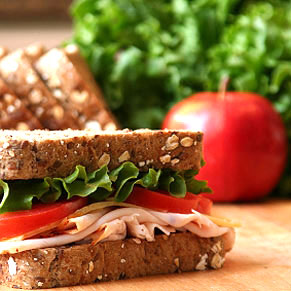
  • Stock up on healthy options when you shop for groceries: Get simple staples that can be mixed and matched, such as whole-wheat bread and peanut butter, beans and tuna, plus lots of fresh fruits and vegetables
  • Subscribe to healthy recipe websites or turn to social media sites, such as Pinterest, for inspiration: Sometimes all it takes is a new recipe to spark some creativity in the kitchen, which will keep you from relying on junk food to get through the day
  • Make the most of leftovers: When dinner’s done, set aside a portion or two so you can enjoy it all over again the next day
  • Take a pantry challenge: Visit MyFridgeFood, and make a game of clicking on various combinations of ingredients you have on hand to discover new recipes
  • Don’t skip dessert: Add a sweet ending to keep from feeling deprived; pick fresh fruits that are in season, or look for other guilt-free treats such as low-fat pudding cups or dark chocolate
  • Opt for made-to-order sandwiches over fast food when you’re on-the-go: And swap out mayo for mustard to help cut back on fat and cholesterol
  • Choose pre-made meals that are all-natural and preservative-free, if the freezer is your only option: Tandoor Chef, for example, offers a line of traditional Indian entrees that are low in sodium and trans-fats and contain no artificial sugars – plus there are even several vegan and gluten-free options available to spice up your week
  • Finally, don’t forget food safety: If refrigeration is not available, use insulated lunch boxes or bags with frozen ice or gel packs to keep contents at a safe temperature

SKINutritious Lemony Kale Salad

Photo credit: Daily Candy

Photo credit: Daily Candy

Just ask Kermit – it wasn’t easy bein’ green…until kale came along.

Thanks to this leafy superfood, the most-loathed color in the food pyramid has now risen to rock-star status.

Doctors may tout its transformative powers for inside the body, but holistic aesthetician Elise May recommends it for how it impacts the outside, as well.

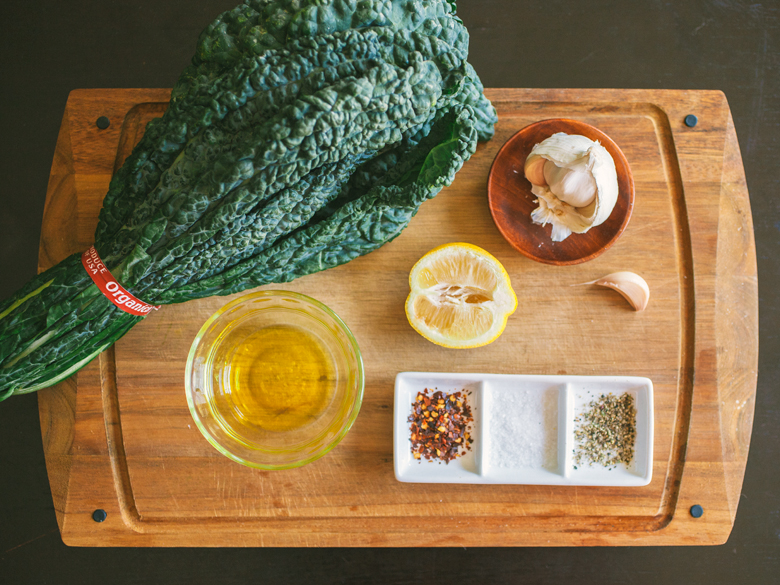
Her favorite kale salad was recently featured in Daily Candy, and it’s so simple and so yummy, I couldn’t resist re-posting it here.

SKINutritious Lemony Kale Salad

Ingredients:

  • 1 bunch dinosaur/lacinato kale
  • 1 lemon, juiced
  • 1½ tbsp. olive oil
  • ½ clove garlic, minced
  • ¼ tsp. red pepper flakes
  • Salt and pepper, to taste
  • Toasted pepitas, avocado, gluten-free breadcrumbs (optional)

Directions:

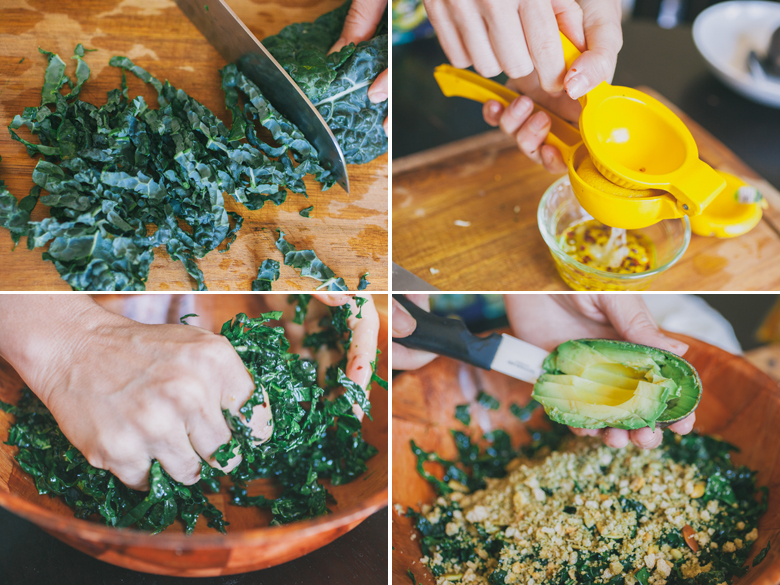
  1. Wash kale and remove stalks. Slice thinly and place in a large bowl.
  2. In a separate bowl, whisk together lemon juice, olive oil, garlic and red pepper flakes. Season with salt and pepper.
  3. With clean hands, massage dressing into kale for several minutes until leaves soften. Let sit for 5 minutes to soak up the flavors.
  4. Top with toasted pepitas, avocado and gluten-free breadcrumbs, if you so choose.
Photo credit: Daily Candy

Photo credit: Daily Candy

Want more of Elise’s skintastic recipes? Download her Skin Detox eCookbook here, and keep an eye out for the second edition, due later this summer.

Six smart post-workout snacks

Photo credit: TheBetterMom.com

Photo credit: TheBetterMom.com

Breakfast may be the most important meal of the day, but did you know that your post-workout snack comes in a close second?

Topping off the tank after vigorous exercise is vital to helping your body repair muscle tissue and replenish glycogen levels.

The size of the meal depends on your calorie needs and the duration and intensity of your workout, but it should contain a mix of both protein and carbohydrates.

Studies have shown that this combo not only helps rebuild muscle, but it also reduces cortisol, a stress hormone that wears on your body during strenuous activity.

Here are six of my favorite snacks to help refuel after a particularly tough workout:

1. Protein shakes. 

Experiment with protein powders, fruits and veggies, ice and milk or juice in a blender for one of the most refreshing and satisfying recovery drinks. Or when I don’t have the time (or energy) to be creative, my go-to is Shakeology. Sure, it’s a little pricey at around $4 a pop, but it contains a proprietary blend of digestive enzymes, prebiotics, antioxidants, phytonutrients, adaptogens and all sorts of other rare ingredients from around the world.

2. Yogurt with berries. 

Skip the super-sugary fruit-on-the-bottom varieties, and indulge instead in plain or vanilla flavors (try Greek varieties, such as Oikos or Chobani) with fresh fruit. Not only is this a portable and palatable snack, but low-fat yogurt also has nearly 15 grams of protein. A handy tip? Use frozen berries, which are less expensive and will help keep your yogurt perfectly chilled in your gym bag.

3. Peanut butter. 

However you spoon it or spread it, one tablespoon of this nutty goodness contains only about 100 calories and seven grams of healthy unsaturated fat. ‘Nuff said.

4. Breadless sandwich. 

If you’re not in the mood for a full meal, eat a plate full of fillings! Make easy roll-ups by spreading flavored cream cheese (my favorites are the savory ones from Philly) on lean deli meat before rolling it up for a high-protein, grab-and-go snack. Serve with a side of sliced fruit for extra energy-boosting carbs.

5. Eggs. 

Yes, they’re an incredible, amazingly-versatile and highly-edible post-workout snack that’s low in cost and high in nutritional value. At a mere 68 calories a pop (with 6.3 grams of protein), eggs also contain zinc and vitamin B12 to boost metabolism, immunity and cell production. EatingWell offers a list of 12 healthy, easy egg recipes here.

6. Low-fat chocolate milk. 

Got milk? Try it after your next workout for more effective recovery. A study in the Journal of the American College of Nutrition named it as an ideal post-workout beverage for building muscle. Compared to plain milk, water and sports drinks, it has twice the protein and carbohydrates, an added bonus of calcium. So wear that milk mustache proudly!

For best results, aim to eat within 30 to 60 minutes of your workout, when muscles are most receptive. During this window, there’s an uptick in enzyme activity that makes the body more efficient at storing glucose for energy and rejuvenating fatigued muscles.

‘Veg’ out this summer with seasonal produce

Photo credit: SeriousEats.com

Photo credit: SeriousEats.com

I have neither space large enough nor thumbs green enough for a home garden, so thank goodness we have some pretty amazing farmers’ markets here in the Bay Area.

On my shopping list? A few warm-weather vegetables that are available in abundance right now (not to mention they make a super-healthy addition to summertime meals).

Read on for fun facts and quick recipes for five of my favorites:

Photo credit: JamesBeard.org

Photo credit: JamesBeard.org

Corn

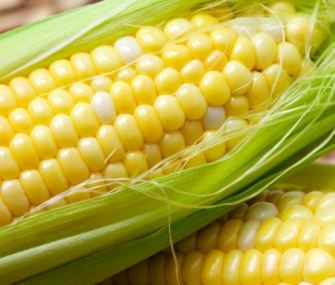
Averaging 84 calories per ear, corn contains vitamin A, folate, fiber and antioxidants.

Look for husks that have an even green color, silks that are a pale golden tone and plump kernels that ooze a milky juice when popped, which means the ear is fresh.

Corn is also super-convenient because it comes pre-packaged for grilling! Simply remove the silks, brush a little butter on the kernels and pull the husks back up before tossing on a preheated grill for about 15 minutes, turning regularly.

cucumber2

Photo credit: JustAGlimpse

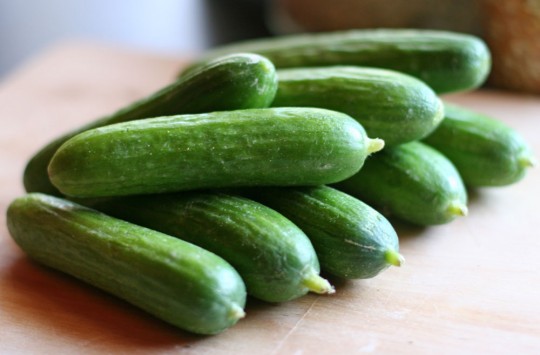
Cucumbers

There’s truth in the saying “Cool as a cucumber;” did you know that the inside of this potassium-packed vegetable can actually be up to 20 degrees cooler than the air in which it sits?

As a general rule, the smaller the cucumber, the smaller the seeds, and look for one that is firm, straight and blemish-free.

For a sweet and sour treat, try slicing two cucumbers thinly and mixing with one-quarter cup of rice vinegar, one teaspoon sugar and one quarter teaspoon salt, plus two tablespoons toasted sesame seeds.

Photo credit: LiveStrong.com

Photo credit: LiveStrong.com

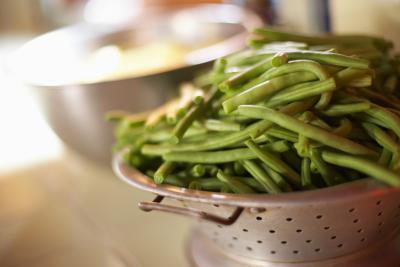
Green Beans 

Crunchy, flavorful and a rich source of fiber, green beans boast important nutrients such as vitamins A, B6 and C – not to mention a healthy dose of minerals like iron, calcium and magnesium.

Choose crisp, well-formed beans that have smooth skin because a woody or tough appearance with discolored brown spots is usually a sign they are not fresh.

For an elegant side dish, combine a pound of blanched beans with two tablespoons olive oil and one-third cup each of crumbled blue cheese and crushed walnuts.

Photo credit: StraightFromtheFarm.net

Photo credit: StraightFromtheFarm.net

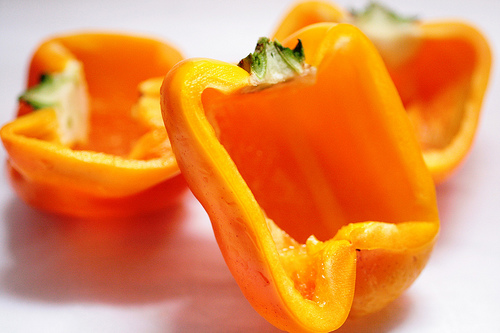
Sweet Peppers 

Lacking the hotness for which some of their family members are known, sweet (or “bell”) peppers contain small levels of the healthy alkaloid compound capsaicin, which may have anti-bacterial, anti-carcinogenic, analgesic and anti-diabetic properties.

Go for a firm pepper that’s vibrant in color and free of surface punctures, bruises or shriveled stems.

Roasted peppers are a quick fix that will allow you to add exquisite flavor to a variety of dishes; simply quarter peppers, removing seeds and membranes before roasting in a 500-degree oven until the skin blisters and turns black (peel off skin when cool).

Photo credit: ehow.com

Photo credit: ehow.com

Tomatoes 

Although technically a fruit, the tomato is used most often as a vegetable for cooking purposes. Lycopene, a much talked-about antioxidant present in tomatoes, has been known to neutralize free radicals in the body and cut the risk of some cancers.

When buying, focus on choosing a specimen that feels heavy for its size and smells deliciously earthy. And whatever you do, don’t refrigerate tomatoes when you get them home; you’ll run the risk of turning them mushy or mealy in temperatures cooler than 50 degrees.

For a delicious side dish, halve tomatoes and top with a mixture of one quarter cup grated Parmesan, one teaspoon fresh oregano, plus salt and pepper, to taste. Drizzle with olive oil and bake for about 15 minutes – or until tender – in a 450-degree oven.

If you want to eat more local veggies this summer, a good place to start is the Natural Resources Defense Council’s “Smarter Living: Eat Local” site here, which includes information about markets around the country as well as which produce is currently in season around the U.S.

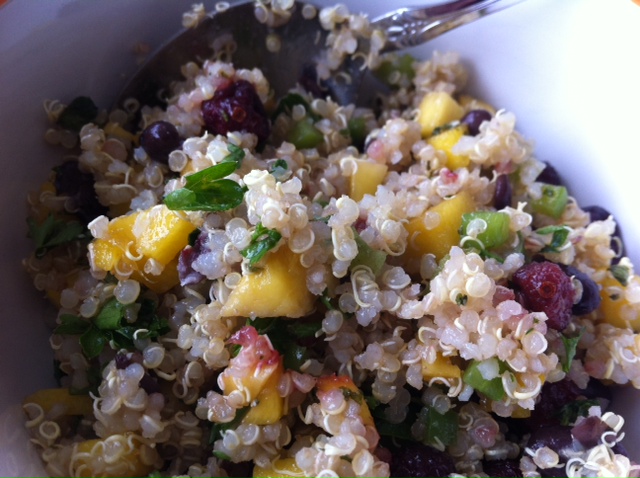
Sweet and sour summer quinoa salad

QuinoaSalad

It was love at first taste with this light and tangy salad at my local grocery store.

But paying $9.00 per pound for it from the self-serve section? That’s when I decided to take matters into my own hands.

After cooking, chopping and swapping some ingredients, I’m pretty pleased with the result, which makes a delicious midsummer dinner or side dish to share.

Sweet & Sour Summer Quinoa Salad

Ingredients: 

  • 2 cups uncooked quinoa
  • 1 green bell pepper, diced
  • 2 mangoes, peeled, pitted and diced
  • 1/2 red onion, diced
  • 1 can black beans, rinsed
  • 1 handful parsley, roughly chopped
  • 1 cup dried cranberries
  • 1/2 cup balsamic vinegar
  • Salt and pepper, to taste

Directions: 

  1. Cook quinoa according to directions on package, set aside
  2. Prep veggies while cooked quinoa is cooling, combining bell pepper, mango, onion, beans, parsley and cranberries in a large bowl
  3. Add quinoa, then balsamic vinegar, salt and pepper, mixing to incorporate
  4. Chill in refrigerator for a few hours (or overnight) before serving

Dietary self-defense: 5 tips for avoiding popular food label traps

honest_labels_600

Food labels: More than meets the eye

Confused about calorie counts? Don’t know the difference between “low-fat” and “reduced fat” when it comes to your favorite foods?

You’re not alone.

In an online survey of more than 25,000 respondents in 56 countries, market research firm Nielsen found that 59 percent of consumers admitted they have difficulty deciphering nutritional labels on food packaging.

Another 78 percent also said they’re trying to lose weight through dietary changes – which begs the question: How can we be effective at doing that if we’re not really sure what we’re eating?

foodaisle_4

The fact is, most people don’t understand enough about what’s on food labels to make an informed choice about what’s best for them.

So next time you find yourself strolling the aisles, cut through the confusion by familiarizing yourself with the five most common tricks when it comes to food labeling:

1. Serving Size.

Although the numbers are based on a single serving, the package may contain several. Do the math and make sure to multiply accordingly – it adds up.

2. Calorie Count. 

When it comes to numbers, think quality over quantity. Some healthy foods are higher in calories (likewise, there are unhealthy foods that are low in calories but high in sodium or sugar), so it’s important to factor in nutrient density when making meal choices.

3. Ingredient List.

Say the first ingredient listed in chocolate cake is enriched bleached flour. Sounds healthy enough, right? Wrong. Even though ingredients are listed in order of descending amounts, some items are used in several forms (e.g. sugar) and listed under various names (i.e. corn syrup, fructose, juice concentrate), so be sure to add ’em up to determine true amounts.

4. Percentages.

Here’s where food makers deploy another trick of the trade. Take two percent milk, for example; we assume it’s 98 percent fat-free, but what it actually means is that two percent of the weight of the milk is fat (whole milk is four percent, FYI).

So while two percent is reduced, it’s not low – in fact, about 30 percent of the calories in a cup of two percent milk come from fat. The same applies to ground meats, so when in doubt, buy skim and go for the highest percentage of lean you can find.

5. Terminology.

Think “reduced” and “low” are the same thing? Think again. A food that says reduced simply means it contains at least 25 percent less of something.

Soy sauce, for example, may contain less sodium than the original version, but that doesn’t mean it’s “low” in sodium (in fact, one tablespoon packs about 700 milligrams, closing in on your daily cap of 1,500 to 2,300 milligrams). When in doubt, check labels and compare against dietary guidelines to determine whether or not the label is misleading.

Want a good laugh on the subject? Check out comedian Brian Regan‘s bit about food labels here.

TurboCharged book giveaway winner!

TurboChargedCongratulations to Bryan Kraus, our TurboCharged book giveaway winner!

Bryan, please email info@kineticfix.com with your mailing address, and we’ll get your book shipped to you ASAP.

If you missed my interview with TurboCharged author Tom Griesel, be sure to check out parts one and two for his insight on how to accelerate your fat-burning and get lean…just in time for bathing suit season!

And to jump-start your new routine, here’s a sample TurboCharged recipe to help retrain your body to source energy from your body fat (and fat from your diet), along with the natural sugars ingested from fruits and vegetables:

Photo credit: SeriousEats.com

Photo credit: SeriousEats.com

TurboCharged Variety Dressing 

Ingredients: 

  • 1/2 cup tomato juice
  • „ 1/2 tsp dry mustard
  • „ 1/2 tsp salt
  • „ 1/4 tsp black pepper
  • „ 1/4 tsp paprika
  • „ 1 Tbsp grated onion
  • „ 2 Tbsps minced parsley
  • „ 2 tsps chopped green pepper
  • „ Dash cayenne

Directions: 

  1. Place all ingredients in a jar and shake together vigorously until thoroughly blended.
  2. Pour over a chopped salad or toss with cut veggies for a tangy treat!

Will the real carb culprit please stand up? (Part II – and Giveaway!)

donut-carbohydratesInterested in trying the TurboCharged program for yourself? Here’s your chance – we’re giving away one FREE copy of the book! Details at the bottom of the post…

In part one of my interview with health expert and TurboCharged author Tom Griesel, we spoke about the different types of carbohydrates and how the body processes them, along with the best foods to eat to help prevent excess fat storage.

Next up, I wanted to get into the nitty-gritty of his program, which stems from the Griesel’s belief that by learning to work with your body and feeding it the correct type of foods, you can automatically improve the way it functions and looks.

Here we chat more about role of exercise in his healthy lifestyle plan, along with how he can help ‘Turbocharge’ your body’s fat burning abilities to radically improve your body (and mind) in a short period of time.

Photo credit: Superskinnyme.com

Photo credit: Superskinnyme.com

In your book, ‘TurboCharged,’ you talk about helping people make the switch from using sugar to fat as fuel for the body. Can you elaborate on that?

There are two fuels that our bodies will use: sugar or fat (three if we include alcohol). We are also in either a fat-storage or fat-burning mode, depending on what types of food we choose to eat.

By eating a diet more in line with our ancestral or evolutional adaptations, and avoiding a constant stream of concentrated carbohydrates and the subsequent insulin release and fat storage they promote, our bodies become accustomed to using more fat—including our body fat for our energy needs.

Without our diet increasing the hormones that store excess sugar as fat, we are then able to use our own body fat for energy, as well as being better nourished.

Another important point is that most “sugar burners” will convert lean body mass into sugar for energy instead of sourcing their body fat due to an easier conversion process and a preference for sugar. Loss of lean body mass is the main cause of diet failure and recidivism.

Give us a quick overview of a ‘day in the life’ of the program.

First, more water is consumed, particularly first thing in the morning, to ensure adequate hydration needed for normal body processes. Metabolic waste is meant to be eliminated through the kidneys. When the kidneys can’t handle the job due to inadequate hydration, the liver is forced to do the job (definitely not optimal).

The morning is the most important time, because we usually use about a quart of water for normal respiration and metabolic function overnight while we are sleeping.

Water is also not sipped but used in larger quantity to fill the stomach. Doing so has the same effect as various bariatric surgeries. Satiety hormones are released when the stomach is full. Many studies confirm this happens with food, liquid or a combination of the two.

Next, when we are actually hungry, we choose a food that is more in line with our ancestral diets: fruits, leafy greens, non-starchy vegetables, nuts, seeds, legumes, eggs, meats and seafood (all high nutrient per calorie and mostly moisture-rich).

Meals are also very simple with just a few different ingredients and often just one item (mono-meals). This speeds digestion, eliminates common digestive problems, and most importantly, increases fat burning by greatly reducing the release of insulin—the fat storage hormone—which can be triggered by large meals or combinations of foods.

Engaging in low-to-moderate activity as much as possible is encouraged, along with one-minute periods of strength training three to five times each day, stress reduction techniques and a good night’s sleep.

Can you share one of your favorite tips for readers who want to start incorporating healthier habits into their day?  

Thirst and hunger are often confused. This is probably because our natural diet always consisted of very moisture-rich foods that supplied water and nutrition at the same time. Today, many people confuse thirst for hunger and eat when they should be drinking water. Choosing the wrong foods or beverages when this happens only compounds the dehydration problem.

And, finally, as a long-distance runner, I’ve got to ask: How does exercise come into play in your plan?

Exercise is good for us. However, too much exercise is just as bad as too little, particularly if losing excess body fat is the goal. Exercise is a very inefficient way to manage caloric intake and lose excess body fat.

In fact, when a reduced-calorie diet is being implemented, less exercise is better than more and low-intensity activity is better than more strenuous exercise. This is because the combination of reduced calories and strenuous exercise such as aerobics results in the loss of lean body mass due to the inability to source body fat quickly enough to adequately fuel the activity. This is particularly true for sugar burners whose bodies would rather convert protein to sugar rather than using their excess fat.

Light resistance exercise, for about one minute, three to five times per day is sufficient to maintain (and in some cases build) lean body mass while dieting. On a normal calorie intake, when performed regularly with intensity, it is sufficient to build and strengthen without creating excess stress.

All stress, good or bad, results in the release of catabolic (muscle-wasting) hormones and is best avoided. Loss of lean body mass from any cause, including strenuous exercise, triggers primal survival mechanisms that will cause anxiety and feelings of hunger until the lean body mass is returned. When faced with this situation, eating a typical diet will result in most of the weight regained being fat, not muscle.

GIVEAWAY:

One KineticFix reader will have the chance to win his/her very own copy of the book. (Open to U.S. and Canada residents only).

To enter:
1. [Mandatory] Leave a comment below telling me why you want to get TurboCharged on Tom’s program
2. [Optional] Tweet the following, “I want to win a copy of ‘TurboCharged’ from @KineticFix and @TurboChargeDiet wp.me/p3iGmO-cT ”

I will randomly pick a winner on Thursday, June 13. Good luck!

Will the real carb culprit please stand up? (Part I)

Photo credit: Stack.com

Photo credit: Stack.com

In the battle of the bulge, carbs often hold enemy status.

But, as it turns out, to carb or not to carb isn’t the real question when it comes to weight loss; what matters more is the type of carbs you’re consuming.

Why? Well, not all carbs are created equal when it comes to how our bodies process them, say health experts Dian and Tom Griesel, authors of TurboCharged, a lifestyle plan that claims to help people “quickly lose excess body fat and keep it off.”

Are you among the 75% of adults who consume less than three servings of veggies per day?  Photo credit: Turbocharged.us.com

Are you among the 75% of adults who consume less than three servings of veggies per day?
Photo credit: Turbocharged.us.com

The problem is this: All carbs are converted to blood sugar, which is then converted to either glycogen (short-term energy) or body fat (long-term energy).

Eat a steady stream of carbs, and your glycogen tank is always topped off, so your body never dips into its fat stores.

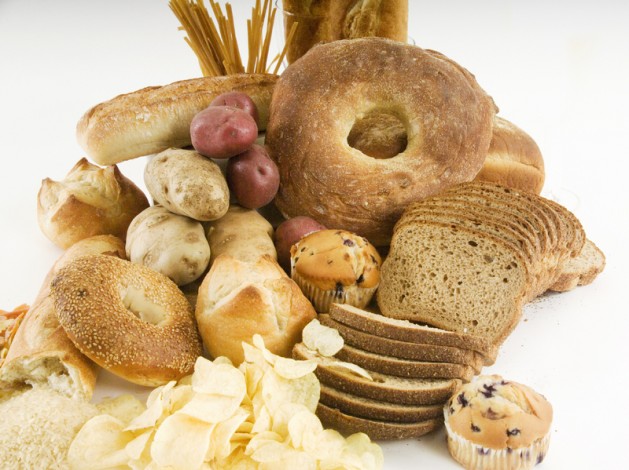
The solution? A diet rich in what the Griesels term ‘diluted’ carbs (fruits, veggies, etc.), which are much more moisture-rich and nutritionally-dense than traditional ‘concentrated’ carbs, which tend to mess with our systems.

To learn more, I sat down with Tom Griesel about this carb conundrum. The first half of our interview is below.

Tell us, why have carbs gotten such a bad rap?

Perhaps because all carbohydrates are traditionally lumped into a single category, or alternatively considered as either simple or complex. However, the fact is that there are simple and complex carbohydrates (starches and sugars) and also concentrated and diluted carbohydrates (grains and fruits/vegetables), and each has a different effect after consumption. Also, foods are rarely eaten by themselves—and combinations of foods, including carbohydrates, have different effects on our digestive and hormonal systems when compared to eating a single food alone.

So is there such a thing as ‘good’ and ‘bad’ carbs?

We believe the biggest differentiator is in concentrated carbohydrates vs. diluted or naturally moisture-rich carbohydrates. Concentrated carbohydrates have a different hormonal effect than naturally moisture-rich and fiber-rich carbohydrates. In addition, processed foods usually contain significant amounts of carbohydrate along with a totally unnatural combination of ingredients.

Why do specific combinations (e.g. sugar/fat) take more of a toll on our bodies?

Sugar/fat combinations or starch/fat combinations are not found in nature. They are a very recent (from an evolutionary standpoint) artificial addition to our diets. We are now eating stuff that was never available prior to the last 50 years or so. This combination has been found to be the most likely to result in fat storage (think potato chips, french fries and donuts).

These combinations are common in almost all popular processed-food products consumed today, and the typical American diet is built around them. Our bodies are just not adapted to process these combinations without problems. We are unwittingly participating in a huge dietary experiment that is obviously turning out badly, based on the rapid rise in almost every chronic ailment known.

Tell us why you attribute the consumption of grain to the rise of obesity, diabetes, heart disease and other significant illnesses.

Some societies have been eating grains for a while (about 10,000 years or so, which is actually very short from an evolutionary perspective), but the time period for most humans has been much less. Grains are what we would classify as concentrated carbohydrates.

Grains also score very low on a nutritional value-per-calorie basis when compared to leafy greens, non-starchy vegetables and fruits that humans evolved eating over hundreds of thousands of years. Grains provide a concentrated form of calories but few nutrients compared to other readily available choices (that we are better adapted to process).

It is important to understand that there is really not much of a difference in the way our bodies process them regardless if they are whole or refined. They are all broken down quickly into sugar. This concentrated form of sugar, even in what would be considered relatively small amounts, will cause a spike in blood sugar levels.

And why is this spike in blood sugar problematic?

High blood sugar levels signal the body to release insulin to stabilize the situation. Most of the excess sugar is converted and stored as body fat, particularly in people who regularly consume a steady supply of carbohydrates throughout the day. Excess concentrated carbohydrate consumption is the cause of metabolic syndrome.

Are there any particular foods we should eliminate from or add to our diet for better overall health?

It is now widely believed that almost everyone has sensitivity to wheat, wheat products and other products containing gluten, which cause gastrointestinal problems even without any diagnosis of celiac disease. Between intestinal damage, causing decreased nutrient absorption and low nutrient content, a grain-based diet leaves many people fat yet malnourished.

The very best choices are moisture-rich, nutrient-dense foods: fruits, leafy greens, non-starchy vegetables, nuts, seeds, some tubers and legumes, eggs, animal proteins/fats, fish and other seafood (meat and fish are over 60 percent moisture content prior to cooking). Avoid processed foods.

Stay tuned for part two of our interview in which Tom discusses the role of exercise in his healthy lifestyle plan, along with how to ‘TurboCharge’ your body’s fat burning abilities…