DIY Beauty: Lavender hand salve

handsalve

Much to our dismay, weather reports continue to call for seriously Siberian-like temperatures this winter. And while everyone knows to bundle up and keep supplies on hand, many of us aren’t shielding our skin properly from this sub-zero weather.

Enter Indie Lee, eco-chic lifestyle expert and founder of the all-natural namesake skincare line, with a soothing salve recipe: Avocado oil is a great source of natural hydration, non-greasy beeswax dries quickly, while lavender-infused oil provides a calming scent that you won’t mind slathering all over hands, heels and elbows.

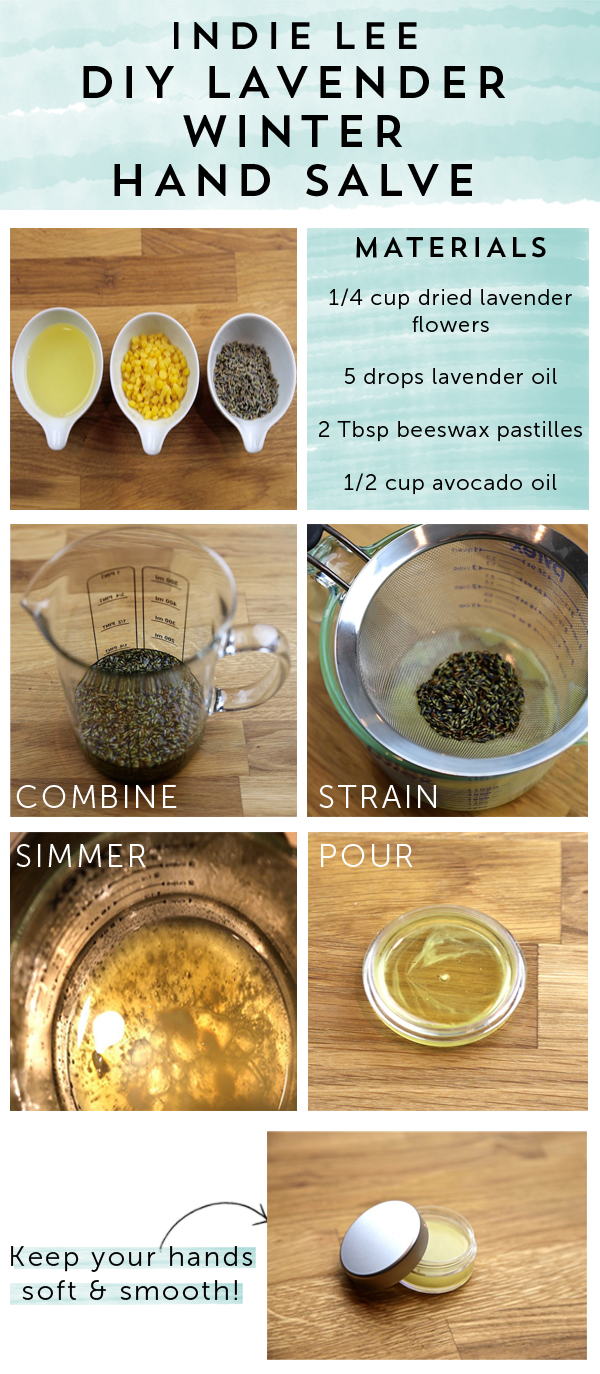
Indie Lee DIY Lavender Winter Hand Salve:

Ingredients:

  • 1/4 cup dried lavender flowers
  • 1/2 cup avocado oil (can also use olive oil)
  • 5 drops lavender essential oil
  • 2 tablespoons beeswax pastilles (or grated beeswax)

Instructions:

  1. Pour avocado oil and lavender flowers into glass measuring cup or saucepan and heat slowly over lower heat. Once mixture is warm, remove from heat and let it sit for 15-20 minutes. This will allow the lavender oil to infuse.
  2. Once this has had time to sit, pour the mixture into a glass cup or bowl through a cheesecloth or fine strainer to remove the majority of the lavender flowers.
  3. Create your own double boiler by placing a few inches of water in a saucepan and place the cup containing the oil into the pan of water. Warm this slowly over low heat until the water simmers. While you wait for the water to simmer, add the lavender essential oil and beeswax to your oil.
  4. Let this mixture sit in the simmering water, and stir until the beeswax has melted completely.
  5. Pour liquid salve into a pretty jar or container, allow it to cool, and voila — you have your own all-natural hand salve that can keep your skin soft for up to six months!

What do you use to protect your skin from harsh winter weather? 

DIY HAND SALVE

Fit Fix: Catching up with triathlete Terra Castro

Terra1

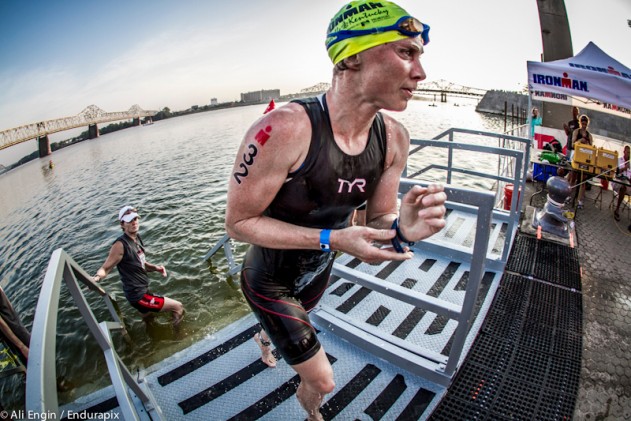
Terra exiting the swim at the 2012 Ironman Louisville race

In my last post, I talked about prepping for my upcoming Olympic-distance triathlon and, in light of this new adventure, I thought it’d be fun to revisit a previous interview I did with my friend Terra Castro, a retired professional triathlete (although don’t let the ‘retired’ fool you; she just won a recent race in our hometown).

I had the pleasure of running alongside Terra during our high school track and cross country days in Michigan, and when she wasn’t leading the team by example, we’d inevitably find her cheering every last person across the finish line. So it was no surprise to any of us when this unparalleled display of work ethic, dedication and heart allowed Terra to achieve her dream of becoming a professional triathlete and racing around the world. 

But even though she closed that 16-year chapter of her career last year, Terra shows no signs of slowing. She continues to teach Team Luna Chix clinics and coach track and cross country, which no doubt will allow her to mold, motivate and inspire generations of athletes to come. Below is an excerpt of my chat with this all-around amazing lady.

Kinetic Fix: What is it that you love about triathlons, so much so that you made it a career?

Terra Castro: I love the challenge that is triathlon: How mentally tough it makes you, and how there are three sports so you always have stuff to work on and improve. I love that it brings people together from all walks of life. I was able to make a living at it, which was a blessing, but even as  professional triathlete it was so cool to race alongside other age group competitors, including my mother and grandfather.

KF: What, in your opinion, are the benefits of multi-sport events?

TC: The variety of the three sports keeps you motivated, and you don’t get bored because there’s always a challenge ahead. It promotes endurance development; you become really fit due to the demands of multi-sport races. It’s beginner-friendly, and there are all types of distances and race options for everyone – from sprint distance to Ironman, aquathon to aquabike – everyone can compete!

It’s also a great way to meet people and have fun, plus you learn about yourself and become much stronger and more focused in the process. And, last but not least, finishing is a huge achievement; it never gets old seeing someone cross the finish line in their first race. The moment is priceless!

KF: You’re on a gluten-free diet – why, and how did that factor into your training?

TC: I found out in 2000 that I have Celiac Intolerance. I wasn’t recovering from training, and had huge GI issues, a weak immune system, etc. Since then, I have focused on being gluten-free, dairy-free and egg-free. In training, I just planned more specifically my meal menu and layout – especially on training days – because I couldn’t just grab a bagel or a sandwich (I need the gluten-free version).

Source: Competitor.com

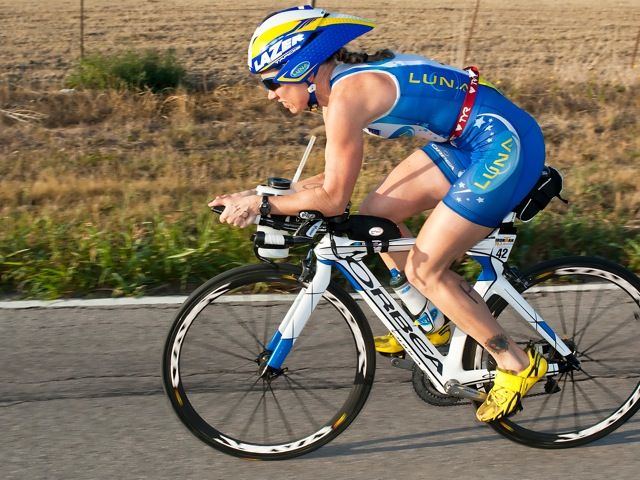
Terra at the 2011 Ironman 70.3 race in Austin (Source: Competitor.com)

KF: How do you pass the time during workouts?

TC: During training I am focused on the skill in the session – the task at hand – so I don’t use music. Unless I am on the treadmill or riding the bike on my trainer inside…then I must have jams to keep the energy high!

KF: So what’s on your iPod right now?

TC: I have an iPod, but I don’t know how to use it, which is sad because my brother works for Apple! I use Pandora on my phone; I LOVE Mumford and Sons, but I still keep to Detroit roots with Eminem.

KF: Back when you were in full training mode, what did a typical day look like for you?

TC: It depended on the day; triathlon is three sports, so on bigger days I’d wake up early and start with coffee, a snack and morning bible study before I headed to the pool. I’d be in the water at 6am for an hour and 15 minutes, and then head back home for breakfast and onto the bike for a few hours.

I live in Arlington, Va., so I’d head out to Maryland past the National Monuments (never gets old!) before going home to refuel and nap (recovery is key to training!) in my Recovery Pump. The evening workout was usually a run of an hour through the hills of Arlington, then I’d have dinner by 7pm, and I’d be in bed by 9:30. Wake up and repeat!

KF: One last question – what’s your advice for beginners who are hoping to tackle their first triathlon this season?

TC: First, remember the key is to have fun, so don’t put too much pressure on yourself. Tackle one thing at a time, focusing on the process and not the big picture because it can be overwhelming. Next, take the time to train properly, but keep it simple – even if it means getting your ride in as commuting to work or your run as chasing the kiddos around the track. Finally, find a local training group or friends to hold you accountable and keep you motivated when you want to just sleep in!

To keep tabs on Terra’s latest adventures, check out her website and blog, or follow her on Twitter here.

The plan: HITS Napa Valley olympic-distance triathlon

Source: David Kiviat

Source: David Kiviat

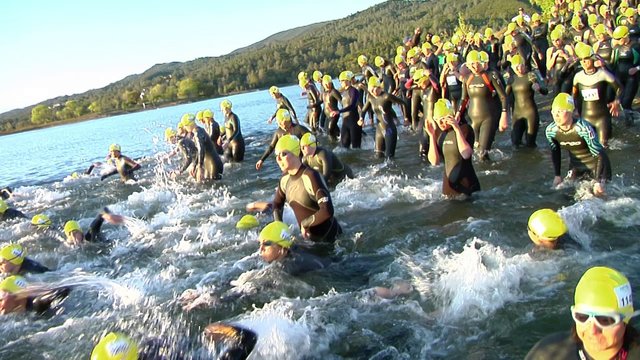
Now that I’m going to look the part (a.k.a. a runner in some pretty sweet triathlete’s clothing, thanks to Coeur Sports), it’s time to get serious about training for my first Olympic-distance race, which is set to take place in April at HITS Napa Valley.

The 6.2-mile run? No problem; I know it’ll be tough, but doable, especially with all the trail time I’ve been logging in preparation for this month’s 30K. But the 1500-meter swim and 24.8-mile bike? Ha! That’s another story altogether.

When I registered, I told myself that I wouldn’t let my lack of comfort in the water or on two wheels hold me back, and thus created a four-step plan of attack. Here’s how I’m breaking down the process of getting myself to the start line…which, oddly enough, seems more daunting at this point than getting from there to the finish.

Step 1: Get reacquainted with the other disciplines

You know the saying, “it’s like riding a bike,” which means it’s easy to recall how to do something you’ve already learned? Well, that’s a downright lie. My childhood swim lessons and neighborhood bike rides clearly didn’t translate to automatic success in tackling the swim and bike portions of triathlon, so I’ve been putting in time at the local pool and in spin classes to create a solid endurance base for each discipline.

Step 2: Ease into open water and the road

Once I could do a full 1600 meters of laps and had countless spin classes under my belt, it was time to bite the bullet and take my workouts into the terrifying great outdoors. Enter the open-water swim and road bike, both still very much works-in progress at this point. I know I can handle the distances; it’s just a matter of developing confidence and the respective skill sets needed to handle inevitable variables as they arise, be it cloudy water or a rogue skateboard that crosses my wheel path.

Step 3: Get psyched up (and geared up)  

It’s always a bit of a chicken-and-egg scenario when you’re getting into a new sport: Having decent gear makes the learning process more enjoyable, but when you don’t want to sink a lot of cash into it when you’re just starting out. So I waited until I found a good deal on an XTERRA wetsuit to buy one, and I’m making due with my “vintage” (read: Craigslist) Cannondale road bike.

I will, however, be making the leap to clipless pedals so I can wear cleats to maximize efficiency. This is something I’ve been obsessively extensively researching because I’m not thrilled about the idea of having my feet stuck in case of an emergency. Cycling snobs be damned, this noob decided to transition slowly with a set of easy-in, easy-out Shimano Click’r pedals. I’m sure I’ll have some stories to share after I install them and attempt to test ’em out…

Step 4: Pick a plan…and stick to it

Last but not least — and because it’s my first Olympic-distance event — I’m looking to follow a pretty specific plan to make sure I feel properly prepared come race day. My friend Kelly just so happens to be deep in the throes of training for her first full Ironman, so I figured there’d be no better brain to pick when it came to this.

She recommended a book called The Woman Triathlete, which features advice from an all-star cast of female triathletes and coaches. It also contains training plans for each of the distances, and the eight-week Level I Olympic Distance Training Plan looked like a winner. Day one of training starts on February 17, and I’ll be tracking my journey here, so stay tuned!

The three stats I track for every workout

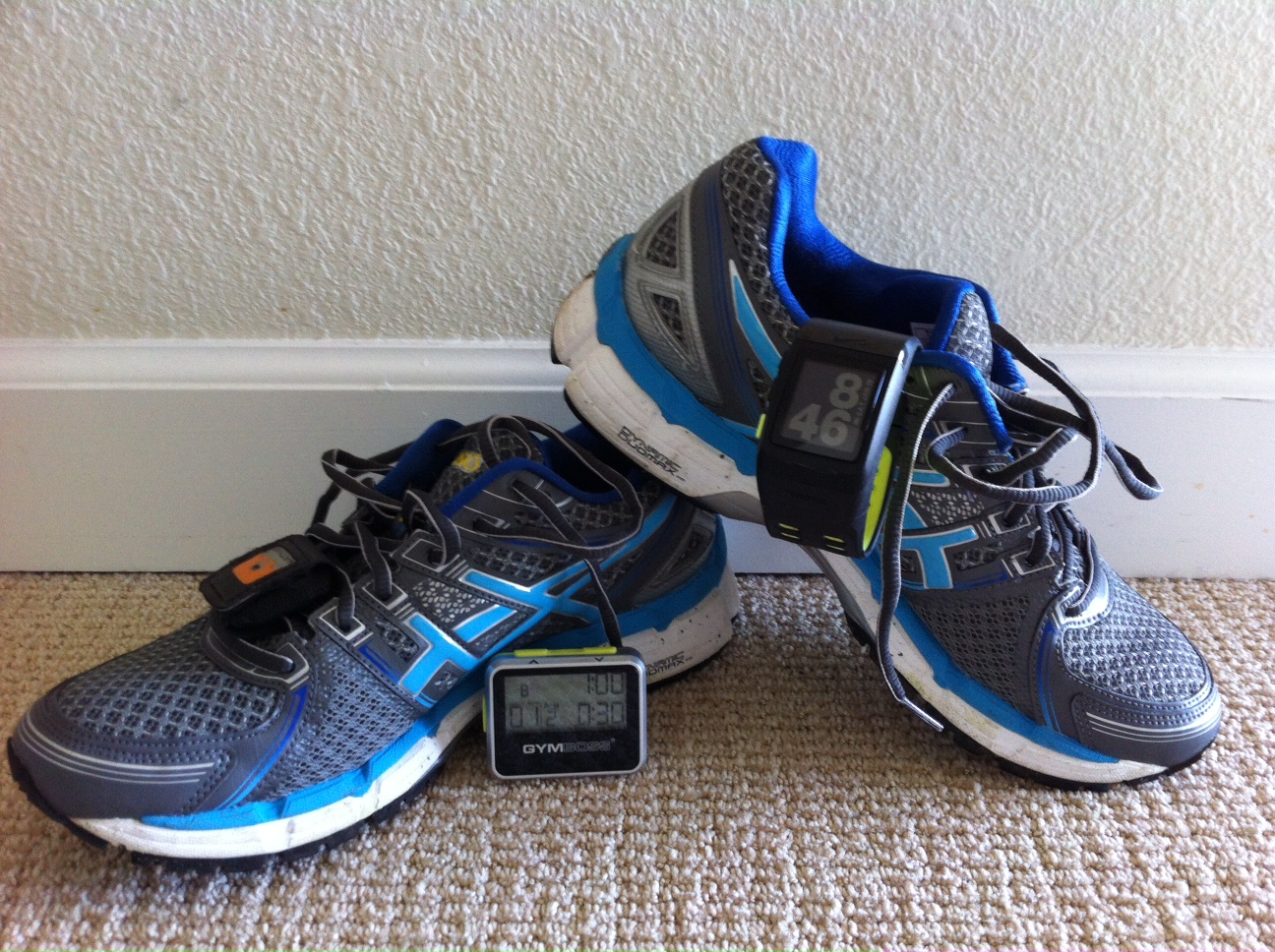
photo-7

Although I claim to be mathematically-challenged (much to the chagrin of my dad, who is an engineer), I totally geek out when it comes to workout stats. Whether it’s miles ran, swam or biked, there’s just something so fulfilling about poring over the numbers after a particularly tough workout — not only to celebrate great days and learn from not-so-great ones, but also to set benchmarks for gauging current performance and goal setting.

But the ways in which we can now quantify ourselves is almost getting out of hand: From calories burned, miles traveled, heart rate, steps taken, sleep patterns, weight, etc. — it’s easy to get caught up in quantity to the detriment of quality (i.e. the bigger picture). For example, sometimes I’m so intent on hitting mileage goals with my runs that I’m tempted to swap a stretch session in favor of more time to log miles. Big mistake!

Everybody (and every body) is different, so you’ve got to find what works for you, your lifestyle and your goals, but I tend to think it’s best to keep it simple when it comes to tracking stats. Granted, there are certain times and training cycles where this may change, but as a rule I live by quantifying the following three things for each workout.

1. Shoe Mileage

Why: I used to run my shoes into the ground (literally) trying to save a few bucks by stretching out their life as long as possible. But when minor aches and pains crept up and morphed into injuries, I learned my lesson: A pair of good shoes that will support and cushion you properly is priceless.

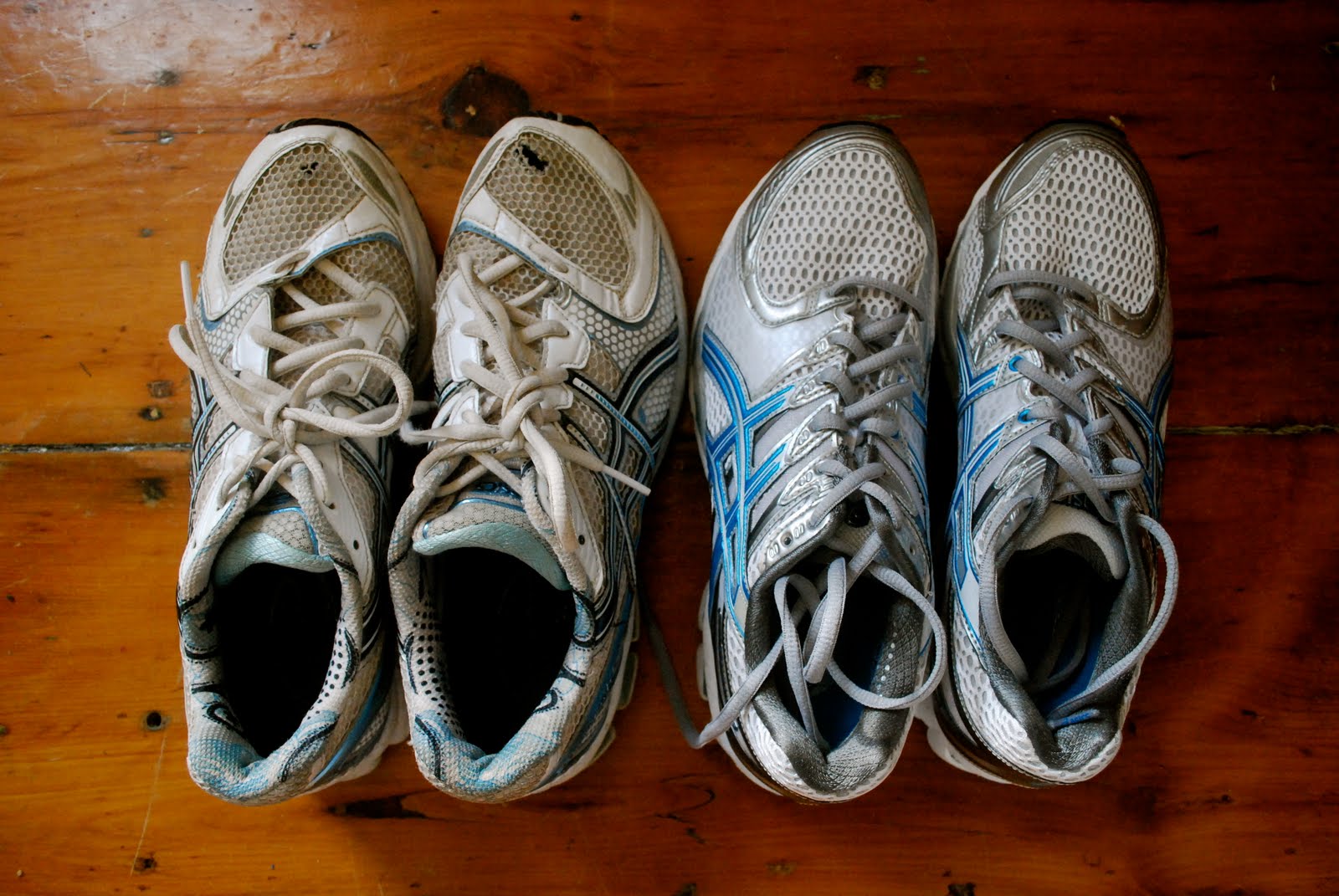
How: Rather than running in one pair until it feels “flat,” I buy two pairs of shoes and rotate them on a weekly basis to give the cushioning time to bounce back. I’m also getting better about tracking actual mileage — one of my goals for 2014 is to figure out exactly how many miles it takes for me to wear my shoes out (the average is about 300-500, depending on the runner) — so I’m keeping a tally on each to know when to rotate future pairs.

Source: OneMomInMaine.com

Source: OneMomInMaine.com

2. Exercise Duration

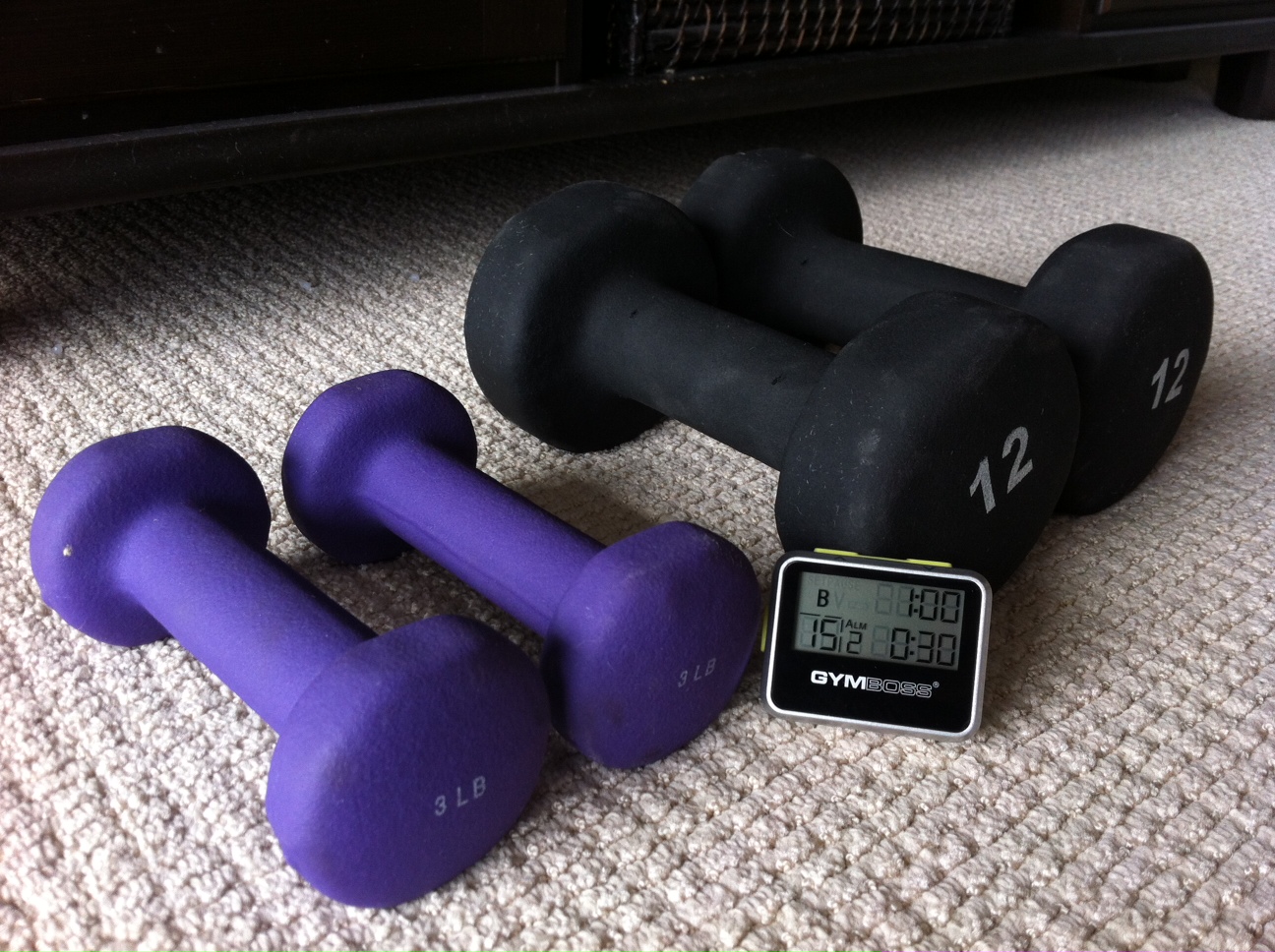
Why: We’re all time-crunched and multitasking to the max, so it’s easy to get in that mid-workout daze and just power through reps as quickly as possible. But by giving myself a set about of time for each exercise and working out for that entire interval, it forces me to focus on form, which inevitably gives me more bang for my buck in the long run.

How: Whether it’s with a stopwatch or another kind of timer (my favorite is GYMBOSS because it’s a repeating interval timer, countdown timer and stopwatch all in one), set your segments and actually stick to ’em. You’d be surprised how long 30 seconds feels when you’re working hard — but keep yourself honest, and you’ll see results that much faster.

photo (13)

3. Workout Details

Why: Logging workouts not only provides a sense of accomplishment, but it also allows me to analyze performance, discover trends (i.e. running after a leg day leaves me feeling slow and heavy, so I switch up the schedule for better results), recognize potential issues and injuries, as well as motivate myself to make goals for future sweat sessions.

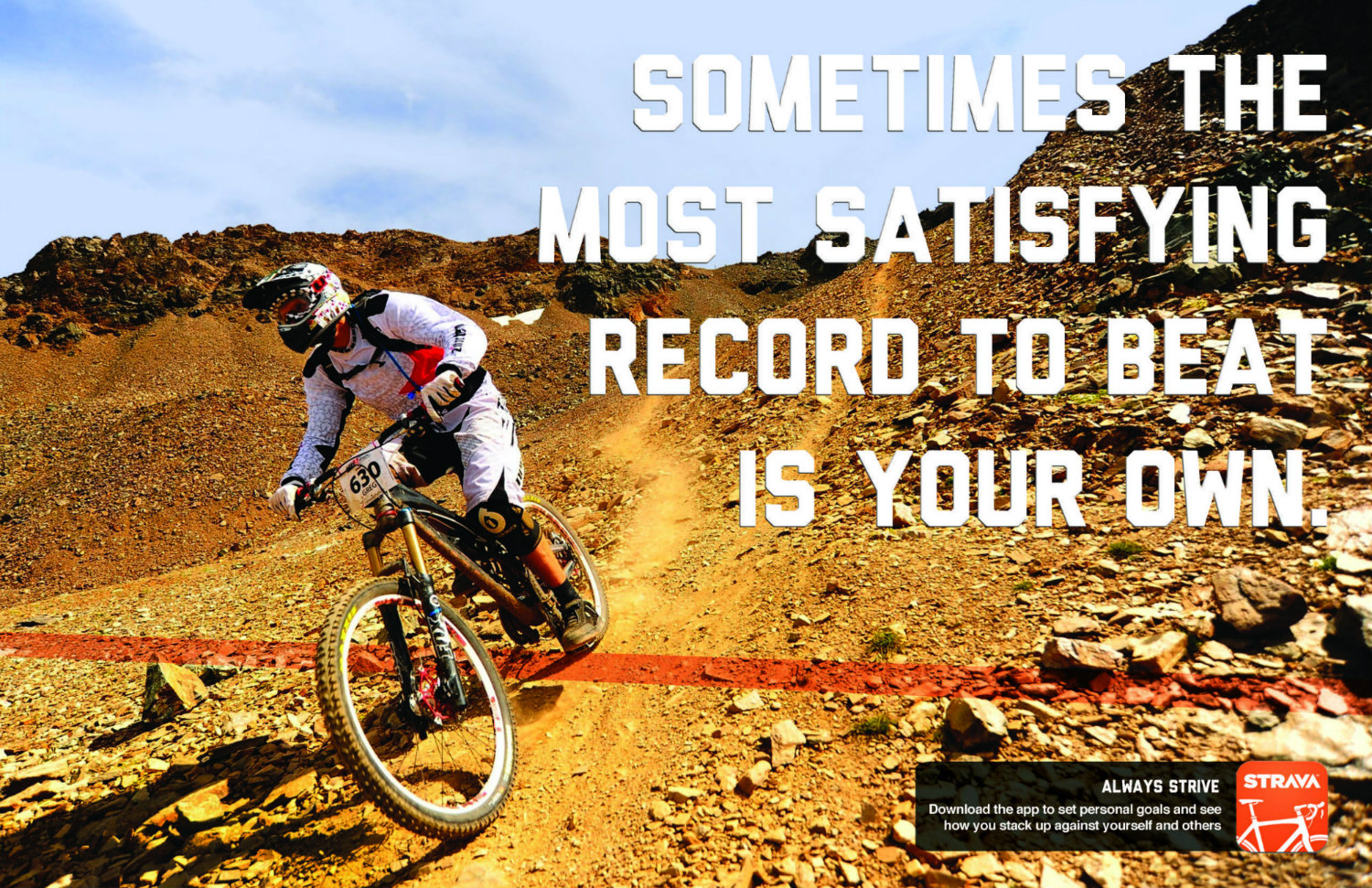
How: I still keep an old-school workout log, which I fill out every day (even on my off days; in fact, it reminds me to schedule them in!) with workout type, details, duration, etc. But you can get as specific as you’d like when recording individual workouts. For example, you might want to use a GPS watch to keep track of pace, distance and other elements of runs (I currently use the Nike+ GPS SportWatch, but have heard enough good things about Garmin to want to check it out), or there are apps and programs that will also help you keep track of workouts in other ways (I use MapMyRun to create routes, and I’m also testing Strava to challenge myself on rides and runs).

However you decide to quantify your workouts — or not — it’s all about finding tools that work with your workout style and allow you to stay motivated, train more effectively and have fun in the process!

STRAVA-biker-resize

What stats do you track when working out? 

Fave Fix: Cory Vines Essential Long Sleeve

Source: Cory Vines

Source: Cory Vines

I may be dating myself here, but does anyone else remember the good ol’ days when putting on your “workout clothes” meant digging through those well-worn items relegated to the castoff pile, such as old t-shirts, ratty shorts, and even the occasional spandex piece?

Case in point: That time I was on the Nordic Track in my sister’s hand-me-down purple gymnastics unitard, and my dad invited the cute neighbor boy over. Fathers: As it turns out, that’s also a very effective way to ensure your daughter stays single throughout high school, FYI. But I digress…

Well, eventually technical fabric replaced 100-percent cotton, silhouettes went from baggy to form-fitting, and “yoga pants” became an acceptable — if not preferred (according to my male friends) — form of attire for the health-conscious crowd. But that evolution came at a cost to consumers and even stirred up some major controversy in the process (don’t get me started on the “thigh gap”).

Fortunately for us, however, there’s a new kid on the block with a solution to the high-quality-activewear-that-won’t-break-the-bank conundrum: Cory Vines.

Source: Cory Vines

Source: Cory Vines

Founder Daniel Lieberman started the Canada-based label after realizing that existing brands weren’t meeting the specific needs — namely, price, quality and style — of the growing group of consumers living an active lifestyle. As a fourth-generation clothing entrepreneur, Lieberman felt the industry was missing “affordable, minimalist workout clothes” and made it his company’s mission to fill the void.

The result: A purposefully-small, logo-free product line of basic tanks, tees and long-sleeve tops for both men and women, along with leggings and shorts for women only. And because the brand utilizes an online-only business model, they’re able to keep prices at a reasonable $25 for tanks and $45 for leggings, compared to Lululemon’s price points of $42 and $72, respectively.

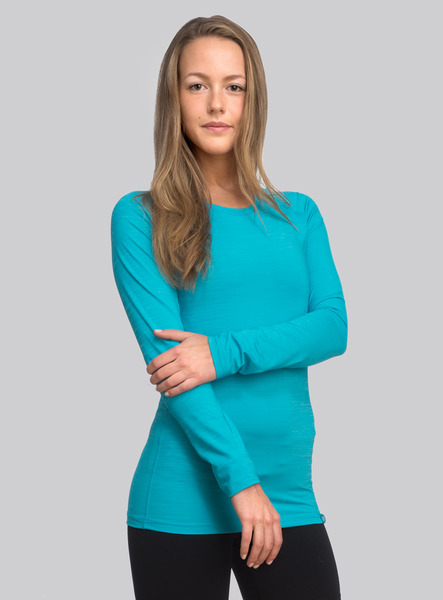
Too good to be true? I wanted to see for myself, so I decided to put the Essential Long Sleeve ($35) through its paces on several runs and group workouts.

Source: Cory Vines

Source: Cory Vines

To be honest, because the shirt was less than 50 bucks, I was expecting the material to be stiff, spongey or scratchy, like some of the less expensive activewear out there. But it’s actually a nice mix of smooth and stretchy — almost compression-like — with a silkier feel than cotton, which makes sense because it’s a nylon/polyester/spandex blend.

I wore it both as a layering piece (under a technical t-shirt) for my morning workouts as well as on its own for afternoon runs, and it worked well both ways. My pet peeve is when shirts get over-saturated with sweat and start dripping as you slog through a tough workout, but the Essential Long Sleeve wicked like a champ and felt more like a second skin than anything.

CV1

In terms of fit, I tend to run narrow up top, so I found the extra small pretty true to size — although if you’re particularly broad-shouldered and between sizes, you may want to size up due to the form fit of the piece.

The only bummer? No thumbholes in the sleeves — but skipping that extra step probably keeps production costs down, so it’s a trade-off I’m willing to make, especially since the sleeves (and body) are a generous length.

But the true test was that I found myself reaching for the Essential Long Sleeve both for working up a sweat and for wearing around town, which makes it worth its weight in gold…even though it doesn’t cost a pretty penny.

But if all else fails, I guess there’s always the unitard, right?

CV2

Thanks to the folks at Cory Vines for providing a sample for review; all opinions are my own. 

Lighter Super Bowl fare that’ll still satisfy big appetites

Source: Blisstree.com

Source: Blisstree.com

Sure the game’s great, but the other main attraction for many of us this Super Bowl Sunday will be the food (with the commercials coming in a close second, of course).

So bring on the wings, chips, dips and desserts – but hold the traditional recipes, which are riddled with calories, fat, sodium and sugar. Instead, try these modified versions, and score some points with party goers when you serve up a tasty spread that’s as healthy as it is hearty.

Baked Chicken Tenders

Cut boneless, skinless chicken breasts in to one inch strips. Soak strips in buttermilk, and then dredge them in a mixture that’s two parts Parmesan cheese to one part bread crumbs, pressing firmly to adhere. Lay the strips on a lightly-greased baking sheet, and bake at 475 degrees for 15 minutes or until chicken is no longer pink and the juices run clear. Dip in assorted condiments, such as Frank’s Hot Sauce, honey mustard, BBQ sauce, ketchup or non-fat ranch dressing.

Quick-n-Easy Chili

Finely chop one yellow onion and cook in a frying pan with one tablespoon olive oil until translucent. Add one pound ground beef or turkey and cook until browned. Drain fat, and then add to a crock pot with one can each of kidney beans, black beans, corn, stewed tomatoes and tomato paste. Mix in one teaspoon each of chili powder and ground cumin, then sprinkle with salt, pepper and a dash of cinnamon (yes, cinnamon – trust me!) to taste. Cook until bubbly, and then serve topped with low-fat shredded cheese.

Sinless Spinach Dip

Finely dice two green onions plus a can of water chestnuts, and mix with one package frozen, chopped spinach that has been thawed. Add one package Knorr® Vegetable recipe mix, plus two cups of fat-free yogurt and one cup of ricotta cheese. Garnish with wheat pitas or toasted wheat bread.

Mindful Munchies

Air-popped popcorn makes a great snack that can be eaten by the handful with relatively little damage to the diet. Flavor with bold spices (equal parts chili powder, paprika, cayenne pepper and salt with do the trick) for a treat with some heat, or give it that sweet-and-salty kettle corn kick by misting popcorn with cooking spray and sprinkling sparingly with equal parts salt and sugar.

Dessert Do’s

Last but not least, even if you’ve mastered the main menu, everyone will be looking for something sweet as the grand finale while watching the game. Fresh fruit is always a healthy option, with a light drizzle of Hershey’s syrup for the sweet tooths of the bunch. Or try a healthier version of the traditional cakes, chocolate chip cookies and brownies by using more nutritious wheat flour, swapping in yogurt or applesauce for oil, opting for antioxidant-rich dark chocolate over milk chocolate, or even adding nuts and dried fruits to pack a more nutrient-dense punch.

What are your favorite Super Bowl Sunday treats and traditions? 

Almost-Wordless Wednesday: Point Bonita Lighthouse

photo (9)

Instead of a getaway for the long MLK weekend, Hubby and I opted to ‘staycation,’ but wanted to break with routine and spend a quiet afternoon outside of the city.

The destination: Point Bonita Lighthouse, the third lighthouse on the West Coast (completed in 1855!), which Hubby found while exploring Marin via bike.

The tunnel halfway to the lighthouse is open only during visiting hours on Saturdays, Sundays and Mondays from 12:30 p.m. to 3:30 p.m., so we timed our visit accordingly and were rewarded with some of these incredible sights.

photo (6)

photo (7)

photo (10)

photo (11)

photo (8)

What are your favorite staycation spots?

Winter cold-buster recipe: Arroz con Pollo Soup

soup1edit

A few weeks ago, Hubby came down with a case of the sniffles, so it was time to bust out one of our surefire cold cures: Arroz con Pollo soup.

It’s a nice alternative to your traditional chicken noodle soup — and by taking a few shortcuts, it’s a simple enough meal to be able to throw together when you’re feeling under the weather.

Arroz con Pollo Soup 

Ingredients:

  • 1 cup rice
  • 12 cups chicken stock (or part water/part chicken stock)
  • 4-5 boneless, skinless chicken breasts
  • 1 medium yellow onion, peeled and chopped
  • 1 clove garlic, chopped
  • 4 medium carrots, peeled and diced
  • 1 sprig cilantro – plus 1/4 cup, minced
  • 1/2 red onion, peeled and chopped
  • 2 roma tomatoes, diced
  • 4 corn tortillas
  • Splash of lime juice
  • Salt and pepper, to taste

Directions:

  1. Cook rice according to directions (or use rice cooker with 1 cup rice and 2 cups of the water/chicken stock)
  2. Place water/chicken stock, chicken, yellow onion, garlic, carrots and sprig of cilantro in a large pot. Season with salt and pepper, and cook over medium-high heat for 30 minutes (or until chicken is cooked through)
  3. Remove from heat, skim off any fat and floaters from stock. Shred cooked chicken, and set aside in a separate bowl
  4. Cut tortillas into small strips, seasoning with lime juice, salt and pepper. Bake until crispy in toaster oven
  5. When ready to assemble soup, put rice, chicken, red onion and tomatoes in bowl. Fill with broth, and top with cilantro and tortilla crisps
  6. Slurp up that soupy goodness!

What’s your favorite way to comfort yourself when you’ve got a cold? 

soup2edit

DIY Beauty: 7 tips for preventing chapped lips this winter

Source: Daily Star

Source: Daily Star

We may have avoided the Polar Vortex here in the Bay Area, but there’s one winter workout challenge that can creep up regardless of geography: chapped lips.

That’s right, you can thank all that dry air and lower temperatures for completely zapping lips of moisture, and since the skin on this part of your body doesn’t secrete any oils, it’s always more susceptible to drying out.

But there are a few precautions you can take to help prevent that painful tenderness and cracking this season; kiss Cheilitis (that’s doctor-speak for dry, chapped lips) goodbye by doing the following:

Source: Prevention

Source: Prevention

1. Resist the urge to lick. When it comes to moisturizing, saliva is only a temporary solution; it has a drying effect when it evaporates, plus it contains digestive enzymes that can irritate lips.

2. Hydrate from the inside. Cold weather amplifies the dehydrating effects of sweat loss during workouts, so it’s important to rehydrate skin by drinking ample amounts of water. Not sure how much is enough? Do a quick urine check: It should be light in color, almost like lemonade.

3. Hydrate from the outside. If you’re cranking up the heat, it’s important to also infuse the surrounding air with moisture. Run a humidifier in your bedroom to help prevent lips from drying out while you sleep.

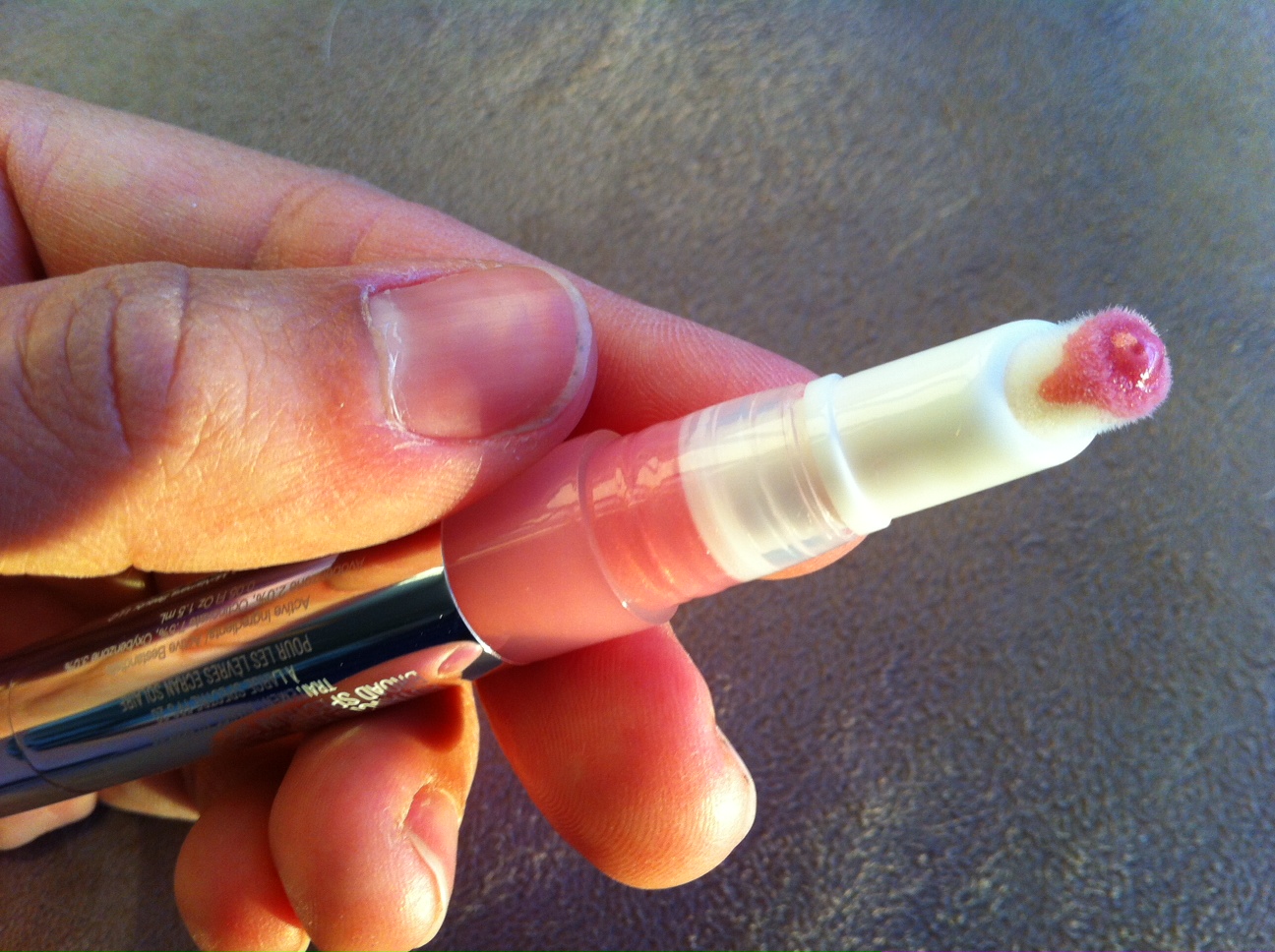
4. Slather on a protective barrier. Keep lips soft and supple with lip moisturizer. I keep a steady stream of balms, glosses and sticks in rotation (mostly because I’m always losing the little buggers), but right now I’m using Miracle Skin Transformer’s Lip Rewind  in “Love” ($24). Shea butter and coconut oil hydrate, SPF and Vitamin E protect, and I like the pepperminty flavor and menthol tingle — plus, $5 of every purchase goes to the Children’s Action Network, a national non-profit dedicated to finding loving families for waiting foster children.

photo-6

5. Stay sun-safe with SPF. Those rays are still strong, so it’s important to protect from dehydration and damage with a sunscreen-enhanced lip balm (see above). For maximum protection, the American Academy of Dermatology recommends a minimum sun protection factor of 30.

6. Cover up with clothing. When the weather’s particularly harsh, take care to cover the delicate skin on your face with a lightweight, form-fitting material, such a scarf or face mask. Not only does it help to warm the air you breathe, but it also defends against severe cold and chapping from wind.

7. Think before you drink. It’s tough when the tendency is to want to curl up with a hot toddy, but try to limit the amount of alcohol and caffeine consumed, as these drinks are particularly dehydrating to skin. Instead, try a warm cup of tea or hot cider, both of which will warm your belly without parching your pout.

How do you keep lips from drying out during winter workouts?

A night with Nike Training Club

photo (2)

When it comes to Kool-Aid, I’ll drink whatever flavor Nike’s got on tap. So when my gal Sam, ambassador extraordinaire, put out the invite for a week-long extravaganza of Nike Training Club events, I knew we were in for a good time.

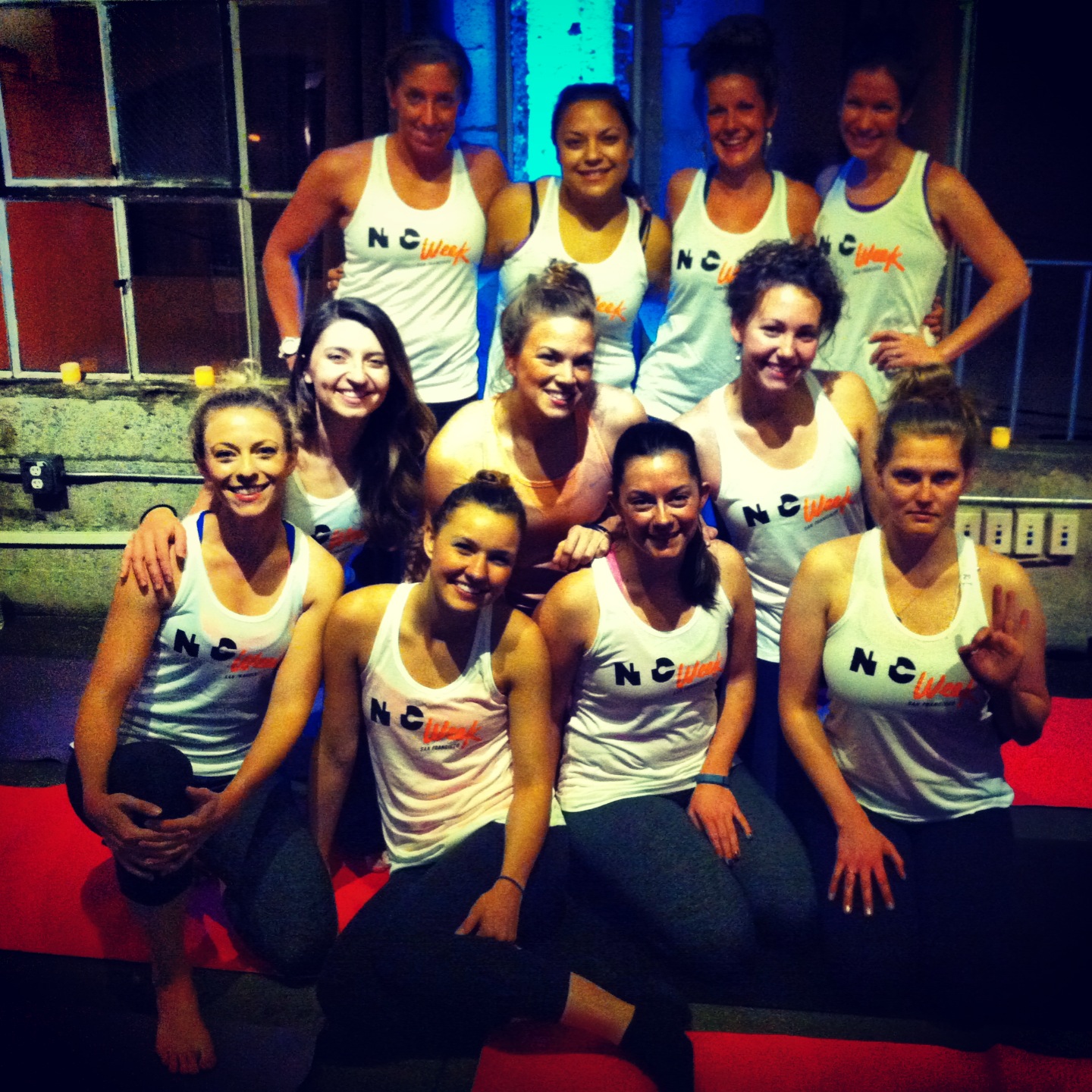
Vivi, my workout partner-in-crime, and I headed down to meet up with the ladies at The Box SF on Tuesday night to check out the yoga session. An instructor from Yoga to the People was on hand to lead us through a Vinyasa Flow class, which was a much-needed (read: mellow) workout after Saturday’s adventure in the bay and Sunday’s long run.

photo (1)

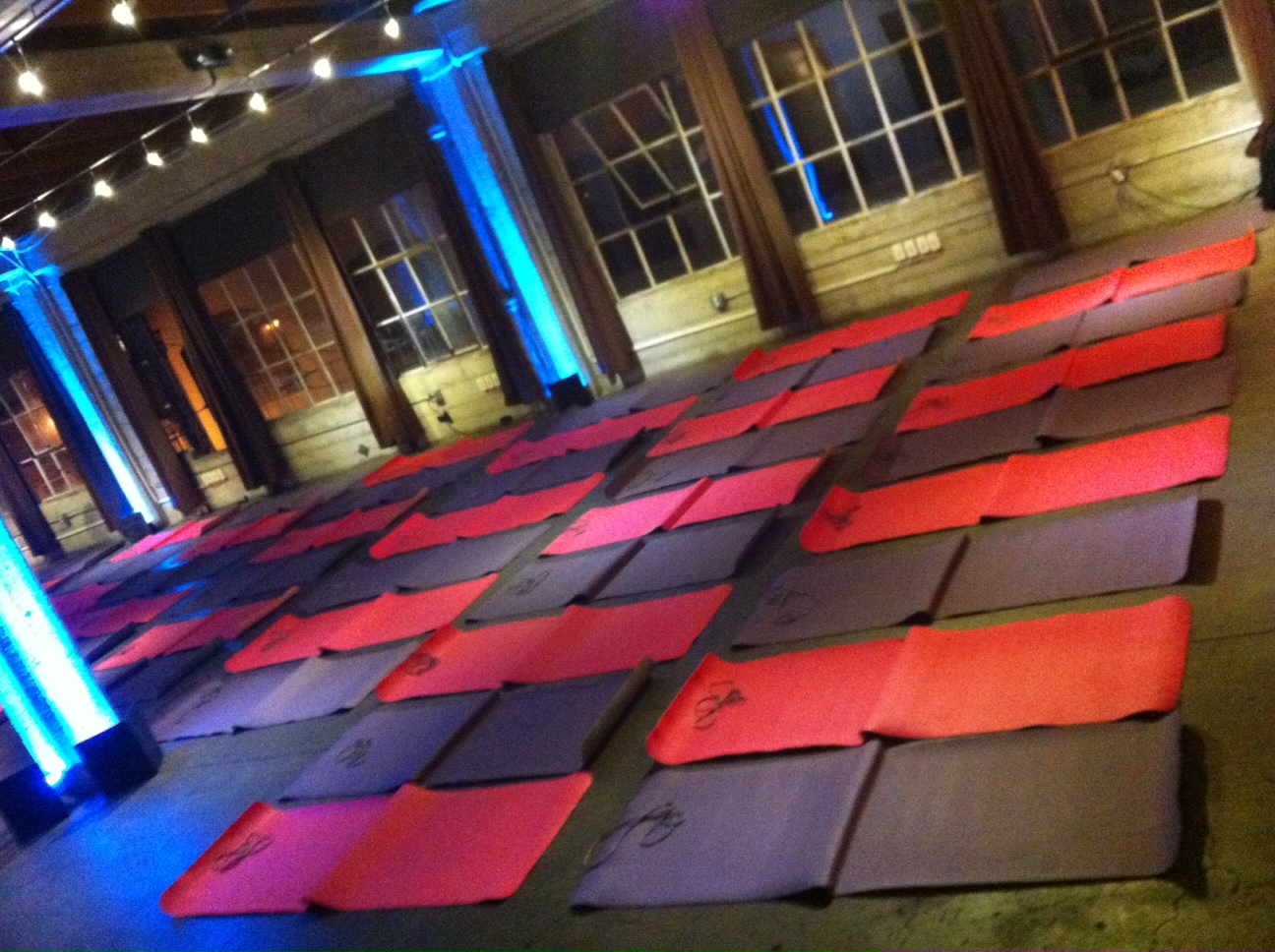
We arrived to  a serene space filled with pink and purple yoga mats. After a checking in and checking our bags, we grabbed a spot up front with some of our fellow November Project peeps (yup, the group that crushes hills together must also work out the quad and hammie kinks together).

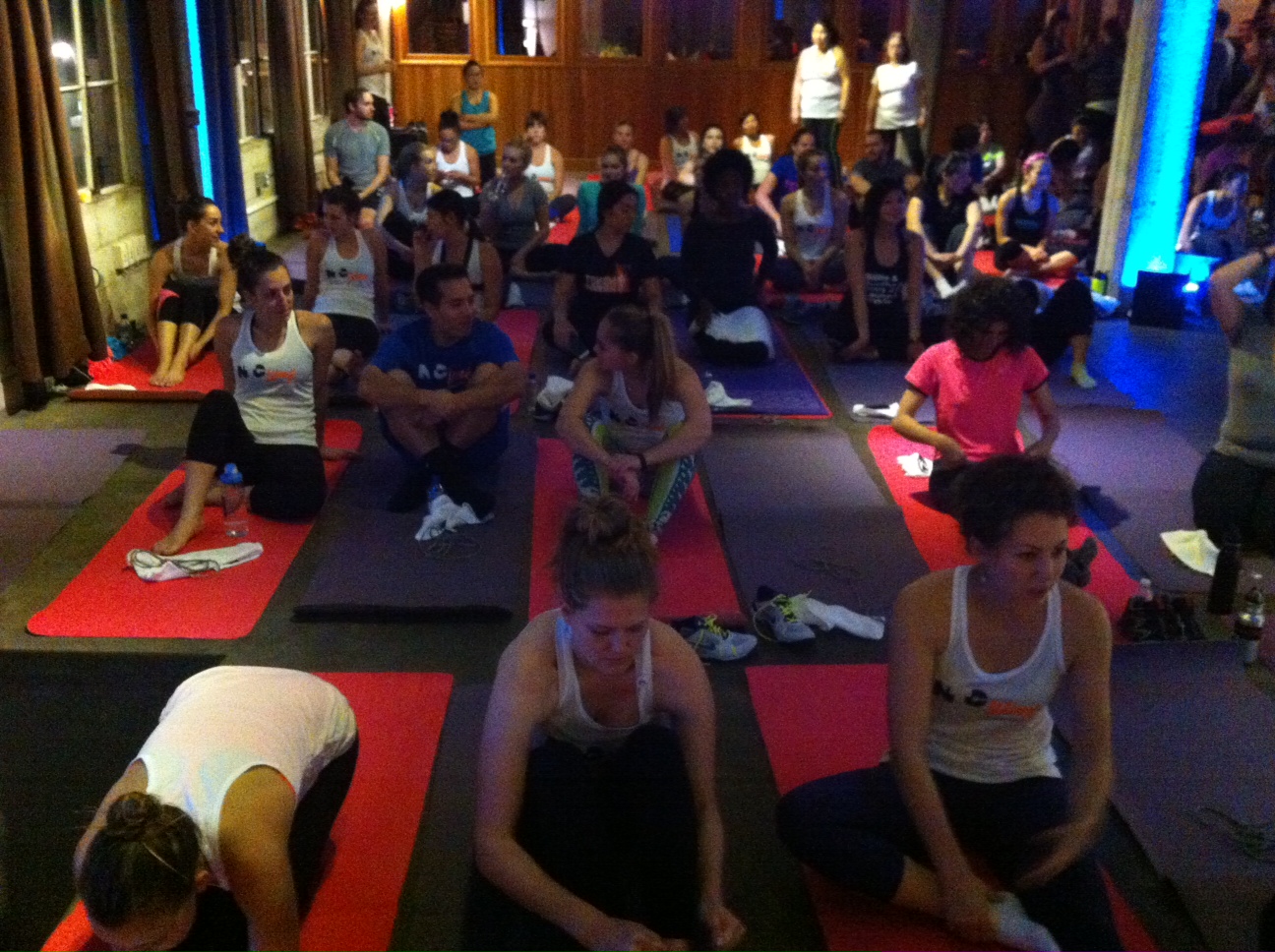
And it was a good thing we got there early because the space filled up quickly. Apparently word got ’round about what a blast everyone had at the previous evening’s kickboxing workout; here in SF, we’re like moths to a flame when it comes to serious sweat sessions.

photo (5)

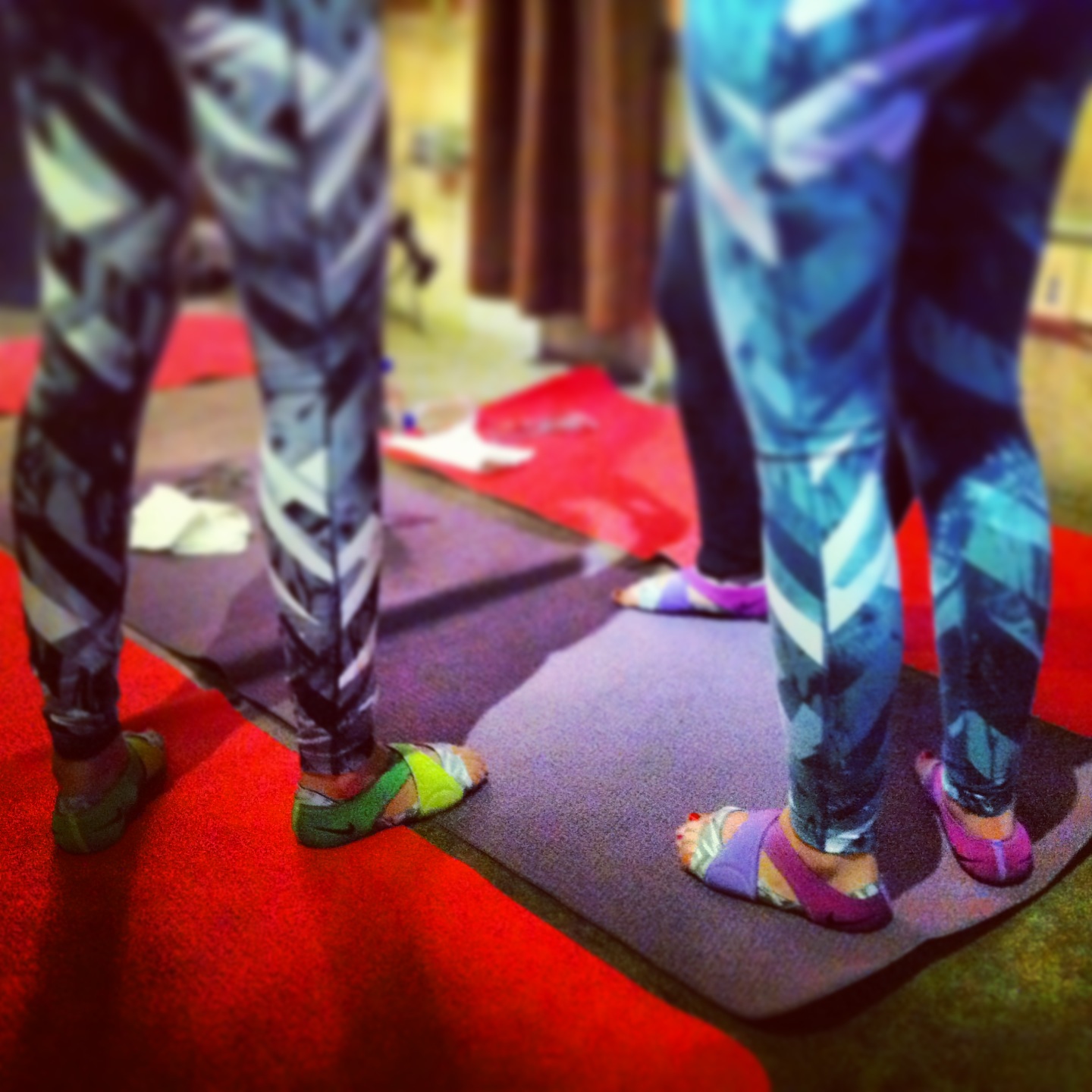
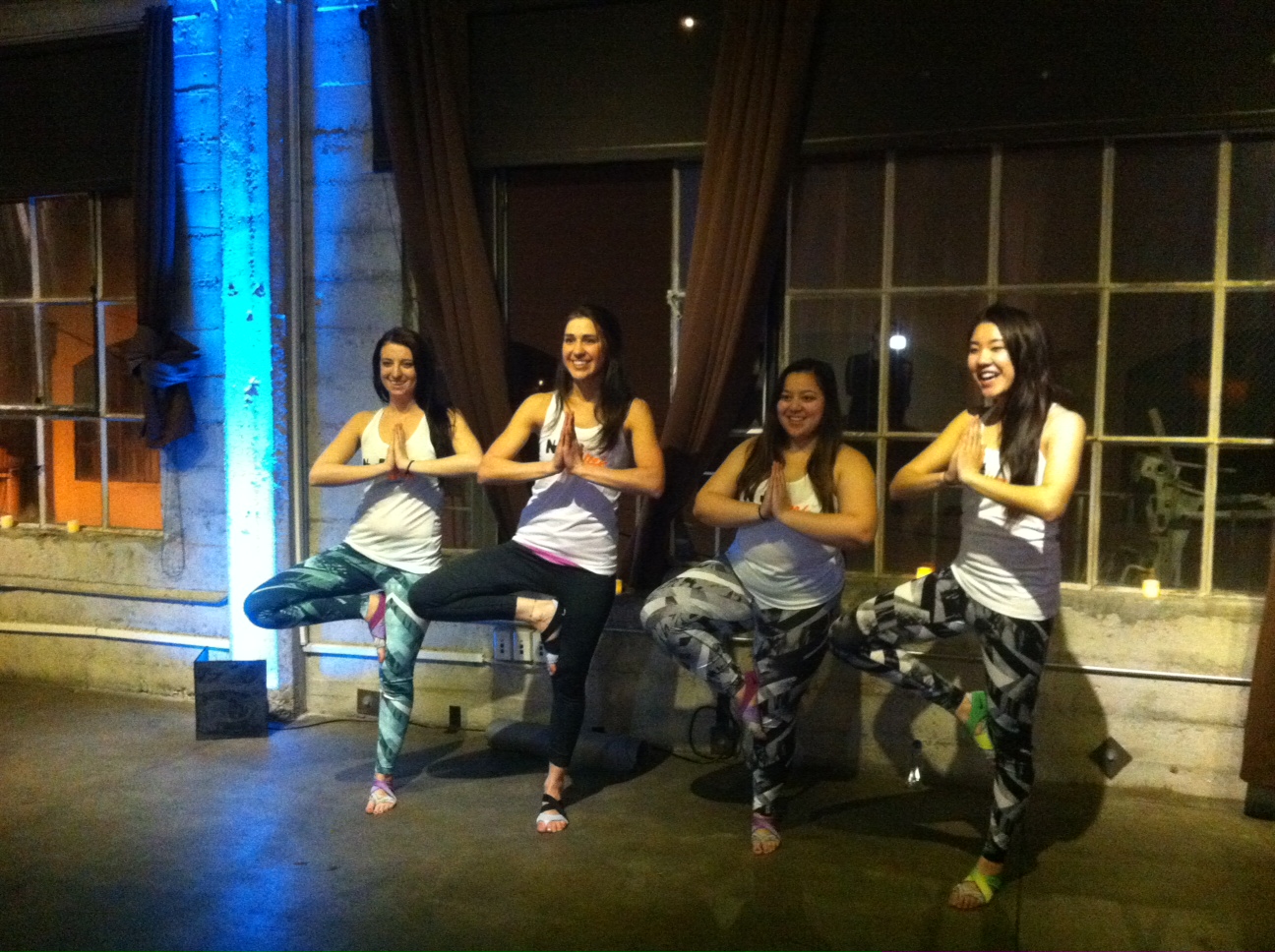
While we got down to business with our vinyasas, the Nike crew snapped shots and filmed the session with GoPro cameras from various angles. A few of the participants also modeled Nike’s yoga gear, so we got to “ooh,” “ahh” and “om” over all the the new fun prints and brightly-colored products in action.

My hands tend to slip more than my feet, so I’m not sure about the shoes/wraps, but I am a sucker for an awesome printed tight. Maybe, just maybe, they’ll get me motivated to hit the mat more often…

photo (4)

After the session wrapped up, we mingled for a bit over snacks and spa water before a good chunk of the group was bussed back to Niketown. If definitely got me interested in the weekly NTC classes, and I’m hoping to hit another event or two — tonight is a barre class, Friday’s a run along the Embarcadero, and Saturday is another NTC workout at Niketown — to round out the week.

Wanna join in on the fun? Check out the NTC Facebook page to see if your area’s participating. If not, there’s always the option of living vicariously through the NTC app — I can’t speak to it yet, since I just downloaded it myself to test, but at first glance it looks like a great resource for some hardcore home workouts, courtesy of Nike’s pro athletes and master trainers.

photo (3)

Have you tried the NTC workouts? If so, what did you think?

Hope you’re having a happy, active week!