How to stay healthy during holiday travel

Source: ShareCare

Source: ShareCare

‘Tis the season to head home for the holidays, but getting from point A to point B can really mess with your body during peak time for colds and flu.

The sheer stress of the journey – from flight delays and crowded planes to a disruption in sleep schedules and eating habits – lowers your body’s defenses, making you more susceptible to illness. But take a few precautionary measures, and you’ll be well on your way to a much happier holiday.

Here are the top five tips for steering clear of sickness, whether you’re traveling to a winter wonderland via plane, train or automobile:

1. Wash your hands.

It’s the No. 1 rule from experts; with a greater concentration of people and germs indoors, disinfecting hands and other frequently-touched surfaces (think shopping cart handles, airplane tray tables, etc.) is extremely important. When soap and water aren’t available, go for an alcohol-based hand sanitizer, such as these from Bath & Body Works.

2. Get plenty of sleep.

The frenetic pace of the holidays often results in sleep deprivation, which not only affects your immune system, but can also make you more susceptible to overeating, lethargy and mood swings. Aim for six to nine hours a night, and supplement with naps in between. Try the J-pillow ($31.95), an update to the 40-year-old U-shaped travel accessory, which was named a 2012/13 British invention of the Year.

3. Eat well (and often).

Just like the advice of not going grocery shopping on an empty stomach, the trick here is to make smarter meal choices well before hunger hits. Pack high-protein, low-sugar snacks in your carry-on for quick access and to stay energized throughout your trip. Check out FitSugar’s list of healthy road trip snacks, which will help tide you over to the next meal without falling prey to the fast food rut while on the road.

4. Stay hydrated.

To add insult to injury with air travel, there’s a serious lack of humidity in the cabin, which leads to dry noses, throats and mouths. To combat dehydration and help keep mucus membranes moist (so they can do their job), bring on the drinks! But skip the sugar, caffeine and alcohol; instead, sip eight ounces of water for every hour in the air. Check out BluFit Bottle, a smart water bottle that works with your phone to record your water drinking habits and help keep you hydrated and healthy.

5. Sneak in some exercise.

Think there’s no time for exercise between shopping for presents, running errands and attending parties? Think again; it’s easy (and dare I say – fun?) to incorporate heart-pumping activities into the holiday hubbub. Park farther away at the mall, take the stairs at work, shovel snow, count pre-party housecleaning as cardio, and don’t forget to walk the dog, which will help you both burn off excess energy. When all else fails, try making some form of physical activity a tradition, such as heading over to the Holiday Ice Rink in Union Square for some fun and fresh air for the whole family.

Here’s to a happy, healthy holiday season!

A healthier way to use those Thanksgiving leftovers

2008_12_4-Leftovers2v2

Happy Thanksgiving!

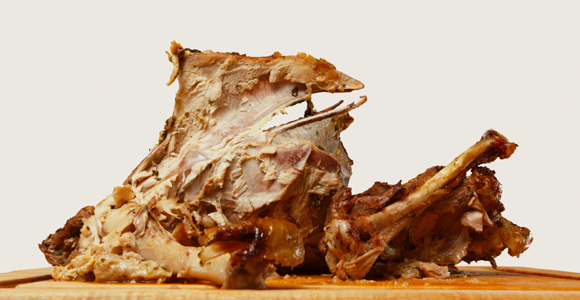
Later today when dinner’s done and you’re left with a lot of bird, don’t panic: Turkey is a lean, versatile protein that fits easily into healthy, hearty meals that are low in fat and high in flavor.

Here are a few tips for livening up your Thanksgiving-leftover repertoire — without repeating the meal or breaking the scale.

First, attack the carcass (after your guests leave, that is). Once you’ve removed all the large slices of meat, be prepared to spend some time picking off every last bit from the bones. Chop or shred it as you go, partitioning into bags or containers in the refrigerator (or freezer) for easy access later.

Source: Kthread, Flickr

Source: Kthread, Flickr

Next, take stock of other leftovers, and get creative by utilizing them in a variety of wraps, salads and “dump” dishes (one-pot meals) for the first few days following the big event. When you’ve had your fill and cleared out the majority of the trimmings, turn to some creative dishes that can breathe new life into the last of the meat.

Try a quick soup, for example, by mixing a few cups of diced turkey with chicken broth, noodles and your favorite vegetables. Sprinkle chopped turkey on salads for a healthy lunch that packs a protein punch. Use shredded turkey in quesadillas, burritos, enchiladas, fajitas and tacos to spice up a weeknight dinner. Or add turkey bits to pot pies, casseroles and pasta dishes for a fresh twist on classic comfort foods.

Need more ideas? EatTurkey.com has a list of the “Top 10 Ways to Use Leftover Turkey,” including dishes such as Thai Grilled Pizza, Creamy Creole Turkey Bake and the ever-popular Turkey, Mandarin and Poppy Seed Salad.

Source: Fitday

Source: Fitday

Last but not least, save the bones. If you’re not going to make use of them within a week or so, wrap and store the carcass in your freezer for up to six months. Next time you get a turkey hankering, plop it in a big pot of water with a mix of vegetables and herbs, and in no time at all you’ll have a simple stock for soups, stews and gravies (try this recipe from Martha Stewart).

Now, that’s a gift that keeps on giving all season.

What are your favorite ways to make the most of Thanksgiving leftovers?

Fall into better eating habits with the season’s healthy harvest

Source: BonAppetit.com

Source: BonAppetit.com

Now that the days are shorter and the nights are cooler, it’s a natural tendency to want to hole up for the next few months and console ourselves with comfort food.

There’s certainly nothing wrong with doing that once in a while (after all, who doesn’t love a good chicken pot pie?), but remember to weave in some warm and cozy menu options that won’t decimate your diet.

Below are a few wholesome picks from fall’s fresh crop of fruits and veggies, including ideas for hearty – yet healthy – autumnal recipes.

Apples

  • An excellent source of vitamins C, K and B6, plus they’re low in calories and high in fiber
  • Fall is prime picking time, so look for non-bruised, firm flesh with unbroken skin
  • Enjoy the proverbial “apple a day” with the Food Network’s 31 days of apple recipes here

Broccoli 

  • A hardy vegetable harvested in late fall when the heads are dark green and compact
  • Keep fresh florets in the fridge for about a week for healthy munching – or blanch and freeze for quick access to this nutritional superstar all winter long
  • For a delicious twist, try Ina Garten’s Parmesan-Roasted Broccoli

Cranberries 

  • Too tart to be eaten as picked, yet delicious when boiled or baked
  • Eschew sugar in favor of complementing berries with bright citrus flavors
  • Check out Cooking Light’s take on traditional recipes here

Eggplant

  • It’s not just for Parmesan anymore!
  • This shiny, purple berry (yup, it’s true) acts as a base for everything from dips to sauces, plus it’s a source of dietary fiber, potassium, manganese, copper and thiamine
  • Click here for some healthy eggplant recipes and cooking tips from Eating Well

Figs 

  • A delicious, all-natural energy source
  • One handful (dried or fresh) provides five grams of fiber or 20 percent of the daily value
  • FitSugar celebrates this ancient fruit here with recipes for late summer and early fall

Leafy greens (collards, mustard greens, kale, cabbage and spinach)

  • One of the top food groups you can put on your plate, according to dietary experts
  • Superfoods densely packed with nutrients, rich in calcium, magnesium, fiber and vitamins A, C, E and K, as well as heart-healthy folate and carotenoid antioxidants
  • Bon Appetit offers recipes here, guaranteed to make your other veggies green with envy

Pears 

  • Popular year-round, but available in an abundance of varieties in the autumn months
  • Packing plenty of fiber, plus vitamin C and potassium, pears typically need to be ripened after purchase, so avoid fruit that is bruised, blemished or extra hard
  • Click here for recipes from Epicurious, plus tips for this favorite fall fruit

Pomegranates 

  • Those tangy, burst-in-your-mouth seeds are well worth the effort to disassemble
  • Snack on them by the handful, sprinkle them on salads or drink a glass of pure juice for a massive amount of antioxidants
  • Give one of Huffington Post’s 13 best recipes for pomegranates a whirl here

Pumpkins 

  • Ah, fall embodied…
  • Perfect for baking and full of seeds for toasting, they’re a tasty source of vitamins and minerals, particularly beta-carotene, vitamin C and potassium
  • If you’re looking for alternative recipes to the usual pie, Women’s Health offers these so-good-they’re-scary fall pumpkin recipes for your post-Halloween get togethers

Squash 

  • Not only one of the most colorful fall veggies, but it’s also one of the more versatile
  • Extremely easy to cook and loaded with potassium and fiber, it can be added to soups and salads, as well as broiled, baked, stewed and sautéed
  • Taste of Home highlights a harvest of healthy squash recipes here

Sweet potatoes 

  • Rich in potassium, beta carotene, fiber, iron and calcium
  • One baked, medium-sized sweet potato contains 438 percent of your daily value of vitamin A – all at a mere 105 calories
  • Tempt your taste buds with Health’s top 25 sweet potato recipes here

What are your favorite fall veggies? 

Bringing Sexy Back: Core exercises for runners

Photo credit: Jupiterimages/Brand X Pictures/Getty Images

Photo credit: Jupiter Images/Brand X Pictures/Getty Images

More than half of all runners are injured in any given year, and almost 90 percent will experience some type of running-related injury in their lifetime.

With those odds, it’s pretty tough to avoid getting hurt sooner or later, but you can decrease your chances by being proactive about injury prevention. This means addressing anatomical imbalances (through things like stretching and strength training) before they become symptomatic (i.e. injuries).

Photo credit: WalkJogRun.net

Photo credit: WalkJogRun.net

I learned this firsthand after experiencing some pain in my lower back after long runs. It took a skilled massage therapist to notice that, while I do regular full-body strength training, I have some work to do in that particular area.

You see, we’re only as strong as our weakest link. And while runners focus most of our time on building heart and leg strength, we’re remiss to dismiss the core.

Not only is a strong midsection essential for more stable, efficient and powerful running (this article from Bodybuilding.com explains it well), but it’s also an effective insurance policy against future injury.

Runner’s World does an excellent job of illustrating how your core supports various movements in this piece, but I also wanted to share a few moves that I’ll be adding to my weekly workouts to help build stronger lower back muscles…not just for my long runs, but for the long run.

Lower-Back Builder #1: Superman

Works: Back extensors, which run on either side of the spine, as well as the glutes

  1. Lie face-down on the floor with your arms and legs extended and neck in a neutral position (i.e. eyes on the floor).
  2. Keeping limbs straight, simultaneously lift your arms and legs until they are several inches off the floor.
  3. Hold for two to five seconds and lower back down to complete one.
  4. Do three sets of 12 reps.

Lower-Back Builder #2: Donkey Kicks

Works: Glutes and lower back

  1. On all fours (with your wrists under your shoulders and knees under your hips), extend your right leg up and back, toward the ceiling.
  2. Continue lifting and lowering your leg to its starting position, keeping your butt and legs engaged.
  3. Do 20-30 reps on each side.

Lower-Back Builder #3: Dead Lifts

Works: Everything from lower back (erector spinae), gluteus maximus and hamstrings to quadriceps and other stabilizing muscles

  1. You’ll need a barbell for this one! Stand with feet shoulder-width apart and balls of feet under bar.
  2. Squat (thighs should be parallel to floor; legs at a 90-degree angle) and grasp the bar with your hands slightly more than shoulder width apart, outside of your legs.
  3. Look forward, tighten abs and slowly straighten your legs, which will allow you to lift the bar – straight up vertically, close to your body.
  4. Come to a standing position with upright posture and shoulders pulled back. Allow the bar to hang in front of your hips; do not try to lift it any higher.
  5. Keeping your back straight, return the bar to the starting position in a controlled manner. Push your butt out and back, as if you are going to sit down in a chair, and keep your head up.
  6. Do two sets of 12.

Bonus Move! The Clam

Works: Gluteus medius (the culprit in chronic, recurring conditions such as Runner’s Knee, Iliotibial Band Friction Syndrome, Achilles issues and low back pain, to name a few!)

  1. Lying on your side, bend your knees so that your legs form a 90-degree angle in front of you, hips in line with shoulders.
  2. Keeping the top leg bent, slowly lift your knee to the ceiling while keeping your feet together and bottom leg stable.
  3. Do two sets of 20 reps on each side.

Disclaimer: Although I am a former ACE-certified personal trainer, you should consult a physician before starting any exercise program or diet plan. If you choose to do any of the workouts featured on this website, you do so at your own risk.

Hydration 101: What to drink – and when – for optimal fitness

Photo credit: Fitday.com

Photo credit: Fitday.com

If your usual routine of gels, powders, bars and chews isn’t helping you power through tough workouts, you may be missing a critical component of a successful exercise regimen: Water.

Not only does it help your body efficiently convert food into energy, but it also wards off dehydration, which can accelerate the onset of fatigue.

Contrary to popular belief, however, thirst is not a good indicator of hydration; by the time your brain senses it, you’ve already lost about one percent of your body weight in water.

That doesn’t sound like much, but exercise performance decreases with as little as a two percent loss (or less than three pounds in a 150-pound athlete).

Factor in the statistic that some athletes can lose up to five pounds of sweat (or more!) during practice and competition, and it’s a no-brainer to start all exercise sessions in a hydrated state.

Photo credit: Lifefactory

Photo credit: Lifefactory

Here’s a good rule of thumb for ensuring proper hydration:

    • Drink about 16 ounces of water two hours before any endurance event
    • Consume a cup or two 10 to 15 minutes immediately prior to activity
    • Aim for four to six ounces of fluid every 15 minutes during the event
    • Remember that it’s just as important to re-hydrate afterward, as well

If your sweat session will last more than 90 minutes, consider swapping in a sports drink or electrolyte tablets, which help bring your system into balance more quickly by helping you to retain more liquid.

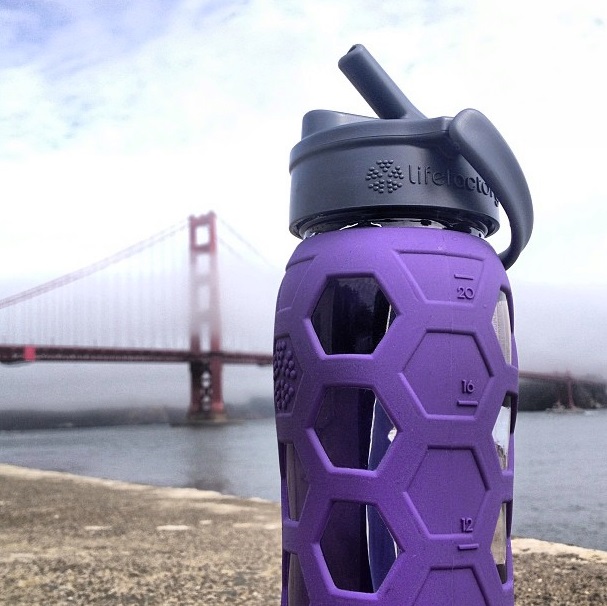
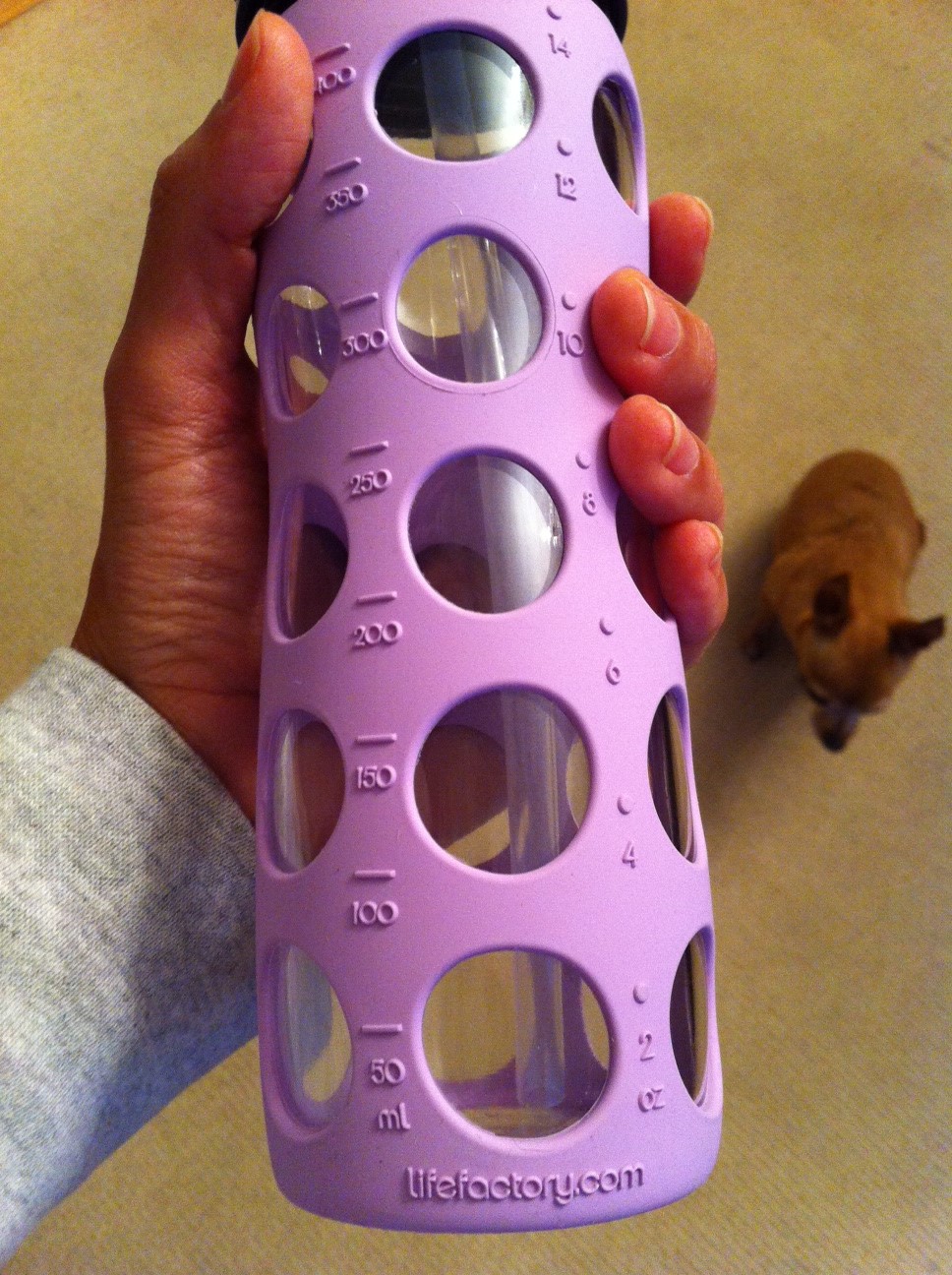
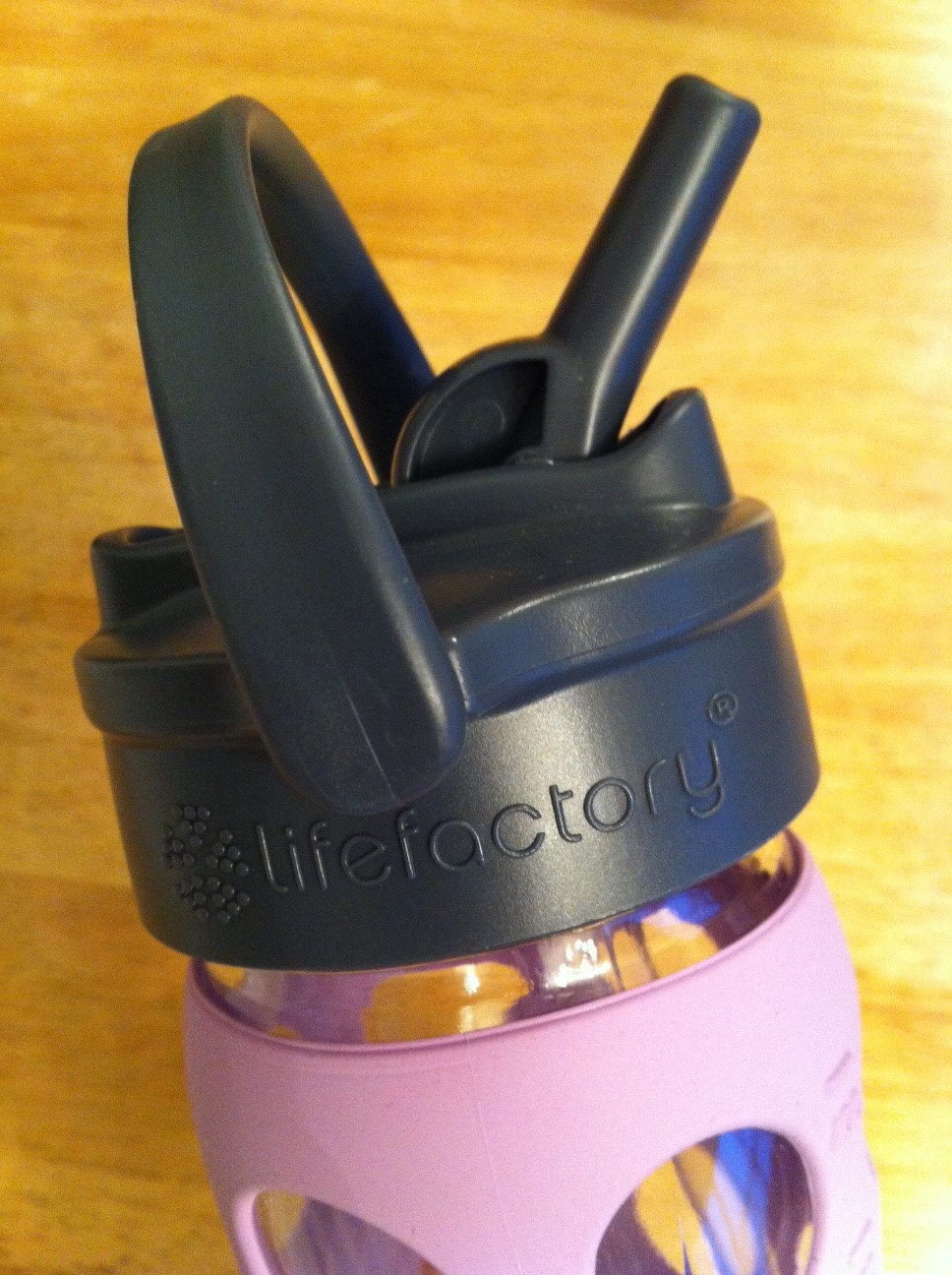
And now that I’m in the throes of marathon training, my must-have accessory is a reusable water bottle. I’m loving this new straw-cap glass bottle with silicon sleeve ($25) from Lifefactory. Isn’t the design great? And now I can keep track of exactly how much I’m drinking throughout the day, thanks to the helpful marks on the grip.

My dog clearly wanted in on the photo shoot

My dog clearly wanted in on the action here

It’s the first glass water bottle I’ve tried, and I’ll gladly take a little extra weight in exchange for peace of mind (it contains no BPA, BPS, PVC or phthalates). After all, we work so hard on the outside of our bodies, we may as well keep them healthy on the inside, too, right?

Handy built-in straw and pivoting handle

Handy built-in straw and pivoting handle

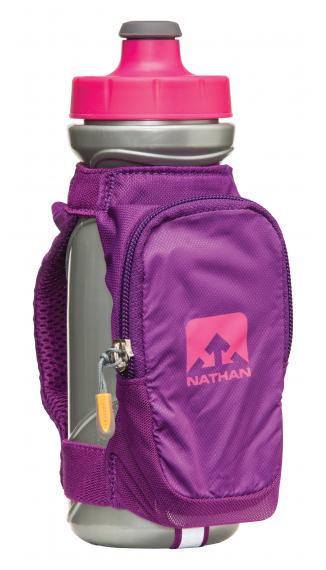
For mid-run hydration, I recently bought this QuickDraw Plus ($25) hand-held water bottle from Nathan.

4834NIP_QuickDrawPlus_ImperialPurple_NW

Photo credit: Nathan

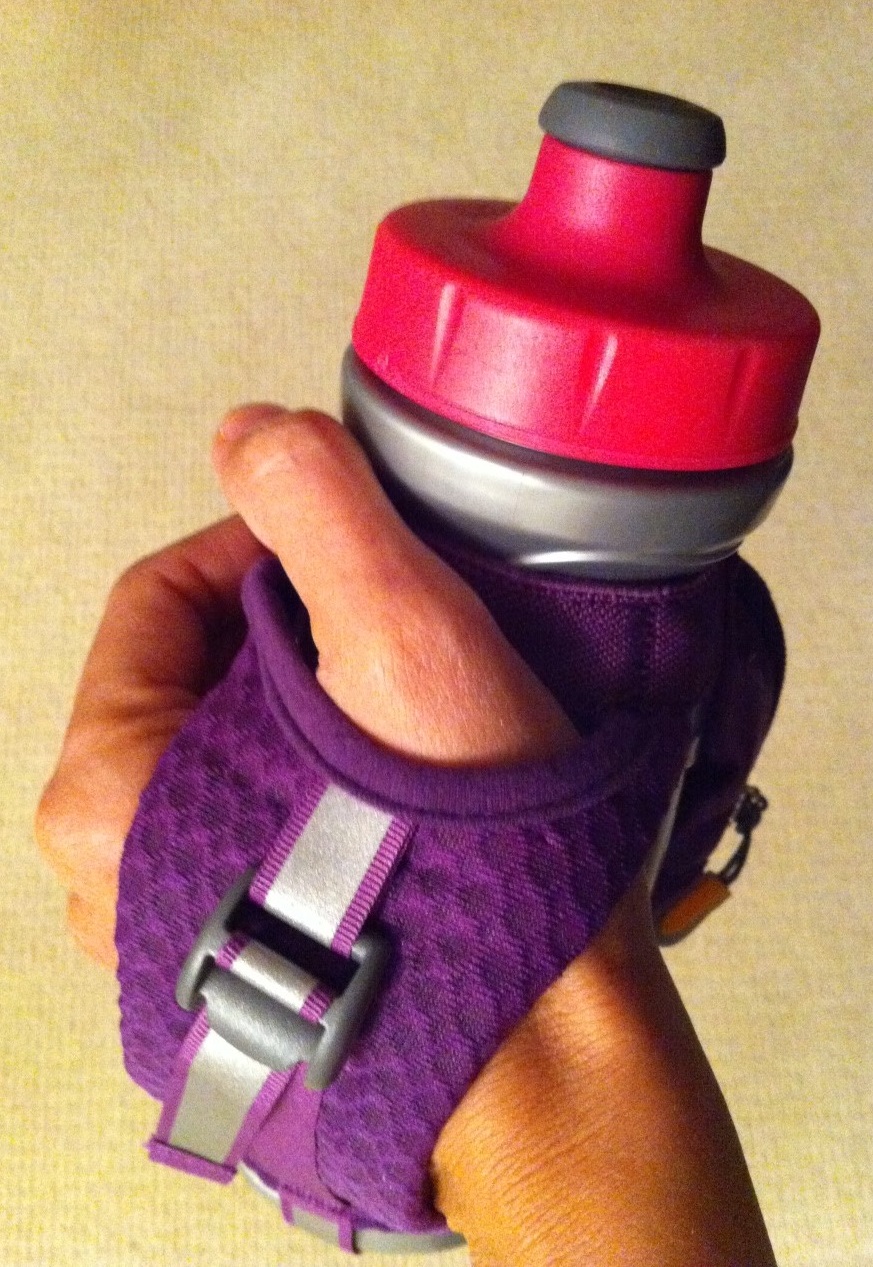
I’ve tried hydration belts without much success (ugh, they ride up), so I figured I’d give this style a shot. It’s also BPA-free, but I was more excited about the iPhone pocket and thumb hole for grip-free running.

It worked just ok on my recent 10-mile trial run, but I’m going to give it a few more tries before I make my final judgment.

photo (98)

How do you stay hydrated during those intense workouts?

Thanks to the folks at Lifefactory for providing a sample for review; all opinions are my own. 

What’s for lunch? Tips for packing some extra health into your day

Photo credit: Dietriffic.com

Photo credit: Dietriffic.com

Breakfast may hold the title of “most important meal of the day,” but that doesn’t mean lunch is off the hook.

Eating a healthy mid-day meal not only provides lasting energy and prevents evening binge eating, but it also offers a much-needed brain break to finish the day strong.

Aim for a lunch that is 400 to 500 calories and made up of 30 percent protein (four to five ounces of fish, lean meat or tofu), 50 percent complex carbs (whole grains, veggies and fruit) and 20 percent healthy fats (olive oil and nuts).

Hitting happy hour? Then it’s especially important to consume a light-yet-filling meal, which will keep you satiated for a few hours and defend against any potential over-imbibing.

Here are a few tips for making the most of that second meal of the day:

  • Stock up on healthy options when you shop for groceries: Get simple staples that can be mixed and matched, such as whole-wheat bread and peanut butter, beans and tuna, plus lots of fresh fruits and vegetables
  • Subscribe to healthy recipe websites or turn to social media sites, such as Pinterest, for inspiration: Sometimes all it takes is a new recipe to spark some creativity in the kitchen, which will keep you from relying on junk food to get through the day
  • Make the most of leftovers: When dinner’s done, set aside a portion or two so you can enjoy it all over again the next day
  • Take a pantry challenge: Visit MyFridgeFood, and make a game of clicking on various combinations of ingredients you have on hand to discover new recipes
  • Don’t skip dessert: Add a sweet ending to keep from feeling deprived; pick fresh fruits that are in season, or look for other guilt-free treats such as low-fat pudding cups or dark chocolate
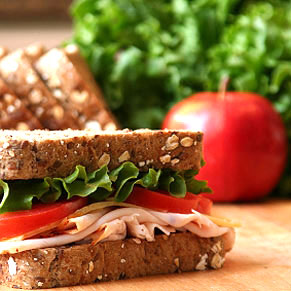
  • Opt for made-to-order sandwiches over fast food when you’re on-the-go: And swap out mayo for mustard to help cut back on fat and cholesterol
  • Choose pre-made meals that are all-natural and preservative-free, if the freezer is your only option: Tandoor Chef, for example, offers a line of traditional Indian entrees that are low in sodium and trans-fats and contain no artificial sugars – plus there are even several vegan and gluten-free options available to spice up your week
  • Finally, don’t forget food safety: If refrigeration is not available, use insulated lunch boxes or bags with frozen ice or gel packs to keep contents at a safe temperature

Six mistakes to avoid on your long runs

summer-workout-playlist-collegecandydotcom

Photo credit: CollegeCandy.com

It’s marathon season, and there’s nothing more essential to an endurance training program than the long run.

Not only does it strengthen the heart and lungs by boosting the flow of blood and oxygen, but it also improves muscle endurance, primes your body to burn fuel more efficiently and provides that boost in confidence to mentally tackle the mounting mileage.

But there’s also a dark side to the long run that strikes fear in the hearts of many runners.

Whether it’s a nasty case of gastrointestinal distress, “bonking” (hitting the proverbial wall) too early or overtraining to the point of injury, it’s important to keep a few things in mind to help your long runs help you in the long run.

BEFORE the run…

1. Fueling incorrectly. 

Runners’ nutritional needs and tolerance may vary, but aim for 30-60 grams of carbohydrates per hour of activity, and keep it simple with low-sugar foods and drinks that you know agree with your system. (Learn from my recent mishaps during my own marathon training here)

2. Avoiding the warm-up.

A solid 10-minute warm-up slowly raises heart rate, dilates blood vessels and raises core temperature, ensuring that your muscles are flexible, operating efficiently and are well supplied with oxygen.

DURING the run…

3. Going too far.

It’s easy to get carried away and bite off more than you can chew, mileage-wise, but err on the conservative side by following a plan that takes your current fitness level into account and ramps up in small increments to prevent injury.

4. Going too fast.

Unless you’re an elite athlete, there’s no need to hit a fast pace or target time when running long; it’s more important to maintain a pace that’s easy and conversational in order to achieve optimal fitness for performance on race day.

AFTER the run…

5. Forgetting to refuel. 

Replenishing depleted muscles and replacing lost fluids are critical to recovery, so start with a carb-based post-run snack in the first 30 minutes after a run, drink 16 ounces of water for every pound lost (or until urine runs pale), and aim to have a balanced meal of carbohydrates, protein and healthy fats within two hours of completing your long run.

6. Skipping rest days.

Resist the urge to take a “more is more” approach with your workouts; taking a day off after a long run is almost as critical to your training as the long run itself, so know when back off in order to push hard later.

Easy ways for athletes to stay sun-safe in all seasons

Photo credit: SkinCancerPrevention.org

Photo credit: SkinCancerPrevention.org

It’s a scary, but true, fact: Athletes and outdoor enthusiasts have a higher risk of contracting sun-related skin cancers because of the increased amount of time spent in the sun, coupled with a lack of protective clothing and near-constant sweating.

If you’re a regular exerciser, you’re probably already familiar with a multitude of skin conditions (hello, blisters and chafing!), but the most important precaution to take year-round is protecting skin from wrinkle-inducing UV rays.

Below are five rules to follow to keep sun damage at bay, whether you’re headed outdoors for work or for play:

Tip #1: Seek shade when the sun’s rays are strongest.

Sometimes the best solution is the simplest. Prone to sunburn? Stay out of the sun’s rays when they’re at their peak (usually between 10 a.m. and 4 p.m.). Studies have also found that sweat can increase the sensitivity of skin and over-exercising can suppress the immune system, making athletes more susceptible to the damaging effects of the sun.

Tip #2: Create a barrier with clothing and accessories.

A plain old cotton t-shirt offers sun protection of only about SPF 7, and even less when it’s soaked with sweat. So go for gear from brands that offer additional defense, such as Mott 50, which combines both fashion and function in a line that is approved by The Skin Cancer Foundation and offers UPF sun protection in every garment.

Check for labels with an Ultraviolet Protection Factor (UPF) seal, which means that the fabric blocks UVA and UVB rays. Alternatively, you can also toss your favorite clothing in the laundry with SunGuard, a product that adds the equivalent of an SPF of 30 for up to 20 washes.

Tip #3: Hydrate and eat skin-soothing foods.

Skin acts as the first line of defense for our bodies, so help reinforce its effectiveness from the inside out. Supplementing your diet with vitamins (A, E and C, in particular), essential fatty acids and powerful antioxidants (such as those found in green tea) helps to promote cellular turnover, fight wrinkles and maintain that natural post-workout glow.

Tip #4: Protect those peepers.

Unflattering crow’s feet aside, sun exposure without proper eyewear (wraparound lenses treated to block both UVA and UVB rays) can also raise your risk for skin cancer on the eyelids, cataracts and macular degeneration. And on the bright side (pun intended), brown or amber lenses increase contrast, which can give athletes the added benefit of a competitive advantage.

Tip #5: Apply sunscreen liberally – and frequently.

Did you know that most people only use about 10 percent of the recommended amount of sunscreen? Use enough of the white stuff to fill a shot glass, applying it to exposed areas about 15 to 20 minutes before your workout to allow it to set in. And depending on how much you sweat, reapply every hour or two. Look for brands with broad-spectrum protection, an SPF of at least 30 and titanium dioxide or zinc oxide, which hold up better in heat and are less likely to irritate skin.

A great on-the-go option? Adventuress YouVee Sunscreen Swipes ($24), which provide skin with all the protection it needs against UVA/UVB rays. Packaged in individually-sealed finger pockets, the fragrance- and paraben-free swipes are an easy way to reapply SPF mid-workout, minus greasy residue on hands or fingers. I love to use them during long runs, especially now that I’m marathon training for hours on end. Just tuck one in your shorts pocket, and you’re good to go!

Simple tips for keeping your cool during summer workouts

Photo credit: Blisstree

Photo credit: Blisstree

Although we wait most of the year in anticipation for them, the dog days of summer can wreak havoc on workouts.

Between heat, humidity and poor air quality, suddenly even the simplest of activities can feel twice as difficult.

But don’t let zapped energy derail your exercise regimen; instead, try these tips for successfully tackling summer sweat sessions.

Mind the time. Early morning and late evening are generally the coolest stretches of the day, so rearrange your schedule to squeeze in a workout without getting beaten down by the midday sun.

Wear proper clothing. Look for lightweight and breathable clothing that wicks sweat, and opt for lighter colors, which help reflect heat better than darker ones.

Hydrate all day. Staying consistently hydrated (four to eight ounces of water every 15 to 20 minutes) helps prevent heat-induced symptoms such as dizziness, stomach cramps and headaches.

Shield skin from the sun. Sunburn is a surefire way to make any workout miserable, so wear a hat and be sure to slather on sunscreen that’s SPF 15 or higher 30 minutes before you head outside.

Allow time to acclimate. It can take anywhere from 10 to 14 days to adjust to a new climate, so as the mercury starts rising, exercise for shorter durations and at lower intensities.

Switch to summer-friendly workouts. Activities such as beach volleyball, kayaking, swimming and hiking torch calories without burning up your body and can be done in the water or the shade.

Rest early and often. You body works harder than usual in the heat, so don’t be afraid to take frequent water and walk breaks to allow it to regulate and recover.

Cool your core body temp. Take a cold shower before and after you work out, and douse your head with a squirt or two from your water bottle when you need to chill out mid-workout.

Take it indoors. When it’s just too hot to do anything outside, take advantage of your air-conditioned gym, pop in a workout video in the comfort of your basement or, when all else fails, do laps at the mall for some good people watching while getting your heart pumping.

Use common sense. Finally, know when to call it quits and stop immediately if you experience muscle cramps, nausea, vomiting, weakness, headache, dizziness and/or confusion, any of which can be cause for concern.

Body after baby: Real moms weigh in on what worked

Photo credit: HappyBabyWorkout.com

Photo credit: HappyBabyWorkout.com

Regardless of how quickly you initially bounce back after having a baby (thanks, in part, to breastfeeding and other post-delivery hormonal shifts that boost metabolism), there’s usually an inevitable plateau of ‘won’t-budge’ pounds with which you’ll have to contend.

But let’s get one thing straight: We’re promoting being healthy, feeling good about yourself and instilling good habits, rather than perpetuating some unattainable, unrealistic standard here.

I recently provided a few tips on the topic, but as many moms know, there are no hard and fast rules when it comes to reclaiming your pre-baby body. So why not ask the experts themselves?

Here are a few strategies for success that helped these fit-minded moms get back in the saddle.

Lindsey, mother of two, in Oregon:

First, I ate a balanced breakfast to ward off the temptation to mindlessly graze on my children’s goldfish. Second, just get moving! I did Stroller Strides, and the incorporation of intervals, cardio and resistance training all while sweating it out with other moms was awesome. Finally, don’t feel guilty for cutting a chunk out of your busy and hectic day to focus on your own health and happiness.

Aleksandra, mother of one, in Michigan: 

Initially after I had my son, I allowed myself the time to adjust to a new role and didn’t worry about my body or weight. Once I had a good handle on my new life, I began meal planning to take the stress out of what to eat. It keeps me eating well even when I can’t squeeze a workout in, and it got me back to my pre-pregnancy weight fast. Our bodies can do amazing things with the right fuel!

Katie, mother of two, in Oregon:

I have two tips for getting your pre-baby body back: First, eat well and exercise (if possible) during your pregnancy. Swimming is a great cardiovascular work-out for later stages of pregnancy because it’s low-impact. Second, nursing has many health benefits for mom and baby, AND it burns a ton of calories!

Danielle, mother of two, in Hong Kong:

Having No. 2 and keeping up with both of them cuts down on your meals and keeps you on the run!

Crystal, mother of two, in Oregon:

With my first, I went on walk/jogs just about every day; the key is to have a good stroller. The second time around, we joined a gym, and I do barre and swim. In all honesty, though, the weight came off because my boys loved to nurse. Sucked it right out of me!

Claire, mother of three, in North Carolina:

Find something you love and make time to do it! Yoga is such an integral part of my life, and it’s providing so much benefit, I always make the time to practice. I can honestly say that beyond the way it’s transformed my body, yoga has helped me to become a better parent, spouse and friend. Whether an early morning class or late evening, I make it fit with my crazy family and work schedule. Hey, who couldn’t benefit from a little ‘namaste’ in their lives?!

Hilary, mother of one, in California:

If you’re a mom who exercises intensely and is used to mega-calorie-burning workouts, breastfeeding doesn’t compare. It does burn calories, so it’s a nice little addition, especially when you’re slowly getting back into shape. But, exercise and diet should still be considered important and necessary if a mother wants her “pre-baby” body to return.

Megan, mother of three, in Oregon:

I have two things that keep me on track: One, I always eat a protein-packed breakfast. I try to fuel myself before the kids get up or else I’m rushed and frazzled and don’t take the time to be intentional about food. And two, I play with the kids! We have dance parties, run around outside playing games, take tons of power walks and are just a really active family.

Cara, mother of one, in California:

The hardest thing about squeezing in exercise time post-baby is…the baby! You can’t just throw on your shoes and head out for a run on a whim anymore. I find it helpful to plan ahead and commit to specific fitness activities, whether it’s a stroller power walk with other moms or a mommy & baby yoga class. Having other new moms to do activities with is also great because you motivate each other to follow through with fitness dates, you can bond over your new life, and no one judges when your baby has a meltdown! Another tip is to look for classes that you can bring the baby to, such as yoga, pilates and Stroller Strides. It’s fun bonding time with your little one, and there’s no childcare excuse!

Hilary, mother of one, in Massachusetts:

I started Pure Barre around six months because I couldn’t do anything high impact while nursing. I joined a Baby Boot Camp class, too. My husband actually gave me the sessions as a Mother’s Day gift, and it was GREAT!

Melissa, mother of two, in Oregon: 

Find a girlfriend and work out together. It keeps me accountable, and you get your girl time in, too. There is no way that I would wake up at 5:30 to go for a run if I didn’t have a girlfriend waiting to meet me!

Kelly, mother of three, in Michigan:

First and foremost, be patient. I use the same rule-of-thumb as I do for breakups: Getting over it can (and should) take at least 1.5 times the amount of time it took to get into it. Everyone’s different, and it takes time, so eat clean and keep working on it little by little, and you’ll get to where you want to be. I do think it’s important to note that even if you’re dedicated to your body, mental health and happiness are much more important than looking like you didn’t have a baby – especially when you’ve just brought a person into the world, and double especially when you are on your third or fourth month of not sleeping through a single night!

Liza, mother of three, in Oregon:

I take it slow and start out with some hilly walks around the area, and gradually work back into some runs. I love the workouts on TV On Demand, too! It’s easy because it’s in your house, and you can pause it if you need to change a dirty diaper 🙂

Thanks to all the lovely moms who contributed their two cents!