#SwimmerProbs: Getting rid of my ‘chlorine cologne’

Skincare_swimming

When it comes to swimming, I’m somewhat of a late bloomer. When I first started training for my triathlon, I’d wear the smell of chlorine like a badge of honor: It meant that I had stuck to the day’s training schedule, rising in the dark to trade the warmth of my bed for the rude awakening of a cold-water plunge.

But after a few weeks, the romance quickly faded…not unlike my hair color. To add insult to injury, my skin was also feeling itchy, tight and irritated.

In my search for an effective, inexpensive (hey, all that tri gear isn’t cheap) solution, I stumbled upon TriSwim, a line of chlorine-out hair and skin care that worked like a charm. So much so, in fact, that I tested the other two products in SBR Sports, Inc.’s portfolio — Foggies (anti-fog cleaning wipes) and TriSlide (spray skin lubricant) — with the same success.

That’s when I knew I had to speak with Karen Allard, company founder, mom of four and competitive triathlete. She called me from her home in Southern California to answer a few questions I had about her products, how the company came about, triathlon tidbits (her fave race is Ironman 70.3 Vineman), as well as advice for women who want to break into the field.

Source: Coast Magazine

Source: Coast Magazine

Kinetic Fix: Tell us about your athletic background & how you got the idea for SBR Sports, Inc. 

Karen Allard: I come from a long line of entrepreneurs and grew up business-minded. I was a triathlete, a USET coach, and I owned a triathlon team in Southern California, which meant I was always in a pool, sometimes four to five days a week. My hair was just getting trashed.

I saw a need for a salon-quality line that would take away chlorine without stripping hair, but I also wanted to keep the price low for athletes (because the last thing they want to spend more money on is personal care products!). We take such good care of our equipment and nutritional needs that we often neglect skin and hair care — until it’s too late. So what started as more of a project turned into a business.

KF: How did the product line grow from there? 

KA: Well, I have a marketing background, along with psychology and art, which is a good combination when trying to market to niche group! We only had a few thousand dollars, so we put samples in Ironman bags, and things blossomed from there. We started with TriSwim shampoo, body wash and lotion — and six months later, we had a request for conditioner.

All of the products we create are out of a need — I figured if I need it, then other people would, too. For example, before TriSlide, we used to put our wetsuits on with Pam. I didn’t believe the vegetable base would really break down neoprene until it happened to me one day: I went to take my wetsuit off, and it had disintegrated on my shoulder into a black tar.

I liked the spray application, and I liked using silicone to prevent blisters on my feet, so we combined the two. It was originally meant for wetsuits, but it has amazing anti-chafe properties, so anyone who is an athlete can use it — like my son, who plays lacrosse at college and uses it to prevent chafing at the seams of his uniform.

And Foggies came about during an open-water swim. I was about to hop in the water, and I needed a clean cloth to wipe the tear drops out of my goggles, but I didn’t have anything. So, again, we combined the two — you get a controlled application of anti-fog that dries on the lens without a need to wipe it off. When it hit the market we had some doubters, but once people try it they see how well it works.

All-SBR-Products-in-Splashing-Water

KF: What’s been the most challenging part of the journey thus far? 

KA: Not only do we have to get the product into the market, but we also have found a need for education about the effects of chlorine. If people aren’t swimmers, they tend to see the line more as beauty products than necessities. But, over time, chlorine can be destructive to your hair and skin — just look at what it does to your swimsuit!

KF: So why is TriSwim more effective than just taking a shower with regular shampoo, soap and water?

KA: We use sequestering agents that isolate the chlorine molecules, surrounding them so they can be rinsed off and down the drain. Soap, because there’s no sequestering agent in there, basically ignores the chlorine. Our products are designed to target not only chlorine, but also salt water and bromine, which is often found in hot tubs.

Also, it’s important to address some misleading information: A lot of beauticians tell athletes to use clarifying shampoos, but that actually does more damage to hair. Clarifying shampoos are specifically designed to take away things like gels, mousses and hairsprays — not chlorine. Plus, you’re only supposed to use them twice a week, but a lot of athletes use them every day. It totally strips hair. TriSwim is specifically formulated to take away chlorine, then add moisture and hydration back in.

KF: Switching gears for a final question…as owner of a female-fronted endurance company, do you have any words of wisdom for other women who want to break into an industry that’s still somewhat of a ‘boys’ club?’

KA: Most of the owners of businesses in the fitness market are still men, yes. But I’ve found that if you know your stuff – and not only ‘talk the talk,’ but also ‘walk the walk’ – it does level the playing field. That, and keeping a good sense of humor helps, too!

Thanks very much to Karen for taking the time to chat. For more information about her company and its products, visit the SBR Sports, Inc. website

5 quick tips for taking your running to the trails

Trail Run

One of my new running goals is to spend some time getting comfortable on the trails in 2014. Not only is the soil a more forgiving surface (much to the delight of knees and other joints), but the uneven terrain and occasional obstacles also make dashing through the woods a more exciting — and challenging — way to train both mind and body.

So if the thought of another day on the treadmill has you running for the hills, embrace it. You may have to slow your roll slightly in the beginning to master a different form and technique, but the benefits of trail running are well worth the effort.

How? Well, not only does it burn more calories than a run on your usual route, but it also does wonders for your balance, agility and coordination. Below are a few tips to help make your transition to the trails a breeze this spring.

1. Use correct footwear. Regular running shoes work for clear-cut paths, but for rocky routes, you’ll need special trail-running kicks, which provide better protection and traction over uneven terrain.

2. Ease into it. Acclimate leg muscles and ankle joints slowly by starting out on a flat path for short outings, increasing your time and distance by no more than 10 percent each week.

3. Adjust speed and stride. Take shorter steps and lift your feet higher to avoid pesky roots and rocks, and don’t be afraid to walk up steep hills or over tricky hurdles like streams or logs.

4. Keep an eye out. Your best bet to avoid getting tripped up by obstacles is to keep your gaze on the trail – about 10 feet ahead – to give yourself enough time to react.

5. Mind your manners. Follow the rules of the road, and stay to the right of the trail, avoiding a potential collision with oncoming traffic and allowing faster runners to pass on your left.

What’s on your list of running goals for the New Year? 

Make a heart-healthy dinner for two this Valentine’s Day

Source: Micko Photo

Source: Micko Photo

They say that the way to a man’s heart is through his stomach, so this Valentine’s Day, tempt him with a meal that will not only win over his ticker, but also keep it in tip-top shape for the long haul.

Pair this simple three-course themed menu with a selection of resveratrol-rich red wine, which is a natural antioxidant known to protect against heart disease, and you’ve got a red-hot dinner for two that’s cause for celebration!

Appetizer: Easy Caprese Salad

Heart-healthy hint: The olive oil in this appetizer helps to lower LDL (“bad”) cholesterol, while the tomatoes are packed with lycopene, another heart-friendly antioxidant.

Source: The Pioneer Woman

Source: The Pioneer Woman

Ingredients:

  • 2 vine-ripe tomatoes, cut into 1/4-inch thick slices
  • 1 package fresh mozzarella, cut into 1/4-inch thick slices
  • 10 to 20 leaves fresh basil
  • Extra-virgin olive oil, for drizzling
  • Balsamic vinegar, for drizzling
  • Coarse salt and pepper

Directions:

  1. On a large plate, layer alternating slices of tomatoes and mozzarella, adding a basil leaf between each.
  2. Drizzle with equal parts extra-virgin olive oil and balsamic vinegar, and season with salt and pepper, to taste.

~

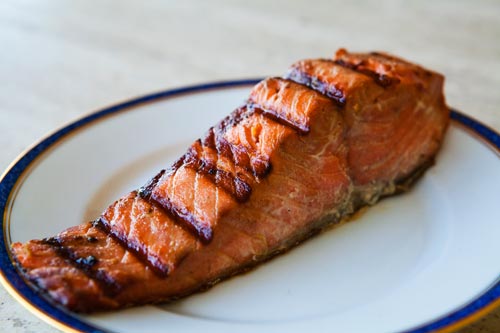
Entrée: Simple Grilled Salmon

Heart-healthy hint: Salmon provides an excellent source of omega-3 fatty acids, which protect the heart by reducing both inflammation and the risk of blood clots.

Source: Simple Recipes

Source: Simple Recipes

Ingredients:

  • 1 pound salmon fillets
  • garlic powder to taste
  • salt to taste
  • 1 teaspoon fresh ginger, grated
  • 1/2 cup soy sauce
  • 1/2 cup brown sugar

Directions:

  1. Season salmon fillets with garlic powder and salt. Grate fresh ginger.
  2. In a small bowl, stir together soy sauce, ginger and brown sugar until sugar is dissolved.
  3. Place fish in a large resealable plastic bag with the soy sauce mixture, seal, and turn to coat. Refrigerate for at least two hours.
  4. Preheat grill for medium heat, and lightly oil grill grate and place salmon on the preheated grill, discarding the marinade.
  5. Cook salmon for about six to eight minutes per side, or until the fish flakes easily with a fork.

~

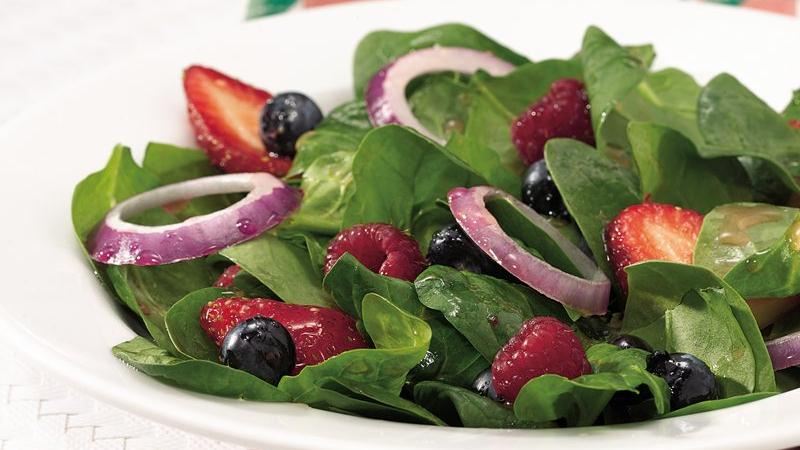
Side: Berry Delicious Spinach Salad

Heart-healthy hint: Leafy greens offer a one-two punch of vitamin E, iron and folate, which helps keep homocycteine levels down, while the berries provide lots of good antioxidants.

Source: Betty Crocker

Source: Betty Crocker

Ingredients:

  • 2 packed cups torn fresh spinach
  • 1/2 cup sliced fresh strawberries
  • 1/2 cup fresh, or frozen, blueberries
  • 1/2 small sweet onion, sliced
  • 1/8 cup slivered almonds, toasted
  • 1oz gorgonzola cheese

Salad Dressing:

  • 1 tablespoon white wine vinegar
  • 1 tablespoon balsamic vinegar
  • 1 tablespoon honey
  • 1 teaspoon Dijon mustard
  • Pinch pepper

Directions:

  1. In a large salad bowl, toss together spinach, strawberries, blueberries, onion and almonds.
  2. In a jar with a tight-fitting lid, combine dressing ingredients. Shake well; pour over salad and toss to coat.
  3. Sprinkle with cheese, and serve immediately.

~

Dessert: Heart-Shaped Chocolate Valentine Cake

(Adapted from Jean Carper, USA Weekend magazine)

Heart-healthy hint: As the grand finale, this cake features a hidden ingredient: Chickpeas. Odd, yes, but delicious nonetheless, and using legumes instead of flour adds fiber and protein and reduces unhealthy spikes in blood sugar.

Source: CS Monitor

Source: CS Monitor

Ingredients:

  • 1 1/2 cups semisweet chocolate chips
  • 2 cups (or 19oz can) cooked chickpeas (garbanzo beans), drained and rinsed
  • 4 eggs or 1 cup egg substitute
  • 1 cup sugar
  • 1/2 teaspoon baking powder
  • 1 tablespoon powdered sugar

Raspberry Sauce:

  • 1/2 cup seedless raspberry jam
  • 2 teaspoons lemon juice
  • 1 pint fresh raspberries

Directions:

  1. In a small bowl, melt chocolate in microwave (two minutes on medium power).
  2. In a blender or food processor, combine beans and eggs. Add sugar, baking powder and chocolate; process until smooth.
  3. Pour batter into non-stick nine-inch heart-shaped cake pan. Bake at 350 degrees for 45 minutes or until a toothpick inserted comes out clean.
  4. Microwave jam in a small bowl until melted (about 45 seconds), and then stir in juice and berries to make the sauce.
  5. When cake is cool, sprinkle with powdered sugar. Cut cake into 10 wedges and drizzle with sauce before serving.

The three stats I track for every workout

photo-7

Although I claim to be mathematically-challenged (much to the chagrin of my dad, who is an engineer), I totally geek out when it comes to workout stats. Whether it’s miles ran, swam or biked, there’s just something so fulfilling about poring over the numbers after a particularly tough workout — not only to celebrate great days and learn from not-so-great ones, but also to set benchmarks for gauging current performance and goal setting.

But the ways in which we can now quantify ourselves is almost getting out of hand: From calories burned, miles traveled, heart rate, steps taken, sleep patterns, weight, etc. — it’s easy to get caught up in quantity to the detriment of quality (i.e. the bigger picture). For example, sometimes I’m so intent on hitting mileage goals with my runs that I’m tempted to swap a stretch session in favor of more time to log miles. Big mistake!

Everybody (and every body) is different, so you’ve got to find what works for you, your lifestyle and your goals, but I tend to think it’s best to keep it simple when it comes to tracking stats. Granted, there are certain times and training cycles where this may change, but as a rule I live by quantifying the following three things for each workout.

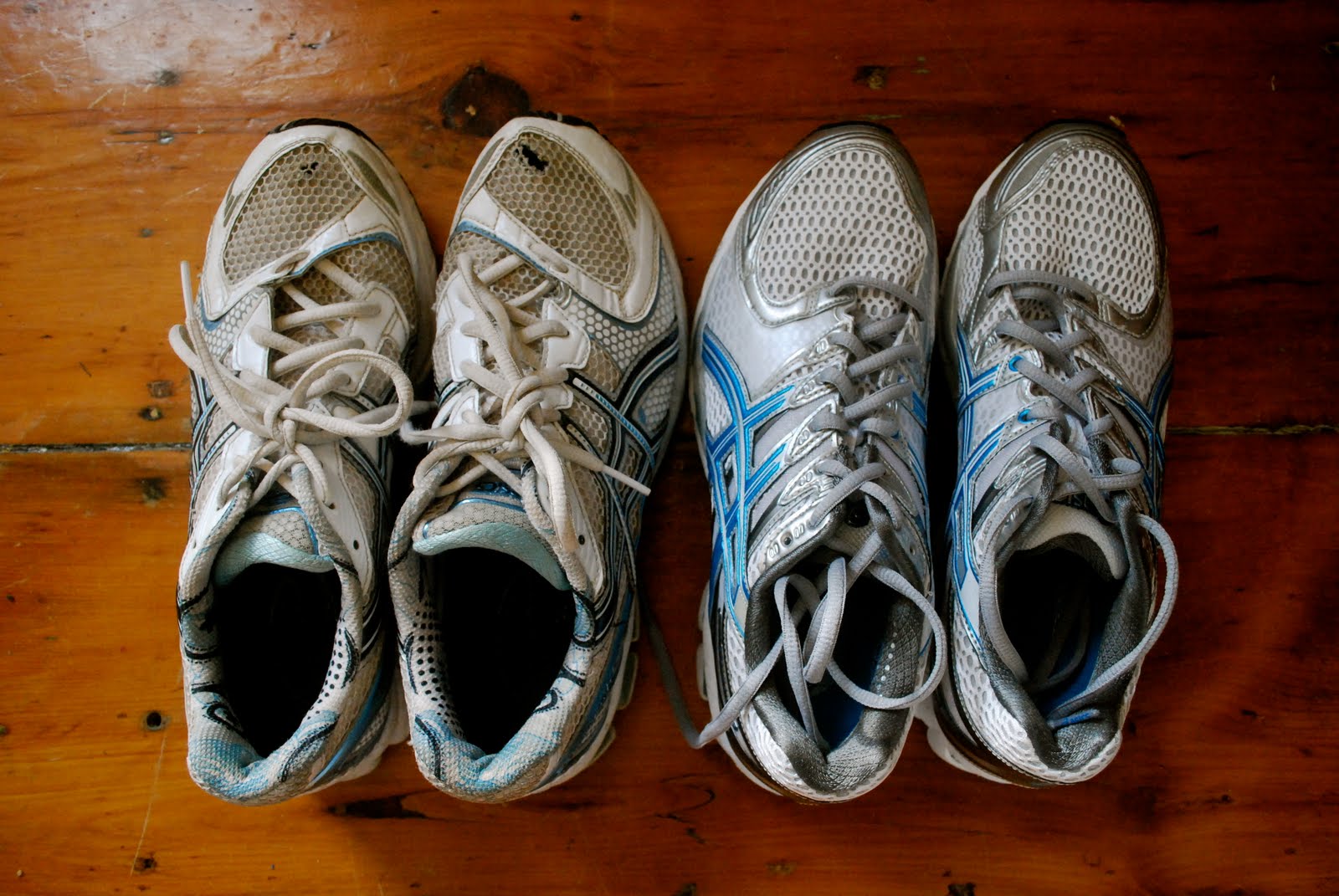
1. Shoe Mileage

Why: I used to run my shoes into the ground (literally) trying to save a few bucks by stretching out their life as long as possible. But when minor aches and pains crept up and morphed into injuries, I learned my lesson: A pair of good shoes that will support and cushion you properly is priceless.

How: Rather than running in one pair until it feels “flat,” I buy two pairs of shoes and rotate them on a weekly basis to give the cushioning time to bounce back. I’m also getting better about tracking actual mileage — one of my goals for 2014 is to figure out exactly how many miles it takes for me to wear my shoes out (the average is about 300-500, depending on the runner) — so I’m keeping a tally on each to know when to rotate future pairs.

Source: OneMomInMaine.com

Source: OneMomInMaine.com

2. Exercise Duration

Why: We’re all time-crunched and multitasking to the max, so it’s easy to get in that mid-workout daze and just power through reps as quickly as possible. But by giving myself a set about of time for each exercise and working out for that entire interval, it forces me to focus on form, which inevitably gives me more bang for my buck in the long run.

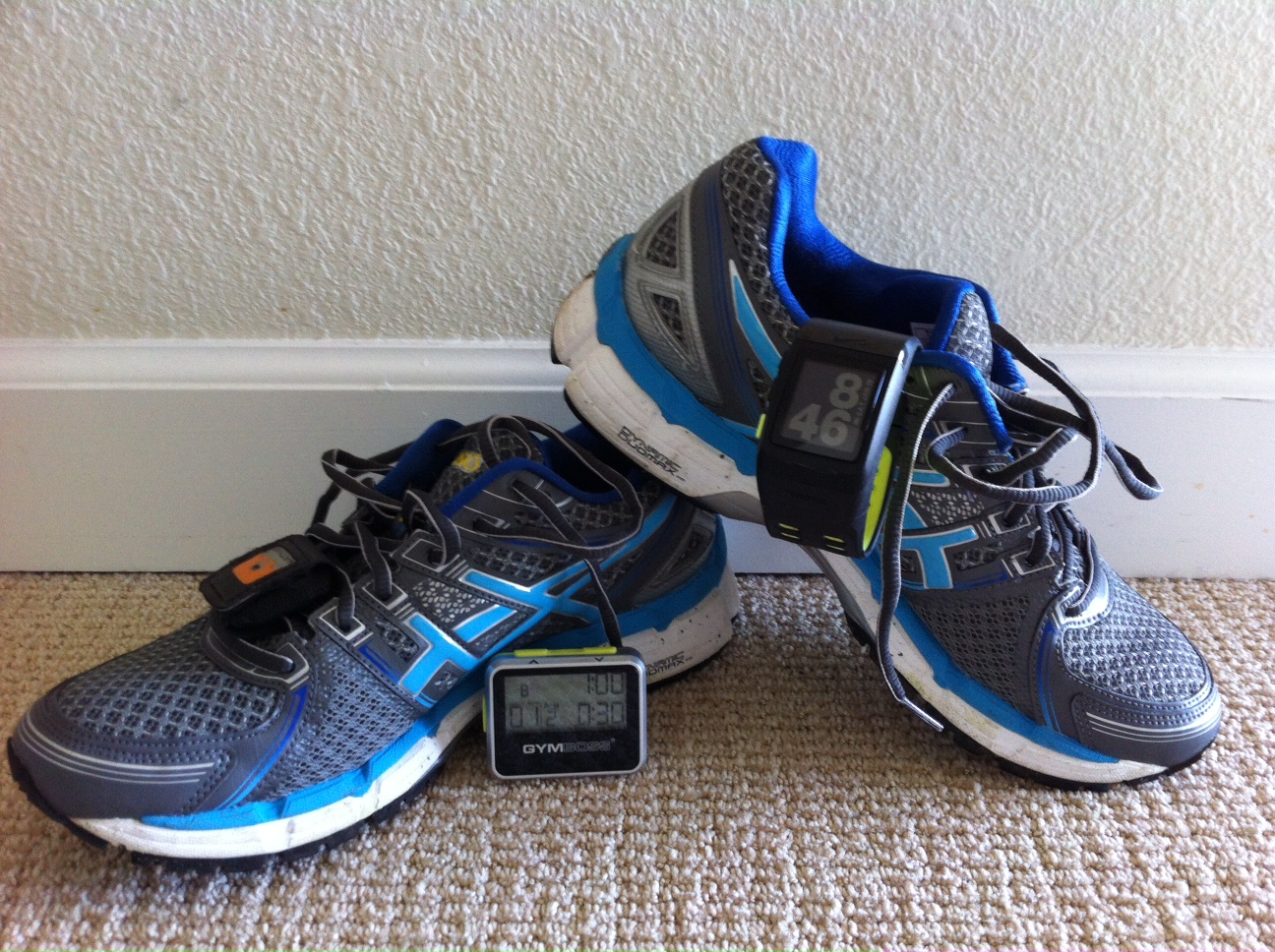
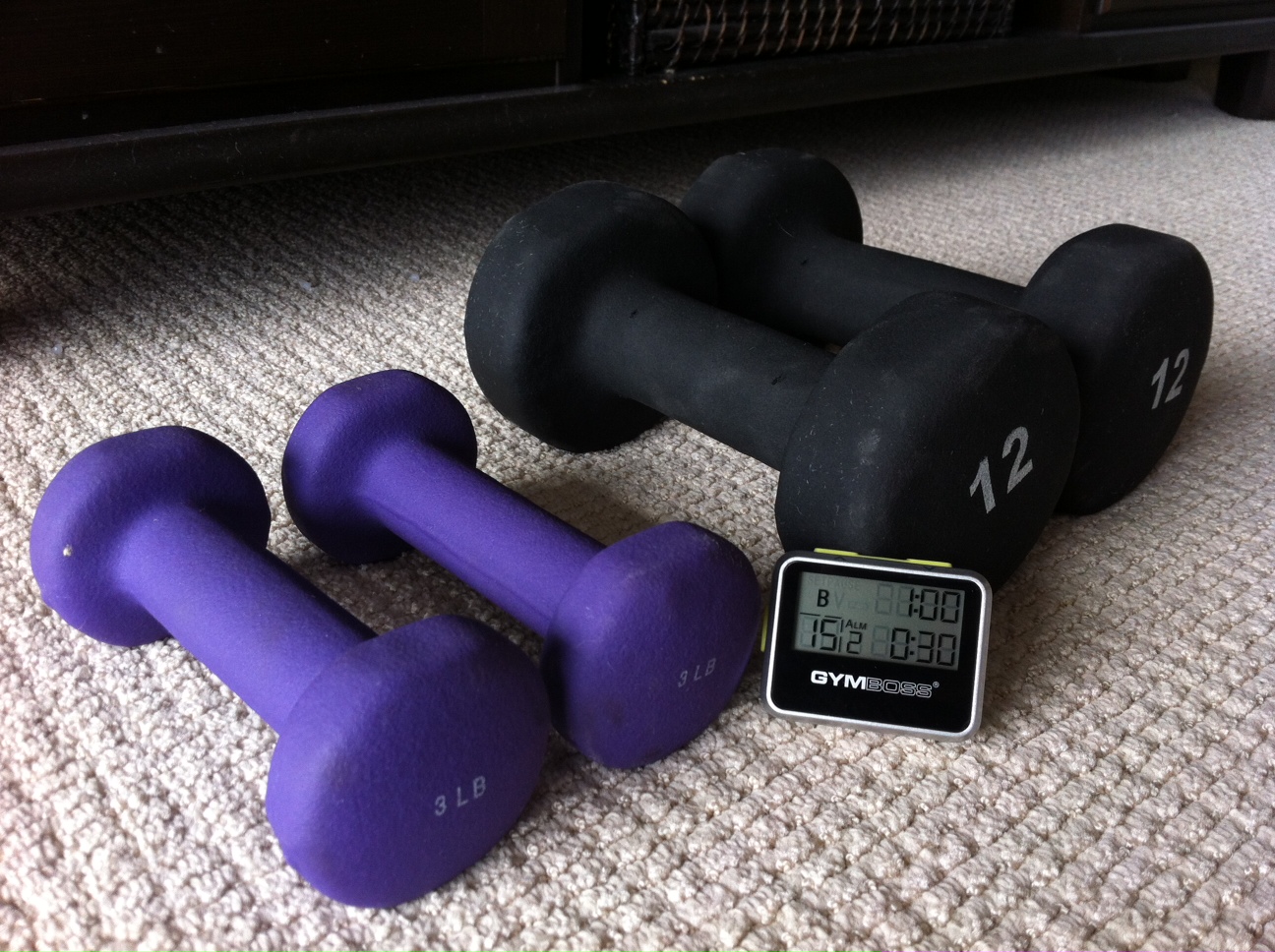
How: Whether it’s with a stopwatch or another kind of timer (my favorite is GYMBOSS because it’s a repeating interval timer, countdown timer and stopwatch all in one), set your segments and actually stick to ’em. You’d be surprised how long 30 seconds feels when you’re working hard — but keep yourself honest, and you’ll see results that much faster.

photo (13)

3. Workout Details

Why: Logging workouts not only provides a sense of accomplishment, but it also allows me to analyze performance, discover trends (i.e. running after a leg day leaves me feeling slow and heavy, so I switch up the schedule for better results), recognize potential issues and injuries, as well as motivate myself to make goals for future sweat sessions.

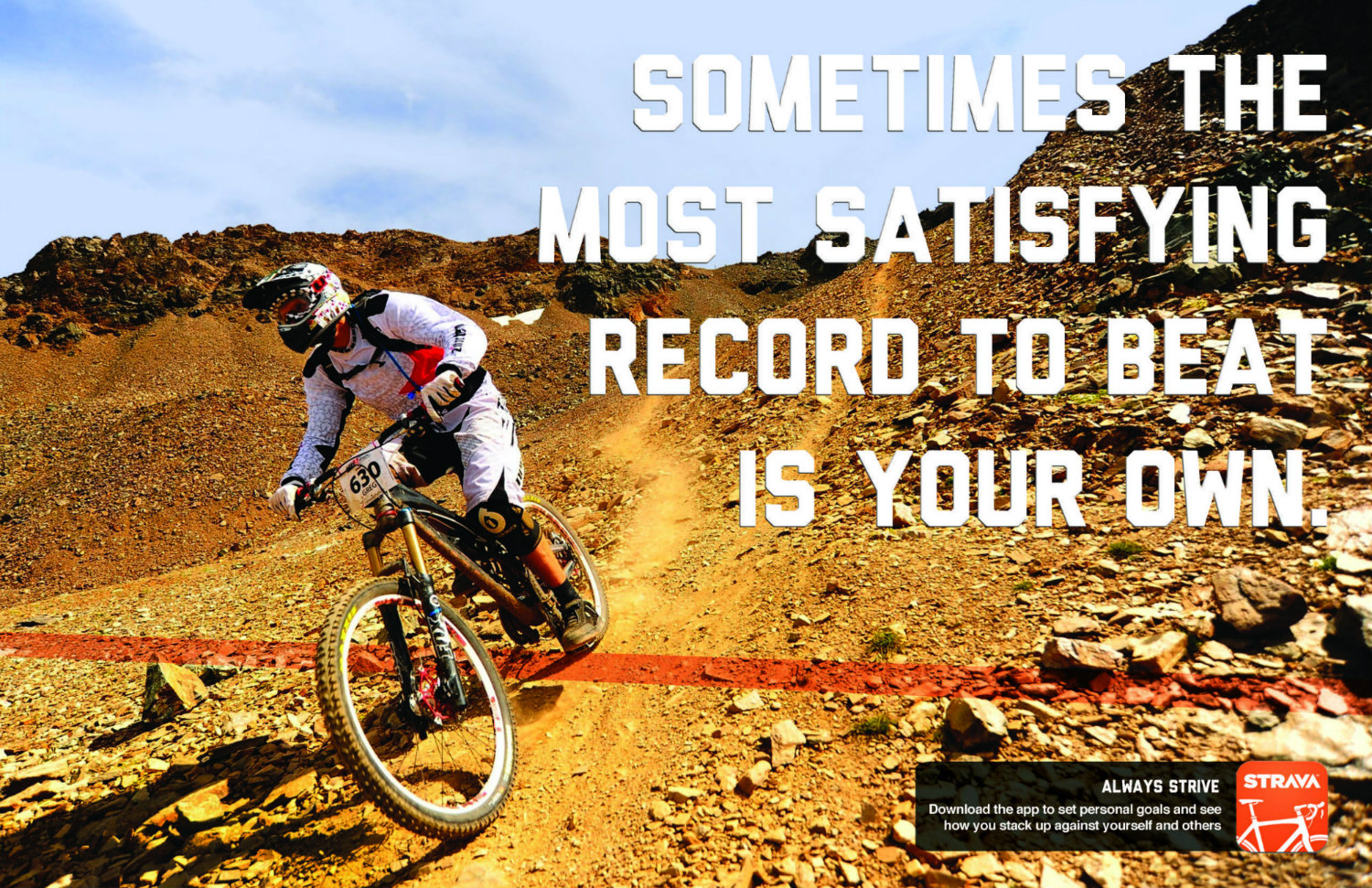
How: I still keep an old-school workout log, which I fill out every day (even on my off days; in fact, it reminds me to schedule them in!) with workout type, details, duration, etc. But you can get as specific as you’d like when recording individual workouts. For example, you might want to use a GPS watch to keep track of pace, distance and other elements of runs (I currently use the Nike+ GPS SportWatch, but have heard enough good things about Garmin to want to check it out), or there are apps and programs that will also help you keep track of workouts in other ways (I use MapMyRun to create routes, and I’m also testing Strava to challenge myself on rides and runs).

However you decide to quantify your workouts — or not — it’s all about finding tools that work with your workout style and allow you to stay motivated, train more effectively and have fun in the process!

STRAVA-biker-resize

What stats do you track when working out? 

DIY Beauty: 7 tips for preventing chapped lips this winter

Source: Daily Star

Source: Daily Star

We may have avoided the Polar Vortex here in the Bay Area, but there’s one winter workout challenge that can creep up regardless of geography: chapped lips.

That’s right, you can thank all that dry air and lower temperatures for completely zapping lips of moisture, and since the skin on this part of your body doesn’t secrete any oils, it’s always more susceptible to drying out.

But there are a few precautions you can take to help prevent that painful tenderness and cracking this season; kiss Cheilitis (that’s doctor-speak for dry, chapped lips) goodbye by doing the following:

Source: Prevention

Source: Prevention

1. Resist the urge to lick. When it comes to moisturizing, saliva is only a temporary solution; it has a drying effect when it evaporates, plus it contains digestive enzymes that can irritate lips.

2. Hydrate from the inside. Cold weather amplifies the dehydrating effects of sweat loss during workouts, so it’s important to rehydrate skin by drinking ample amounts of water. Not sure how much is enough? Do a quick urine check: It should be light in color, almost like lemonade.

3. Hydrate from the outside. If you’re cranking up the heat, it’s important to also infuse the surrounding air with moisture. Run a humidifier in your bedroom to help prevent lips from drying out while you sleep.

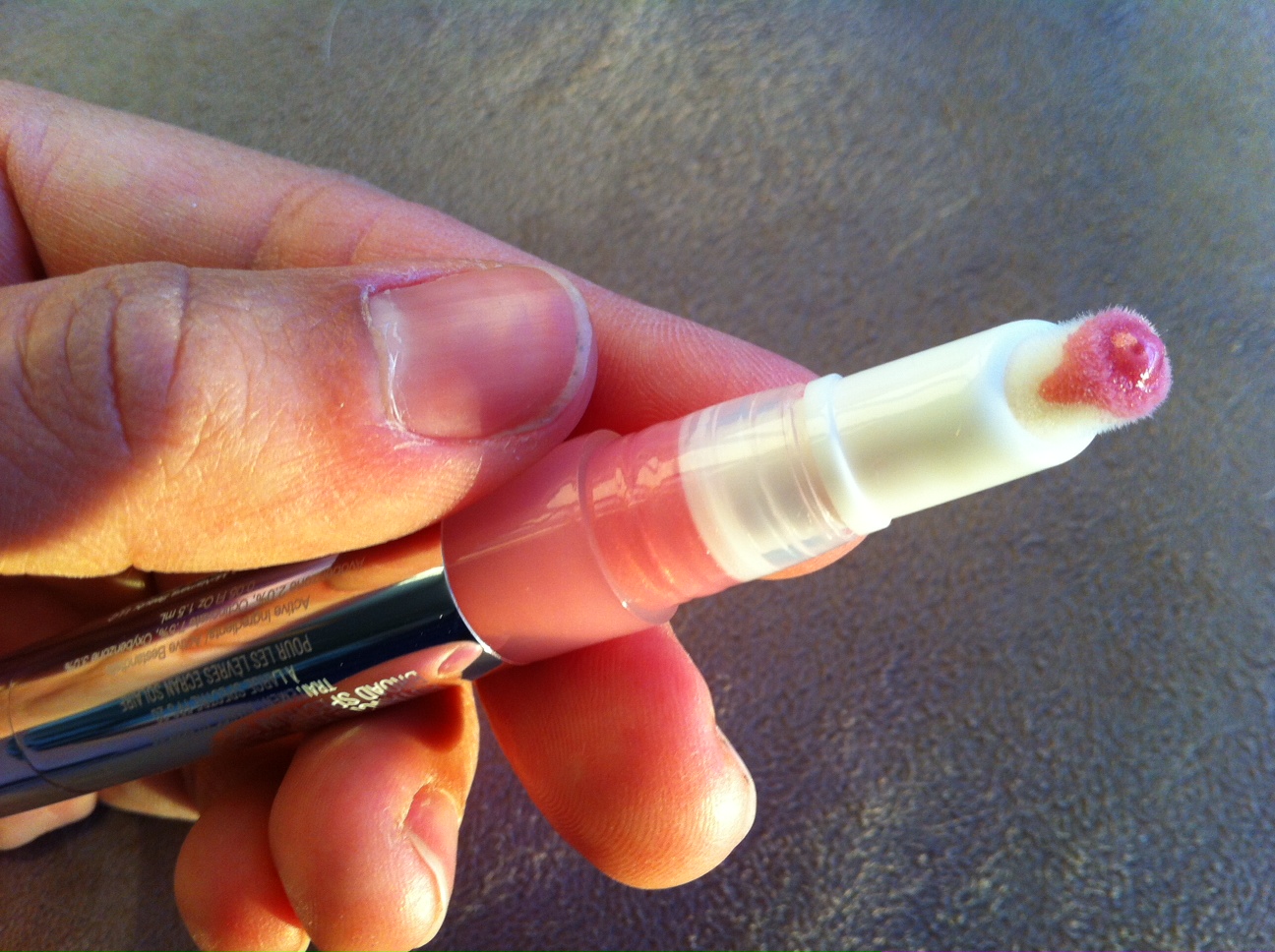
4. Slather on a protective barrier. Keep lips soft and supple with lip moisturizer. I keep a steady stream of balms, glosses and sticks in rotation (mostly because I’m always losing the little buggers), but right now I’m using Miracle Skin Transformer’s Lip Rewind  in “Love” ($24). Shea butter and coconut oil hydrate, SPF and Vitamin E protect, and I like the pepperminty flavor and menthol tingle — plus, $5 of every purchase goes to the Children’s Action Network, a national non-profit dedicated to finding loving families for waiting foster children.

photo-6

5. Stay sun-safe with SPF. Those rays are still strong, so it’s important to protect from dehydration and damage with a sunscreen-enhanced lip balm (see above). For maximum protection, the American Academy of Dermatology recommends a minimum sun protection factor of 30.

6. Cover up with clothing. When the weather’s particularly harsh, take care to cover the delicate skin on your face with a lightweight, form-fitting material, such a scarf or face mask. Not only does it help to warm the air you breathe, but it also defends against severe cold and chapping from wind.

7. Think before you drink. It’s tough when the tendency is to want to curl up with a hot toddy, but try to limit the amount of alcohol and caffeine consumed, as these drinks are particularly dehydrating to skin. Instead, try a warm cup of tea or hot cider, both of which will warm your belly without parching your pout.

How do you keep lips from drying out during winter workouts?

A night with Nike Training Club

photo (2)

When it comes to Kool-Aid, I’ll drink whatever flavor Nike’s got on tap. So when my gal Sam, ambassador extraordinaire, put out the invite for a week-long extravaganza of Nike Training Club events, I knew we were in for a good time.

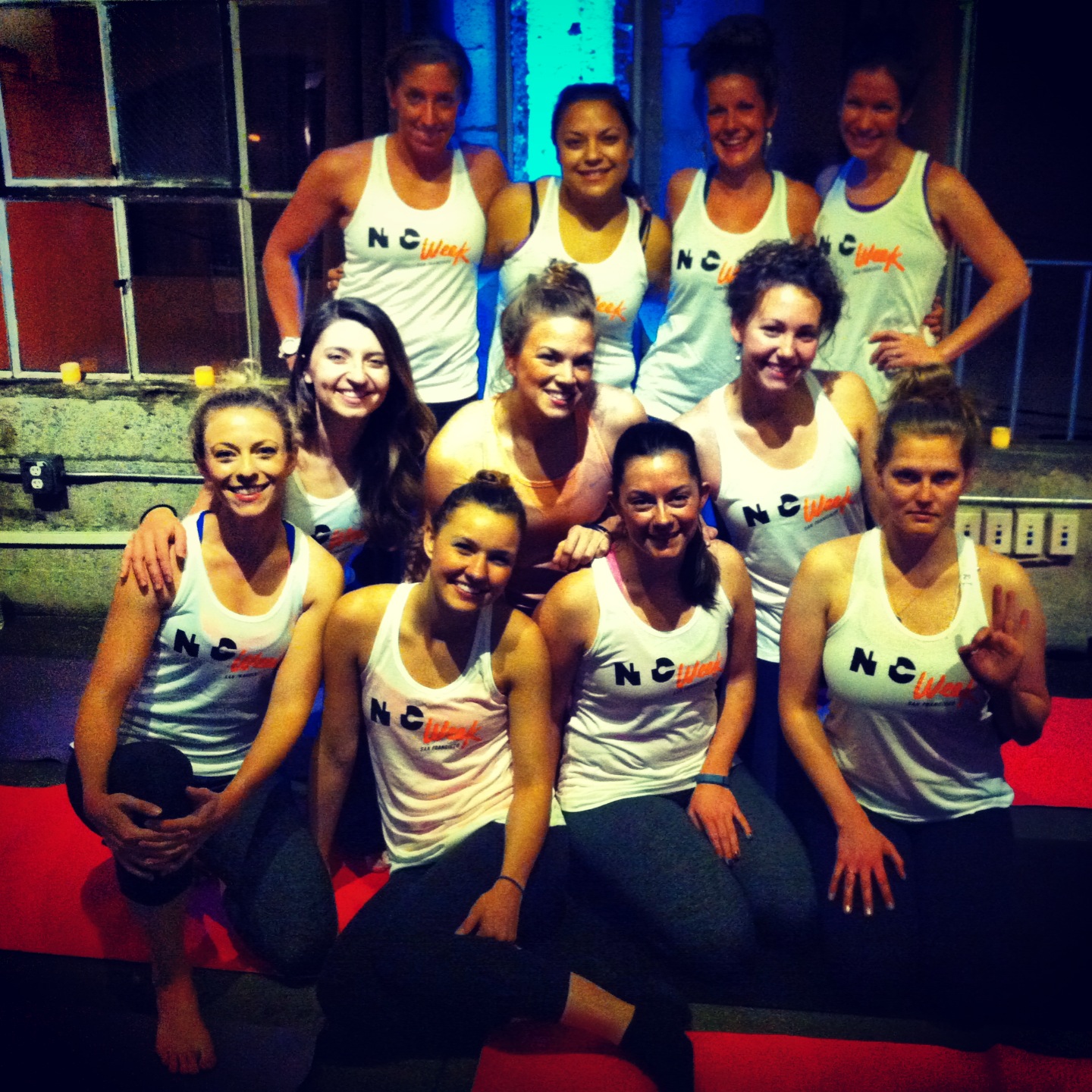
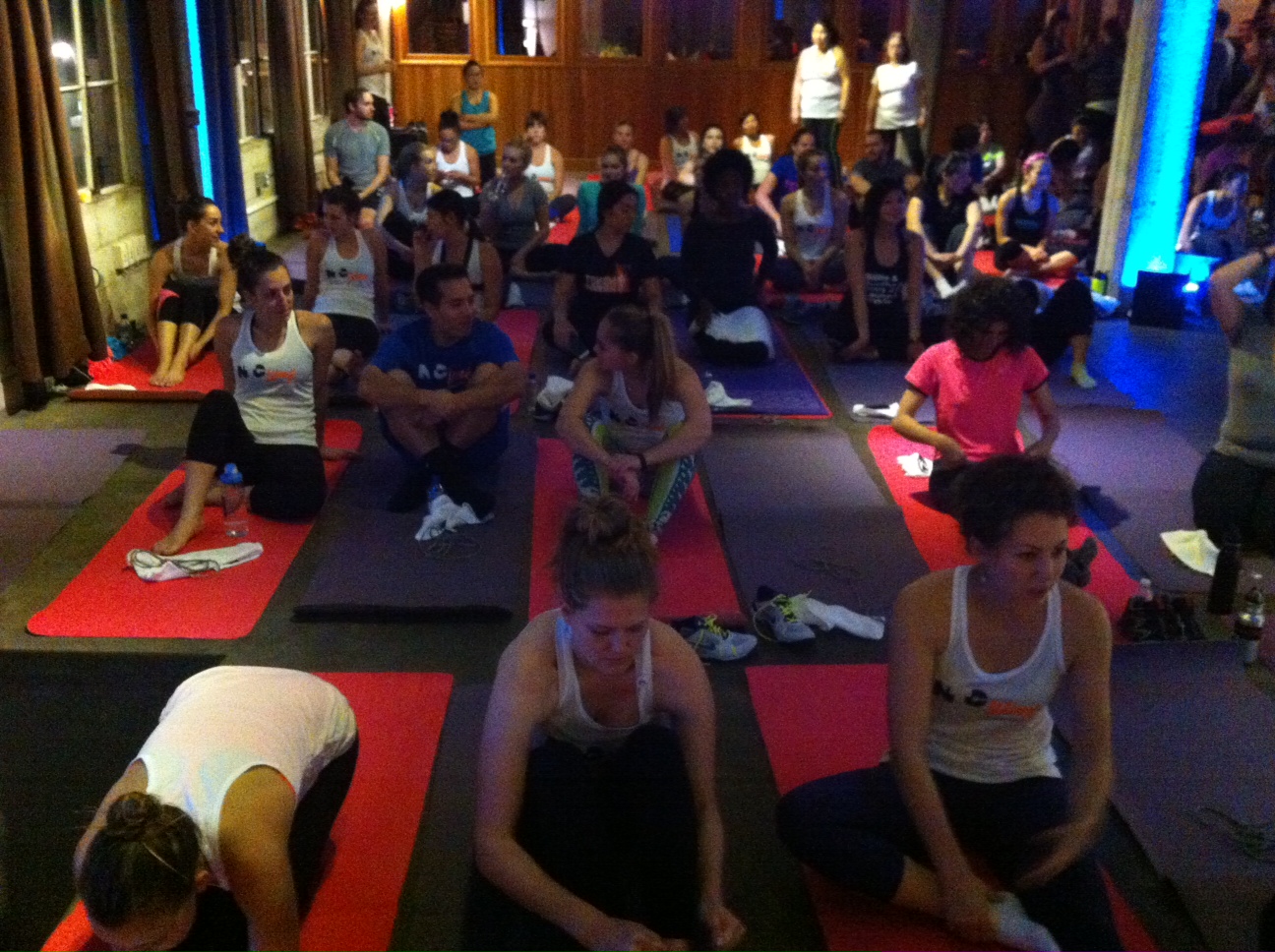
Vivi, my workout partner-in-crime, and I headed down to meet up with the ladies at The Box SF on Tuesday night to check out the yoga session. An instructor from Yoga to the People was on hand to lead us through a Vinyasa Flow class, which was a much-needed (read: mellow) workout after Saturday’s adventure in the bay and Sunday’s long run.

photo (1)

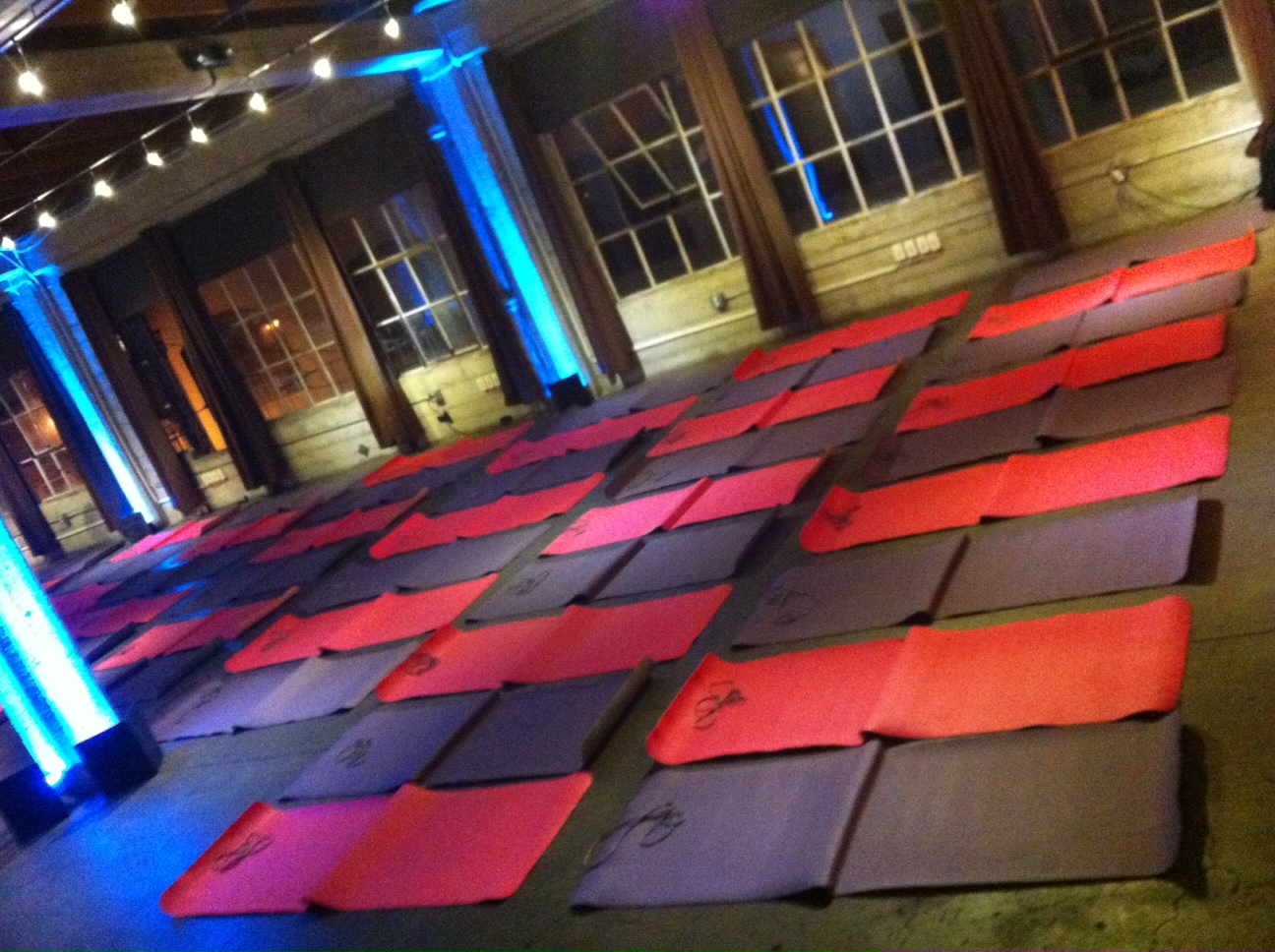
We arrived to  a serene space filled with pink and purple yoga mats. After a checking in and checking our bags, we grabbed a spot up front with some of our fellow November Project peeps (yup, the group that crushes hills together must also work out the quad and hammie kinks together).

And it was a good thing we got there early because the space filled up quickly. Apparently word got ’round about what a blast everyone had at the previous evening’s kickboxing workout; here in SF, we’re like moths to a flame when it comes to serious sweat sessions.

photo (5)

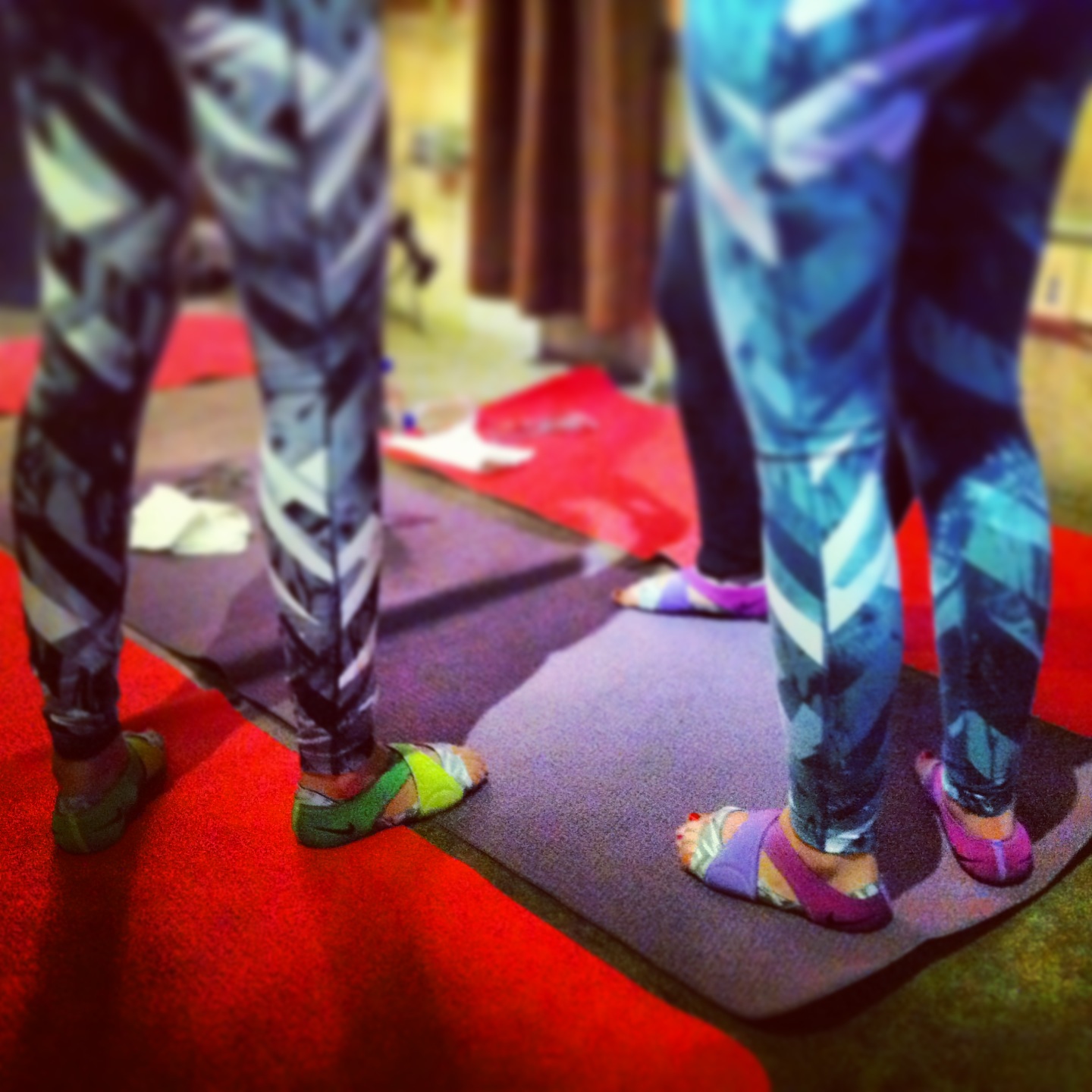
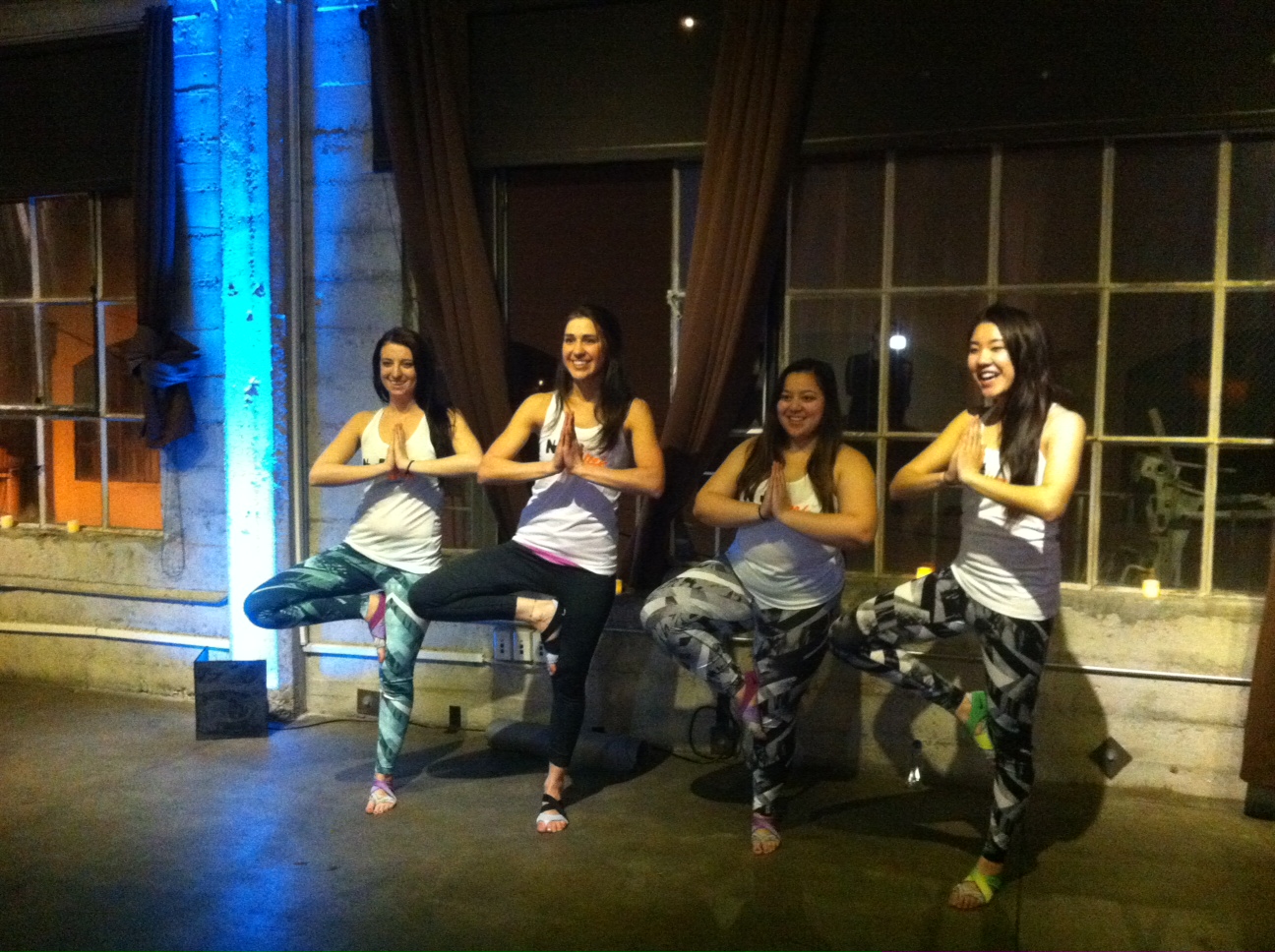
While we got down to business with our vinyasas, the Nike crew snapped shots and filmed the session with GoPro cameras from various angles. A few of the participants also modeled Nike’s yoga gear, so we got to “ooh,” “ahh” and “om” over all the the new fun prints and brightly-colored products in action.

My hands tend to slip more than my feet, so I’m not sure about the shoes/wraps, but I am a sucker for an awesome printed tight. Maybe, just maybe, they’ll get me motivated to hit the mat more often…

photo (4)

After the session wrapped up, we mingled for a bit over snacks and spa water before a good chunk of the group was bussed back to Niketown. If definitely got me interested in the weekly NTC classes, and I’m hoping to hit another event or two — tonight is a barre class, Friday’s a run along the Embarcadero, and Saturday is another NTC workout at Niketown — to round out the week.

Wanna join in on the fun? Check out the NTC Facebook page to see if your area’s participating. If not, there’s always the option of living vicariously through the NTC app — I can’t speak to it yet, since I just downloaded it myself to test, but at first glance it looks like a great resource for some hardcore home workouts, courtesy of Nike’s pro athletes and master trainers.

photo (3)

Have you tried the NTC workouts? If so, what did you think?

Hope you’re having a happy, active week!

Are you guilty of one of these workout time wasters?

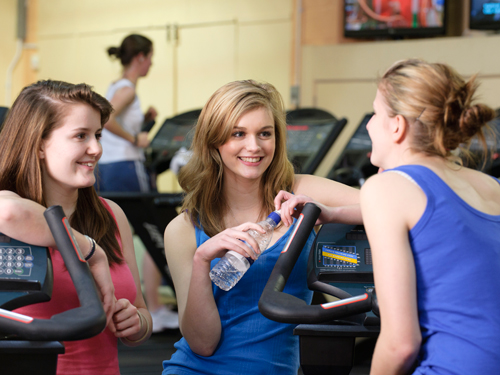
girlfriend-girls-chatting-gym

We’ve all had those days when, even with the best of intentions, your workout gets sidetracked once you set foot in the gym. But with time at a premium, efficiency is a critical part of the fitness formula is you want to keep making progress.

“Almost everyone could benefit from getting a more effective workout in less time and reaching their goals sooner,” says Jennifer Beaton, VP and general manager at Western Athletic Clubs and a certified personal trainer at Bay Club San Francisco.

So take a look at these four common workout time wasters, and make a mental note to avoid them if you want to maximize your next trip to the gym:

1. Excessive rest. All those minutes spent sitting on the bench staring at your watch really add up. “If you can sit down and read the paper between sets, you are likely resting too long,” warns Beaton. To see better results with the very same moves, and to optimize your time, try super-setting exercises, such as push-ups and squats, to allow rest of a muscle group while you work another muscle group. Replacing station rest with active rest such as 30 seconds of high intensity cardio can also optimize calories burned and muscle recovery.

2. Steady-state cardio. In other words, those marathon (no pun intended) treadmill sessions. “We see many members who do the same 60 minutes of cardio at the same intensity every day for 15 years. These individuals no longer see improvements and often start to see declines in overall condition. They would benefit by mixing up their routine, adding intervals and high intensity work,” says Beaton.

3. Isolation exercises. “Life is full of dynamic movement, and therefore our workouts should simulate and enhance those efforts by using multi-joint, compound movements, such as squats, lunges and pull-ups as opposed to, for example, adductor/abductor machines or bicep curls. To get the most bang for your buck, focus on performing movements that recruit as many muscles as possible; those smaller secondary muscles will get plenty of work as they support the larger muscle groups during those movements,” Beaton adds.

4. Endless crunches. Likewise, if your goal is a great-looking midsection, ab-isolating exercises may miss the mark. “I often see people doing 15-20 minutes of crunches in hopes that it’ll deliver six-pack abs,” says Beaton. “Their time would be better spent on nutrition, a solid full-body strength routine, and a balanced cardiovascular program.”

How do you make the most of your time at the gym?

Fave Fix: Workout fuel with hidden health benefits

Source: ACE Fitness

Source: ACE Fitness

You’ve made the commitment to get more active in 2014, but they key to keeping that promise — and actually seeing some return on your investment — is fueling your body properly to help keep it strong, energized and less susceptible to illness.

This also means that, regardless of your goal (whether it’s to rock a race or lose a few lbs), it’s important to think about diet and exercise as a package deal rather than an either/or proposition.

With that in mind, here are a few of my current favorites for getting revved up for — and recovering after — your next sweat session.

To Fill the Tank: Corazonas Oatmeal Squares

Source: Corazonas

Source: Corazonas

As far as packaged snacks go, Corazonas Oatmeal Squares are a great option for when you’re on the go and want a filling, fiber-rich, whole-grain mini-meal. I eat mine en route to morning workouts but also stash a few in my workout bag to keep away the afternoon “hangries.”

Each square contains six grams of protein and five grams of fiber, tucked into delicious flavors, such as Chocolate Brownie & Almond, Banana Walnut and Cranberry Flax. Plus, every bar is infused with plant sterols, which are proven to help lower cholesterol.

Corazonas

To Maintain Muscle: Sambazon Protein Chocolate+Almond+Coconut Milk

Source: Sambazon

Source: Sambazon

Packed with organic, whole-food protein to build lean muscle and healthy omegas to help keep you full longer, Sambazon’s Protein Chocolate+Almond+Coconut Milk features a hearty blend of açaí berries with chocolate, coconut milk and a hint of almond. I like to drink it within that 60-minute window after a particularly tough workout to help replenish, rebuild and repair muscle.

The company also has a cool back-story worth mentioning — Sambazon was started by surfers in Southern California and operates under a philosophy called the Triple Bottom Line, which not only measures success economically, but also socially and environmentally. That means they’re organic, believe in non-GMO and support fair trade, which means it’s “good” food on a few different levels.

Sambazon

To Stave Off Sickness: GoodBelly Probiotic Fruit Drink

Source: GoodBelly

Source: GoodBelly

Since 70 percent of the body’s immune system dwells in the digestive tract, a properly functioning digestive system is essential to maintaining overall health (especially when you’re in a training cycle during cold and flu season!). And I’ll take every bit of help I can get to stay well, which is why I’ve swapped out my regular morning juice for GoodBelly’s Probiotic Fruit Drinks.

They contain contain Lactobacillus plantarum 299v (LP299V®), one of the most well-studied probiotic cultures available on the market, which has a superior ability to survive the stomach’s harsh acidic environment in order to inhabit the intestine and was initially developed for use by gastroenterologists in Sweden to help their patients recover from surgery. Each serving contains a whopping 20 billion live and active probiotic cultures to promote healthy digestion.

Wanna check it out yourself? Try GoodBelly’s 12-Day Challenge where you can get a discount on a 12-day supply.

GoodBelly

What are your favorite pre- and post-workout fuels? 

Thanks to the folks at Corazonas, Sambazon and GoodBelly for providing samples for review; all opinions are my own. 

Don’t throw in the towel: 5 tips for sticking to New Year’s resolutions

Source: Paula Bronstein/Getty Images

Source: Paula Bronstein/Getty Images

We all know that making New Year’s resolutions is easy. Keeping them for the next 360-odd days? That’s the tricky part.

But you’re not alone in the annual struggle – by now, almost one-third of Americans will have already cheated on their resolutions, according to a study conducted last year by research and consulting firm YouGov.

The silver living, though, is that there are a few simple strategies to make those resolutions stickier – and help preserve your sanity in the process:

1. Keep your eyes on the prize. We’ve all heard the expression, “Out of sight, out of mind.” Well, the same applies to resolutions; whether it’s a gym class calendar taped to the fridge to remind you to hit up the weekly spin class or a mantra stuck to the bathroom mirror to cue positive self-talk for the day, put it out there – front and center.

2. Eat it like an elephant. How, you ask? One bite at a time! A large, long-term goal is great, but by breaking it into smaller pieces you get to enjoy the satisfaction of achieving each of the smaller goals. And a series of incremental accomplishments will keep you on track and make you feel good, whether or not you actually go on to accomplish your ultimate goal.

3. Aim for a 30-day stretch. It takes about a month to form or change a habit, if you’re focused and consistent with it. This is just a ballpark number and can vary from person to person and habit to habit, but starting with a 30-day challenge is often just the jump-start needed to form your desired routine.

4. “Don’t let the perfect be the enemy of the good.” Heed these wise words from French philosopher Voltaire, and instead of pushing yourself to an unattainable “perfect,” accept that “good” really is enough. Forget the all-or-nothing mentality; aim for 80 percent, and avoid that inevitable cycle of self-loathing when you need a day off from the gym or indulge in dessert at dinner.

5. Think like Pavlov. We all know that following through on a resolution can take some perseverance, but a little positive conditioning can go a long way. Buy some new workout gear for the gym, plan a mini trip to keep stress levels low, or even splurge on a fancy piece of kitchen equipment to encourage more dining in. Whatever it is, celebrate your successes – and ensure future ones – by treating yourself to something that’s fun and in support of your resolution.

What helps you stick to your New Year’s resolutions? 

Resolution rehab: Strategies for a healthier 2014

Source: Dreamstime

Source: Dreamstime

You’ve said it before, and you’ll say it again, “THIS will be the year I finally get in shape/lose some weight/run that race/go to the gym/eat better/etc.” But right about now, many of us find ourselves in the same predicament: creating excuses for the past and making more vague promises for the future.

But it’s not to late to get back on track and break the resolution-relapse cycle in 2014. Challenge yourself to make this year different; keep these guidelines in mind, and you’ll be well on your way to conquering those goals for the New Year:

– Change your mindset. “Resolution” has become a four letter word. Few people keep them, and most forget about them come February. So instead of feeling destined for failure, think about resolutions in terms of slow, sustainable lifestyle changes rather than cold-turkey cutoffs.

– Make it measurable. Saying that you want to “lose weight” in 2014 won’t cut it; you’ve got to define the goal and give yourself deadlines to keep things on track. For example: “I will lose one pound every two weeks for the next six months,” or “I will do three cardio sessions and two strength training sessions per week.”

– Be realistic. If you know something hasn’t worked on the past, it’s time to try a new approach instead of hitting your head against the wall over and over again each year. Positioning yourself for success means starting with do-able changes and building from there, versus choosing a grandiose goal that you know is long shot.

– Don’t expect perfection. It’s important to avoid an all-or-nothing mentality because slip-ups are inevitable. So instead of allowing a setback to completely derail you from your goal, accept it as a learning experience and move on. In the wise words of my grandfather, “Tomorrow is another day.” So don’t let today’s mistakes impede tomorrow’s successes.

– Pace yourself. Remember that the tortoise’s wisdom always rings true: Slow and steady wins the race. Rather than going full bore for a week only to end up exhausted and worn out (or worse – injured), think of your goals in terms of its longevity.

– Hold yourself accountable. Even the most committed people have peaks and valleys in enthusiasm, so use a log to track your progress and ensure you’re continually making strides towards your bigger objective. See yourself slipping? Readjust, step up your effort and get back on track before you veer too far off course.

– Don’t go it alone. Whether you thrive on the support or competitive spirit of the buddy system, there’s no doubt that having a partner in crime packs a punch towards tackling those goals. So find a like-minded friend and keep each other honest – while still managing to make the experience a fun one.

– Celebrate successes. You’re working hard, so be sure to reap the rewards along the way in order to stay inspired. Lost some weight? Buy a new shirt to show off for date night. Adopted healthy eating habits? Allow yourself one “cheat treat” a week to give yourself something to look forward to. Made it to every gym appointment this week? Schedule a massage to soothe those tired muscles. After all, you’ve earned it!

How will you make sure your resolutions stick this year?