The lighter side of spring meals: Popovers

At around 100 calories each, popovers are a great alternative to heavy biscuits in spring meals

At around 100 calories each, popovers are a great alternative to heavy biscuits in spring meals.
Photo credit: Sunset Magazine

Ditch heavy biscuits in favor of delightfully fluffy puffs this spring; you’ll not only save calories, but also impress holiday guests with this simple – yet elegant – recipe.

Not yet a popover pro? Here are a few tips for foolproof poufs, thanks to Sunset magazine:

  • Beat the batter just until smooth; over-beating can break up the egg’s protein structure
  • To allow for expansion, pour batter into every other cup if your muffin tins have less than one inch between cups
  • Fill cups 3/4 to almost full, so batter can pop up over the edges
  • Puncture popovers once they have puffed and the shell has set to release the steam before returning them to the oven to firm up
  • Oven temperature is critical – hot enough to allow puffs to expand quickly, but not so hot that they set before ballooning

Popovers (Serves 6)

Ingredients:

  • 1 cup fat-free milk
  • 1 cup all-purpose flour
  • 1/4 teaspoon salt
  • 4 egg whites

Directions:

  1. Preheat the oven to 425 F
  2. Generously coat six large metal or glass muffin molds with cooking spray before heating them in the oven for two minutes
  3. In a large bowl, add the milk, flour, salt and egg whites; using an electric mixer, beat until smooth
  4. Fill the heated muffin molds 2/3 full, and bake in the top part of the oven until golden brown and puffy, about 30 minutes
  5. Serve immediately

Note: Popovers pair well with both savory and sweet fillings: For a breakfast treat, split them open and spoon in scrambled eggs; top with cheese and salsa. And for a decadent dessert, slit popover tops open and fill with a scoop of  low-fat ice cream; top with fresh fruit.

Damage:

Serving size: 1 popover

  • Calories 101
  • Cholesterol 1 mg
  • Protein 6 g
  • Sodium 152 mg
  • Carbohydrate 18 g
  • Fiber 0.5 g
  • Total fat trace
  • Potassium 98 mg
  • Saturated fat trace
  • Calcium 42 mg
  • Monounsaturated fat trace

For more nutritious takes on traditional recipes, go to the Mayo Clinic’s website here.
Gel manicures: Nail friend or foe?

AP_01_12_2013_46438570_L-638x445

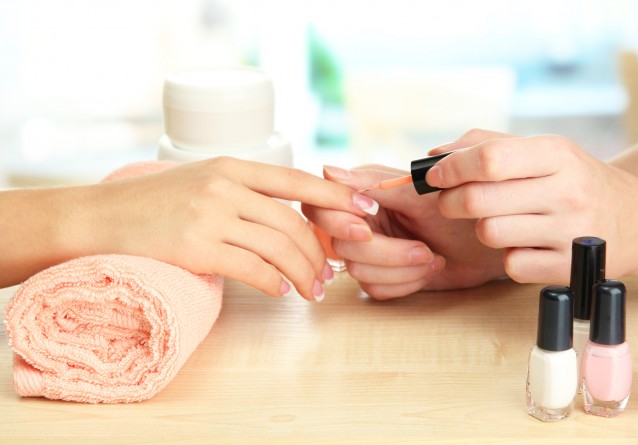
If you’re like me and have jumped on the gel manicure bandwagon in an attempt to find a quick-drying, more durable substitute for traditional nail polish, you may soon be on the hunt for another alternative.

Dermatologists are concerned that this latest nail fad can cause problems, such as nail thinning associated with brittleness, peeling and cracking, especially with frequent use. And, what’s more, it can camouflage nail disease if done repeatedly.

“In general, any manicure left in place for an extended period of time is not a good idea because you are not seeing what is going on underneath the nail polish,” said Chris Adigun, MD, FAAD, a board-certified dermatologist and assistant professor of dermatology at The Ronald O. Perelman Department of Dermatology at New York University School of Medicine in New York.

In fact, in one study, women who had reported nail weakness, brittleness and thinning from gel manicures were examined by dermatologists, who attributed these symptoms to the gel manicures. It’s unclear, however, whether these side effects are due to the chemicals in the gel nail polish or the skin-irritating acetone soaks used for removal of the polish.

Dr. Adigun noted that while occasional gel manicure doesn’t pose a serious threat to nail health, she does advise women who frequently receive these manicures to be aware of the potential risks with repeated use. And for women who experience nail problems due to gel manicures, she offered a few helpful gel manicure “diet” tips:

  • Limit the frequency of gel manicures to decrease consequences of chemical and physical trauma
  • Wear a broad-spectrum sunscreen on hands to minimize UV exposure during the curing process
  • Ask manicurists not to push the cuticle to avoid potential inflammation, infection and dryness
  • Rehydrate nails daily with petroleum jelly to reverse signs of brittleness, thinning or chipping
  • Refrain from using tools or chipping gel nail polish with other nails to remove polish
  • Decrease skin irritation by only soaking nails in acetone, instead of whole hands or fingers
  • See a board-certified dermatologist if you notice any unusual changes to your nails

“As is the case with most things, moderation is the key when it comes to gel manicures,” said Dr. Adigun. “If you get [gel manicures] regularly, you need to be aware of the possible consequences and see a board-certified dermatologist if a persistent nail problem develops.”

6 ways to spring clean your workout routine

spring-fitness

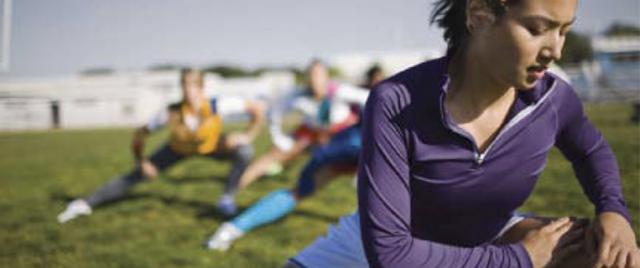
Spring is in the air, and there’s no better way to kick off a healthy start to the season than by getting some new gear, revamping your diet and freshening up that stale winter workout routine. Here are six tips to get you started.

  • Set your baseline. Only about 20 percent of Americans get an annual check-up, but it’s critical to keep tabs on things like blood pressure, cholesterol and vitamin deficiencies before diving into any new workout program.
  • Shake things up. The best way to bust out of a rut is to turn an old habit on its head; swap evening sweat sessions for early morning exercise, try playing with portioning instead of calorie counting, etc.
  • Clean out the fridge. Toss old, expired items, then keep a critical eye out for anything low in nutritional value (soda, processed meats, ice cream). And while you’re at it, raid the cupboards to rid yourself of unhealthy holiday leftovers.
  • Try a new workout. Now’s the perfect time to pick a new program that will really challenge your body and prevent plateauing. But keep it simple; if you subsist solely on cardio, add some weight training – or start a 60- or 90-day program, such as Les Mills Combat, for example.
  • Commit to a race. Adding a goal gives workouts a greater purpose than losing weight or fitting into skinny jeans. Research local road races, and start with a beginner-friendly 5K distance (see Cool Running’s Couch-to-5K program here for inspiration)
  • Get some new gear. Spring is also a great time to update your workout wardrobe. Replace worn-out items with shorts, tanks and tees in breathable, moisture-wicking fabrics. And don’t overlook sports bras, which only have a life span of about six months.

5 tips for building a healthier Easter basket

Easter eggs // Ostereier

Easter eggs // Ostereier (Photo credit: Wikipedia)

While Halloween still reigns supreme in candy consumption, Easter ranks as the second most sugar-laden occasion of the year for Americans.

According to the National Retail Foundation, nine in 10 (90.5%) of us will stock up on candy for the holiday, spending an average of $20.66 on jelly beans, chocolate and more.

The folks at DegreeSearch even created this interesting infographic, which doesn’t sugarcoat our less-than-healthy habits during this pastel-themed holiday.

Check out these startling stats:

  • Americans buy more than 120 million pounds of candy for Easter (enough to max out 4,615 dump trucks!)
  • 16 BILLION jelly beans are made for Easter every year
  • More than four million peeps marshmallow chicks and bunnies are made per day for Easter
  • Chocolate bunnies are one of the most popular chocolates made, with 90 million made just for Easter every year
  • 76 percent of Americans believe chocolate bunnies should be eaten ears first

If you’re indulging but still trying to keep weight management in mind, consider making a few small changes to keep your family from going into sugar shock this year:

  1. Forgo some sweets in favor of other treats, such as toys, books or small tech accessories
  2. Refrain from buying in bulk; it’ll save you from breaking into your favorites and skimming off the top
  3. Feed kids breakfast before breaking out baskets or hitting the local Easter egg hunt (that goes for parents, too)
  4. Partition booty from the Bunny into three piles immediately: Enjoy now, freeze for later, give away
  5. Finally, forget deprivation; DO partake in moderation, whether it’s a big-eared bunny, puffy peeps or those seriously addictive Cadbury Mini Eggs (my personal favorite!)

Healthy office habits: 10 ways to squeeze some fitness into your work day

Find your workday zen: Stretching at your desk at regular intervals relieves tension and tight muscles

Find your workday zen: Stretching at your desk at regular intervals relieves tension and tight muscles

If you’re pressed for time – or just not feeling the gym – there’s still hope for staying in shape despite a hectic weekly schedule. Read on for 10 tips for incorporating a focus on fitness into your work day.

  1. Eat breakfast: A healthy day at the office starts before you leave the house. Eating breakfast not only stokes metabolic fires and staves off late-day junk food binges, but it also improves concentration, allowing you to tackle mid-morning challenges with ease.
  2. Step to it: Forget about jockeying for the spot closest to the door; instead, park across the lot and hoof it in. It adds mere minutes to your commute, but walking those few extra steps burns calories, gets blood pumping and charges you up for the day ahead.
  3. Take the stairs: Unless you’re in a skyscraper (no, three floors does not count), taking a few flights up and down is a great way to bookend your workday with exercise. Bonus points for storming the stairwell at lunch and during bathroom breaks!
  4. Forgo the phone: Tempted to send a quick email or call that colleague down the hall? Let your legs do the walking instead of your fingers, and you’ll burn some calories and make a healthy face-to-face connection.
  5. Make errands work for you: Set your trash walking-distance from your desk, go to the printer at the end of the aisle, hit the mail room once a day, etc. Forcing yourself to get up at intervals throughout the day is good for both mind and body.
  6. Brown bag it: Save time, money and calories by packing your own lunch. Sure, it takes a few minutes each weekend to portion out five days of healthy meals, but it pays off when you’ve got a nutritious and delicious grab-and-go meal to ward off the afternoon slump.
  7. Eat, then hit the street: Enjoy your lunch, but use the second half of the hour to get outside, stretch your legs and breathe some fresh air. Taking that  time to clear your head allows you to attack the afternoon while others are battling a fast-food coma.
  8. Stretch it out: Prolonged sitting in front of the computer can be a pain in the neck – literally. Every hour or so, try to take a few minutes to perform some simple desk stretches that can help ease muscle tightness and tension.
  9. Don’t forget to hydrate: Water is vital to many of the body’s functions, so regular intake of fluid is important throughout the day. And since the brain is 90 percent water, proper hydration leads to better concentration, productivity and alertness.
  10. Snack smart: Looking for an extra boost between meals? A combo of carbohydrates and protein will help maintain blood sugar levels and stave off cravings, so stock your desk full of fruit, cheese, crackers, nuts and other goodies to avoid the afternoon siren song of the vending machine.