#SwimmerProbs: Getting rid of my ‘chlorine cologne’

Skincare_swimming

When it comes to swimming, I’m somewhat of a late bloomer. When I first started training for my triathlon, I’d wear the smell of chlorine like a badge of honor: It meant that I had stuck to the day’s training schedule, rising in the dark to trade the warmth of my bed for the rude awakening of a cold-water plunge.

But after a few weeks, the romance quickly faded…not unlike my hair color. To add insult to injury, my skin was also feeling itchy, tight and irritated.

In my search for an effective, inexpensive (hey, all that tri gear isn’t cheap) solution, I stumbled upon TriSwim, a line of chlorine-out hair and skin care that worked like a charm. So much so, in fact, that I tested the other two products in SBR Sports, Inc.’s portfolio — Foggies (anti-fog cleaning wipes) and TriSlide (spray skin lubricant) — with the same success.

That’s when I knew I had to speak with Karen Allard, company founder, mom of four and competitive triathlete. She called me from her home in Southern California to answer a few questions I had about her products, how the company came about, triathlon tidbits (her fave race is Ironman 70.3 Vineman), as well as advice for women who want to break into the field.

Source: Coast Magazine

Source: Coast Magazine

Kinetic Fix: Tell us about your athletic background & how you got the idea for SBR Sports, Inc. 

Karen Allard: I come from a long line of entrepreneurs and grew up business-minded. I was a triathlete, a USET coach, and I owned a triathlon team in Southern California, which meant I was always in a pool, sometimes four to five days a week. My hair was just getting trashed.

I saw a need for a salon-quality line that would take away chlorine without stripping hair, but I also wanted to keep the price low for athletes (because the last thing they want to spend more money on is personal care products!). We take such good care of our equipment and nutritional needs that we often neglect skin and hair care — until it’s too late. So what started as more of a project turned into a business.

KF: How did the product line grow from there? 

KA: Well, I have a marketing background, along with psychology and art, which is a good combination when trying to market to niche group! We only had a few thousand dollars, so we put samples in Ironman bags, and things blossomed from there. We started with TriSwim shampoo, body wash and lotion — and six months later, we had a request for conditioner.

All of the products we create are out of a need — I figured if I need it, then other people would, too. For example, before TriSlide, we used to put our wetsuits on with Pam. I didn’t believe the vegetable base would really break down neoprene until it happened to me one day: I went to take my wetsuit off, and it had disintegrated on my shoulder into a black tar.

I liked the spray application, and I liked using silicone to prevent blisters on my feet, so we combined the two. It was originally meant for wetsuits, but it has amazing anti-chafe properties, so anyone who is an athlete can use it — like my son, who plays lacrosse at college and uses it to prevent chafing at the seams of his uniform.

And Foggies came about during an open-water swim. I was about to hop in the water, and I needed a clean cloth to wipe the tear drops out of my goggles, but I didn’t have anything. So, again, we combined the two — you get a controlled application of anti-fog that dries on the lens without a need to wipe it off. When it hit the market we had some doubters, but once people try it they see how well it works.

All-SBR-Products-in-Splashing-Water

KF: What’s been the most challenging part of the journey thus far? 

KA: Not only do we have to get the product into the market, but we also have found a need for education about the effects of chlorine. If people aren’t swimmers, they tend to see the line more as beauty products than necessities. But, over time, chlorine can be destructive to your hair and skin — just look at what it does to your swimsuit!

KF: So why is TriSwim more effective than just taking a shower with regular shampoo, soap and water?

KA: We use sequestering agents that isolate the chlorine molecules, surrounding them so they can be rinsed off and down the drain. Soap, because there’s no sequestering agent in there, basically ignores the chlorine. Our products are designed to target not only chlorine, but also salt water and bromine, which is often found in hot tubs.

Also, it’s important to address some misleading information: A lot of beauticians tell athletes to use clarifying shampoos, but that actually does more damage to hair. Clarifying shampoos are specifically designed to take away things like gels, mousses and hairsprays — not chlorine. Plus, you’re only supposed to use them twice a week, but a lot of athletes use them every day. It totally strips hair. TriSwim is specifically formulated to take away chlorine, then add moisture and hydration back in.

KF: Switching gears for a final question…as owner of a female-fronted endurance company, do you have any words of wisdom for other women who want to break into an industry that’s still somewhat of a ‘boys’ club?’

KA: Most of the owners of businesses in the fitness market are still men, yes. But I’ve found that if you know your stuff – and not only ‘talk the talk,’ but also ‘walk the walk’ – it does level the playing field. That, and keeping a good sense of humor helps, too!

Thanks very much to Karen for taking the time to chat. For more information about her company and its products, visit the SBR Sports, Inc. website

The three stats I track for every workout

photo-7

Although I claim to be mathematically-challenged (much to the chagrin of my dad, who is an engineer), I totally geek out when it comes to workout stats. Whether it’s miles ran, swam or biked, there’s just something so fulfilling about poring over the numbers after a particularly tough workout — not only to celebrate great days and learn from not-so-great ones, but also to set benchmarks for gauging current performance and goal setting.

But the ways in which we can now quantify ourselves is almost getting out of hand: From calories burned, miles traveled, heart rate, steps taken, sleep patterns, weight, etc. — it’s easy to get caught up in quantity to the detriment of quality (i.e. the bigger picture). For example, sometimes I’m so intent on hitting mileage goals with my runs that I’m tempted to swap a stretch session in favor of more time to log miles. Big mistake!

Everybody (and every body) is different, so you’ve got to find what works for you, your lifestyle and your goals, but I tend to think it’s best to keep it simple when it comes to tracking stats. Granted, there are certain times and training cycles where this may change, but as a rule I live by quantifying the following three things for each workout.

1. Shoe Mileage

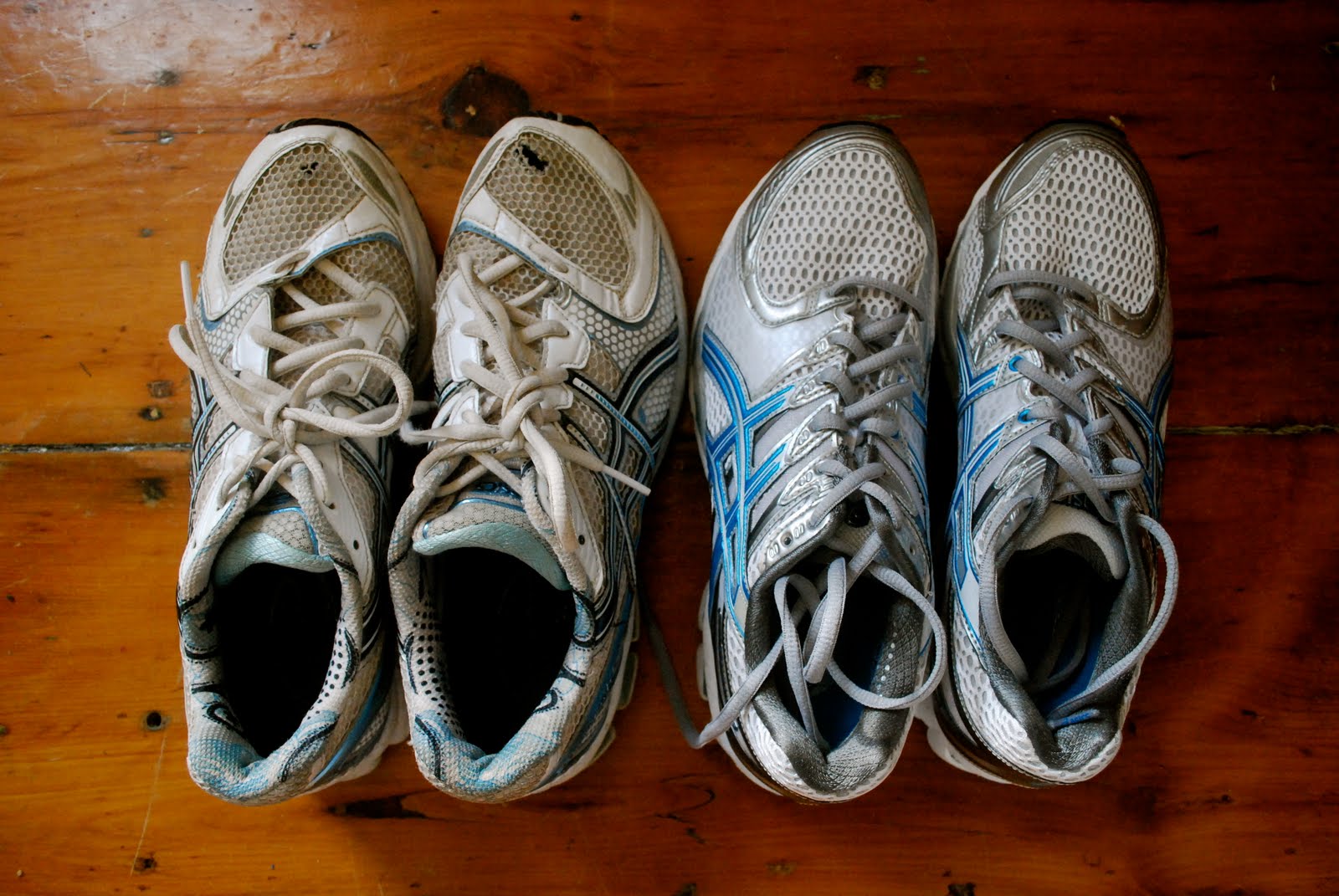
Why: I used to run my shoes into the ground (literally) trying to save a few bucks by stretching out their life as long as possible. But when minor aches and pains crept up and morphed into injuries, I learned my lesson: A pair of good shoes that will support and cushion you properly is priceless.

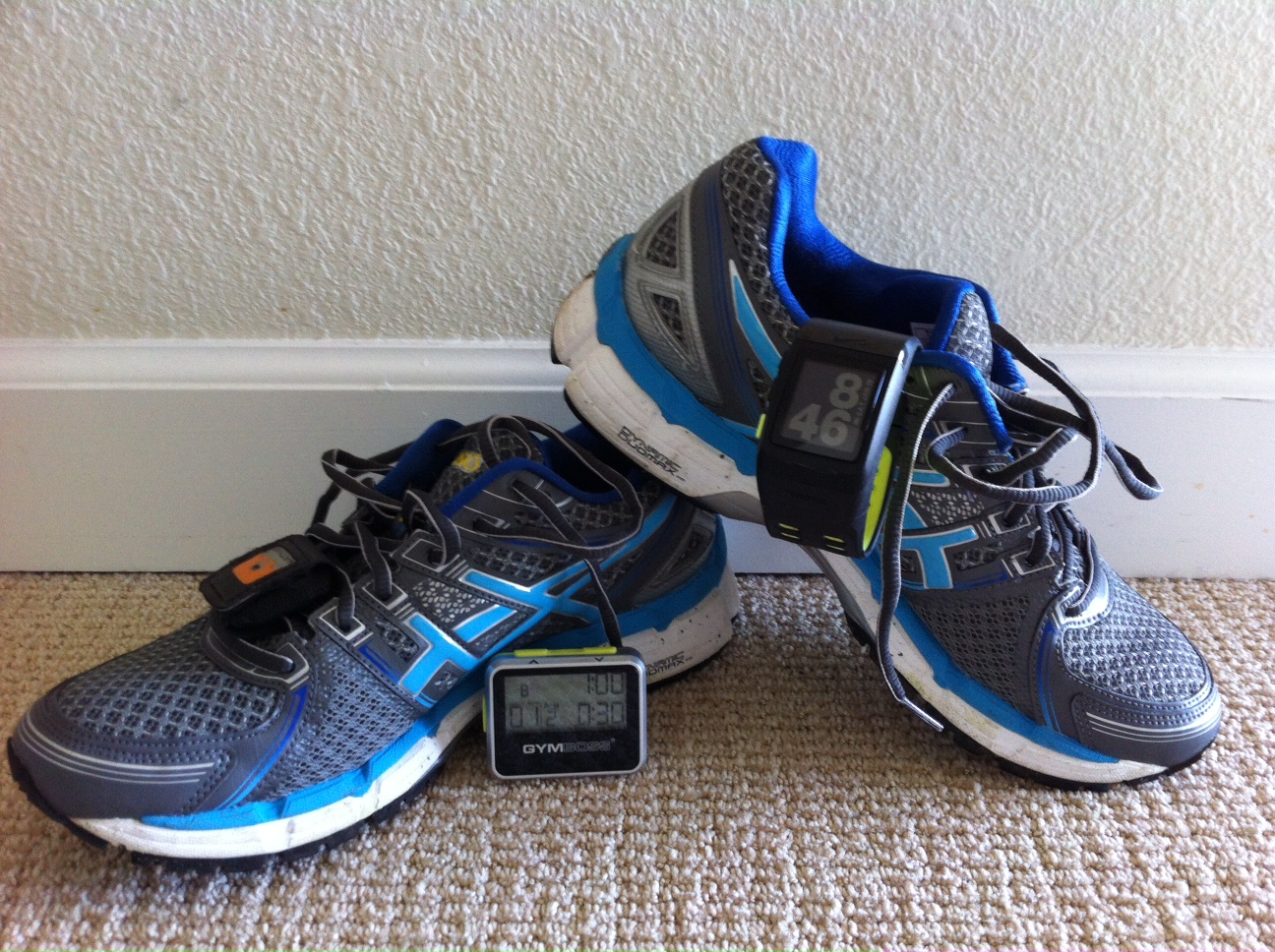
How: Rather than running in one pair until it feels “flat,” I buy two pairs of shoes and rotate them on a weekly basis to give the cushioning time to bounce back. I’m also getting better about tracking actual mileage — one of my goals for 2014 is to figure out exactly how many miles it takes for me to wear my shoes out (the average is about 300-500, depending on the runner) — so I’m keeping a tally on each to know when to rotate future pairs.

Source: OneMomInMaine.com

Source: OneMomInMaine.com

2. Exercise Duration

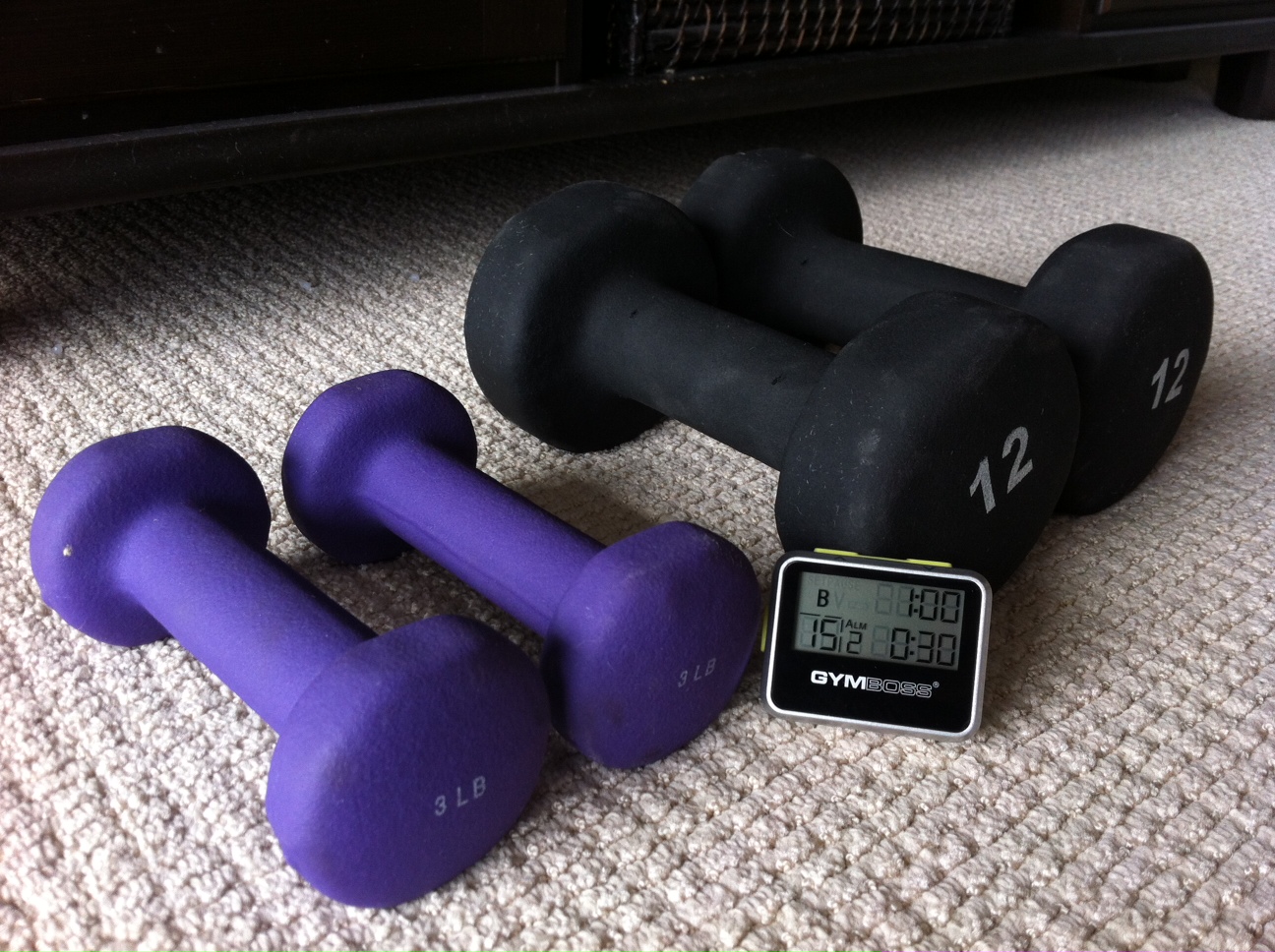
Why: We’re all time-crunched and multitasking to the max, so it’s easy to get in that mid-workout daze and just power through reps as quickly as possible. But by giving myself a set about of time for each exercise and working out for that entire interval, it forces me to focus on form, which inevitably gives me more bang for my buck in the long run.

How: Whether it’s with a stopwatch or another kind of timer (my favorite is GYMBOSS because it’s a repeating interval timer, countdown timer and stopwatch all in one), set your segments and actually stick to ’em. You’d be surprised how long 30 seconds feels when you’re working hard — but keep yourself honest, and you’ll see results that much faster.

photo (13)

3. Workout Details

Why: Logging workouts not only provides a sense of accomplishment, but it also allows me to analyze performance, discover trends (i.e. running after a leg day leaves me feeling slow and heavy, so I switch up the schedule for better results), recognize potential issues and injuries, as well as motivate myself to make goals for future sweat sessions.

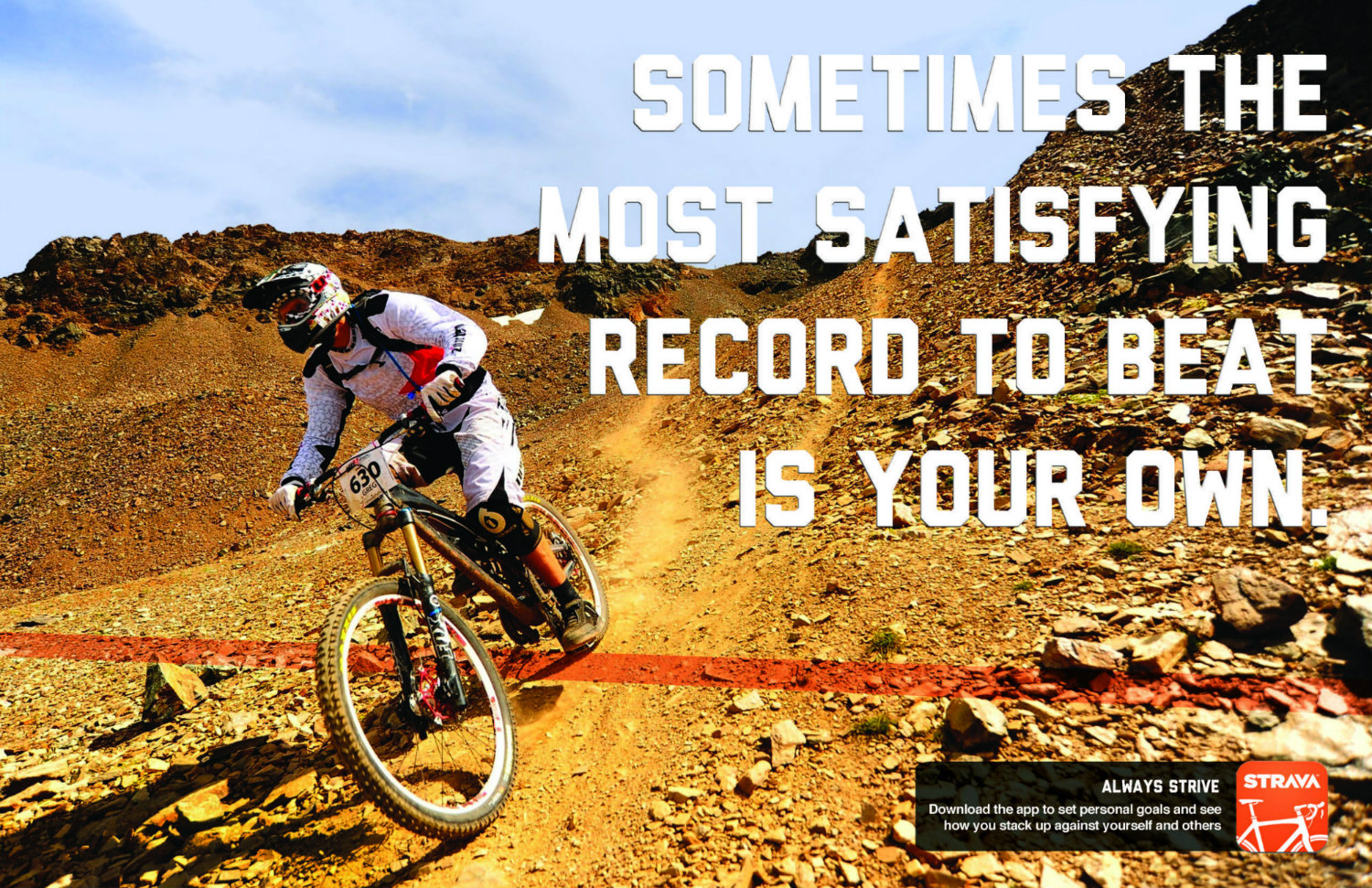
How: I still keep an old-school workout log, which I fill out every day (even on my off days; in fact, it reminds me to schedule them in!) with workout type, details, duration, etc. But you can get as specific as you’d like when recording individual workouts. For example, you might want to use a GPS watch to keep track of pace, distance and other elements of runs (I currently use the Nike+ GPS SportWatch, but have heard enough good things about Garmin to want to check it out), or there are apps and programs that will also help you keep track of workouts in other ways (I use MapMyRun to create routes, and I’m also testing Strava to challenge myself on rides and runs).

However you decide to quantify your workouts — or not — it’s all about finding tools that work with your workout style and allow you to stay motivated, train more effectively and have fun in the process!

STRAVA-biker-resize

What stats do you track when working out? 

Fave Fix: Cory Vines Essential Long Sleeve

Source: Cory Vines

Source: Cory Vines

I may be dating myself here, but does anyone else remember the good ol’ days when putting on your “workout clothes” meant digging through those well-worn items relegated to the castoff pile, such as old t-shirts, ratty shorts, and even the occasional spandex piece?

Case in point: That time I was on the Nordic Track in my sister’s hand-me-down purple gymnastics unitard, and my dad invited the cute neighbor boy over. Fathers: As it turns out, that’s also a very effective way to ensure your daughter stays single throughout high school, FYI. But I digress…

Well, eventually technical fabric replaced 100-percent cotton, silhouettes went from baggy to form-fitting, and “yoga pants” became an acceptable — if not preferred (according to my male friends) — form of attire for the health-conscious crowd. But that evolution came at a cost to consumers and even stirred up some major controversy in the process (don’t get me started on the “thigh gap”).

Fortunately for us, however, there’s a new kid on the block with a solution to the high-quality-activewear-that-won’t-break-the-bank conundrum: Cory Vines.

Source: Cory Vines

Source: Cory Vines

Founder Daniel Lieberman started the Canada-based label after realizing that existing brands weren’t meeting the specific needs — namely, price, quality and style — of the growing group of consumers living an active lifestyle. As a fourth-generation clothing entrepreneur, Lieberman felt the industry was missing “affordable, minimalist workout clothes” and made it his company’s mission to fill the void.

The result: A purposefully-small, logo-free product line of basic tanks, tees and long-sleeve tops for both men and women, along with leggings and shorts for women only. And because the brand utilizes an online-only business model, they’re able to keep prices at a reasonable $25 for tanks and $45 for leggings, compared to Lululemon’s price points of $42 and $72, respectively.

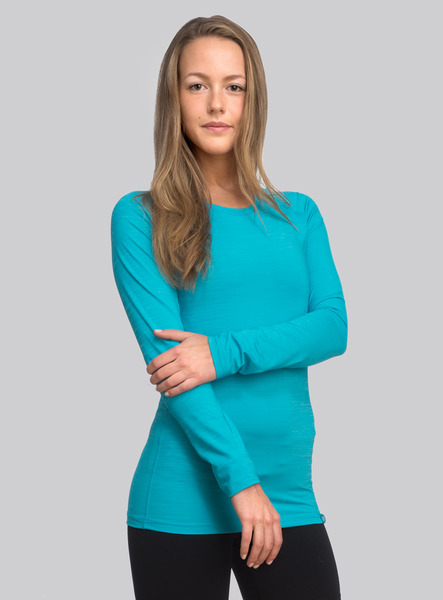
Too good to be true? I wanted to see for myself, so I decided to put the Essential Long Sleeve ($35) through its paces on several runs and group workouts.

Source: Cory Vines

Source: Cory Vines

To be honest, because the shirt was less than 50 bucks, I was expecting the material to be stiff, spongey or scratchy, like some of the less expensive activewear out there. But it’s actually a nice mix of smooth and stretchy — almost compression-like — with a silkier feel than cotton, which makes sense because it’s a nylon/polyester/spandex blend.

I wore it both as a layering piece (under a technical t-shirt) for my morning workouts as well as on its own for afternoon runs, and it worked well both ways. My pet peeve is when shirts get over-saturated with sweat and start dripping as you slog through a tough workout, but the Essential Long Sleeve wicked like a champ and felt more like a second skin than anything.

CV1

In terms of fit, I tend to run narrow up top, so I found the extra small pretty true to size — although if you’re particularly broad-shouldered and between sizes, you may want to size up due to the form fit of the piece.

The only bummer? No thumbholes in the sleeves — but skipping that extra step probably keeps production costs down, so it’s a trade-off I’m willing to make, especially since the sleeves (and body) are a generous length.

But the true test was that I found myself reaching for the Essential Long Sleeve both for working up a sweat and for wearing around town, which makes it worth its weight in gold…even though it doesn’t cost a pretty penny.

But if all else fails, I guess there’s always the unitard, right?

CV2

Thanks to the folks at Cory Vines for providing a sample for review; all opinions are my own. 

DIY Beauty: 7 tips for preventing chapped lips this winter

Source: Daily Star

Source: Daily Star

We may have avoided the Polar Vortex here in the Bay Area, but there’s one winter workout challenge that can creep up regardless of geography: chapped lips.

That’s right, you can thank all that dry air and lower temperatures for completely zapping lips of moisture, and since the skin on this part of your body doesn’t secrete any oils, it’s always more susceptible to drying out.

But there are a few precautions you can take to help prevent that painful tenderness and cracking this season; kiss Cheilitis (that’s doctor-speak for dry, chapped lips) goodbye by doing the following:

Source: Prevention

Source: Prevention

1. Resist the urge to lick. When it comes to moisturizing, saliva is only a temporary solution; it has a drying effect when it evaporates, plus it contains digestive enzymes that can irritate lips.

2. Hydrate from the inside. Cold weather amplifies the dehydrating effects of sweat loss during workouts, so it’s important to rehydrate skin by drinking ample amounts of water. Not sure how much is enough? Do a quick urine check: It should be light in color, almost like lemonade.

3. Hydrate from the outside. If you’re cranking up the heat, it’s important to also infuse the surrounding air with moisture. Run a humidifier in your bedroom to help prevent lips from drying out while you sleep.

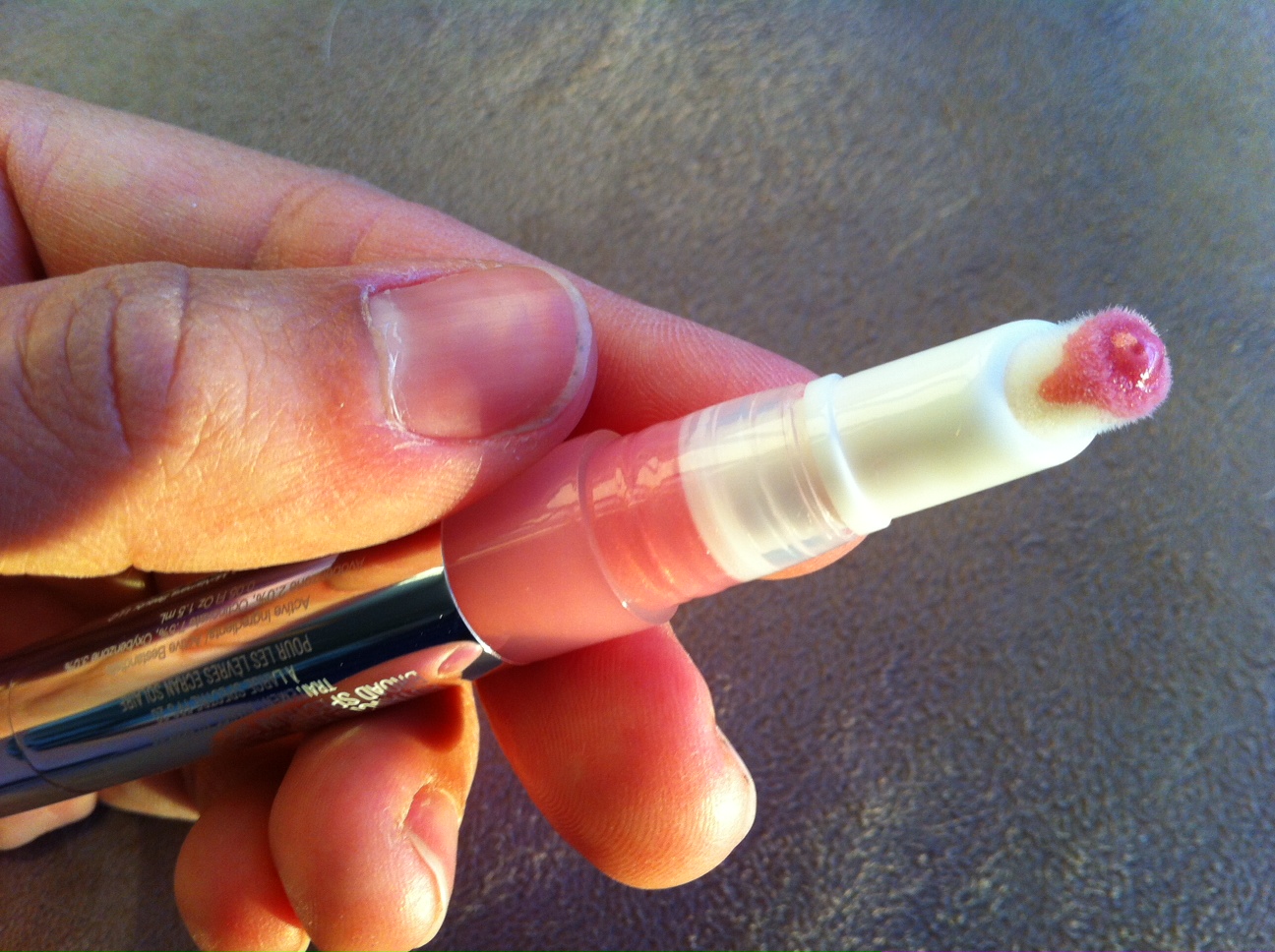
4. Slather on a protective barrier. Keep lips soft and supple with lip moisturizer. I keep a steady stream of balms, glosses and sticks in rotation (mostly because I’m always losing the little buggers), but right now I’m using Miracle Skin Transformer’s Lip Rewind  in “Love” ($24). Shea butter and coconut oil hydrate, SPF and Vitamin E protect, and I like the pepperminty flavor and menthol tingle — plus, $5 of every purchase goes to the Children’s Action Network, a national non-profit dedicated to finding loving families for waiting foster children.

photo-6

5. Stay sun-safe with SPF. Those rays are still strong, so it’s important to protect from dehydration and damage with a sunscreen-enhanced lip balm (see above). For maximum protection, the American Academy of Dermatology recommends a minimum sun protection factor of 30.

6. Cover up with clothing. When the weather’s particularly harsh, take care to cover the delicate skin on your face with a lightweight, form-fitting material, such a scarf or face mask. Not only does it help to warm the air you breathe, but it also defends against severe cold and chapping from wind.

7. Think before you drink. It’s tough when the tendency is to want to curl up with a hot toddy, but try to limit the amount of alcohol and caffeine consumed, as these drinks are particularly dehydrating to skin. Instead, try a warm cup of tea or hot cider, both of which will warm your belly without parching your pout.

How do you keep lips from drying out during winter workouts?

Fave Fix: Workout fuel with hidden health benefits

Source: ACE Fitness

Source: ACE Fitness

You’ve made the commitment to get more active in 2014, but they key to keeping that promise — and actually seeing some return on your investment — is fueling your body properly to help keep it strong, energized and less susceptible to illness.

This also means that, regardless of your goal (whether it’s to rock a race or lose a few lbs), it’s important to think about diet and exercise as a package deal rather than an either/or proposition.

With that in mind, here are a few of my current favorites for getting revved up for — and recovering after — your next sweat session.

To Fill the Tank: Corazonas Oatmeal Squares

Source: Corazonas

Source: Corazonas

As far as packaged snacks go, Corazonas Oatmeal Squares are a great option for when you’re on the go and want a filling, fiber-rich, whole-grain mini-meal. I eat mine en route to morning workouts but also stash a few in my workout bag to keep away the afternoon “hangries.”

Each square contains six grams of protein and five grams of fiber, tucked into delicious flavors, such as Chocolate Brownie & Almond, Banana Walnut and Cranberry Flax. Plus, every bar is infused with plant sterols, which are proven to help lower cholesterol.

Corazonas

To Maintain Muscle: Sambazon Protein Chocolate+Almond+Coconut Milk

Source: Sambazon

Source: Sambazon

Packed with organic, whole-food protein to build lean muscle and healthy omegas to help keep you full longer, Sambazon’s Protein Chocolate+Almond+Coconut Milk features a hearty blend of açaí berries with chocolate, coconut milk and a hint of almond. I like to drink it within that 60-minute window after a particularly tough workout to help replenish, rebuild and repair muscle.

The company also has a cool back-story worth mentioning — Sambazon was started by surfers in Southern California and operates under a philosophy called the Triple Bottom Line, which not only measures success economically, but also socially and environmentally. That means they’re organic, believe in non-GMO and support fair trade, which means it’s “good” food on a few different levels.

Sambazon

To Stave Off Sickness: GoodBelly Probiotic Fruit Drink

Source: GoodBelly

Source: GoodBelly

Since 70 percent of the body’s immune system dwells in the digestive tract, a properly functioning digestive system is essential to maintaining overall health (especially when you’re in a training cycle during cold and flu season!). And I’ll take every bit of help I can get to stay well, which is why I’ve swapped out my regular morning juice for GoodBelly’s Probiotic Fruit Drinks.

They contain contain Lactobacillus plantarum 299v (LP299V®), one of the most well-studied probiotic cultures available on the market, which has a superior ability to survive the stomach’s harsh acidic environment in order to inhabit the intestine and was initially developed for use by gastroenterologists in Sweden to help their patients recover from surgery. Each serving contains a whopping 20 billion live and active probiotic cultures to promote healthy digestion.

Wanna check it out yourself? Try GoodBelly’s 12-Day Challenge where you can get a discount on a 12-day supply.

GoodBelly

What are your favorite pre- and post-workout fuels? 

Thanks to the folks at Corazonas, Sambazon and GoodBelly for providing samples for review; all opinions are my own. 

Vitamins, supplements and superfoods, oh my!

Supplements

To supplement or not to supplement…that is the question.

Americans spend almost $12 billion each year on vitamins and supplements, but the jury’s still out on whether or not that money is well-spent.

One one hand, the U.S. Preventive Services Task Force studied the effects of vitamins, minerals and supplements, and concluded that for most, there is not enough evidence to determine whether the pills can lower risk of heart disease or cancer.

But on the flip side, reliable resources — such as the Harvard School of Public Health, for example — say that taking a multivitamin is an effective nutrition insurance policy because it helps us fill in the gaps of a regular diet, which may not always supply the body with recommended levels of daily nutritional requirements.

vitamins

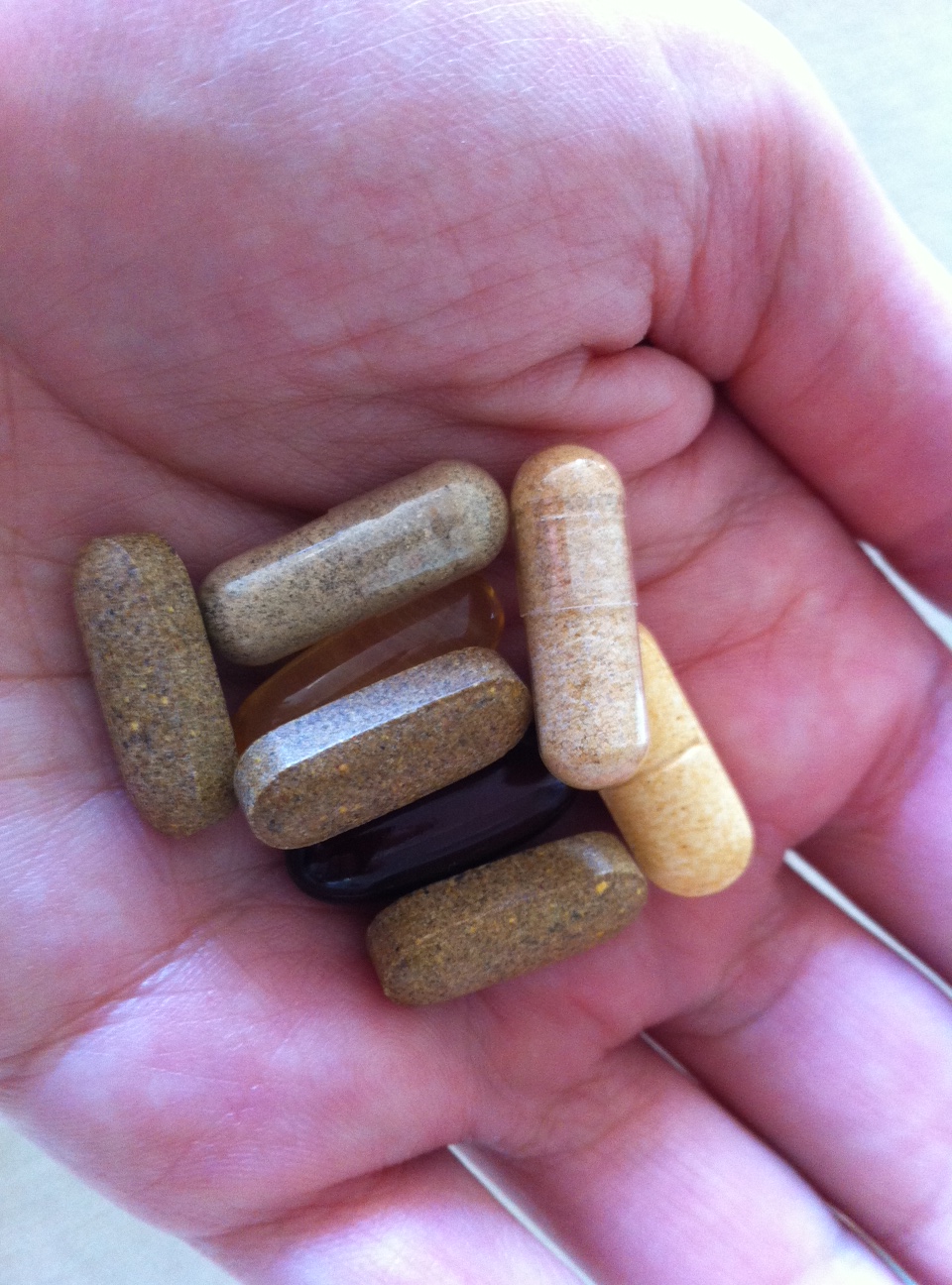
Personally, I’m pro-supplement (this article covers some of my reasoning) — although that doesn’t mean you can live on a diet of Skittles and Cheetos and expect your daily vitamin to work miracles. Rather, I view it as a way to enhance an otherwise-healthy lifestyle and help give your body a little extra “oomph” when it’s under stress or attack.

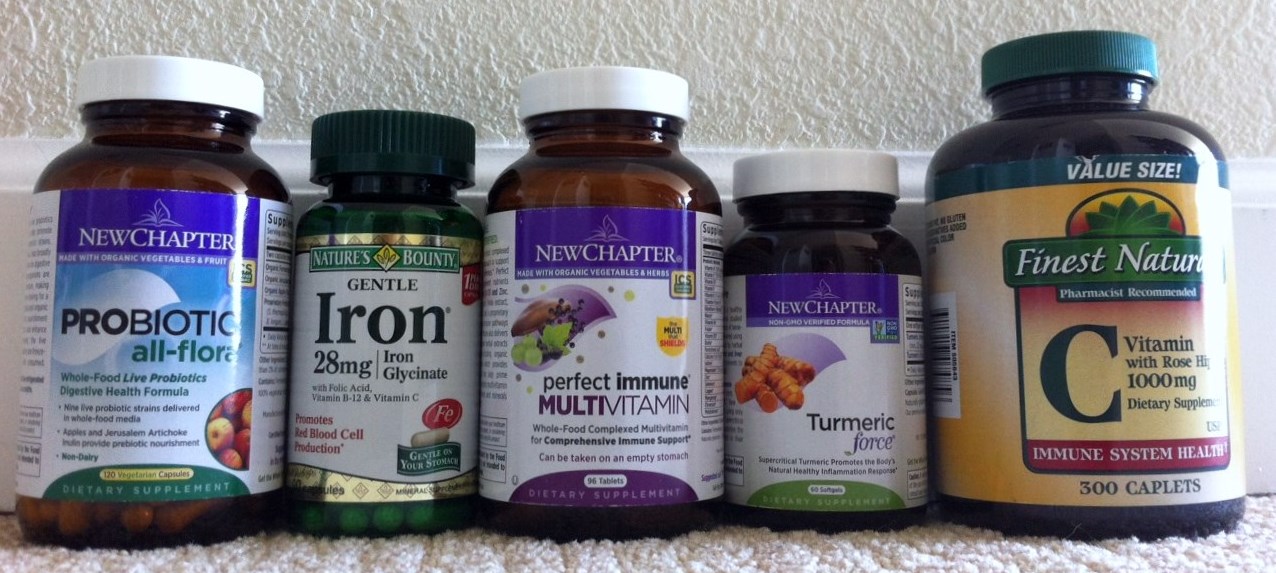
I’ve gotten some questions about my regimen, so I wanted to share a few of my current favorites, which helped get me through marathon training feeling strong and with minimal sickness (despite a rigorous training, work and personal schedule, which all tend to zap the body’s resources):

– Multivitamin: Not only is New Chapter’s Perfect Immune a whole-food, non-GMO vitamin, but it also aids the body’s natural defenses and is gentle enough to be taken on an empty stomach.

– Vitamin C: Finest Natural’s Vitamin C includes rose hips, a natural source of the vitamin, which protects the body’s cells from potential oxidative damage and supports the immune system.

– Iron: Low dietary intake of iron may be the most common nutritional deficiency for serious endurance athletes, especially women, so I like Nature’s Bounty Gentle Iron for combating chronic fatigue and other symptoms I’ve previously experienced.

– Probiotics: A happy belly makes for a healthy body, and New Chapter’s Probiotic All-Flora is a non-dairy way to ingest nine live probiotic (good bacteria) strains delivered in whole-food media, plus prebiotic fiber to help promote digestive system wellness.

– Turmeric: Referred to as the “Queen of Spices,” turmeric’s not just for cooking; New Chapter’s Turmeric Force has also been billed as a natural way to reduce inflammation, prevent cancer, improve digestion, detoxify the system, and much more.

– Others: Two other supplements (not pictured) that were an integral part of my marathon training were Bluebonnet Liquid Calcium and Energybits to keep my bones strong and ensure I got my daily dose of greens, respectively.

Source: Smartypants

Source: Smartypants

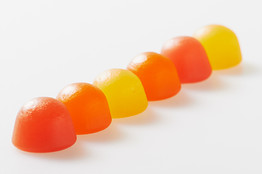
It’s also good to switch things up intermittently, so my guilty pleasure is SmartyPants Gummy Vitamins in place of my usual multivitamin; not only are they like candy, but they’re also an easy option for days when I’m on-the-go and don’t want to swallow a whole set of pills.

Of course, the best way to give your body nutrients is to get them naturally by eating a healthy and balanced diet, which includes fruits, vegetables, whole grains and lean proteins. But if you’re in the midst of a tough training cycle, supplements are a nice way to boost your body’s ability to push hard, recover and reach for the next level.

How do you ensure your body gets all the vitamins and nutrients it needs during training?

A new year, a new family

1016952_408547355933228_2015275559_n

If there’s anything I’ve learned over the past year, it’s that the endurance sport community never ceases to amaze me.

From awesome running buddies who wait while you work through GI issues mid 20-miler…to inspiring athletes who run mileage in the triple digits (in less that 24 hours) to raise money for charity…from rockstar running crews who provide encouragement and great conversation on long runs…to the many other new friends I’ve made along the way, it’s a group that’s filled with grit, guts and a whole lotta heart.

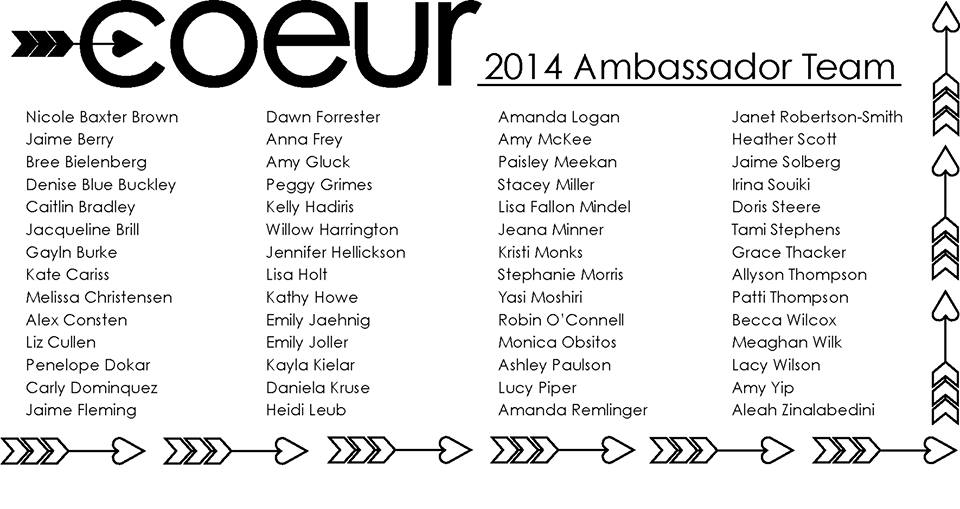
Which is exactly why I feel very fortunate to be joining the 2014 Coeur Sports Ambassador Team — to continue the tradition of “paying it forward.”

1471806_483253608462602_788932481_n

You see, Coeur is French for “heart,” and the root of the word “courage,” which is only fitting for a brand that has both style and substance. As you can see in this unofficial manifesto, the company encourages the gutsiness it takes to get to the finish line when all the body wants to do is lay down — along with a healthy dose of empathy and willingness to empower others.

That ability to lean on — and learn from — fellow athletes is exactly what helped me conquer my self-doubt while training for (and PR’ing in) this year’s marathon, and it’s what’s got me so excited about the year to come — not only in terms of setting new goals for myself (more details on those coming soon 🙂), but hopefully also helping to inspire and assist those around me as they strive to achieve theirs.

So, yes, the designs are gorgeous, the clothing’s super-comfortable, and I’m pretty pumped to have a fancy new kit to wear in my upcoming races, but it’s less about the gear — and more about the people wearing it. To Coeur, it’s just as much about being compassionate as it is being competitive, which is what attracted me to brand and makes me so darn proud to be associated with it.

They say you can tell a lot about a person by the company they keep, and I’m pretty sure the bar has been raised after joining this family of amazing women. But I’m excited to do my part to help make a real impact, and I can’t wait to see what 2014 has in store for us all.

Until then…Merry Christmas and happy holidays!

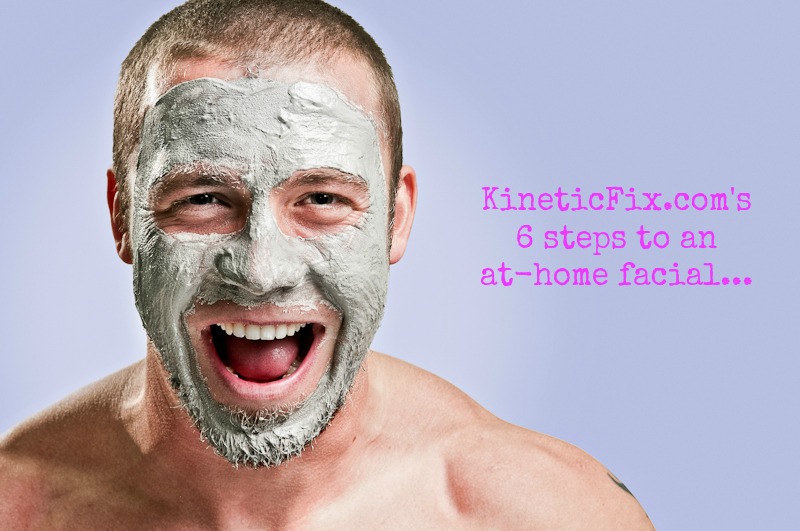
DIY Beauty: An at-home facial in 6 simple steps

Being short on time or strapped for cash is no excuse for neglecting your skin, especially as the humidity lifts and cold weather sets in.

Try this DIY facial; it’ll work wonders for a dull, dry winter complexion!

Facial-mask-for-men-at-home1

1. Cleanse. Using warm water and a mild cleanser, gently massage face to remove all traces of makeup and dirt. One of my favorites is an old standby, Cetaphil ($10), which won’t disturb skin’s natural pH balance or strip it of natural protective oils or emollients.

Source Spa Sonic

Source: Spa Sonic

2. Exfoliate. Removing dead skin cells keeps them from blocking pores, evens out skin tone and decreases the appearance of wrinkles and sunspots. You can do this manually with a scrub, or get fancy with a device like the Spa Sonic Skin Care System Face & Body Polisher (regularly $60, but check Target for special promotions).

I’m not a fan of dropping $100+ on a Clarisonic, so the folks at Spa Sonic asked if I’d like to give their device a whirl. The result? Smoother skin at a fraction of the cost. Not only is it waterproof (any fellow shower multitaskers?), but it comes with five attachments for head-to-toe touch-ups: a big brush for the body, pumice for rough areas on (ahem, runners’) feet, facial sponge for microdermabrasion and two small brushes for the face. I’ve added it to my weekly regimen, and it’s been especially great at getting rid of that pesky film of makeup that wipes and washcloths always seemed to leave behind.

3. Steam. Buying a steam machine is unnecessary, and leaning over a hot pot of water on the stove is downright dangerous. Instead, fill a sink with hot water, add a few drops of your favorite scented oil, such as lavender (to relax), peppermint (to energize) or eucalyptus (to clear nasal passages), and lean over it with a towel draped over you head to trap the steam for 10-15 minutes.

4. Nourish. After splashing your face with cool water, apply a mask of your choice to target your specific skin troubles. My go-to? Aztec Secret Indian Healing Clay ($9), an easy — and inexpensive! — way to draw out impurities and temporarily tighten pores.

5. Tone. Refresh and restore skin with this all-natural homemade toner: In a blender, combine 1/2 cucumber with three tablespoons witch hazel and three tablespoons rosewater (or substitute distilled water). Pour the mixture through a fine-mesh sieve to remove any chunks, then pour liquid into a clean bottle. Store in the refrigerator; it should last about two weeks.

6. Hydrate. Finish by gently massaging a moisturizer into your face and neck using upward and outward movements. Typically, the colder the weather, the thicker and creamier my moisturizer, but if you have sensitive skin, I love Simple Hydrating Light Moisturizer ($9) because it’s enriched with vitamins B5 and E, but doesn’t contain any dyes, artificial perfumes or harsh chemicals. And don’t forget to slather on some sunscreen (at least SPF 15, but ideally SPF 30) before you head outdoors!

How does your skin care routine change with the seasons? 

(Thanks to the folks at Spa Sonic for providing a sample for review; all opinions are my own.) 

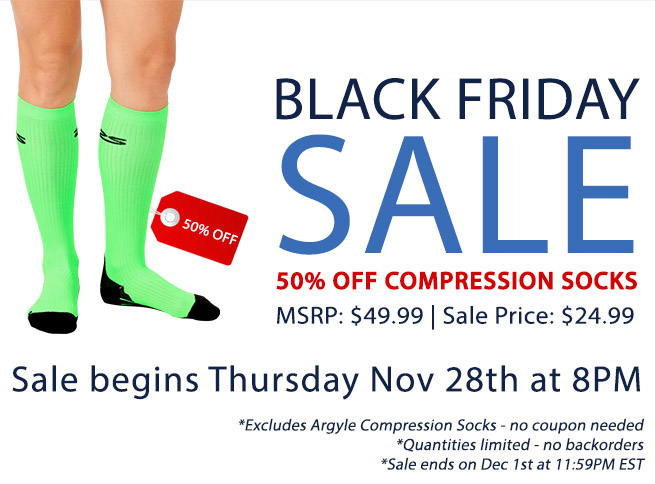
Get a jump on Black Friday with Zensah’s compression sock sale

b2c-black-friday-preview

Is anyone else boycotting the Thanksgiving-night store openings? I’d much rather curl up at home with friends and family, relaxing in the warm glow of a roaring fire my computer.

There are some great deal to be had, but thankfully they can be snagged  from the comfort of your own home.

I’m a big fan of compression gear for training, racing and recovery, so you can bet I’ll be hitting up this one.

Heard of any other good deals going on this weekend? Feel free to share in the comments below! 

Fave Fix: DDCC women’s activewear

Source: DDCC

Source: DDCC

With the world sports apparel industry expected to exceed $126 billion by 2015 (source: Global Industry Analysts), it’s no surprise that new companies are flooding the market while established brands add “active” categories to their lines to try to grab a piece of the yoga-pants pie (I’m looking at you, Forever21, Victoria’s Secret and Anthropologie).

But while workout clothing companies are seemingly a dime a dozen these days, there is still the occasional new kid on the block that’s worth a second look — especially when they come highly-recommended from your former high school running teammate who is now a professional triathlete (thanks for the heads up, Terra Castro!).

So without further ado, let me introduce you to DDCC, a women’s activewear line designed by Diana Mitchell and manufactured in the heart of my neck of the woods, San Francisco. DDCC’s chic and functional lifestyle/workout apparel is engineered for a sleek, flattering fit — for adventurers and athletes of all sorts.

I sat down with Diana to get the lowdown on her line, along with details on the Kickstarter campaign she’s running for her Spring 2014 collection:

Source: DDCC

Source: Julie Englemann and Kelly Pullio photography

KineticFix: DDCC stands for “Dirty Diana’s Clean Clothes;” is there a story behind the name?

Diana Mitchell: Of course! A nickname I had growing up that I couldn’t stand was “Dirty Diana,” so I decided to own it, and Dirty Diana’s Clean Clothes was born. I’ve since grown to love it; it reminds me to not take things too seriously and to have fun in life. I strongly believe that all of the best things in life — hiking, camping, eating ice cream — are the ones where you end up a little dirty, and having beautiful clothing to support that lifestyle is my goal.

Source: DDCC

Source: Julie Englemann and Kelly Pullio photography

KF: What was the inspiration for starting your own line of activewear?

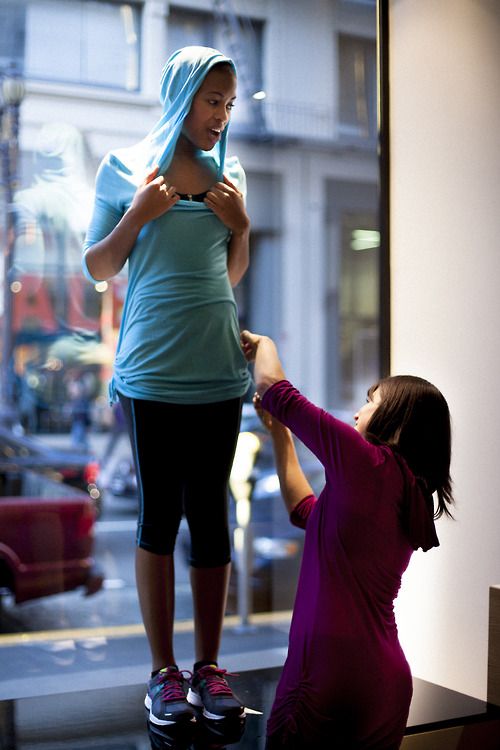
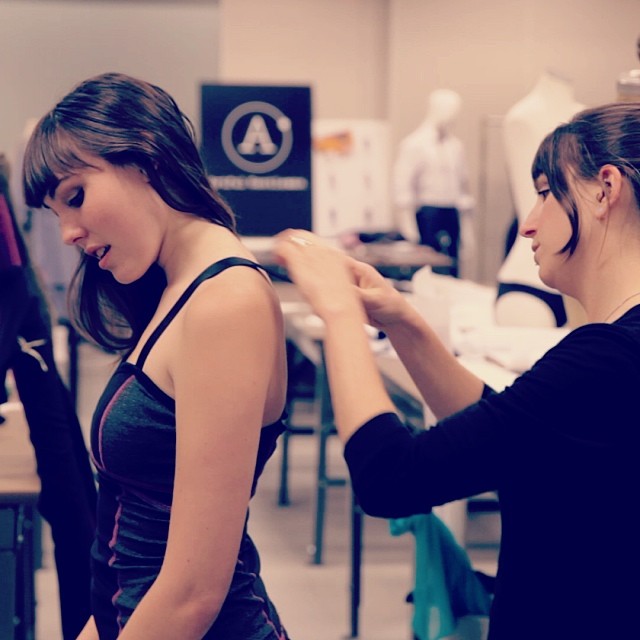
DM: I launched DDCC with three women’s hoodies. San Francisco is a big hoodie town, and I thought I was making clothing for every day wear. I started to see my friends and customers using the hoodies for running, however, and was constantly asked if I was making activewear. Around this time I not only got a new roommate who was training to become a yoga instructor, but I also started a part-time job at a cycling apparel company. Suddenly I was surrounded by active people, which inspired me to start my path towards fitness. After leaving that job I decided to make clothing that would support this new lifestyle and inspire other women to work out, as well.

KF: Tell us about the mission behind DDCC.

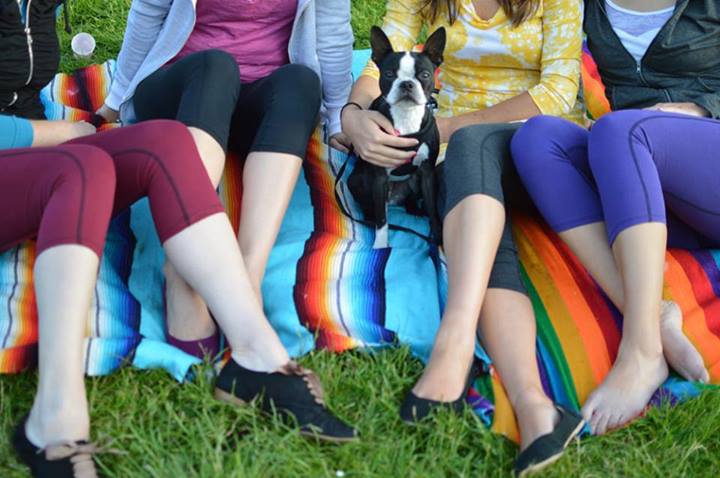
DM: A lot of activewear companies have mantras like “Nourish, envision, believe, etc…” We see these words over pictures of perfect women who only have time for running and doing juice cleanses, all by themselves with headphones on. DDCC offers a more realistic and balanced approach to fitness. It aspires to promote an active lifestyle through fostering a sense of friendship and community. My fitness routine started because I had friends who invited me to run, bike and do yoga. I am happier and healthier, and now I invite other friends to work out. I want to show women that exercise doesn’t have to be a boring task with unattainable goals. Incorporating exercise into our social lives enables us to find the time and energy to practice fitness and self care.

KF: Can you walk us through your idea — from conception to completion of the line?

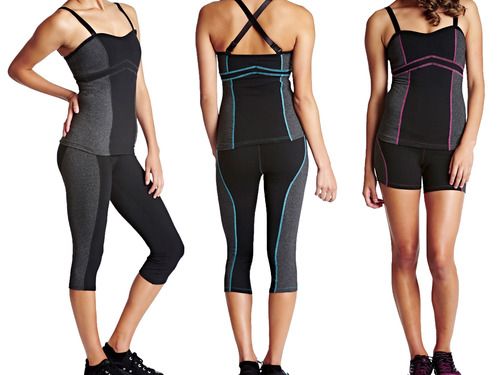
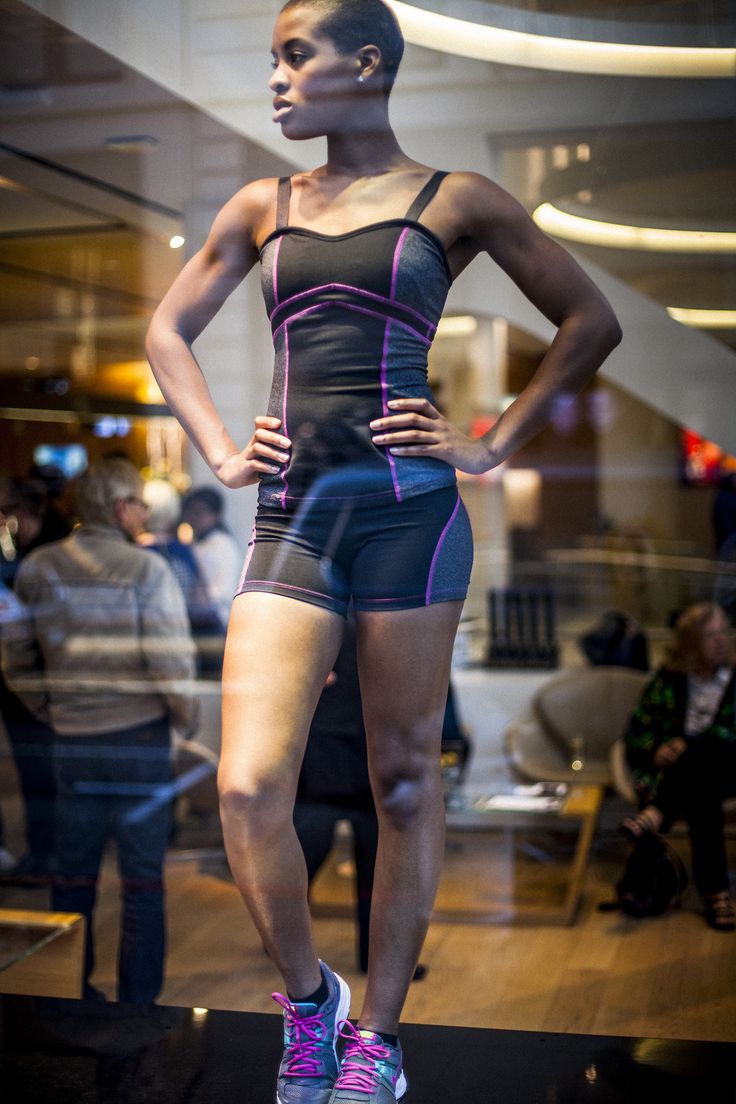
DM: I started developing the line in February, when I began my residency in the Fashion Incubator San Francisco (FiSF). I wanted to create a full line that allowed women to incorporate activewear into layered outfits that would go from brunch, to yoga, to the store, to the beach, etc. The line started with 15 pieces, which the mentors at the FiSF helped me refine into an 11-piece collection. I knew I wanted the line to be sleek and fitted, and to reflect a more sophisticated, San Francisco aesthetic. The charcoal and black color blocking came about because I wanted something that was neutral and could be worn with many different outfits, but was more interesting than plain black. The tops, cover-ups and outerwear pieces not featured on the Kickstarter all merchandise with the active collection to take you from one activity to the next.

Source: DDCC

Source: DDCC

KF: How is DDCC different/better than other brands?

DM: DDCC stands apart in its aesthetic, fit and quality. It’s sleek and fun, without being boring black or bright neon. As a designer and patternmaker who struggles with her own body issues, I engineer each garment to fit and flatter real women’s bodies. Waistbands are anti-muffin top and smooth out love handles so you feel confident in the tanks. Lines are uplifting and slimming, and subtle details like the satin straps and bra zipper make it fashionable and functional. By manufacturing in San Francisco I am deeply involved in the production process, ensuring a higher quality and standard of activewear.

KF: Why did you decide to take to Kickstarter to raise funds for the project?

DM: Since the mission of the brand is to foster friendship and community, it seems only natural to launch through a crowd-funding campaign. Kickstarter has allowed me to tell my story to the world and to find like-minded people from all over. I have supporters from England, Germany and Singapore who would have otherwise never known about DDCC. It’s amazing to see the community come together to support the brand and the mission.

KF: How has the feedback been on your collection thus far?

DM: It has been overwhelmingly positive. Women are so excited to have apparel that is fitted, functional and super-cute! I’ve also had boyfriends and husbands buy the line for their ladies, either because they want to treat them to quality activewear, or because they’re excited to see them work out in something attractive. The two most popular [items on Kickstarter] have been the V-Capri and the Fly Girl, which is the V-Tank/V-Capri combo. I have had positive response for the pants from the plus sized community, too, and have been asked to design a sports bra that is friendlier for the busty ladies. I’ve also been asked if I’m thinking of designing any men’s activewear. These are all ideas I am taking into consideration as I start designing my next line.

KF: Speaking of Fall 2014, what can we expect?

DM: I’ve had a lot of taller women ask me for a full legging, so that is definitely in the works! I’m working with some beautiful new colors (think purple), and am experimenting with some looser tanks and cover-ups. I’ve also been working with a 100-percent-milled-in-California Tencel, which is a luxurious and resilient fabric made from eucalyptus trees. It has the wicking properties of polyester and the breathability of cotton. I am in love with it!

Source: DDCC

Source: DDCC

KF: Switching gears — there’s been a lot of buzz about ‘thigh gap’ and the effect that body shape has on the wear and tear of activewear. What’s your stance/philosophy on the subject?

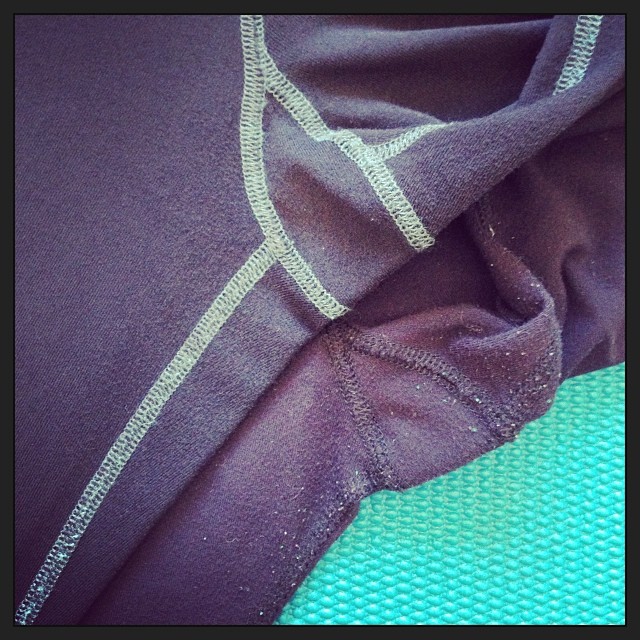
DM: I go back and forth. While yoga pants are never going to be as durable as jeans, I think if you’re paying $100 a pop you should expect a lot more! I recently took a picture of my V-Capri next to a competitor’s brand after running in both. I do not have thigh gap. The competitor’s brand showed significant pilling in the inner thigh region, while the V-Capri looked good as new.

As it turns out, both fabrics are supplex, and both come from the same company. The difference is that the competitor’s brand is “brushed,” which literally means the surface is brushed to give it a softer feel. Think of sweatshirt fleece, which is French terry that has been brushed on one side. The brushing creates a “yummy” feel, giving the product more hanger appeal, but it also degrades the quality of the fibers and leads to pilling. For my collection, I chose the unbrushed supplex, because it feels just as good on, but lasts a lot longer.

People expect a lot from their yoga pants — they want them to feel as soft as cotton, wick sweat away from their body, make their butt look fantastic, and last a long time. Even a great pair of jeans, which will probably undergo a lesser beating than a pair of yoga pants, has its lifetime. So I would say we should be realistic when we buy our activewear. If you can’t afford to replace your yoga pants every few months, make better choices, and buy from brands that you know build products that last.

KF: Agreed! So where do you DDCC going from here?

DM: My goal is for DDCC continue to grow, to become a staple in the activewear industry and to work towards a sustainable model using organic and eco-friendly materials. I would love to continue this idea of motivating others towards fitness though sponsoring races and other active events. Most of all, I hope to eventually pay back everyone who has helped get me to this point, and to give back to the community by providing jobs in the USA.

Want to help Diana make her Spring 2014 line a reality? Click here to make a pledge via Kickstarter! 

Source: DDCC

Source: DDCC