Recipe: Raspberry Mint Rice Balls

RiceBalls1

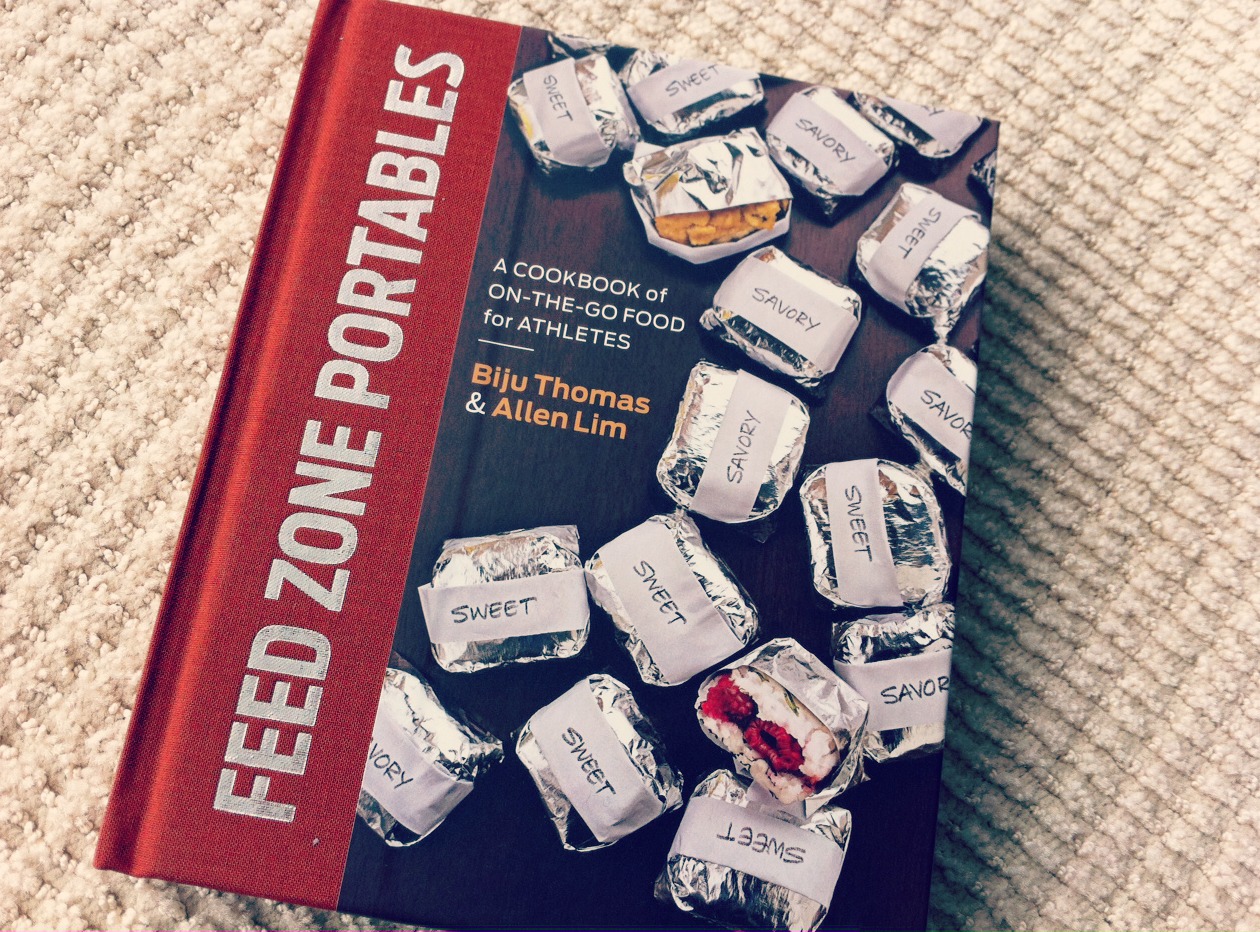
Allow me to introduce you to my new favorite training companion: the Feed Zone Portables cookbook. If you’re weary of processed bars and gels and the same old pasta, there’s a good chance it’ll soon become your BFF (that’s Best Fueling Friend), too.

After my ultra pacer Jamie had success with the rice cakes during her Born to Run 100-miler, I jumped aboard the bandwagon and tweaked one of the recipes for my own race. It worked perfectly — not only is the rice-based treat quickly-digestible, but its mild flavor is also easy on a tender mid-event tummy.

Raspberry Mint Rice Balls (adapted from Feed Zone Portables)

Ingredients:

  • 1 cup uncooked white rice
  • 2 1/4 cups water
  • 1/4 cup brown rice syrup
  • 1-2 tablespoons lemon juice (to taste)
  • 1 pint fresh raspberries
  • 2 tablespoons fresh mint leaves, minced
  • 1/4 cup finely-shredded unsweetened coconut
  • Aluminum foil, cut into small squares
  • Olive oil spray

Directions:

  1. Combine rice, water and a dash of salt in a rice cooker and let cook.
  2. When rice is finished cooking, transfer it to a large bowl and add brown rice syrup, lemon juice and coconut. Mix thoroughly.
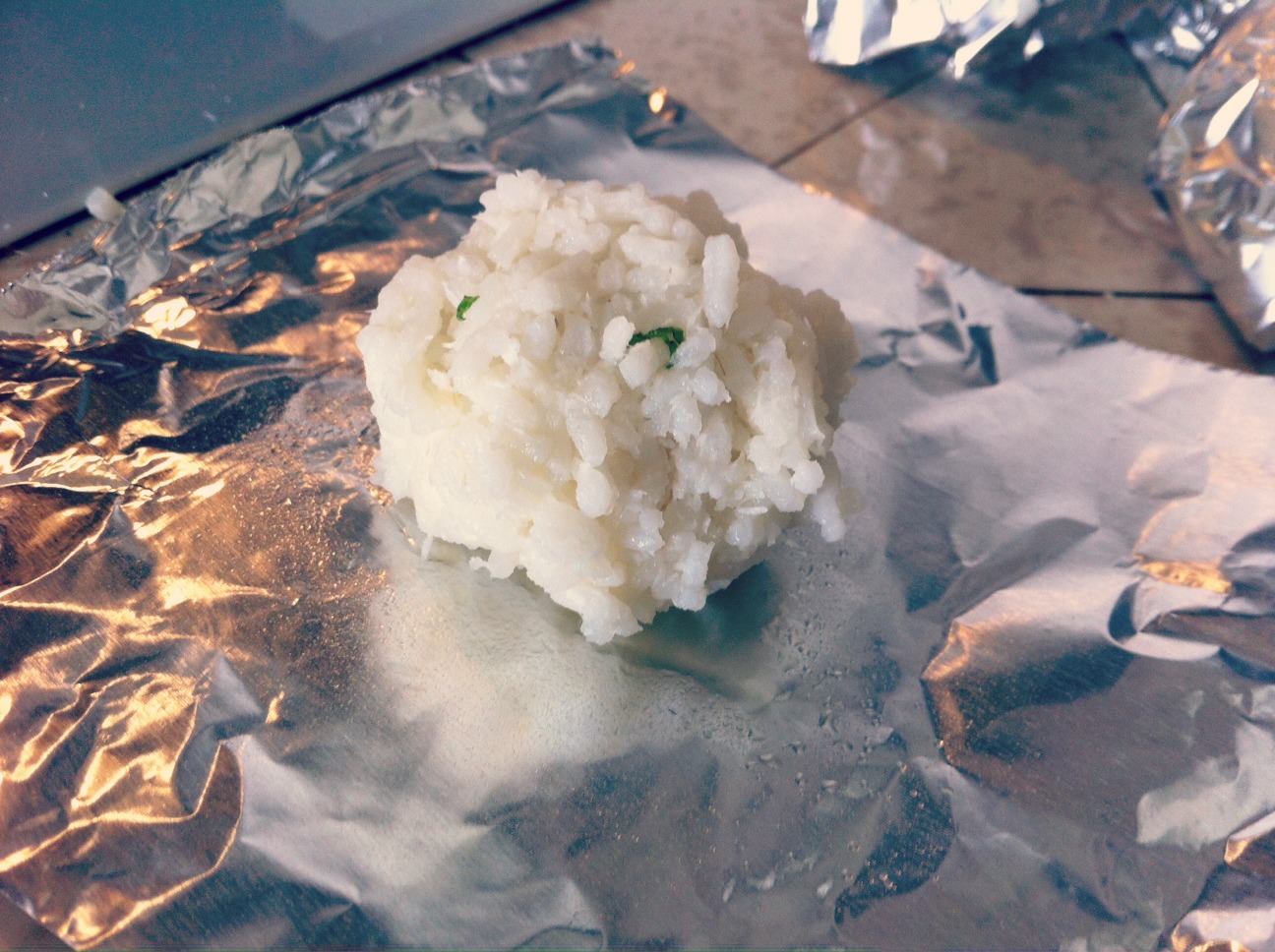
  3. Coat hands in olive oil, and place a spoonful of rice in the palm of one hand. Place a raspberry and a sprinkle of mint on top of rice, and then place another spoonful of rice over that (to encase raspberry and mint in rice). Roll gently between palms to form a ball.
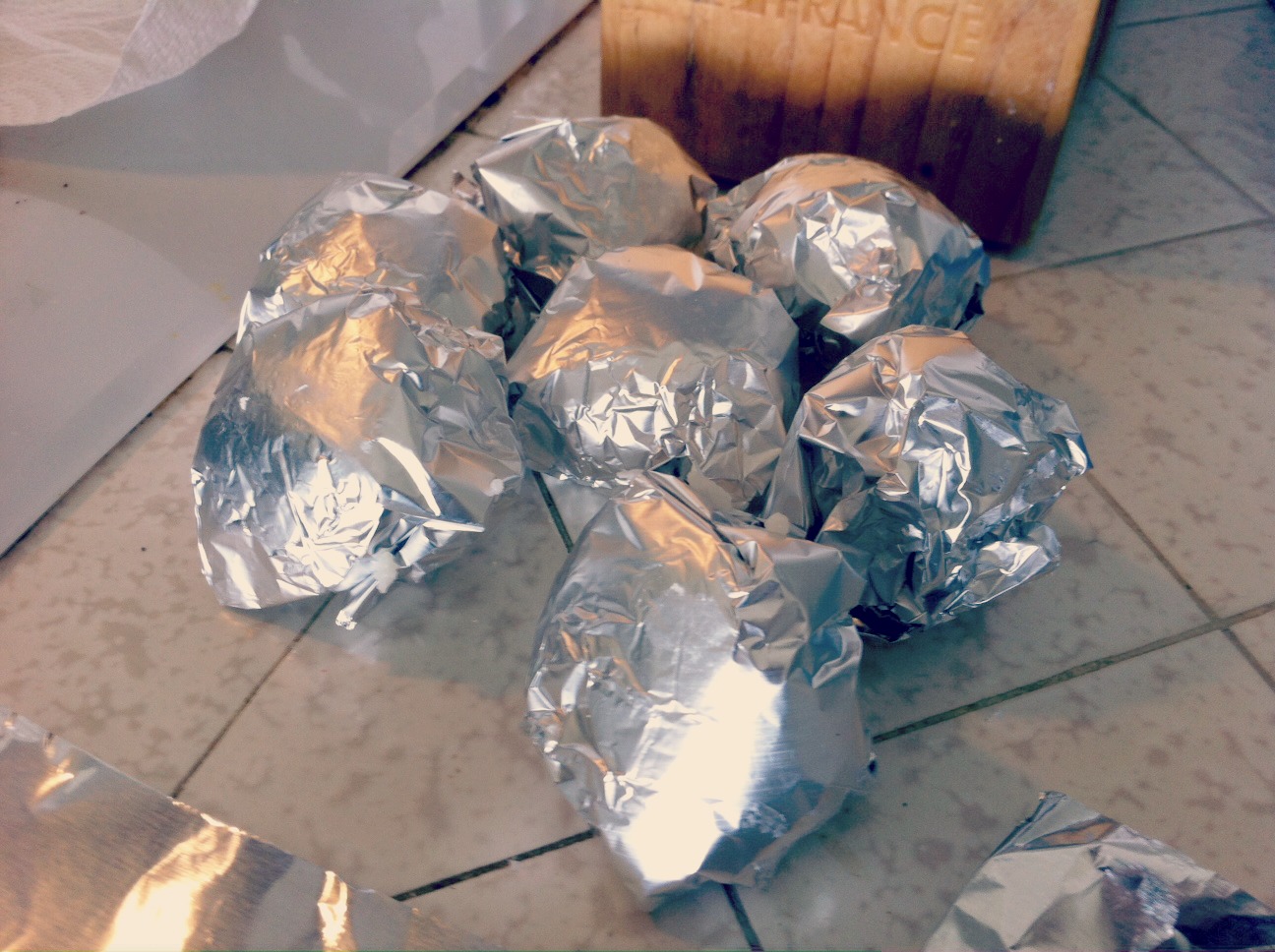
  4. Place ball on foil wrapper (also sprayed with olive oil) and seal tightly. When finished forming and wrapping balls, store them in the refrigerator.

A few tips: First, make sure you prep all the ingredients ahead of time because forming the balls can get messy!

Although the book calls for flat “squares” or “cakes,” Jamie and I found that the balls are quicker to make. Plus, they tend to get squished around in your bento box or hydration pack anyway.

RiceBalls2

Second, I did experience some trouble with the foil wrapper disintegrating during my trail race, which I attribute to the acidity of the lemon juice.

Next time, I may just try leaving it out, or I’ll look for an alternative wrapper (wax?) if I want to keep that nice citrus ‘bite.’

RiceBalls3

The balls held up great, though, despite getting jostled around over the course of six-plus hours in my hydration pack on a hot day.

And the fresh fruity/minty flavor was a welcome change from the heavy nut butters I’m usually consuming, so I’ll definitely be relying on them again.

RiceBalls4

Finally, I try to make them the day or evening before my race. Sure, it’s a little bit of last-minute race prep work, but it ensures that the fruit is at its freshest and that the rice stays nice and sticky for when you want to pop one (or 10) during your race. Bon appétit!

What’s your go-to fuel for training and racing? 

Recipe: The infamous “Salty Balls”


SB1

Training for an endurance event takes more than just physical conditioning; proper fueling can make or break your race.

But finding success can take some trial and error, so I’m always on the lookout for new recipes and recommendations.

Which is why I was pumped when pro triathlete and fellow Coeur Sports athlete Hailey Manning shared her secret recipe for the famous Salty Balls that she uses as her bike nutrition during Ironman races.

The recipe was developed by Stacy Sims, chief research officer and a co-founder of Osmo Nutrition, and both Hubby and I have been eating ’em nonstop on runs and rides.

See my take on the treat below!

Hailey Manning’s Salty Balls

Ingredients:

  • 1/2 cup natural peanut butter (or any kind of nut butter)
  • 1/3 cup brown rice syrup (I ordered this kind from Amazon)
  • 1/2 cup whey protein isolate (I used half vanilla-flavored powder, plus half Osmo Acute Recovery for some spice)
  • 1/2 cup dry oatmeal
  • 1/4 cup shredded coconut

Directions:

  1. Combine all ingredients. If you need a bit more holding power, add a dash of protein powder.
  2. Throw a sprinkle of salt on top and freeze until needed (makes ~10 balls, ~140kcal/ball).

Here’s a look at the process, starting with all the ingredients (sorry, red wine is not one of ’em, although it is key to my performance in the kitchen!)…

SB2

First, add all the dry ingredients — this is both protein powders, plus the oatmeal.

SB3

Tip: Use a sturdy spoon after adding the peanut butter and brown rice syrup.

SB4

The mixture should be sticky, but not overly so; mine had the consistency of crumbly cookie dough.

SB5

Take small spoonfuls and roll into balls. Sprinkle with salt, or dip one whole side for more salty goodness, like I did here.

SB6

I store the balls in an airtight container in the freezer, then before a ride or run I pull a few out, wrap them individually and devour ’em within a few hours!

Thanks again to Hailey and Stacy for sharing this recipe. What are your favorite fuels for endurance events? 

Canyon Meadow Ultramarathon: The plan

LakeChabot1

Holy crap. What did I get myself into?

Right now, my brain keeps going back and forth between two thoughts:

I can’t wait to hit the trails tomorrow and make this happen.

That first step after 26.2 will put me officially at the longest distance I’ve ever run…and then I’ve got five miles — and some decent elevation — to go after that. 

Physically, I haven’t kept as regimented a training plan as I usually do for long-distance races. Quantitatively that concerns me a bit, but qualitatively I’m actually not too worried about it because my focus is on covering the distance — which I’m pretty confident I can do — versus racing the clock.

What I have been doing? Getting time “on my feet,” which means long runs (10-15 miles) every weekend, plus oodles of cross-training during the week to ensure I stay in shape without (literally) running myself into the ground.

But I’ve also been taking some time to tend to some of the non-running aspects of the race which, according to recent Born to Run 100-mile finisher Jamie Walker (yep, 1-0-0, that’s not a typo), are just as critical to getting across that finish line in an ultra.

Namely, this means doing some mental preparation and making a plan for staying on top of fueling and hydration during the race. And having an awesome pacer to help me navigate the day is a huge bonus (THANK YOU, Jamie!).

Jamie gave the Feed Zone Portables rice cakes a glowing review for keeping her tummy happy mid-race, so I’ll be following suit and hoping for the same good results. Plus, I’ve whipped up a batch of Hailey Manning’s famous Salty Balls as a second snack option.

Mentally, I know there will be ups and downs throughout the day…but I’ll be keeping two things in mind: First, I just have to keep moving forward. And second, I get to be out there — no one is forcing me — so I might as well enjoy every moment of it!

Finally, I just finished Chrissie Wellington’s autobiography, A Life Without Limits (sensing a theme about awesome female athletes in this post?), and it’s also inspired me to get out there, push those “limits” and see what I’m capable of doing.

In fact, Wellington sums it up pretty perfectly here:

“To my amazement, at so many stages along the way, the limits that I thought I could see in the distance dissolved as I approached them. They turned out not to be real at all but mere assumptions. And that has been the most exciting revelation of all.”

No better motivation than that as I take to the trails 🙂

Stay tuned for the 50K race report!

Perky no more? Your sports bra may be to blame

Ladies, did you know that eight out of 10 of us are wearing the wrong bra size, and 56 percent of us experience pain when working out, as a result?

The lesson: Mid-workout discomfort is easily preventable — if you take the time to find a well-designed, properly-fitting sports bra.

Source: Well&Good NYC

Source: Well&Good NYC

That’s because there’s no internal structure for supporting the “twins” against gravity and excessive movement beyond a band of fibrous tissue called Cooper’s ligaments. And once stretched, it can cause both discomfort and permanent damage.

The good news is that you can provide a “little help for your friends” and find a good sports bra in just three simple steps:

1. Pick a Style: Consider the degree of support you’ll need, which will vary by both activity and body type.

2. Find Your Size: After selecting the appropriate style, use your measurements to determine size.

3. Test the Fit: Jump around! A snug fit is ideal, but focus on the bottom band, which provides 70 percent of the bra’s support.

One of my favorite brands when it comes to bras is Moving Comfort. They’ve got boobs down to a science (literally), thanks to a dedicated in-house sports bra biomechanics lab in the company’s Seattle headquarters.

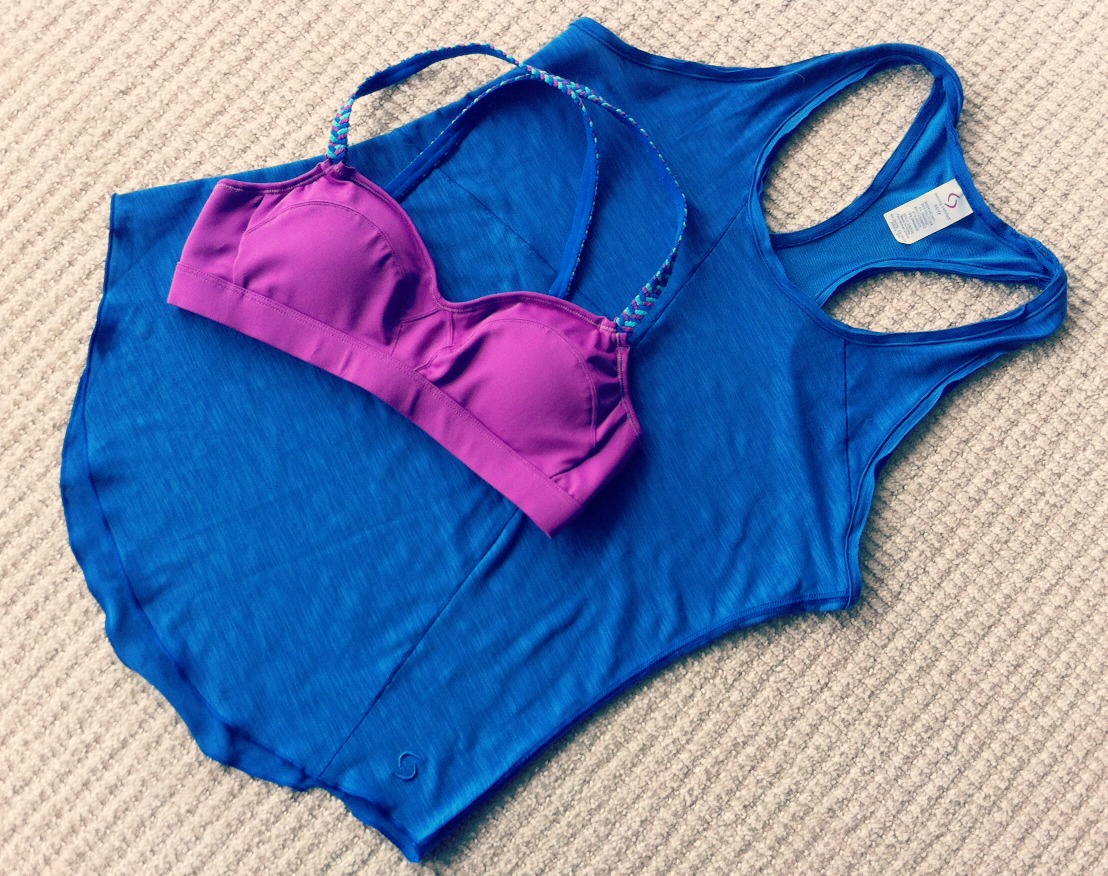
I was on the hunt for something for yoga and bootcamp — supportive but not restrictive — and their suggestion was the Hot Shot ($38), a sweetheart of a sports bra with minimal back coverage that allows for enhanced range of motion.

MCbra1

I paired it with the matching Metro Tank ($48), a fun racerback style that transitions well from class to running around town on errands. It’s loose enough for a forgiving feel without excessive fabric.

MCbra3

Moving Comfort’s team of experts also offer a few pointers to help prolong the, ahem, “shelf” life of your bra:

– Keep it fresh. Wash a sports bra after every 1-3 wears to remove the build-up of sweat, dirt and bacteria, which break down the fabric.

– Keep it safe. Good option: Fasten the hooks, and throw it in the washing machine. Better option: Toss it in a lingerie bag first. Best option: Hand wash to give it extra special care.

– Keep it cool. Hang dry or tumble dry low, since dryers wear down the fabric and moisture management properties.

– Keep it breathing. If it does get thrown in the dryer, never use dryer sheets or fabric softeners which “coat” the fabric and keep it from breathing.

– Keep it new. Depending on how often a sports bra is worn, it should be replaced every 6-12 months.

In need of a new buddy for those bosoms? Visit MovingComfort.com and check out their handy sports bra finder to locate a style that suits your needs.

Disclosure: I was given Moving Comfort items to review. All opinions are my own.

Combatting every athlete’s ‘dermy’ little secret: Dry skin

Source: David Brinley/Runner's World

Source: David Brinley/Runner’s World

Sun. Sweat. Wind. Chafing. Chlorine.

We talk a lot about the benefits of a good workout, but we often overlook the toll that training can take on our skin.

That dryness, tightness and cracking  is not only painful, but it can also leave you prone to infections. And let’s face it, when I’m trying to stay on top of our already-jammed training schedule, the last thing I want is to end up sidelined by an issue with my epidermis.

But don’t worry; you don’t have to be left high and dry. Dermatologists say there are plenty of ways to find relief by implementing a few simple changes to our daily lives.

“Keep your baths and showers short and make sure you use warm, not hot water,” says board-certified dermatologist Stephen P. Stone, MD, FAAD, professor of dermatology and director of clinical research, Southern Illinois University School of Medicine, Springfield. “Switching to a mild cleanser can also help reduce itching, and be sure to gently pat the skin dry after your bath or shower as rubbing the skin can be irritating.”

Dr. Stone shares a few more tips to relieve dry skin:

1. Apply moisturizer after getting out of the bath or shower. Ointments and creams tend to be more effective than lotions. Slather it on while skin is still damp to seal in moisture.

2. Read ingredients on skin care products. Deodorant soaps, alcohol-based toners and products that contain fragrance can irritate dry, sensitive skin. I look for more natural skin products with fewer ingredients to help reduce flare-ups.

3. Use a humidifier to add much-needed moisture to the air. Bonus: It also keeps nasal passages and sinuses from drying out; otherwise they won’t produce enough mucus or the mucus becomes too thick and can’t drain, making germs more likely to cause infections.

4. Wear soft fabrics that breathe, such as 100 percent cotton. If you want to wear wool and other rough fabrics, wear a soft fabric underneath. I break this rule while training (synthetics wick sweat better), but try to follow it otherise.

5. Don’t skimp on hand washing, which can remove harmful bacteria and viruses — especially at crowded gyms! If you need to wash your hands frequently, moisturizing hand sanitizers are a good alternative.

6. Apply hand cream after each hand washing. If more relief is needed, dab petroleum jelly on your hands before bed. If your hands are frequently immersed in water, wear waterproof gloves to help protect them.

I’d also add a few sport-specific tips of my own to the list:

7. Stay sun smart. It’s better to be safe than sorry, so slather SPF on all exposed areas — not only to keep skin from drying out, but also to help prevent skin cancer problems later.

8. Get rid of that ‘chlorine cologne.’ I recently interviewed Karen Allard, creator of the TriSwim product line, who spoke about the importance of removing chlorine molecules from skin post-swim.

9. (Don’t) show some skin. Combine cold temperatures and low humidity with long hours of exposure, and you’ve got a recipe for windburn. Protect delicate skin by wearing layers, and on harsher days, consider face masks, gloves, arm warmers, etc. to shield yourself from the elements.

10. Prevent potential problems. We all have those special hot spots that form from constant rubbing and chafing during long runs and rides, so lubricate skin ahead of time with products such as Ruby’s Lube, TriSwim and BodyGlide.

How do you minimize the damage to your skin during workouts? 

Work out where you work – and do both better

How-to-Workout-at-Work

The key to better productivity in the office may just lie in getting out of it.

Studies have shown that exercise not only boosts work performance in individuals by improving brain function, upping productivity and reducing stress, but it also has a profound effect on the workforce, as a whole. (I can definitely vouch for this, via our SweatGuru crew’s weekly “runch!”)

“Absenteeism is reduced, morale is increased and long-term health care costs are substantially impacted,” says Jim Colvin, M.P.H., fitness and health educator and trainer at Bay Club Silicon Valley.

So next time you’re temped to fight the mid-day slump with a second cup of coffee or a trip to the vending machine, think again. For managers and employees alike, Colvin offers four tips for merging physical activity with your 9-5 routine:

1. Take meetings at the gym. A new study at the University of Illinois at Urbana-Champaign found that participants showed significantly increased signs of focus and ability to retain and use new information immediately after a 20-minute yoga session. If you’re in a position to schedule off-sites, consider a health club venue: “The key is to build in a break to do a team workout with one of the classes being offered. The rejuvenation you will find between body and brain will result in a more stimulating discussion when the team returns to business,” says Colvin.

2. Walk and talk. “Walking for 15 minutes will burn approximately 100 calories each time,” says Colvin. Need one-on-one time with a coworker? “Instead of going for coffee, circle your floor or the block while you chat and reap the benefits of the endorphin release in the brain.”

3. Reschedule your workout. Typically work out at the end of the day? It’s a great stress reliever. But for a mental energy boost during the work day, consider hitting the gym on your way to the office or on your lunch break. Or, take 10-minute breaks throughout the day to climb a few flights in the stairwell or bang out a set of push-ups behind your desk.

4. Create a “mobile” office. “Many companies have incorporated walking treadmill stations in the office, and studies have shown that the additional steps taken resulted in reduced waist-to-hip ratios,” says Colvin. If you’re lucky enough to work from home, you can create your own treadmill desk by making a platform for your laptop across the handlebars and setting the treadmill between .7 and 1 mile per hour to be able to type comfortably while you walk. Or, for those who normally retreat to the local cafe, consider setting up shop at a work-friendly gym instead.

How do you squeeze physical activity into your workday?

#SwimmerProbs: Getting rid of my ‘chlorine cologne’

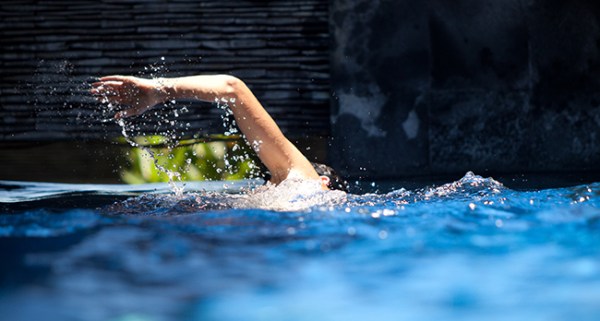
Skincare_swimming

When it comes to swimming, I’m somewhat of a late bloomer. When I first started training for my triathlon, I’d wear the smell of chlorine like a badge of honor: It meant that I had stuck to the day’s training schedule, rising in the dark to trade the warmth of my bed for the rude awakening of a cold-water plunge.

But after a few weeks, the romance quickly faded…not unlike my hair color. To add insult to injury, my skin was also feeling itchy, tight and irritated.

In my search for an effective, inexpensive (hey, all that tri gear isn’t cheap) solution, I stumbled upon TriSwim, a line of chlorine-out hair and skin care that worked like a charm. So much so, in fact, that I tested the other two products in SBR Sports, Inc.’s portfolio — Foggies (anti-fog cleaning wipes) and TriSlide (spray skin lubricant) — with the same success.

That’s when I knew I had to speak with Karen Allard, company founder, mom of four and competitive triathlete. She called me from her home in Southern California to answer a few questions I had about her products, how the company came about, triathlon tidbits (her fave race is Ironman 70.3 Vineman), as well as advice for women who want to break into the field.

Source: Coast Magazine

Source: Coast Magazine

Kinetic Fix: Tell us about your athletic background & how you got the idea for SBR Sports, Inc. 

Karen Allard: I come from a long line of entrepreneurs and grew up business-minded. I was a triathlete, a USET coach, and I owned a triathlon team in Southern California, which meant I was always in a pool, sometimes four to five days a week. My hair was just getting trashed.

I saw a need for a salon-quality line that would take away chlorine without stripping hair, but I also wanted to keep the price low for athletes (because the last thing they want to spend more money on is personal care products!). We take such good care of our equipment and nutritional needs that we often neglect skin and hair care — until it’s too late. So what started as more of a project turned into a business.

KF: How did the product line grow from there? 

KA: Well, I have a marketing background, along with psychology and art, which is a good combination when trying to market to niche group! We only had a few thousand dollars, so we put samples in Ironman bags, and things blossomed from there. We started with TriSwim shampoo, body wash and lotion — and six months later, we had a request for conditioner.

All of the products we create are out of a need — I figured if I need it, then other people would, too. For example, before TriSlide, we used to put our wetsuits on with Pam. I didn’t believe the vegetable base would really break down neoprene until it happened to me one day: I went to take my wetsuit off, and it had disintegrated on my shoulder into a black tar.

I liked the spray application, and I liked using silicone to prevent blisters on my feet, so we combined the two. It was originally meant for wetsuits, but it has amazing anti-chafe properties, so anyone who is an athlete can use it — like my son, who plays lacrosse at college and uses it to prevent chafing at the seams of his uniform.

And Foggies came about during an open-water swim. I was about to hop in the water, and I needed a clean cloth to wipe the tear drops out of my goggles, but I didn’t have anything. So, again, we combined the two — you get a controlled application of anti-fog that dries on the lens without a need to wipe it off. When it hit the market we had some doubters, but once people try it they see how well it works.

All-SBR-Products-in-Splashing-Water

KF: What’s been the most challenging part of the journey thus far? 

KA: Not only do we have to get the product into the market, but we also have found a need for education about the effects of chlorine. If people aren’t swimmers, they tend to see the line more as beauty products than necessities. But, over time, chlorine can be destructive to your hair and skin — just look at what it does to your swimsuit!

KF: So why is TriSwim more effective than just taking a shower with regular shampoo, soap and water?

KA: We use sequestering agents that isolate the chlorine molecules, surrounding them so they can be rinsed off and down the drain. Soap, because there’s no sequestering agent in there, basically ignores the chlorine. Our products are designed to target not only chlorine, but also salt water and bromine, which is often found in hot tubs.

Also, it’s important to address some misleading information: A lot of beauticians tell athletes to use clarifying shampoos, but that actually does more damage to hair. Clarifying shampoos are specifically designed to take away things like gels, mousses and hairsprays — not chlorine. Plus, you’re only supposed to use them twice a week, but a lot of athletes use them every day. It totally strips hair. TriSwim is specifically formulated to take away chlorine, then add moisture and hydration back in.

KF: Switching gears for a final question…as owner of a female-fronted endurance company, do you have any words of wisdom for other women who want to break into an industry that’s still somewhat of a ‘boys’ club?’

KA: Most of the owners of businesses in the fitness market are still men, yes. But I’ve found that if you know your stuff – and not only ‘talk the talk,’ but also ‘walk the walk’ – it does level the playing field. That, and keeping a good sense of humor helps, too!

Thanks very much to Karen for taking the time to chat. For more information about her company and its products, visit the SBR Sports, Inc. website

Fit Fix: Catching up with triathlete Terra Castro

Terra1

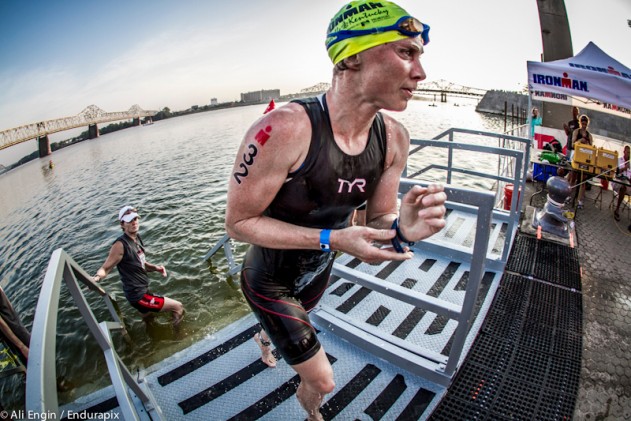
Terra exiting the swim at the 2012 Ironman Louisville race

In my last post, I talked about prepping for my upcoming Olympic-distance triathlon and, in light of this new adventure, I thought it’d be fun to revisit a previous interview I did with my friend Terra Castro, a retired professional triathlete (although don’t let the ‘retired’ fool you; she just won a recent race in our hometown).

I had the pleasure of running alongside Terra during our high school track and cross country days in Michigan, and when she wasn’t leading the team by example, we’d inevitably find her cheering every last person across the finish line. So it was no surprise to any of us when this unparalleled display of work ethic, dedication and heart allowed Terra to achieve her dream of becoming a professional triathlete and racing around the world. 

But even though she closed that 16-year chapter of her career last year, Terra shows no signs of slowing. She continues to teach Team Luna Chix clinics and coach track and cross country, which no doubt will allow her to mold, motivate and inspire generations of athletes to come. Below is an excerpt of my chat with this all-around amazing lady.

Kinetic Fix: What is it that you love about triathlons, so much so that you made it a career?

Terra Castro: I love the challenge that is triathlon: How mentally tough it makes you, and how there are three sports so you always have stuff to work on and improve. I love that it brings people together from all walks of life. I was able to make a living at it, which was a blessing, but even as  professional triathlete it was so cool to race alongside other age group competitors, including my mother and grandfather.

KF: What, in your opinion, are the benefits of multi-sport events?

TC: The variety of the three sports keeps you motivated, and you don’t get bored because there’s always a challenge ahead. It promotes endurance development; you become really fit due to the demands of multi-sport races. It’s beginner-friendly, and there are all types of distances and race options for everyone – from sprint distance to Ironman, aquathon to aquabike – everyone can compete!

It’s also a great way to meet people and have fun, plus you learn about yourself and become much stronger and more focused in the process. And, last but not least, finishing is a huge achievement; it never gets old seeing someone cross the finish line in their first race. The moment is priceless!

KF: You’re on a gluten-free diet – why, and how did that factor into your training?

TC: I found out in 2000 that I have Celiac Intolerance. I wasn’t recovering from training, and had huge GI issues, a weak immune system, etc. Since then, I have focused on being gluten-free, dairy-free and egg-free. In training, I just planned more specifically my meal menu and layout – especially on training days – because I couldn’t just grab a bagel or a sandwich (I need the gluten-free version).

Source: Competitor.com

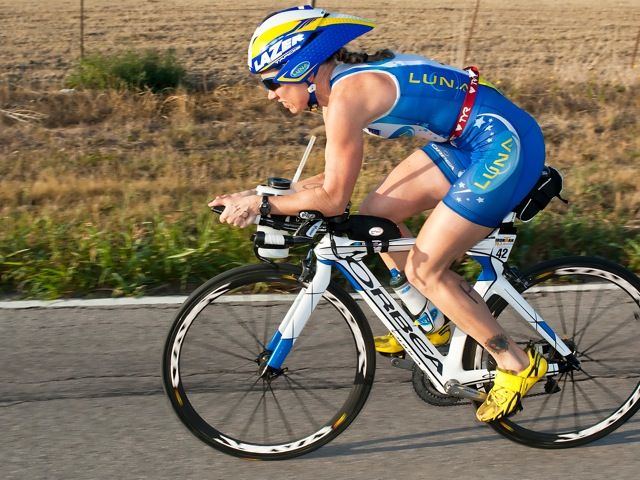
Terra at the 2011 Ironman 70.3 race in Austin (Source: Competitor.com)

KF: How do you pass the time during workouts?

TC: During training I am focused on the skill in the session – the task at hand – so I don’t use music. Unless I am on the treadmill or riding the bike on my trainer inside…then I must have jams to keep the energy high!

KF: So what’s on your iPod right now?

TC: I have an iPod, but I don’t know how to use it, which is sad because my brother works for Apple! I use Pandora on my phone; I LOVE Mumford and Sons, but I still keep to Detroit roots with Eminem.

KF: Back when you were in full training mode, what did a typical day look like for you?

TC: It depended on the day; triathlon is three sports, so on bigger days I’d wake up early and start with coffee, a snack and morning bible study before I headed to the pool. I’d be in the water at 6am for an hour and 15 minutes, and then head back home for breakfast and onto the bike for a few hours.

I live in Arlington, Va., so I’d head out to Maryland past the National Monuments (never gets old!) before going home to refuel and nap (recovery is key to training!) in my Recovery Pump. The evening workout was usually a run of an hour through the hills of Arlington, then I’d have dinner by 7pm, and I’d be in bed by 9:30. Wake up and repeat!

KF: One last question – what’s your advice for beginners who are hoping to tackle their first triathlon this season?

TC: First, remember the key is to have fun, so don’t put too much pressure on yourself. Tackle one thing at a time, focusing on the process and not the big picture because it can be overwhelming. Next, take the time to train properly, but keep it simple – even if it means getting your ride in as commuting to work or your run as chasing the kiddos around the track. Finally, find a local training group or friends to hold you accountable and keep you motivated when you want to just sleep in!

To keep tabs on Terra’s latest adventures, check out her website and blog, or follow her on Twitter here.

Are you guilty of one of these workout time wasters?

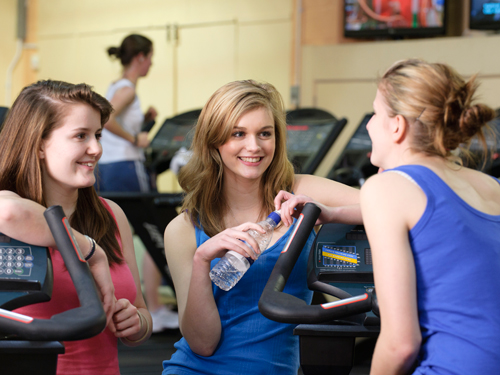
girlfriend-girls-chatting-gym

We’ve all had those days when, even with the best of intentions, your workout gets sidetracked once you set foot in the gym. But with time at a premium, efficiency is a critical part of the fitness formula is you want to keep making progress.

“Almost everyone could benefit from getting a more effective workout in less time and reaching their goals sooner,” says Jennifer Beaton, VP and general manager at Western Athletic Clubs and a certified personal trainer at Bay Club San Francisco.

So take a look at these four common workout time wasters, and make a mental note to avoid them if you want to maximize your next trip to the gym:

1. Excessive rest. All those minutes spent sitting on the bench staring at your watch really add up. “If you can sit down and read the paper between sets, you are likely resting too long,” warns Beaton. To see better results with the very same moves, and to optimize your time, try super-setting exercises, such as push-ups and squats, to allow rest of a muscle group while you work another muscle group. Replacing station rest with active rest such as 30 seconds of high intensity cardio can also optimize calories burned and muscle recovery.

2. Steady-state cardio. In other words, those marathon (no pun intended) treadmill sessions. “We see many members who do the same 60 minutes of cardio at the same intensity every day for 15 years. These individuals no longer see improvements and often start to see declines in overall condition. They would benefit by mixing up their routine, adding intervals and high intensity work,” says Beaton.

3. Isolation exercises. “Life is full of dynamic movement, and therefore our workouts should simulate and enhance those efforts by using multi-joint, compound movements, such as squats, lunges and pull-ups as opposed to, for example, adductor/abductor machines or bicep curls. To get the most bang for your buck, focus on performing movements that recruit as many muscles as possible; those smaller secondary muscles will get plenty of work as they support the larger muscle groups during those movements,” Beaton adds.

4. Endless crunches. Likewise, if your goal is a great-looking midsection, ab-isolating exercises may miss the mark. “I often see people doing 15-20 minutes of crunches in hopes that it’ll deliver six-pack abs,” says Beaton. “Their time would be better spent on nutrition, a solid full-body strength routine, and a balanced cardiovascular program.”

How do you make the most of your time at the gym?

DIY Beauty: Peppermint lip scrub

Source: Jessica Beautician

Source: Jessica Beautician

If harsh winds and frigid temperatures are leaving your pout dry and in need of some serious smoothing, a scrub can help you kiss chapped skin goodbye this season.

But skip the chemical-laden, store-bought versions; instead try this simple, all-natural recipe from eco-chic skincare expert Indie Lee, which is the perfect way to nourish lips while leaving them kissable (hello mistletoe!) this winter.

Indie Lee’s Total Lip Service Scrub

Ingredients: 

  • 1 Tbsp. raw cane sugar
  • 1 Tbsp. honey
  • 1 drop peppermint oil

Directions: 

  1. Combine sugar and honey in a small bowl
  2. Mix in peppermint for a refreshing scent
  3. Use to buff and polish lips by putting a small amount of scrub on fingertip and gently rubbing on lips in a circular motion
  4. Wipe (or lick!) off remaining scrub, and follow up with a lip moisturizer

How do you adjust your usual beauty routine during the winter months?