Oops, I did it again…

DTW Marathon Registration2

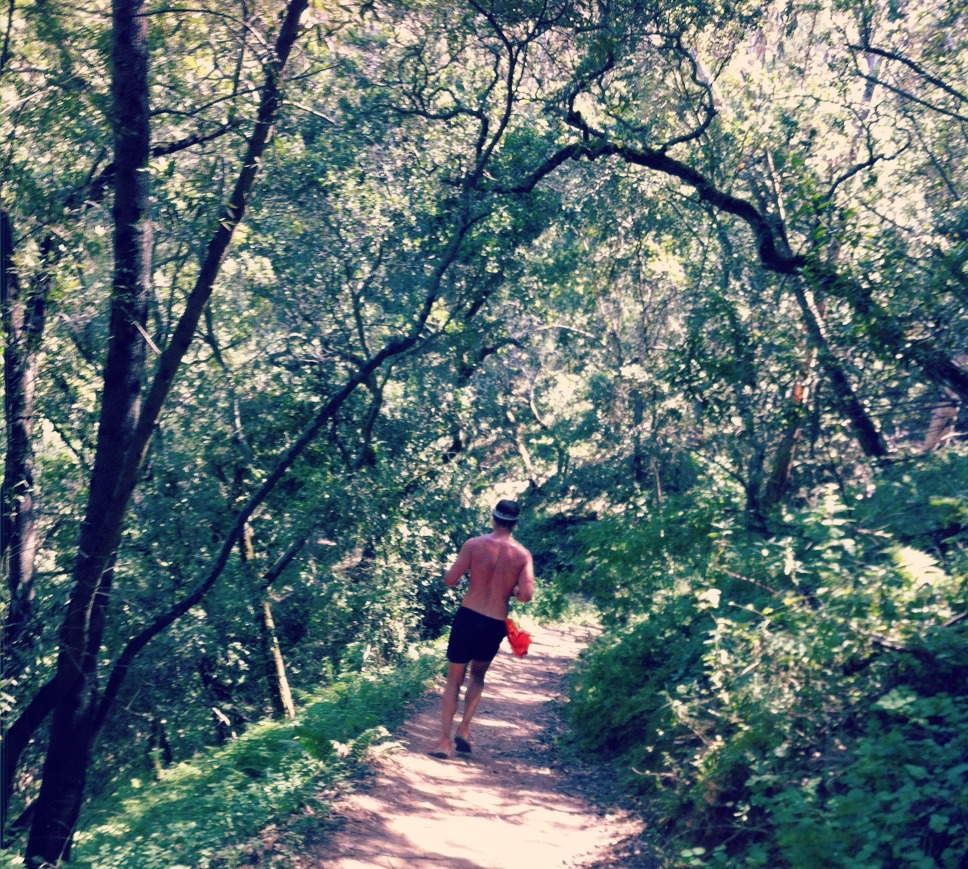
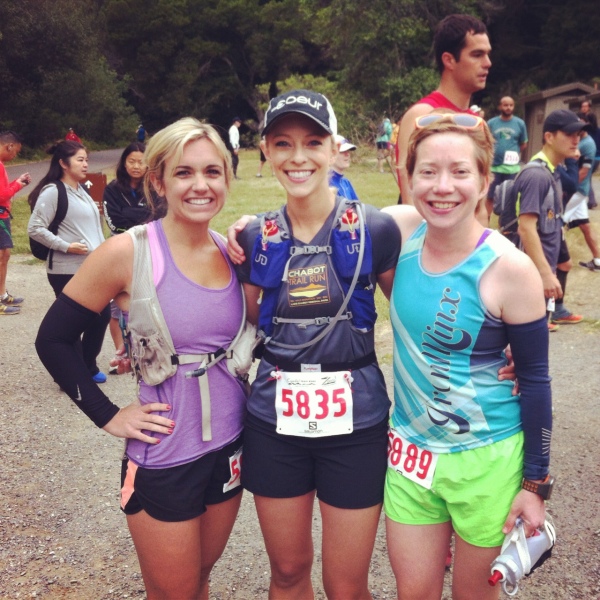
What happens when you reunite with a former-high-school-running-teammate-slash-retired-pro-triathlete who mentions she’s making her competitive marathon debut in our hometown of Detroit?

Not only a great excuse to get back there and cheer her on (from WAY behind…sorry, Terra), but also some inspiration to give that elusive sub-four marathon another go.

But this time I’m setting myself up for success: The race is on my home turf with a more forgiving course, plus I’m using a brand-spanking-new training program that’s a little bit “renegade,” to say the least. But perfectly fitting, considering the venue.

So stay tuned for my Motor City marathon plan…training starts next week!

What goal race(s) are you working toward this season? 

Feel the squeeze: 4 reasons to try compression gear (+ giveaway!)

shutterstock_112606778

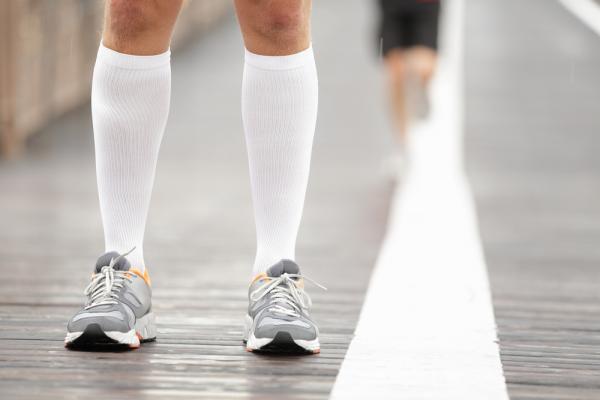
Once reserved for diabetics and frequent flyers, compression socks have gone mainstream, thanks to athletes who swear by their performance benefits in training, racing and recovery.

“I started wearing compression gear in 2007, and I sure got some funny looks as the first person in the USA to wear them [at Ironman Louisville that year],” said Chris McDonald, a professional triathlete and four-time Ironman champion. “I was chatting with a surgeon about post-op recovery, and he said to me, ‘I know nothing about sport, but I can’t tell you quality compression socks will help with return blood flow.’ So I just tried them!”

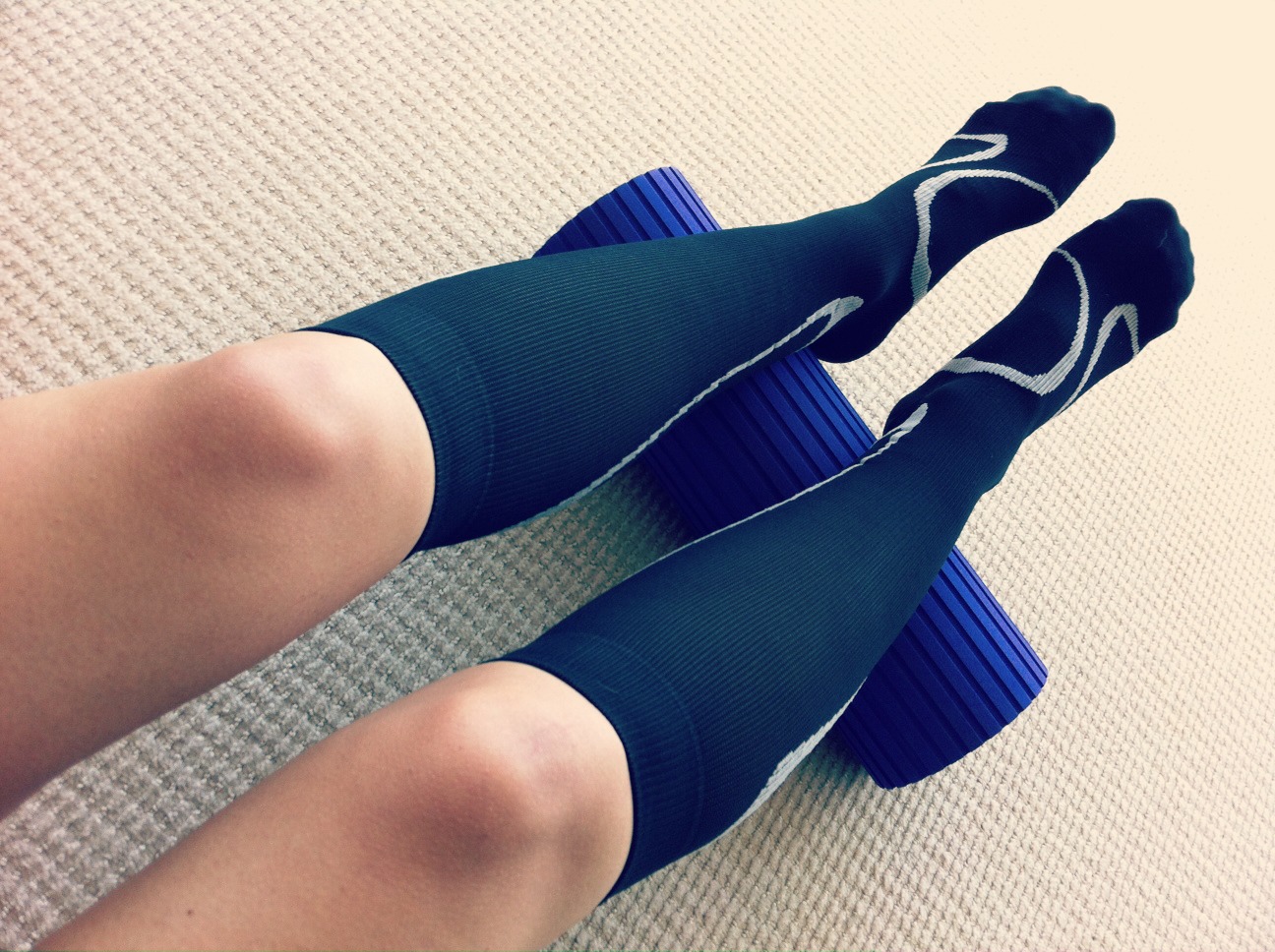
Although experts are still debating whether the effects are more in your head than your legs, I’m a proponent of compression gear, based on experience. Not only do my legs feel fresher mid-run, but they’re also less sore the day after. Plus, blindingly-bright colors keep me happy during hard workouts 🙂

Personal opinions aside, though, there are a few reasons why it may be worth setting your gear budget back a few bucks (prices for these puppies are in the $45-70 range) to get ahead in your training:

1. Improve circulation. Ever get that “heavy legged” feeling while working out? Compression gear can help prevent blood from pooling in hard-working muscles to keep legs feeling peppy.

2. Stay comfortable. If you’re worried that wearing compression socks means you’ll have to give up your favorite cushy, anti-blister socks, think again. Many brands offer arch support and extra padding in the toe and heel.

3. Increase protection. Socks aren’t just for shielding feet against shoes. Much of today’s compression gear does double duty with special materials that provide a cooling effect and SPF sun protection.

4. Speed recovery. Bounce back faster with recovery-based styles, which are engineered to help get fresh blood into muscles and flush out byproducts, such as lactic acid.

All the brands and technology out there can get overwhelming, which is why I recommend starting at a site like BrightLifeGo. They’re an authority on the subject of compression, having tested and handpicked their entire collection of socks and stockings — both for athletic use and everyday wear. 

I even found a new favorite brand there — Sigvaris. Style-wise, they’re a departure from my usual obnoxiously-colored gear…but functionally, I just couldn’t pass up their graduated compression design, extra-cushy footbed and anti-blister toe fabric. 

sigvaris

Factor in all the other bells and whistles, like high-tech fibers to regulate temperature (and odor), Achilles Tendon Protectors to reduce vibrations on ligaments, plus extra-wide top bands to keep everything in place…and, well, I pretty much live in these things when training, racing and traveling. 

Want to feel the squeeze yourself? Here are a few things to take into account when picking your perfect pair: 

  • Length: Do you want a knee-high sock or a full-length legging?
  • Use: Are you looking to use compression for work, play — or both?
  • Level: How tight do you want it — mild relief or moderate support? 
  • Design: Is form (aka style) just as important as function? 

“I definitely feel the benefits with both performance and recovery time,” said McDonald. “If you can recover quicker you can train harder. Put on compression for all travel (including drives over two hours), wear them during and post workout, and put a pair of compression socks on as you are sitting around at night. It’s not rocket science; it just takes routine.”

Is compression a part of your training and racing attire?

Enter my Rafflecopter giveaway to win two FREE pairs of Sigvaris compression socks or sleeves, courtesy of BrightLifeGo!

The art (and science) of fueling

jonbottle

If you’re active, there’s a good chance that the topic of food is never far from your mind. But when I’m not dreaming of what I’m going to eat as my post-workout/race treat, I’m thinking of what to consume during the event – i.e. fueling up to go the distance.

Most of us have a general idea of the science here: To prioritize maximum athletic performance, you want to ensure that you’re using your glycogen premium fuel tank as much as possible. But that’s where the art comes in, especially because no two athletes will have the exact same fueling requirements at any given time.

Too much fuel early, and your body will convert the excess carbs into fat. And too little fuel too late results in early fatigue and diminished performance. But how do you know what you need, other than going by feel or estimating expenditure?

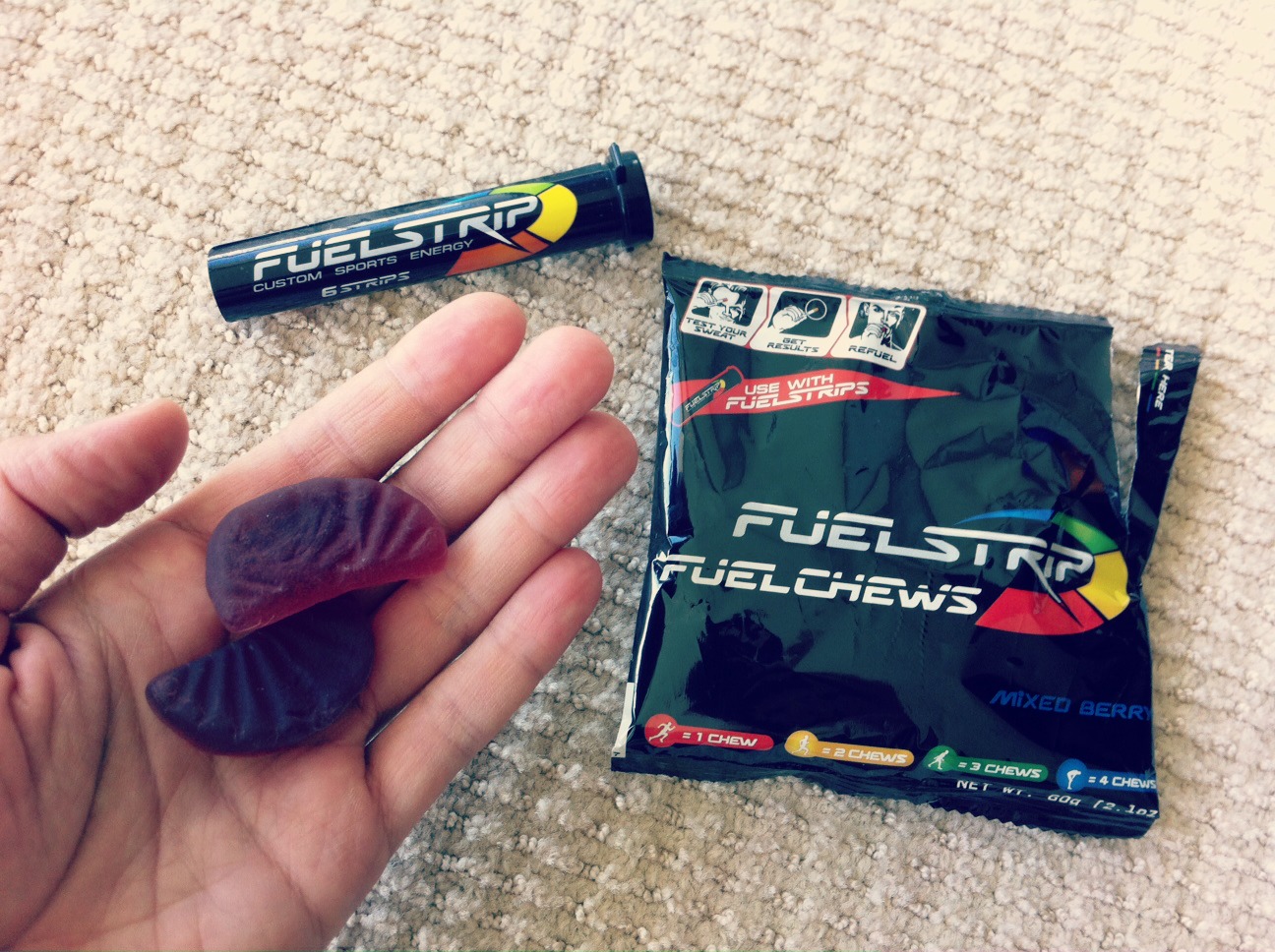
That’s where Fuelstrip comes in — to try to take the guesswork out of your fueling game with its “custom sports energy” technology.

Fuelstrip1

Huh? Stay with me — here’s how it works, in theory:

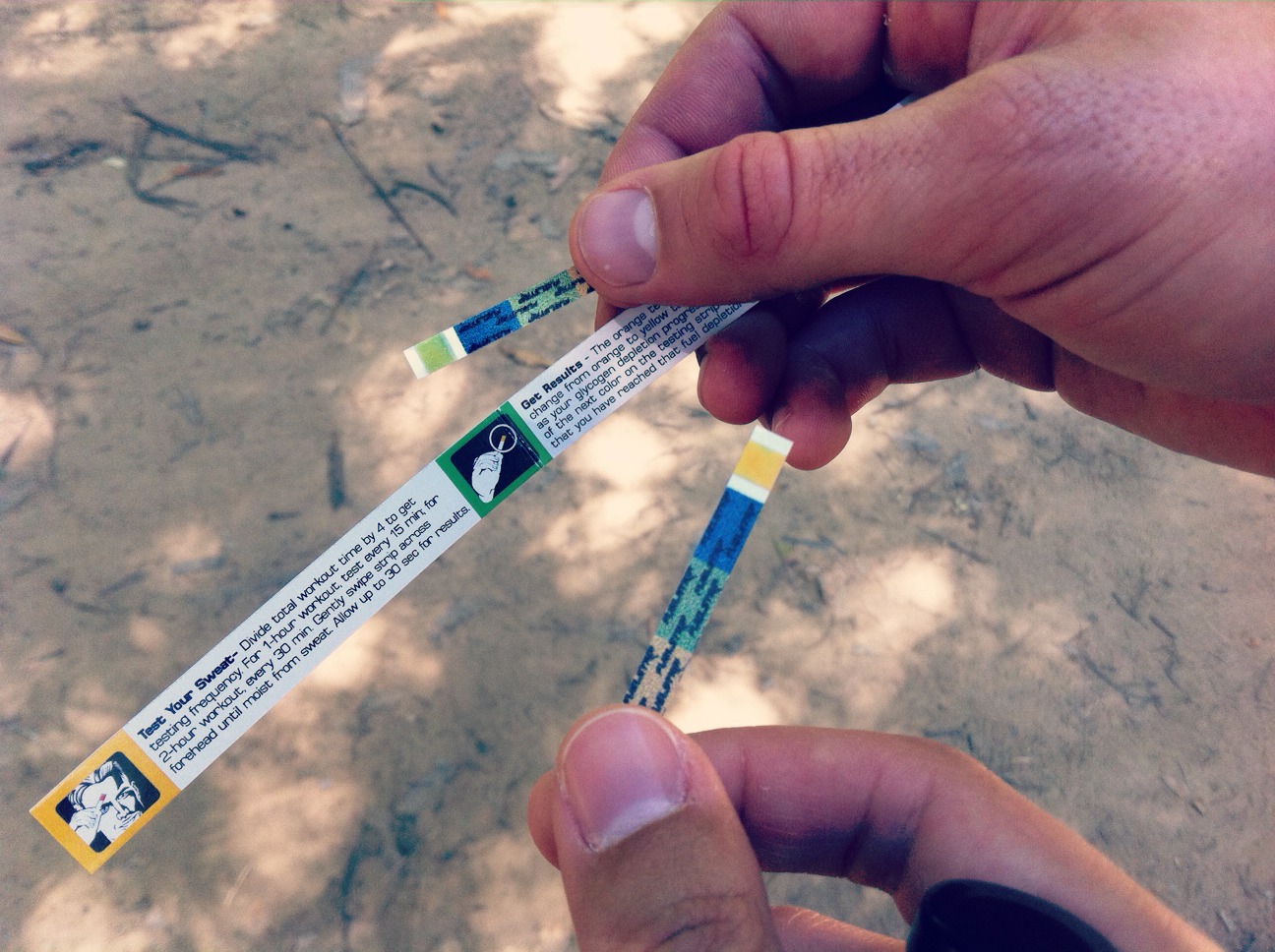
  1. Test Your Sweat. Swipe a fuelstrip with sweat at regular intervals during a workout.
  2. Get Results. Watch the strip change color to reveal you body’s exact level of depletion.
  3. Refuel. Ward off fatigue by eating the corresponding number of carb- and electrolyte-filled chews.

But in reality? Well, I first tested the strips during a P90X session at home with mixed results. My strips stayed in the orange range, which meant one of two things: Either my glycogen reserve tanks were pretty topped off…or the technology wasn’t working (regardless, the chews are yummy).

So I decided to do a second experiment — this time using Hubby as my co-guinea pig during a recent 13-mile trail run. I did my usual pre-run routine. Hubby? Not so much. He had a smaller-than-usual breakfast and opted not to carry fuel on the run.

About halfway through, we were both feeling pretty beat by the heat (the SF summers have softened us!)…but, as you can see, his lack of fueling was also starting to kick in. Needless to say, he happily accepted the bag of chews as we made our way along.

Fuelstrips2

A few miles later, we checked again — I stayed the same yellow/orange color, but Hubby’s green was a little less vibrant this time around, so we declared the test a success.

Would I use ’em every time I exercise? Probably not. Personally, I’ve got a decent idea of what to eat — and when — for most of my regular workouts. But if you’re starting a new routine or unsure of fueling over longer distances, it’s smart to consider setting a baseline.

For example, as I figure out fueling for longer training rides and trail runs, I’ll be spot-checking with Fuelstrips to make sure I’m eating enough along the way — especially as I’m less able to rely on hunger as an indicator.

Because, unfortunately, there’s no one-size-fits-all solution when it comes to fueling — but getting it right can mean the difference between finishing strong or bonking before you cross the finish line.

LakeChabot

For more information or if you’d like to try Fuelstrips yourself, visit the website here

IRUNLIKEAGIRL…do you?

Images for IRUNLIKEAGIRL shoot of Jennifer Hellickson

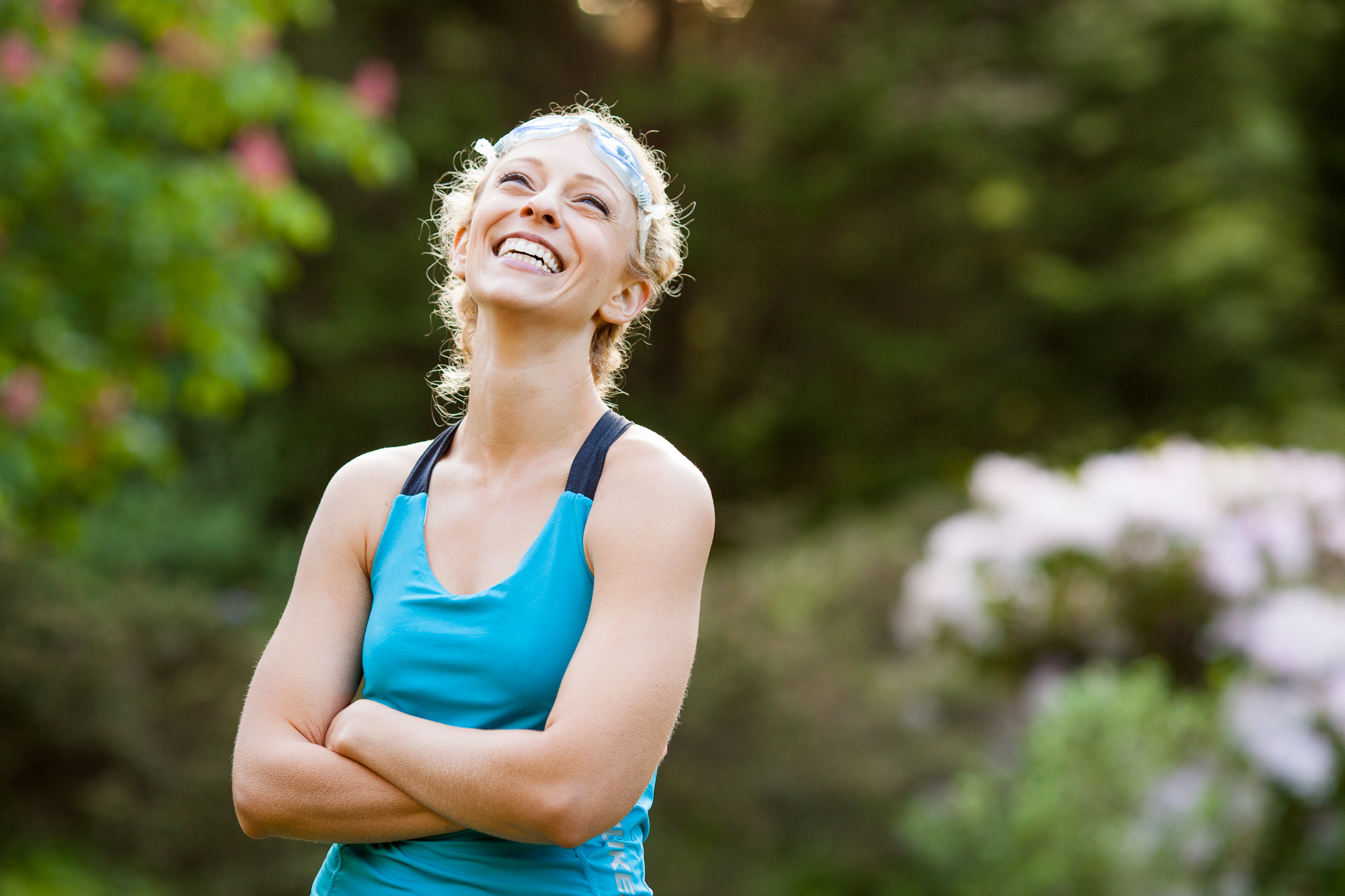
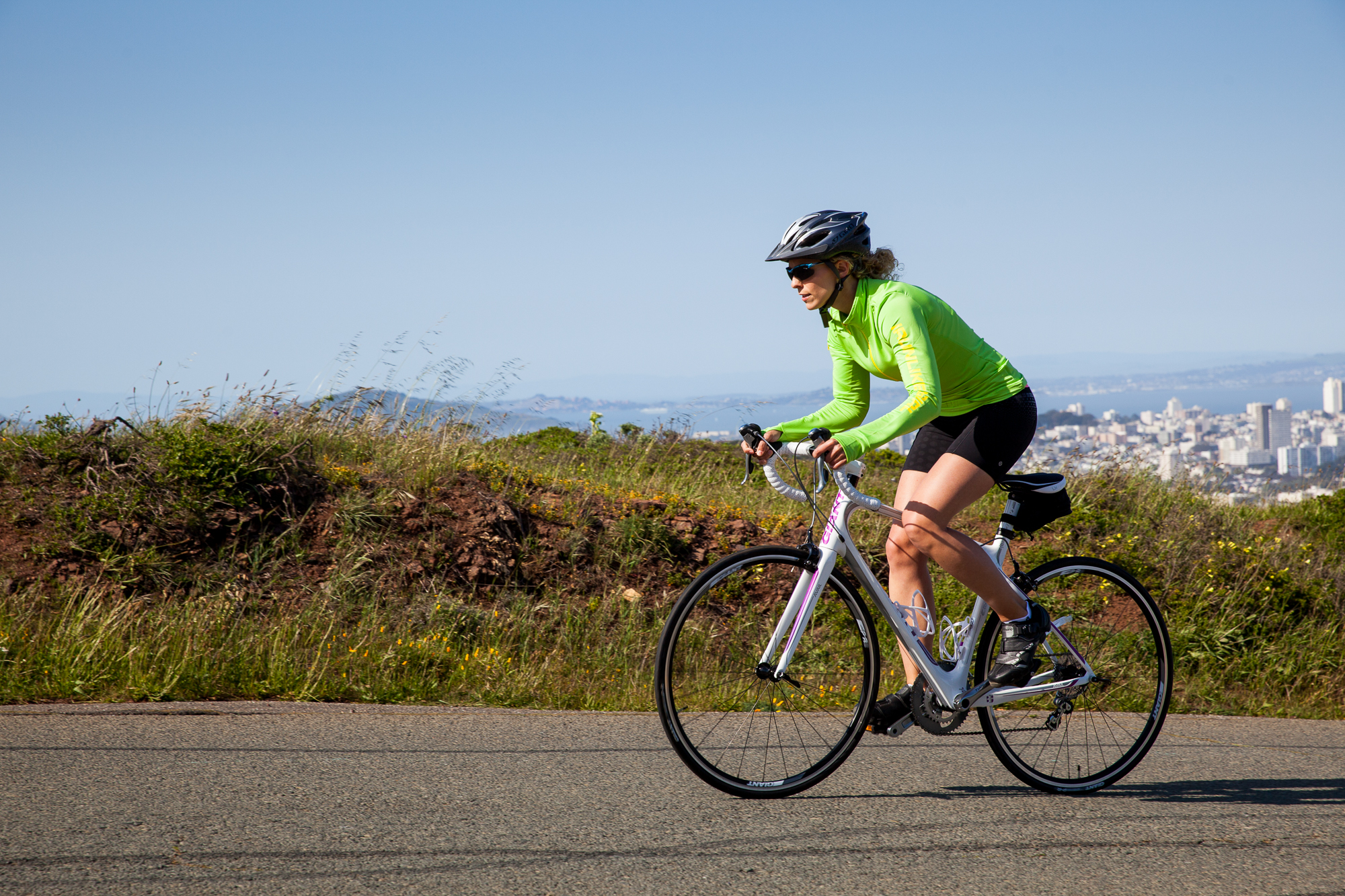
What do you get when you mix a few friends with great active apparel, a camera, some flattering lighting and bit of running and biking around the most scenic spots in San Francisco?

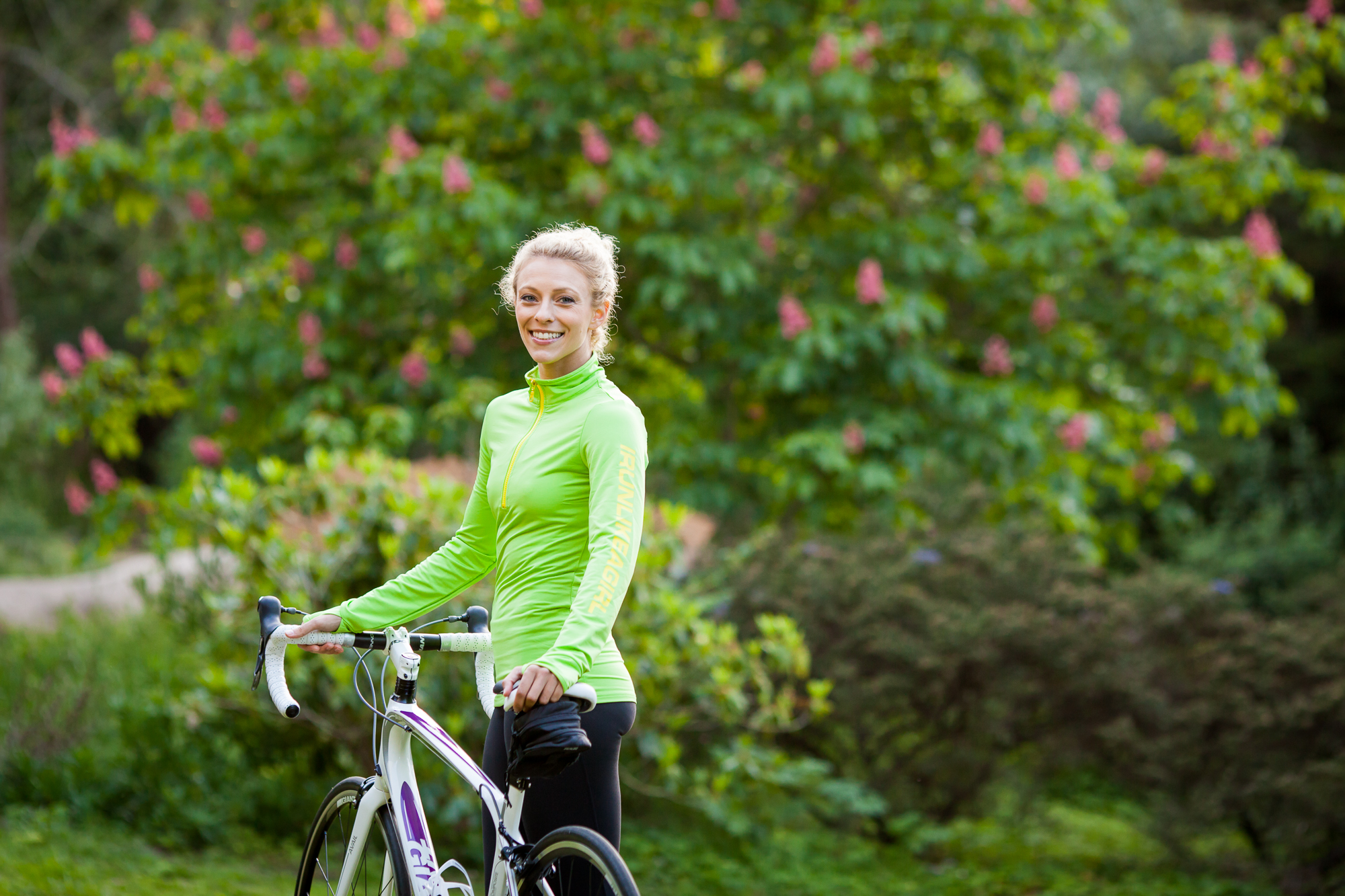
Well, if you’re me (aka the one doing the running and biking; that Twin Peaks hill is no joke), the answer is ‘pretty sweaty’ — otherwise the result is a really fun and hopefully inspiring photo shoot for IRUNLIKEAGIRL women’s activewear.

Kelly McCloskey, a friend and creative director of the brand, teamed up with the fabulous duo of Cody and Natalie at C+N Creative to catch me in action while training for my first Olympic triathlon. Check out the write-up on it here.

Images for IRUNLIKEAGIRL shoot of Jennifer Hellickson

But I also decided to turn the tables on Kelly and interview her here so you can get to know her brand and the incredible dedication and passion she brings to every hand-picked piece in the line.

We caught up recently, and here are a few of her thoughts on the importance of friends, fitness and female empowerment when it comes to both getting active and getting down to business.

bazu-1756180

KineticFix: Thanks so much for inviting me to be a part of your new campaign! So tell us about the inspiration behind IRUNLIKEAGIRL. What does it mean to you?

Kelly McCloskey: IRUNLIKEAGIRL is all about heart. It’s about going after something that makes you feel alive. And then being able to share that ‘moment’ with a friend. For me, IRUNLIKEAGIRL lives at the intersection of my love for running and dream to run my own business. We’re driven to create fun, flattering and functional active apparel that you can identify with; it’s like wearing a feeling. The ‘I’m going to make this happen’ feeling.

KF: You’re big on empowering and encouraging females to get active and involved in the running community. How does IRLAG facilitate this?

KM: My favorite thing about running is racing. The training, the long runs with friends, the buildup, the having a goal that gets you out of bed to run when you just want to sleep– it never really gets old to me. I’ve met and continue to meet incredible people through running which is why I started Team IRUNLIKEAGIRL.

It’s an international program; our team of IRUNLIKEAGIRL ambassadors each select a goal race in their city and recruit local runners to train for the race together. I’ve experienced nothing quite like working towards a common goal with friends and teammates. When we get together and push each other forward we challenge the limits of our comfort zone and rise up to our best.

karag_medium

KF: I love that! Can you tell us a little bit about your own running – what are you training for, current race goals, etc?

KM: I’ve been running since I was 12, and competed on the XC/track teams for the University of New Hampshire. I was always more of a hurdler and middle-distance runner but post-college I met my love for the marathon. Next goal: Boston, baby! And to break the 1:30 barrier in the half marathon. Right now I’m training for the Santa Rosa marathon in August in effort to run a new marathon PR/qualify for Boston 2015.

KF: What inspires the IRLAG line, and what’s your favorite piece at the moment?

KM: There are a few things about apparel features and fit that I’m fanatical about, and I focused on them while designing this line. Fun color, extra length, flattering fit and soft-yet-functional fabric. I’m all about the little things too, like adding thumbholes, playing around with where we feature the logo and adding an armsleeve pocket that can fit an iPhone.

My favorite piece in the line is the Racer Girl tank. I wanted to make something for race days that brought to life those special feelings of anticipation and excitement. Its bright colors are unique, and the supportive, soft and super quick-drying fabric all came together nicely. If you look good you feel good, and you need to feel good on race morning, right?!

1383549_614049428637771_1575009879_n

KF: Couldn’t agree more! So, where do you hope to take the company from here?

KM: My long term dream is to have an IRUNLIKEAGIRL truck that travels around the country to different races. We’d drive in and meet with our ambassadors and local runners. The pre-race energy would be high with music, laughter, friends and IRUNLIKEAGIRL active apparel, of course. It would be a ‘fitfashion’ truck. And this truck would also serve cupcakes. Because cupcakes and running are the perfect pair.

Kelly, I like where your head is at 🙂 Huge thanks for sitting down to chat!

KineticFix readers: Get a 20% discount on IRUNLIKEAGIRL apparel through 6/25/14 (valid site-wide) with the code “save20percentKF” 

Images for IRUNLIKEAGIRL shoot of Jennifer Hellickson

10 tips for recovering from a 50K

CM50K_5.31

Let me be the first to say it: Finishing one 50K definitely does not qualify me as an expert in all things ultra marathon.

But I have been training for, running and racing all kinds of distances for almost 20 years now (crap, that makes me feel old), so I am somewhat of an expert on my body and how to help it bounce back from pretty intense endurance events.

This is by no means an exhaustive checklist; it’s just what I like to do to help kick-start the recovery process, which — if done properly — is where the real gains in your training can occur.

1. Celebrate — You just ran 31 miles! Accept that round of hugs, collect your medal, then take a load off for a few minutes…preferably in the shade.

2. Eat — Refuel your body so it can repair and rebuild. For me, this equates to fistfuls of candy at the finish, but I always follow it up with a good meal.

3. Drink  — Celebratory glass of Pomegranate Cider (see step no. 1) aside, I spend the rest of the day trying to rehydrate until my pee runs light yellow.

4. Assess — Do a head-to-toe check for injuries or issues. From blisters to poison oak to tweaked joints, it’s better to recognize it sooner rather than later.

5. Address — I pop Advil for aches, wear compression gear to soothe muscles, apply Tecnu, and bathe in ice or Espom salts to reduce inflammation.

6. Sleep — Restless legs may make it tough to sleep the night after the race, so two nights later I aim for a long, deep sleep to allow my body to reboot.

7. Rest — More than just sleep, this means taking a day (or two) off after a race that gives my body — and mind — and break from the training grind.

8. Reflect — Drafting up the race report while the event is still fresh in my head lets me figure out what worked well — and what didn’t — for next time.

9. Move — I start with light walking the day after and ease in with a gentle swim on day two. By day three, I follow it up with an easy session on the bike.

10. Plan — Last but not least, it’s important to continually set goals to stay motivated. This usually comes in the form of a new race registration!

What are your best strategies for recovering from a big event? 

Recipe: The infamous “Salty Balls”


SB1

Training for an endurance event takes more than just physical conditioning; proper fueling can make or break your race.

But finding success can take some trial and error, so I’m always on the lookout for new recipes and recommendations.

Which is why I was pumped when pro triathlete and fellow Coeur Sports athlete Hailey Manning shared her secret recipe for the famous Salty Balls that she uses as her bike nutrition during Ironman races.

The recipe was developed by Stacy Sims, chief research officer and a co-founder of Osmo Nutrition, and both Hubby and I have been eating ’em nonstop on runs and rides.

See my take on the treat below!

Hailey Manning’s Salty Balls

Ingredients:

  • 1/2 cup natural peanut butter (or any kind of nut butter)
  • 1/3 cup brown rice syrup (I ordered this kind from Amazon)
  • 1/2 cup whey protein isolate (I used half vanilla-flavored powder, plus half Osmo Acute Recovery for some spice)
  • 1/2 cup dry oatmeal
  • 1/4 cup shredded coconut

Directions:

  1. Combine all ingredients. If you need a bit more holding power, add a dash of protein powder.
  2. Throw a sprinkle of salt on top and freeze until needed (makes ~10 balls, ~140kcal/ball).

Here’s a look at the process, starting with all the ingredients (sorry, red wine is not one of ’em, although it is key to my performance in the kitchen!)…

SB2

First, add all the dry ingredients — this is both protein powders, plus the oatmeal.

SB3

Tip: Use a sturdy spoon after adding the peanut butter and brown rice syrup.

SB4

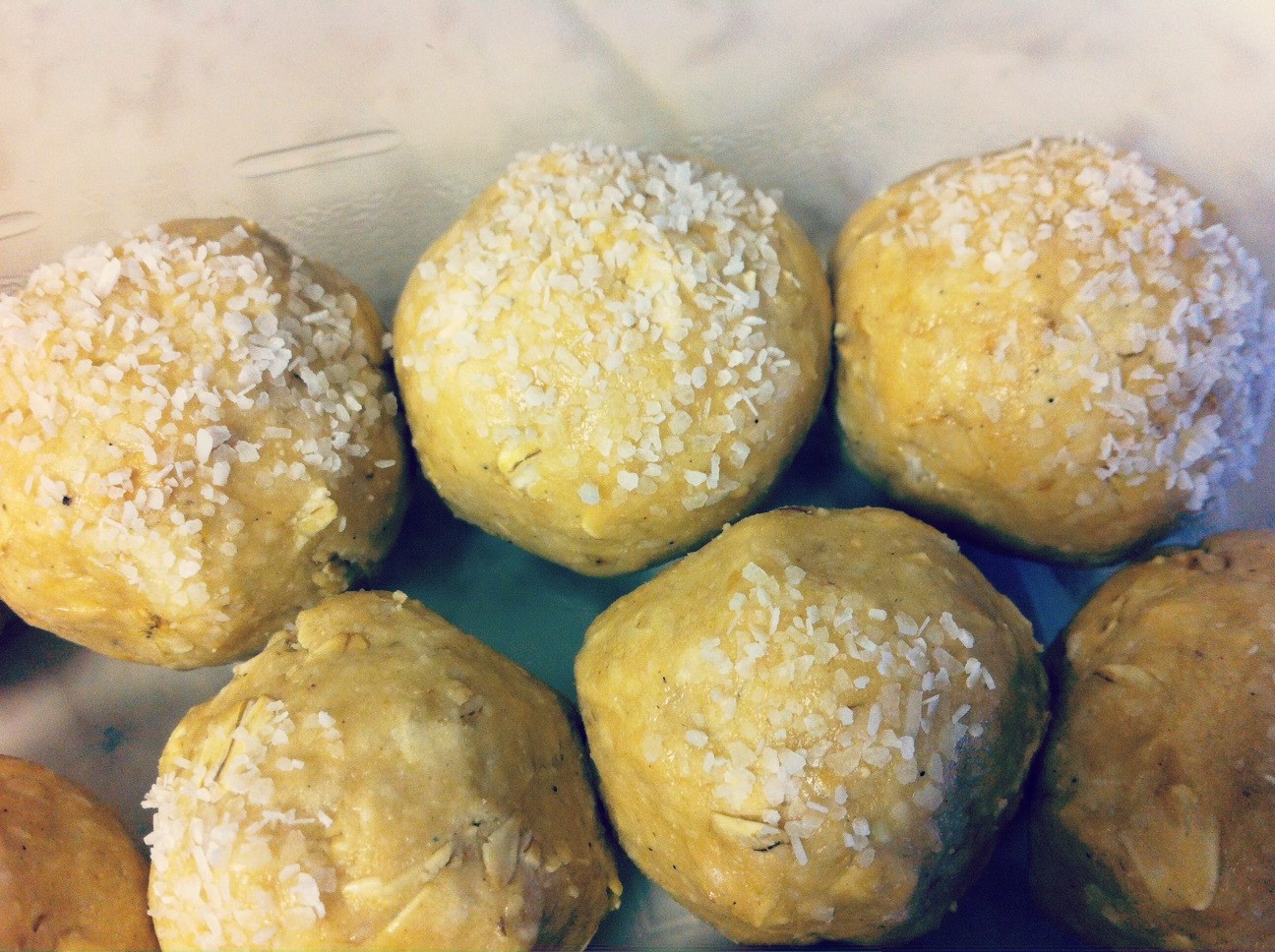
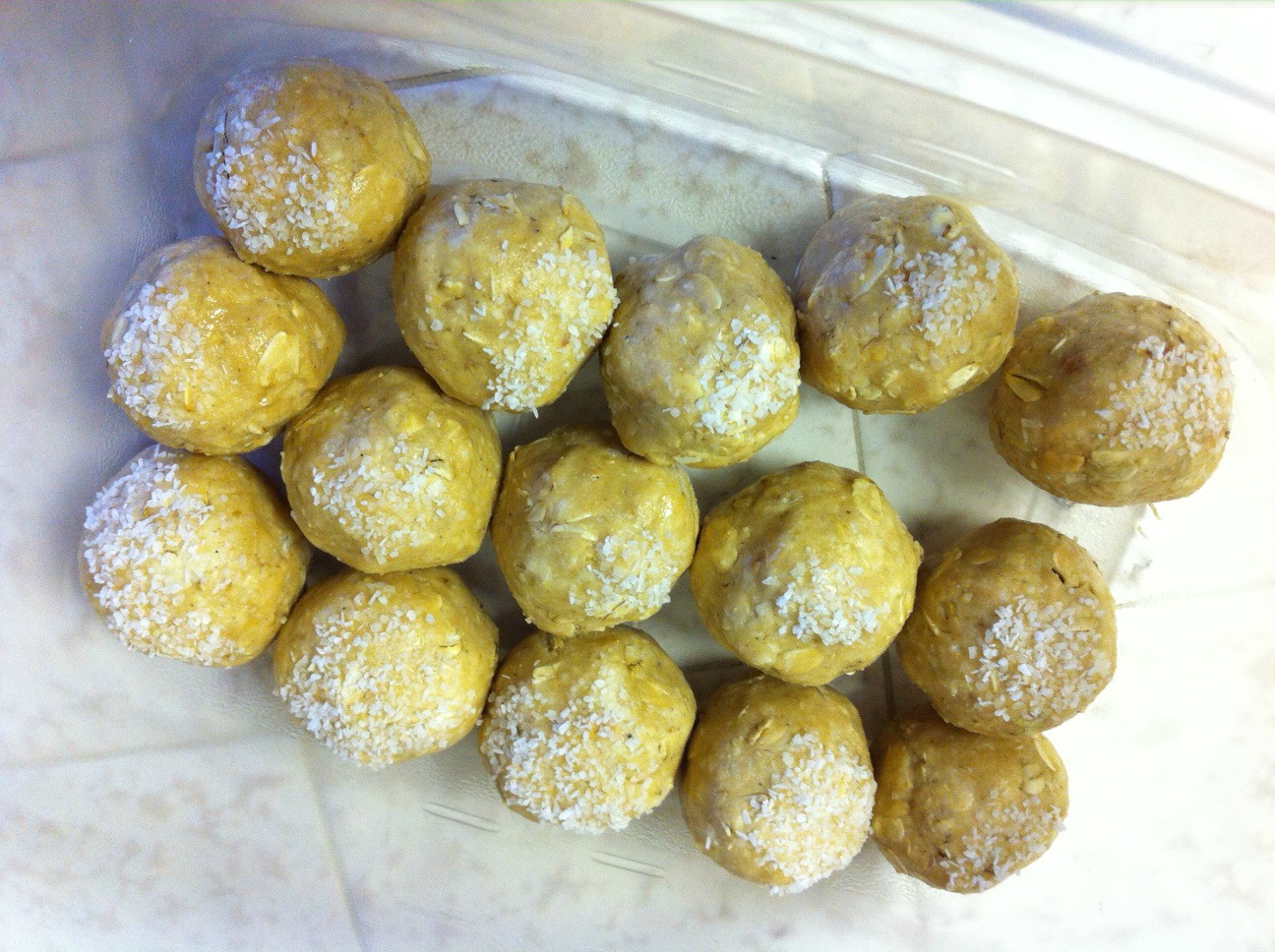
The mixture should be sticky, but not overly so; mine had the consistency of crumbly cookie dough.

SB5

Take small spoonfuls and roll into balls. Sprinkle with salt, or dip one whole side for more salty goodness, like I did here.

SB6

I store the balls in an airtight container in the freezer, then before a ride or run I pull a few out, wrap them individually and devour ’em within a few hours!

Thanks again to Hailey and Stacy for sharing this recipe. What are your favorite fuels for endurance events? 

Race Report: Canyon Meadow 50K

CM50K1

The short version? I LOVE TRAIL RUNNING!

The long version? I’m still processing things, and I don’t feel like words can fully give it justice, but I’ll give it a shot…

Wow. What an incredible day! I went into this race with a crazy mix of emotions: Excitement at attempting a new distance (my first ultra!), confidence at having an accomplished ultra runner friend pacing me, yet fear over the unknown of how my body would respond to a new distance over different terrain.

I set the alarm for 5 a.m. and even though I had crazy dreams the previous night — running naked through poison oak, for instance — I slept well and felt rested by the time my alarm went off on Saturday morning. I did my usual race morning prep, met up with Jamie (my trail angel), Casey (her fiance) and Maria (another ultra-awesome runner friend), and we were on our way.

The drive over to Oakland from San Francisco was uneventful, and we actually arrived early — a little more than an hour before the race was scheduled to start at 8 a.m. But by the time we did the three pre-race P’s (park, pee and packet pickup) we had just 15 minutes until go-time.

No corrals here; everyone just casually lined up for the start and we chatted with a few other friends who were running. I love how much more relaxed the environment is as compared to road races where the throngs of people only seem to increase my anxiety.

Right before we took off, Jamie and I got down to business and went over our game plan. As my pacer, she said her goal was to get me across the finish line without “bonking,” which would require a careful mix and continual monitoring of running strategy, smart nutrition and mental stamina.

After all, as the race distances grow longer, so does your potential chance of something going wonky. And Jamie was focused on having us run a conservative race to give me a great experience for my first ultra distance.

Loop One: Miles 1-13.1 (~2:37 total time)

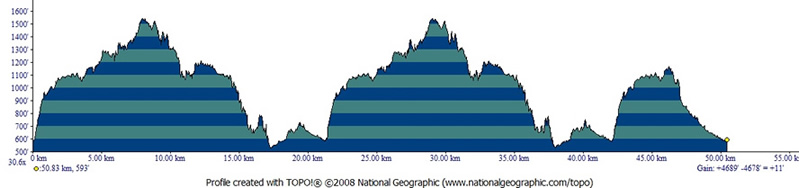
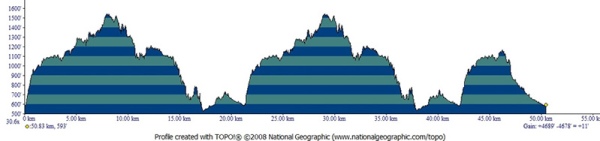
We crossed the start line and immediately started climbing. And climbing. Jamie warned me not to get swept up in the crowd since we’d have to tackle this big hill two more times (at the beginning of each loop), so we stayed to the side of the path and went at our own pace, alternating jogging and walking.
cm_30_profile

After we cleared the top of that first huge ascent, things leveled out a bit and we got to enjoy running through some rolling hills. The weather was a perfect 60ish with a mix of fog and clouds, so we crossed our fingers and hoped that it’d stay cool as long as possible.

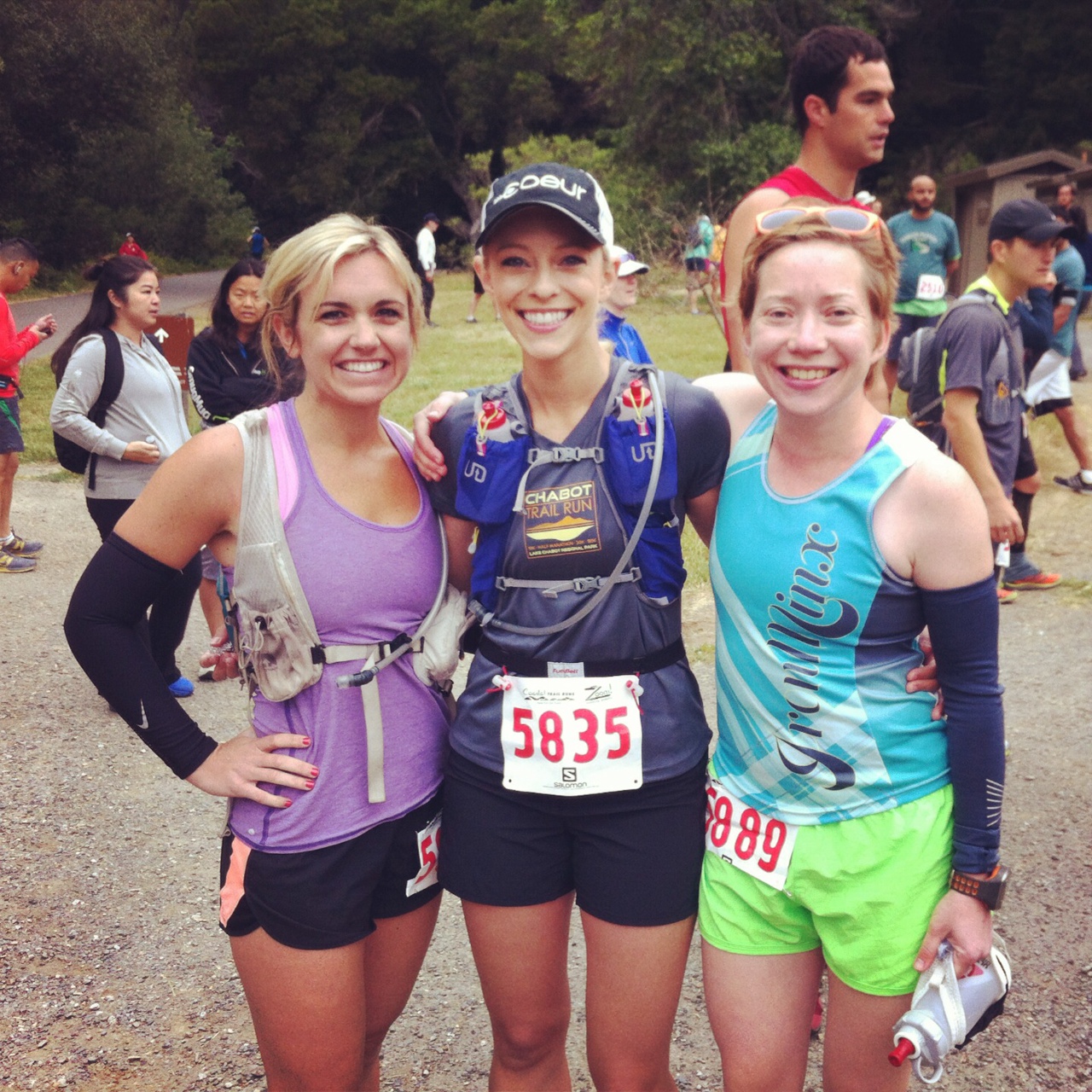
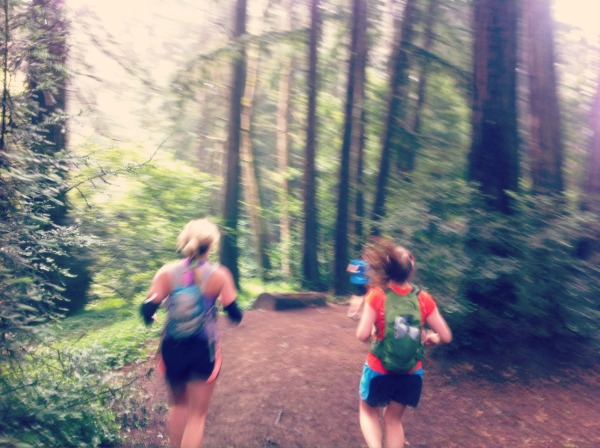
Not too far into the first loop, Jamie and I ran into Vivi and Molly, my partners in crime from the Lake Chabot 30K back in February. They were doing the 30K to prepare for a rim-to-rim Grand Canyon run next weekend, so we ran with them for a bit; great conversation is always a welcome distraction, regardless of distance!
CM50K3

Jamie wanted us to keep things slow and steady for the first loop, so we kept the pace conversational after broke off from the ladies. We also made sure to eat every few miles (I made rice balls and salty balls) and drink every few minutes.

There were aid stations at miles ~5 and ~11, so we stopped each time to fill up on electrolyte drink, salt tabs and snacks. For some reason PB&J sandwich squares and pretzel crisps were hitting the spot, so we’d grab handfuls to munch along the way.

At that second aid station, the volunteers told us that the next station was ~3 miles away, so we knew we were coming up on the finish line area (the first of three times we’d travel though it!). We were in high spirits, and I was proud that I hadn’t once checked my watch (Jamie threatened to take it away from me because of the mind games the mileage can play).

As we spotted the flags near the finish line, I was pretty excited to see that we had completed the first half marathon in ~2:37, and Jamie said she thought we were making great time. We pulled up to the aid station to refill as another friend, Marlana, flew up behind us into the finisher’s chute to complete her 30K!

Mentally, it was a little very daunting knowing that we’d have to pass through here again before coming in for the finish. But rather than dwelling on it, I tried to focus on the task at hand: the second half marathon.

Loop Two: Miles: 13.1-26.2 (~5:17 total time)

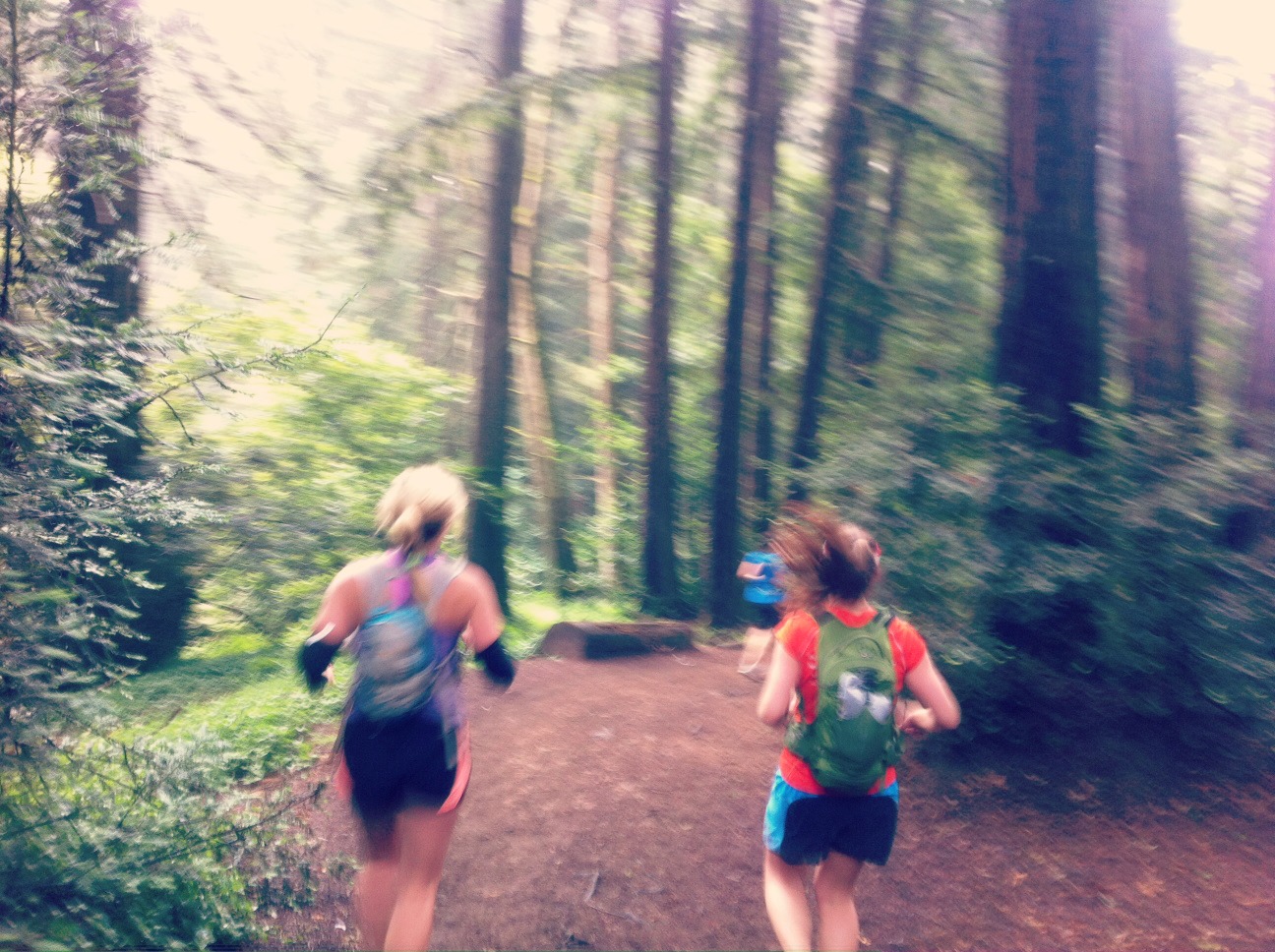
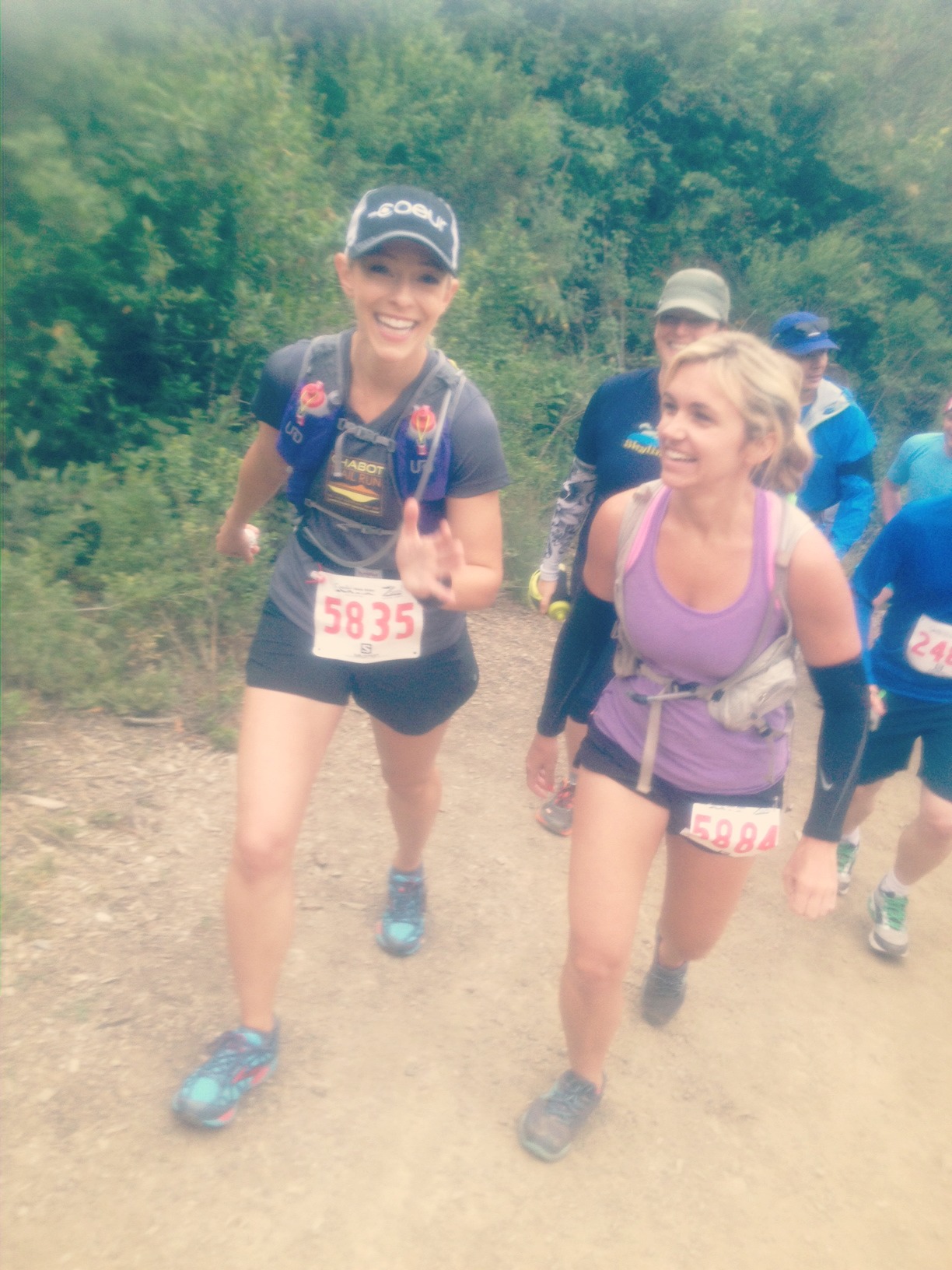
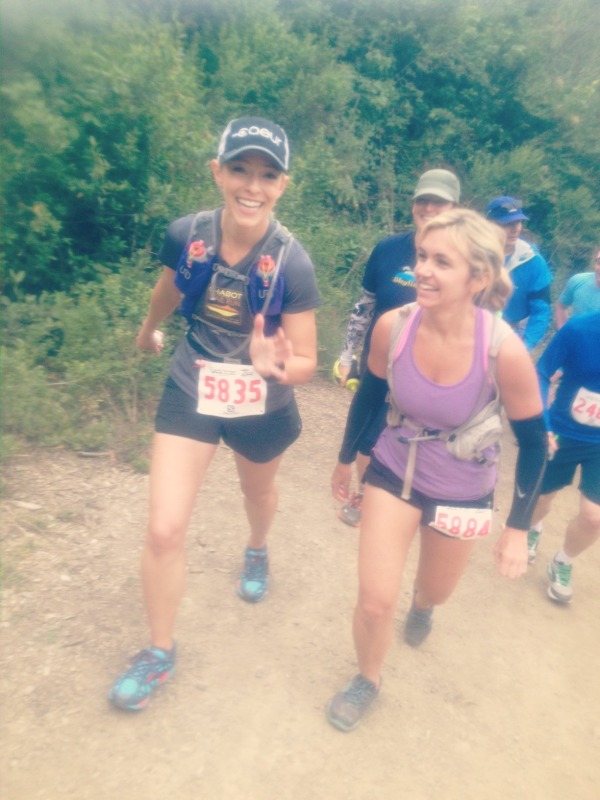
We started the second loop just as we did the first — with lots of climbing. Yes, it was tougher this time. But we were chatting away and laughing — as you can see, Jamie and I were determined to put the “fun” in 50K.
CM50K4

Oddly enough, even though we were repeating the same 13.1-mile loop, there were parts that I remembered clearly and others that I didn’t recognize at all. I also experienced a few moments of “ultra-runner acid trip,” as Jamie called ’em and started seeing a few things out of the corner of my eye, like a runner crouched behind a tree or a polar bear (it was a stump and a fire hydrant covered in plastic, respectively).

Visions aside, Jamie said that this loop was a crucial one; if we could make it through smart and strong, we’d be in good shape for the last five miles. So even though the sun was starting to heat things up and our legs were showing the first signs of fatigue, we continued our strategic mix of walking and running.

This time, the aid stations seemed to come a little more slowly. But we passed the time chatting away and kept up our eating and drinking schedule, particularly at the aid stations where we upped our intake of S! Caps salt tablets to two at a time.

Before we knew it, we were at the mile 24 aid station, with the next aid station a mere 2.2 miles away at the finish line area. I knew that would be a big mental crossroads, so as we pulled in we kept our stay there pretty brief so as not to lose momentum.

I did pause long enough to look at the clock, though — 5:17 for the marathon! That was just the boost I needed. I still hadn’t checked my watch, so I’d been running “blind” with no idea how we were doing on time, although Jamie had assured me we were still steady and strong.

I didn’t want to let my mind get too far ahead of me — Jamie’s advice was to focus on the finish rather than the numbers, on which I tend to get fixated — but I did tell her then that I had secretly wanted to finish in less than seven hours.

And now it seemed within the realm of possibility (after the race, she told me she knew we’d be coming in under 6:30, but didn’t want to get me too hooked on expectations = an awesome pacer).

Loop Three: Miles 26.2-31 (~60 mins for final 5 miles)

Again, we went up that hill. Although this time (as you can see from the elevation chart above), it wasn’t quite as long. Well, maybe not in distance — but it sure felt about five times as long as the previous two climbs due to the accumulated fatigue in our legs.

But Jamie kept us moving forward — she gave me tips on not only how to maneuver up the hills and to take advantage of the downhills, but also how to keep consistently moving forward in the mounting heat, which was starting to get to me.

By the time we got to the turnoff where the trail split into the smaller final loop from the previous two loops, we knew we were in the home stretch. But at this point, moving was starting to be more of a struggle with stiff legs, achy knees and a flutter in my gut that I’d been managing over the previous miles.

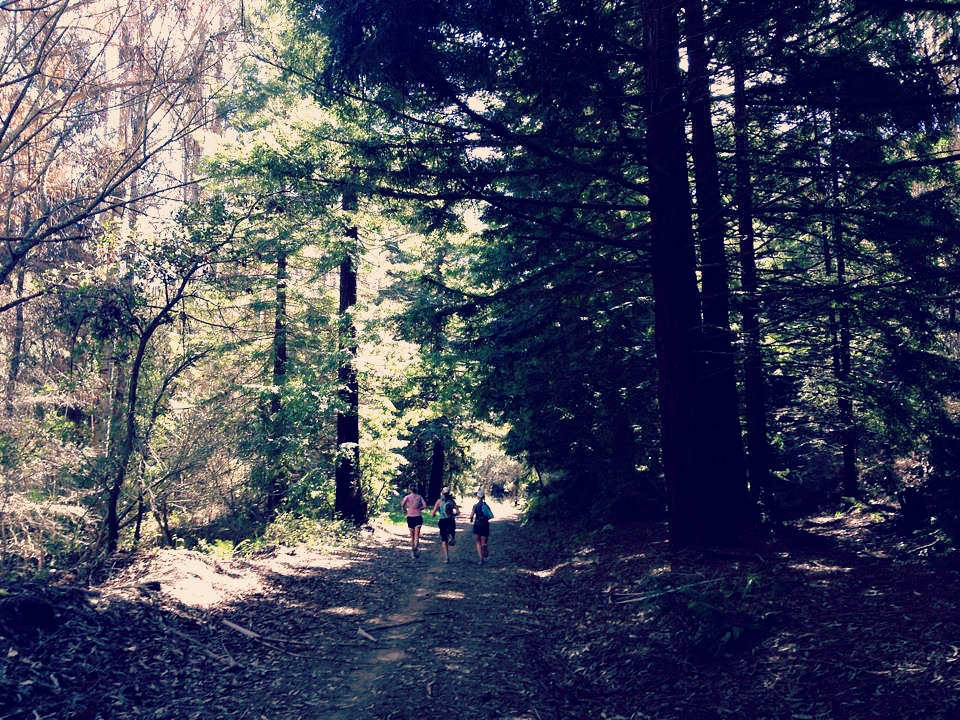
Instead of backing off the food and water, though, we doubled down when I’d feel my gut start to go, which did help. And soon we were back running under a canopy of redwoods, so the cooler air combined with the softer pine-needle-packed running surface was a welcome respite.

After what seemed like a whole lot more than four miles, we made the final turn back toward the finish and saw a sign marking where the half marathon loop and the five-mile loop met. I started getting a little emotional because I knew we were so close, but Jamie reeled me back in to focus on the final portion, which was a series of paved paths through the park.

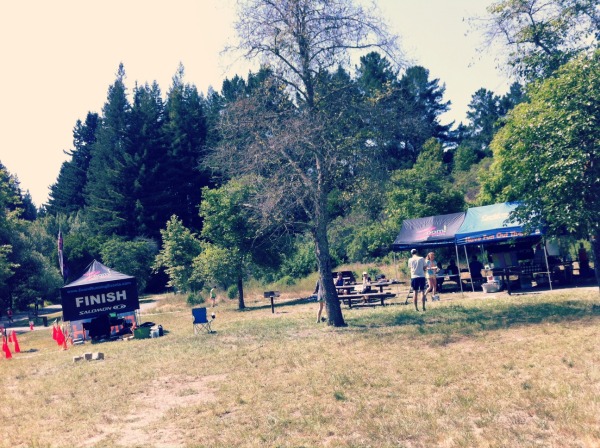
She warned me that it would feel endless. And it did. But at the same time, it flew by in a blur and we saw the finish line flags through the last set of trees. We turned the corner, sprinted (or as close to that as we could) toward the finish line, and Jamie slowed at the last second to let me cross first…
CM50K5

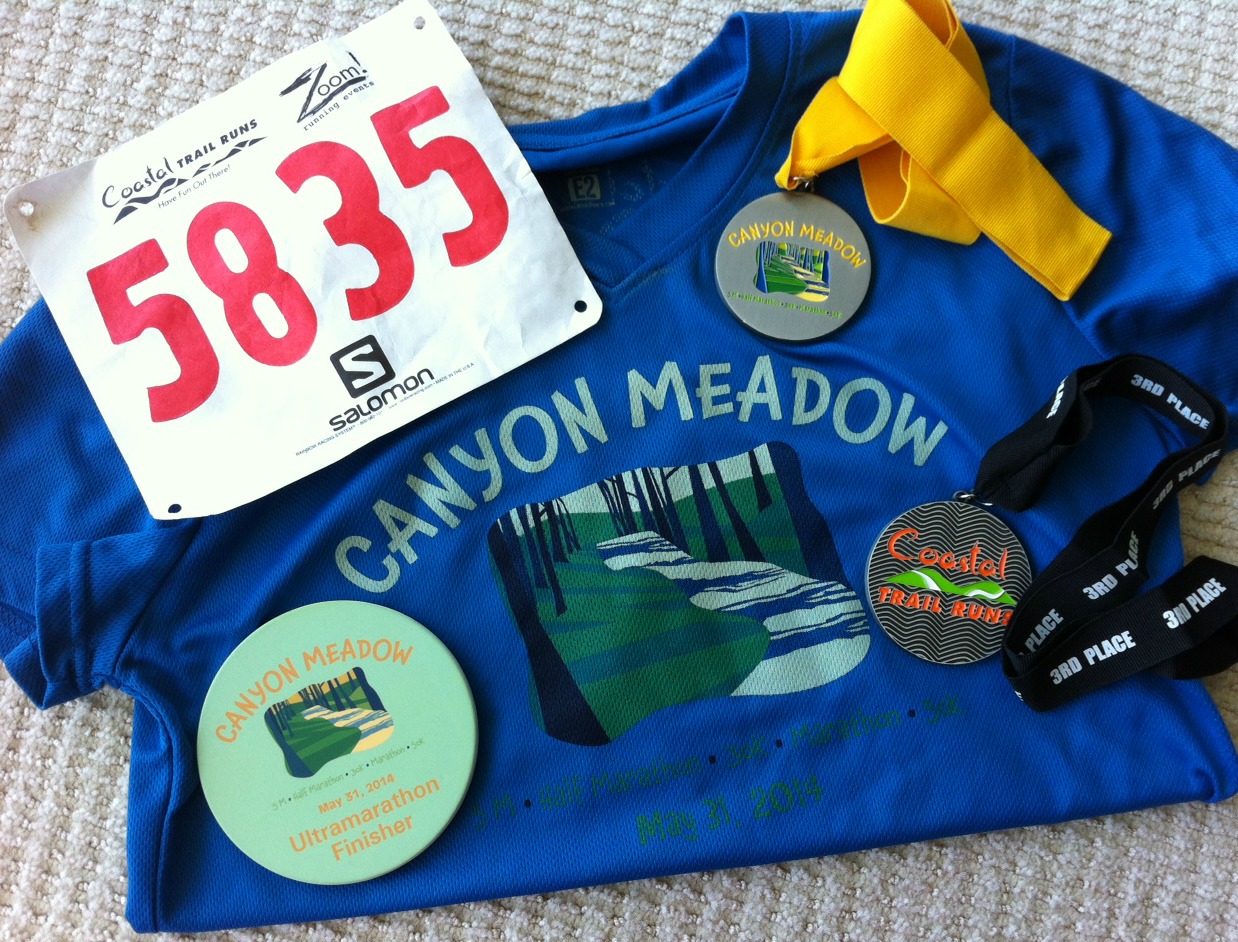
Final time: 6:17:34 (30th overall, 8th female, 3rd age group)

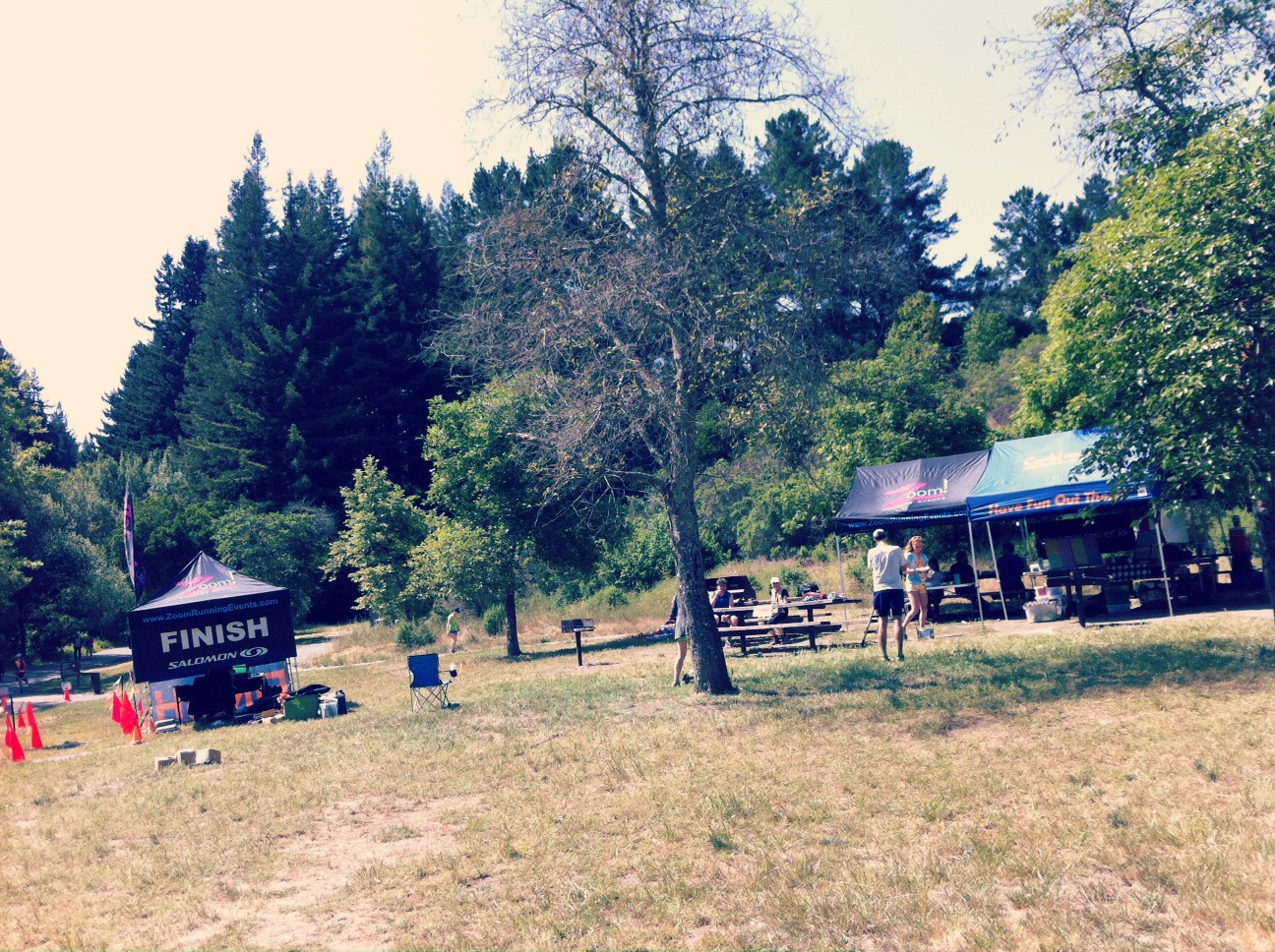
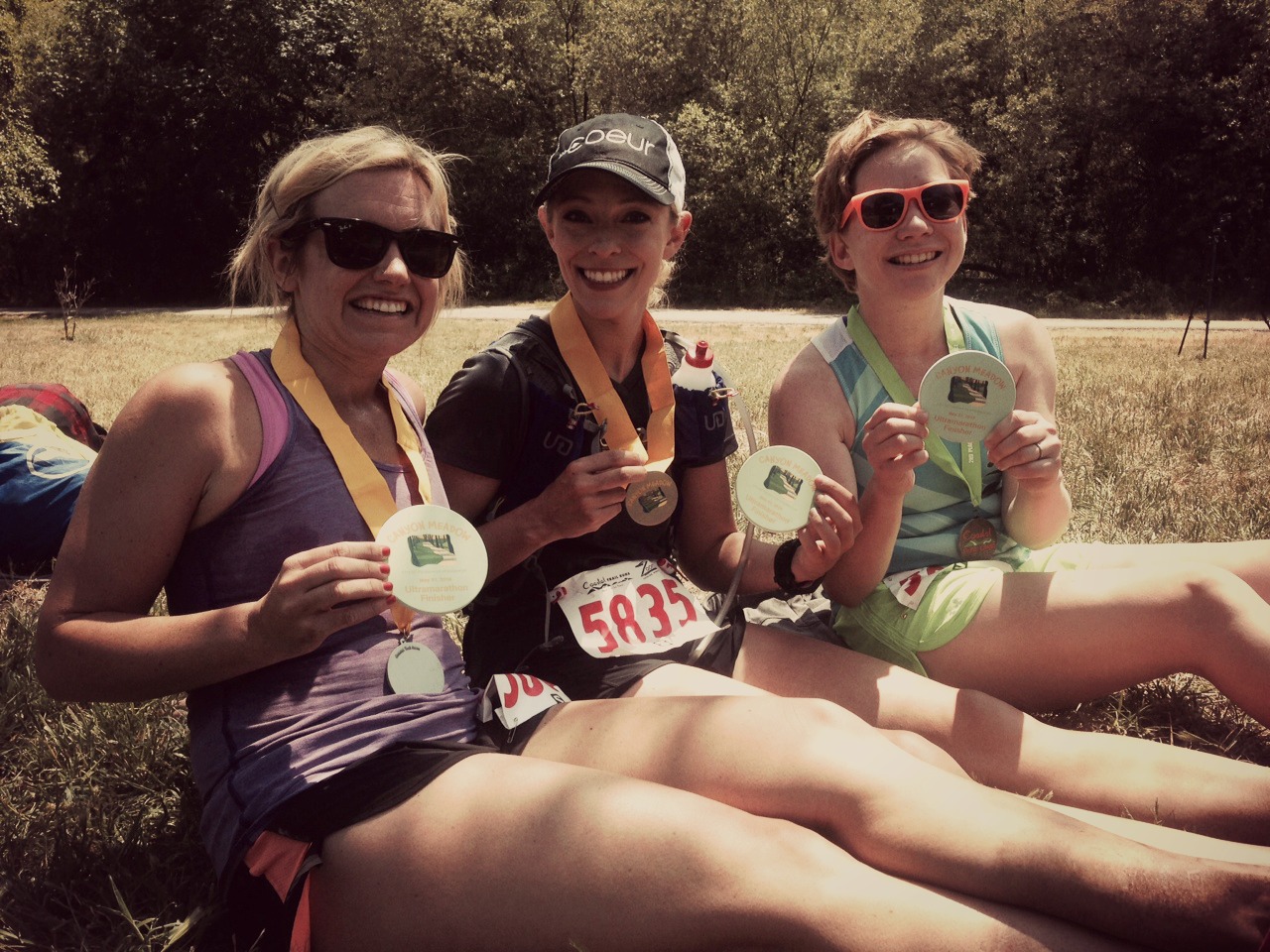
I think my exact words were, “Holy shit!” as we saw the clock. Not only did we finish, but we finished strong and well under the time I was expecting. THANK YOU, Jamie! We hugged the sweatiest hug and collapsed in the shade under a tree near the finish line.

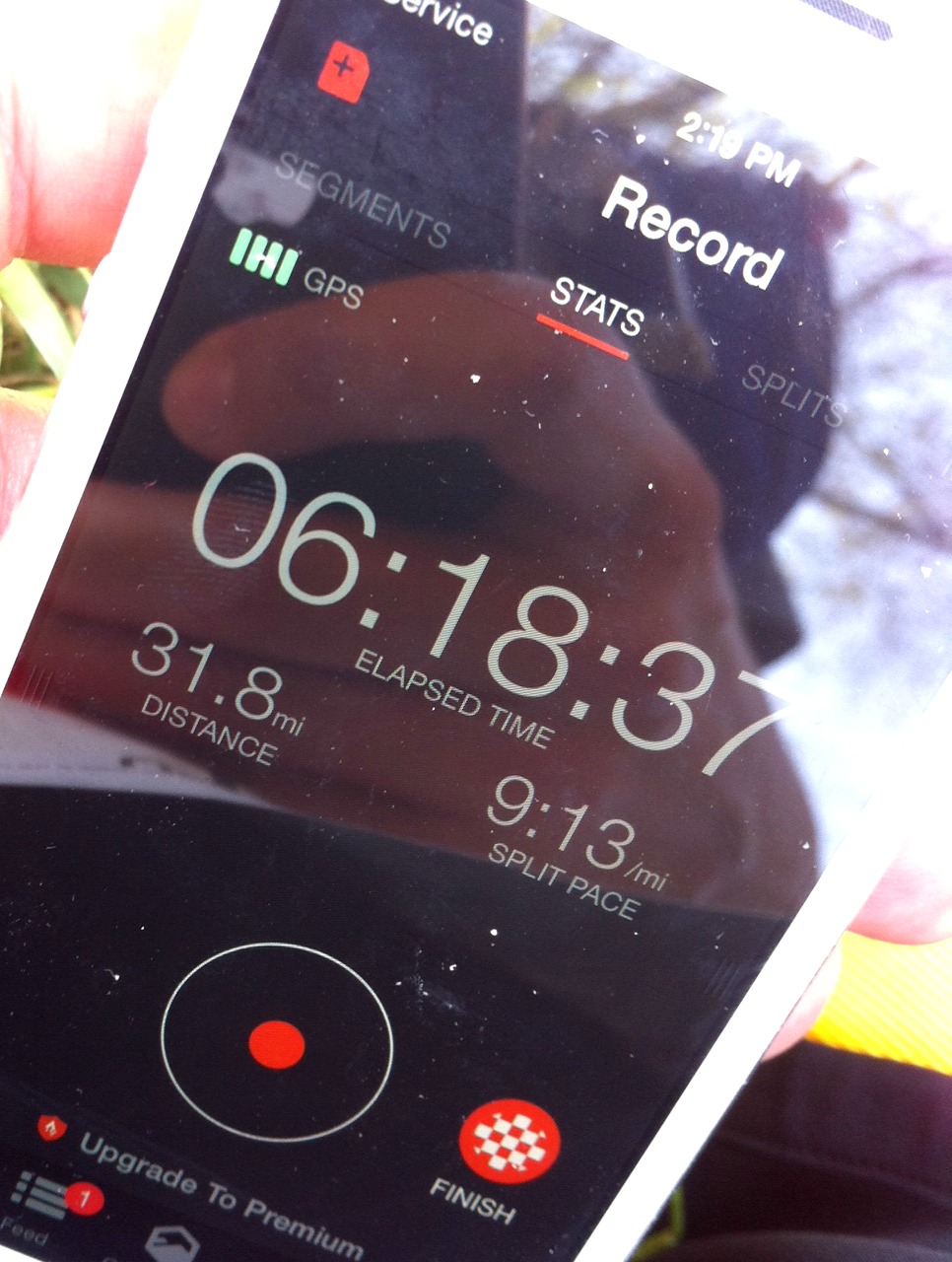
Only then did I check my watch, but unfortunately the GPS must’ve skipped when we were under the canopy, so it only read 30.58. Right then and there I told Jamie I was doubly thankful that I listened to her advice — I had a great run by feel without time, and I knew that the GPS being off would’ve totally thrown me for a mental loop.

Luckily, though, she had recorded it on her Strava, so I’ve got proof!
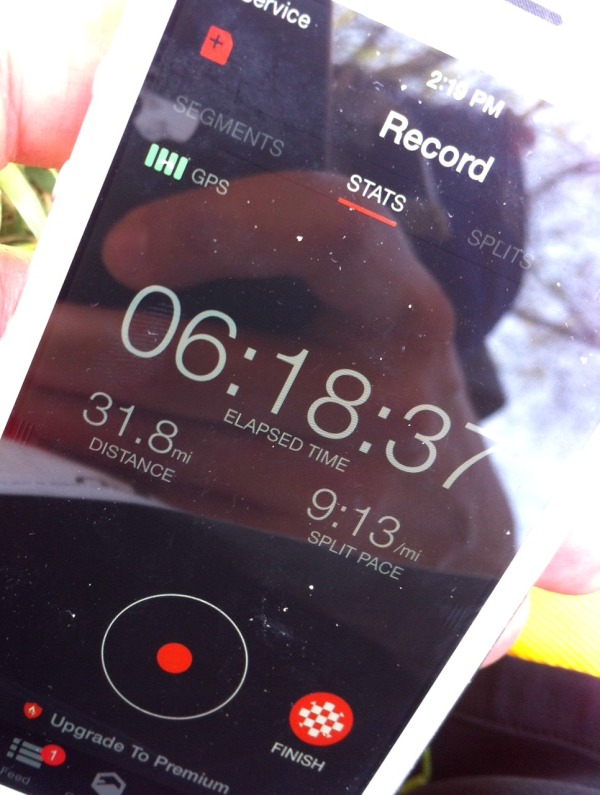
CM50K6

What did I learn from this experience?

  • The company you keep can make or break your day — even though Jamie was feeling the effects of the later miles, too, I never knew it because she was so focused on keeping things positive for me
  • Nutrition and hydration are critical — Staying ahead of the curve (eating and drinking before you’re hungry or thirsty) is the most important part of maintaining efforts for long periods of time
  • Salt tablets are your friend on hot days — We took ’em at every aid station to help keep us drinking and ward off muscle cramps
  • Don’t be afraid to walk, but do so “with a purpose” — As with eating and drinking, don’t wait until you need to walk; use it strategically up hills to conserve energy so you can make up time on the downhills and go the distance
  • Training will only take you so far; attitude is everything — I agree 100 percent with Jamie’s philosophy: It’s not all about the miles; you’ve just got to build a good base of fitness and the rest is smart strategy on race day
  • Embrace the unknown — It’s damn scary to push your mind and body to a new threshold, but so worth it
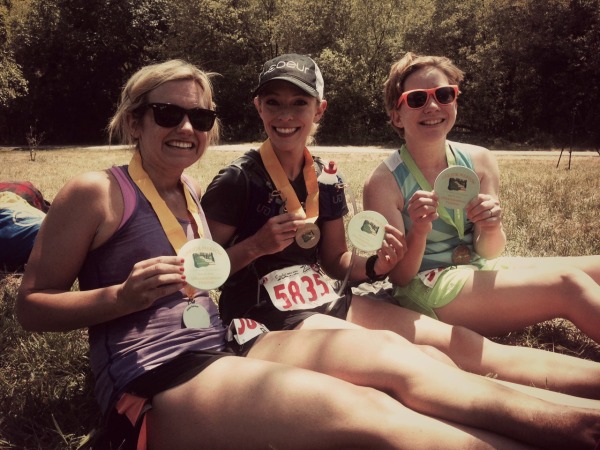
CM50K7

So there you have it. As I told Jamie yesterday, if you asked me a few years ago, I never would have considered doing ultra-marathon. In fact, a little over a year ago, I wasn’t even sure my body could handle the 26.2 distance again.

But now? Well, thanks to her encouragement and guidance I had an amazing day out there. Hitting that new 31-mile milestone was an incredible feeling; not just because it was about redefining my limits — it was about resetting expectations for myself.

And you know what? The sky really is the limit.
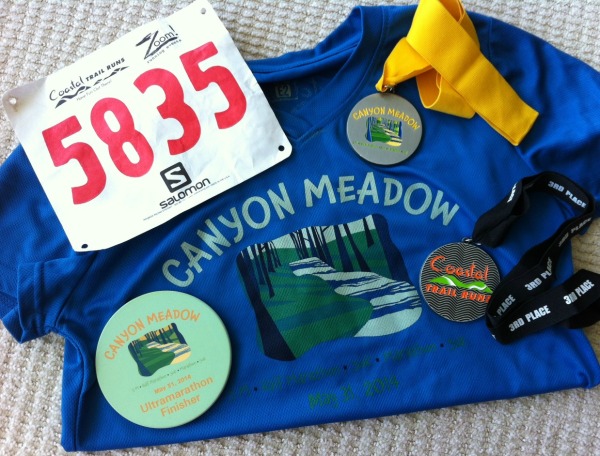
CM50K8

Thank you, Jamie, for making my first 50K experience “ultra-awesome!” Now, when’s the next one??

Canyon Meadow Ultramarathon: The plan

LakeChabot1

Holy crap. What did I get myself into?

Right now, my brain keeps going back and forth between two thoughts:

I can’t wait to hit the trails tomorrow and make this happen.

That first step after 26.2 will put me officially at the longest distance I’ve ever run…and then I’ve got five miles — and some decent elevation — to go after that. 

Physically, I haven’t kept as regimented a training plan as I usually do for long-distance races. Quantitatively that concerns me a bit, but qualitatively I’m actually not too worried about it because my focus is on covering the distance — which I’m pretty confident I can do — versus racing the clock.

What I have been doing? Getting time “on my feet,” which means long runs (10-15 miles) every weekend, plus oodles of cross-training during the week to ensure I stay in shape without (literally) running myself into the ground.

But I’ve also been taking some time to tend to some of the non-running aspects of the race which, according to recent Born to Run 100-mile finisher Jamie Walker (yep, 1-0-0, that’s not a typo), are just as critical to getting across that finish line in an ultra.

Namely, this means doing some mental preparation and making a plan for staying on top of fueling and hydration during the race. And having an awesome pacer to help me navigate the day is a huge bonus (THANK YOU, Jamie!).

Jamie gave the Feed Zone Portables rice cakes a glowing review for keeping her tummy happy mid-race, so I’ll be following suit and hoping for the same good results. Plus, I’ve whipped up a batch of Hailey Manning’s famous Salty Balls as a second snack option.

Mentally, I know there will be ups and downs throughout the day…but I’ll be keeping two things in mind: First, I just have to keep moving forward. And second, I get to be out there — no one is forcing me — so I might as well enjoy every moment of it!

Finally, I just finished Chrissie Wellington’s autobiography, A Life Without Limits (sensing a theme about awesome female athletes in this post?), and it’s also inspired me to get out there, push those “limits” and see what I’m capable of doing.

In fact, Wellington sums it up pretty perfectly here:

“To my amazement, at so many stages along the way, the limits that I thought I could see in the distance dissolved as I approached them. They turned out not to be real at all but mere assumptions. And that has been the most exciting revelation of all.”

No better motivation than that as I take to the trails 🙂

Stay tuned for the 50K race report!

If at first you don’t succeed…

IMG_3768 jh

…trail, trail again!

That was the theme this past weekend as Hubby and I tried to squeeze in one last trail run before my 50K on May 31.

Our first attempt was on Saturday morning in Marin. We’d done the Tennessee Valley Trail once before, but ended up cutting off about two miles because A) navigating trails is never easy, and B) if there’s a way to get lost, I’ll find it.

photo 2 (1)

So this time we were determined to hug the coastline and reclaim those lost miles. No matter what — even if it meant going down a single-track trail that slowly disappeared into thick brush.

Long story short? Some of that “brush” we were wading through turned out to be poison oak.

Combine that with four snake sightings, plus something hissing at me under a rock (my guess is snake no. five), and Hubby and I high-tailed it back to the car and called it a day after two miles.

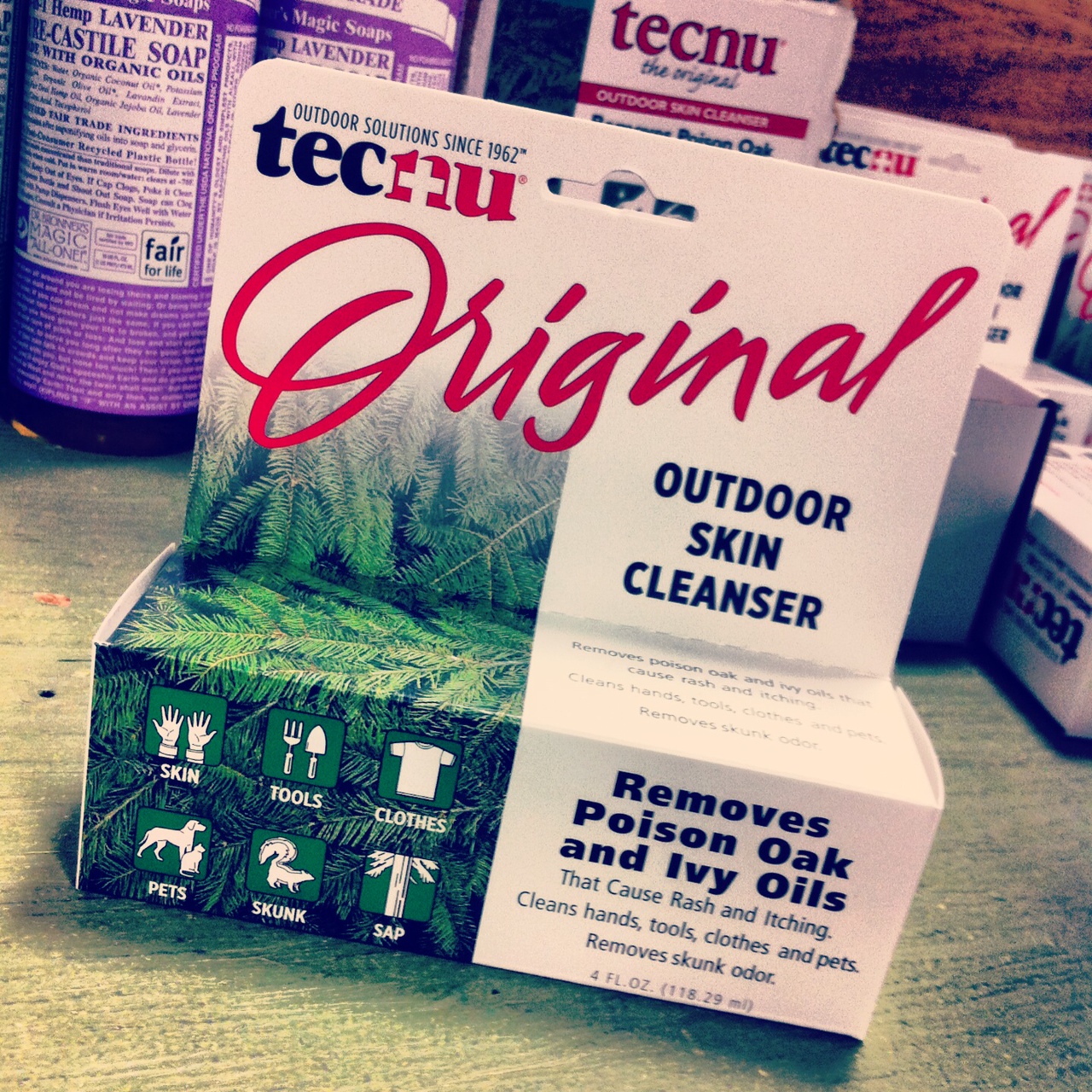
But not before stopping to pick up the skin-saving miracle called Tecnu. We slathered ourselves in it head-to-toe, and so far so good…

photo 1 (1)

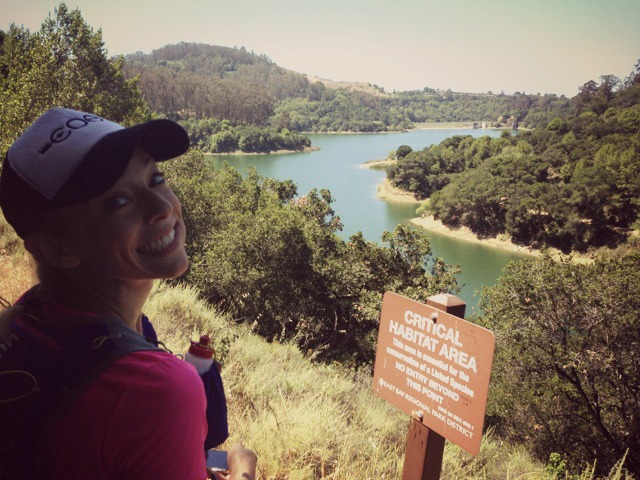
Cut to trail attempt, take two, on Sunday where we decided that a 13-miler around Lake Chabot — the scene of my 30K this past February — might be a better option.

The poison oak and another snake sighting (yup, both are all over right now) turned out to be only minor annoyances, though, as compared to another factor that reared its ugly head: heat.

Our “summer” — i.e. foggy, barely 60-degree — days have definitely softened us. Despite drinking all the water in my vest, I was still super dehydrated by the time we finished (but my fueling was good, as you can see — thanks, Hubby, for catching me mid-mouthful).

IMG_3771 jh

Although we both spent the remainder of the day trying to re-hydrate — seriously, we couldn’t get enough water — it was a great reminder going into my race to drink more frequently.

In fact, experts say that performance is impaired when you’re dehydrated by as little as two percent of body weight…and we experienced that firsthand when we both started dragging in the later miles.

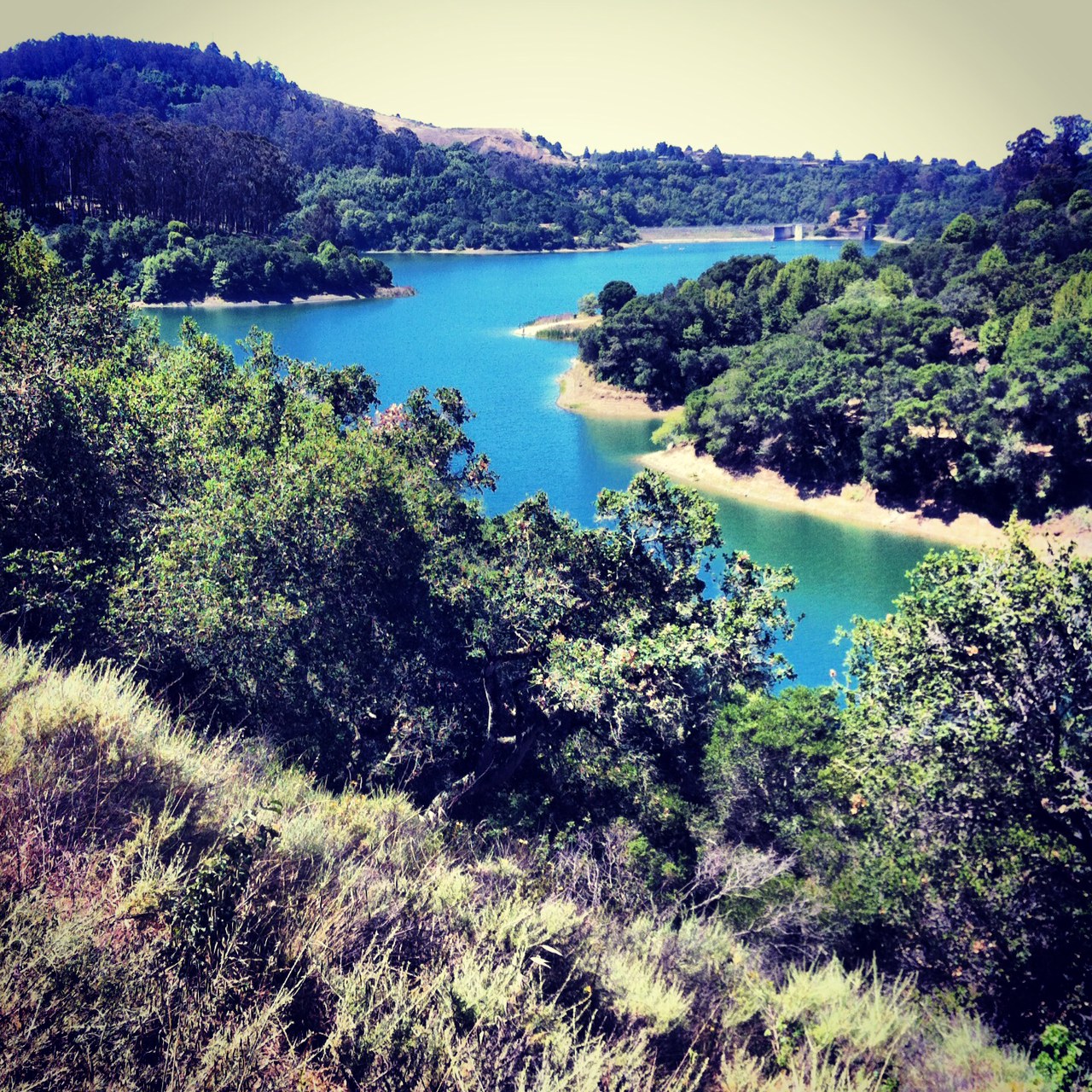
But working out the kinks aside, you can’t really complain too much when you’re running with these kinds of views.

photo 3

After all, as one fellow trail runner said to us in passing, “It’s just another horrible day in paradise, isn’t it?”

Happy trails, friends!

To Paleo or not to Paleo?

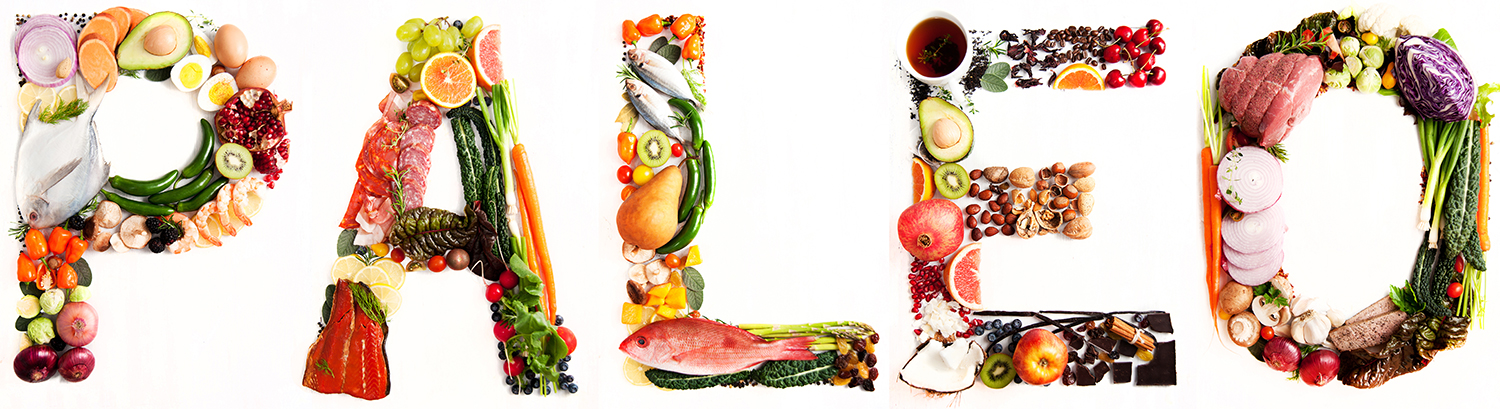
Paleo

As a verb, the word diet is not part of my vocabulary. But when we’re talking diet as a noun — meaning nutritional plan — I’m all ears.

In other words, I’m always on the lookout for new ways to improve performance through better fueling.

One plan, in particular, has always intrigued me: The Paleolithic Diet, which first emerged in the mid-1970’s, went mainstream in 2002 and has since earned a cult-like following.

Paleo Premise

Eat like our hunting and gathering ancestors — prioritizing animal protein and plants — and live a healthier, fitter, disease-free life.

On the menu: Meat, fish, eggs, poultry, fruits and veggies, healthy fats and oils, plus nuts and seeds in moderation.

Off the table: Refined sugar, dairy, legumes, grains, starches and any other processed Frankenfoods located in the center aisles at the supermarket.

Paleo Pros

Whole foods are nutritious, filling and fiber-rich, which makes it tough to overeat (even when dining out).

Another upside? Fewer hunger pains since protein and fiber are filling, and you’ll be getting plenty of both. Plus there are a plethora of recipe sites, cookbooks, web sites and books to help support you in your path to Paleo.

photo 1

Paleo Cons

Some of the top vegetarian sources of protein, such as beans and other legumes, are not allowed, so it’s tough to follow if you’re not a meat-eater.

And by avoiding dairy and grains, you could potentially miss out on a lot of nutrients. Also, if you’re not selecting lean meat choices, you can quickly raise your risk for heart problems.

Paleo Verdict

Bottom line: There is no “perfect” diet, plus I’ve never had any luck trying to restrict what I eat to certain food groups (sometimes you just need a cookie, damn it!).

Instead, I prefer to evolve my eating plan as I go, incorporating my favorite parts from different diets and adapting them to my own lifestyle. Call it pseudo-Paleo, if you will.

For example, we’d all do well to eat fewer refined sugars and starches, plus there are definite benefits to consuming more fruits and veggies. And I do my best to avoid a lot of processed foods, instead focusing on getting enough whole, nutrient-packed food.

photo 2

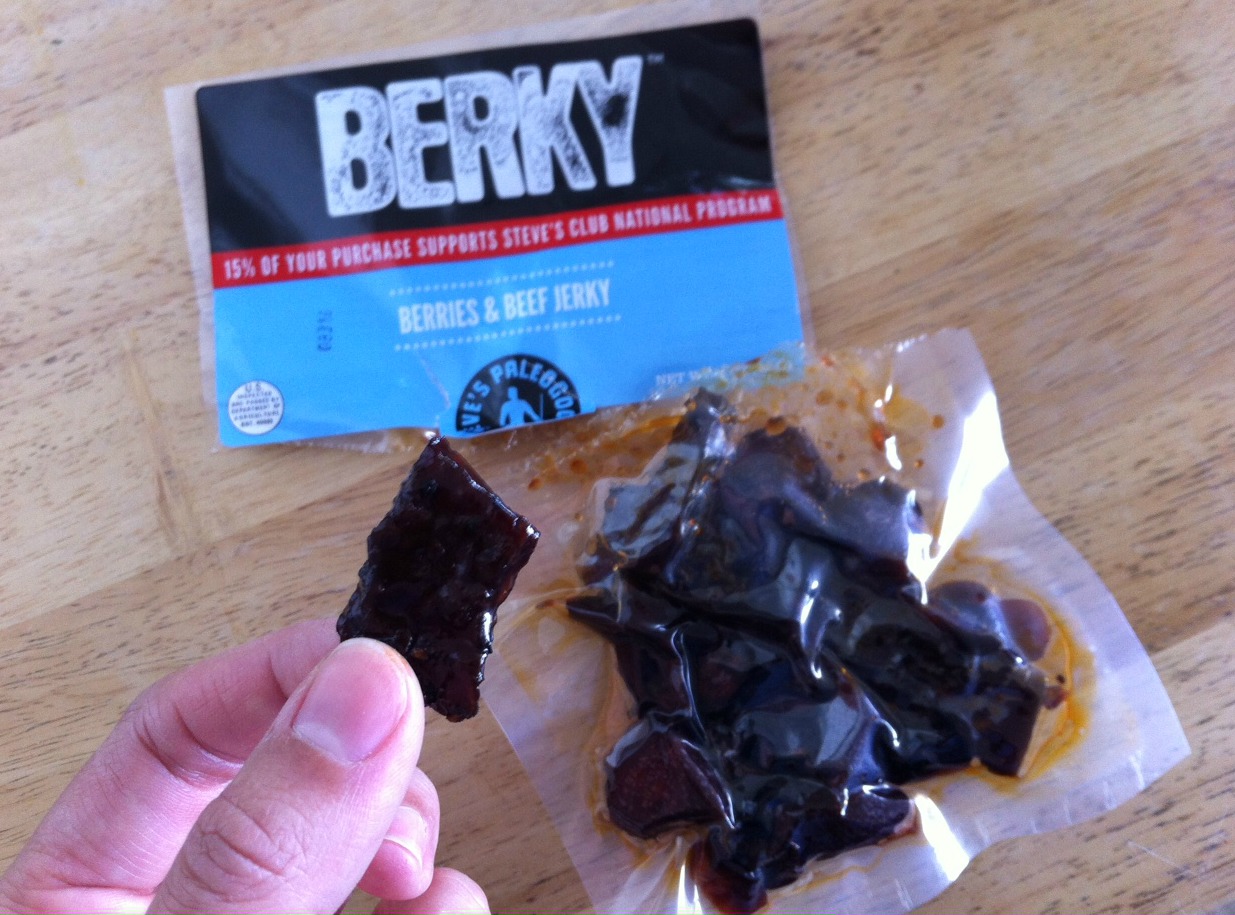
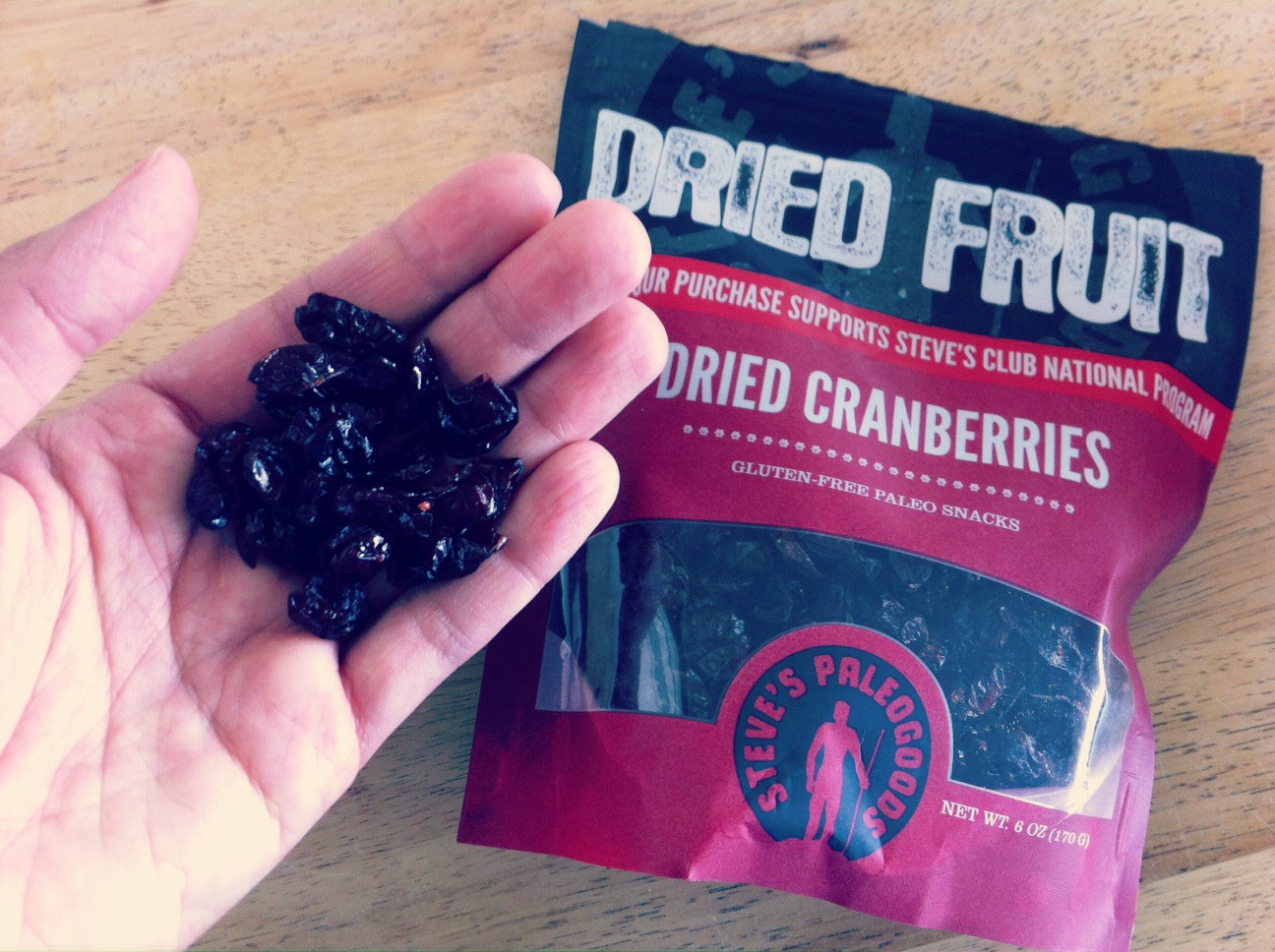
That doesn’t mean I’ll turn down the occasional doughnut, burger and fries, pizza or sugary cereal (hey, you gotta live a little), but it does mean that I’ll set myself up for success by having healthier snacks on hand when hunger hits (the PaleoKits from Steve’s PaleoFoods are killer, for example; I sprinkle dried berries on salads and mix PaleoKrunch in yogurt, too).

In the end, there is no one-size-fits-all formula for optimal health, though, so your best bet is to take matters into your own hands and create a plan for healthy eating that suits your individual needs and fits into your lifestyle.

Because the “best” diet (noun, not verb) of them all is the one you’ll actually follow.

Disclaimer: I’m not a registered dietitian or nutritionist, so you’ll want to talk with your doctor before making changes to your meal plan.