A blast from the past at the LUNA Chix Summit

photo 3 (18)

Back in February, I posted an interview with my high-school-teammate-turned-pro-triathlete Terra Castro who, after a successful 16-year career, has since retired and returned to her running roots, now competing as a LUNA Sponsored Athlete and coaching full-time.

She’s always been such a powerful influence with a positive message, that I have no doubt her business, “Be Bold Crew,” which specializes in coaching teenagers using mentorship and accountability, will make a meaningful impact.

But between learning to balance coaching with training for her first open marathon in fall 2014, Castro also takes time to work with Team LUNA Chix, whose mission is to bring women together who are interested in learning new sports, staying active and inspiring others to do the same.

She invited me to this weekend’s summit in Berkeley, Calif. to see firsthand how the local teams train, compete and support each other, while fundraising for LUNA’s non-profit partner, the Breast Cancer Fund.

photo 2 (21)

I stopped by for yesterday afternoon’s sessions — first up on agenda was a run clinic in which Castro coached captains on how to lead track workouts for their respective teams. We divided into groups and broke the session into segments with each group in charge of a specific aspect of the workout.
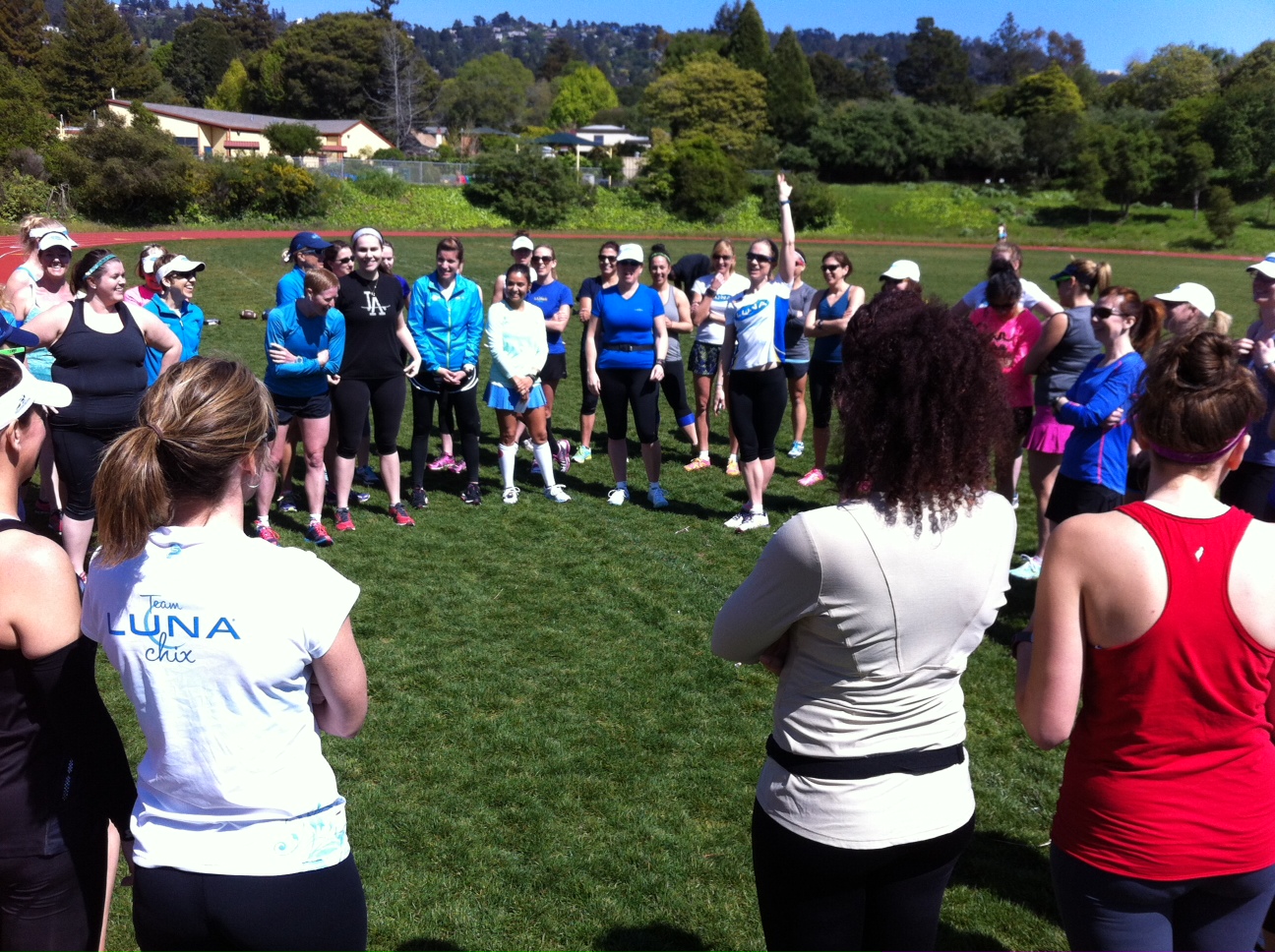
photo 3 (17)

Admittedly, I felt a little nervous walking in as a non-official team member, but that didn’t last for long; the ladies welcomed me with big smiles, kind words and open arms.

I even got some great swim pointers from Julie (from the Boston triathlon team) as we warmed up on the track, and Melanie (from the Austin run team) and I pushed each other during the 800 and 400 repeats. Thanks, guys!
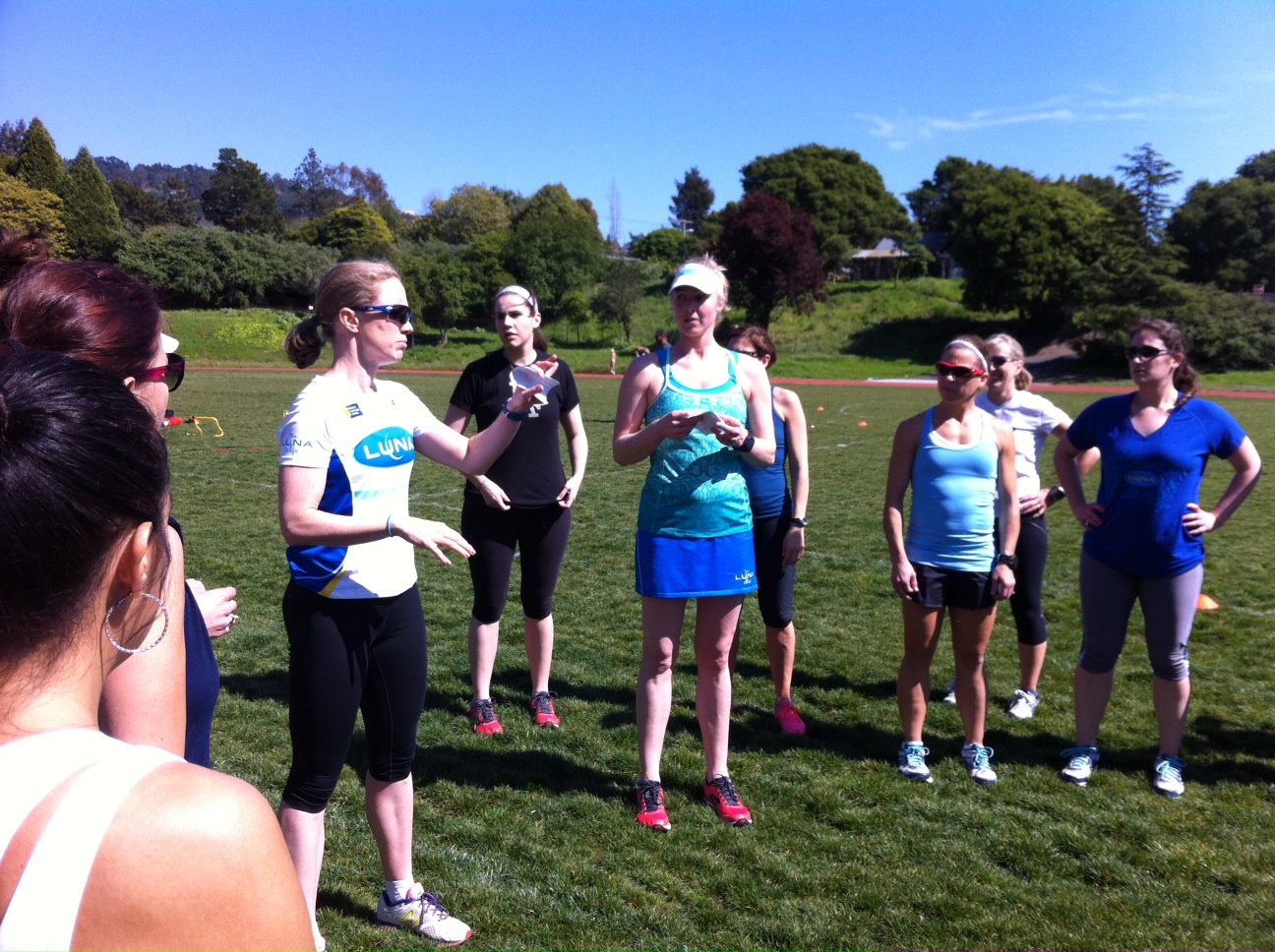
photo 4 (7)

After a quick cool-down and recap, we made our way back to the shuttle — but not before exiting the track through an “encouragement tunnel” of cheers.

Castro summed up the team’s vibe perfectly: “Remember no matter what level of athlete you are to encourage and uplift others. True victory and joy can be found there.”

photo 1 (20)

Next up were breakout sessions to work on sport-specific skills, and I chose bike maintenance. Yep, if you remember my flat tire change adventure on my first long ride, you know that this is an area in which I could definitely pick up a few pointers.

Enter Dusty LaBarr, bike mechanic for the Luna Pro Team, who took us through everything from bike cleaning to tire changing , as well as safety precautions and other helpful pointers. While I may not look forward to my next flat, at least I’ll be much better prepared for it now!

photo 2 (22)

The theme of the weekend? Tell your story. As Castro said, “In sharing you story you can empower, encourage and ignite others to walk boldly within their own story.”

In that vein, we listened to all kinds of amazing, encouraging, inspiring and emotional stories during dinner — from Jeanne Rizzo (president and CEO of the Beast Cancer Fund) to the LUNA Chix Pro Team panel, along with several LUNA sponsored athletes and local team leaders.

It’s quite apparent that this group is a force to be reckoned with — not only are they competitive athletes who do well, but they’re also compassionate teammates who go above and beyond to do good, whether it’s supporting one another, encouraging female athletes of all levels, lending a hand in the community or working to raise awareness and funds to support the Breast Cancer Fund.

photo 5 (8)

The best part, though? Reconnecting with a dear friend.

Terra and I have our own story — we ran track & field and cross country together in Michigan many moons ago — and it was such a treat to get together again.

Needless to say, we had a lot of catching up to do…and I’m excited that we were able to start another chapter together after all these years!

photo 4 (8)

For more information about Team Luna Chix — or to get involved in your local team — check out their site here.

Fit Fix: Interview with real-life X-Man, Tony Horton

Source: Beachbody

Source: Beachbody

It’s a generally-accepted rule that most sequels pale in comparison to the originals, but Tony Horton‘s P90X program has bucked the trend of workout one-hit wonders. His philosophy is simple, yet struck a chord with millions: Avoid boredom, plateau and injury – the three things that can cause people to lose their exercise mojo.

After selling more than 4.5 million copies of the original, Horton released a second installment, P90X2, last year to rave reviews. I can personally attest to the program’s results-oriented approach, having knocked nearly a minute off my mile run time after completing the 90-day circuit (read more about it herehere and here). So it’s no surprise that recent release of P90X3 has people buzzing again.

It’s also no secret that I’m a big fan of Beachbody when it comes to getting in shape in the comfort of your living room. So I thought it only fitting to revisit a conversation I had with Horton about the success of the series, his “laws” for health and fitness, as well as how he stays fitter and healthier than men half his age…

Kinetic Fix: What’s your current workout & nutrition regimen? 

Tony Horton: I’m getting away from the linear, traditional training programs of the past. If you’ve done P90X2, you’re familiar with PAP, which is pretty cutting-edge when it comes to athletic and multi-plane training – jumping, turning and twisting like an athlete would on the court. And in terms of nutrition, I’ve changed a bit and have gotten into eating fish and chicken again in order to maintain size and strength as I moved into my 50s. I always try to have at least one massive salad a day, and another big shift has been cutting out sugar, which has been tough because I’m kind of a sugar addict.

KF: We’re coming up on resolution time; how do you get motivated when you’re just not in the mood to work out?

TH: For me, that’s like asking, ‘How to you stay motivated to breathe, eat or sleep?’ Although it’s a task I choose instead of one that helps me survive, I know that if I do it, I’m a better man for it. My health and my immunity improve, and I’m less vulnerable to aches and pains. It’s a universal fact that if you move and eat right, you’re better for it. When you exercise, you slow the aging clock, and when you don’t you speed it up.

KF: Can you share your favorite piece of advice when it comes to staying in shape?

TH: Your goal should be to get fit and stay that way for the rest of your life; it shouldn’t be an up and down pattern where you keep gaining and losing. I have 11 laws of health and fitness, but there are five that rise to the top, which are variety, consistency, intensity, purpose and planning.

Variety means doing what you’re good at – and what you’re not. Consistency means working out five to seven days a week. Intensity means to stop doing it the same way; showing up is 90 percent of it, but the other 10 percent is paying attention and being willing to improve. Purpose means having something so powerful driving you that there’s no question you’re going to miss a workout. And planning and accountability mean figuring out what you’re doing – and when – and fitting that into your schedule. It becomes automatic at that point, like breathing and sleeping.

KF: What do you tell people who may feel too intimated to attempt the P90X DVDs?

TH: When people hear P90X, sometimes they assume that it means 90-minute workouts. There’s an extreme aspect, if you want it, but almost every single move has a modification. This is what gets you through the P90X series. It’s a slow, patient process over time, but you just have to show up and do it. Instead of giving it to you, you have to earn it – but once you earn it, it’s yours and no one can take it away.

KF: Finally, any advice for P90X and P90X2 grads who are hoping to tackle P90X3?

TH: I like to say that it isn’t harder, but it’s different – but it’s harder because it’s different. To graduate from one to the other requires the knowledge that you kind of have to start over because it takes a fit, healthy body and trains it like an athlete. It’s indoor training for the outside world.

Thanks again to Tony for taking the time to chat! Click here for my original interview with him, and visit Beachbody.com for more information or to order P90X3. 

Fit Fix: Dane Rauschenberg on telling the tale of his 202-mile solo relay

Source: SeeDaneRun

Source: SeeDaneRun

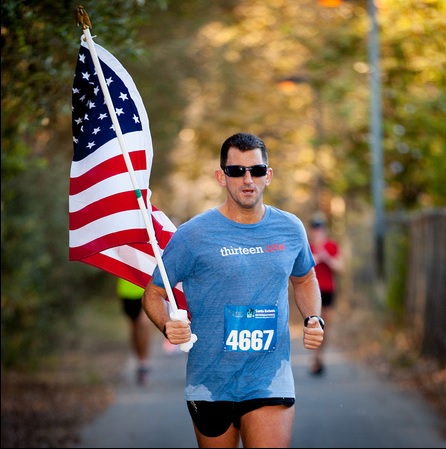
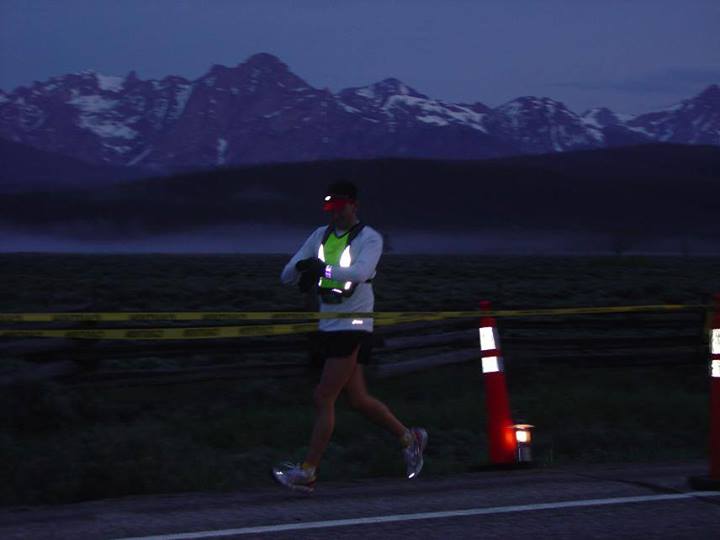
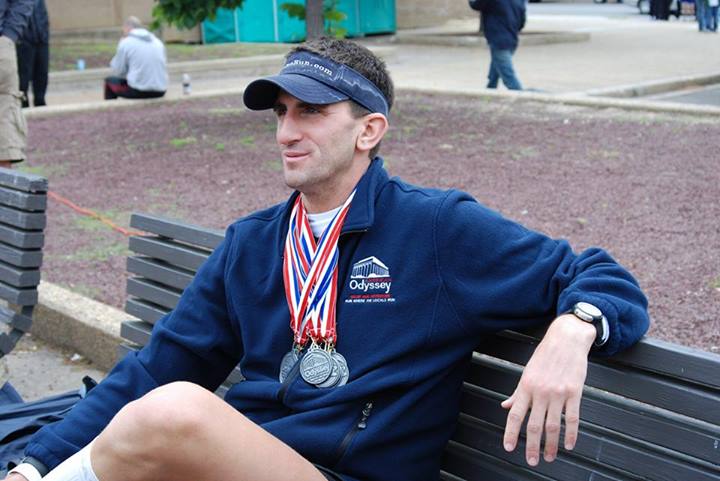
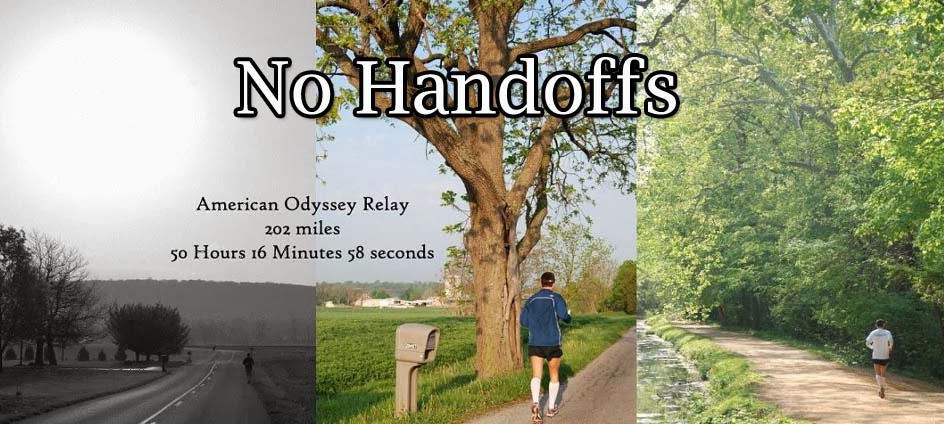
Dane Rauschenberg is already known for running 52 marathons in 52 weekends, but when he announced in 2010 that he would be taking on a solo running of the American Odyssey Relay, it seemed out of the realm of possibility. Normally reserved for teams of 6-12 runners, the 202-mile relay race can take groups of well-rested people up to 36 hours to complete.

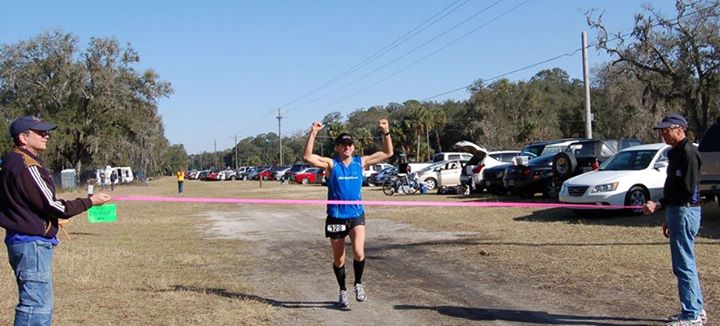
Well, Dane not only nailed the task of running from Gettysburg, Pa., to Washington, D.C., but he did it in the astonishing time of a little more than 50 hours. And now he’s taking to Kickstarter to tell the story through a documentary that will take viewers on a roller coaster ride of emotion, physicality and humor.

I sat down with the extreme runner, author and motivational speaker to pick his brain about tackling that monstrous number of miles, as well as how he’s hoping his film will show others that they, too, can chase their own seemingly-impossible dreams.

KineticFix: You started running in law school to keep your weight in check. How’d you make the leap to extreme events/distances?

Dane Rauschenberg: It happened very suddenly. I went from barely running at all to all of a sudden planning on running 52 marathons in a year. Back in 2006 there was hardly anyone doing multiple marathons at max effort in one year, so it seemed outlandish for me to every try it. But to PR in my 42nd week of the year showed I wasn’t just out there to collect medals.

KF: Where’d you get the idea to do the American Odyssey Relay solo?

DR: It was a confluence of multiple events. I worked for a running company that put on races similar to the AOR, and that planted the seed. Then I wanted to see what was possible. I had no real idea how long it would take or how to go about doing it, but I figured out a way.

Source: SeeDaneRun

Source: SeeDaneRun

KF: Do you have a favorite moment or memory from the experience?

DR: It sounds cliché, but the finish was my favorite memory. Or more accurately, the last few hours. I was running completely alone (my crew had to return vehicles and get to the finish), and it gave me time to reflect on what I was going to achieve.

KF: What’s been tougher during your extreme running feats – the physical strain or the logistics?

DR: Logistics, without a doubt. When I ran 350 miles in one week up the Oregon Coast, it was the running that was the easy (well, easier) part. Stopping virtually every day to speak to people at events or children at schools took a great deal of time, energy and simple coordination of schedules. Throwing such a rigid timeline into running 50 miles a day made it harder than actually running the distance each day.

KF: How do you find the pure motivation to keep moving for 50+ hours?

DR: I don’t see what I do as all that special. I am not being falsely modest; I just think that if I can do something, other people probably can, too. It is just plain and simple: If you set out to do something, barring unforeseen events that can actually harm you long-term, there is no reason not to keep moving forward.

KF: What are your favorite foods to fuel up on during long runs?

DR: I have learned a great deal about fueling over time. I used to swear by pasta and “carb-loading;” now I know that carbs are important, but so are proteins, fats, etc. In fact, in my longest runs I have learned that eating real meals is very important to me. By that I mean, while I supplement with PowerBar products, I know that I need to get real food into my body. I have found that, for me, eating lean beef products has allowed me to get moving again when I thought my runs were over — even in 100-milers where I stop and eat a cheeseburger in the middle of the event.

Source: SeeDaneRun

Source: SeeDaneRun

KF: Do you have any recovery tips for being able to bounce back quickly after long runs?

DR: Massage, rest and eating right. There are no tricks. People know what to do, but they don’t want to do it. Plus, apparently, pick the right parents!

KF: How do you prevent and/or manage injury along the way?

DR: We can usually tell what happens when an injury occurs. But when injuries do not occur, it is hard to pinpoint what exactly made them not happen. I bristle at all the running books where experts tell you the “proper” way to eat, train, run, etc. Everyone is so different and how people feel able to give a generalized message in such a specific way is beyond me.

KF: What’s your weekly mileage look like when you’re not training for an extreme endurance event?

DR: I wish I could give a straight answer here. I know I have never once topped 3,000 miles in a year. I have done all of my long-distance running on a diet of high-quality, low(ish) mileage. So, if I had to ballpark it, I would say 50 miles a week is a solid average for me.

Source: SeeDaneRun

Source: SeeDaneRun

KF: What do you hope people will take from the film?

DR: I hope people realize that they can do amazing things. I never say, “You can do whatever you want to do if you just put your mind to it,” as that sets up those who fall short as not “wanting” it enough.  However, we can only find out what we can do by attempting to go beyond what we think is impossible.

KF: Got any tips for people who would like to do a half or a full marathon but don’t think they can handle it?

DR: Absolutely! Look at me. I was a 215-pound rugby player who boxed amateur. My first marathon was a 4:12. I have now run in the 2:40s for a full, and know I can get faster. I hated running. I thought it was punishment, and I wasn’t an out-of-shape guy who hated running; I was an athlete. I have failed constantly. I will continue to fail. But I will get back up and try again. So can anyone.

KF: Finally, what’s up next/what’s left on your ‘extreme bucket list?’

DR: I despise the term “bucket list.” If money were no object, there are few things in this world I wouldn’t want to do. I want to learn how to play an instrument. I would enjoy learning another language (or two) fluently. I hope to learn how to tango someday. That is how I wish to experience life.

With regards to running itself, I have learned that one must know to say “no” to the “what’s next” nagging question. We live in a world of instant gratification and instant accolades. Everyone is “awesome” or “wonderful,” and Facebook and social media allow us to have life envy of others whose lives are probably no better than our own.

We have to set our own agenda. After the past few years of sacrificing my own personal running goals with regards to getting faster in order to try and make a small difference with the little bit of publicity I have garnered, I would simply like to set a new marathon PR. I know I can go faster, and it would be wonderful to show — at age 37 — that I can find some speed again.

So in other words, everything is left on my list. I just hope I don’t run out of time.

Want to help Dean make his film a reality? Click here to make a pledge via Kickstarter! 

Source: SeeDaneRun

Source: SeeDaneRun

Nike Women’s Marathon SF: Week 11 training recap

This week’s lesson? Sometimes inspiration can come when you least expect it.

1185630_601182473253546_1526712469_n

Not only was I prepping both mentally and physically to peak in mileage this week, but the schedule also included a distance that I’ve been anticipating (er, dreading) for quite some time:

  • Tempo run – 8 mi
  • Track workout – 4 x 1600s
  • Long run – 20 mi (!)

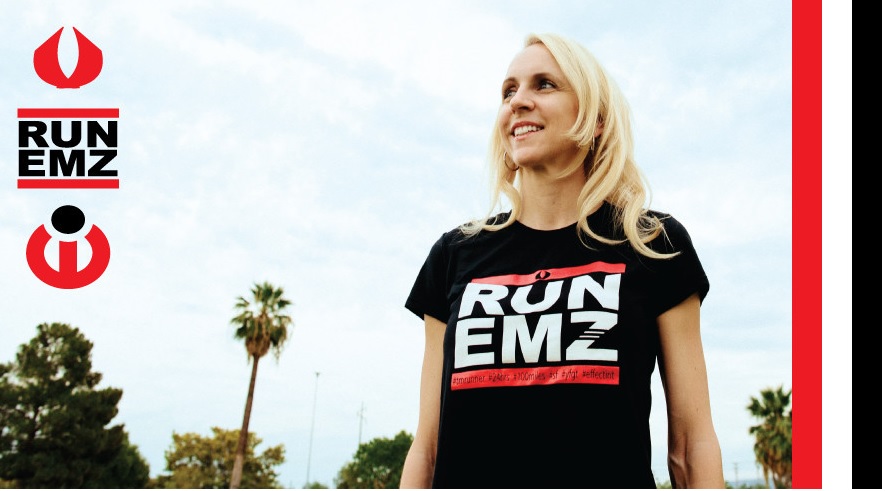
But then I saw this post from Pavement Runner and got totally fired up about pushing limits for two reasons: First, he ran a 38-miler in honor of a friend’s birthday the previous weekend; second, fellow runner/blogger EMZ was taking on her second 24-hour treadmill run (this one in SF to raise funds for education in India).

Source: IkunaApparel.com

Source: IkunaApparel.com

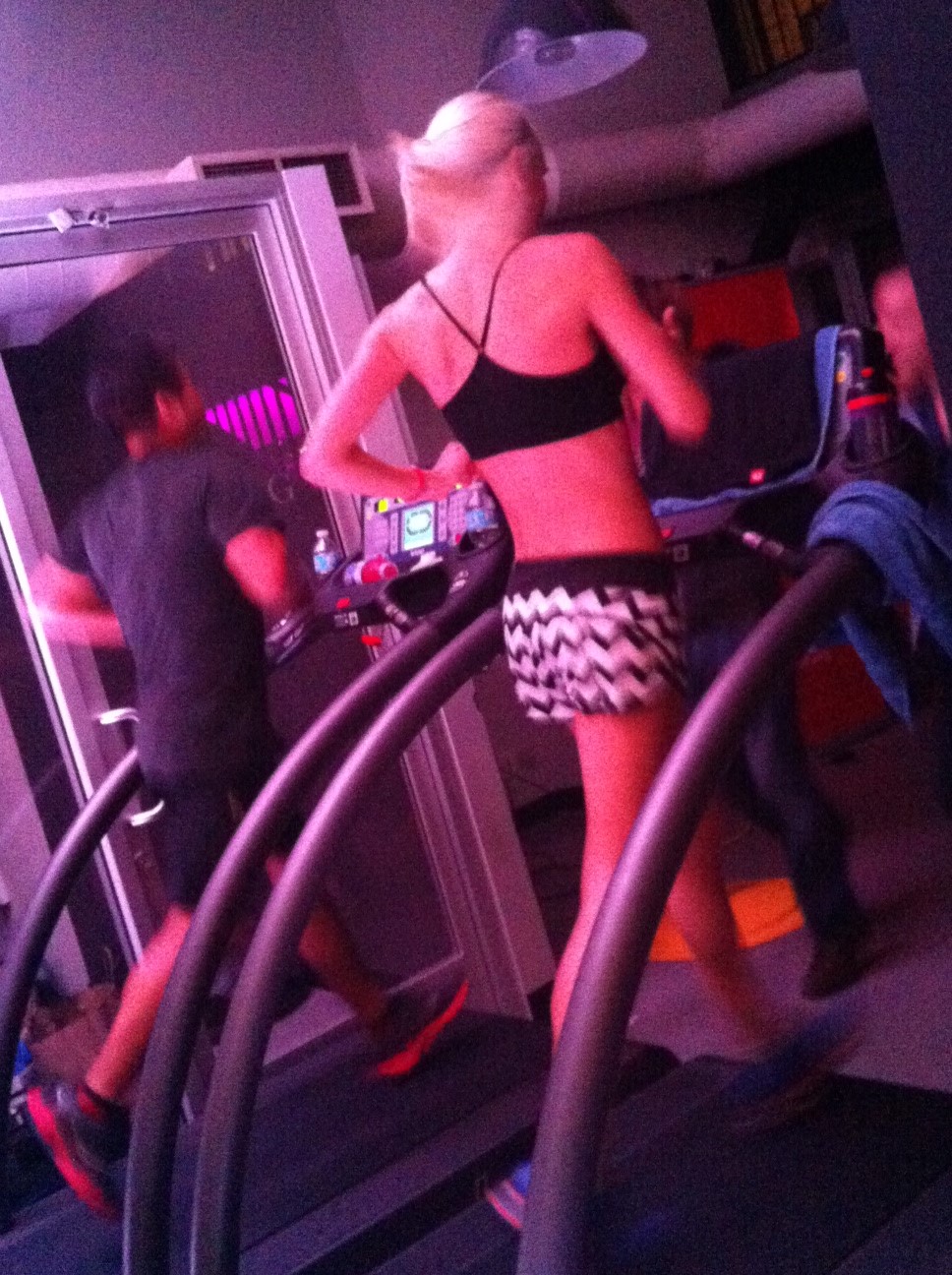
Pretty amazing, huh? So I stopped by the kickoff party at Rallypad on Thursday evening to watch her embark on the 100-mile adventure around 8 p.m.

wk11-8

It was quite the shindig, complete with drinks, dancing, a DJ and fun with fellow SF runners, @PavementRunner and @runeverafter.

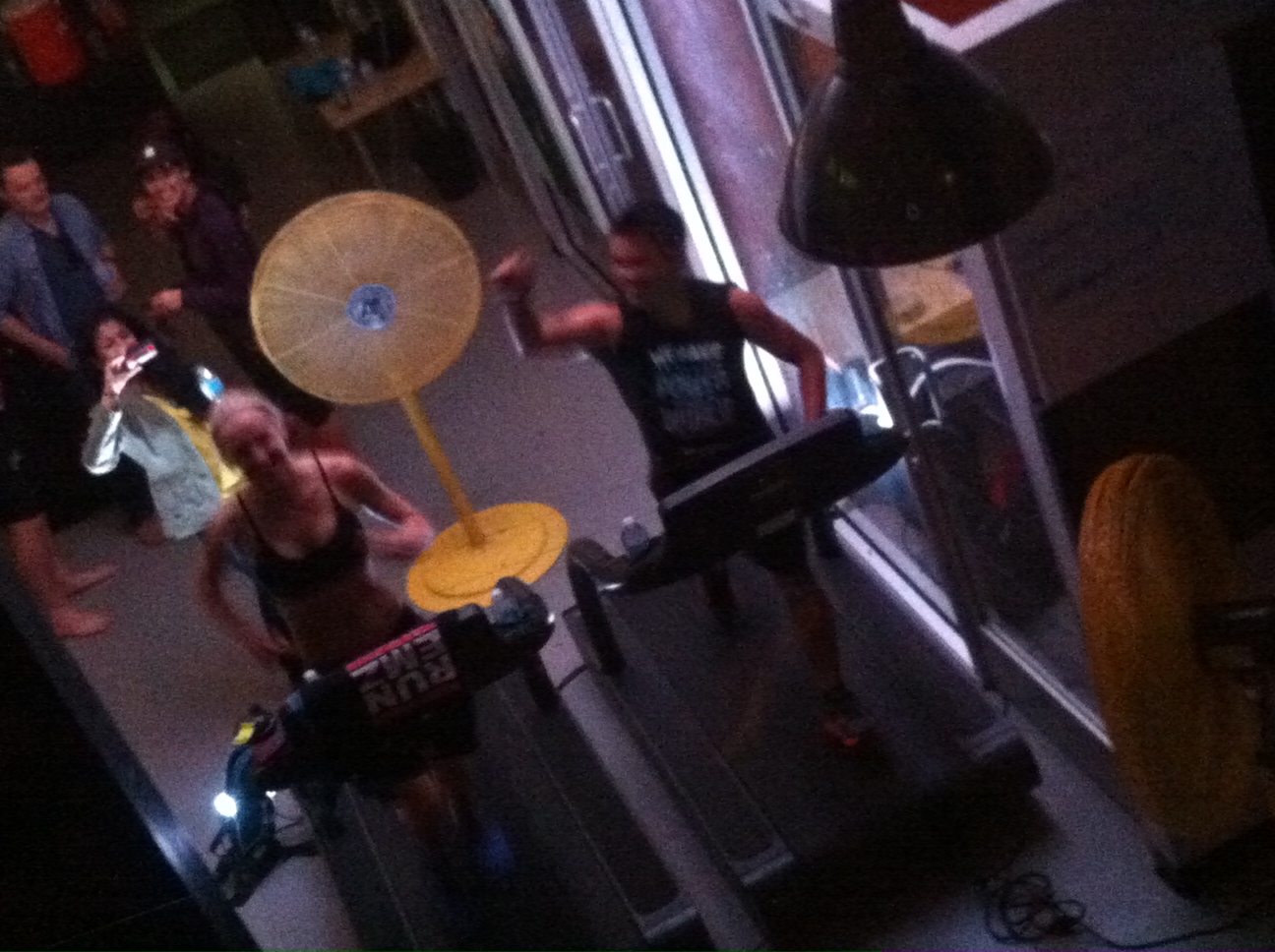
Rally.org’s CEO Tom Serres even got in on the action by pledging in honor of employees, who could then get on an adjoining ‘mill and knock out a few miles next to EMZ.

wk11-9

And so she went for the next 24 hours, with some fantastic final results, not to mention raising awareness – and funds – for a great cause. Seriously (to use an ‘EMZ-ism’), she “freaking rocked it!”

runemz2

As for my own running this week? Well, I cut Tuesday’s tempo down by a mile to seven for a quick loop before work. Heavy legs made for a slower pace, though, so it’s only fitting to include a shot of this little guy that I ran in to on my route.

wk11-3

The summer weather we had last week seemed like a distant memory as I ran through the morning fog and mist.

wk11-4

Thursday’s track workout reminded me (again) that I need to cool it on the pace right out of the gate. My target was 7:45-7:48 for each 1600, but after pushing for a 7:13 and 7:10 in the first two, I slowed significantly in the second two to 7:24 and 7:27.

wk11-1

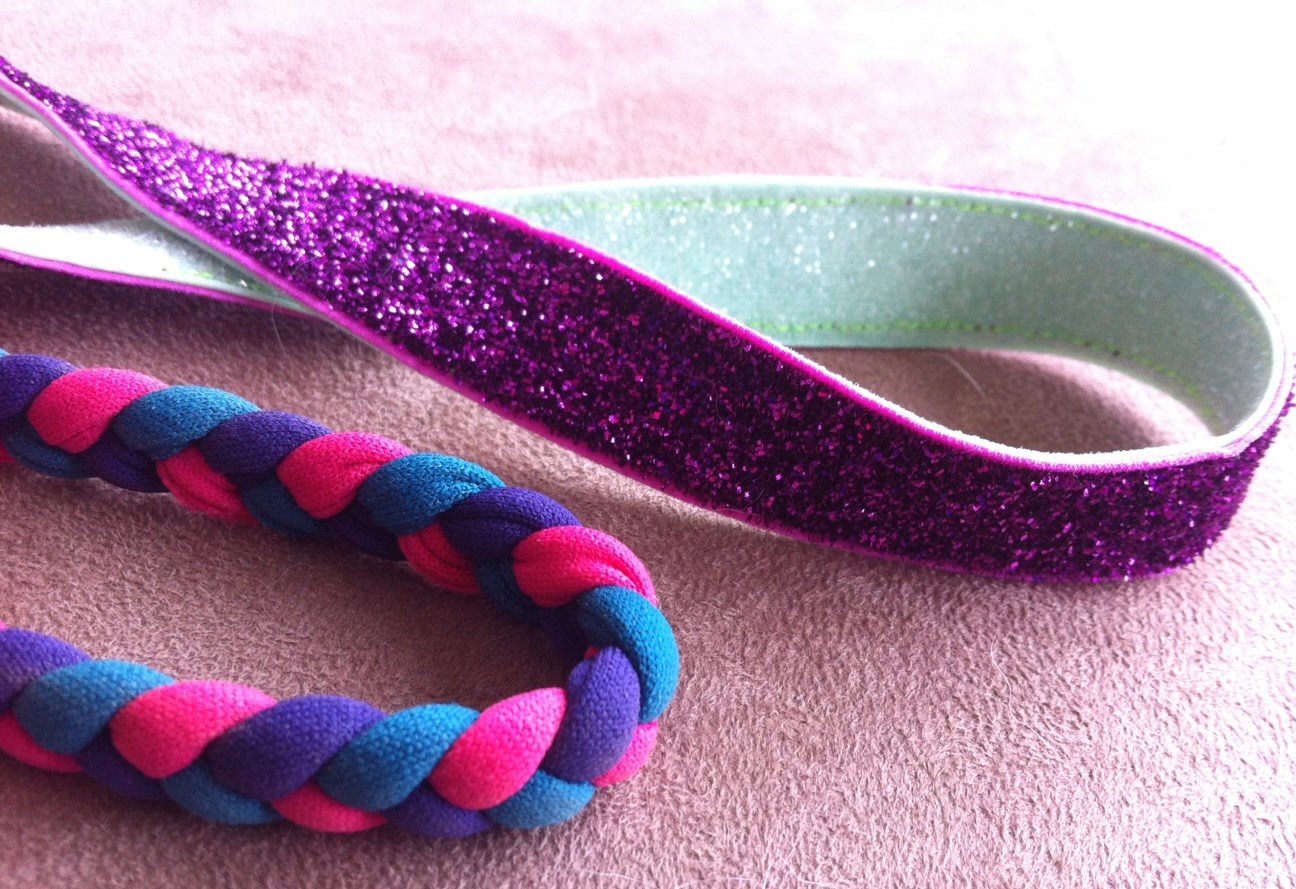
And remember my quest for the best headbands? Well, I tested out a new brand this week, Bondi Band, starting with their sparkly, reversible Skinnyband ($9).

Pro: It stayed in place really well, despite the early evening wind, so it’s perfect for high-impact days. Con: The metallic fabric was a tad scratchy, so I’d recommend it for shorter workouts.

wk1

I also tried their Single Braided Skinnyband ($10), which comes in a bunch of great colors. This one was super comfortable, but didn’t have as tight of a hold, so I’d recommend it for those low-impact days – i.e. boot-camp (and, as you can see, it’s also Brydan- and Brian-approved!).

Bondi1(1)

Here’s a close-up shot that shows both in better detail.

wk11-6 (2)

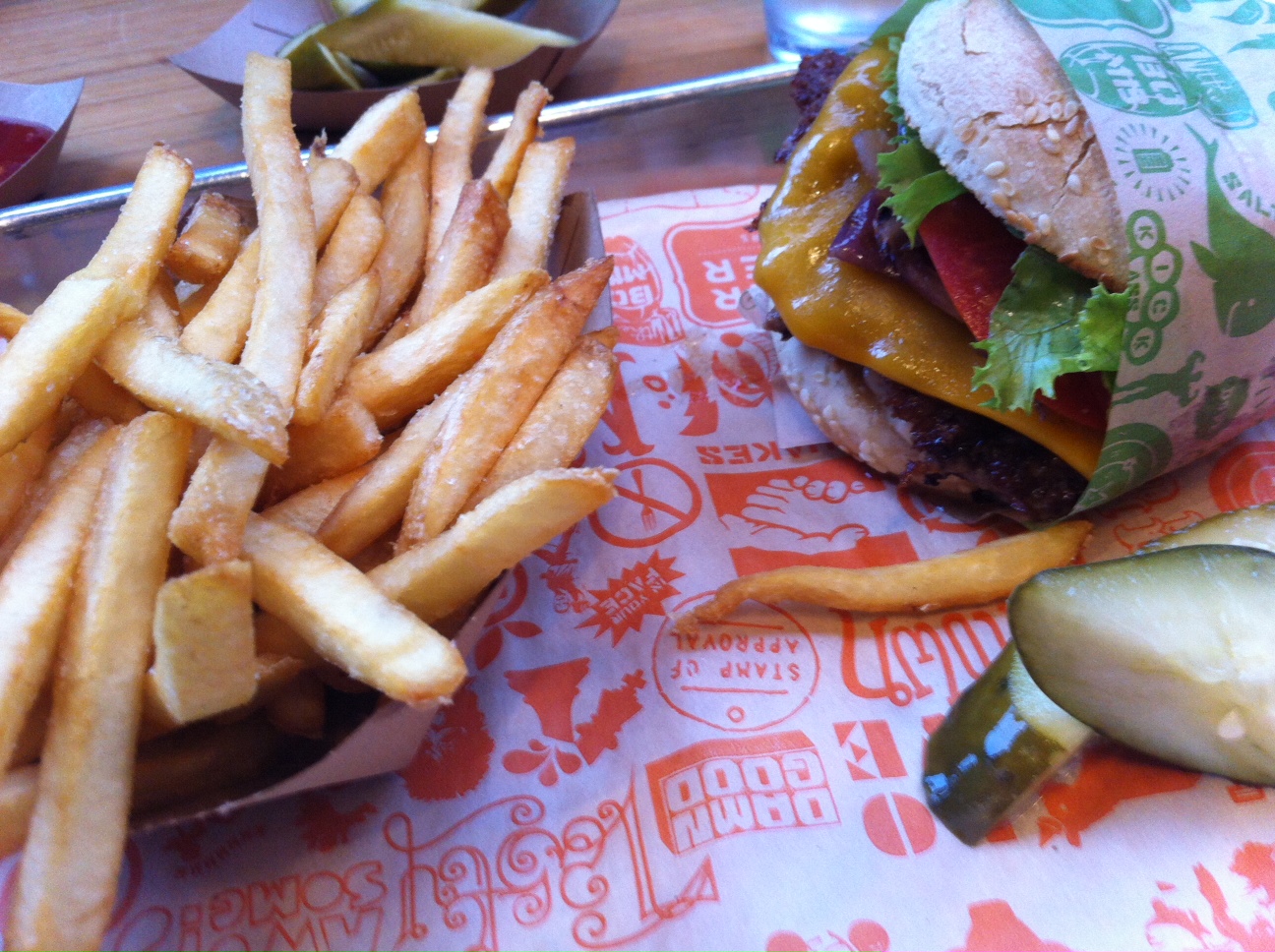
Oh, and another highlight of the week? Super Duper Burger. I’ve been craving cheeseburgers like crazy during training, and this is a new spot that’s been on the must-try list. I can now attest that they do, indeed, live up to the name.

Homemade pickles? Yes, please.

wk11-7

Needless to say, I was well fueled up going into the weekend’s 20-miler, which I decided to break into three parts. The first leg was eight miles on my own around the Marina before meeting up with with the Saturday morning run crew.

(Speaking of fuel, I ran right by one of my favorite dessert spots, Ghirardelli…can you tell I have food on the mind pretty much, non-stop, now?)

wk11-11

From there, I met up with the group to knock out the next eight miles. We covered a lot of ground, both literally and metaphorically, chatting about a range of topics over the course of the run. Of course (surprise, surprise), the conversation did turn to food about halfway through (as most long runs seem to do at some point).

For the third leg, I met up with hubby and Kevin, and we decided on a route through Golden Gate Park. I was 16 miles in, and they had just finished a swim in the bay, so we settled into an easy pace for a while before splitting; they went ahead to make a loop, while I doubled back.

Before I knew it, I hit 20 and kept going…partly because it was cold and windy (and I didn’t want to walk back in it to the car), and partly because I felt like I could keep going!!! But I didn’t want to push it too far…

wk11-12

The final tally: 22.5 miles. Aside from being completely soaked through with sweat (I drank two liters of water during the course of the run, yikes) and getting chilled and chafed as a result, I felt really good.

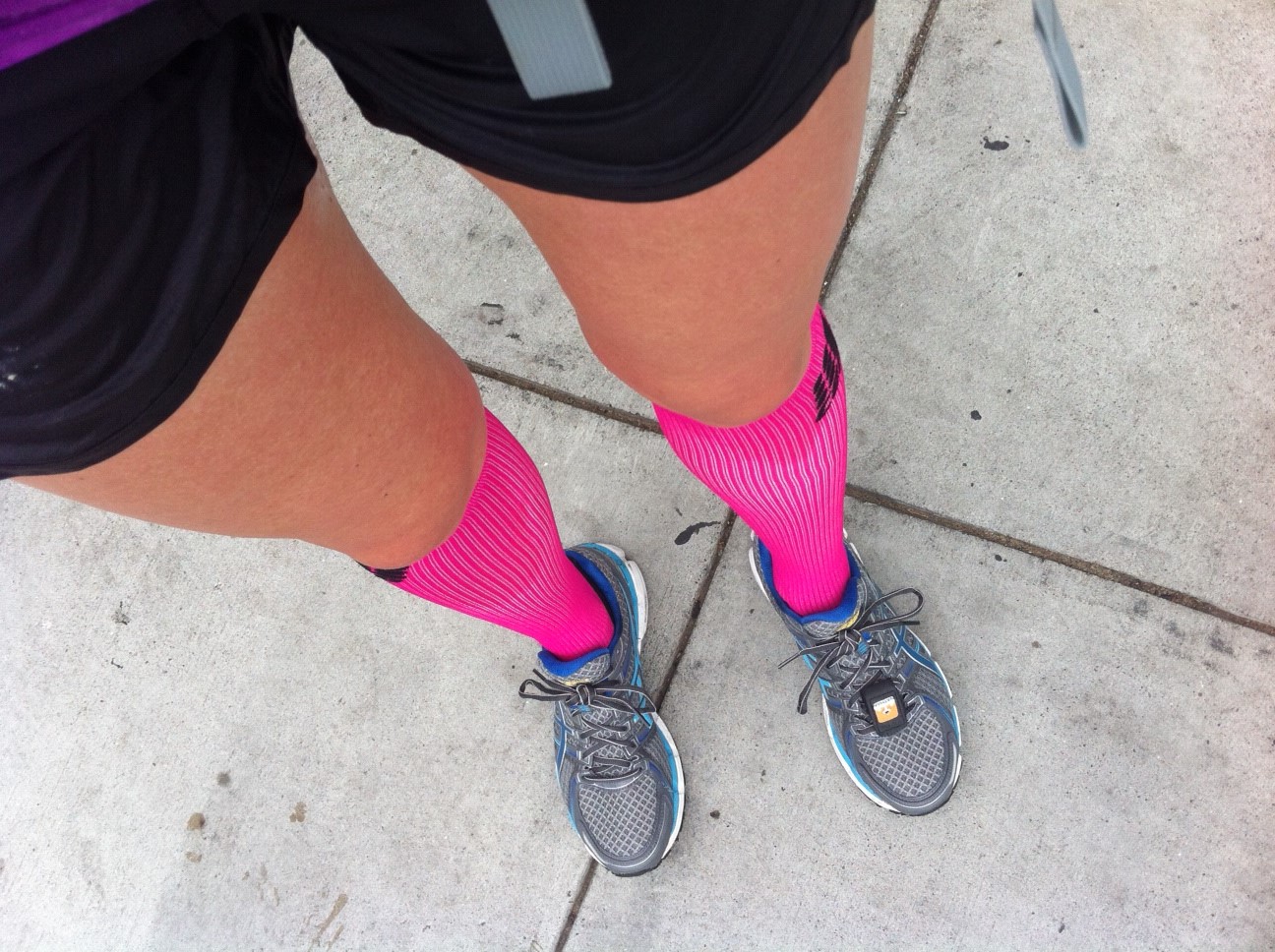
I do have to find some better sweat-wicking gear for the race, however, because this week’s shorts just didn’t cut it (see below). Anyone have suggestions?

wk11-13

My “reward” for this week’s milestone run: An ice-cold bath. Not fun at first, but you do get used to it.

A few tips for making it more bearable, based on my experience: Bundle up on top, get in the bath before you add ice to keep it from being such a shock, and don’t forget reading material to help pass the time.

Oh, and a bring burrito, too…can’t forget the food!

wk11-14

Stay tuned; next week marks the one-month countdown to race day!

Thanks to the folks at Bondi Band for providing samples for review; all opinions are my own. 

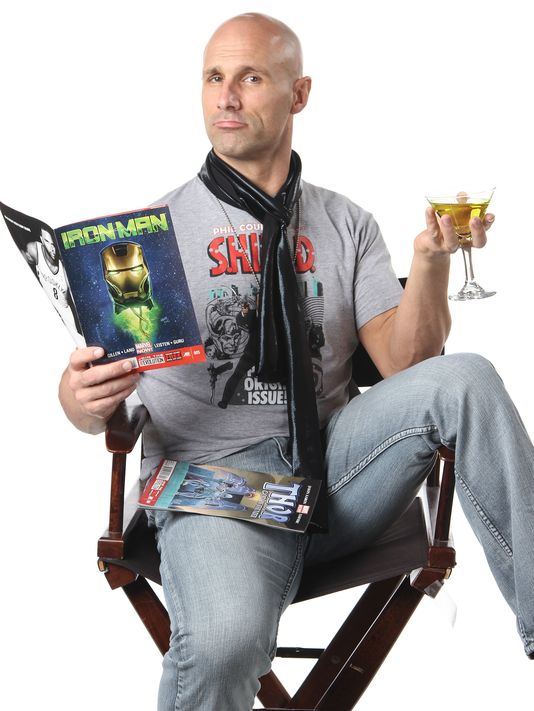
Pro wrestler Christopher Daniels on dreaming big, being dashing…and mastering the Best Moonsault Ever

Photo credit: Mr. Lee South

Photo credit: Mr. Lee South

Given the short length of the average professional athlete’s career, Christopher Daniels’ 20 years (and counting) as a pro wrestler is quite an impressive feat.

Leveraging the same stamina and agility he exhibits on the mat, the theater-major-turned-grappler has traveled the world to entertain folks with his in-ring antics over the years.

Not only has Daniels worked for every major professional wrestling organization – including World Wrestling Entertainment (WWE) and World Wrestling Council (WCW) – but he’s also one of the top stars of TNA Impact Wrestling (Thursday nights on Spike TV), as well as regular Pay-Per-View events and both national and international tours.

I sat down with the self-proclaimed “man with the rear that makes the girls cheer” recently to chat about his thoughts on staying in shape, training toward your strengths and – what else? – mastering his most famous move on the mat.

KF: So, tell us – how does one become a professional wrestler?

CD: Well, I grew up in Fayetteville, N.C., where I became a pro wrestling fan at an early age, watching people like Ric Flair, Dusty Rhodes, the Road Warriors and Sting wrestle for Mid Atlantic Championship Wrestling.

But those men seemed a lot larger than I thought I’d ever become, so I didn’t envision becoming a wrestler until a lot later in life.

After I graduated college, I moved to Chicago and did some children’s theater, telling my girlfriend at the time (who is now my wife), “You know, if this acting thing never works out, I could always try to be a pro wrestler,” never actually meaning it.

Little did I know, she found a local professional wrestling school (Windy City Pro Wrestling in Chicago) and made an appointment for me. She says that I came out of that meeting with a look in my eyes that said, “I’m going to do this!”

Because I grew up a fan, I had a frame of reference and finished my initial training in three months. In my third match, I won my first championship, the Windy City Lightweight Championship, and I just stuck with it until this slowly became my career.

You’ve got to be in great shape to take – and give – and beating in the ring. What’s your workout philosophy?

I always had the mentality to train towards my strengths – stamina and agility – rather than try to add size which might hinder my performance. I was under six feet tall, so I knew I’d never be a physically imposing wrestler like Hulk Hogan.

The wrestlers whose work I enjoyed the most, like Shawn Michaels and Sean Waltman, were the ones who were fast and agile, and that’s who I tried to emulate. That meant that, in addition to being as lean as I can be for cosmetic reasons, I also needed to train for performance, which meant making my stamina and flexibility a priority.

Walk us through a typical nutrition & workout routine as you’re preparing for a match.

I do admit that the hardest facet of my fitness routine is eating clean, especially in terms of carbs. I have two kids, so I’ve always got snacks and sweets around and it’s hard to be super-strict, but I do try to keep my protein intake as high as I can to offset whatever carbohydrates I may consume.

When I’m home, I know that my job is to hit the gym at some point during a day, so it’s very rare that I take a day off. I usually try to do a four-day split in a given week – a day each for chest, back, shoulders and arms, plus leg exercises each day in-between sets.

We’ve got to know – what goes through your head when you’re about to step into the ring?

Honestly, at this point it’s very rare that I get nervous before a match. I’m comfortable going to the ring, and I get a rush just as my music starts to play right before I go through the curtain. I’ll try and think of something different to say on the microphone every night, just to stay mentally on my toes.

Your signature move – the Best Moonsault Ever – looks pretty complicated; how’d you master it?

It was a two-part process. First off, the moonsault itself (for non-wrestling fans, basically a back-flip off the top rope landing on your opponent chest-to-chest) I initially saw watching the Great Muta, one of the most famous Japanese wrestlers ever to compete in the US.

It took me a while to get confident enough to try and back-flip without worrying about landing on my head…and even longer to learn how to do it by leading with my head instead of one of my shoulders, which keeps me going straight over instead of leaning to one side or the other.

Then, the unique way I do it, bouncing first on the second rope and leaping straight up to the top rope before executing the moonsault, I learned from a Mexican wrestler who came through Chicago to train with us. After a bit, I decided to put them together, and the rest is history.

TNA Wrestler Daniels performing a Best Moonsault Ever (BME) Photo Credit: Hoard han/Flickr

TNA Wrestler Daniels performing a Best Moonsault Ever (BME)
Photo Credit: Hoard han/Flickr

Can you tell us what your recovery process is like after a match? 

I usually take a day off after a weekend of live events, mostly because I’ll get on the earliest flight available to go home to California, which means I’ll have to wake up sometime between 1:30-3:00 am PST. Typically that day off is enough to recharge so I can get back into my routine the next day. I also do yoga to keep as much stiffness as I can at bay.

Any titles you have your eye on – or new projects on the horizon?

Well, first and foremost, I’m always in the hunt for a championship, primarily the World Tag Team Championships with my partner Kazarian. I’m always looking towards the World Heavyweight Championship, too, and if I ever get a sustained opportunity to chase whoever holds that title at any given time, most assuredly I’ll put my best foot forward.

Additionally, I hope to branch out into acting when my schedule permits, and I’ve got some ideas for stories I hope to one day publish in comic books (one of my favorite hobbies).

Meanwhile, I plan on continuing to be one of the most entertaining men on Impact Wrestling’s roster, as well as the most dashing. I may also try to work on my modesty…but probably not.

To read more and keep up with wrestling’s “Fallen Angel,” check out Christopher’s website here